
Facets
Browse across eight MeSH (opens in new tab) facets — era, geography, science, specialty, technology, history, culture, and reference. Select one tag per group; counts update across the others.
Clear filtersFacet filters
Geography
Specialties & Disease
- Anatomy & Pathology 765
- Cardiology & Blood 914
- Neurology & Psychiatry 1,256
- Obstetrics & Reproductive 550
- Infectious Disease (General) 147
- Surgery & Anesthesia 1,551
- Public Health 1,129
- Immunology & Dermatology 1,404
- General Clinical Medicine 480
- Military Medicine 436
- Psychology 202
- Alternative & Fringe Medicine 383
- Pediatrics 247
- Ophthalmology & Vision 412
- ENT & Hearing 293
- Urology & Nephrology 309
- Gastroenterology & Hepatology 316
- Pulmonary & Respiratory 233
- Rheumatology, Rehab & Pain 188
- Internal, Emergency & Geriatric 123
- Veterinary Medicine 165
- Epidemiology & Demography 397
- Physiology & Embryology 923
- Dentistry 259
- Plagues & Epidemics 1,279
- Microbiology & Virology 1,080
Social & Historical Studies
Institutions & Culture
Reference & Scholarly Works
1,080 entries match Microbiology & Virology [C01.748]
1845 CE
#3619
On diseases of the liver.
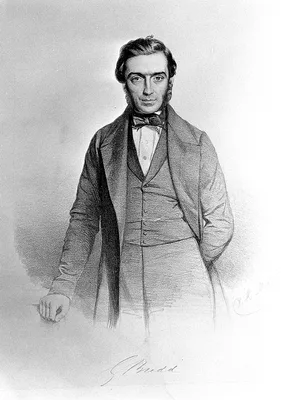
Budd was Professor of Medicine at King’s College, London. Section III of the above book includes a description of that form of cirrhosis to which the name “Budd’s disease” has been applied. In …
1907 CE
#12253
On herpetic inflammations of the geniculate ganglion: A new syndrome and its complications.
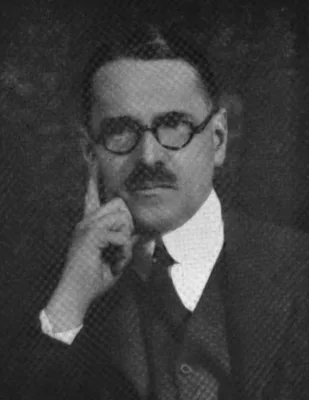
Herpes zoster oticus, also known as Ramsay Hunt syndrome type 2.
1898 CE
#5038
On infection with a para-colon bacillus in a case with all the clinical features of typhoid fever.
Isolation of Salmonella paratyphi A.
1874 CE
#4066
On mycetoma, or the fungus disease of India.
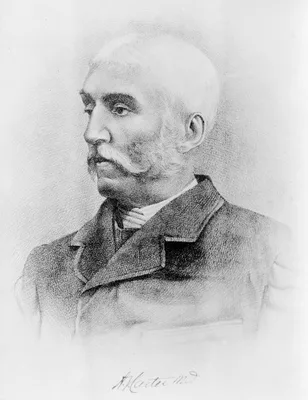
See No. 4047.
1898 CE
#4127
On refractory subcutaneous abscesses caused by a fungus possibly related to the sporotricha.
Schenck first described a form of sporotrichosis, due to a pathogenic fungus, which later became known as Sporotrichum beurmanni, after more thorough studies upon it by de Beurmann in 1903.
1923 CE
#5538.1
On Rhinosporidium seeberi (Wernicke, 1903), with special reference to its sporulation and affinities.
Ashworth was the first to show that Rhinosporidium was a fungus.
1898 CE
#5294
On sart sore.
First description of the protozoon later named Leishmania tropica. The paper is in Russian; for a translation, see C. A. Hoare, in Trans. roy. Soc. trop. Med. Hyg., 1938, 32, 78-90.
1897 CE
#5247
On some peculiar pigmented cells found in two mosquitoes fed on malarial blood.
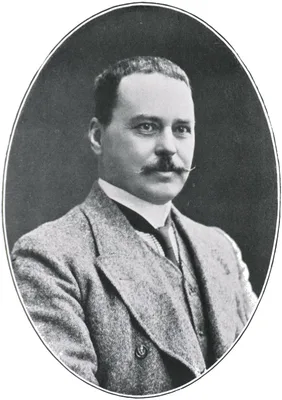
Ross proved that the mosquito was responsible for the transmission of malaria. On 20 August 1897, he found Laveran’s Plasmodium in the stomach of the Anopheles mosquito after it had fed on the blood of malaria p…
1923 CE
#3323
On the aetiology of the laryngeal papilloma.
In this classic paper Ullmann reported the transmission of the virus to animals.
1929 CE
#1933
On the antibacterial action of cultures of a penicillium, with special reference to their use in the isolation of B. influenzae.
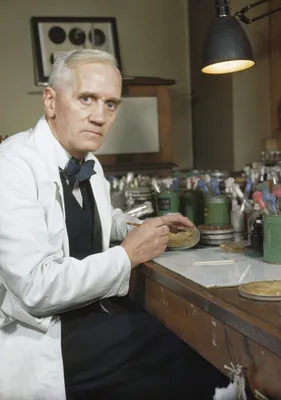
Discovery of the growth-inhibiting action of Penicillium on certain bacteria. In 1945 Fleming shared the Nobel Prize in Physiology or Medicine with Ernst Boris Chain and Sir Howard Walter Florey "for the discovery of …
1897 CE
#5101
On the application of the serum test to the differential diagnosis of typhoid and Malta fever.
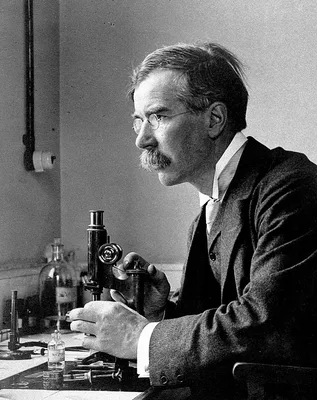
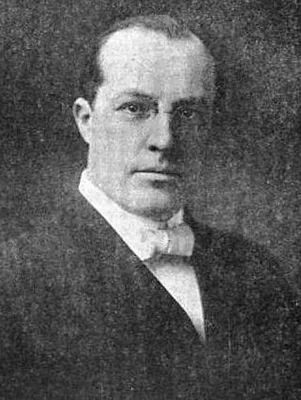
Agglutination test for the diagnosis of undulant fever.
1902 CE
#5362.1
On the causal relationship between “ground itch”, or “pani-ghao”, and the presence of the larvae of the Ankylostoma duodenale in the soil.
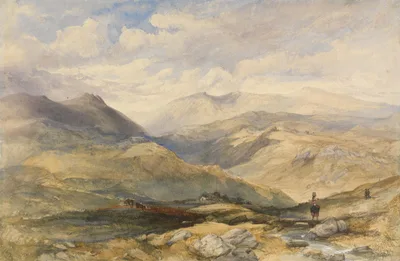
While a medical officer in the tea plantations in Assam, India, Bentley demonstrated the mode of entry of Ankylostoma into the body.
1926 CE
#1915
On the chemotherapy of neurosyphilis and trypanosomiasis.
Study of the effect of twelve different substances in neurosyphilis and trypanosomiasis.
1964 CE
#13944
On the colinearity of gene structure and protein structure.
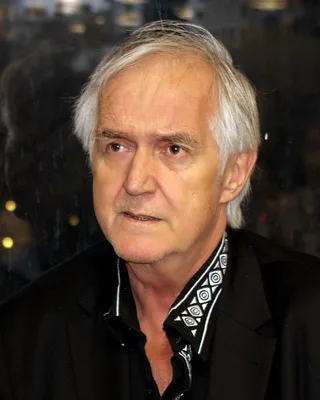
Yanofsky and colleagues established that gene sequences and protein sequences are colinear in bacteria. Order of authorship in the original publication: Yanofsky, Carlton, ... Henning. In genetics, coliniarity is a pr…
1903 CE
#5276
On the discovery of a species of trypanosoma in the cerebrospinal fluid of cases of sleeping sickness.
While in Uganda, Castellani discovered T. gambiense in human cerebrospinal fluid. A paper in Notes Rec. roy. Soc., 1973, 23, 93-110, discounts Castellani’s claim that although he first discovered trypanosomes in…
1864 CE
#5344.5
On the endemic haematuria of the Cape of Good Hope.
Like Cobbold, Harley expressed the view that a mollusc was the intermediate host in bilharziasis.
1900 CE
#5093
On the etiology of tropical dysentery.
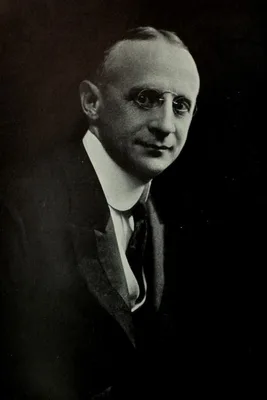
The organism isolated by Flexner was at first thought to be identical with Shiga’s bacillus. Later Martini and Lentz, Z. Hyg., 1902, 41, 540, showed it to be different; it was named Bact. flexneri, and later Shi…
1848 CE–1849 CE
#3450
On the existence of Entophyta in healthy animals, as a natural condition.
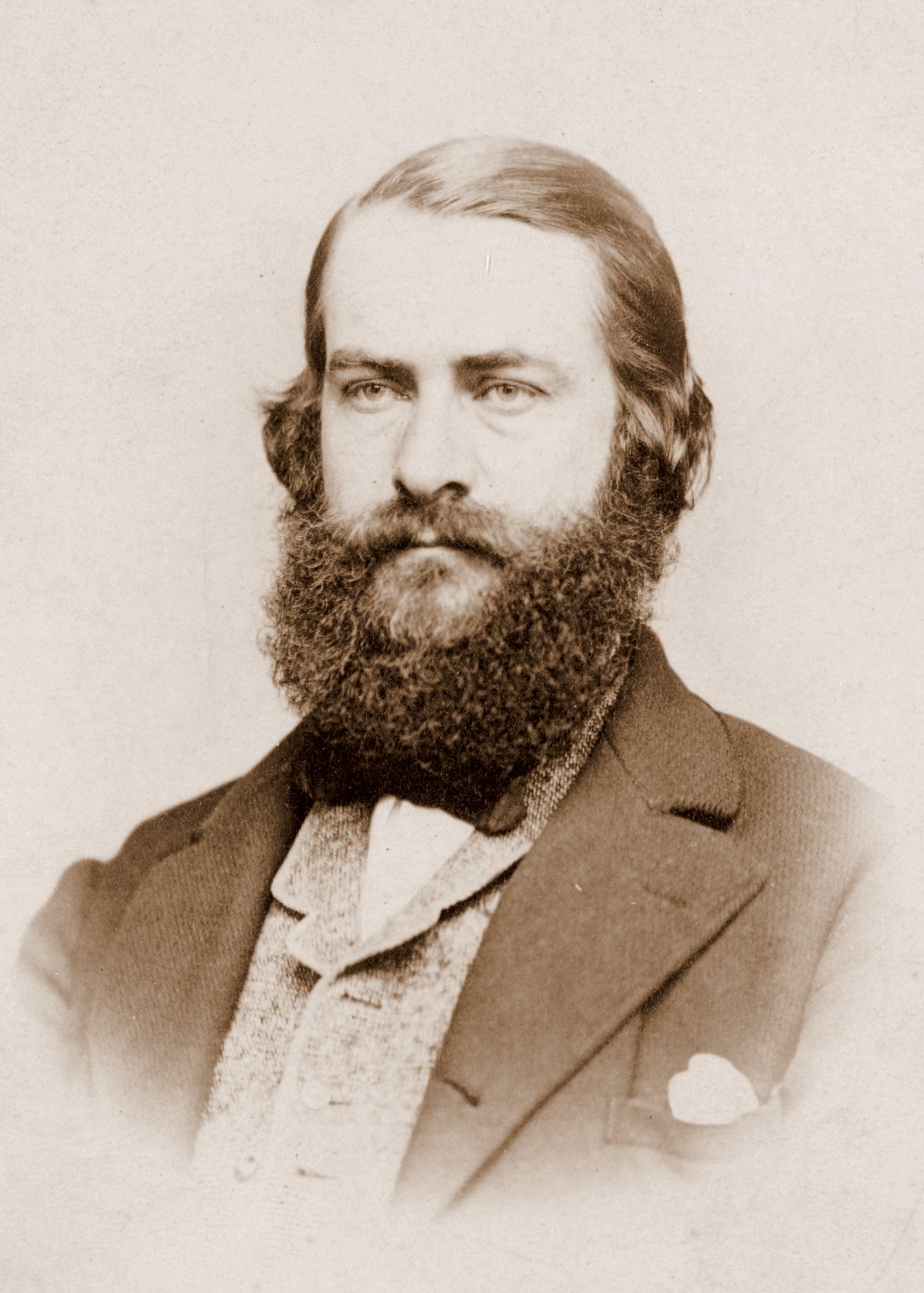
Discovery of the bacterial flora of the intestines.
1931 CE
#5072
On the existence of two forms of diphtheria bacillus B. diphtheria gravis and B. diphtheriae mitis.
J. S. Anderson, F. C. Happold, J. W. McLeod, and J. G. Thomson were the first to distinguish the gravis, mitis, and intermediate types of C. diphtheriae.
1897 CE
#5246
On the flagellated form of the malarial parasite.
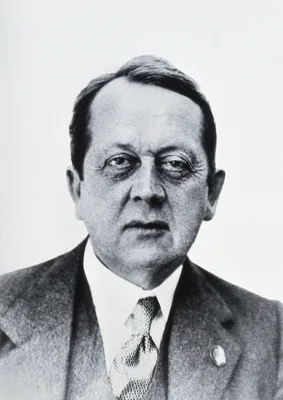
MacCallum reported at a meeting of the British Association his observation of the mode of fertilization of the malarial parasite of birds; two months later he announced that he had found the same to hold good for the …
1830 CE
#5153
On the glanders in the human subject.
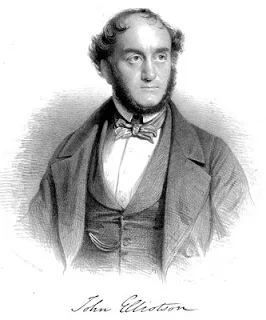
Proof that glanders in the horse is communicable to man.
1898 CE
#5249
On the haemocytozoa of birds.
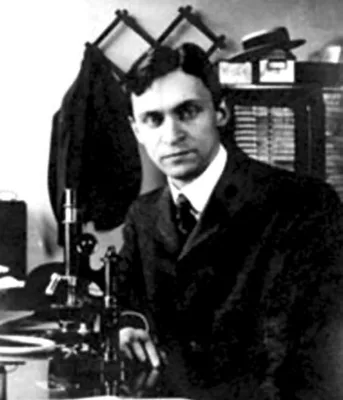
Demonstration of sexual conjugation in the malaria parasite. See also No. 5250.
1877 CE–1878 CE
#2489
On the lactic fermentation and its bearings on pathology.
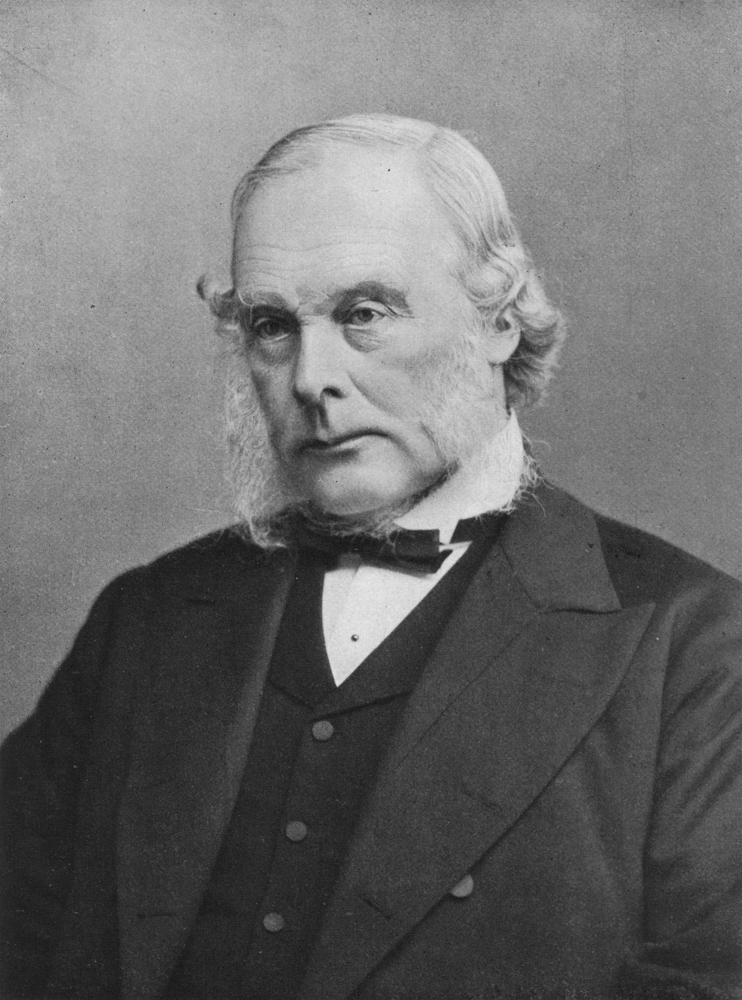
Lister was the first to obtain a pure culture of a bacterium (Bact. lactis). Lister first presented the results of this research in an address to the Royal Society on December 18, 1877. Because of its historic signifi…
1921 CE
#5350.7
On the life cycle of Fasciolopsis buski Lankester.
1894 CE
#5245
On the nature and significance of the crescentic and flagellated bodies in malarial blood.
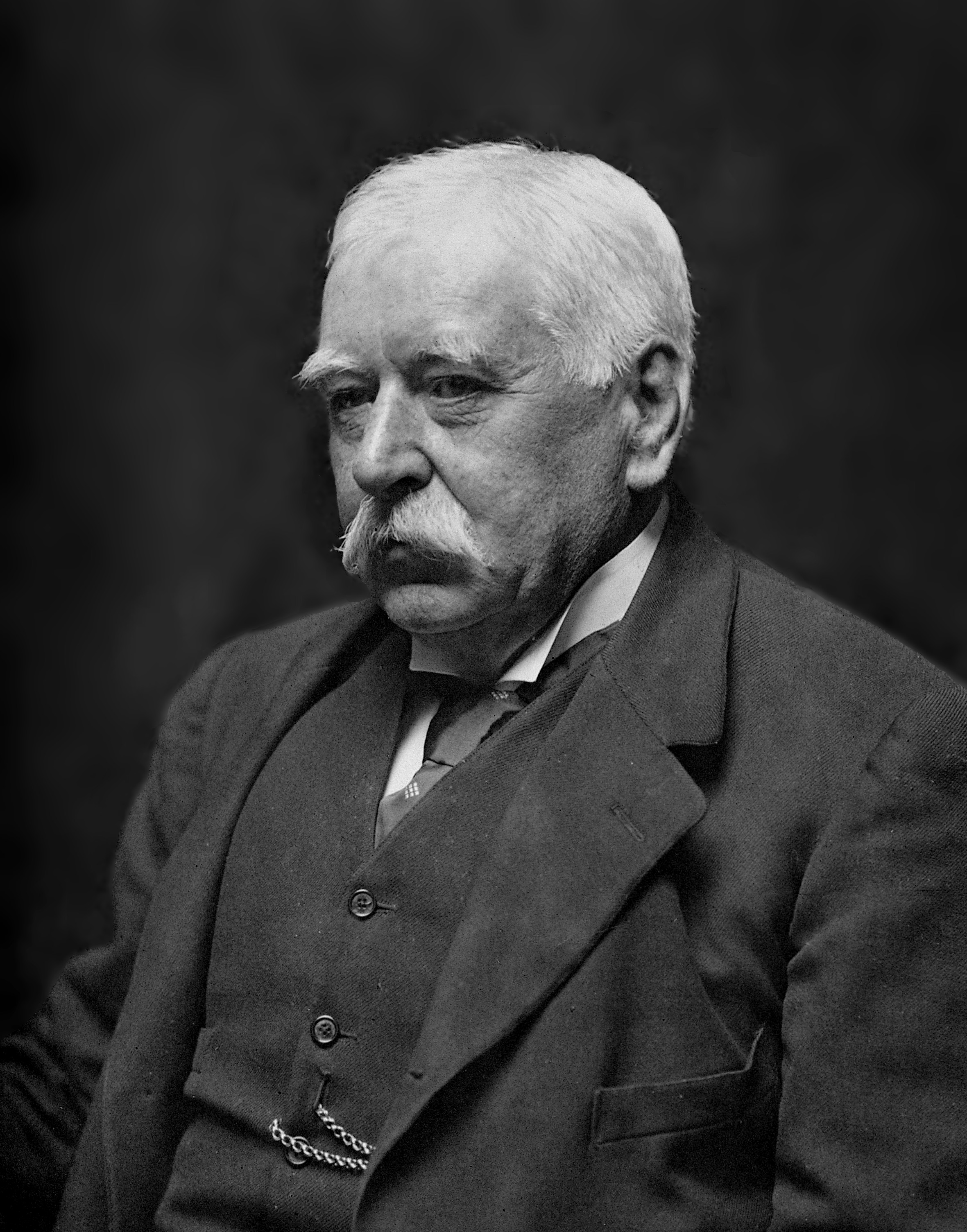
Manson’s mosquito–malaria hypothesis. See also his Gulstonian Lectures in Lancet, 1896, 1, 695-98, 751-55, 831-33.
1963 CE
#5308.2
On the origin of the human treponematoses (pinta, yaws, endemic syphilis and venereal syphilis).
“Perhaps the most scholarly investigation of the origin of syphilis” (Wesley Spink).
1861 CE
#3993
On the parasitic affections of the skin.
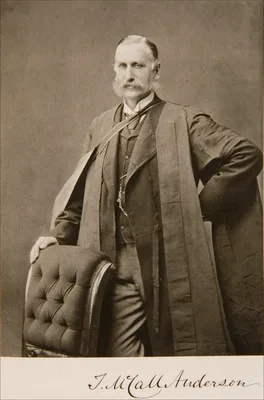
Anderson was Professor of Clinical Medicine at Glasgow. Digital facsimile of the second edition (1868) from the Internet Archive at this link.
1842 CE
#12423
On the parasitic fungi found growing in living animals.
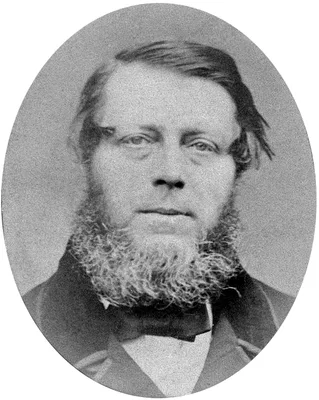
Bennett confirmed and extended the observations and experiments of Gruby concerning the mycodermatous vegetations found in the crusts of the disease called Tinea favosa, or Zorigo lupinosa of Bateman; he announced the…
1910 CE
#5285
On the peculiar morphology of a trypanosome from a case of sleeping sickness and the possibility of its being a new species.
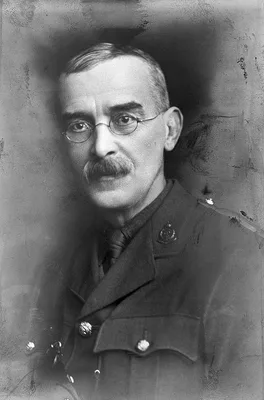
T. rhodesiense discovered.
1906 CE–1907 CE
#2084
On the poisons of Amanita phalloides.
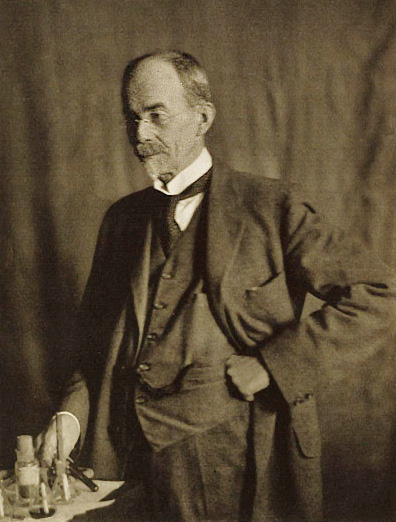
Abel and Ford showed that there were two poisons in the fungus Amanita phalloides, and that immunity against them could be attained. A further study on the subject by the same authors is in Arch. exp. Path. Pharmak., …
1903 CE
#5295
On the possibility of the occurrence of trypanosomiasis in India.
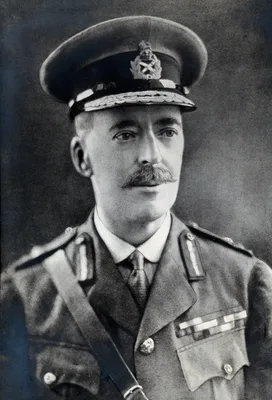
An organism found by Leishman in 1900 was later described by him as possibly a trypanosome. C. Donovan found the same organism in blood in July 1903. The name Leishmania donovani (Leishman-Donovan bodies) was later at…
1875 CE
#5344.10
On the presence of a Filaria in “craw-craw”.
In 1874, while examining skin snips from craw-craw patients in Ghana, during his service on the H. M. S. Decoy, the Irish surgeon O’Neill discovered the subcutaneous microfilaria. This was the earliest known vis…
1905 CE
#5306
On the presence of spirochaetes in two cases of ulcerated parangi (yaws).
Castellani demonstrated in scrapings of yaws tissue a spirochaete, T. pertenue, later found to be the causal organism. He thus finally established it as a distinct organism from the syphilis spirochaete. Preliminary n…
1899 CE
#2554
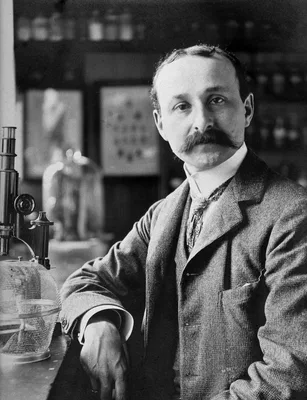
On the rôle of insects, arachnids and myriapods, as carriers in the spread of bacterial and parasitic diseases of man and animals. A critical and historical study.
1932 CE
#10784
On the specific antibacterial properties of penicillin and potassium tellurite. Incorporating a method of demonstrating some bacterial antagonisms.
In this paper Fleming first described the use of penicillin as an antibacterial agent in man, and reported on experiments using it as a wound dressing for septic wounds. He also corrected the species name from Penicil…
1863 CE
#5344.2
On the structure and nature of the Dracunculus or Guinea worm.
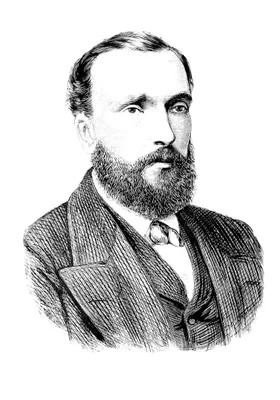
First detailed description.
1869 CE–1870 CE
#5344.7
On the structure and reproduction of Filaria medinensis L.
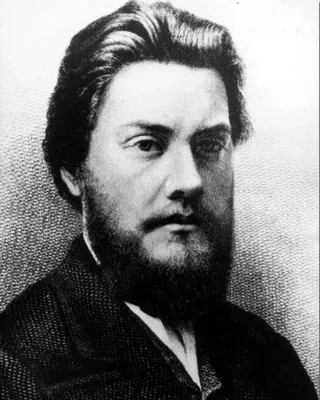
Fedchenko, a Russian naturalist and explorer of central Asia, elucidated the life cycle of Dracunculus medinensis, the parasite of dracunculiasis. He discovered its means of transmission via copepod intermediate hosts…
1837 CE
#5024
On the typhus fever which occurred at Philadelphia in the spring and summer of 1836; illustrated by clinical observations at the Philadelphia Hospital; showing the distinction between this form of disease and dothinenteritis, the typhoid fever with alteration of the follicles of the small intestine.
Gerhard, a pupil of Louis, correctly differentiated between typhus and typhoid. Part of his paper is reproduced in R. H. Major, Classic descriptions of disease, 3rd ed., 1945, p. 174.
1849 CE
#5027
On typhoid and typhus fevers, – an attempt to determine the question of their identity or non-identity, by an analysis of the symptoms, and of the appearances found after death in 66 fatal cases observed at the London Fever Hospital from Jan. 1847–Feb. 1849.
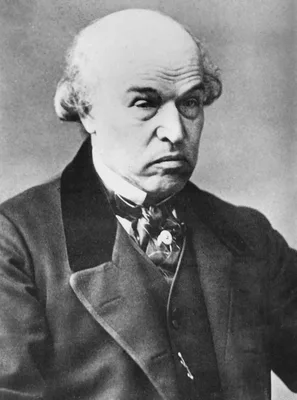
Despite Stewart’s work, there was still controversy as to the identity of typhoid and typhus. Jenner’s paper demonstrated that the etiology of the two was quite different, that one did not communicate or p…
1990 CE
#12649
One doctor's adventures among the famous and infamous from the jungles of Panama to a Park Avenue practice. With Tracy Dahlby.
1686 CE–1718 CE
#265
Ontledingen en ontdekkingen.... 6 vols.
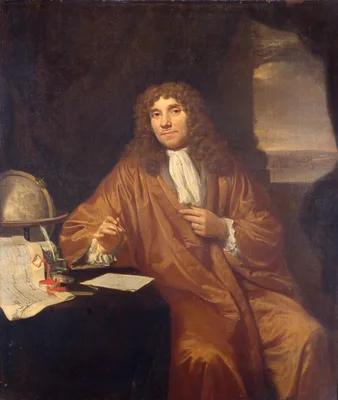
Leeuwenhoek, one of the first and also one of the greatest of the microbiologists, communicated many of his discoveries to the Royal Society in London. This set is a collection in Dutch of many contributions that van …
1903 CE–1929 CE
#7338
Opera Omnia. Volume I: Istologia normale—1870-1883 (Con 21 Tavole e ritratto); Volume II: Istologia normale—1883-1902 (Con 21 tavole); Volume III: Patologia generale e isto-patologia—1868-1894 (Con 9 Tavole). Volume IV: Scritti su argomenti varii.
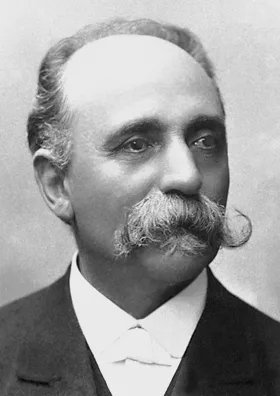
Limited to 325 copies, including material not previously published.
1925 CE
#11108
Opere di Agostino Bassi n. a Mairago 1778-m. a Lodi 1856- scelte e pubblicate a cura del comitato nazionale per la ristampa auspice la Società medico-chirurgica di Pavia.
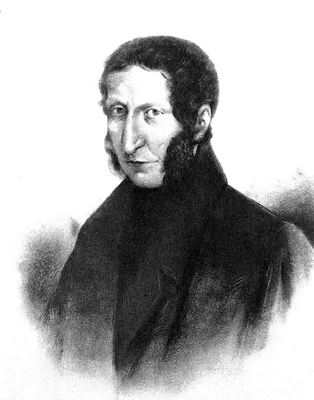
1762 CE
#65
Opere. 7 vols.
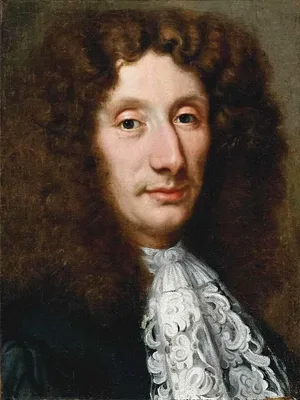
Redi was a leading physician in Italy. He is best remembered for his experiments discrediting the theory of spontaneous generation and for his pioneer work in the field of parasitology (see No. 2448.1); see also the a…
1830 CE
#11452
Organisation, Systematik und geographische Verhältniss der Infusionsthierchen. Zwei Vorträge, in der Akademie der Wissenschaften zu Berlin gehalten in den Jahren 1828 und 1830.
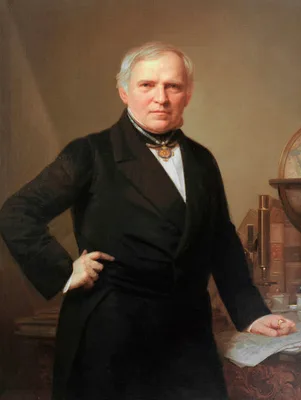
In this work Ehrenberg first published his classification of infusioria, including the naming of bacteria for the first time. The work published two papers based on his expeditions. The first, read on January 10, 1828…
1684 CE
#2448.1
Osservazioni … intomo agli animali viventi che si trovano negli animali viventi.
Redi was among the first of the parasitologists. He demonstrated the reproductive organs of Ascaris lumbricoides and also ascaris eggs. The results of his experiments appear in the above work, which also records his s…
1687 CE
#2529.1
Osservazioni intorno a’ pellicelli del corpo umano.
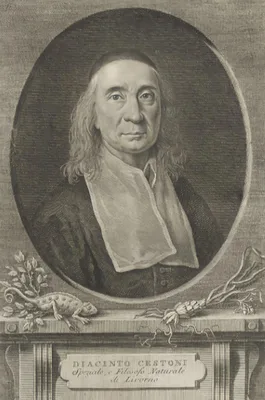
First clinical and experimental proof of infection by a microparasite. Bonomo observed Sarcoptes scabiei, the scabies mite. This gave researchers grounds to think in terms of objective, exogenous pathogenic agents as …
1854 CE
#5106.1
Osservazioni microscopiche e deduzioni patologiche sul cholera asiatico.
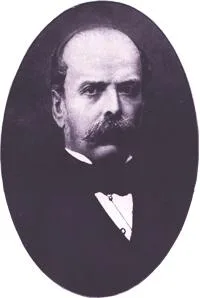
Pacini described vibrios seen in the intestinal contents of cholera victims. He incriminated these vibrios as the pathogen in the disease, anticipating Koch (No. 5108) by 30 years. See N. Howard-Jones. Perspect. Biol.…
1999 CE
#10953
Outbreak of West Nile-like viral encephalitis -- New York, 1999.
On October 1, 1999 the CDC reported a cluster of human encephalitis cases; prior to these cases many crows had been dying. The "sentinel event" in this outbreak was the report to the New York Health Dept. by Dr. D. As…
2017 CE
#9691