
Facets
Browse across eight MeSH (opens in new tab) facets — era, geography, science, specialty, technology, history, culture, and reference. Select one tag per group; counts update across the others.
Clear filtersFacet filters
Geography
Specialties & Disease
- Anatomy & Pathology 765
- Cardiology & Blood 914
- Neurology & Psychiatry 1,256
- Obstetrics & Reproductive 550
- Infectious Disease (General) 147
- Surgery & Anesthesia 1,551
- Public Health 1,129
- Immunology & Dermatology 1,404
- General Clinical Medicine 480
- Military Medicine 436
- Psychology 202
- Alternative & Fringe Medicine 383
- Pediatrics 247
- Ophthalmology & Vision 412
- ENT & Hearing 293
- Urology & Nephrology 309
- Gastroenterology & Hepatology 316
- Pulmonary & Respiratory 233
- Rheumatology, Rehab & Pain 188
- Internal, Emergency & Geriatric 123
- Veterinary Medicine 165
- Epidemiology & Demography 397
- Physiology & Embryology 923
- Dentistry 259
- Plagues & Epidemics 1,279
- Microbiology & Virology 1,080
Social & Historical Studies
Institutions & Culture
Reference & Scholarly Works
Drugs & Technology
765 entries match Anatomy & Pathology [G02.149 / C23]
1752 CE
#6018
Tabulae anatomicae quatuor uteri duplicis.
Atlas of bipartite and double uterus.
1538 CE
#372
Tabulae anatomicae sex.
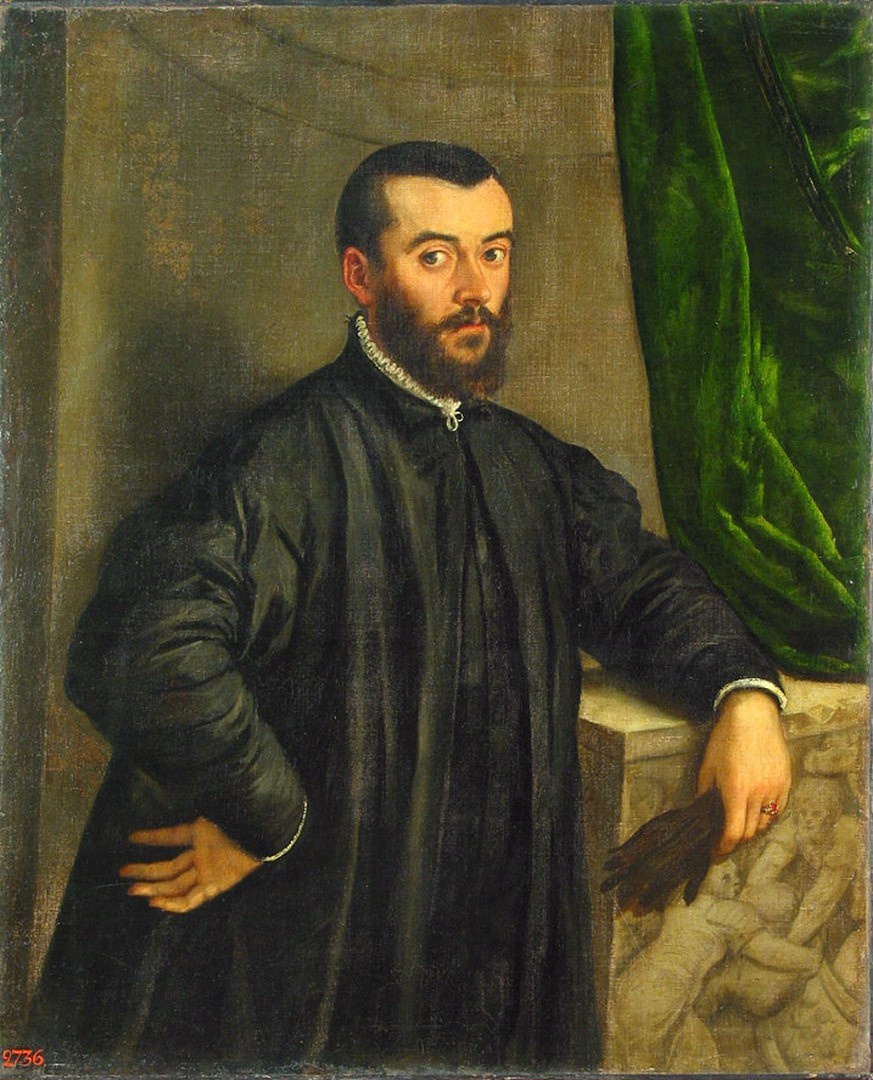
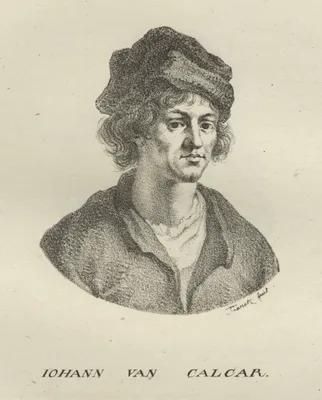
Vesalius’ first anatomical publication, consisting of six oversized anatomical charts, resembling fugitive sheets. The three skeletal woodcuts are signed by the artist, Jan Stephan van Calcar, who also acted as …
1714 CE
#1312
Tabulae anatomicae.
A romantic history attaches to this fine collection of plates, drawn by Eustachius himself and completed in 1552. They remained unprinted and forgotten in the Vatican Library until discovered in the early 18th century…
1741 CE
#395.2
Tabulae anatomicae.
![PIETRO DA CORTONA, [Pietro BERRETINI] (1596 – 1669)](/media/portraits/743)
27 anatomical copperplates after drawings by the most influential painter of the Italian Baroque movement, who also excelled as an architect. The editor, Cajetano Petrioli, supplied the text and small numbered anatomi…
1817 CE–1826 CE
#2284
Tabulae anatomico-pathologicae. 4 pts.
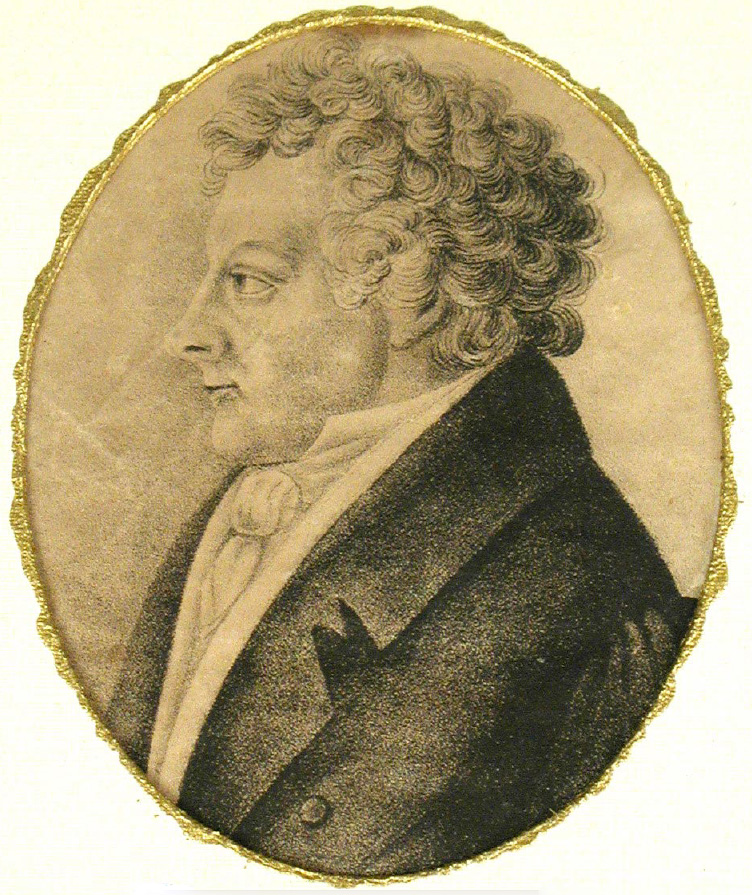
Meckel’s work on embryology brought a better understanding of congenital malformations, which had previously been attributed by many to supernatural influence. This work illustrates a number of anomalies and oth…
1737 CE–1747 CE
#399
Tabulae sceleti et musculorum corporis humani.
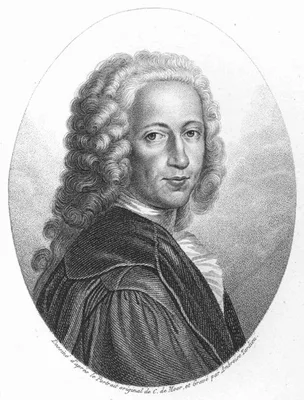
The splendid series of 40 large copperplates of the bones and muscles in this work were drawn and engraved by Jan Wandelaar (1690-1759). They established a newstandard in anatomical illustration, and remain unsurpasse…
1999 CE
#7032
Taking positions. On the erotic in Renaissance culture.
Of particular relevance to the history of medical literature is Chapter 8: "Mythology, Sexuality, and Science in Charles Estienne's Manual of Anatomy" (pp. 161-188). This refers to Estienne's De dissectione partium co…
1879 CE
#553
Technique de l’emploi du collodion humide pour la pratique des coupes microscopiques.
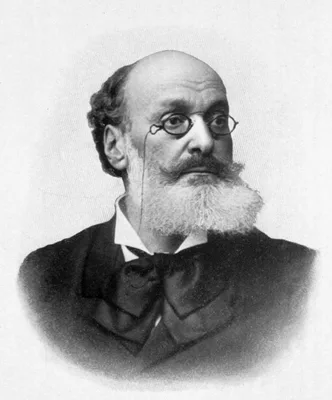
Introduction of collodion for embedding.
1971 CE
#14020
The anatomical basis of medical practice.

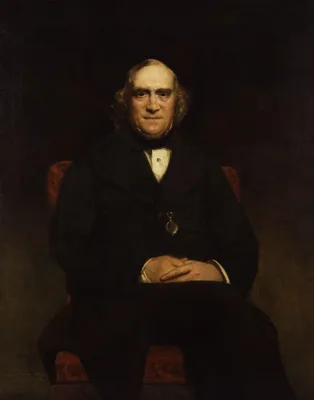
A notorious anatomy textbook that was pulled from the market by the publisher due to protest over its use of Playboy magazine type models to illustrate female external anatomy, as well as its sexist language. Preface:…
1790 CE
#7329
The anatomical instructor; or, an illustration of the modern and most approved methods of preparing and preserving the different parts of the human body, and of quadrupeds, by injection, corrosion, maceration, distention, articulation, modelling, &c.
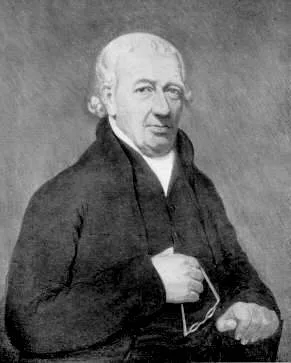
The first monograph on the preparation of anatomical specimens for museums, from various parts of the human body. Includes a method for injecting colored solutions to show the blood vessels of the head, and a method f…
1868 CE
#13221
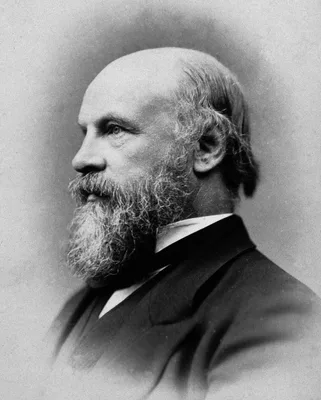
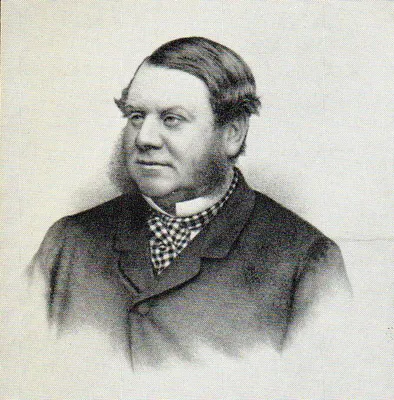
The anatomical memoirs of John Goodsir F.R.S. Edited by William Turner. With a biographical memoir by Henry Lonsdale. 2 vols.
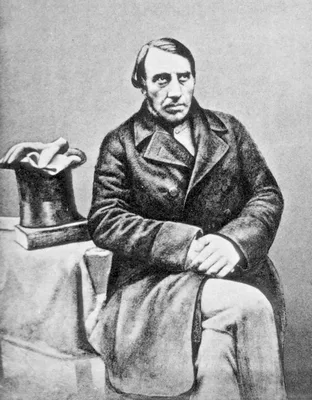
2016 CE
#7566
The Anatomical Venus: Wax / Sex / God / Death.
1975 CE
#6610.11
The anatomical works of George Stubbs.
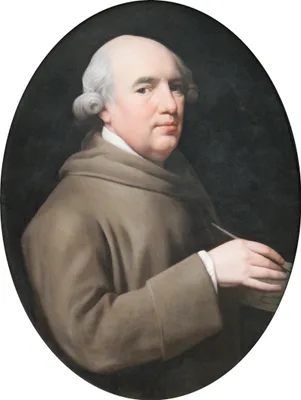
Reproduces all of the known anatomical drawings of the painter, George Stubbs (1724-1806), together with his midwifery illustrations and the text and plates for his work on anatomy of the horse. (No. 308.1).
2010 CE
#8593
The anatomist anatomis'd: An experimental discipline in Enlightenment Europe.
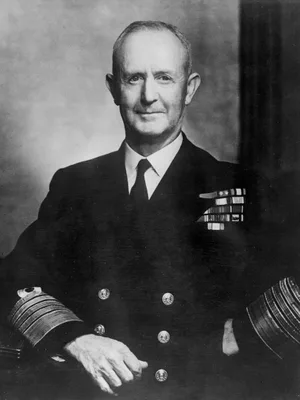
History of the practice and teaching of anatomy, and comparative anatomy, in the 18th century, mainly in Europe, but also touching on the introduction of Western methods of studying and teaching anatomy into Japan.
1836 CE
#7674
The anatomist's instructor, and museum companion; being practical directions for the formation and subsequent management of anatomical museums.
"Dr Frederick Knox was the librarian of New Zealand's first public library. He emigrated from Scotland in July 1840 and within days of arriving in Port Nicholson became involved in establishing the country's first pub…
1834 CE
#10024
The anatomy and surgery of inguinal and femoral hernia.
Published in the same large folio format as Tuson's Myology (1828), this was the largest work on hernia ever published with multiple hand-colored. lift-up flats on three plates.
1941 CE
#1533.1
The anatomy and the histology of the retina in man, ape, and monkey.
A scholarly tour-de-force with a bibliography of over 700 references.
2009 CE
#9332
The anatomy murders: Being the true and spectacular history of Edinburgh's notorious Burke and Hare and of the man of science who abetted them in the commission of their most heinous crimes.
1683 CE
#298
The anatomy of an horse.
First book in English on equine anatomy, largely a translation of Ruini (No. 285).
1698 CE
#385.1
The anatomy of humane bodies, with figures drawn after the life by some of the best masters in Europe.
The largest in format, and most elaborate and beautiful of all 17th century English treatises on anatomy, and also one of the most extraordinary plagiarisms in the entire history of medicine. Cowper purchased sets of …
1786 CE
#1103
The anatomy of the absorbing vessels of the human body.
With Hunter and Hewson, Cruikshank laid the foundation of modern knowledge concerning the lymphatics. He was Dr. Johnson’s physician and William Hunter’s assistant.
1766 CE
#308.1
The anatomy of the horse.
The first original work on equine anatomy after Ruini (No. 285). Stubbs, the great painter of animals, prepared his own dissections of horse carcasses, and personally engraved the 24 double folio plates for this work,…
1797 CE–1804 CE
#401.3
The anatomy of the human body. 4 vols.
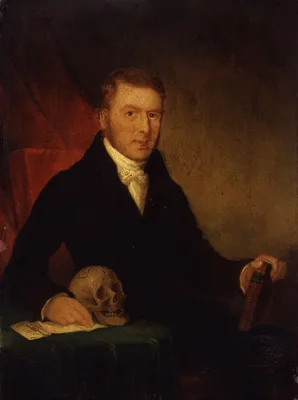
“The first great textbook contributed by the British school to modern anatomy” (Russell, No. 461).
1834 CE
#1497
The anatomy of the human eye.
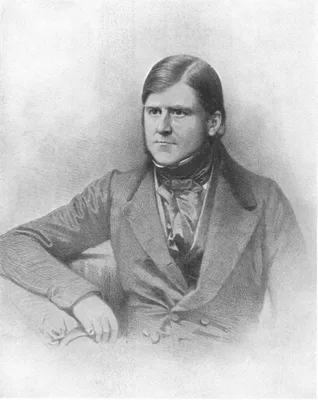
First English work on ocular anatomy.
1713 CE
#390
The anatomy of the humane body.
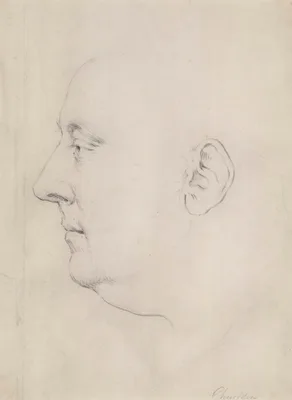
Although Cheselden is best known for his accomplishments in the field of surgery, he wrote two important books on anatomy. The above was for many years a textbook of the English medical schools and ran through 13 edit…
1986 CE
#14021
The anatomy of the infant head.
1832 CE
#1119
The anatomy of the thymus gland.
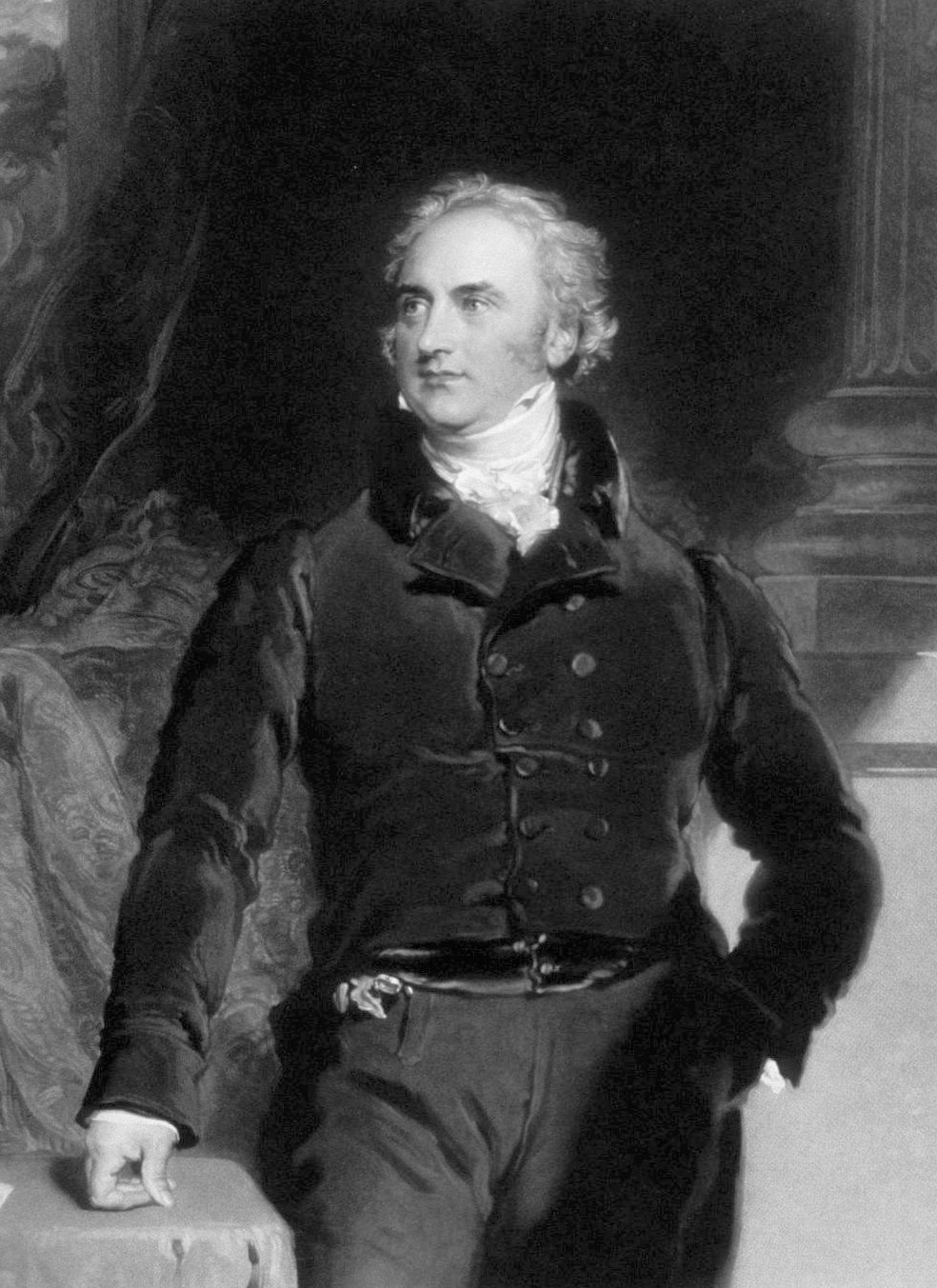
Cooper, the most popular surgeon in London during the early part of the 19th century, was connected with both Guy’s and St. Thomas’s Hospitals. Among his best works is his description of the thymus; he des…
1923 CE
#7709
The antiquity of disease.
An account intended for general audiences, as compared to Moodie's Palaeopathology published the same year. Digital facsimile of The Antiquity of Disease from the Internet Archive at this link.
1995 CE
#7714
The archaeology of disease.

2020 CE
#12989
The body of evidence. Corpses and proofs in early modern European medicine. Edited by Francesco Paolo de Ceglia.
"When, why and how was it first believed that the corpse could reveal ‘signs’ useful for understanding the causes of death and eventually identifying those responsible for it? The Body of Evidence. Corpses…
1928 CE
#350
The brain from ape to man: A contribution to the study of the evolution and development of the human brain by Frederick Tilney. With chapters on the reconstruction of the gray matter in the primate brain stem by Henry Alsop Riley. 2 vols.
Classic study of the evolution of the central nervous system in the higher mammals. Digital facsimile from the Internet Archive at this link.
1998 CE
#7701
The Cambridge encyclopedia of human paleopathology by Arthur C. Auderheide and Conrado Rodríguez-Martín, including a dental chapter by Odin Langsjoen.
Includes a significant historical introduction.
1998 CE
#7350
The central nervous system of vertebrates. 3 vols.
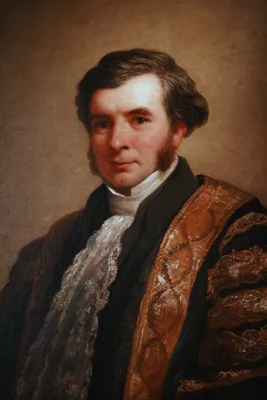
A massive contribution to comparative vertebrate neuroanatomy, the life-work of the authors. Includes a comprehensive account of the structural organisation of all vertebrate groups, ranging from amphioxus and lamprey…
1948 CE
#10204
The Ciba collection of medical illustrations. A compilation of pathological and anatomical paintings prepared by Frank H. Netter, M.D.
This was the first collection of anatomical images by Netter published in book form.
1969 CE–1975 CE
#6786.15
The Cole Library of early medicine and zoology. Catalogue of books and pamphlets. 2 parts.
The library of F.J. Cole (see No. 356). Part 1: 1472-1800 to the present day and Supplement to Part 1.
1892 CE
#12786
The collected papers of Sir W. Bowman. Edited by J. Burdon-Sanderson and J. W. Hulke. 2 vols.
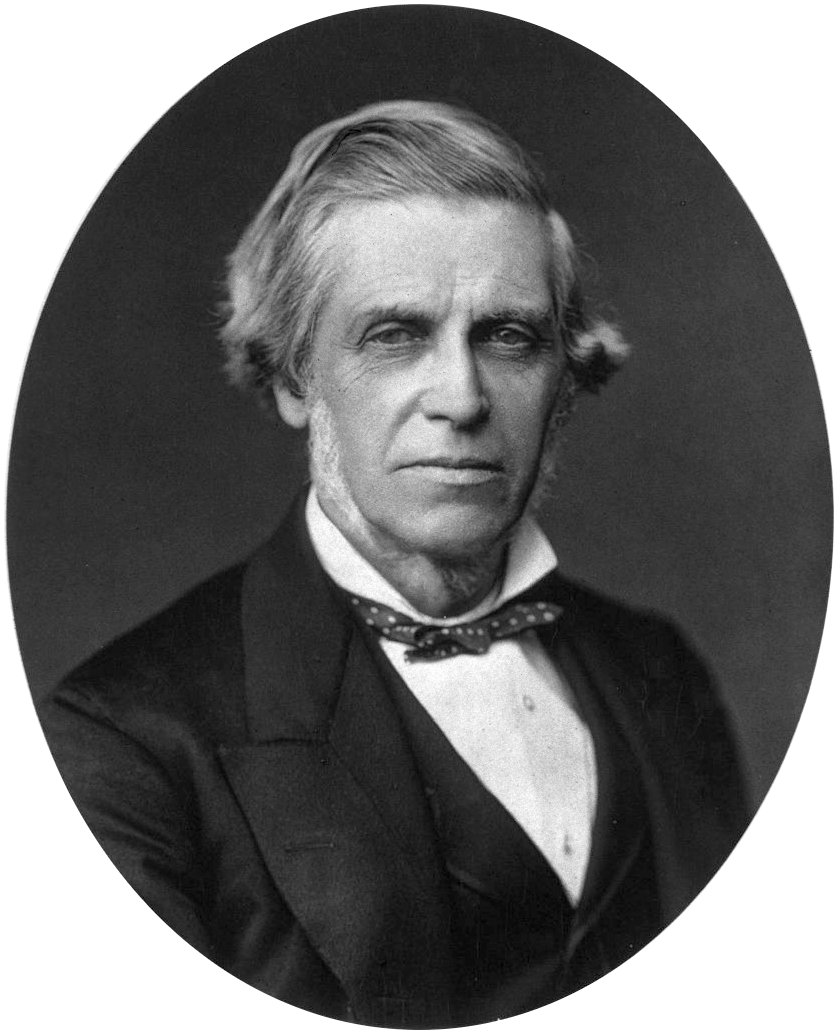
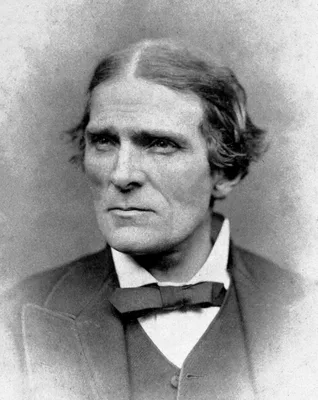
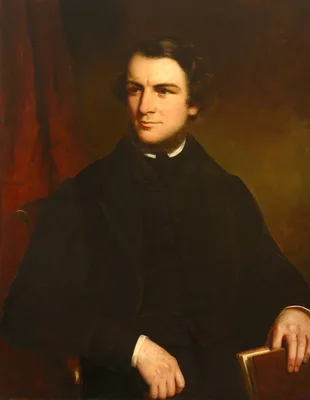
Digital facsimile from Google Books at this link.
1936 CE
#14229
The comparative anatomy of the nervous system of vertebrates, including man. 2 vols.
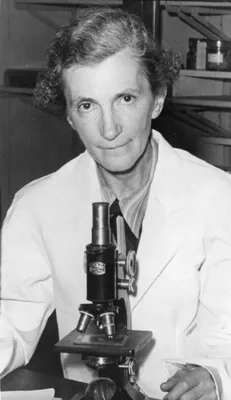
This edition and translation was so extensively reworked and expanded by Kappers, Huber and Crosby that it should be considered a new work. See No. 1247 for the original edition in German. Order of authorship as publi…
1998 CE
#7642
The complete visible human: The complete high-resolution male and female anatomical datasets from the Visible Human Project.
The first anatomically exact and complete, three-dimensional, computer-generated reconstruction of actual human bodies. Includes 2 CD-ROMs. See https://www.nlm.nih.gov/research/visible/visible_human.html.
2015 CE
#10620
The courtiers' anatomists: Animals and humans in Louis XIV's Paris.
1835 CE–1859 CE
#603
The cyclopaedia of anatomy and physiology. Edited by Robert Bentley Todd. 5 vols.
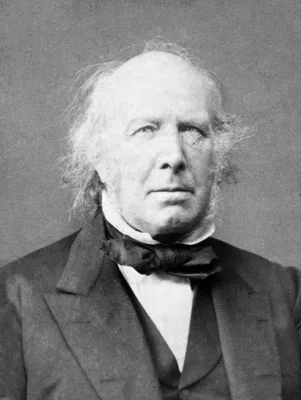
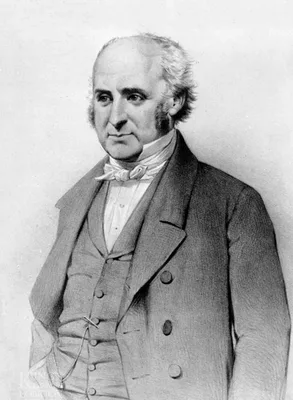
Contributors included Richard Owen and Thomas Huxley, and physicians James Paget, James Young Simpson, and William Bowman.The discoveries of Purkynĕ and Valentin, together with additional observations by William Sharp…
1871 CE
#170
The descent of man, and selection in relation to sex. 2 vols.
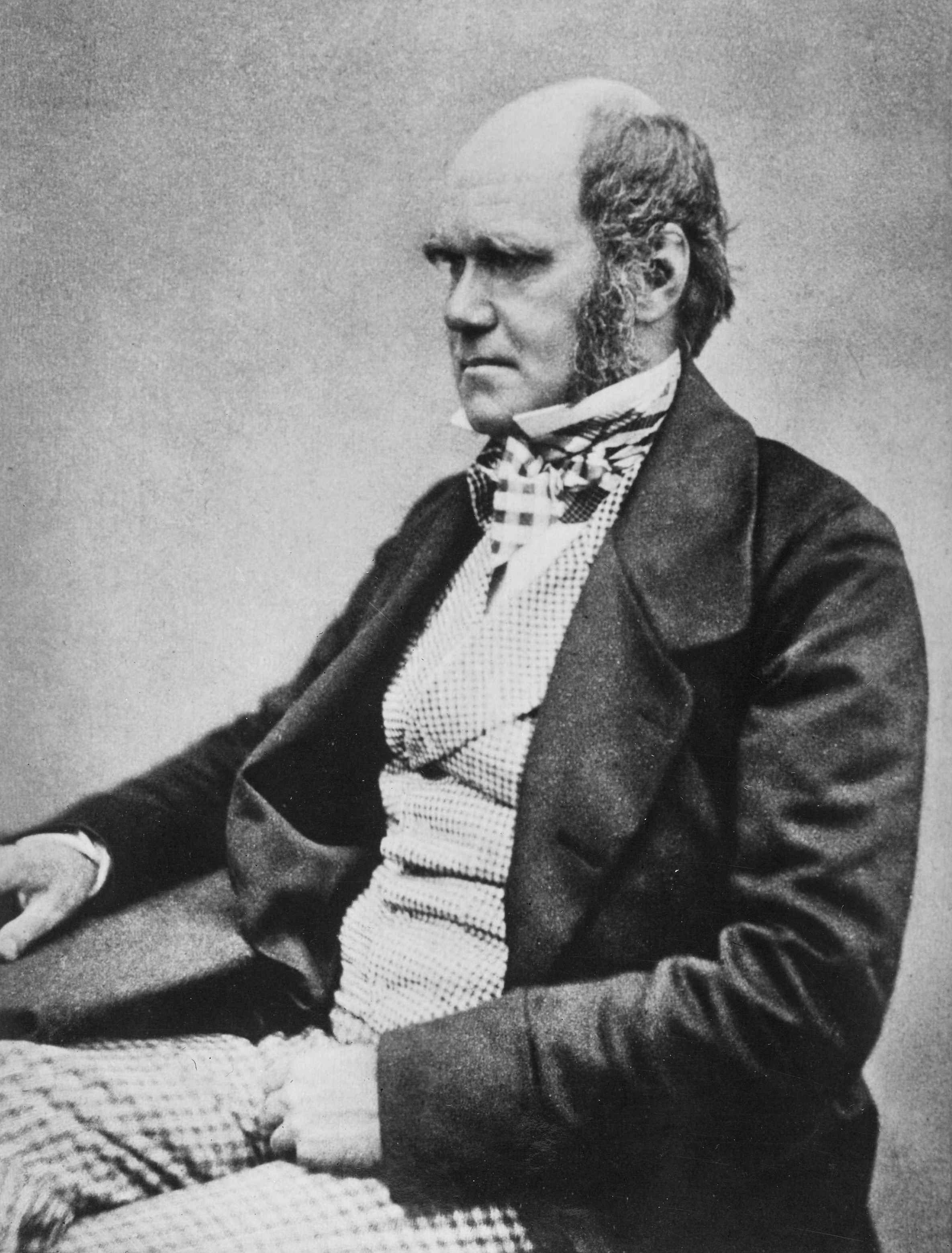
This is really two works. The first demolished the theory that the universe was created for humans while in the second Darwin presented a mass of evidence in support of his earlier hypothesis regarding sexual selectio…
1941 CE
#6135
The diagnostic value of vaginal smears in carcinoma of the uterus.
The first cytopathology test, smear diagnosis of carcinoma of the cervix: the "Pap" test. Papanicolaou first reported in 1928 that he could recognize cancer cells (Proc. Third Race Betterment Conf., p. 528) but the im…
1896 CE
#444.1
The diary of a resurrectionist 1811-1812, to which are added an account of the resurrection men in London and a short history of the passing of the Anatomy Act.
First-hand account of the activities of the so-called “sack-em-up” men who flourished in England and Scotland until passage in 1832 of the Anatomy Act provided legal means for physicians to obtain cadavers…
1953 CE
#6623.01
The doctor and the devils.
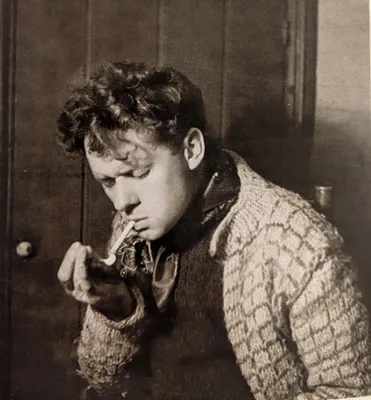
The great lyric poet’s screenplay based on the notorious career of Robert Knox, the anatomist who purchased bodies for dissection from the resurrectionists/murderers, Burke and Hare. This was the first screenpla…
2012 CE
#9330
The doctor dissected: A cultural history of the Burke and Hare murders.
1905 CE–1906 CE
#10599
The Edinburgh stereoscopic atlas of Anatomy. Edited by David Waterston. 5 vols.
The first large scale application of stereoscopic photography to anatomy. The 5 parts each contain 50 stereo cards on which are pasted original stereo photographs and corresponding printed descriptive text. Digital fa…
1925 CE
#454
The evolution of anatomy. A short history of anatomical and physiological discovery to Harvey.
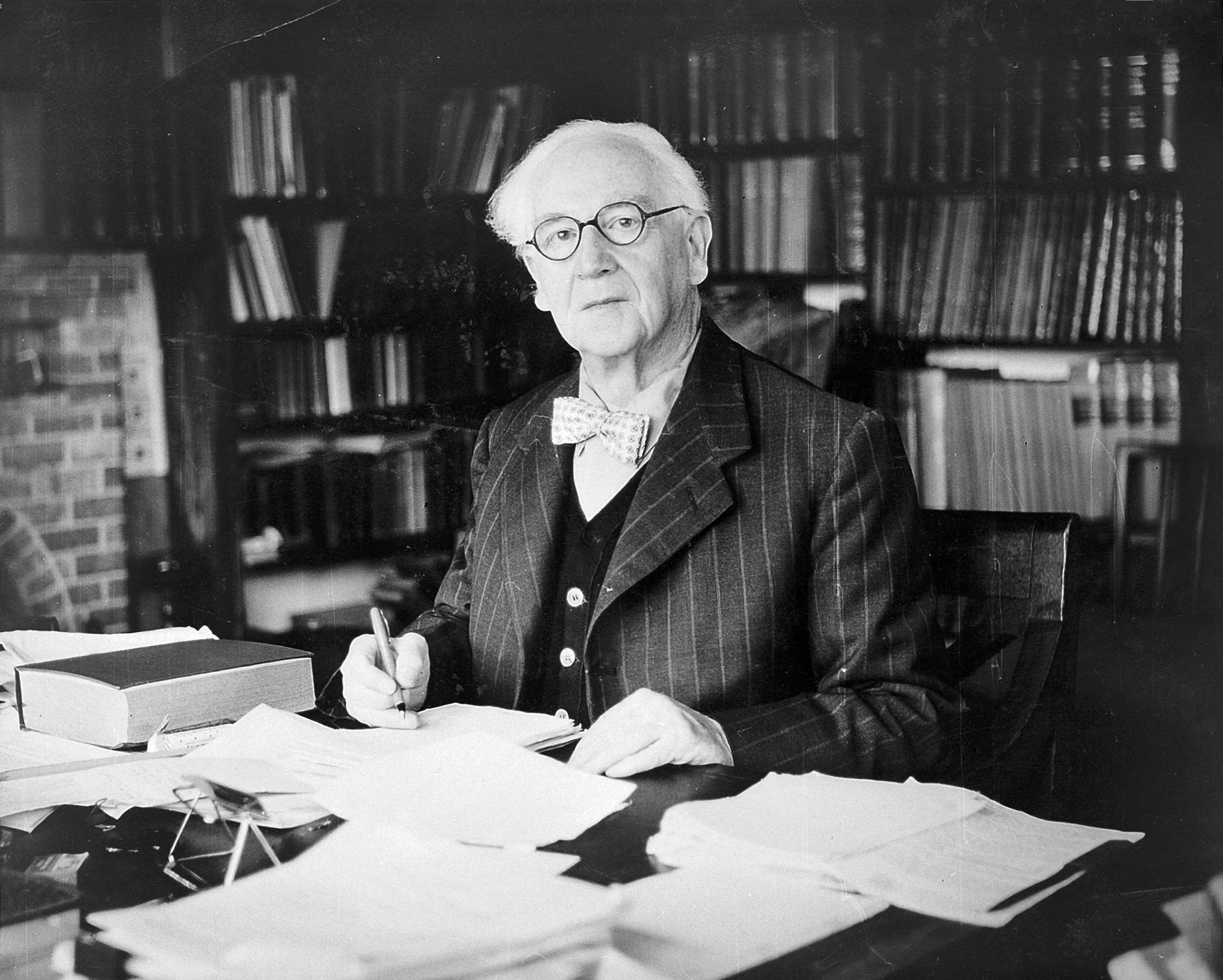
This invaluable reference book was reprinted under the title A short history of anatomy and physiology from the Greeks to Harvey, Dover, 1957.
2012 CE
#12143
The evolution of the human placenta.
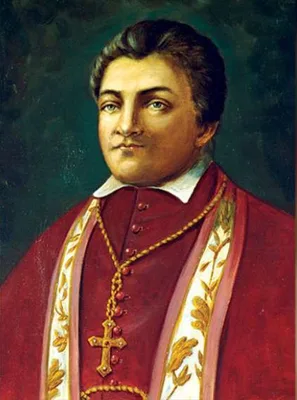
Chapter one is "The history of placental investigations."
1992 CE
#6953
The fabric of the body: European traditions of anatomical illustration.
An essential reinterpretation of the classics in the history of anatomical illustration, with many fine plates.
2018 CE
#10543
The Fabrica of Andreas Vesalius: A worldwide descriptive census, ownership, and annotations of the 1543 and 1555 editions.
Detailed bibliographical information, ownership records, and worldwide census, including description of the handwritten annotations in the surviving copies of the first two editions of Vesalius's De humani corporis fa…