
Facets
Browse across eight MeSH (opens in new tab) facets — era, geography, science, specialty, technology, history, culture, and reference. Select one tag per group; counts update across the others.
Clear filtersFacet filters
Geography
Specialties & Disease
- Anatomy & Pathology 37
- Cardiology & Blood 5
- Neurology & Psychiatry 5
- Obstetrics & Reproductive 0
- Infectious Disease (General) 4
- Surgery & Anesthesia 2
- Public Health 64
- Immunology & Dermatology 15
- General Clinical Medicine 12
- Military Medicine 22
- Psychology 5
- Alternative & Fringe Medicine 5
- Pediatrics 1
- Ophthalmology & Vision 0
- ENT & Hearing 1
- Urology & Nephrology 2
- Gastroenterology & Hepatology 1
- Pulmonary & Respiratory 2
- Rheumatology, Rehab & Pain 2
- Internal, Emergency & Geriatric 0
- Veterinary Medicine 2
- Epidemiology & Demography 17
- Physiology & Embryology 10
- Dentistry 3
- Plagues & Epidemics 17
- Microbiology & Virology 48
Social & Historical Studies
Institutions & Culture
Reference & Scholarly Works
767 entries match Natural History & Evolution [K01.900.500]
1981 CE
#2188.3
The [United States] Army Medical Department, 1775-1818.
1887 CE
#11756
The agricultural pests of India, and of eastern and southern Asia, vegetable and animal, injurious to man and his products.
Digital facsimile from the Internet Archive at this link.
2008 CE
#13653
The Alfred Russel Wallace correspondence project.
http://wallaceletters.info/content/homepage "This on-going project aims to locate, digitise, catalogue, transcribe, interpret and publish the surviving correspondence and other manuscripts of the important 19th centur…
1890 CE
#11449
The antiquity of man in South Africa, and evolution.
The first separately published work on human origins published in the continent of Africa. Hillier's text was read on his behalf before the Eastern Province Literary and Scientific Society in Grahamstown, Eastern Cape…
1943 CE
#9352
The art of falconry, being the De arte venandi cum avibus of Frederick II of Hohenstaufen.
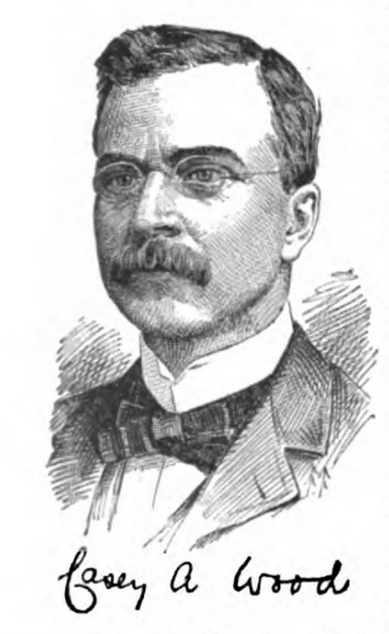
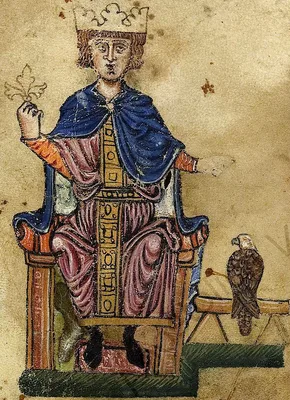
English translation of the six-book version of Frederick's work, edited, with numerous appendices, illustrations, and an annotated bibliography of ancient, medieval and modern falconry, by Casey A. Wood and F. Marjori…
2000 CE
#10670
The Aurelian legacy: British butterflies and their collectors. By Michael A. Salmon with additional material by Peter Marren and Basil Harley.
1766 CE
#10570
The Aurelian or natural history of English insects; namely, moths and butterflies.
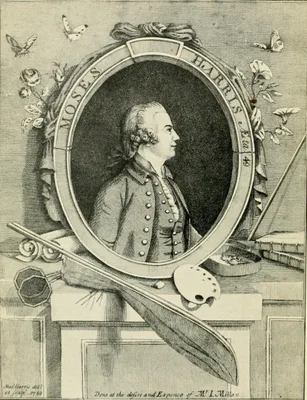
Harris drew and engraved his own illustrations. The second edition (1778) was considerably expanded, and with four more plates than the first, for a total of 45. Some of the hand-colored copies were hand-colored by th…
1958 CE
#10683
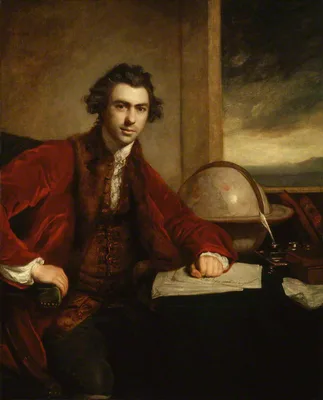
The Banks letters: A calendar of the manuscript correspondence of Sir Joseph Banks preserved in the British Museum, the British Museum (Natural History) and other collections in Great Britain.
2006 CE
#9265
The birth of development: How the World Bank, Food and Agriculture Organization, and World Health Organization changed the world, 1945–1965.
2003 CE
#7261
The bony labyrinth of Neanderthals.

Computed tomography of the inner ear of 20 Neanderthal specimens directed by Spoor showed that the Neanderthal semicircular canal is subtly distinct in size, shape, and orientation from that of modern humans. With Mar…
1789 CE–1791 CE
#8921
The botanic garden: A poem in two parts. Part I. Containing the economy of vegetation. Part II. The loves of the plants. With philosophical notes. 2 vols.
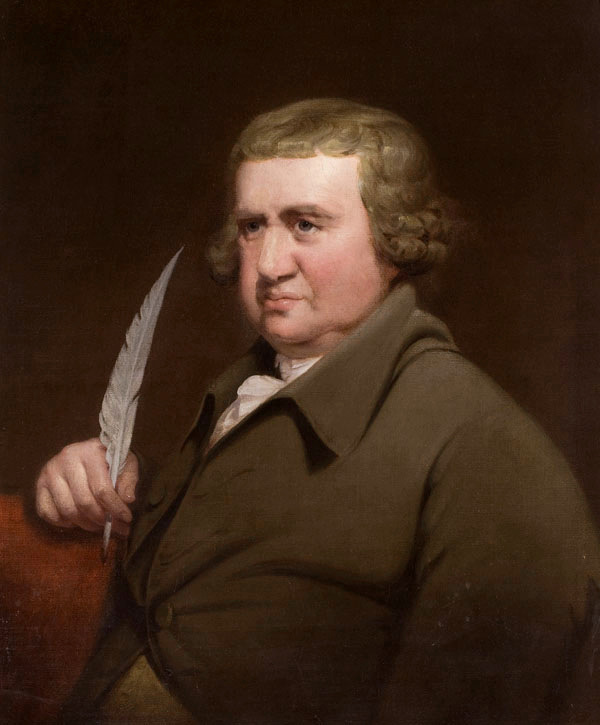
The first edition of part 2, preceded part 1, being published in 1789. This poem was the chief source of Erasmus Darwin's literary fame during his lifetime. Like his other works, this poem contains a great deal of fre…
1843 CE–1859 CE
#7448
The botany of the Antarctic voyage of H. M. Discovery Ships Erebus and Terror in the years 1839-1843.
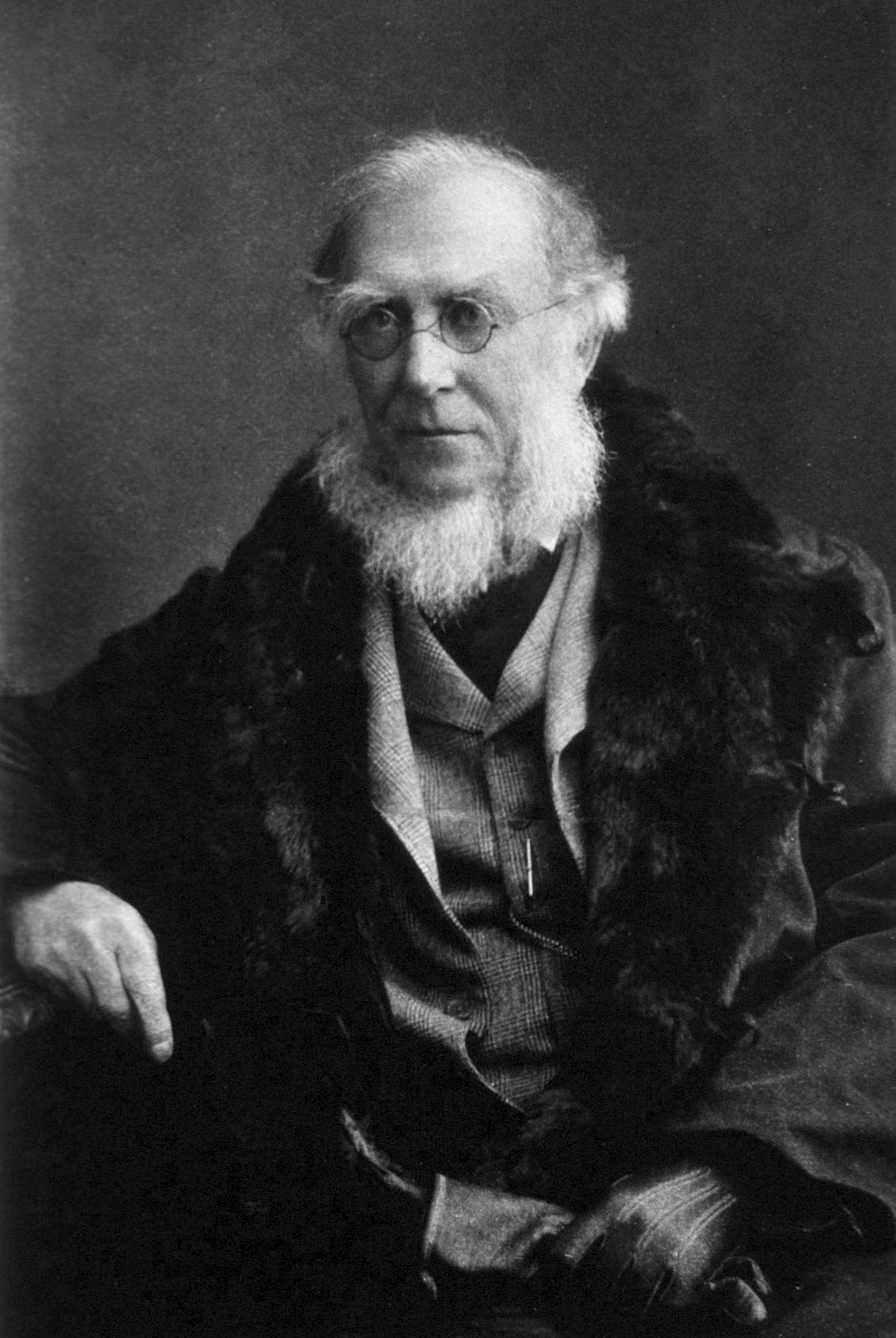
Part 1: Flora of Lord Auckland and Campbell's Islands (1843-45); Part 2: Flora of Fuegia, the Falklands, Karguellen's land, etc. (1845-47); Part 3: Flora of New Zealand. 2 vols. (1851-53); Part 4: Flora of Tasmania. 2…
1928 CE
#350
The brain from ape to man: A contribution to the study of the evolution and development of the human brain by Frederick Tilney. With chapters on the reconstruction of the gray matter in the primate brain stem by Henry Alsop Riley. 2 vols.
Classic study of the evolution of the central nervous system in the higher mammals. Digital facsimile from the Internet Archive at this link.
1932 CE
#254
The causes of evolution.
Haldane’s summary of his mathematical theory of natural selection. The detailed mathematical theory appeared as Mathematical theory of natural and artificial selection, first published (Pt. I) in Trans. Camb. ph…
1896 CE
#238
The cell in development and inheritance.
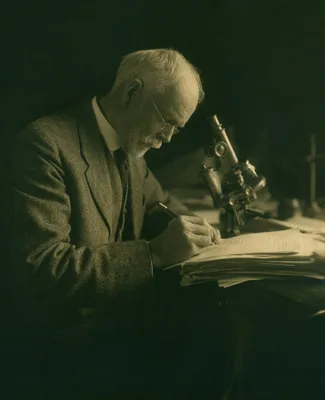
Wilson emphasized the function of cytology in the study of embryology, heredity, evolution and general physiology. The above work has been called the single most influential treatise on cytology of the 20th century. T…
1897 CE
#1706
The chances of death and other studies in evolution. 2 vols.
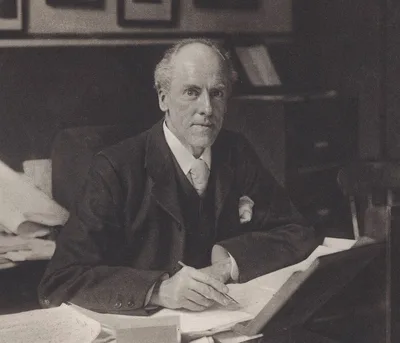
1756 CE
#13448
The civil and natural history of Jamaica. In three parts, containing 1. An accurate description of that Island, its situation and soil; with a brief account of its former and present state, government, revenues, produce, and trade. II. A history of the natural productions, including the various sorts of native fossils, perfect and imperfect vegetables, quadrupedes, birds, fishes, reptiles and insects; with their properties and uses in mechanics, diet, and physic. III. An account of the nature of climate in general, and their different effects upon the human body; with a detail of the diseases arising from this source, particularly within the tropics....illustrated with fifty copper-plates...in natural size....
Digital facsimile from Google Books at this link.
1969 CE–1975 CE
#6786.15
The Cole Library of early medicine and zoology. Catalogue of books and pamphlets. 2 parts.
The library of F.J. Cole (see No. 356). Part 1: 1472-1800 to the present day and Supplement to Part 1.
2014 CE
#7289
The complete genome sequence of a Neanderthal from the Altai Mountains.
First complete sequence of a Neanderthal genome. With more than 20 co-authors. In 2022 Pääbo was awarded the Nobel Prize in Physiology or Medicine "for his discoveries concerning the genomes of extinct homin…
2010 CE
#7290
The complete mitochondrial DNA genome of an unknown hominin from southern Siberia.
Svante Pääbo and collaborators reconstructed the genome of the Denisova hominins and announced that they were a new species, that they interbred with our species, and that the DNA results suggest that they h…
1828 CE
#10071
The constitution of man considered in relation to external objects.
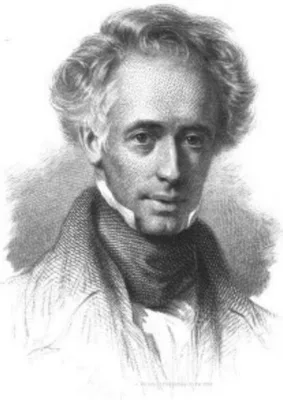
"Combe argues that the human mind is best understood through Phrenology, and that the relative size of the various regions of the brain defined by Phrenology determines a persons behavior and potential interactions wi…
2002 CE
#10078
The copedologist's cabinet: A biographical and bibliographical history.
"Copepod crustaceans are the most numerous multicellular animals on earth. They occur in every free-living and parasitic aquatic niche. Copepods have been known since the time of Aristotle, yet there has never been a …
2015 CE
#12980
The correspondence of Dr. Martin Lister (1639-1712). Volume one: 1662-1677. Edited and translated by Anna Marie Roos.
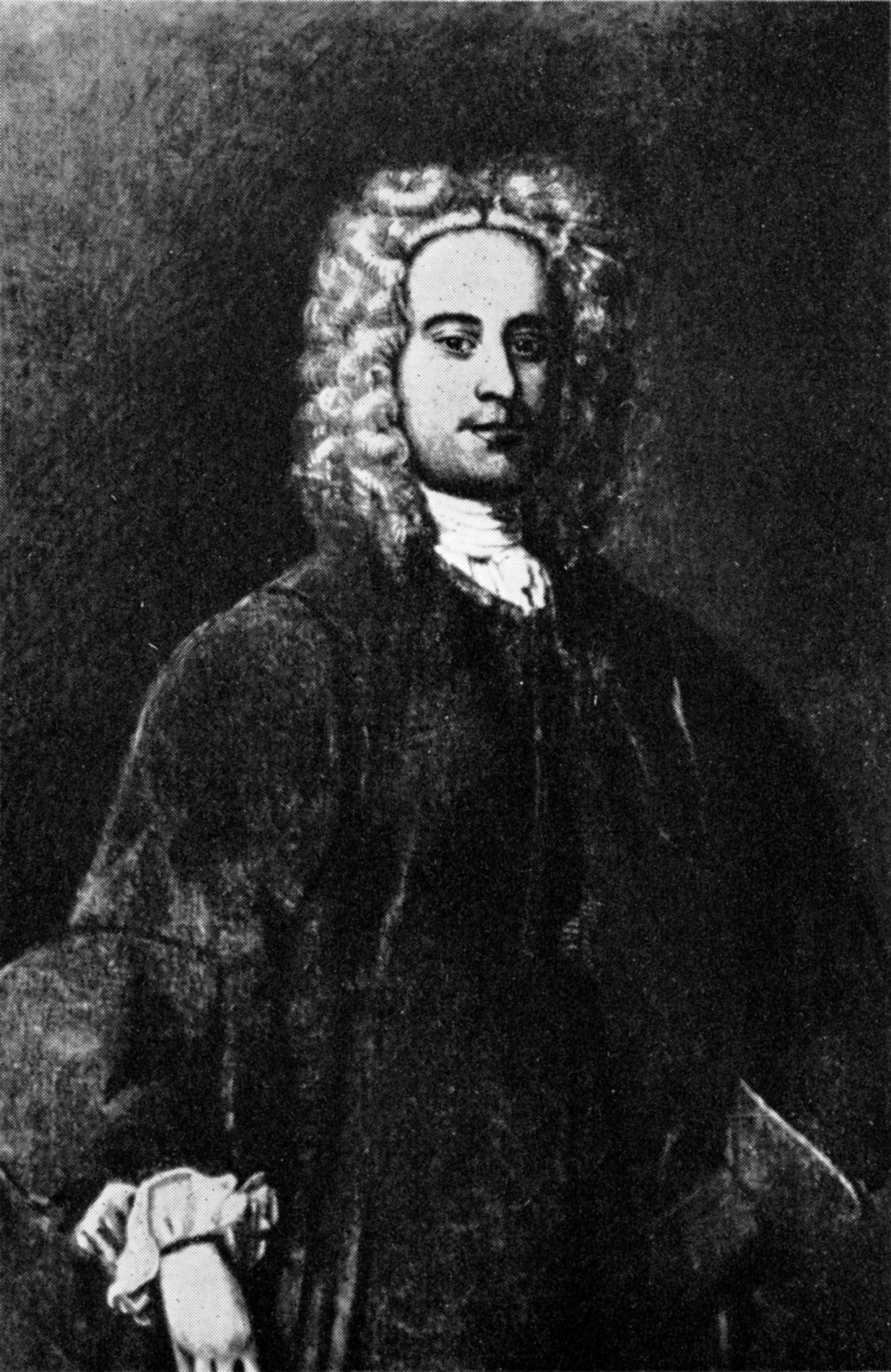
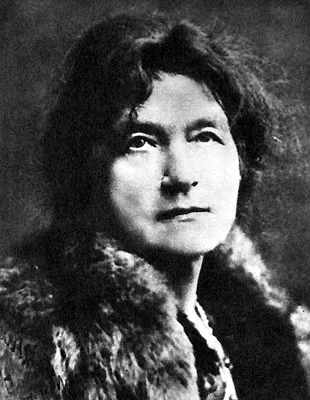
2015 CE
#10620
The courtiers' anatomists: Animals and humans in Louis XIV's Paris.
1934 CE
#5542
The cultivation and cultural characteristics of Darling’s Histoplasma capsulatum.
Demonstration of the fungal nature of the pathogen.
1987 CE
#12211
The Cuvier-Geoffroy Debate: French biology in the decades before Darwin.
"...no event better represents the contest between form and function as the chief organizing principle of life as the debate between Georges Cuvier and Etienne Geoffroy Saint-Hilaire. This book presents the first comp…
1974 CE
#10551
The Darwin correspondence project.
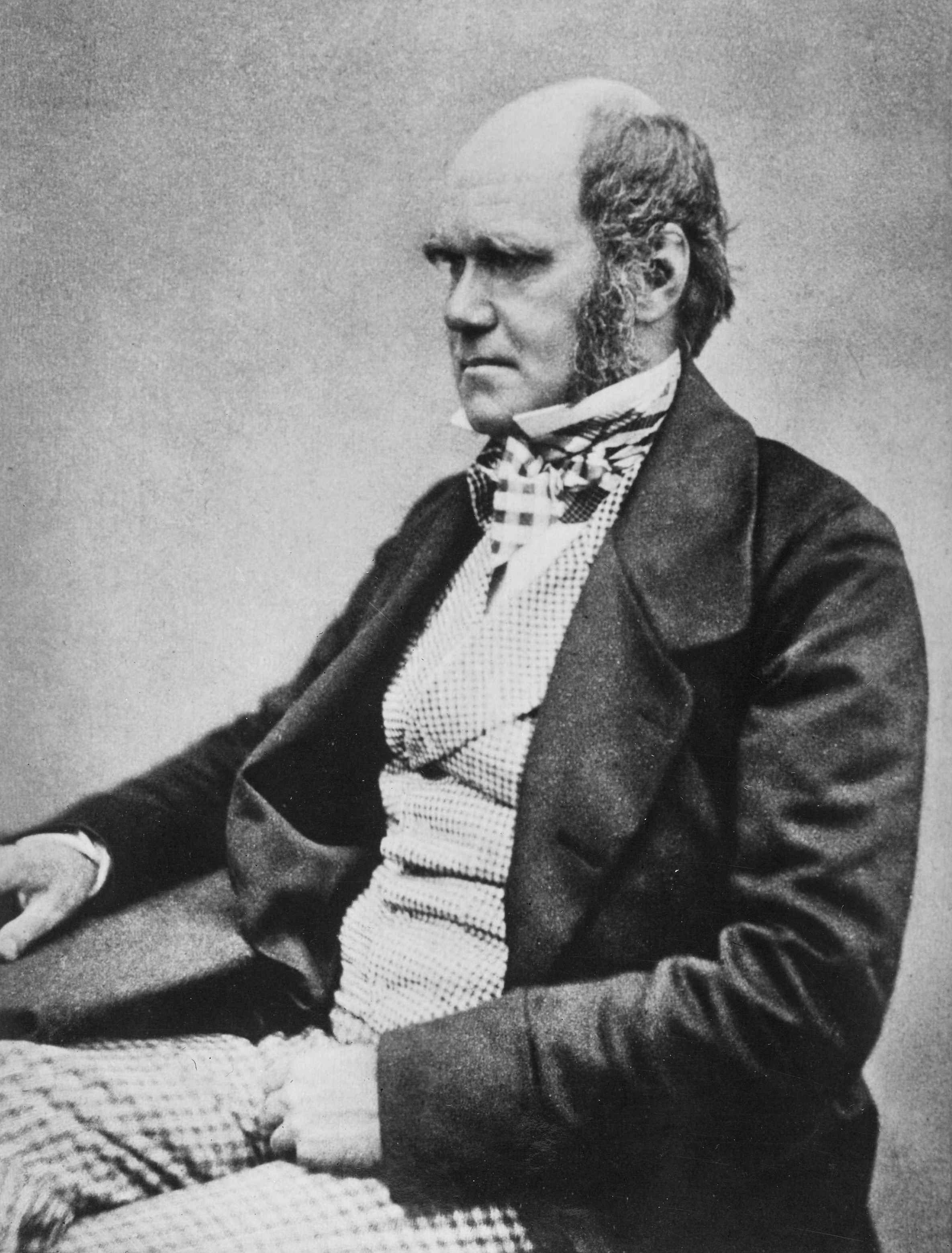
http://www.darwinproject.ac.uk/" "Search over 12000 letters and articles..."
1991 CE
#8990
The dawn of Darwinian medicine.
"While evolution by natural selection has long been a foundation for biomedical science, it has recently gained new power to explain many aspects of disease. This progress results largely from the disciplined applicat…
1871 CE
#170
The descent of man, and selection in relation to sex. 2 vols.
This is really two works. The first demolished the theory that the universe was created for humans while in the second Darwin presented a mass of evidence in support of his earlier hypothesis regarding sexual selectio…
1909 CE
#6845
The differentiation and specificity of corresponding proteins and other vital substances in relation to biological classification and organic evolution: The crystallography of hemoglobins.
This massive work with 100 plates including 600 images, was the first large-scale investigation of species differences at the molecular level. Digital facsimile from the Internet Archive at this link.
1995 CE
#7525
The earliest occupation of Europe. Proceedings of the European Science Foundation workshop at Tautavel (France) 1993.
The first effort to present summaries of the evidence for earliest occupation in all the regions of Europe including Russia, edited by Roebroeks and van Kolfschoten.
1982 CE
#11769
The emergence of ornithology as a scientific discipline.
2000 CE
#13017
The English parson-naturalist: A companionship between science and religion.
1983 CE
#214.91
The establishment of human antiquity.
The most complete historical treatment of the pre-1900 literature.
1968 CE
#7884
The evolution of preventive medicine in the United States Army, 1607–1939.
Available from the U.S. Army Medical Department, Office of Medical History, at this link.
2012 CE
#12143
The evolution of the human placenta.
Chapter one is "The history of placental investigations."
2000 CE
#9194
The evolution wars: A guide to the debates.
1872 CE
#4975
The expression of the emotions in man and animals.
Darwin examined the causes, physiological and psychological, of all the fundamental emotions in man and animals. He concluded that “the chief expressive actions exhibited by man and by the lower animals are now …
2002 CE
#10938
The eye of the lynx. Galileo, his friends, and the beginnings of modern natural history.
2017 CE
#10694
The Fate of Rome: Climate, disease, and the end of an empire.
1731 CE
#13393
The gardeners dictionary: Containing the methods of cultivating and improving the kitchen, fruit and flower garden. As also, the physick garden, wilderness, conservatory and vineyard, according to the practice of the most experienc'd gardeners of the present age. Interspers'd with the history of the plants, the characters of each genus, and the names of all the particular species, in Latin and English, and an explanation of all the terms used in botany and gardening.
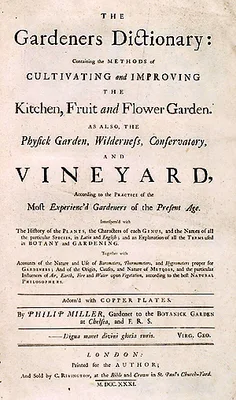
Miller was chief gardener and curator (or 'Hortulanus') at the Apothecaries' (later Physic) Garden in Chelsea. Besides covering methods of cultivation, Miller's Dictionary provided a systematic botanical compendium of…
1930 CE
#253
The genetical theory of natural selection.
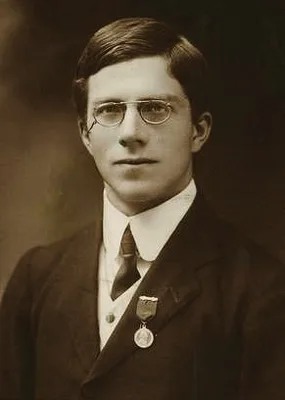
The first coherent general algebraic analysis of Mendelian population behavior. The work contains Fisher’s rigorous development of his “fundamental theorem of natural selection”–”the rate…
2018 CE
#14099
The genome of the offspring of a Neanderthal mother and a Denisovan father.
Paleogenomic study of a single bone fragment from a female hominin found in the Denisova Cave in the Altai mountains of Russia provided "direct evidence for genetic mixture between Neanderthals and Denisovans on at le…
1876 CE
#145.6
The geographical distribution of animals. 2 vols.
"In 1872, at the urging of many of his friends, including Darwin, Philip Sclater, and Alfred Newton, Wallace began research for a general review of the geographic distribution of animals. He was unable to make much pr…
1948 CE
#9179
The geographical distribution of cold-blooded vertebrates.
"Darlington's most important contribution to science was his theory of the Old World tropical origin of dominant vertebrate groups. He first sketched out this formulation—which would influence research in zoogeo…
1863 CE
#204.1
The geological evidences of the antiquity of man with remarks on theories of the origin of species by variation.
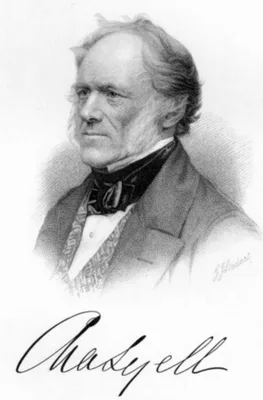
Lyell’s summary discussion of the evidence for human antiquity “introduced a wide readership to the new view and to the facts that supported it, thus laying the synthetic foundation for future work” …
1936 CE
#258
The great chain of being: A study of the history of an idea.
2015 CE
#9829
The great paleolithic war: How science forged an understanding of America's ice age past.
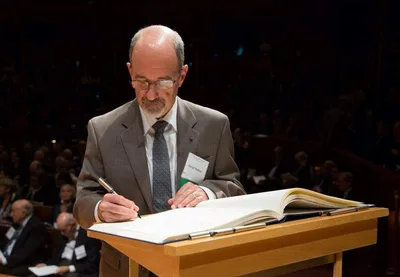
A masterful synthesis of the history of the study of human origins in North America with a comprehensive bibliography.
2016 CE
#9694
The great transition: Climate, disease and society in the late-medieval world.

1982 CE
#258.12
The growth of biological thought. Diversity, evolution, and inheritance.
An interpretive history of what Mayr calls “ultimate” explanations in biology, reflecting Mayr’s expertise in systematics, evolution, and genetics.