
Facets
Browse across eight MeSH (opens in new tab) facets — era, geography, science, specialty, technology, history, culture, and reference. Select one tag per group; counts update across the others.
Clear filtersFacet filters
Geography
Specialties & Disease
- Anatomy & Pathology 765
- Cardiology & Blood 914
- Neurology & Psychiatry 1,256
- Obstetrics & Reproductive 550
- Infectious Disease (General) 147
- Surgery & Anesthesia 1,551
- Public Health 1,129
- Immunology & Dermatology 1,404
- General Clinical Medicine 480
- Military Medicine 436
- Psychology 202
- Alternative & Fringe Medicine 383
- Pediatrics 247
- Ophthalmology & Vision 412
- ENT & Hearing 293
- Urology & Nephrology 309
- Gastroenterology & Hepatology 316
- Pulmonary & Respiratory 233
- Rheumatology, Rehab & Pain 188
- Internal, Emergency & Geriatric 123
- Veterinary Medicine 165
- Epidemiology & Demography 397
- Physiology & Embryology 923
- Dentistry 259
- Plagues & Epidemics 1,279
- Microbiology & Virology 1,080
Social & Historical Studies
Institutions & Culture
Reference & Scholarly Works
1,080 entries match Microbiology & Virology [C01.748]
1953 CE
#2526.2
Isolation of a cytopathogenic agent from human adenoids undergoing spontaneous degeneration in tissue culture.
Discovery of adenoviruses. With R. J. Huebner, L. K. Gilmore, R. H. Parrott, and T. G. Ward.
1986 CE
#10788
Isolation of a new human retrovirus from West African patients with AIDS.
HIV-2 was discovered essentially simultaneously by French and U.S. teams. This was the first publication by the French team. Order of authorship of the original publication was Clavel, Guettard, Brun-Vezinet. See thei…
2020 CE
#12302
Isolation of an archeon at the prokaryote eukaryote interface.
(Order of authorship in the original publication: Imachi, Nobu, Nakahara...Takai.) The authors report that after 12 years of research they have cultured a microorganism that may be the transitional species between pro…
1977 CE
#7866
Isolation of Marburg-like virus from a case of haemorrhagic fever in Zaire.
Ebola virus, named after the Ebola River where an outbreak occurred in 1976. Specifically the outbreak was centered in Yambuku, a small village in Mongala Province in northern Democratic Republic of the Congo (formerl…
1999 CE
#10954
Isolation of West Nile virus from mosquitoes, crows, and a Cooper's hawk in Connecticut.

First definite identification of the West Nile virus in the Western hemisphere. This paper was immediately followed in the same issue of Science by Lanciott, R.S., Roehrig, J.T., Deubet, V. et al, "Origin of the West …
1995 CE
#10902
Ixodes dammini as a potential vector of human granulocytic Ehrlichiosis.
Order of authorship in the original paper was Pancholi,Kolbert, Mitchell. The authors provided convincing evidence that the tick Ixodes dammini is a common vector for the transmission of HGE (Ehrlichia ewingii). (Than…
1891 CE
#5242
K voprosu o parazitologii i terapii bolotnoi likhoradki. [Parasitology and treatment of malarial fever.]
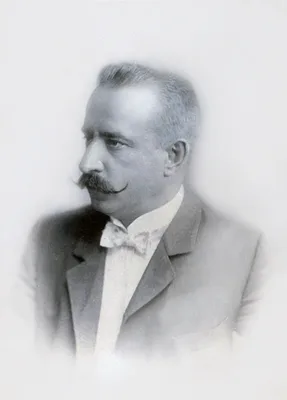
Romanovsky made important studies of the malaria parasite and introduced a special stain for its demonstration. German version in St. Petersburger med. Wschr., 1891, 8, 297-302, 306-15. English translation in Kean (No…
2019 CE
#10913
Kaposi sarcoma in mantled guereza.
Order of authorship in original publication: Grewer, Bleyer, Matz-Rensing. Further work on the CBGHV1 (Colobine gammherpesvirus 1) which causes a pathology in the Colobus monkey very similar to that seen humans. (Than…
1995 CE
#10914
Kaposi's Sarcoma-associated herpesvirus-like DNA sequences in AIDS-related body-cavity-based lymphomas.


Chang, Moore and colleagues showed that the virus causing Kaposi's Sarcoma also causes body cavity lymphomas and lymphomatous effusions in humans. (Thanks to Juan Weiss for this reference and its interpretation.)
1946 CE
#5401
Kew Gardens spotted fever.
Rickettsialpox described.
1925 CE
#2461
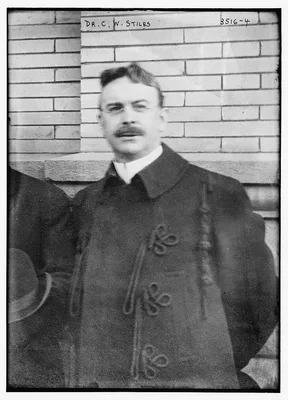
Key-catalogue of the protozoa reported for man.
1854 CE
#5355
Klinische und anatomische Beobachtungen über die Krankheiten von Aegypten.
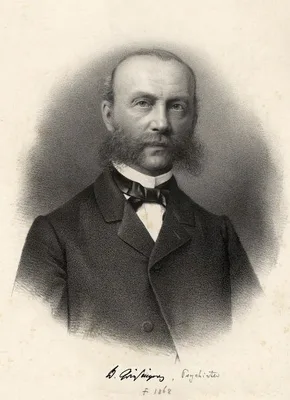
Griesinger connected the worm of ankylostomiasis with Egyptian chlorosis, a condition in which the worm had previously been noted without its being considered the causal agent (pp. 555-61). Apparently Bilharz in 1853 …
1940 CE
#5259
Klinische und parasitologische Befunde und chemotherapeutische Ergebnisse bei der Hühnermalaria.
Discovery of the developmental forms of P. gallinaceum in the incubation period.
1912 CE
#5960
Klinische, experimentelle und mikroskopische Studien über Trachom, Einschlussblenorrhöe und Frühjahrskatarrh.
Filtration of the virus of inclusion conjunctivitis.
1907 CE
#2518.2
Kolloidstudien mit der Filtrationsmethode.
Bechhold devised ultrafiltration methods for studies in microbiology.
1968 CE
#10841
Kuru and cannibalism.

Medical anthropologists Lindenbaum and Glass demonstrated that Kuru was transmitted in New Guinea by cannibalism--particularly by eating the brains of infected victims, which were the reservoir of prions. Order of aut…
1879 CE
#5358
L’anchilostomiasi e l’anemia che ne conseguita (anchilostomanemia).
Introduction of thymol as a hookworm vermifuge.
1810 CE
#2467.1
L’Art de conserver, pendant plusieurs années, toutes les substances animales et végétales….
The first workable process for canning foods. In 1795 Appert began developing the process under Napoleon’s auspices as a way to maintain food on military expeditions. For strategic reasons he was not allowed to …
1644 CE
#259.1
l’Occhio della mosca In his: Opusculi…
![ODIERNA, Giovanni Battista [Hodierna] (1597 – 1660)](/media/portraits/9538)
The first microscopical section in biology is discussed and illustrated in Odierna’s study of the fly’s eye, which is also the first description of the faceted eye of an arthropod.
1881 CE
#3172
L’organisme microscopique trouvé par M. Pasteur dans la maladie nouvelle provoquée par la salive d’un enfant mort de la rage.
Probably the earliest record of pneumococcus. Parrot reported the discovery made by Louis Pasteur.
1895 CE
#5530
La erupción en la enfermedad de Carrión (verruga peruana).
“Carrion’s disease” (Oroya fever) was named by the Peruvian physician Ernesto Odriozola, after Daniel Alcides Carrión Garcia (1859-85), a student. In order to prove or disprove the connection …
1910 CE
#5366
La malattia dei minatory dal S. Gottardo al Sempione.
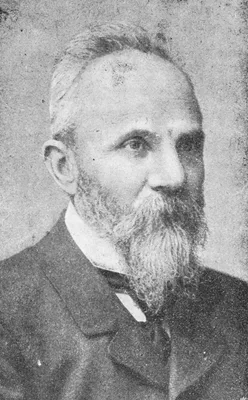
Includes reprints of Perroncito’s earlier papers. He insisted on the parasitic origin of the disease as it occurred among the St. Gotthard tunnellers in 1880, and he introduced Felix mas as a vermifuge against h…
1894 CE
#5125
La peste bubonique à Hong-Kong.
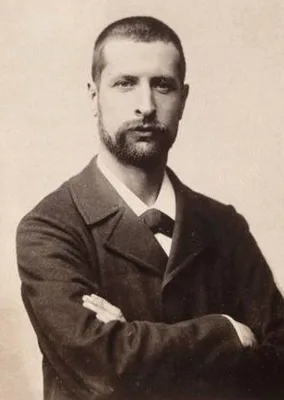
Yersin discovered the plague bacillus Pasteurella (Yersinia) pestis, isolating it from excised buboes. He published the first account of this organism. Preliminary note in C. R. Acad. Sci. (Paris), 1894, 119, 356.
1910 CE
#4670.3
La poliomyélite experimental.
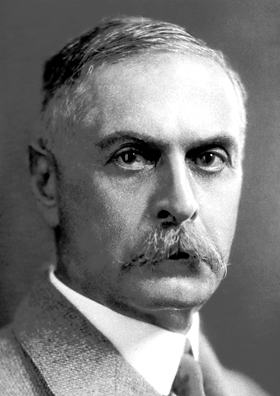
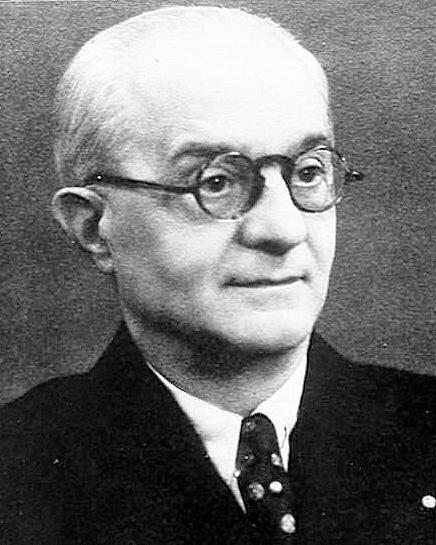
Serum from a monkey that had recovered from experimental poliomyelitis was mixed with an emulsion containing active polio virus; it failed to produce paralytic disease when injected into fresh monkeys.
1911 CE
#5171
La precipitina nella diagnosi del carbonchio ematico.
Ascoli’s thermoprecipitin reaction for the diagnosis of anthrax. German translation in Zbl. Bakt., 1911, 1 Abt., 58, Orig., 63-70. Preliminary note in Patbologica, 1910, 3, 101.
1897 CE
#4126
La séborrhée grasse et la pelade.
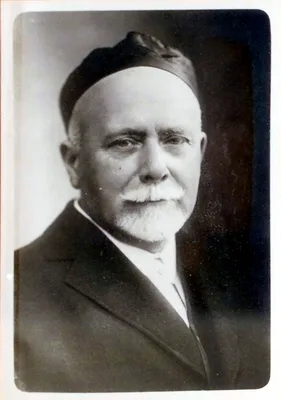
Acne bacillus first cultivated.
1927 CE
#11994
La vaccination préventive contre la tuberculose par le "BGG". Par Albert Calmette avec la collaboration de C. Guérin, A. Boquet et L. Nègre.
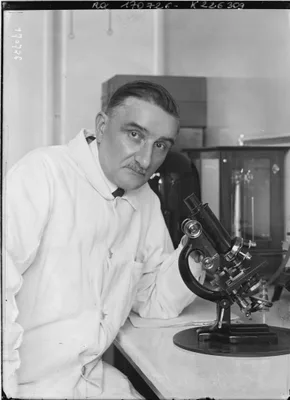
A 250-page monograph, with bibliographical references, on the development of the BCG vaccine from M. bovis, from 1909 to 1927 by the scientists involved. (Thanks to Ron Cox for this reference.)
2009 CE
#12384
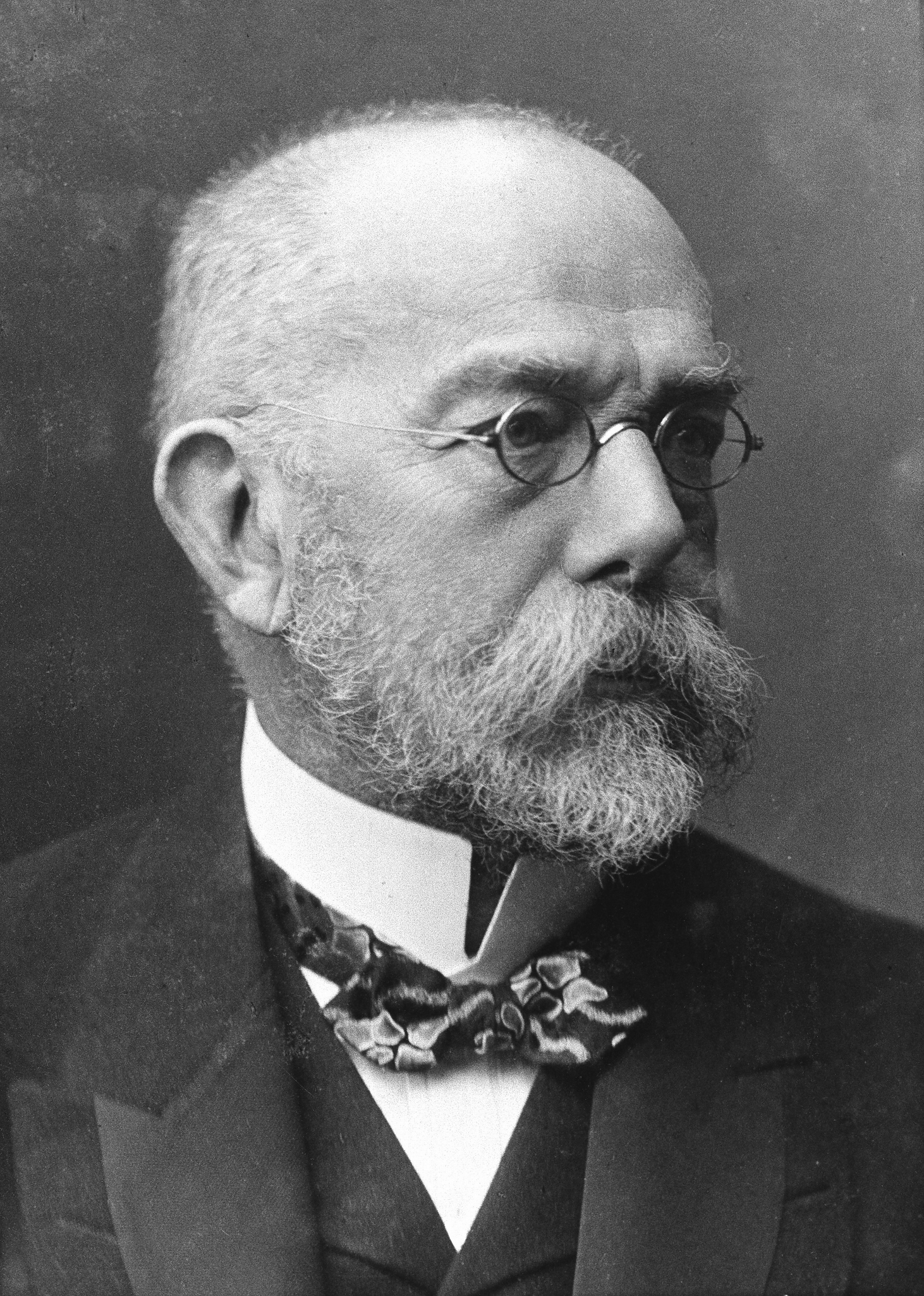
Laboratory disease: Robert Koch's medical bacteriology.
1929 CE
#2463
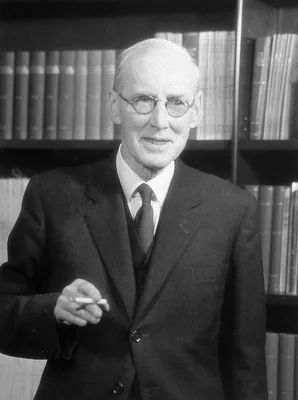
Landmarks in medical helminthology.
1926 CE
#14003
Le bactériophage et son comportement.
In this book d'Hérelle reported on the results of quantitative work based on the plaque-count, and dilution methods of assay that he invented. He described a three-step process for the life history of the bacte…
1921 CE
#10196
Le bactériophage: Son rôle dans l'immunité.
D'Hérrelle cited several actual reports of successful treatment of bacterial infections by the injection of bacteriophages in animals and humans. These may be considered early attempts at direct gene transfer i…
1912 CE
#5961
Le magot animal réactif du trachôme. Filtrabilité du virus. Pouvoir infectant des larmes.
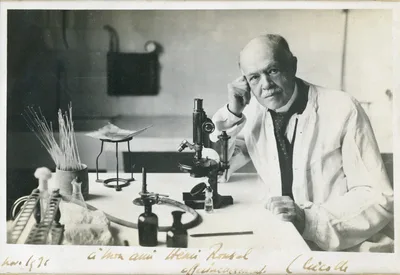
Filtration of the trachoma agent, Chlamydia trachomatis. With L. Blaisot and A. Cuénod.
1894 CE
#3307
Le microbe de l’ozène.
Loewenberg found a bacillus of the Friedländer group in ozena.
1906 CE
#5087
Le microbe de la coqueluche.
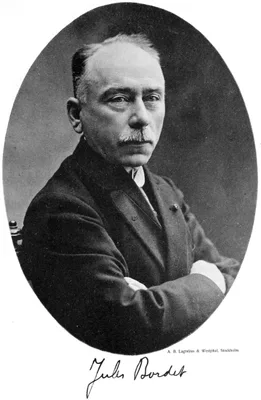
The cocco-bacillus Haemophilus pertussis, commonly regarded as the causal organism of whooping cough, was at first named “Bordet–Gengou bacillus” after its discoverers. It has later renamed Bordetell…
1898 CE
#3182
Le microbe de la péripneumonie.
Discovery of the causal organism of bovine pleuropneumonia, also known as lung plague. Nocard and Roux considered it a filterable virus but now known to be a mycoplasma.
1903 CE
#14034
Le passage du virus rabique à travers les filtres.
By demonstrating that the rabies organism is filterable Remlinger proved that rabies is a virus. The rabies virus was the second virus causing disease in humans to be identified. Remlinger made his discovery by follow…
1923 CE
#5193
Le stovarsol guérit rapidement la dysenterie amibienne.
Introduction of stovarsol (oxyaminophenylarsenic acid) in the treatment of amoebiasis.
1912 CE
#5285.3
Le trypanosoma cruzi évolue chez Conorhinus megistus, Cimex lectularius, Cimex Boueti et Ornithodorus moubata. Cycle évolutif de ce parasite.
Life cycle of T. cruzi described. English translation in Kean (No. 2268.1).
2013 CE
#8683
Leech.
Published in the "Animal" series. Seemingly a definitive work on the natural history and medical application of leeches.
1977 CE
#3215.7
Legionnaires’ disease. Description of an epidemic of pneumonia.

First major scientific account. With 11 co-authors. Legionnaire's disease acquired its name after an outbreak of a then-unknown "mystery disease" sickened 221 persons, causing 34 deaths. The people affected were atten…
1977 CE
#3215.8
Legionnaires’ disease. Isolation of a bacterium and demonstration of its role in other respiratory disease.
Order of authorship in the original publication: McDade, Shepard, Fraser.... See also p. 1218.
1885 CE–1887 CE
#5485
Lektsii ob ostrikh infektsionnîkh bolierznyakh u dietei. [Lectures on acute infectious diseases of children.] 2 vols.
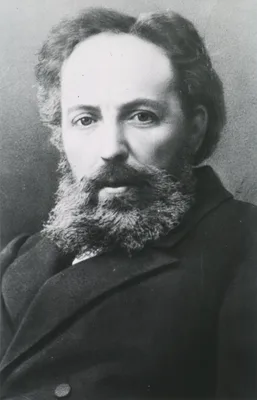
Glandular fever (infectious mononucleosis) was first described by Filatov under the name of idiopathic adenitis (“Filatov’s disease”). A German translation of his book appeared in 1895-97.
1885 CE
#2501
Les bactéries et leur rôle dans l’anatomie et l’histologie pathologiques des maladies infectieuses. 1 vol. and atlas.
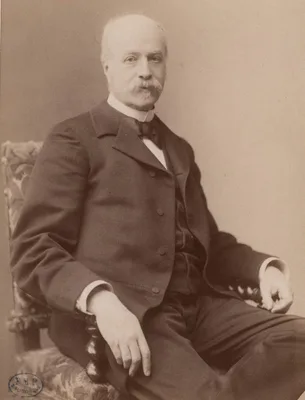
Considered the first treatise on bacteriology.
1878 CE
#2492
Les bactéries.
Translated into English by George M. Sternberg as The bacteria (Boston, 1880). Sternberg illustrated the American edition with 5 heliotype reproductions of his own photomicrographs.
1958 CE
#12215
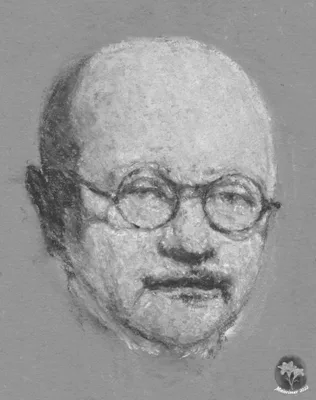
Les champignons hallucinogenes du Mexique. Études ethnologiques, taxinomiques, biologiques, physiologiques et chimiques.
1914 CE
#5536
Les grains botryomycotiques. Leur signification en pathologie et en biologie générales.
Thèse de Paris, No. 267, 1914. Magrou showed botriomycosis (granuloma pyogenicum) to be due to a staphylococcus.
1881 CE
#5481.3
Les injections de virus rabique dans le torrent circulatoire ne provoquent pas l’éclosion de la rage et semblant conférer l’immunité. La rage peut être transmise par l’ingestion de la matiére rabique.
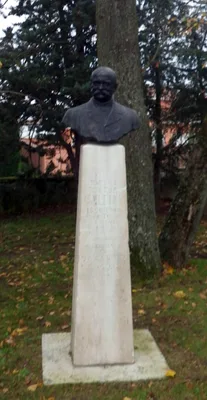
Galtier immunized sheep by inoculating rabid saliva in the veins; this did not produce the disease and protected the animals from a further inoculation. His work aroused the interest of Pasteur.
1490 CE
#47
Liber Teisir, sive rectificatio medicationis et regiminis. Antidotarium. Translated from Arabic into Hebrew by Jacobus Hebraeus; into Latin by Paravicius. Add: Averroes: Colliget.
This is a Latin translation from a Hebrew version dating from 1280. Avenzoar, the greatest Muslim physician of the Western Caliphate, described the itch-mite, Sarcoptes scabiei, serous pericarditis, mediastinal absces…
1917 CE
#2460
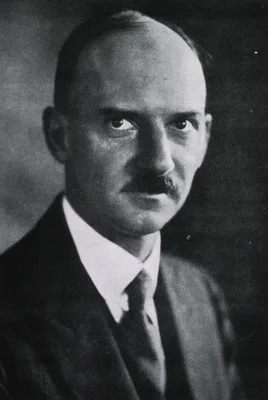
Life history of Ascaris lumbricoides and related forms.
1936 CE
#12005
Liquid crystalline substances from virus infected plants.
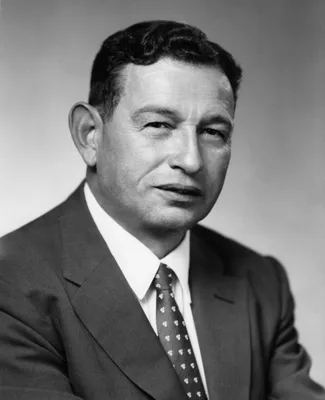
Order of authorship in the original publication: Bawden, Pirie, Bernal, Fankuchen. The authors isolated and crystallized tobacco mosaic virus, finding for the first time that a virus contained nucleic acids, when othe…