
Facets
Browse across eight MeSH (opens in new tab) facets — era, geography, science, specialty, technology, history, culture, and reference. Select one tag per group; counts update across the others.
Clear filtersFacet filters
Geography
Specialties & Disease
- Anatomy & Pathology 199
- Cardiology & Blood 9
- Neurology & Psychiatry 55
- Obstetrics & Reproductive 30
- Infectious Disease (General) 0
- Surgery & Anesthesia 22
- Public Health 30
- Immunology & Dermatology 19
- General Clinical Medicine 24
- Military Medicine 3
- Psychology 14
- Alternative & Fringe Medicine 27
- Pediatrics 5
- Ophthalmology & Vision 5
- ENT & Hearing 7
- Urology & Nephrology 7
- Gastroenterology & Hepatology 1
- Pulmonary & Respiratory 3
- Rheumatology, Rehab & Pain 2
- Internal, Emergency & Geriatric 0
- Veterinary Medicine 6
- Epidemiology & Demography 18
- Physiology & Embryology 17
- Dentistry 10
- Plagues & Epidemics 27
- Microbiology & Virology 1
Social & Historical Studies
Institutions & Culture
Reference & Scholarly Works
Drugs & Technology
199 entries match Anatomy & Pathology [G02.149 / C23] · Arts, Literature & Humanities [K01.090]
1670 CE
#383
Spicilegium anatomicum.
Kerckring made important investigations on the development of the foetal bones. He was the first to describe the large ossicle sometimes present at the lambdoidal suture; his name is remembered in the valvulae connive…
1882 CE
#11351
Studies in pathological anatomy. Vol. 1. Plates I. - XCIII. (All Published).
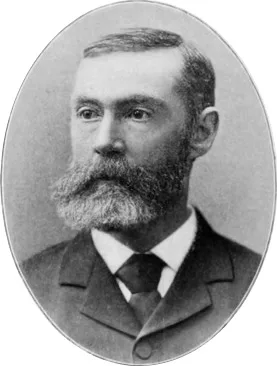
Delafield's work includes striking microscopic illustrations as well as explanatory text. Digital facsimile from Google Books at this link.
1543 CE
#376
Suorum de humani corporis fabrica librorum epitome.
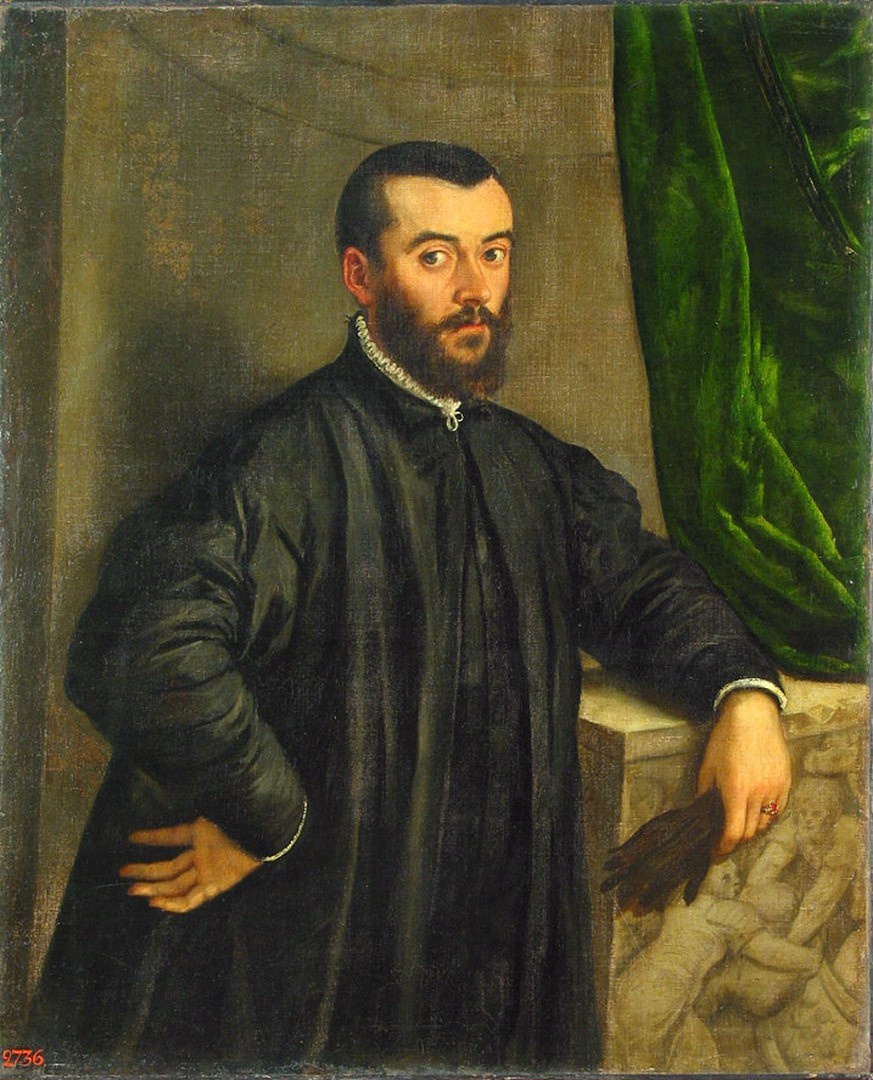
Shortly after publishing his encyclopedic De humani corporis fabrica libri septem, Vesalius issued De humani corporis fabrica epitome, also from the press of Johannes Oporinus of Basel. This thin set of 14 unnumbered …
1851 CE
#13302
Surgical anatomy.
"The drawings of Maclise for Quain's Anatomy of the arteries and for his own Surgical anatomy are indeed done, as Quain wrote, with spirit and effect. These figures of anatomical dissection seem lifelike; in many plat…
1822 CE
#13314
System of surgical anatomy. Part first [all published]: On the structure of the groin, pelvis, and perineum. As connected with inguinal and femoral hernia; Tyeing the iliac arteries; and the operation of lithotomy. Illustrated by nine copper-plate engravings
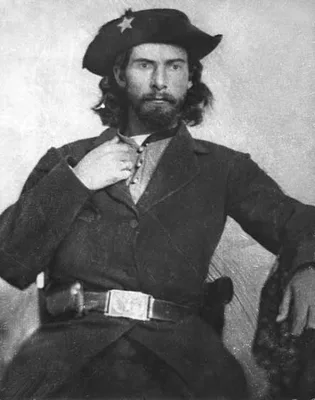
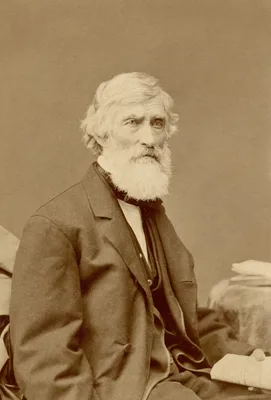
Anderson trained at the Royal College of Surgeons in Edinburgh, emigrated to America in 1820 and, after delivering a series of anatomical lectures in New York under the patronage of Valentine Mott, became affiliated w…
1797 CE
#401
Tabula sceleti feminini juncta descriptione.
Soemmerring was noted for his accuracy in anatomical illustration, and the above work is a fine example of his artistic sense. For it he selected the skeleton of a well-built girl of 20 years. Great care was taken in …
1627 CE
#381
Tabulae anatomicae lxxiix.
First publication of the very beautiful copperplates engraved by Francesco Valesio after Odoardo Fialetti, a pupil of Titian. Casseri commissioned these plates covering the whole field of human anatomy for his unfinis…
1538 CE
#372
Tabulae anatomicae sex.
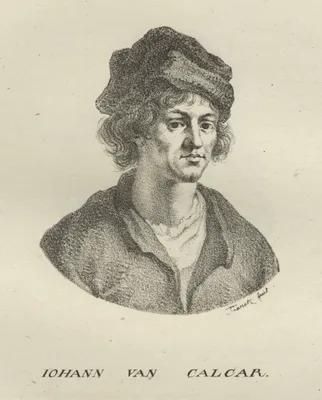
Vesalius’ first anatomical publication, consisting of six oversized anatomical charts, resembling fugitive sheets. The three skeletal woodcuts are signed by the artist, Jan Stephan van Calcar, who also acted as …
1741 CE
#395.2
Tabulae anatomicae.
![PIETRO DA CORTONA, [Pietro BERRETINI] (1596 – 1669)](/media/portraits/743)
27 anatomical copperplates after drawings by the most influential painter of the Italian Baroque movement, who also excelled as an architect. The editor, Cajetano Petrioli, supplied the text and small numbered anatomi…
1714 CE
#1312
Tabulae anatomicae.
A romantic history attaches to this fine collection of plates, drawn by Eustachius himself and completed in 1552. They remained unprinted and forgotten in the Vatican Library until discovered in the early 18th century…
1737 CE–1747 CE
#399
Tabulae sceleti et musculorum corporis humani.
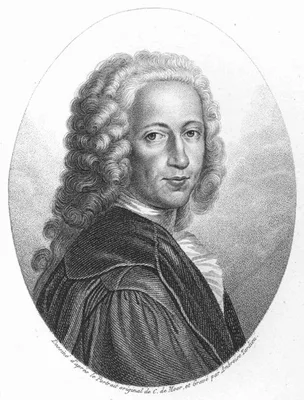
The splendid series of 40 large copperplates of the bones and muscles in this work were drawn and engraved by Jan Wandelaar (1690-1759). They established a newstandard in anatomical illustration, and remain unsurpasse…
1999 CE
#7032
Taking positions. On the erotic in Renaissance culture.
Of particular relevance to the history of medical literature is Chapter 8: "Mythology, Sexuality, and Science in Charles Estienne's Manual of Anatomy" (pp. 161-188). This refers to Estienne's De dissectione partium co…
2016 CE
#7566
The Anatomical Venus: Wax / Sex / God / Death.
1975 CE
#6610.11
The anatomical works of George Stubbs.
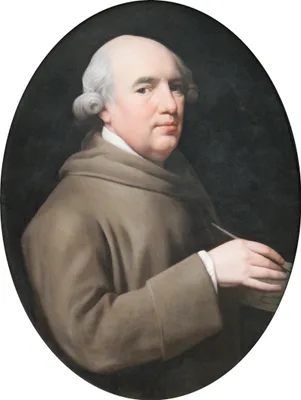
Reproduces all of the known anatomical drawings of the painter, George Stubbs (1724-1806), together with his midwifery illustrations and the text and plates for his work on anatomy of the horse. (No. 308.1).
1834 CE
#10024
The anatomy and surgery of inguinal and femoral hernia.
Published in the same large folio format as Tuson's Myology (1828), this was the largest work on hernia ever published with multiple hand-colored. lift-up flats on three plates.
1698 CE
#385.1
The anatomy of humane bodies, with figures drawn after the life by some of the best masters in Europe.
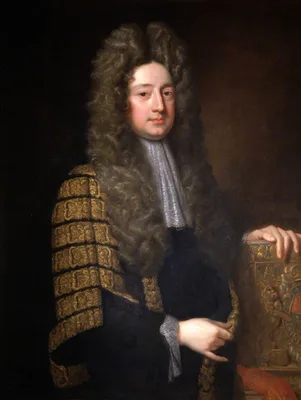
The largest in format, and most elaborate and beautiful of all 17th century English treatises on anatomy, and also one of the most extraordinary plagiarisms in the entire history of medicine. Cowper purchased sets of …
1766 CE
#308.1
The anatomy of the horse.
The first original work on equine anatomy after Ruini (No. 285). Stubbs, the great painter of animals, prepared his own dissections of horse carcasses, and personally engraved the 24 double folio plates for this work,…
1797 CE–1804 CE
#401.3
The anatomy of the human body. 4 vols.
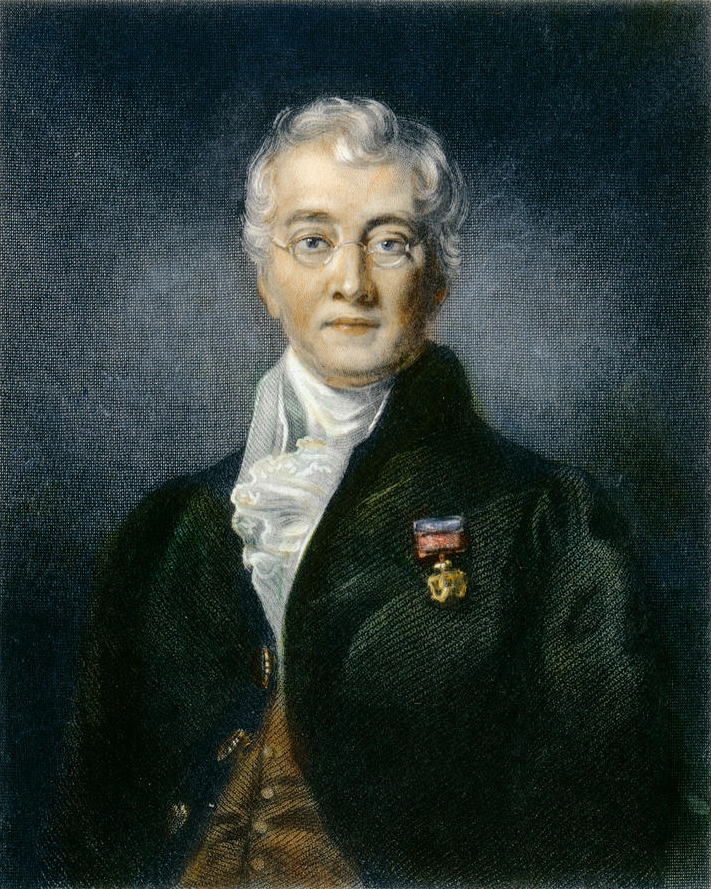
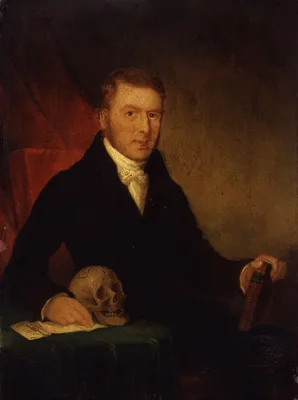
“The first great textbook contributed by the British school to modern anatomy” (Russell, No. 461).
1713 CE
#390
The anatomy of the humane body.
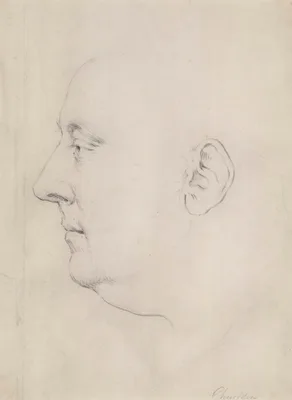
Although Cheselden is best known for his accomplishments in the field of surgery, he wrote two important books on anatomy. The above was for many years a textbook of the English medical schools and ran through 13 edit…
1948 CE
#10204
The Ciba collection of medical illustrations. A compilation of pathological and anatomical paintings prepared by Frank H. Netter, M.D.
This was the first collection of anatomical images by Netter published in book form.
1998 CE
#7642
The complete visible human: The complete high-resolution male and female anatomical datasets from the Visible Human Project.

The first anatomically exact and complete, three-dimensional, computer-generated reconstruction of actual human bodies. Includes 2 CD-ROMs. See https://www.nlm.nih.gov/research/visible/visible_human.html.
1953 CE
#6623.01
The doctor and the devils.
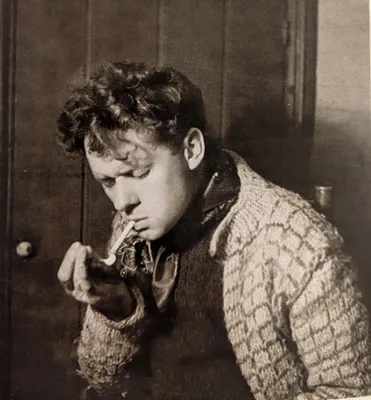
The great lyric poet’s screenplay based on the notorious career of Robert Knox, the anatomist who purchased bodies for dissection from the resurrectionists/murderers, Burke and Hare. This was the first screenpla…
1992 CE
#6953
The fabric of the body: European traditions of anatomical illustration.
An essential reinterpretation of the classics in the history of anatomical illustration, with many fine plates.
1833 CE
#411.1
The hand: Its mechanism and vital endowments as evincing design.
Classic work on the anatomy, physiology, bio-mechanics, comparative anatomy, and adaptive importance of the hand. Issued as a volume in a series entitled the "Bridgewater Treatises." The first edition has 288pp. An en…
1959 CE
#13256
The human body, what it is and how it works. Text by Mitchell Wilson. Illustrations by Cornelius De Witt. Arthur W. Seligmann, M.D., medical consultant.
A modern classic of medical illustration, and the popularization of medicine. The artist is best known for illustrating children's books.
2008 CE
#13166
The making of Mr. Gray's Anatomy: Bodies, books, fortune, fame.
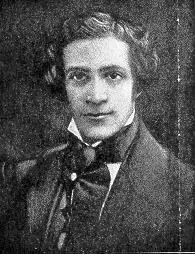
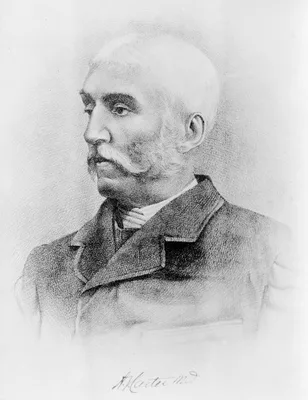

An exhaustive account of the creation, production, distribution and influence of this classic.
1826 CE
#2284.1
The morbid anatomy of the human brain.
Based on over 4000 autopsies performed over 30 years, and illustrated with fine hand-colored plates.
1897 CE
#11875
The origin of disease, especially of disease resulting from intrinsic as opposed to extrinsic causes. With chapters on diagnosis, prognosis and treatment. With one hundred and thirty-seven original illustrations.
The most valuable features of this work are the exceptionally fine and delicate histologic illustrations engraved on steel and printed on thick paper to eliminate show-through. Each image is faced with detailed explan…
1841 CE
#13521
The pathology of drunkeness, or the effects of alcoholic drinks with drawings of the drunkard's stomach.
Including four chromolithographed plates by J. H. Hall, Albany, N.Y., this is the earliest illustrated book published in the U.S. on the pathological effects of alcoholism. Digital facsimile from the U.S. National Lib…
2009 CE
#9811
The theatre of the body: Staging death and embodying life in early-modern London.
"...The book takes as its specific focus seventeenth-century London, in a significant study encompassing the period from the incorporation of the Worshipful Company of Barber-Surgeons (1540) to the staging of Edward R…
1986 CE
#10201
The Visible Human Project.
https://www.nlm.nih.gov/research/visible/visible_human.html "The Visible Human Project® is an outgrowth of the NLM's 1986 Long-Range Plan. It is the creation of complete, anatomically detailed, three-dimensional r…
1773 CE
#155
Théorie de la figure humaine.
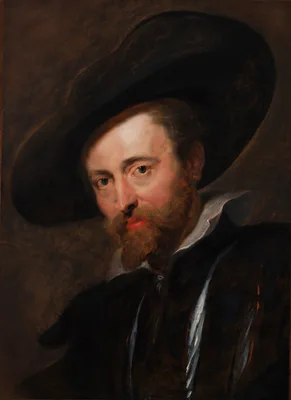
This work on the human figure, published more than 100 years after the death of Rubens, is one of a handful of anatomical treatises illustrated by an artist of the first magnitude.
1701 CE–1715 CE
#389
Thesaurus anatomicus primus [-decimus]... Het eerste [-tiende] anatomisch cabinet....
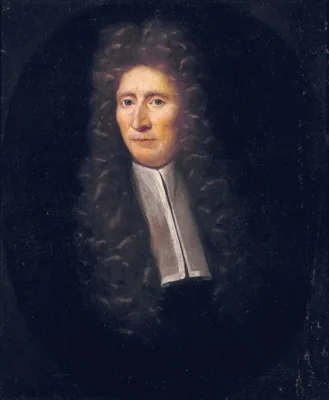
Probably the most original artist in the history of anatomical preparations, Ruysch enjoyed making up elaborate three-dimensional emblems of mortality from his specimens. These fantastic, dream-like concoctions constr…
1989 CE
#12292
Three-dimensional display in nuclear medicine.
Maximum intensity projection (MIP) or MIP imaging, invented by Jerold Wallis, "is a method for 3D data that projects in the visualization plane the voxels with maximum intensity that fall in the way of parallel rays t…
1937 CE–1960 CE
#10200
Topographische Anatomie des Menschen. Lehrbuch und Atlas der regionär-stratigraphischen Präparation. 4 vols. in 7. Vol. 1 in 2 pts: Brust un Brustgliedmasse, 1937; Vol. 2 in 2 pts: Bauch, Becken und Beckengliedmasse, 1941; Vol. 3: Der Hals, 1952; Vol. 4 in 2 pts: Topographische und stratigraphischen Anatomie des Kopfes, 1957, 1960.
Pernkopf's anatomy is remarkable for the intricacy of its detailed images and its "regional stratigraphic" approach, i.e. "multiple layers of dissection with an emphasis on fascia shown and reflected, approaching the …
1907 CE
#451
Tradition und Naturbeobachtung in den Illustrationen medicinischer Handschriften und Frühdrucke vornehmlich des 15. Jahrhunderts.
1831 CE–1854 CE
#7246
Traité complet de l'anatomie de l'homme, comprenant la médecine opératoire. 16 vols.
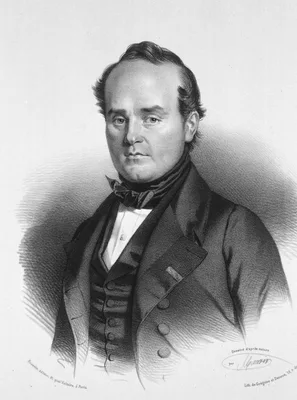
With over 2000 pages of text and 726 lithographed plates (incorporating 3604 individual figures), this work is the most comprehensive, and perhaps the most beautiful anatomical surgical atlas of the 19th century. It w…
1851 CE
#14130
Traité complet des maladies vénériennes. Clinique iconographique de l'Hôpital des vénériens. Recueil d'observations, suivies de considérations pratiques sur les maladies qui ont été traitées dans cet hôpital.
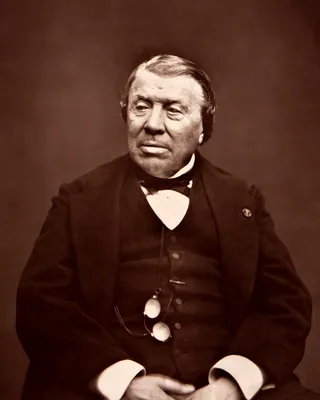
Ricord's extensive work with veneral diseases at the Hopital du Midi includes 66 hand-colored ithographs illustrating a multitude of conditions at various levels of infection in both sexes. The illustrations were draw…
1759 CE
#7006
Traité d'ostéologie. 2 vols.
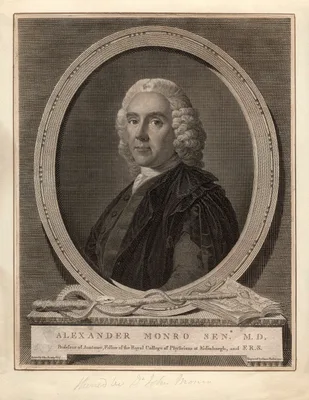
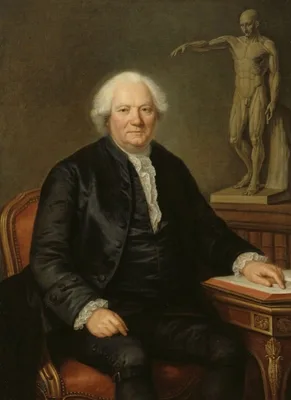
Monro Primus' textbook on the anatomy of the bones was originally published in 1726 as an octavo volume without plates, and went through more than ten editions. The French translation, published in large folio, transl…
1857 CE–1861 CE
#2297.1
Traité d’anatomie pathologique générale et spéciale. 4 vols.
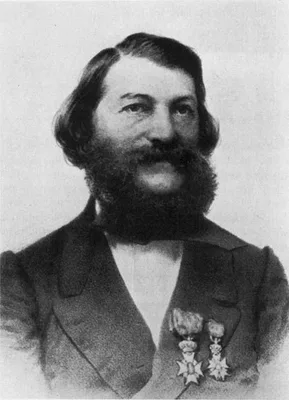
Lebert set out to cover both general and special pathology. The superb hand-colored folio-sized copperplate engravings of macro- and micropathology in this work are among the finest ever published.
1829 CE–1833 CE
#2288
Traité d’anatomie pathologique. 2 vols. and atlas.
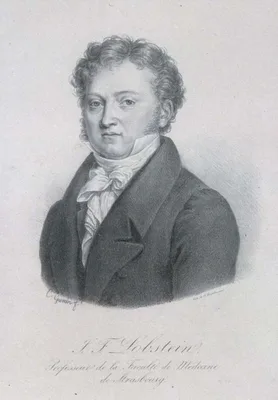
Includes a historical review of the subject from the time of the Ancient Egyptians to Corvisart, and a summary of the advances in pathology during the preceding 50 years. Vol. 2, pp. 553-600 deals with diseases of the…
1828 CE
#2285.1
Traité des maladies des enfans nouveau-nés et à la mamelle. 1 vol. and atlas.
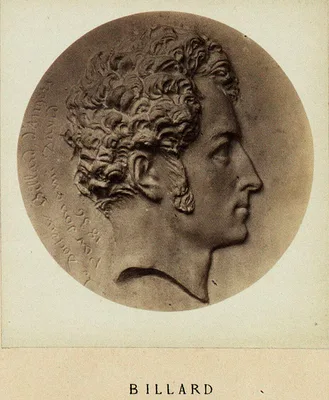
The first significant work on the pathological anatomy of infants. Billard performed several hundred autopsies on infants and children and correlated the data obtained with clinical observations he had made. This pion…
1839 CE–1841 CE
#4208
Traité des maladies des reins. 3 vols, and atlas.
Rayer insisted on the exhaustive analysis of the urine as an aid to the diagnosis of lesions. He classified “albuminus nephritis” into six distinct forms and distinguished these from other forms of nephrit…
1787 CE
#1104
Vasorum lymphaticorum corporis humani historia et ichnographia.
Mascagni, Professor of Anatomy at Siena, made several discoveries regarding the lymphatics. His beautiful atlas contained 41 engravings of the lymphatics and gained him lasting fame. He had previously published a Prod…
1771 CE
#6604.9
Verzeichnis einer Samlung von Bildnissen, gröstentheils berühmter Aerzte; so wohl in Kupferstichen, schwarzer Kunst und Holzschnitten, als auch in einigen Handzeichungen: diesem sin verschiedene Nachrichten und Unmerkungen Vorgesekt, die so wohl zur Geschichte der Arzenengelahrtheit; als vornehinsich zur Geschichte der Künste gehören.
“Very valuable reports on artistic anatomy and the history of anatomic illustration” (Choulant). Probably represents the first history of medical portraiture. Digital facsimile from Googe Books at this link.
1528 CE
#149
Vier Bücher von menschlicher Proportion.
Written, designed, and illustrated by Dürer, this work is notable for its extraordinary series of anthropometrical woodcuts. The first two books deal with the proper proportions of the human form; the third chang…
2017 CE
#9849
Visualizing disease: The art and history of pathological illustrations.
1865 CE
#10273
Wandtafeln zur Schwangerschafts- und Geburtskunde. Text volume in quarto format plus atlas in double elephant folio format (915 x 650mm.)
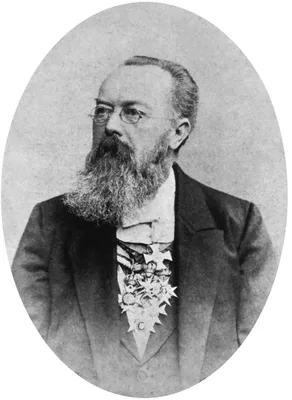
This huge atlas of obstetric wall charts contains 20 chromolithographed plates measuring over 3 feet by 2 feet, illustrating the female reproductive anatomy, stages of pregnancy, normal and breech presentations of the…
2016 CE
#7861