
Wandtafeln zur Schwangerschafts- und Geburtskunde. Text volume in quarto format plus atlas in double elephant folio format (915 x 650mm.)
Publication Details
Leipzig: Ernest Julius Günther, 1865 CE.
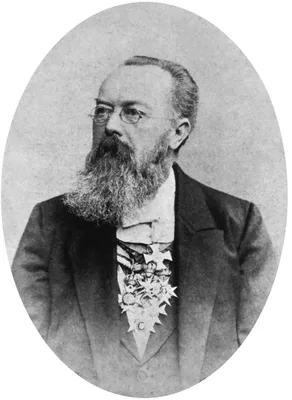
This huge atlas of obstetric wall charts contains 20 chromolithographed plates measuring over 3 feet by 2 feet, illustrating the female reproductive anatomy, stages of pregnancy, normal and breech presentations of the fetus, and various types of vaginal delivery. These plates were intended to be mounted on the wall; they are probably the largest obstetrical charts ever published in book form. Included is an illustration of “Schultze’s mechanism” of normal placental separation and expulsion, in which the placenta slips “through the same rent in the membranes from which the fetus emerged . . . pulling its attached membranes along, inner surface showing, like a sock turned inside out” (Speert, Obstetrics and Gynecology: A History and Iconography, p. 250). Schultze, a professor of obstetrics at the University of Jena, is also known for his invention of the Schultze obstetric simulator, a dummy or manikin of the female pelvis used to demonstrate the mechanism of childbirth; this device was widely used in both Germany and the United States. Digital facsimile of the text from Google Books at this link.
Thematic Classifications
| Catalog Metadata | Reference Information |
|---|---|
| Entry Number | #10273 |
| Permanent Link | https://staging.historyofmedicine.com/entry/12464 |
| Author Bio Link | Wikipedia ↗ |
| External URL | wandtafeln-zur-schwangerschafts-und-geburtskunde-text-volume-plus-atlas- |
Geographic Context
Publication place: Leipzig
Mentioned in annotation: Jena