
Facets
Browse across eight MeSH (opens in new tab) facets — era, geography, science, specialty, technology, history, culture, and reference. Select one tag per group; counts update across the others.
Clear filtersFacet filters
Geography
Specialties & Disease
- Anatomy & Pathology 199
- Cardiology & Blood 9
- Neurology & Psychiatry 55
- Obstetrics & Reproductive 30
- Infectious Disease (General) 0
- Surgery & Anesthesia 22
- Public Health 30
- Immunology & Dermatology 19
- General Clinical Medicine 24
- Military Medicine 3
- Psychology 14
- Alternative & Fringe Medicine 27
- Pediatrics 5
- Ophthalmology & Vision 5
- ENT & Hearing 7
- Urology & Nephrology 7
- Gastroenterology & Hepatology 1
- Pulmonary & Respiratory 3
- Rheumatology, Rehab & Pain 2
- Internal, Emergency & Geriatric 0
- Veterinary Medicine 6
- Epidemiology & Demography 18
- Physiology & Embryology 17
- Dentistry 10
- Plagues & Epidemics 27
- Microbiology & Virology 1
Social & Historical Studies
Institutions & Culture
Reference & Scholarly Works
715 entries match Arts, Literature & Humanities [K01.090]
1777 CE–1781 CE
#2278
Observationes anatomicae-pathologicae. 4 vols.
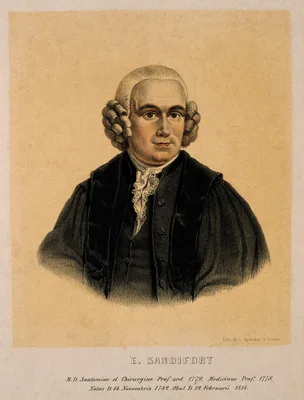
Sandifort’s beautifully illustrated work on pathological anatomy included records of ulcerative aortic endocarditis, renal calculi, hemias, bony ankyloses, and congenital abnormalities. A good account of the &ld…
1854 CE–1855 CE
#3329
Observations on the human voice.
Garcia, a teacher of singing, invented the modern laryngoscope.
1835 CE
#13744
Observations on the influence of religion upon the health and physical welfare of mankind.
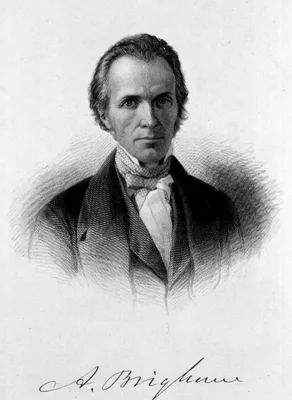
Digital facsimile from U.S. National Library of Medicine at this link.
1820 CE
#8948
Observations sur la fièvre jaune, faites à Cadix, en 1819 par MM. Pariset et Mazet, docteurs en médecine de la Faculté de Paris, et rédigées par M. Pariset.
Pariset and Mazet distinguished themselves combating an outbreak of yellow fever in Spain. Pariset's colleague was apparently not involved with publication of the book, and died in a yellow fever outbreak in Barcelona…
1969 CE
#14157
Oeuvres d'Ambroise Paré conçu et réalisé par Pierre de Tartas. Préfacées par le professeur de Vernejoul & Jean Rostand de l'Académie Française. 3 vols. Vol. 1 illustré par Hans Erni, Vol. 2 illustré par Pierre-Yves Tremois, Vol. 3 illustré par Michel Ciry.
Facsimile of the 1585 fourth and best edition of Paré's Oeuvres, published in 3 vols., each volume additionally illustrated by a distinguished French 20th century artist. 5000 numbered sets were issued in vario…
2009 CE
#11258
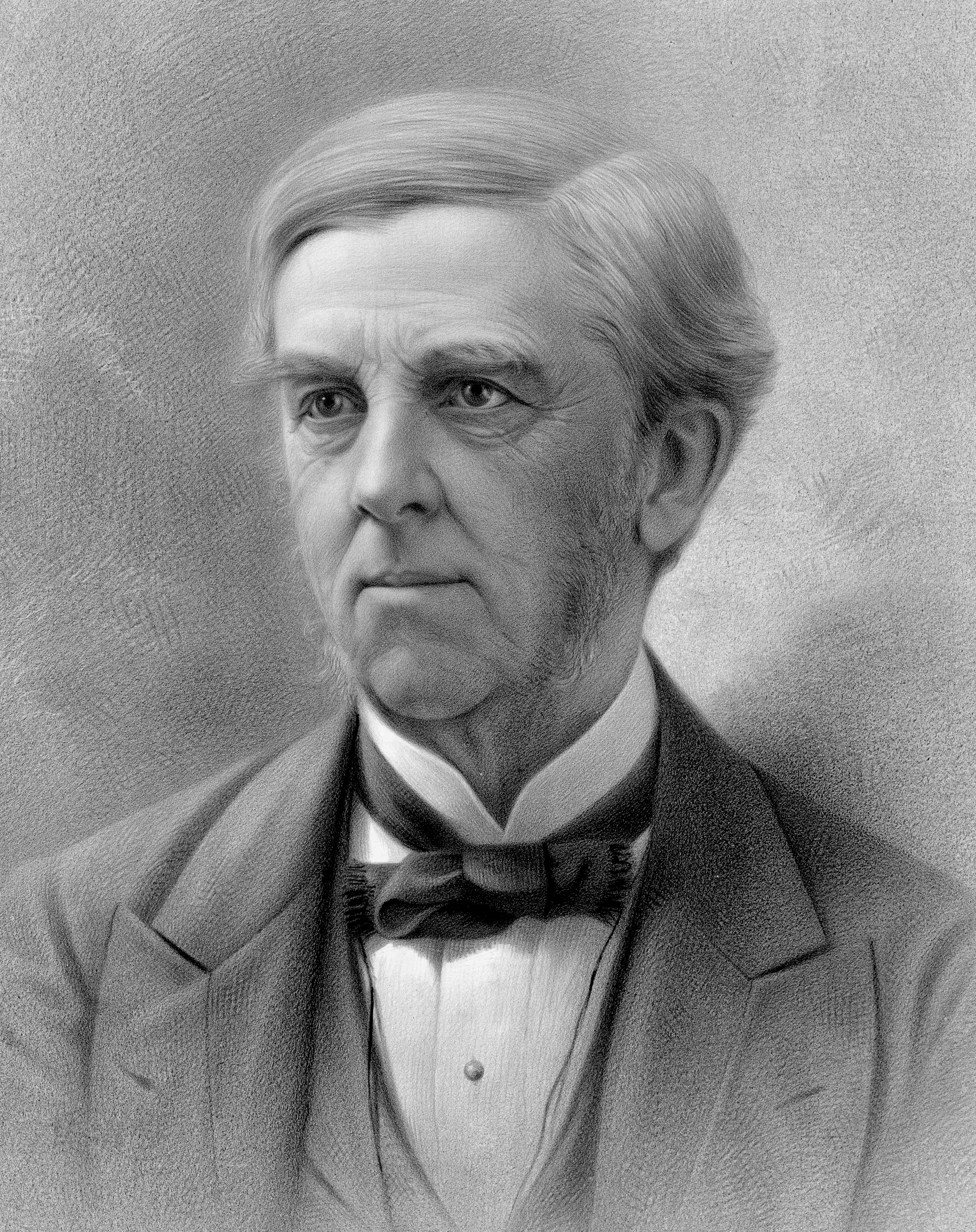
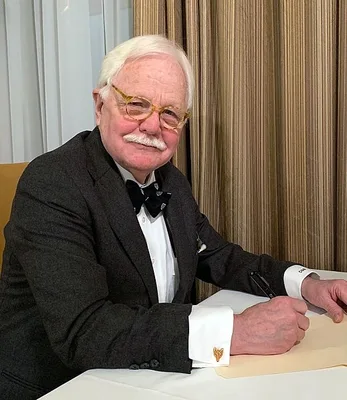
Oliver Wendell Holmes, physician and man of letters. Edited by Scott. H. Podolsky and Charles S. Bryan.
1847 CE
#2434
Om spedalskhed. Udgivet efter Foranstaltning af den Kongelige Norske Regjerings Department for det Indre. 1 vol. and atlas.
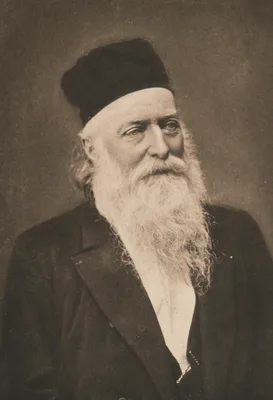
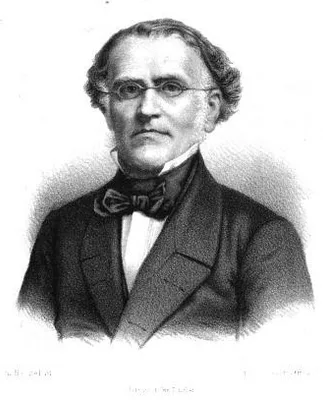
First modern description of leprosy (“Danielssen-Boeck disease’’). Danielssen, physician to the leprosy hospital at Bergen, was the founder of scientific leprology. The extremely rare Atlas consists …
1857 CE
#11806
Omphalos: An attempt to untie the geological knot.
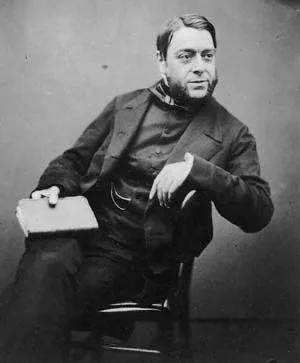
In Omphalos, published in 1857, two years before the publication of Darwin's On the Origin of Species, Gosse attempted to reconcile the paleontological record with creationist religious beliefs by arguing that the fos…
1725 CE
#8095
Opera omnia anatomica & chirurgica. Edited by Herman Boerhaave and Bernhard Siegfried Albinus. 2 vols.
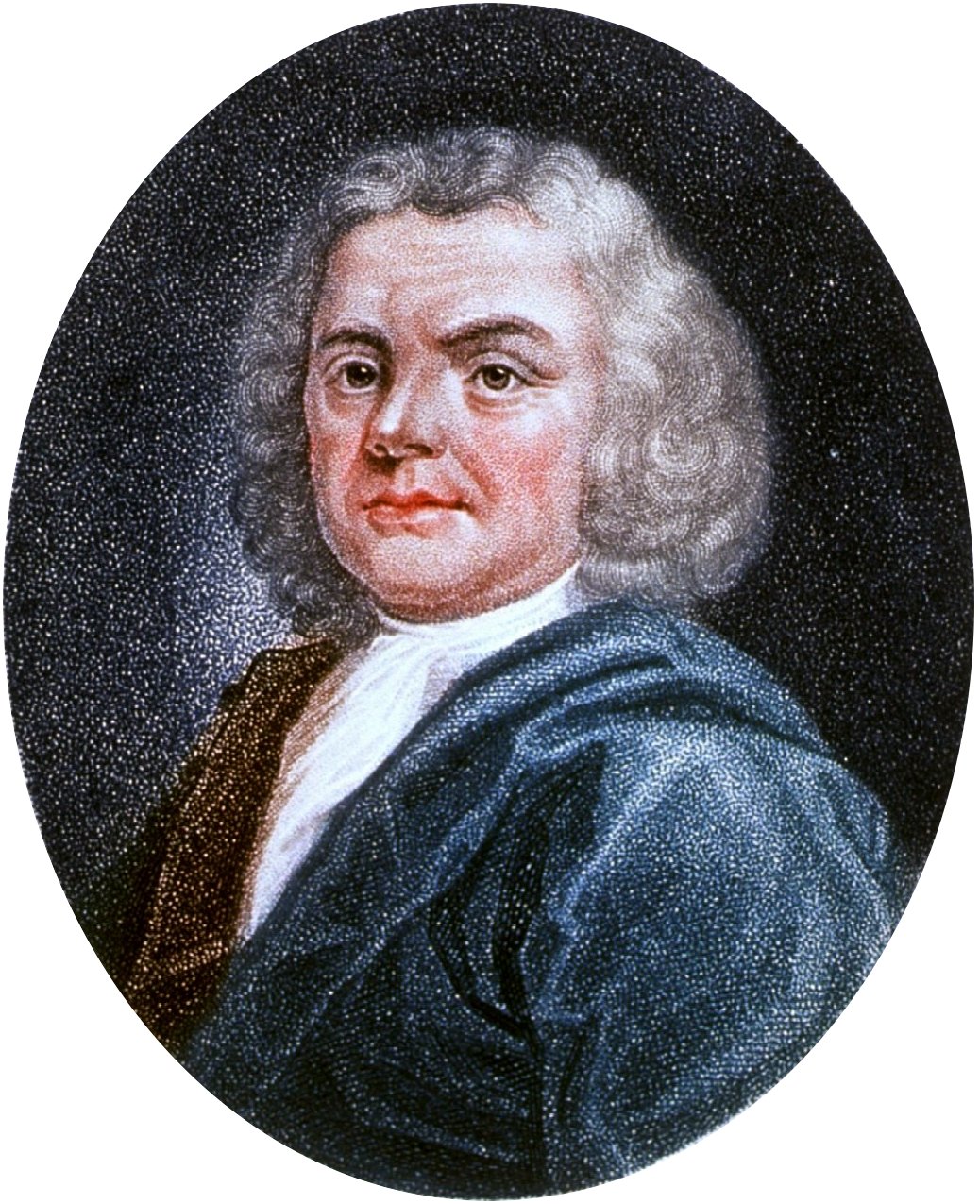
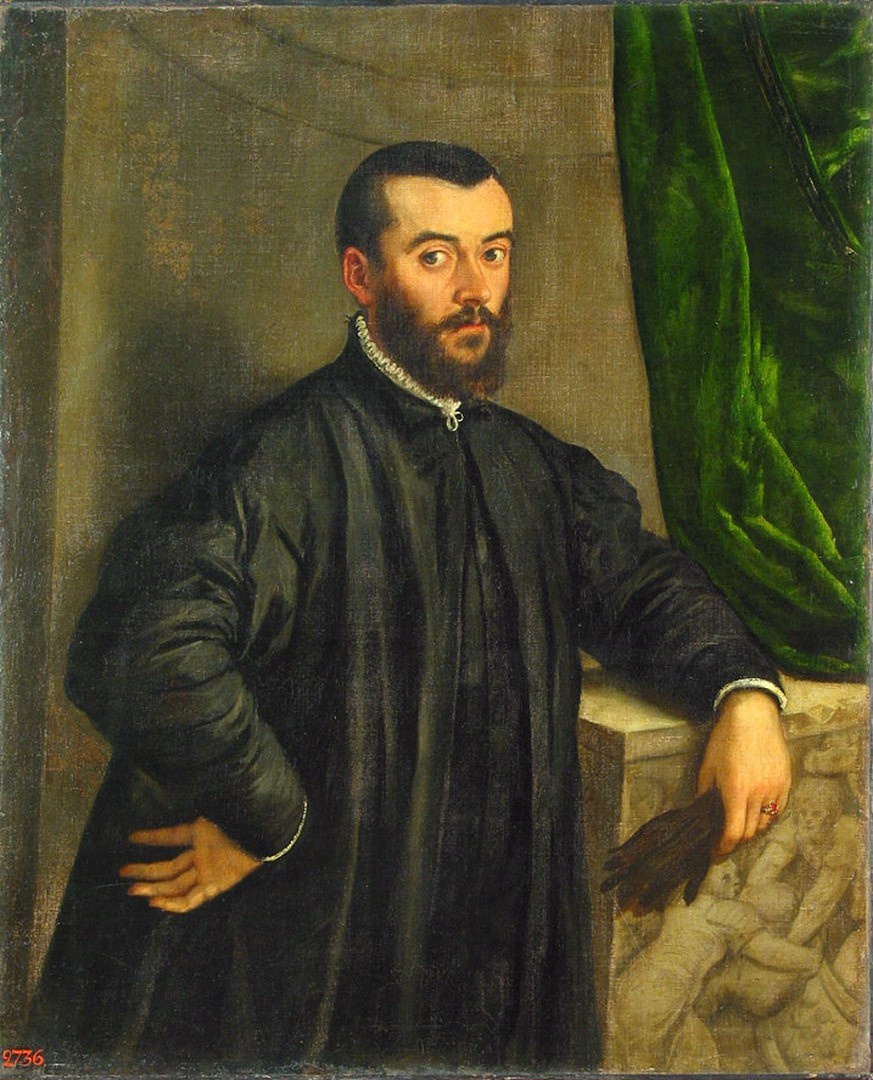
Vesalius's collected works with the famous woodcuts reproduced as copperplate engravings by Jan Wandelaar (1690-1759). Notably Boerhaave and Albinus had this edition published because Vesalius's works still had practi…
1645 CE
#61.2
Opera quae extant omnia. Ex recension Joh. Antonidae vander Linden.
Spieghel succeeded Casseri in the chair of anatomy at Padua. This edition of his collected writings contains the second printing of the 97 copperplates first printed in Casseri’s Tabulae anatomicae (No. 381) plu…
1996 CE
#12316
Opera, desire, disease, death.
"The book focuses on operatic representations of disease and on the ways in which operas associate illness with sexuality, gender, and desire. The authors consider the frequent operatic alliance of tuberculosis with f…
1898 CE
#6108
Operative gynecology. 2 vols.
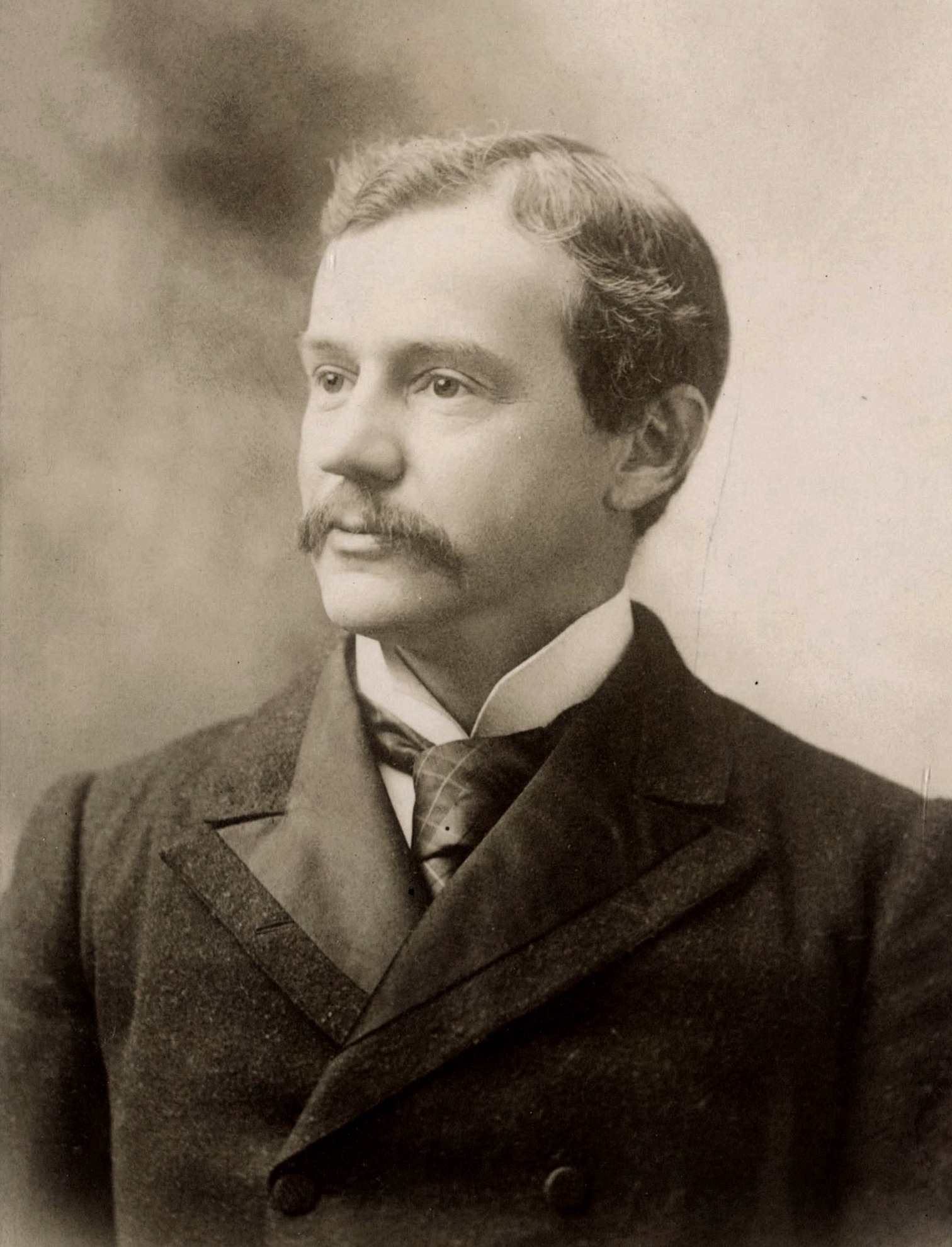
Kelly, professor of gynecology at Pennsylvania and Johns Hopkins University, was a leading gynecologist in America. This work is notable for its 315 illustrations and ten plates, mostly by Max Brödel, the most fa…
2013 CE
#13660
Ophthalmologia: Optica et visio in nummis.
1563 CE–1564 CE
#1093
Opuscula anatomica.
Eustachius is credited with several anatomical discoveries, among them the tensor tympani muscle and the Eustachian tube, published in his chapter entitled De auditus organis. In the last respect, however, he was anti…
2017 CE
#8520
Osler Library Prints Collection.
http://digital.library.mcgill.ca/oslerprints/index.php "This varied collection of approximately 2,500 prints offers a fascinating look into the history of medicine through popular imagery. The medium of the print, bei…
2010 CE
#11662
Osler's bedside libraries: Great writers who inspired a great physician. Edited by Michael A. LaCombe and David J. Elpern.
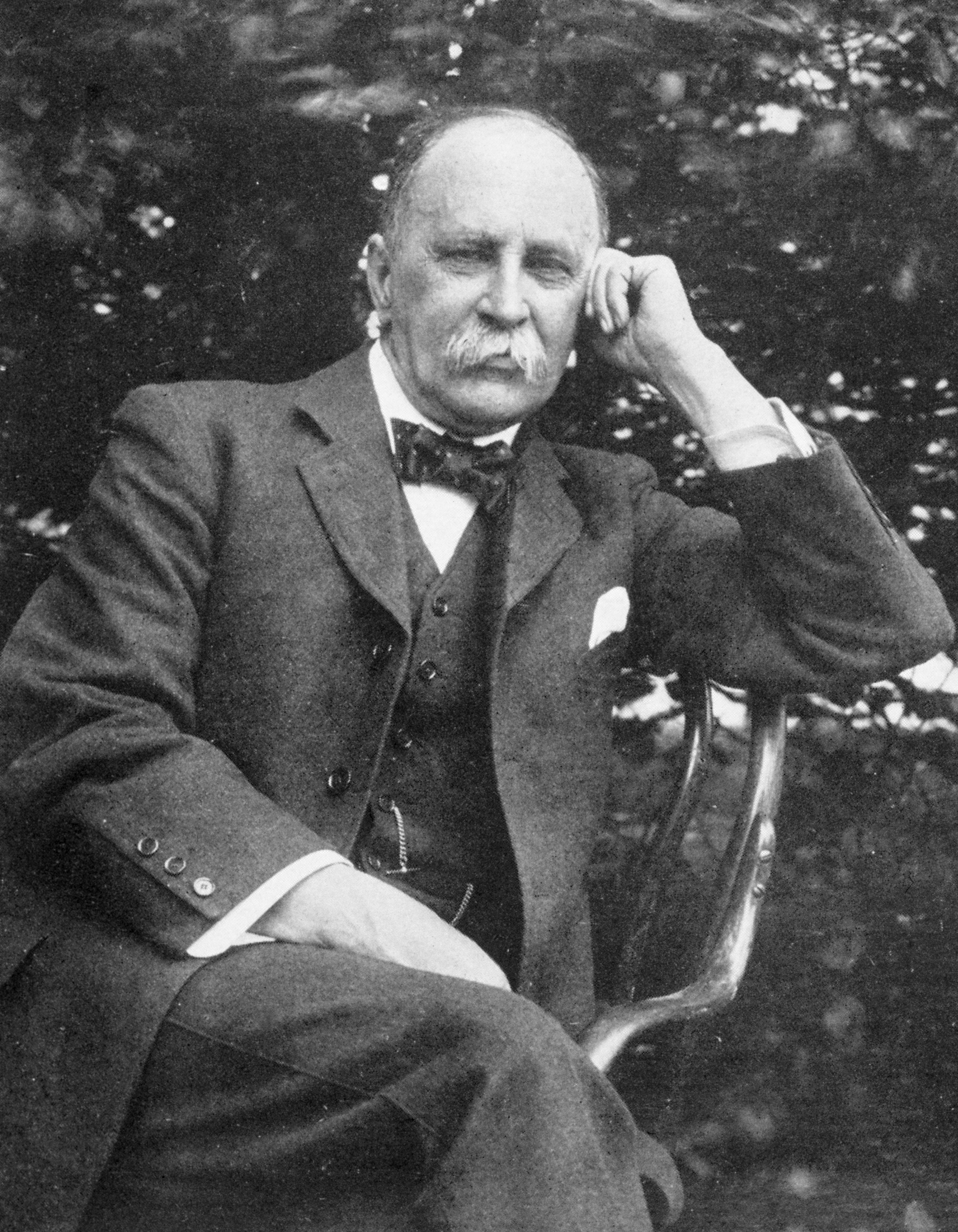
1780 CE
#9547
Osteografia e miografia della testa, mani, e piedi del corpo umano in misura naturale con il catalogo de' nomi propri.
Very distinctive engravings with the captions included within the engraved surfaces. Printed and sold by the artist.
1733 CE
#395
Osteographia, or the anatomy of the bones.
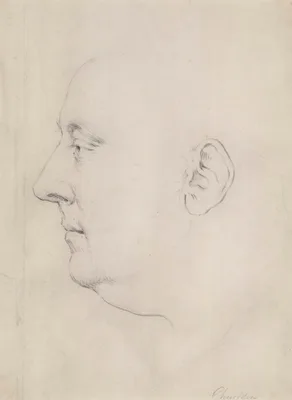
This splendidly designed and illustrated work contained full and accurate descriptions of all the human bones, as well as many of animals. Cheselden is the first person to have used the camera obscura to gain precisio…
1825 CE
#10744
Outlines of lectures on mental diseases.
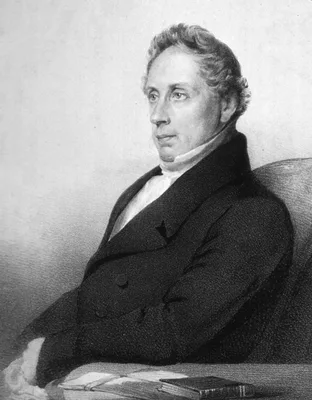
Of particular note for the greatly expanded second edition published in 1826. That edition contained 150 pages compared to 72 pages in the first edition. The second edition also contained 13 plates derived from images…
1999 CE
#7546
Paper bodies: A catalogue of anatomical fugitive sheets 1538-1687. (Medical History, Supplement No. 19)
Describes bibliographically and illustrates the approximately 60 different surviving fugitive sheets together with essays on "The visual culture of Renaissance anatomy," "Anatomical fugitive sheets: Printing, prints a…
1876 CE
#2127.1
Paraffin epithelioma of the scrotum.
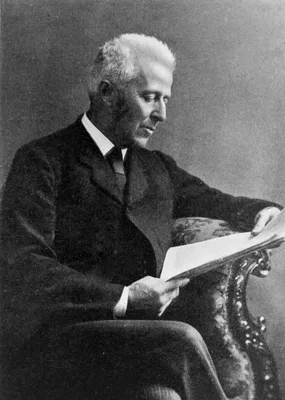
Shale oil shown to be a cause of skin cancer. A teacher of Sir Arthur Conan Doyle, Bell was the model for the character of Sherlock Holmes.
2020 CE
#14043
Patents on life: Religious, moral, and social justice aspects of biotechnology and intellectual property. Edited by Thomas C. Berg, Roman Cholij, and Simon Ravenscroft.
2019 CE
#13010
Perilous chastity: Women and illness in Pre-Enlightenment art and medicine.
"Bearing such titles as The Doctor's Visit or The Lovesick Maiden, certain seventeenth-century Dutch paintings are familiar to museum browsers: an attractive young woman—well dressed, but pale and listless&mdash…
1882 CE
#5132
Pestilentia in nummis.
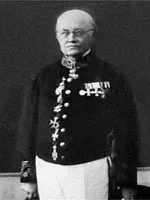
A study of medals and tokens relating to epidemics of plague and other infectious diseases.
1499 CE
#363.2
Philosophie naturalis compendium.
The last section of this commentary on Aristotle is an illustrated summary of anatomy, the text of which was derived, with some modifications, from medieval manuscripts. The series of eleven woodcuts has been called &…
1839 CE
#10589
Physiognomice pathologica – Krankenphysiognomik. Text in quarto; atlas in folio with 72 hand-colored lithographs.
A second edition in octavo format with 80 small plates was published in 1842. Baumgärtner, a pupil of Friedrich Tiedemann and Leopold Gmelin at Heidelberg, taught that it was possible to make a correct diagnosis …
1995 CE
#9681
Picturing health and illness: Images of identity and difference.
2012 CE
#8389
Picturing the book of nature: Image, text, and argument in sixteenth-century human anatomy and medical botany.
2018 CE
#10776
Piety and patienthood in medieval Islam.
1989 CE
#8768
Pioneer healers: The history of women religious in American health care. Edited by Ursula Stepsis and Dolores Liptak.
1914 CE
#5138
Plague and pestilence in literature and art.
Deals with the subject up to the end of the 18th century. Revised ed., 1951.
1823 CE–1826 CE
#7242
Planches anatomiques du corps humain executes d’après les dimensions naturelles. Double elephant folio atlas and small folio text.
Considering that it is among the rarest of all anatomies, and certainly the largest and probably the most spectacular, it is remarkable that two nearly identical editions of Mascagni’s posthumous life-size anato…
1990 CE
#7025
Plant, animal & anatomical illustration in art & science: A bibliographical guide from the 16th century to the present day.
The first comprehensive listing of primary instructional or "how to draw" books, and non-scientific iconographical "pattern" books, published for artists and designers in the widest range of subjects concerning plants…
1952 CE
#2068
Plants of the Bible.
The most comprehensive treatise available on plants and plant products mentioned in the Bible.
1912 CE
#6609
Plastik und Medizin.
1886 CE
#427
Plastische Anatomie des menschlichen Körpers.
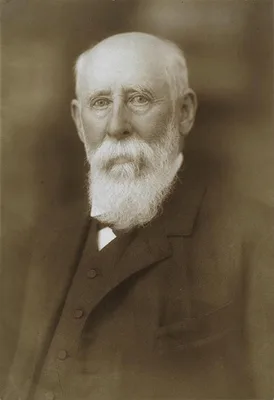
“Illustrated with lithographs from hand-drawings, photographs from the nude, ethnic studies of facial features…The text…is of unusual historic interest, and includes special chapters on the anatomy…
1924 CE
#13680
Plastische Anatomie: Die konstruktive Form des menschlichen Körpers. Mit Bildern von Hermann Sachs.
An anatomy for artists, illustrated by Hermann Sachs.
1888 CE
#13059
Poëme sur la grande peste de 1348. Publié d'après le manuscrit de la Bibliothèque du Palais Saint-Pierre par Georges Geigue.
The book indicates that 175 copies were printed "sur papier de Hollande." The editor describes himself as the archivist of the city of Lyon. Digital facsimile from Google Books at this link.
1945 CE
#6623
Poet physicians: An anthology of medical poetry written by physicians.

1916 CE
#10817
Poetry and the doctors: A catalogue of poetical works written by physicians with biographical notes & An essay on the poetry of certain ancient practitioners of medicine, illustrated with translations from the Latin and by reproductions of the title pages of the rarer works.
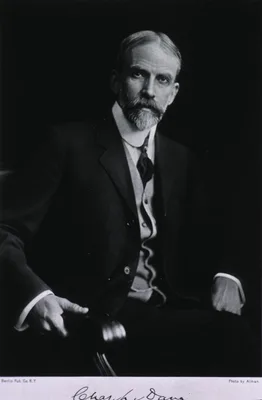
Digital facsimile from the Hathi Trust at this link.
2012 CE
#9778
Poison, detection and the Victorian imagination.
1973 CE
#6610.1
Portraits of doctors & scientists in the Wellcome Institute of the History of Medicine. A catalogue.
1655 CE
#10146
Prae-Adamitae, sive exercitatio super versibus duodecimo, decimotertio, & decimoquarto, capitis quinti Epistolae D. Pauli ad Romanos: Quibus inducuntur primi homines ante Adamum conditi.
"In his Prae-Adamitae, published in Latin in 1655 and in English as Men Before Adam in 1656, La Peyrère argued that Paul's words in Chapter 5, verses 12-14 of his Epistle to the Romans should be interpreted suc…
1969 CE
#9251
Priesterärzte und Heilkunst im alten Persien. Medizinisches bei Zarathustra und im Königsbuch des Firdausi.
1747 CE
#9149
Primitive physick; or, an easy and natural method of curing most diseases.
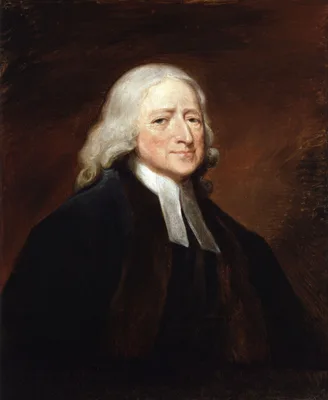
Wesley, an English cleric, theologian, and evangelist, was a leader of a revival movement within the Church of England known as Methodism. Digital facsimile of the 14th American edition, Philadelphia, 1770, from the I…
1834 CE
#2289
Principles and illustrations of morbid anatomy.
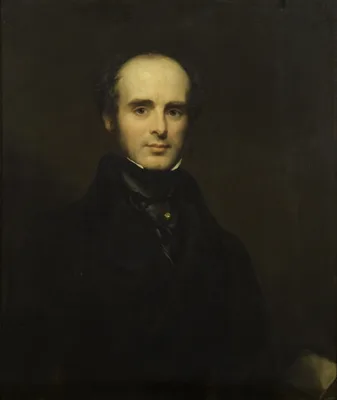
Hope left a fine pathological atlas with brilliantly hand-coloured lithographs from his own drawings. While the book does not equal the atlases of Cruveilhier and Carswell, it is important as being a great stimulus to…
1963 CE
#5019.4
Psychoanalysis, psychology and literature: A bibliography.
Contains 4,460 references.
1952 CE
#9738
Psychoanalytic explorations in art.
Kris trained as an art historian before becoming a psychoanalyst.
2011 CE
#10562
Radioactive: Marie & Pierre Curie, a tale of love and fallout.
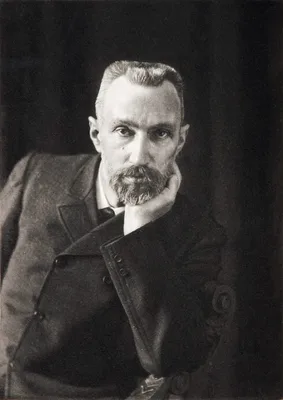
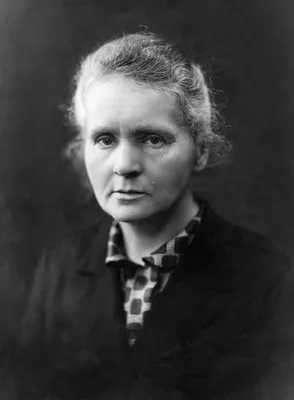
This very beautiful biographical work on the Curies is also an artist's book, with every page filled with artistic imagery drawn by the artist. It has been characterized as part history, part love story, part artwork.…
1834 CE
#7480
Rapport sur la marche et les effets du choléra-morbus dans Paris et les communes rurales du département de la Seine par la commission nommée, avec l'approbation de M. le ministre du commerce et des travaux publics, par MM. les préfets de la Seine et de police; année 1832.
This work contained one of the earliest applications of spatial analysis in epidemiology—an early thematic map by geographer and cartographer Charles Picquet, in which the 48 districts of Paris were represented …