
Facets
Browse across eight MeSH (opens in new tab) facets — era, geography, science, specialty, technology, history, culture, and reference. Select one tag per group; counts update across the others.
Clear filtersFacet filters
Geography
Specialties & Disease
- Anatomy & Pathology 6
- Cardiology & Blood 0
- Neurology & Psychiatry 2
- Obstetrics & Reproductive 0
- Infectious Disease (General) 0
- Surgery & Anesthesia 0
- Public Health 3
- Immunology & Dermatology 0
- General Clinical Medicine 0
- Military Medicine 1
- Psychology 0
- Alternative & Fringe Medicine 0
- Pediatrics 0
- Ophthalmology & Vision 0
- ENT & Hearing 1
- Urology & Nephrology 0
- Gastroenterology & Hepatology 0
- Pulmonary & Respiratory 0
- Rheumatology, Rehab & Pain 0
- Internal, Emergency & Geriatric 0
- Veterinary Medicine 0
- Epidemiology & Demography 2
- Physiology & Embryology 2
- Dentistry 3
- Plagues & Epidemics 1
- Microbiology & Virology 2
Social & Historical Studies
Institutions & Culture
Reference & Scholarly Works
Drugs & Technology
95 entries match Professions & Education [M01 / N02] · Natural History & Evolution [K01.900.500]
1923 CE
#1767
On airs, waters, and places. IN: his [Works] with an English translation by W. H. S. Jones, 1, pp. 65-137
![HIPPOCRATES, [Ἱπποκράτης; Hippocrates of Kos] (-460 – -370)](/media/portraits/50)
“The first book ever written on medical geography, climatology, and anthropology” (Garrison). The Latin translation of this text was first published in Rhazes’ Liber ad Almansorem, Milan, 1481. See N…
1929 CE
#1933
On the antibacterial action of cultures of a penicillium, with special reference to their use in the isolation of B. influenzae.
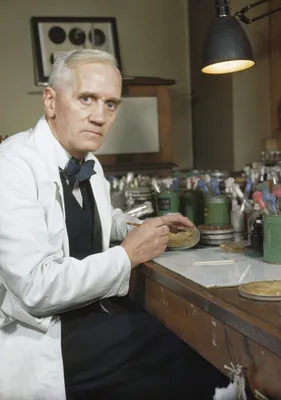
Discovery of the growth-inhibiting action of Penicillium on certain bacteria. In 1945 Fleming shared the Nobel Prize in Physiology or Medicine with Ernst Boris Chain and Sir Howard Walter Florey "for the discovery of …
1913 CE
#211
On the discovery of a palaeolithic skull and mandible in a flint-bearing gravel overlying the Wealden (Hastings Beds) at Piltdown, Fletching (Sussex). With appendix by Grafton Elliot Smith.
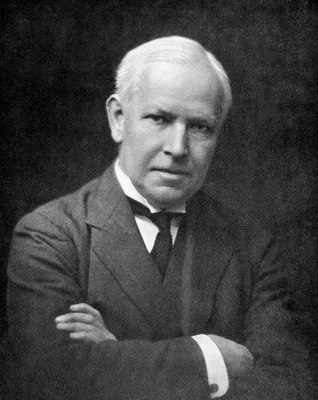
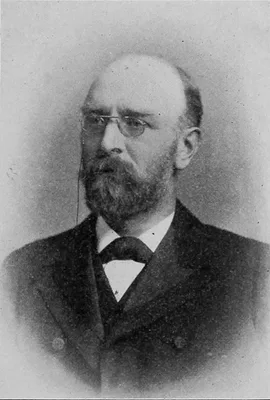
Order of authorship in the original publication: Dawson, Woodward. The first "scientific" report on “Piltdown man” (Eoanthropus dawsoni,) one of the longest-lasting and most influential hoaxes ever perpetr…
1971 CE
#9469
Outcasts from evolution: Scientific attitudes of racial inferiority, 1859 - 1900.
1894 CE
#210
Pithecanthropus erectus. Eine menschenähnliche Uebergangsform aus Java.
Privately issued first report on Homo erectus. In 1891 Dubois discovered remains of what he described as "a species in between humans and apes" at Trinil, Java. He called his finds Pithecanthropus erectus ("ape-human …
1976 CE
#214.3
Plio-Pleistocene hominid discoveries in Hadar, Ethiopia.
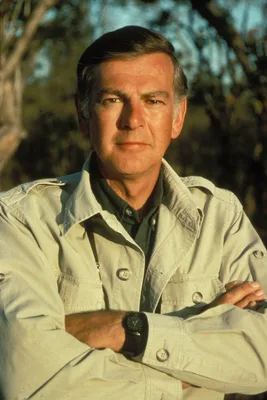
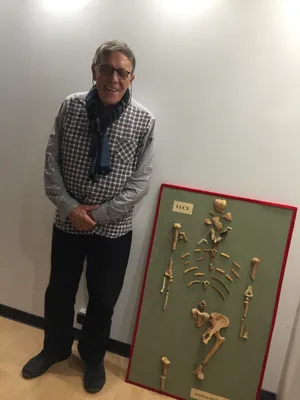
Report on the Afar fossils (formally classified and named Australopithiecus afaranesis in 1998) representing a minimum of 35 and a maximum of 65 individuals, all about 3,000,000 years old. The most famous of these, AL…
1994 CE
#6980
Pour une histoire de la préhistoire. Le paléolithique.
1655 CE
#10146
Prae-Adamitae, sive exercitatio super versibus duodecimo, decimotertio, & decimoquarto, capitis quinti Epistolae D. Pauli ad Romanos: Quibus inducuntur primi homines ante Adamum conditi.
"In his Prae-Adamitae, published in Latin in 1655 and in English as Men Before Adam in 1656, La Peyrère argued that Paul's words in Chapter 5, verses 12-14 of his Epistle to the Romans should be interpreted suc…
1865 CE
#7257
Pre-historic times, as illustrated by ancient remains, and the manners and customs of modern savages.
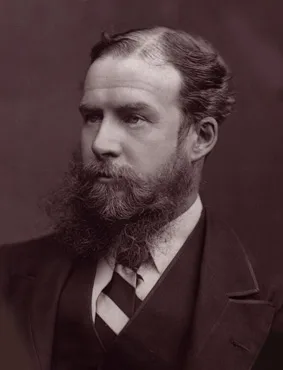
Lubbock introduced the terms "Paleolithic" and "Neolithic". His work addressed not only the topic of human antiquity but also the lives and cultures of people in the Stone Age. In contrast to researchers who focused o…
1946 CE
#214.1
Pretoria: The South African fossil ape-men. The Australopithecinae. Part I. The occurrence and general structure of the South African ape-men.
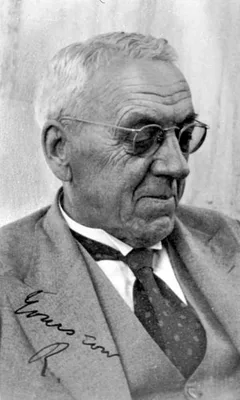
With this comprehensive report Broom presented his case to the scientific establishment that Australopithecus probably represented the stock from which mankind had evolved.
2006 CE
#14041
Race and the odd history of human paleontology.
Abstract: "Although the late 17th century witnessed the recognition of fossils as the remains of extinct organisms—because they could be incorporated into the creation story embodied in the Great Chain of Being&…
1833 CE–1834 CE
#203.8
Recherches sur les ossemens fossiles découvertes dans les cavernes de la province de Liège. 2 vols. and atlas.
A physician from Delft, Schmerling found extensive human remains and artifacts associated with the remains of extinct animals in the caverns around Liège. These human remains were distinctively different anatom…
1890 CE
#8287
Reisebilder aus Liberia: Resultate geographischer, naturwissenschaftlicher und ethnographischer untersuchungen während der jahre 1879-1882 und 1886-1887. 2 vols.
The first comprehensive monograph on the Republic of Liberia, published 50 years after its colonization by freed American slaves and their descendents. Digital facsimile from the Internet Archive at this link. Transla…
1823 CE
#7254
Reliquiae diluvianae; or, observations on the organic remains contained in caves, fissures, and diluvial gravel, and on other geological phenomena, attesting the action of an universal deluge.
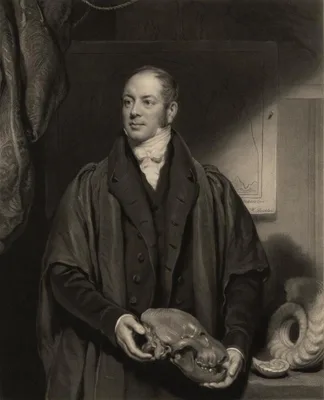
Buckland’s elaborately illustrated Reliquiae diluvianae (Relics of the Flood) describes his geological and paleontological researches of the early 1820s, including his investigations of the Kirkdale and Paviland…
1813 CE
#159
Researches into the physical history of man.
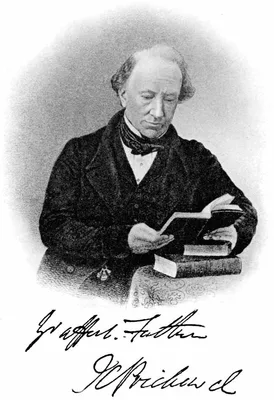
Prichard, a Bristol physician, classified and systematized facts relating to the races of men better than any previous writer. His interest in anthropology was stimulated by one of the pressing questions of his day: D…
2000 CE
#10339
Science, race, and religion in the American South. John Bachman and the Charleston circle of naturalists, 1815-1895.
1931 CE
#213
Sinanthropus – Peking Man, its discovery and significance.
Elliot Smith visited Peking to view the skull of Sinanthropus pekinensis, discovered by W. C. Pei on December 2, 1929. A preliminary description by Pei is to be found in Bull. geol. Soc. China, 1929, 8, 3.
1968 CE
#7282
Sur la decouverte dans le Pleistocene inferieur de la valle de l'Omo (Ethiopie) d'une mandibule d'Australopithecien.
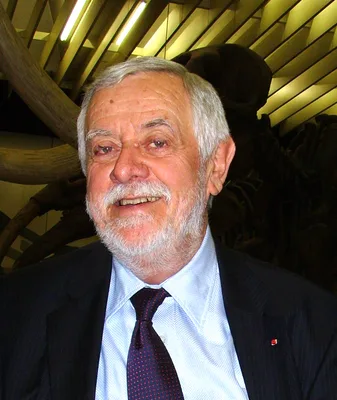
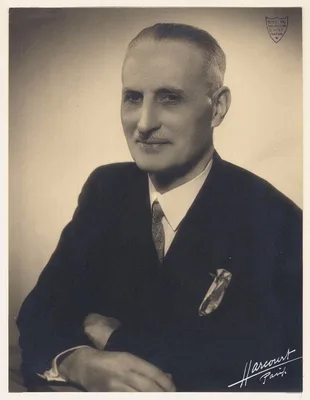
In 1967 Arambourg and Coppens discovered Omo 18, the first specimen of Paranthropus aethiopicus, also known as Paraustralopithecus aethiopicus; however it's classification as a new species was initially dismissed. In …
1632 CE
#287
Thaumatographia naturalis, in decem classes distincta, in quibus admiranda 1 Coeli. 2 Elementorum. 3 Meteororum. 4 Fossilium. 5 Plantarum. 6 Avium. 7 Quadrupedum. 8 Exanguium. 9 Piscium. 10 Hominis.
A unillustrated pocket guide, issued in duodecimo format on "admiranda" or wonders of nature organized in ten categories (heaven, earth, and topics relating to meteors, fossils or minerals, plants, birds, quadrupeds, …
2003 CE
#7261
The bony labyrinth of Neanderthals.

Computed tomography of the inner ear of 20 Neanderthal specimens directed by Spoor showed that the Neanderthal semicircular canal is subtly distinct in size, shape, and orientation from that of modern humans. With Mar…
1928 CE
#350
The brain from ape to man: A contribution to the study of the evolution and development of the human brain by Frederick Tilney. With chapters on the reconstruction of the gray matter in the primate brain stem by Henry Alsop Riley. 2 vols.
Classic study of the evolution of the central nervous system in the higher mammals. Digital facsimile from the Internet Archive at this link.
2014 CE
#7289
The complete genome sequence of a Neanderthal from the Altai Mountains.
First complete sequence of a Neanderthal genome. With more than 20 co-authors. In 2022 Pääbo was awarded the Nobel Prize in Physiology or Medicine "for his discoveries concerning the genomes of extinct homin…
1871 CE
#170
The descent of man, and selection in relation to sex. 2 vols.
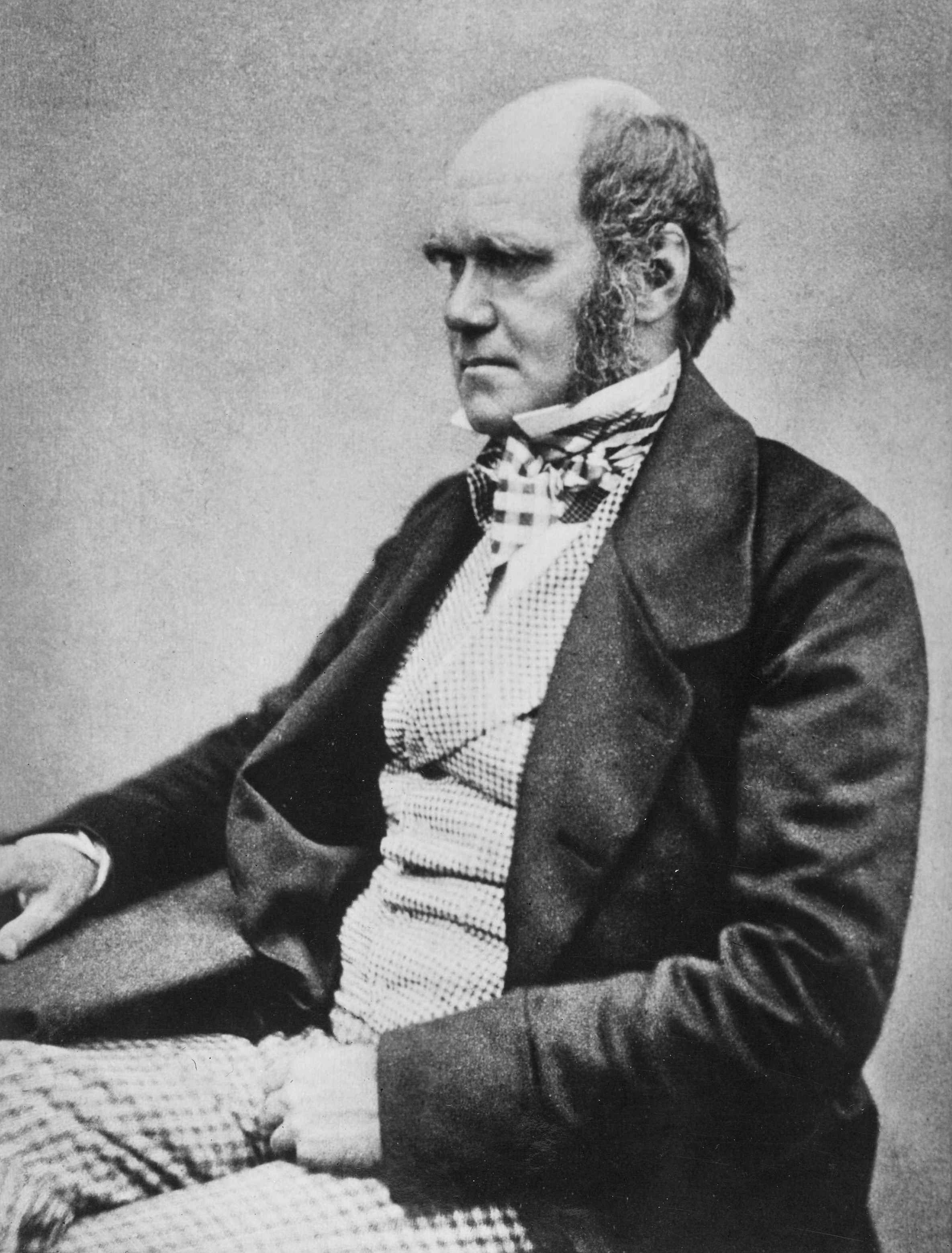
This is really two works. The first demolished the theory that the universe was created for humans while in the second Darwin presented a mass of evidence in support of his earlier hypothesis regarding sexual selectio…
1995 CE
#7525
The earliest occupation of Europe. Proceedings of the European Science Foundation workshop at Tautavel (France) 1993.
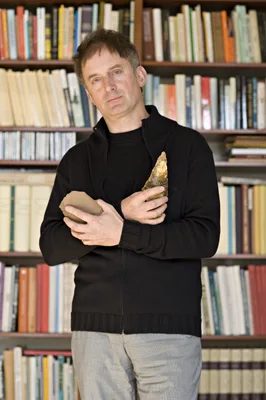
The first effort to present summaries of the evidence for earliest occupation in all the regions of Europe including Russia, edited by Roebroeks and van Kolfschoten.
2018 CE
#14099
The genome of the offspring of a Neanderthal mother and a Denisovan father.
Paleogenomic study of a single bone fragment from a female hominin found in the Denisova Cave in the Altai mountains of Russia provided "direct evidence for genetic mixture between Neanderthals and Denisovans on at le…
1863 CE
#204.1
The geological evidences of the antiquity of man with remarks on theories of the origin of species by variation.
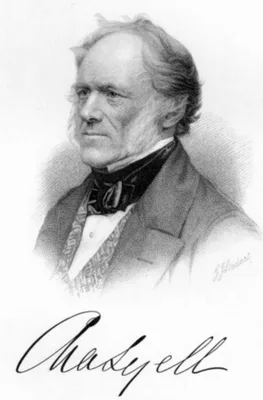
Lyell’s summary discussion of the evidence for human antiquity “introduced a wide readership to the new view and to the facts that supported it, thus laying the synthetic foundation for future work” …
1994 CE
#8538
The history and geography of human genes.
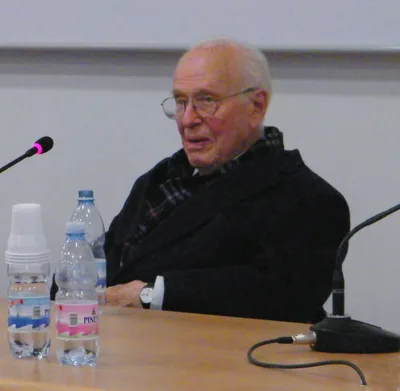
The first full-scale attempt to reconstruct where human populations originated and the paths by which they spread throughout the world, using genetic data integrated with data from geography, ecology, archaeology, phy…
1775 CE
#7505
The history of the American Indians; particularly those nations adjoining to the Missisippi [sic] East and West Florida, Georgia, South and North Carolina, and Virginia: containing an account of their origin, language, manners, religious and civil customs, laws, form of government, punishments, conduct in war and domestic life, their habits, diet, agriculture, manufactures, diseases and method of cure... With observations on former historians, the conduct of our colony governors, superintendents, missionaries, & c. Also an appendix, containing a description of the Floridas, and the Missisippi [sic] lands, with their productions--the benefits of colonizing Georgiana, and civilizing the Indians--and the way to make all the colonies more valuable to the mother country....
The author characterized himself on the title page as "a Trader with the Indians and a Resident in their Country for Forty Years." Digital facsimile from the Internet Archive at this link.
2002 CE–2005 CE
#11243
The human fossil record. 4 vols.

Vol. 1: Terminology and Craniodental Morphology of Genus Homo (Europe). Vol. 2: Craniodental morphology of Genus Homo (Africa and Asia). Vol. 3: Brain endocasts—the paleoneurological evidence. Vol. 4: Crandioden…
1927 CE
#7255
The lower molar hominid tooth from the Chou Kou Tien deposit.
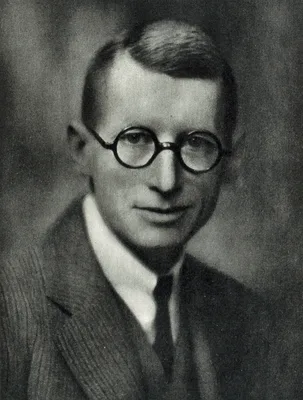
In this report on a single hominid tooth found by Swedish archeologist Birger Bohlin at the Zhoukoudian site in 1927 Black named a new genus and species of hominid, Sinanthropus pekinensis. He characterized the specim…
2020 CE
#14098
The major genetic risk factor for severe COVID-19 is inherited from Neanderthals.
Expanding on previous findings by a genome wide association study of severe COVID-19, specifically with respiratory failure which had found that a gene cluster residing on chromosome 3 had a significant association wi…
1863 CE
#7442
The naturalist on the river Amazons, a record of adventures, habits of animals, sketches of Brazilian and Indian life, and aspects of nature under the equator, during eleven years of travel. 2 vols.
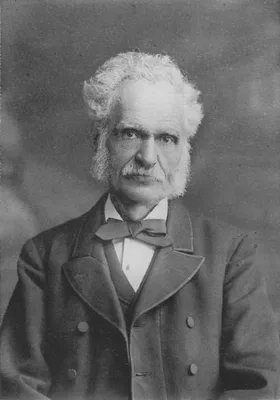
Digital facsimile from the Internet Archive at this link.
1922 CE
#3691.1
The origin and evolution of the human dentition.
Reprinted with revisions and new index from J. dent. Res., 1920, 2, 89-175, 215-426, 604-717; 1921, 3, 87-228.
1864 CE
#14047
The origin of human races and the antiquity of man deduced from the theory of “natural selection."
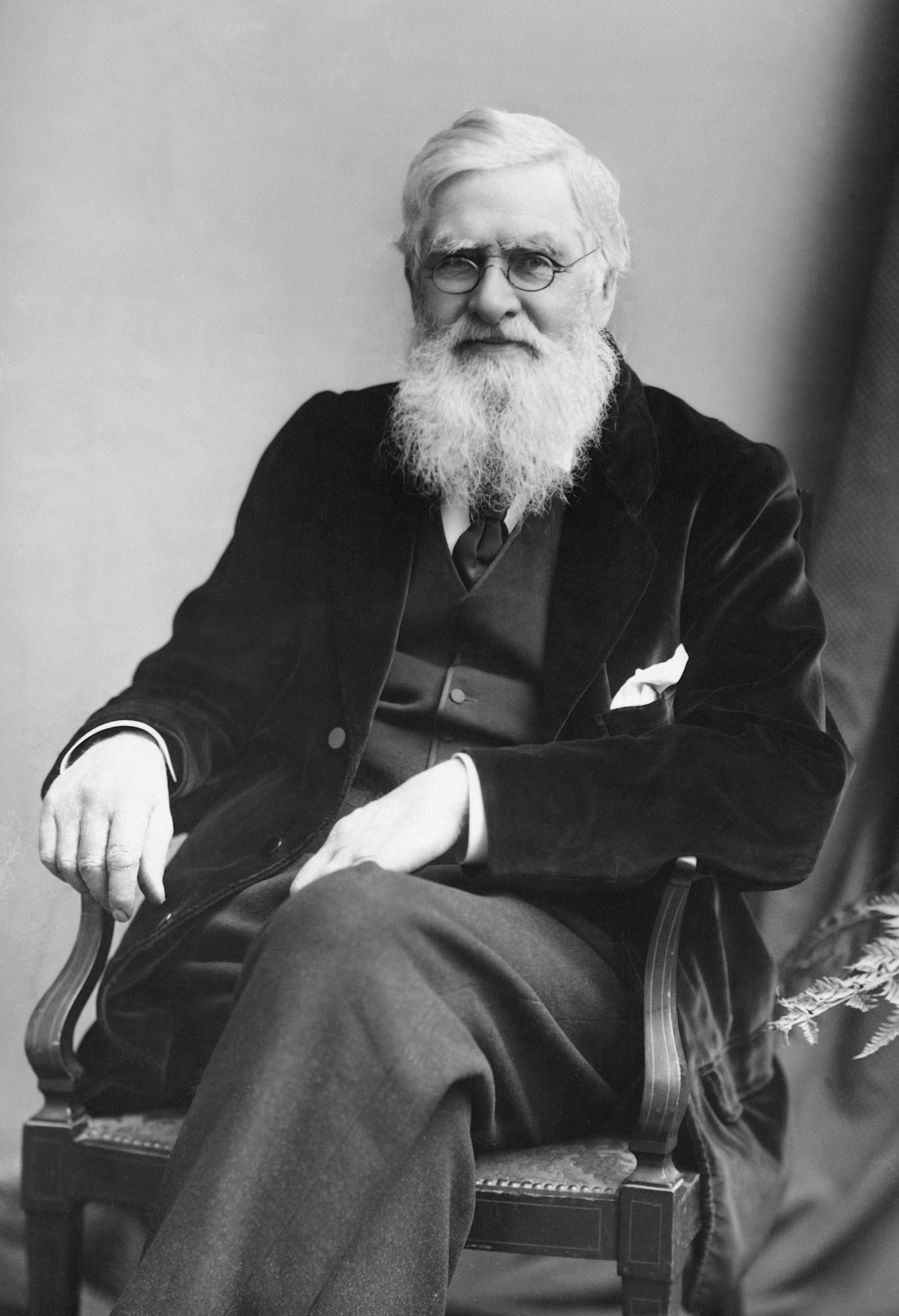
Wallace delivered this paper to the polygenist Anthropological Society of London on 1 March 1864. It represents “the first effort to connect natural selection to the touchy problem of the evolution of human race…
1986 CE
#7283
The origin of the human race.
First publication in English by Alekseyev of Homo rudolfensis, primarily known from KNM-ER 1470, discovered in Koobi Fora in the Lake Turkana basin, Kenya. Alekseyev (Alexeev) first proposed the species in 1978, initi…
1984 CE
#7272
The origins of modern humans: A world survey of the fossil evidence.
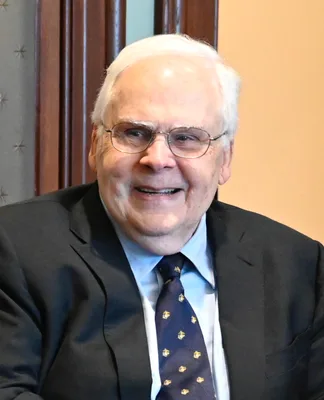
An historical and analytical review of the literature up to 1984, with detailed bibliographies, by several outstanding authorities, edited by Smith and Spencer. Includes, pp. 411-483, Milford H. Wolpott, Wu Xin Zhi, a…
1938 CE
#7281
The Pleistocene anthropoid apes of South Africa.
Paranthropus robustus, discovered by Broom in Kromdraal, South Africa, in 1938. The species is generally dated from about 2 million to 1.2 million years before present.
1677 CE
#215
The primitive organization of mankind considered and examined according to the light of nature.
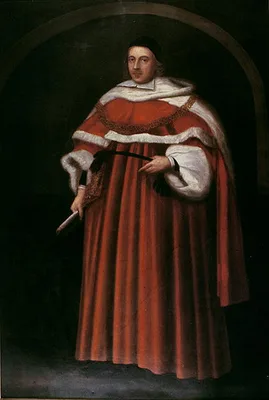
In response to Isaac de la Peyrere‘s theory of polygenesis, Hale, Chief Justice of the King’s Bench, advanced his own theory that the earth was not eternal, but rather had a spontaneous “beginning,&r…
1864 CE
#14042
The reputed fossil man of the Neanderthal.
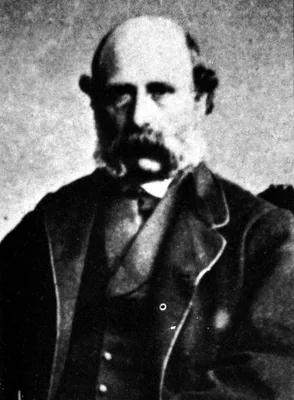
King believed that the Feldhofer Neanderthal skull discovered by Fuhrott and Schaafhausen differed significantly from all known ancient and modern human crania. In this paper he proposed the name Homo neanderthalensis…
1922 CE
#212
The Rhodesian skull.
Description of the skull found at Broken Hill, Rhodesia, in 1921.
1943 CE
#214
The skull of Sinanthropus pekinensis: A comparative study on a primitive hominid skull.
Digital facsimile from the Internet Archive at this link.
1937 CE–1939 CE
#7259
The stone age of Mount Carmel. Volume I: Excavations at the Wady el-Mughara. Volume II: The fossil remains from the Lavalloiso-Mousterian.
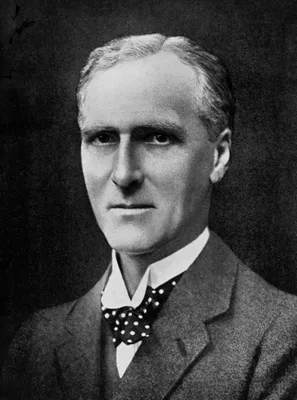
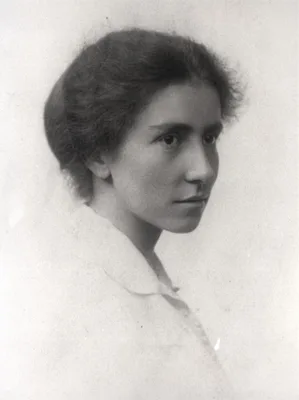
Garrod carried out her landmark excavations of the el-Wad, el-Tabun and es-Skhul caves on the hills of Mount Carmel, close to Wadi el-Mugharah (Valley of the Caves) between 1929 and 1934. Her monograph on the subject …
1791 CE
#7770
Travels through North & South Carolina, George, East & West Florida, the Cherokee country, the extensive territories of the Muscogulges, or Creek confederacy, and the country of the Chactaws [sic]...
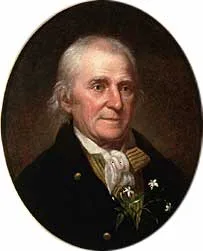
Digital facsimile of London, 1794 second edition from the Internet Archive at this link.
1818 CE
#216.2
Two essays: upon single vision with two eyes; the other on dew…An account of a female of the white race of mankind, part of whose skin resembles that of a negro…
First statement of the theory of natural selection. Wells’s paper on a white woman with patchy brown discoloration of the skin contains an almost complete anticipation of Darwin’s theory of natural selecti…
1858 CE
#204
Zur Kenntniss der ältesten Rassenschädel.
The first comprehensive description of the Neanderthal skull, following Schaaffhausen’s and Fuhlrott’s preliminary announcements of the discovery in the Verhandlungen des naturhistorischen Vereines der pre…