NUTRITION / DIET

Exhibiting 227 entries found in the GMN corpus.

YearTitle & TagsAuthor(s)
1752 CESendschreiben von den Wirkungen des Kafeetranks.
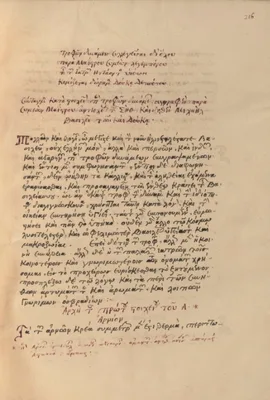
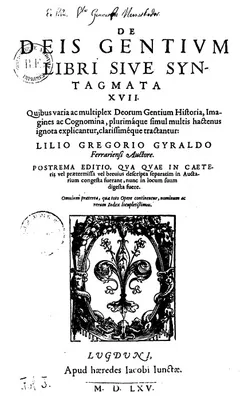
1538 CESimeonis Sethi, magistri Antiochiae, Syntagma per literarum ordinem de cibariorum facultate, Lilio Gregorio Gyraldo,... interprete.
1857 CESoyer's culinary campaign. Being historical reminiscences of the late war. With the plain art of cookery for military and civil institutions, the army, navy, public, etc., etc.
1922 CEStudies on experimental rickets. XXI. An experimental demonstration of the existence of a vitamin which promotes calcium deposition.
1937 CEStudies on vitamin E. The isolation of β-tocopherol from wheat germ oil.
1869 CEStudii clinici ed esperimentali sulla natura, causa e terapia della pellagra.
1933 CESynthese der d- und l-Ascorbinsäure (C-Vitamin).
1933 CESynthesis of ascorbic acid.
1936 CESynthesis of vitamin B1.
1939 CESynthesis of vitamin K1.
1943 CESynthetic biotin.
1531 CETacuini sanitatis Elluchasem Elimithar Medici de Baldath, de sex rebus non naturalibus, earum naturis, operationibus, & rectificationibus, publico omnium usui, conseruandae sanitatis, recens exarati. Albengnefit De uirtutibus medicinarum, & ciborum. Iac. Alkindus De rerum gradibus.
1929 CEThe absorption spectrum of vitamin D.
1906 CEThe analyst and the medical man.
1926 CEThe anti-rachitic properties of irradiated sterols.
1908 CEThe Battle Creek Sanitarium system: History, organization, methods.
2007 CEThe battle of the bulge: A history of obesity research.
1950 CEThe biology of human starvation. 2 vols.
2000 CEThe Cambridge world history of food. 2 vols.
1940 CEThe constitution of vitamin K2.
1955 CEThe crystal structure of the hexacarboxylic acid derived from B12 and the molecular structure of the vitamin.
2016 CEThe culture of food in England 1200-1500.
1598 CEThe cures of the diseased, in remote regions. Preventing mortalitie, incident in forraine attempts, of the English nation.
1927 CEThe effect of desiccation upon the nutritive properties of egg-white.
1906 CEThe elements of the science of nutrition.
1939 CEThe Englishman’s food. A history of five centuries of English diet.
1920 CEThe experimental production of pellagra in human subjects by means of diet.
1927 CE​–1928 CEThe experimental production of stone-in-the-bladder.
1924 CEThe food requirements of malnourished infants with a note on the use of insulin.
2000 CEThe four horsemen of the Apocalypse: Religion, war, famine and death in Reformation Europe.
2006 CEThe great starvation experiment: Ancel Keys and the men who starved for science.
1986 CEThe history of scurvy and vitamin C.
2003 CEThe history of tropical neurology: Nutritional disorders.
1938 CEThe isolation and identification of the anti-black tongue factor.
1936 CEThe isolation from wheat-germ oil of an alcohol, α-tocopherol, having the properties of vitamin E.
1942 CEThe isolation of a new oxidation-reduction enzyme from lemon peel (vitamin P).
1939 CEThe isolation of vitamin K1.
1934 CEThe lyochromes: a new group of animal pigments.
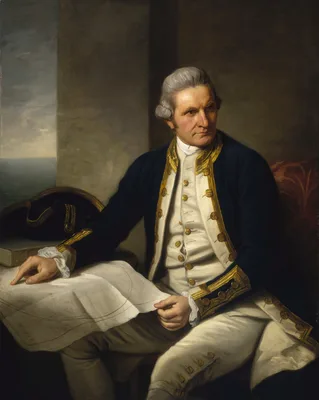
1776 CEThe method taken for preserving the health of the crew of H.M.S. the Resolution during her late voyage round the world. In: Sir John Pringle, A discourse upon some late improvements in the means for preserving the health of mariners.
1913 CEThe necessity of certain lipids in the diet during growth.
1918 CEThe newer knowledge of nutrition.
1918 CE​–1919 CEThe part played by an “accessory factor” in the production of experimental rickets.
2010 CEThe problem of nutrition: Experimental science, public health and economy in Europe 1914-1945.
1931 CEThe quantitative estimation of vitamin D by radiography.
1913 CEThe relation of growth to the chemical constituents of the diet.
2020 CEThe science of starving in Victorian literature, medicine, and political economy.
1955 CEThe serum lipoprotein transport system in health, metabolic disorders, atherosclerosis and coronary artery disease.
1617 CEThe surgions mate, or, A treatise discouering faithfully and plainely the due contents of the surgions chest: the uses of the instruments, the vertues and operations of the medicines, the cures of the most frequent diseases at sea: namely, wounds, apostumes, vlcers, fistulaes, fractures, dislocations, with the true maner of amputation, the cure of the scuruie, the fluxes of the belly, of the collica and illiaca passio, tenasmus, and exitus ani, the callenture; with a briefe explanation of sal, sulphur, and mercury; with certaine characters, and tearmes of arte.
1914 CEThe treatment and prevention of pellagra.
1928 CEThe tripartite nature of vitamin B.