
North America
3,302 entries published in North America.
1822 CE
#6988
New guide to health; or botanic family physician, containing a complete system of practice, upon a plan entirely new; with a description of the vegetables made use of, and directions for preparing and adminstering them to cure disease. To which is prefixed a narrative of the life and medical discoveries of the author.
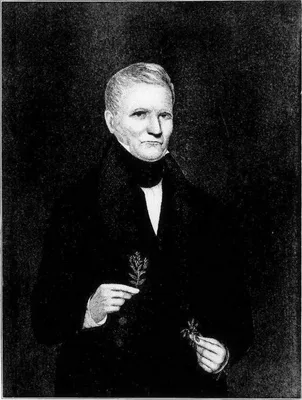
The "Bible" of Thomsonism or "Thomsonian medicine", which employed botanical remedies, often based on native American medicines. Digital facsimile from the Medical Heritage Library, Internet Archive, at this link.
1822 CE
#13314
System of surgical anatomy. Part first [all published]: On the structure of the groin, pelvis, and perineum. As connected with inguinal and femoral hernia; Tyeing the iliac arteries; and the operation of lithotomy. Illustrated by nine copper-plate engravings
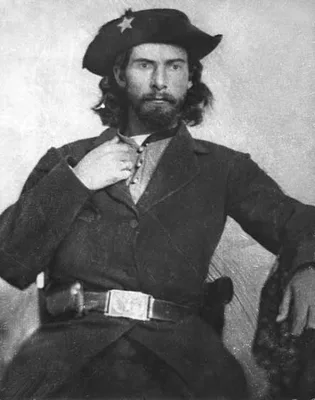
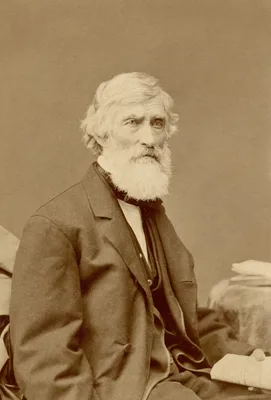
Anderson trained at the Royal College of Surgeons in Edinburgh, emigrated to America in 1820 and, after delivering a series of anatomical lectures in New York under the patronage of Valentine Mott, became affiliated w…
1823 CE
#6584.9
A military journal during the American Revolutionary War, from 1775-1783…
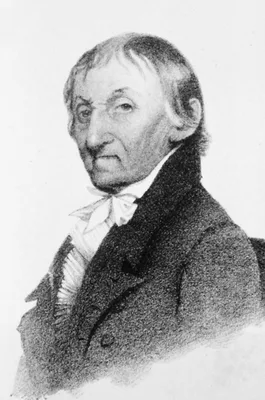
The first American medical historian, Thacher gave the best contemporary account of medicine during the Revolutionary War, as well as an important history of the war in general. See No. 6710.
1823 CE
#5844
A treatise on the diseases of the eye.
First American textbook of ophthalmology by the first American who is believed to have restricted his practice to diseases of the eye. Frick studied under Georg Beer in Vienna.
1823 CE
#1735
Elements of medical jurisprudence. 2 vols.
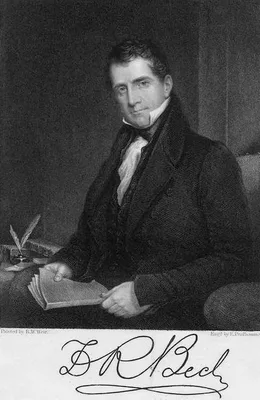
First notable American text on forensic medicine.
1823 CE
#8798
Manners and customs of several Indian tribes located west of the Mississippi; including some account of the soil, climate, and vegetable productions, and the Indian materia medica: to which is prefixed the history of the author's life during a residence of several years among them.
Hunter claimed that as a child he had been captured by the Cherokee before they came to Texas. He adopted the name of an English benefactor, John Dunn, and later added the name "Hunter" given by the Indians because of…
1824 CE
#5022
A practical essay on typhous fever.
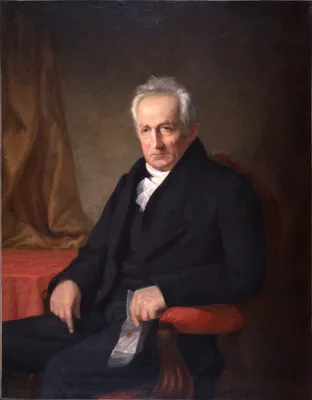
Nathan Smith left a classic account of typhoid; this was reprinted in Med. Classics, 1937, 1, 781-819 He clearly recognized the contagious nature of the disease.
1824 CE
#13482
A treatise of domestic medicine, intended for families: in which the treatment of common disorders are alphabetically enumerated. To which is added, a practical system of domestic cookery, describing the best, most economical, and most wholesome methods of dressing victuals; intended for the use of families who do not affect magnificence in their style of living. Also, The art of preserving all kinds of animal and vegetable substances for many years, by M. Appert.
Digital facsimile from U.S. National Library of Medicine at this link.
1824 CE
#13719
Elements of phrenology.
The first book on phrenology written by an American. Digital facsimile from U.S. National Library of Medicine at this link.
1824 CE
#11315
Report on the state of the anatomical museum of the University of Pennsylvania, 30th June, 1824.
This 36-page pamphlet is the earliest printed record of Caspar Wispar's museum collection. It was augmented by William Horner, whom Wistar appointed to manage the collection. The combined collections beame known as th…
1824 CE–1828 CE
#9484
American entomology, or descriptions of the insects of North America. Illustrated by coloured figures from original drawings executed from nature. 3 vols.
Plates by Titian Ramsay Peale, H. Bridport, C. A. Lesueur, W. W. Wood, and C. Tiebout; engraved by Tiebout, G. Lang, and Longacre. Digital facsimile from the Internet Archive at this link.
1825 CE
#7603
Catalogue of the anatomical museum in the College of Physicians and Surgeons, New York.
Digital facsimile from the Hathi Trust at this link.
1825 CE
#10518
Medical facts and inquiries, respecting the causes, nature, prevention and cure of fever: more expressly in relation to the endemic fevers of summer and autumn in the southern states: Together with a history of the bilious remitting fever of Alabama, as it appeared in Cahawba and its vicinity in the summers and autumns of 1821 and 1822.
Digital facsimile from the U.S. National Library of Medicine at this link.
1825 CE
#11730
Report of the trial of an action: Charles Lowell against John Faxon and Micajah Hawks, doctors of medicine, defendants, for malpractice in the capacity of physicians and surgeons: At the Supreme Judicial Court of Maine, holden at Machias for the county of Washington, June term, 1824, before the Hon. Nathan Weston, Jun., justice of the court.
A detailed narrative on the trial based on the transcript. Digital facsimile from the U.S. National Library of Medicine at this link.
1825 CE
#6861
The characteristics of homoeopathia. From Hahnemann's "Geist der Homöopathischen Heil-lehre."
The first publication on homeopathy issued in the United States— a translation of Hahnemann's essay. The 24-page pamphlet was dedicated to David Hosack of New York, and gratuitously distributed to leading physic…
1825 CE
#6331
Treatise on the physical and medical treatment of children.
First American textbook on pediatrics.
1825 CE–1828 CE
#9499
American ornithology; or, the natural history of birds inhabiting the United States, not given by Wilson. 4 vols.
Bonaparte, nephew of Napoleon, set out to document birds in the United States that were not mentioned by Alexander Wilson.
1826 CE
#10513
A compendium of the flora of the northern and middle states, containing generic and specific descriptions of all the plants, exclusive of the cryptogamia, hitherto found in the United States, north of the Potomac.
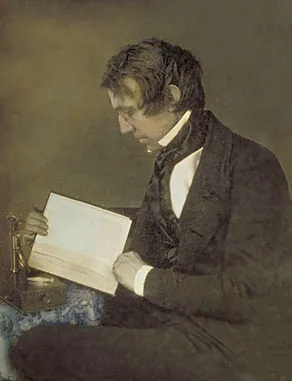
Published after Torrey's appointment as profess or chemistry at West Point, in a small, handy format for botanical students, that "its small size will enable them to use it without inconvenience in their herborization…
1826 CE
#11728
A letter to the Hon. Isaac Parker, chief justice of the Supreme court of the state of Massachusetts, containing remarks on the dislocation of the hip joint, occasioned by the publication of a trial which took place at Machias, in the state of Maine, June, 1824. By John C. Warren. With an appendix of documents from the trial necessary to illustrate the history of the case.
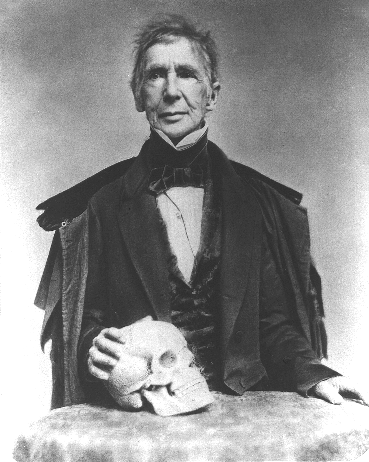
This work, illustrated with 5 plates, contains several clear and minute descriptions of dislocation of the hip joint. In the course of the monograph Warrenproved the possibility of a type of dislocation that was denie…
1826 CE
#6026.1
A treatise on the diseases of females.
First American textbook on gynecology.
1827 CE
#4313
Observations on the pathology and treatment of necrosis.
Classic early account of osteomyelitis. Smith trephined for bone necrosis. Reproduced in Med. Classics, 1937, 1, 820-38.
1827 CE
#13241
The philosophy of the human voice: Embracing its physiological history; together with a system of principles by which criticism in the art of elocution may be rendered intelligible, and instruction, definite and comprehensive. To which is added a brief analysis of song and recitative.
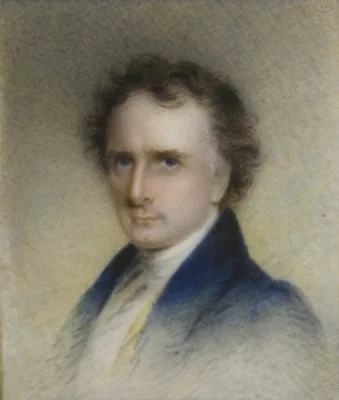
“With over 30 diagrams and charts, including myriad musical notations to show the pitch and duration of syllables, the text offers a systematic notation for the description of speech sounds, followed by a detail…
1828 CE
#6710
American medical biography. 2 vols.
Thacher was the first American medical historian. The above biography is a valuable source of information on the early medical history of the United States. Reprinted, New York, Da Capo Press, 1967.
1828 CE
#13268
Discourse on intemperance; delivered at Cincinnati, March 1, 1828, before The Agricultural Society of Hamilton County, and subsequently pronounced, by request, to a popular audience.
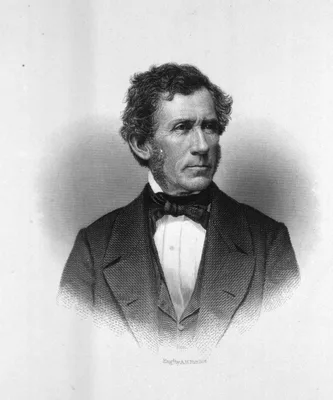
Digital facsimile from U.S. National Library of Medicine at this link.
1828 CE–1830 CE
#1849
Medical flora; or, manual of the medical botany of the United States of North America. Containing a selection of above 100 figures and descriptions of medical plants, with their names, qualities, properties, history &c; and notes or remarks on nearly 500 equivalent substitutes. 2 vols.
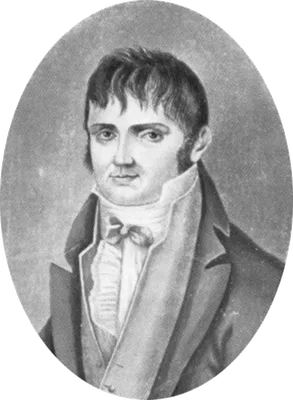
Rafinesque was a great botanist, conchologist, archaeologist, and economist. Born in a suburb of Istanbul, he was also a world citizen and a prolific writer with 939 works to his credit. He died in extreme poverty in …
1829 CE
#12903
A system of dental surgery. In three parts. I. Dental surgery as a science. II. Operative dental surgery. III. Pharmacy connected with dental surgery.
Digital facsimile from Google Books at this link.
1829 CE
#2287
A treatise on pathological anatomy.
First American work on pathology. Horner was Professor of Anatomy at Pennsylvania, and made several anatomical discoveries.
1829 CE
#11760
Address to the community, on the necessity of legalizing the study of anatomy
The petition to the Massachusetts legislature to legalize "the procuring of subjects for anatomical dissections" (from George Hayward's printed notice on the verso of the title page). Nine members of the Massachusetts…
1830 CE
#9150
Gunn’s domestic medicine, or poor man’s friend in the hours of affliction, pain, and sickness. This book points out, in plain language, free from doctor's terms the diseases of men, women, and children, and the latest and most approved means used in their cure, and is expressly written for the benefit of families in the western and southern states. It also contains descriptions of the medicinal roots and herbs of the western and southern country, and how they are to be used in the cure of diseases: arranged on a new and simple plan, by which the practice of medicine reduced to the principles of common sense.
Gunn intended his book to serve as a guide for frontier and rural families who lived far away from any sort of medical care so it contained instructions on how to treat a wide variety of illnesses. While the first edi…
1830 CE
#4316.1
The anatomy, physiology, and diseases of the bones and joints.
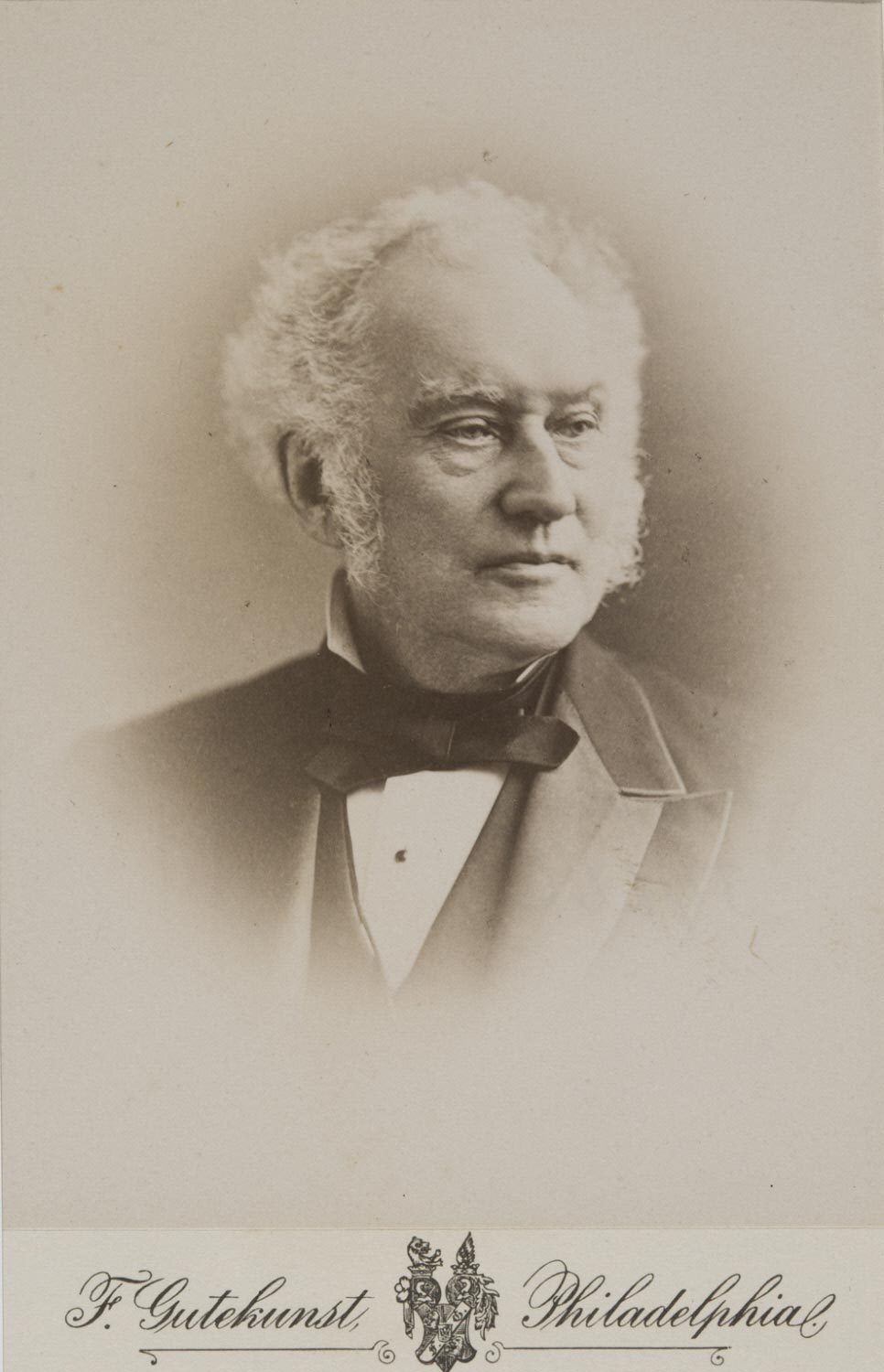
The first American treatise on orthopedics. In his autobiography Gross wrote that, “The title was unfortunate; it should have been A practical treatise on fractures and dislocations, with an account of the disea…
1830 CE
#12481
The Botanic physician: Being a compendium of the practice of physic, upon botanical principles, containing all the principal branches necessary to the study of medicine, as anatomy; physiology; surgery; causes, symptoms and cure of diseases; midwifery; materia medica; pharmacy, botany, &c. Together with a great variety of useful recipes.
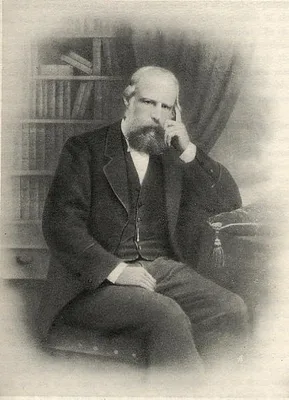
“The first treatise to attempt a scientific synthesis of the botanic practice....The first significant attempt to synthesize and systematize the prevailing botanic practice and plant materia medica” (Berma…
1830 CE
#13720
Thoughts on the original unity of the human race.
The first important American presentation of the case for polygenesis in support of slavery. Caldwell presented the first important American critique of the monogenist theories of human ancestry promoted by Samuel Sta…
1830 CE–1836 CE
#9485
American conchology, or descriptions of the shells of North America illustrated from coloured figures from original drawings executed from nature. 7 parts. Parts 1–6: New Harmony, 1830–1834; Part 7: Philadelphia, 1836.
The printer or publisher of part 7 is not identified. Digital facsimile from the Biodiversity Heritage Library at this link.
1831 CE
#13405
A catalogue of the medical library of the Philadelphia Alms-House, prepared agreeably to a resolution of the Board of Managers.
First edition, 1824. Founded in 1732/33, this institution became known in the 19th century as "Old Blockley" after it moved to the Blockley Township in West Philadelphia. It was renamed Philadelphia General Hospital i…
1831 CE
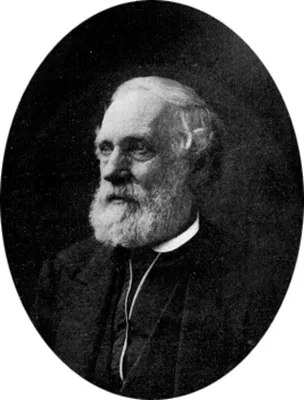
#10441
Circular of the Philadelphia Museum: Containing directions for the preparation and preservation of objects of natural history.
1831 CE
#11759
Report of the Select Committee of the House of Representatives ... legalizing the study of anatomy.
This was the first law passed in the United States consigning the bodies of those who died in workhouses, hospitals, and similar institutions, the bodies of whom were "unclaimed," to medical schools for dissection. "S…
1832 CE
#10526
A geographical and statistical account of the epidemic cholera: From its commencement in India to its entrance into the United States: Comprehended in a series of maps and tables, exhibiting the names of places visited by the pestilence, the time of its commencement, the number of cases, and deaths, and duration, at each place: Compiled from a great variety of printed and manuscript documents.
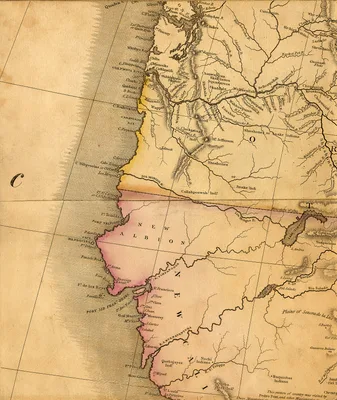
Tanner, a prolific cartographer, wished to provide a geographic account of the spread of the worldwide cholera epidemic of 1817. Statistics concerning the epidemic, he complained, were "given in such a loose and uncon…
1832 CE
#7688
A treatise on epidemic cholera; including an historical account of its origin and progress, to the present period. Compiled from the most authentic sources.
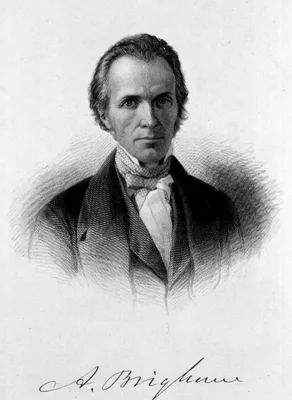
This compendium contains one of the first world charts of a disease, tracing the spread of cholera from two main sources, India (1817) and China (1820), across Asia and the Middle East via trade routes, to France and …
1832 CE
#7036
Fruits of philosophy, or the private companion of young married people,
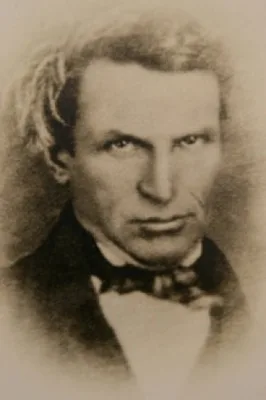
First edition published privately and anonymously. Second edition, with additions, Boston, 1833. Many times reprinted. Republished by Charles Bradlaugh and Annie Besant, 1891. Edited, with an introductory notice by No…
1832 CE
#10812
Observations on the epidemic now prevailing in the city of New-York; called the Asiatic or spasmodic cholera; with advice to the planters of the South, for the medical treatment of their slaves.
Digital facsimile from the Internet Archive at this link.
1832 CE
#8630
Practical essays on medical education, and the medical profession, in the United States.
Digital facsimile from the Internet Archive at this link.
1832 CE–1834 CE
#7773
A manual of the ornithology of the United States and of Canada. Vol. 1: The land birds. Vol. 2: The water birds.
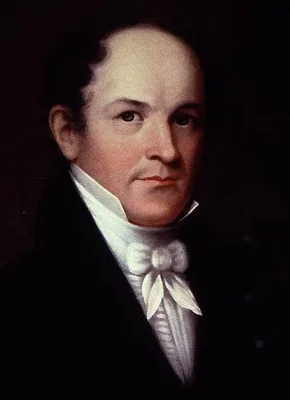
Digital facsimile from the Internet Archive at this link.
1833 CE
#12866
Dentologia, a poem on the diseases of the teeth and their proper remedies. With notes, practical, historical, illustrative, and explanatory, by Eleazar Parmly.
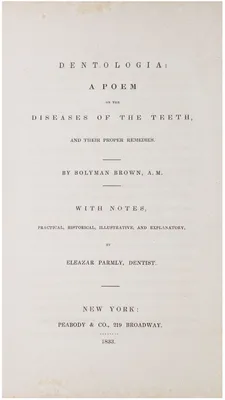
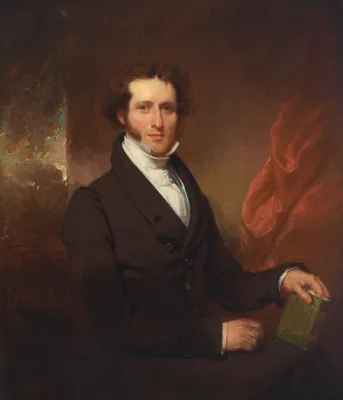
Brown founded the first US dental school, the first US national dental society, called The American Association of Dental Surgeons, and the first US dental journal, entitled the American Journal and Library of Dental …
1833 CE
#989
Experiments and observations on the gastric juice, and the physiology of digestion.
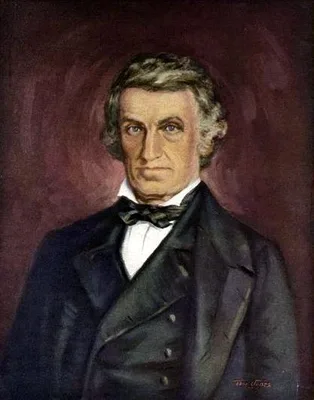
Alexis St. Martin, a Canadian half-breed who had sustained a gastric fistula, was treated and investigated by Beaumont. With his human medium, Beaumont as the first to study digestion and the movements of the stomach …
1833 CE
#10824
The dispensatory of the United States of America.
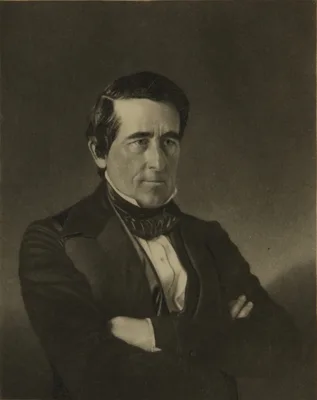
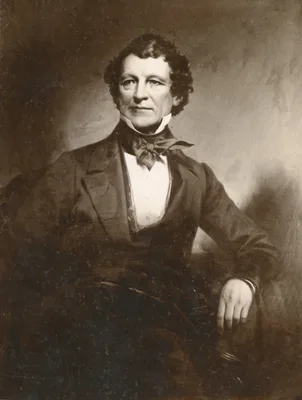
Digital facsimile of this, the first, and later editions from the Hathi Trust at this link.
1834 CE
#12395
An inquiry into the claims of Doctor William Harvey to the discovery of the circulation of the blood; with a more equitable retrospect of that event. To which is added an introductory lecture delivered on the third of November, 18929, in vindication of Hippocrates from sundry charges of ignorance preferred against him by the late professor Rush.

Perhaps the earliest American monograph on the history of circulation. Keynes characterized this volume as "an elaborate and very learned attempt to belittle Harvey's achievement" Keynes, Life of William Harvey, p. 42…
1834 CE
#3222
Illustrations of pulmonary consumption.
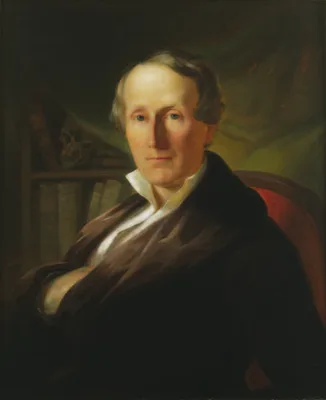
Morton published an important collection of illustrations delineating pulmonary tuberculosis which epitomized the knowledge of his time. It was also the first book on the subject published in the United States. Digita…
1834 CE
#12900
The conchologist.
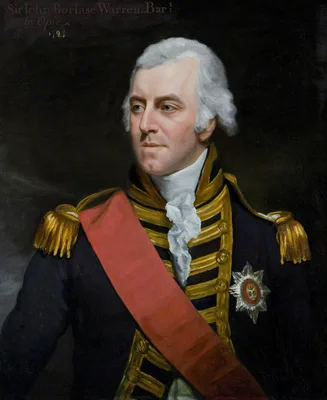
The first American manual of conchology. The author, John Warren, was an Englishman who sold shells and other collectibles in Boston as well as to other collectors in the United States. His book organized shells accor…
1835 CE
#2212
A discourse on self-limited diseases.
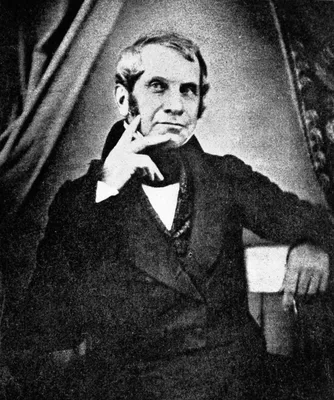
Bigelow was attached to the Massachusetts General Hospital. The above “did more than any other work or essay in our own language to rescue the practice of medicine from the slavery of the drugging system which w…
1835 CE
#12688
Memoir of James Jackson, Jr., M. D. with extracts from his letters to his father: and medical cases, collected by him.
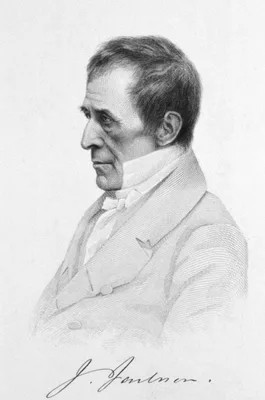
Jackson published this biography of his son, James Jackson, Jr. after his son's premature death in 1834. Digital facsimile from the Internet Archive at this link.