
Boston, MA
90 entries published in this place. (Boston, US)
1677 CE
#5406
A brief rule to guide the common-people of New-England how to order themselves and theirs in the small pocks, or measels.
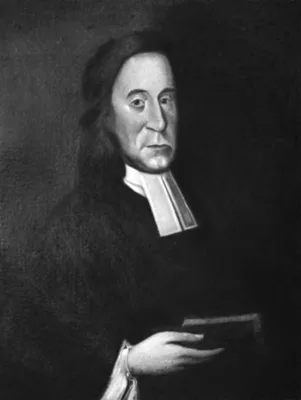
The first medical publication of North America and the only one to appear in the 17th century. Only one copy of the original printing of this broadside survived, written by Thacher, a Boston minister. The sheet was re…
1708 CE
#1828.1
The English physician.
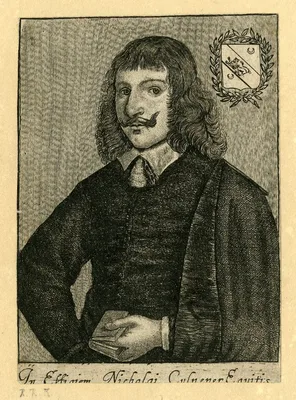
This reprint of Culpeper’s popular work on herbal remedies was the first medical book (94pp.) printed in North America.
1720 CE
#1828.2
Pharmacopoeia Londinensis; or the London dispensatory…
The first herbal printed in North America, and the first full-length medical book published in North America. From the 1653 London edition.
1721 CE
#5410.1
Some account of what is said of inoculating or transplanting the small pox by the learned Dr. Emmanuel Timonius, and Jacobus Pylarinus. With some remarks theron. To which are added, a few queries in answer to the scruples of many about the lawfulness of this method.
An abridgement of Nos. 5409 & 5410 together with Boylston’s remarks. From internal evidence this 24-page pamphlet would appear to be the first North American publication on inoculation. See No. 5415. Digital fac…
1721 CE
#5411
Some observations on the new method of receiving the smallpox by ingrafting or inoculating.
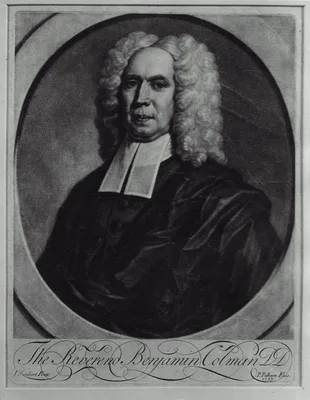
This work offers general support for the practice of Zabdiel Boylston, detailing some of Boylston’s cases, including accounts of occasions when patients died. Reprinted with additional material by Daniel Neal, a…
1722 CE
#5412
Inoculation of the smallpox as practised in Boston.
1722 CE
#5413
The abuses and scandals of some late pamphlets in favour of inoculation of the small-pox.
Douglass at first opposed inoculation for smallpox, but by 1730 he had changed his views and had become an advocate of inoculation.
1736 CE
#5076
The practical history of a new epidemical eruptive miliary fever, with an angina ulcusculosa, which prevailed in Boston New England in the years 1735 and 1736.
Douglass left the first adequate clinical description of scarlet fever, which he called angina ulcusculosa, in his account of New England’s first scarlet fever epidemic. He was one of the first American physicia…
1787 CE
#7214
A Discourse before the Humane Society, ... Delivered on the Second Tuesday of June, 1787.
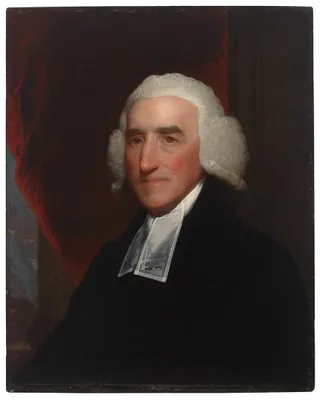
The first separate work on resuscitation published in the United States. A list of “Methods of Treatment to be used with Persons apparently dead from drowning, &c.” appears on p. iv; these methods included…
1808 CE
#10067
The pharmacopoeia of the Massachusetts Medical Society,
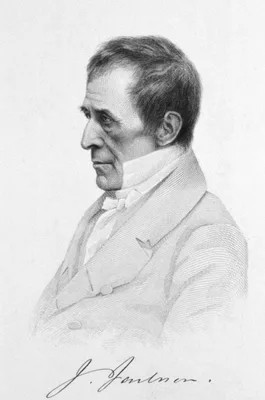
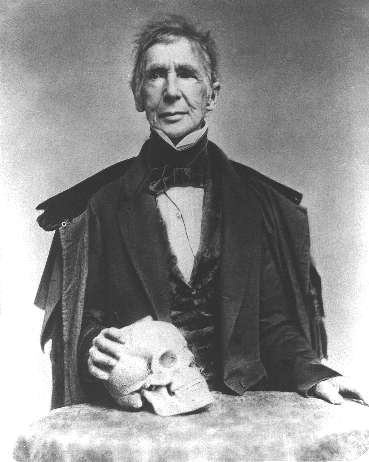
The first state pharmacopeia issued in the United States. Jackson and Warren were the "Committee for the Pharmacopoeia." Digital facsimile from the Internet Archive at this link.
1809 CE
#10602
Cases of organic diseases of the heart. With dissections and some remarks intended to point out the distinctive symptoms of these diseases.
The first monograph on heart disease written and published in the United States. Digital text from Project Gutenberg at this link.
1814 CE
#3679.3
A treatise on the management of the teeth.
The first full-length book on dentistry published in the United States, and the first American book on the subject with a dental illustration.
1817 CE–1820 CE
#1842
American medical botany, being a collection of the native medicinal plants of the United States, containing their botanical history and chemical analysis, and properties and uses in medicine, diet and the arts. 3 vols.
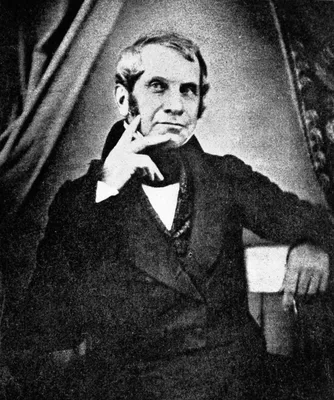
Bigelow was professor of materia medica and botany at Harvard. This work included native American remedies. It was the first book printed in the United States to include color plates printed in color. See R.J. Wolfe, …
1820 CE
#1845
Pharmacopoeia of the United States of America. 1820
The first official US pharmacopoeia. Spalding began campaigning for a national pharmacopeia in 1815. His efforts finally bore fruit in a national convention that met in 1820 and adopted a pharmacopeia based mainly on …
1822 CE
#10751
A narrative of the life and medical discoveries of Samuel Thomson: Containing an account of his system of practice, and the manner of curing disease with vegetable medicine, upon a plan entirely new; to which is added an introduction to his New Guide to Health, or Botanic Family Physician containing the principles upon which the system is founded, with remarks on fevers, steaming, poison &c.
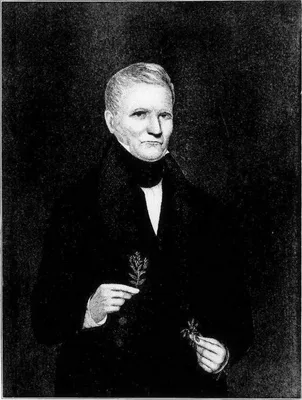
Thomson issued this introductory work shortly before publication of his New Guide. Three issues appeared in 1822: one with 180 pages, another with 182 pages including testimonials, and a 204 page issue with the introd…
1822 CE
#10068
A treatise on the materia medica, intended as a sequel to the Pharmacopoeia of the United States: Being an account of the origin, qualities and medical uses of the articles and compounds, which constitute that work, with their modes of prescription and administration.
Bigelow, who with Lyman Spalding, was largely responsible for the creation and publication in 1820 of the first U.S. pharmacopeia, published this valuable explanatory and supplementary volume two years later. It was p…
1822 CE
#6988
New guide to health; or botanic family physician, containing a complete system of practice, upon a plan entirely new; with a description of the vegetables made use of, and directions for preparing and adminstering them to cure disease. To which is prefixed a narrative of the life and medical discoveries of the author.
The "Bible" of Thomsonism or "Thomsonian medicine", which employed botanical remedies, often based on native American medicines. Digital facsimile from the Medical Heritage Library, Internet Archive, at this link.
1823 CE
#6584.9
A military journal during the American Revolutionary War, from 1775-1783…
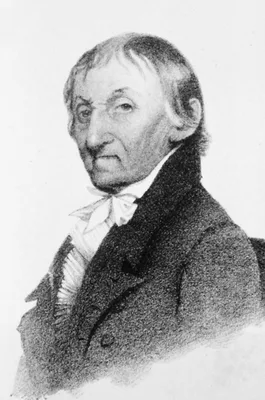
The first American medical historian, Thacher gave the best contemporary account of medicine during the Revolutionary War, as well as an important history of the war in general. See No. 6710.
1828 CE
#6710
American medical biography. 2 vols.
Thacher was the first American medical historian. The above biography is a valuable source of information on the early medical history of the United States. Reprinted, New York, Da Capo Press, 1967.
1832 CE
#7036
Fruits of philosophy, or the private companion of young married people,
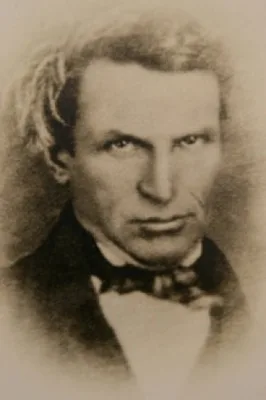
First edition published privately and anonymously. Second edition, with additions, Boston, 1833. Many times reprinted. Republished by Charles Bradlaugh and Annie Besant, 1891. Edited, with an introductory notice by No…
1835 CE
#2212
A discourse on self-limited diseases.
Bigelow was attached to the Massachusetts General Hospital. The above “did more than any other work or essay in our own language to rescue the practice of medicine from the slavery of the drugging system which w…
1836 CE
#9524
The Indian vegetable family instructer: Containing the names and descriptions of all the most useful herbs and plants that grow in this country, with their medicinal qualities annexed; also, a treatise on many of the lingering diseases to which mankind are subject, ... with a large list of recipes, which have been carefully selected from Indian prescriptions ... Designed for the use of families in the United States.
1837 CE
#2611.1
Surgical observations on tumours, with cases and operations.
The first North American book on tumors, with 16 hand-colored plates by David Claypoole Johnston (1799-1865).
1837 CE
#10411
The family nurse; or companion of the frugal housewife. Revised by a member of the Massachusetts Medical Society.
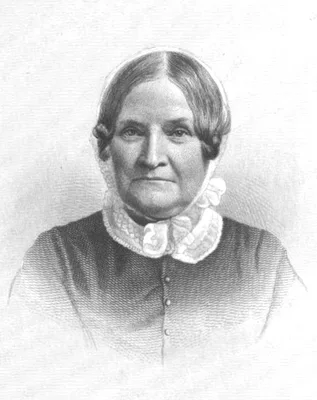
Child was was an abolitionist, women's rights activist, Native American rights activist, novelist, journalist, and opponent of American expansionism. Her journals, both fiction and domestic manuals, reached wide audie…
1838 CE
#1739
A treatise on the medical jurisprudence of insanity.
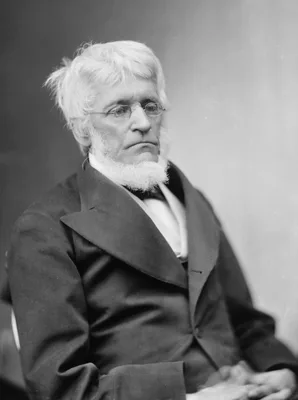
The first authoritative and comprehensive treatise in English on forensic psychiatry. Ray became the most influential American writer on forensic psychiatry in the 19th century. He put the above work through five edit…
1839 CE
#2292
Elements of pathological anatomy. 2 vols.
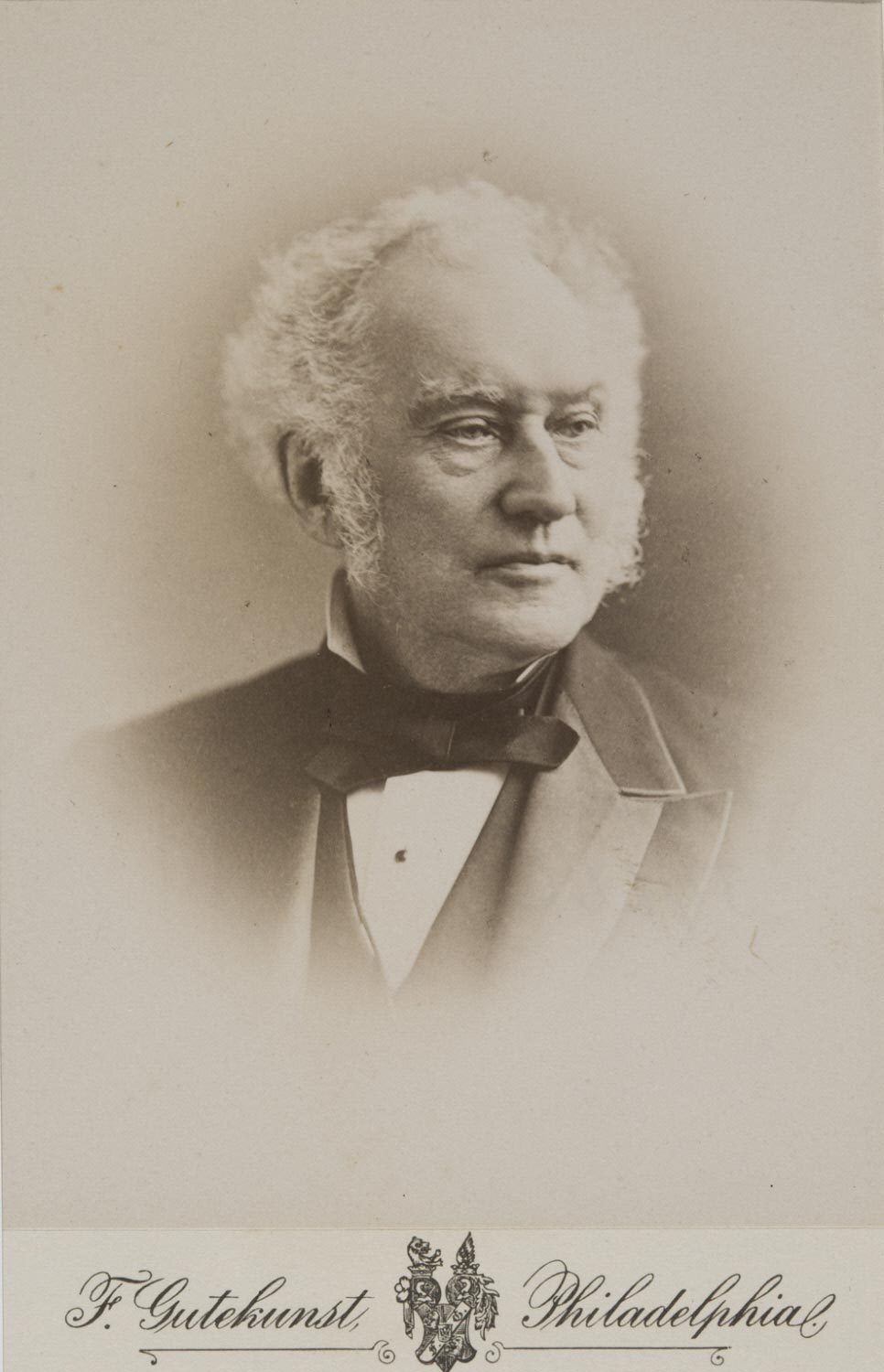
In his day Gross was the most famous surgeon in the U.S.A. He was for a time Professor of General Anatomy, Physiology, and Pathological Anatomy at Cincinnati Medical College and while there published his Elements, the…
1839 CE
#9305
Lectures on the science of human life. 2 vols.
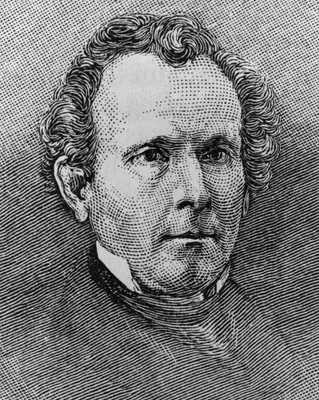
The Reverend Sylvester Graham was an American Presbyterian minister and dietary reformer known for his emphasis on vegetarianism, the temperance movement, and eating whole-grain bread. "Around 1829, Graham invented th…
1841 CE
#10723
The American vegetable practice, or, a new and improved guide to health: Designed for the use of families. : In six Parts. Part I. Concise view of the human body, with engraved and wood-cut illustrations. Part II. Glance at the old school practice of physic. Part III. Vegetable materia medica, with colored Illustrations. Part IV. Compounds. Part V. Practice of medicine, based upon what are deemed correct physiological and pathological principles. Part VI. Guide for women, containing a simplified treatise on childbirth, with a description of the diseases peculiar to females and infant. 2 vols.
The first American book with chromolithographed illustrations printed in America. The chromolithographed images depict American medicinal plants. Digital facsimile from Google Books at this link.
1846 CE
#5652
Circular. Morton’s Letheon.
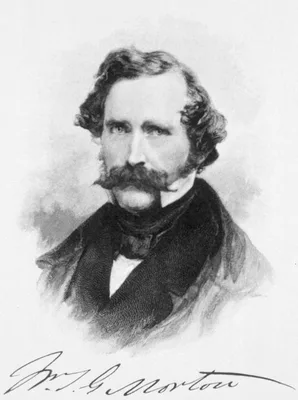
Unaware of Crawford Long’s results with ether, Morton, having been informed of the anesthetic effects of ether by Charles T. Jackson, promoted its anesthetic effects. To do so he published the above circular, in…
1846 CE
#8587
The young stethoscopist; or, the student's aid to auscultation.
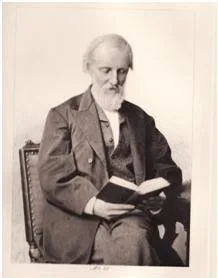
Through this book Bowditch established the stethoscope as a diagnostic tool in America. Digital facsimile from the Medical Heritage Library, Internet Archive, at this link.
1847 CE
#7602
A descriptive catalogue of the Anatomical Museum of the Boston Society for Medical Improvement.
Digital facsimile from the Internet Archive at this link.
1847 CE
#5653
Remarks on the proper mode of administering sulphuric ether by inhalation.
This 44-page pamphlet was the first American manual on the administration of anesthesia. In it Morton announced that his method of producing anesthesia was obtained by the inhalation of sulphuric ether. He subsequentl…
1848 CE
#5661
A treatise on etherization in childbirth.
Channing was an early advocate of anesthesia in obstetrics. In his book, and in several earlier papers, he brought the importance of this branch of anesthesia into the foreground.
1848 CE
#5730
Ether and chloroform: a compendium of their history, surgical use, dangers and discovery.
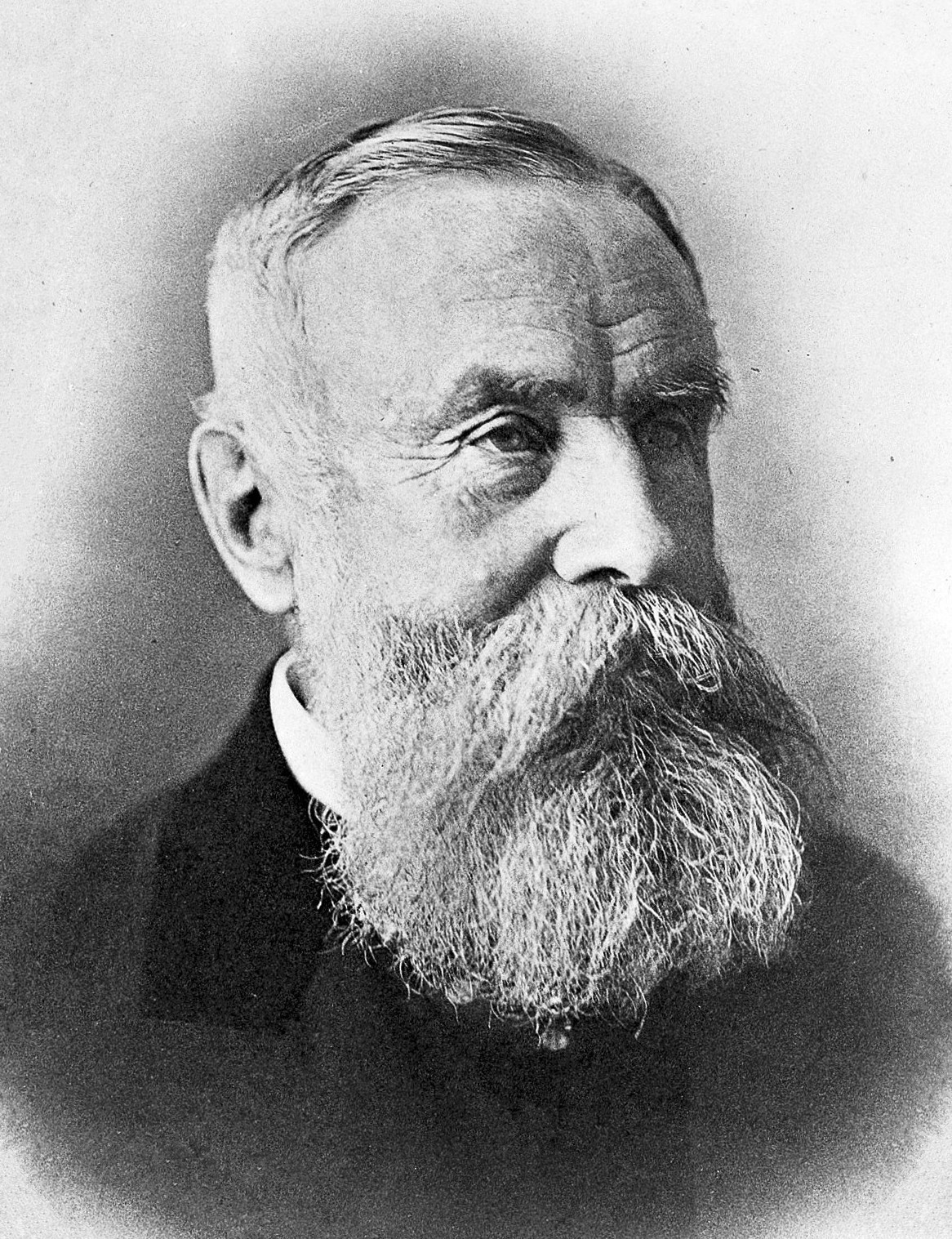
Bigelow’s speedy publication of Morton’s discovery (No. 5651), and his subsequent advocacy of ether as an anesthetic assured its adoption throughout the civilized world. The above work deals with the prior…
1850 CE
#1609
Report of a general plan for the promotion of public and personal health, devised, prepared, and recommended by the commissioners appointed under a resolve of the legislature of Massachusetts relating to a sanitary survey of the State.
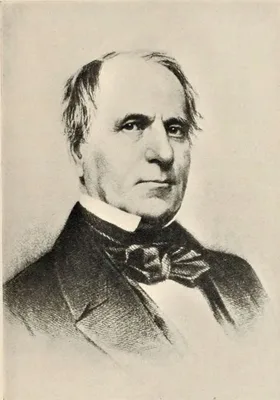
Compiled by a team, but entirely written by Shattuck, this report was the first general blueprint for the promotion of public health presented to an American governmental body. Its first proposal was for the creation …
1855 CE
#6276
Puerperal fever, as a private pestilence.
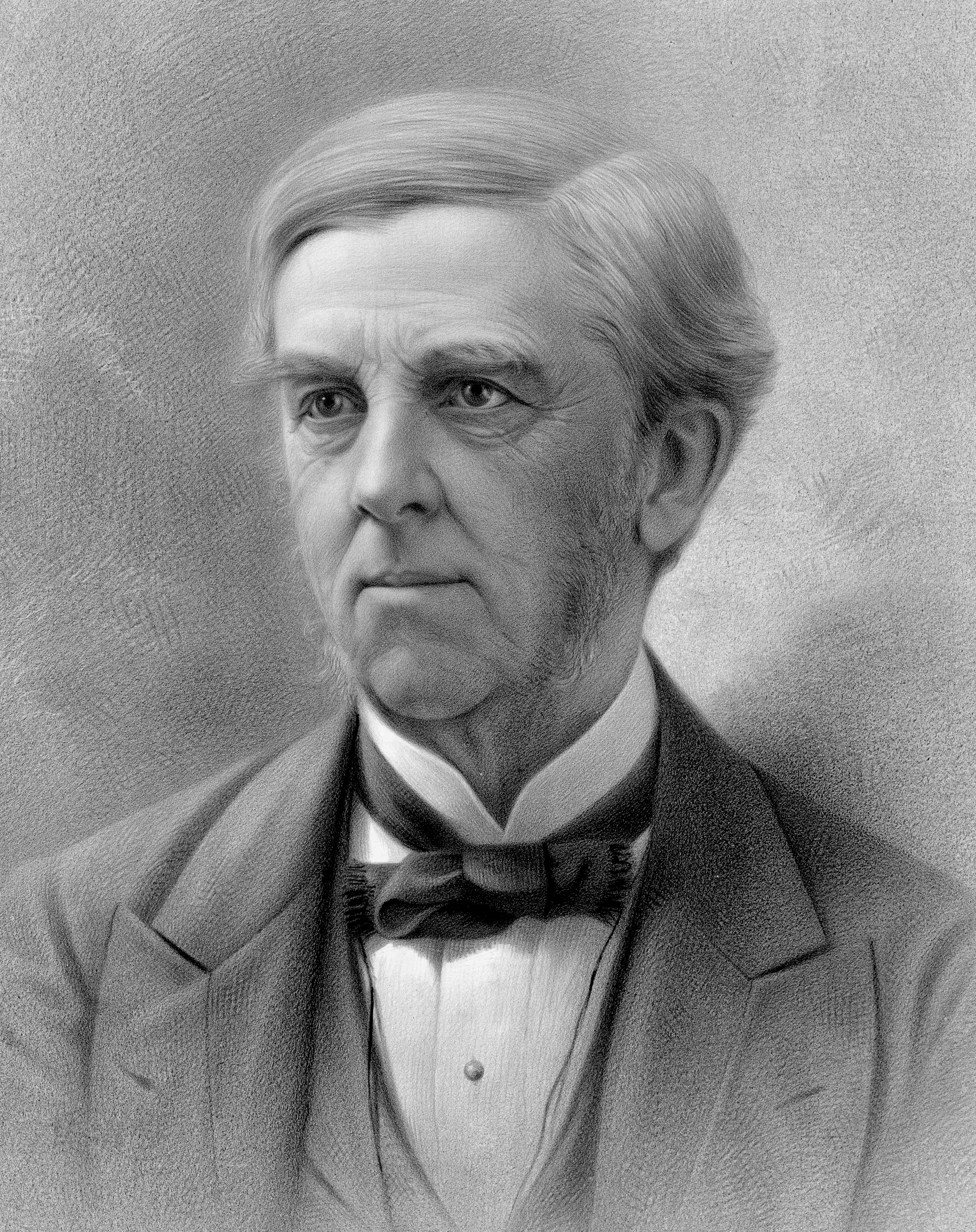
Because his first paper (No. 6274) had been published in a short-lived journal with very small circulation, Holmes enlarged his famous essay on the contagiousness of puerperal fever, and in this reiteration mentioned …
1856 CE
#10261
The camel: His organization habits and uses considered with reference to his introduction into the United States.
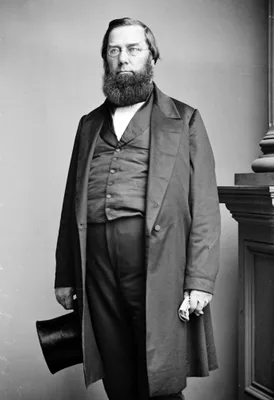
Marsh, who is remembered today for his contributions to ecology in his book, Man and nature, was appointed by president Zachary Taylor United States minister resident in the Ottoman Empire from 1849-1854. There he und…
1857 CE–1877 CE
#333
Contributions to the natural history of the United States. 5 vols.
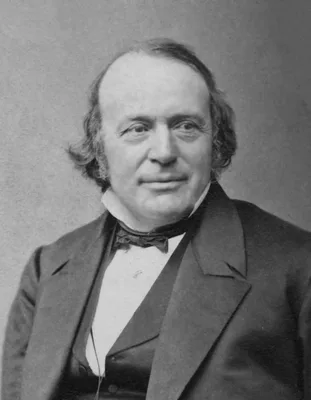
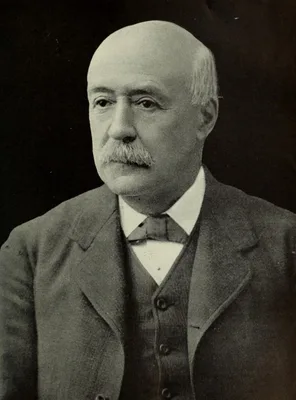
Vols. 1-4 by Louis Agassiz were published from 1857-1862; Vol. 5, North American starfishes by Alexander Agassiz, appeared in 1877. Louis Agassiz was, for his time, the leading comparative anatomist in America and a v…
1861 CE
#7867
A manual of etherization: Containing directions for the employment of ether, chloroform, and other anaesthetic agents, by inhalation, in surgical operations, Intended for military and naval surgeons, and all who may be exposed to surgical operations, with Instructions for the preparation of ether and chloroform, and for testing them for Impurities. comprising, also, a brief history of the discovery of anaesthesia.
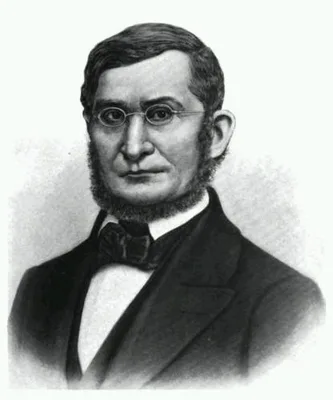
Jackson's most detailed exposition of anesthesia, including a summary of the early history of its discovery, written for American Civil War physicians and surgeons. Digital facsimile from the Internet Archive at this …
1863 CE
#9161
A brief plea for an ambulance system for the army of the United States, as drawn from the extra sufferings of the late Lieut. Bowditch and a wounded comrade.
Digital facsimile from the Internet Archive at this link.
1863 CE
#7419
Hospital sketches.
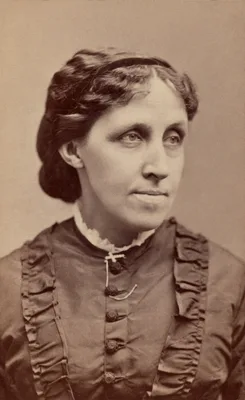
Digital facsimile of the 1863 edition from the Internet Archive at this link. Alcott expanded the work for the edition of 1869. Edited, with an extensive introduction by Bessie Z. Jones (Cambridge: Harvard University …
1870 CE
#7601
A descriptive catalogue of the Warren Anatomical Museum.
Digital facsimile from the Internet Archive at this link.
1872 CE
#8613
A history of the Massachusetts General Hospital. [Privately printed in 1851.] Second edition, with a continuation to 1872.
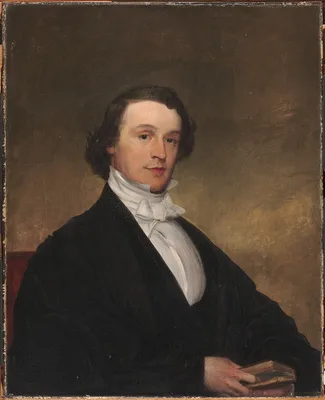
Digital facsimile from the Internet Archive at this link.
1875 CE
#6643.9
Science and health.
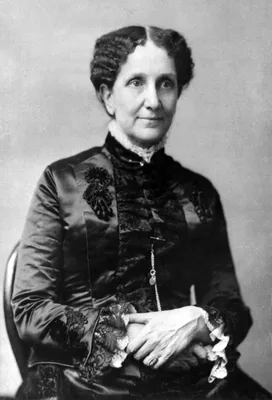
Includes an exposition of the system of faith healing that holds a significant place in Christian Science.
1877 CE
#11096
Art anatomy.
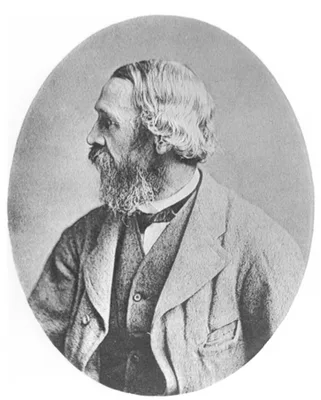
Perhaps the first great American anatomy for artists by an American painter and sculptor. Rimmer not only drew the 900 drawings on the 81 heliotype plates, but he also wrote in the explanatory text on the sheets along…
1877 CE
#9160
Public hygiene in America: Being the centennial discourse delivered before the International Medical Congress, Philadelphia, September, 1876 by Henry I. Bowditch. With extracts from correspondence from the various states. Together with a digest of American sanitary law by Henry G. Pickering.
Digital facsimile from the Internet Archive at this link.
1878 CE
#7745
The life and education of Laura Dewey Bridgman, the deaf, dumb, and blind girl.
Biography of Laura Bridgman (1829-89, the first deaf-blind person ever to read, write, and converse in the finger alphabet. The book includes a signed holograph facsimile of Bridgman's widely circulated religious poem…
1881 CE
#10334
History of medicine in Massachusetts. A centennial address delivered before the Massachusetts Medical Society at Cambridge, June 7, 1881.
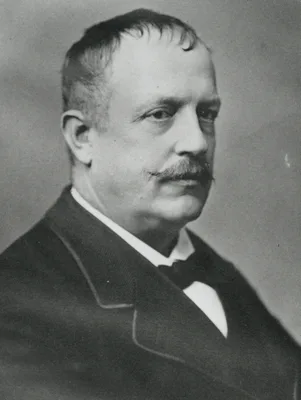
Digital facsimile from the Hathi Trust at this link.
1883 CE
#6390
Medical essays: 1842-1882.
“The most important American book dealing with the history of medicine up to its day” (Garrison). Among the essays Holmes chose to include were his works on homeopathy, puerperal fever, and his address at …
1886 CE
#9566
A nomenclature of colors for naturalists, and compendium of useful knowledge for ornithologists.
Ridgway proposed a simple classification system, doing away with many subjective and evocative names that were currently popular. The work illustrated 186 colors. Digital facsimile from the Biodiversity Heritage Libra…