
Italy
338 entries published in Italy. 11 publication places.
1469 CE
#9635
De officiis. Add: Paradoxa Stoicorum; Laelius, sive de amicitia; Cato maior, sive de senectute.
Of the 71 editions of Cicero's classical work on aging and death printed in the 15th century, Cato major de senectute, the Incunabula Short Title Catalogue cites 71, indicating the extreme popularity of Cicero's works…
1469 CE
#89
Historia naturalis, libri XXXVII.
The most ancient Western encyclopedia extant, Pliny’s Historia contained essentially all that was known in his time concerning geography, mineralogy, anthropology, botany, zoology and meteorology. Books XX-XXXII…
1470 CE
#13696
Rhetorica ad C. Herennium.
First description of the "method of loci," the memory technique as known as the "memory palace." Because of its wide use during the Middle Ages this text survives in hundreds of medieval manuscripts. Fourteen printed …
1471 CE
#1789
Antidotarium. Add: Quid pro quo; Synonyma.
This work, which first circulated in manuscript in 1140, was the first formulary to be printed. It consists of 139 prescriptions and includes the original formula for the “anesthetic sponge” (spongia somni…
1471 CE
#11287
Liber servitoris de praeparatione medicinarum simplicium. Translated by Abraham Tortuosiensis. Edited by Simon a Cordo.
Book 28 on drugs from the Al-Tasrif, a 30-volume Arabic encyclopaedia on medicine and surgery, written ca. 1000 CE by Abulcasis. ISTC No. ia00014000. Digital facsimile from the Württembergische Landesbibliothek S…
1471 CE
#10960
Opera medicinalia. Ed: Peregrinus Cavalcobovis, with a preface by Nicolaus Gupalatinus. Consisting of: Canones universales. De simplicibus. Grabadin. Practica.
This undated edition, which the ISTC im00508000 catalogues as "not before 18 May 1471", may be the earliest printed edition of the writings of the medieval Persian or Assyrian Nestorian Christian physician Yuhanna ibn…
1472 CE
#9400
Aristotle's De anima with the commentary of Averroes.
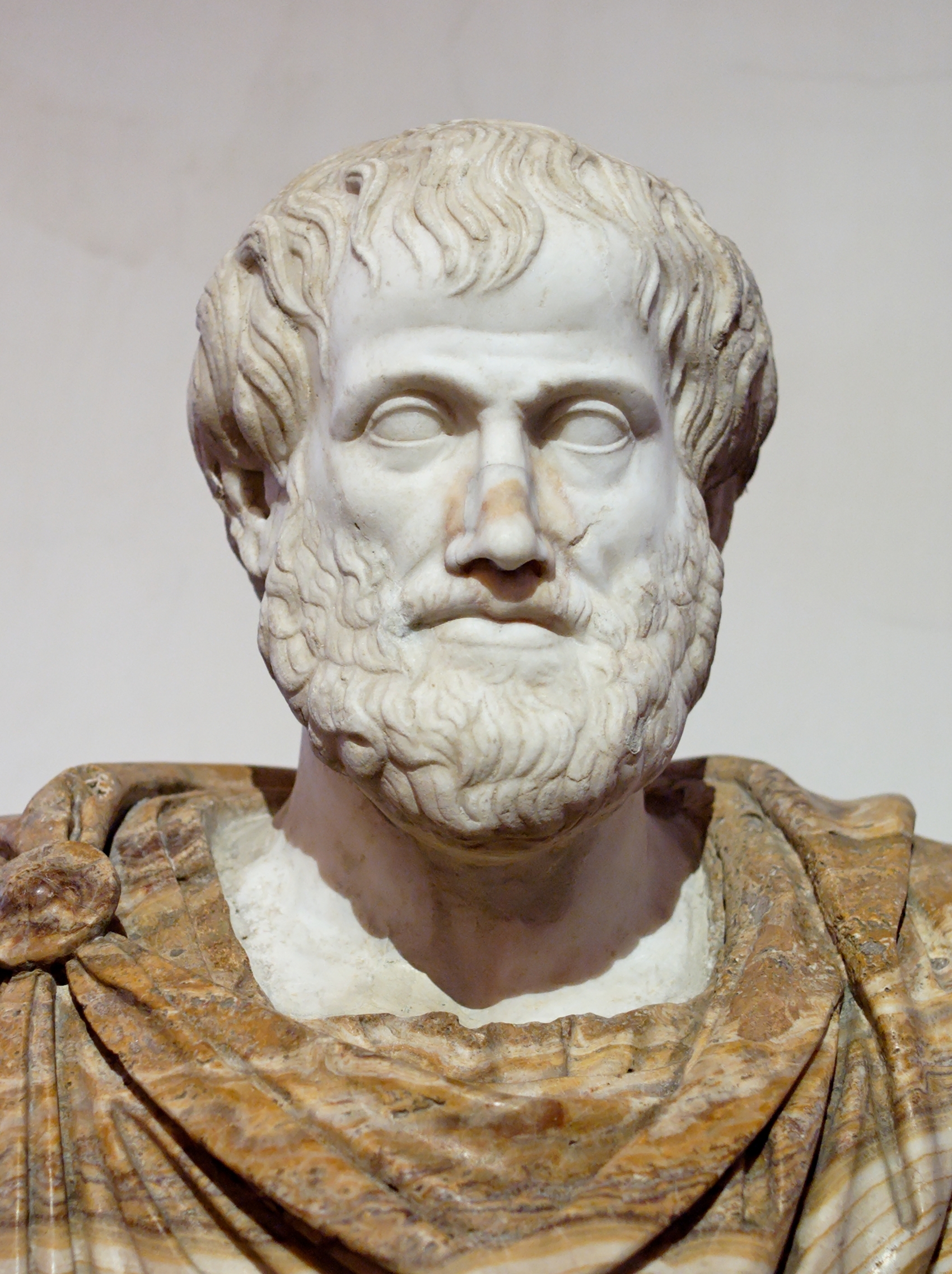
"Each paragraph of the text of Aristotle is printed in a new and an old translation, and is followed by the commentary of Averroes on the latter (BMC)" (ISTC No. IDia00969000). Because of the supreme position of Arist…
1472 CE
#6315
De infantium aegritudinibus et remediis.
The first printed book dealing exclusively with pediatrics. This was also the first medical treatise, and probably also the first scientific treatise, to make its original appearance in printed form rather than having…
1472 CE
#2192
Opera medica, sive Practica cum textu noni ad Almansorem.
A commentary on Rhazes with notes and additions. For bibliographical and other details regarding this, the first large medical book to be printed, see the essay by Arnold C. Klebs in: Essays on the history of medicine…
1473 CE
#43
Canon medicinae [Latin] (Lib I-V) (Tr: Gerardus Cremonensis) (5 vols.)
![AVICENNA, [Abū ʿAlī al-Ḥusayn ibn ʿAbd Allāh ibn Al-Hasan ibn Ali ibn Sīnā] (980 – 1037)](/media/portraits/9572)
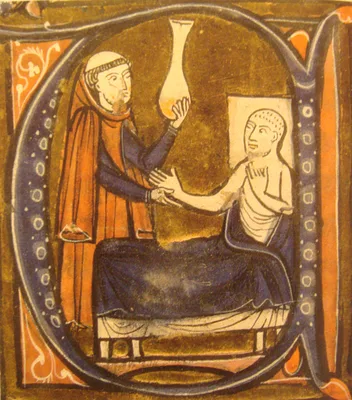
Avicenna is said to have written more than 100 books, most of which have perished. He wrote on the etiology of epilepsy and described diabetes, noticing the sweetish taste of the urine. His Canon is one of the most fa…
1473 CE
#13028
De balneis. Add: Francesco da Siena: Dicta de balneo Petrioli. Bonaventura de Castello: Recepta aquae balnei de Porrecta.
First printed edition of da Foligno's treatise on bathing together with the first printing with a definite date of Castelli's work. ISTC No. ig00133000. Remarkably the ISTC cites two different separate undated printin…
1473 CE
#12809
Liber Serapionis agregatus in medicinis simplicibus. Translatio Symois Januensis interprete Abraa iudeo tortuosiesi de arabico in latinu. Add: Galenus: De virtute centaureae.
![GALEN, [Κλαύδιος Γαληνός; Galen of Pergamon] (129 – 216)](/media/portraits/21)
"Serapion the Younger ... is called "the Younger" to distinguish him from Serapion the Elder, aka Yahya ibn Sarafyun, an earlier medical writer with whom he was often confused. Serapion the Younger's Simple Medicament…
1473 CE
#6788
Synonyma medicinae, seu clavis sanationis.
The first printed medical dictionary. It was originally published at Ferrara, 1471-2?, of which the only recorded copy is a fragment of 21 leaves in the Bodleian Library. ISTC No. is00526000. “The great work of …
1474 CE
#146
Historiae. Tr: Laurentius Valla. Ed: Benedictus Brognolus. Add: Benedictus Brognolus: Epistola ad Nicolaum Donatum.
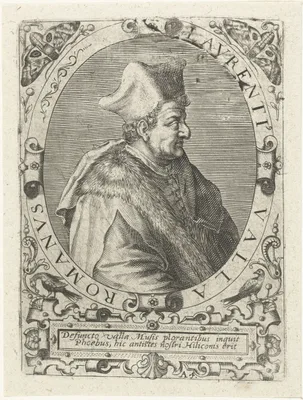
Born in Asia Minor, Herodotus travelled through Greece, Asia Minor and North Africa. His Historiae includes careful observations on the nature and habits of various peoples, and he may be regarded as the founder of an…
1474 CE
#5552
La ciroxia vulgarmente fata.
![SALICETO, Guglielmo da [WILLIAM OF SALICETO] (1210 – 1277)](/media/portraits/6798)
Saliceto was Professor of Surgery at Bologna about 1268; his treatise on surgery, written about 1275, was the leading work on the subject in the 13th century. William broke with tradition by claiming that pus formatio…
1475 CE
#9146
De conservatione sanitatis. With additions by Johannes Philippus de Lignamine.
This medieval guide to health and hygiene is sometimes misattributed to Hugo Benzi. It was one of the earliest medical or health texts to appear in print, and is unusual in that the printer, who was not a physician, i…
1475 CE
#10733
De honesta voluptate et valetudine.
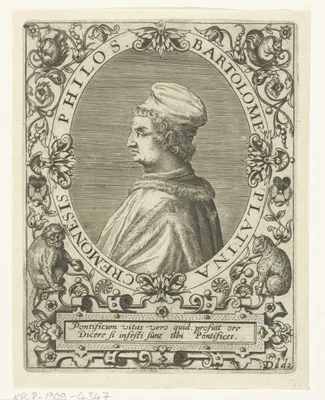
The first two editions of De honesta voluptate et valetudine, the first printed work on cookery, diet, and health, by Italian humanist and papal librarian Bartholomeo Platina (Sacchi) appeared at roughly the same time…
1476 CE
#52
Articella seu opus artis medicinae. Con: Johannitius: Isagoge ad tegni Galeni. Philaretus: De pulsibus; Theophilus Protospatharius: De urinis. Hippocrates: Aphorismi (comm: Galenus; tr: Constantinus Africanus); Prognostica (comm: Galenus); De regimine acutorum morborum (comm: Galenus; tr: Gerardus Cremonensis). Galenus: Liber Tegni, sive Ars medica (comm: Hali; tr: Gerardus Cremonensis).
![HIPPOCRATES, [Ἱπποκράτης; Hippocrates of Kos] (-460 – -370)](/media/portraits/50)
A collection of Greek, Roman and Byzantine texts on medicine, written in Latin, that was mainly used as medical school textbook or reference manual between the 13th and 16th centuries. The Articella grew around a synt…
1476 CE
#274
De animalibus. Translated by Theodorus Gaza. Edited by Ludovicus Podocarthus.
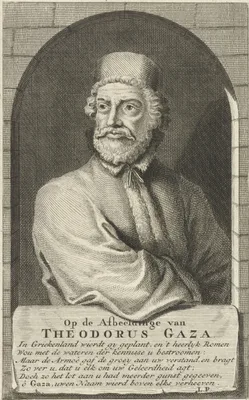
Includes Aristotle's De historia animalium, De partibus animalium, and De generatione animalium. Aristotle was the first scientist to gather empirical evidence about the biological world through observation. By his ca…
1476 CE
#39
Liber nonus ad Almansorem (cum expositione Silani de Negris).
The Almansor, so named after the prince to whom it was addressed, was a popular textbook and one of the first general medical texts to be printed. Rhazes ranks with Hippocrates and Galen as one of the founders of clin…
1477 CE
#10725
Liber phsionomiae [and other works].
"Composed between 1209 and 1226, the first of the two primary texts discusses human generation — anatomy, physiology, astrology, sexual behavior, conception and the health of the fetus. The second part, the Phys…
1478 CE
#276
De animalibus. Edited by Fernandus Cordubensis (Fernando de Córdoba).
Albertus was a Dominican monk and the most eminent naturalist of the 13th century; his work on animals contained a good deal of personal observation. He was the first to comment on virtually all of the writings of Ari…
1478 CE
#6934
De materia medica. Ed: Petrus de Abano. Comm: Petrus de Abano.
![DIOSCORIDES, Pedanius [Πεδάνιος Διοσκουρίδης] (40 – 90)](/media/portraits/2028)
The first printed edition of Dioscorides, translator unidentified. A Greek physician from Anazarbus in Cilicia (now Turkey), Dioscorides traveled to the Greek mainland, to Crete, Egypt and Petra. He is believed to hav…
1478 CE
#20
De medicina. Ed: Bartholomaeus Fontius.
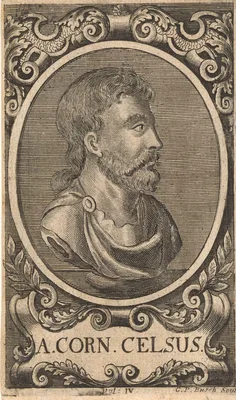
De Medicina is the oldest Western medical document after the Hippocratic writings. Written about 30 CE, it remains the greatest medical treatise from ancient Rome, and the first Western history of medicine. Celsus&rsq…
1478 CE
#7086
Halieutica, sive de piscatu. [Translated by Lorenzo Lippi, with recipes for cooking added by Lippi.]
The didactic poem on fish and fishing by Oppian of Anazarbus, a 2nd-century Greco-Roman poet, survived the Middle Ages essentially in its entirety, consisting of 3500 lines in Greek. The poem was dedicated to the empe…
1480 CE
#12984
Chirurgia. Edited by Matthaeus Moretus.
Argelata was a pupil of Guy de Chauliac, and professor at Bologna. He is supposed to have done the autopsy on Pope Alexander V, who died suddenly on May 3, 1410. ISTC No. ia00951000. Digital facsimile from U.S. Nation…
1481 CE
#6929
De natura hominis. Add: De victu; De tuenda valetudine; Medicinae lex; Iusiurandum; Demonstratio quod artes sunt; Invectiva in obtrectatores medicinae. Tr: Andreas Brentius.
The writings of Hippocrates began to appear in print in the 1480s, and only a few of the works attributed to Hippocrates were printed in the 15th century. Though the date of this edition is unstated within the book it…
1481 CE
#13888
De regimine sanitatis ad Soldanum Babyloniae.
Maimonides wrote De regimine sanitatis in the 1190s in Arabic as a private manual of health for the Sultan Al-Afdal, son of Saladin. It was translated from Arabic into Hebrew in 1244 by Moses ibn Tibbon, and the Hebre…
1481 CE
#6313
Liber ad Almansorem sive Tractatus medicinae I-X. Add: Liber divisionum; De aegritudinibus juncturarum; De aegritudinibus puerorum; De secretis sive aphorismi; De sectionibus et ventosis; Synonyma. Galenus: De medicinis experimentatis. Mesue (the elder): Aphorismi. Hippocrates: secreta; Capsula eburnea; De humana natura; De aere et aqua et regionibus; De pharmaciis. Tabula de herbis medicis.
Rhazes was the first to devote an entire treatise to diseases of children. Although he lived so many years before the advent of printing, he was still regarded as an authority in the 15th century and his works were am…
1482 CE
#9142
Consilia ad diversas aegritudines. Ed: Laurentius de Gozadinis.
ISTC No. ih00538000.
1483 CE
#6813
De divisione librorum Galeni IN: Articella seu Opus artis medicinae.
Considering the central importance of Galen's writings in medicine from the time he wrote well through the sixteenth and even the seventeenth century, and the need for physicians to make sense of such a large number o…
1483 CE
#8341
De urinis by Gilles de Corbeil, with commentary by Gentilis de Fulgineo. Edited by Venantius Mutius.
Gilles de Corbeil's medical poem De urinis was based on writings by Theophilus Protospatharius by way of the Articella. Poems such as this were intended as mnemonic aids for students, and they tended to be widely used…
1483 CE
#9399
Opera. With the commentary of Averroes. Edited by Nicoletus Vernia. 8 parts.
![SCOT, Michael [Michael Scotus] (1175 – 1232)](/media/portraits/12461)
First edition of the collected works of Aristotle with the commentaries of Averroes, by which Aristotle was mainly studied during the Middle Ages. The purpose of Vernia's edition was to provide an accurate edition of …
1487 CE
#1961
De particularibus diaetis.
The first separately printed treatise on diet was written by the Egyptian-Jewish physician and philosopher Isaac Judaeus who lived from about 832 to 932 CE. He was also known as Isaac Israeli ben Solomon and Abu Ya'qu…
1487 CE
#1589
Frontinus: De aquaeductibus. Edited by Pomponius Laetus and Johannes Sulpitius Verulanus.
De aquaeductibus, or De aquis urbis Romae was written about 100 CE by the Roman senator Frontinus. Its title is sometimes translated as The Aquaducts of Rome, and most recently by Rodgers as On the Water-Management of…
1489 CE
#1589.1
Gerontocomia.
The first printed book on geriatrics – a guide to proper hygiene, physical and mental, and particularly to the diet of the aged. Translated into English by L.R. Lind as Gerontocomia: on the care of the aged and …
1489 CE
#6495.7
Maimonides: Aphorismi secundum doctrinam Galeni. Add: Mesue: Aphorismi. Rhasis: De secretis in medicina. Hippocrates: Capsula eburnea.
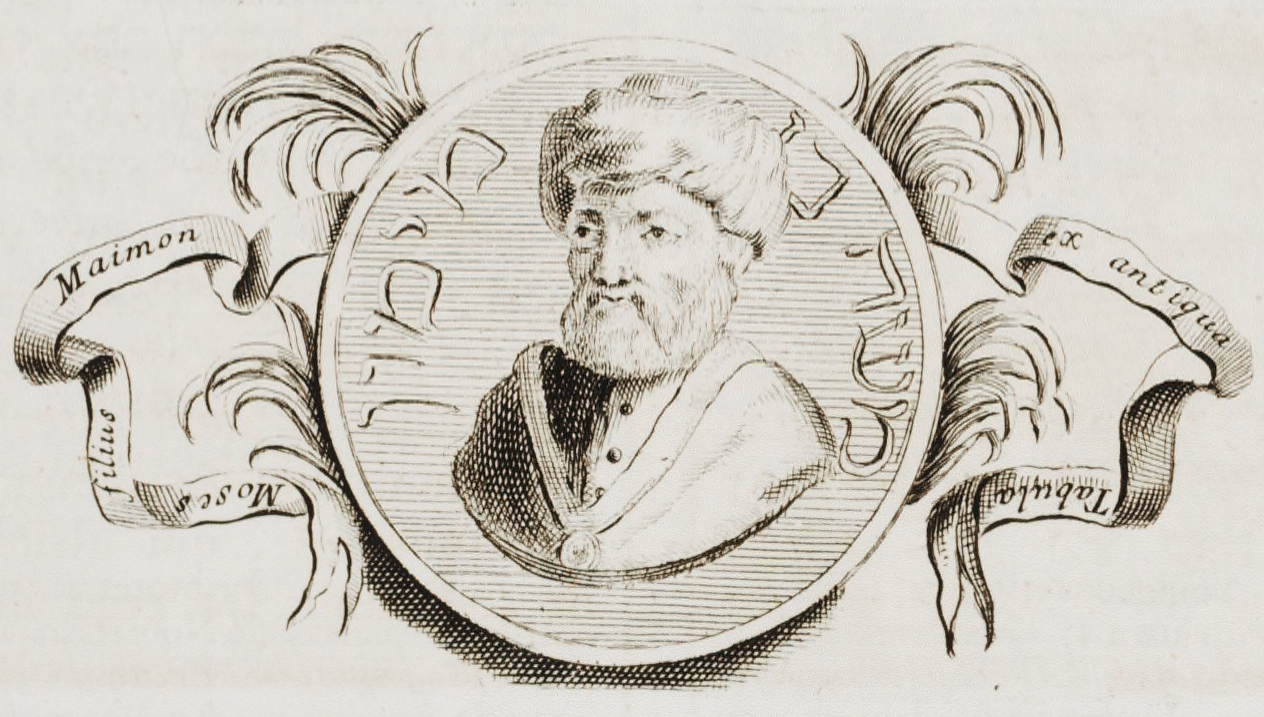
The most popular and influential medical work by Maimonides, the most famous of early Jewish physician/philosophers. This is a collection of about 1500 aphorisms derived from Galen, and divided into 24 treatises. In t…
1490 CE
#8438
Galeni Opera. Edited by Diomedes Bonardus. Translated from the Greek by Nicolaus de Regio, Marcus Toletanus, Petrus de Abano, Accursius Pistoriensis, Guilelmus de Moerbeka, Burgundio of Pisa, Gerardus Cremonensis and Constantinus Africanus. With poem to the author of Johannes Pyrrhus Pincius. 2 vols.
The first printed edition of Galen's writings pulled together texts from numerous translators. ISTC No. ig00037000. Digital facsimile from the Bayerische StaatsBibliothek at this link.
1490 CE
#47
Liber Teisir, sive rectificatio medicationis et regiminis. Antidotarium. Translated from Arabic into Hebrew by Jacobus Hebraeus; into Latin by Paravicius. Add: Averroes: Colliget.
This is a Latin translation from a Hebrew version dating from 1280. Avenzoar, the greatest Muslim physician of the Western Caliphate, described the itch-mite, Sarcoptes scabiei, serous pericarditis, mediastinal absces…
1491 CE
#11871
Corona florida medicinae, sive De conservatione sanitatis.
A popular guide to healthy living, dealing with such topics as sleep, exercise, sex, hygiene, drugs, and especially diet, with an emphasis on the qualities and properties of foods, including their cooking and preparat…
1491 CE
#4511.01
De omnibus ingeniis augendae memoriae.
An early work on memory disorders and aids to memory. ISTC no. ia00210000. Digital facsimile from the Bayerische Staatsbibliothek at this link.
1491 CE
#363
Fasciculus medicinae. Add: Petrus de Tussignano: Consilium pro peste evitanda.
A collection of short medical treatises which circulated widely in manuscript, some as early as the 13th century, and was perhaps attributed by the printers to its former owner, Johannes von Kirchheim, a professor of …
1492 CE
#7791
De venenis. Ed: Dominicus de Canali.
Compiled in the years, 1424-1426, from Greek, Arabic and Latin works on medicine and nature. "Although Ardoini quotes previous authors at great length, his work is no mere compilation, since he does not hesitate to di…
1492 CE
#42
Liber medicinae, sive Regalis dispositio. Tr: Stephanus Antiochenus. Ed: Antonius Vitalis.
The Almaleki, or Liber regius, of Haly Abbas was the leading treatise on medicine for a hundred years, when it was displaced by Avicenna’s Canon. This was the only edition printed in the 15th century. ISTC No. i…
1492 CE
#1960
Thesaurus pauperum. [Italian:] Tesoro de poveri. Tr: Zucchero Bencivenni.
One of the most popular medical books of the Middle Ages; first written about 1260. After its first printing about 1492 it was reprinted many times in the next 100 years. "Petrus Hispanus was the only practicing physi…
1493 CE
#3666.84
Practica. IN: Liber nonus ad Almansorem (cum expositione Joannis Arculani). Ed: Hieronymus Surianus and Elyanorus Sanseverinus.
Arcolani's Practica, published in this edition of Rhazes with Arcolani's commentary, includes the first documentation for the use of gold for filling diseased teeth. There are also several chapters on diseases of the …
1493 CE–1494 CE
#363.1
Fascicolo di medicina. Tr: Sebastianus Manilius. Add: Petrus de Tussignano: Consilium pro peste evitanda. Mundinus: Anatomia (Ed: Petrus Andreas Morsianus).
This Italian translation contains an entirely new and more extensive series of woodcuts and additional text. The dramatically improved and more realistic illustrations, which were reproduced in the numerous later edit…
1495 CE
#1758.1
De cautelis medicorum.
The first practical treatise on medical ethics. "Following opening remarks on the ideal conduct of the physician, and his duties towards his patients, their relatives, and his own colleagues while avoiding the pervers…
1495 CE–1498 CE
#8395
Aristotle. [Opera omnia]. 5 vols.
Between November 1495 and June 1498 scholar printer Aldus Manutius (Teobaldo Mannucci) of Venice issued the first edition in the original Greek of Aristotle's Opera omnia. The set appeared in five thick quarto or smal…
1496 CE
#12846
Diaria de bello Carolino, with a dedication letter from the author to the Doge Augustinus Barbadicus, Venice 21.3.1496, to the Venetian Councilors Sebastianus Baduarius and Hieronymus Bernardus, Venice 27.8.1496, and two poems on the Gauls and on the work of Quintius Aemilianus Cimbriacus.
An eyewitness account of the retreat from Italy of Charles VIII of France in 1495, written by a physician of Verona, who was chief surgeon of the Venetian troops in the campaign. Although the book is not written prima…