
Nuremberg
24 entries published in this place.
1496 CE–1497 CE
#2362
Tractatus de pestilentiali scorra sive mala de Franzos: originem remediaqu[ue] eiusdem continens.
Grünpeck was first to record mixed primary lesions, multiple primary lesions, and to note the second incubation period of syphilis. A translation of the above is in Arch. Derm. Syph. (Chicago), 1930, 22, 430. Dig…
1528 CE
#149
Vier Bücher von menschlicher Proportion.
Written, designed, and illustrated by Dürer, this work is notable for its extraordinary series of anthropometrical woodcuts. The first two books deal with the proper proportions of the human form; the third chang…
1546 CE
#1810
Pharmacorum omnium, quae quidem in usu sunt, conficiendorum ratio: Vulgo vocant dispensatorium pharmacopolarum, ex omni genere bonorum authorum, cum veterum tum recentium collectum, & scholiis utilissimis illustratum, in quibus obiter, plurium simplicium, hactenus non cognitorum, vera noticia traditur. Authore Valerio Cordo. Item De collectione, repositione, & duratione simplicium. De adulterationibus quorundam simplicium. Simplici aliquo absolute scripto, quid sit accipiendum. Antiballomena, id est, succedanea, sive quid pro quo. Qualem virum pharmacopolam esse conveniat. Cum Indice copioso.
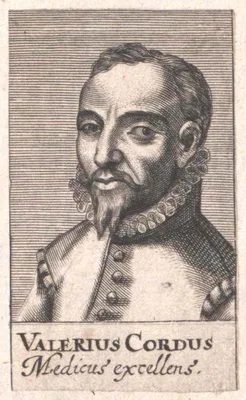
The first "real" pharmacopeia to be published. It was recognized as the official pharmacopeia of Nuremberg. Facsimile edition, 1934. Digital facsimile of the 1546 edition from Goethe Universität, Frankfurt am Mai…
1572 CE–1573 CE
#1539
Externarum et internarum principalium humani corporis partium tabulae.
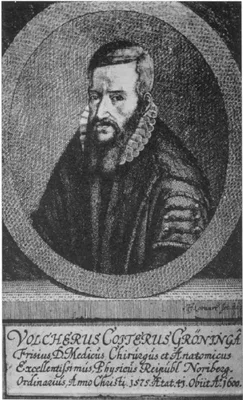
Coiter made several important contributions to the study of human anatomy, and was the first to elevate comparative anatomy to the rank of an independent branch of biology. His Externarum et internarum principalium hu…
1575 CE
#284
Lectiones Gabrielis Falloppi de partibus similaribus humani corporis, ex diversis exemplari eus a Volchero Coiter summa cum diligentia collecta. His accessere diversorum animalium sceletorum explicationes iconibus artificiosis, et genuinis illustratae.
Coiter, a pupil of Fallopius and Eustachius, became town physician of Nuremberg. His book on comparative osteology, contained in his edition of the lectures of Fallopius, extended his studies begun in his work of 1572…
1613 CE
#9512
Hortus Eystettensis: Sive, diligens et accurata omnium plantarum, florum, stirpium, ex variis orbis terrae partibus, singulari studio collectarum, quae in celeberrimis viridariis arcem episcopalem ibidem cingentibus, hoc tempore conspiciuntur, delineatio et aduiuum repræsentatio.
"The Hortus Eystettensis is itself a ‘paper museum’, a pictorial record of the flowers grown in the greatest German garden of its time, that of the Prince Bishop of Eichstätt, Johann Conrad von Gemmin…
1616 CE–1622 CE
#11498
Fasciculus rariorum et aspectu dignorum varii generis quae collegit et suis impensis aeri ad vivum incidi curavit atque evulgavit.
Besler was the first to illustrate a natural history Wunderkammer in Germany. The engraved frontispiece of this work, which Besler published himself, depicts Besler exhibiting the contents to a visitor. The first edit…
1622 CE
#7574
Continuatio rariorum et aspectu dignorum varii generis quae collegit et suis impensis aeri ad vivum indici curavit atque evulgavit....
This was the second edition, with 7 additional plates, of the privately printed catalogue of the natural history collection or museum of the Nuremberg botanist Basilius Besler, author of Hortus Eystettensis (1613). Th…
1645 CE
#289
Zootomia Democritaea: Id est, anatome generalis totius animantium opificii....
One of the most important of the early works on comparative anatomy. It includes the Anatomia porci, attributed to Copho of Salerno. Severinus dissected many animals and was convinced that the microscope would throw l…
1656 CE
#5821.1
Dissertationes anatomicae methodo synthetica exaratae…
Rolfinck was the first to demonstrate the location of cataract in the lens.
1678 CE
#10158
Georgii Simonis Winteri Hippiater Expertus, Seu Medicina Equorum Absolutissima : Tribus Libris comprehensa: Quorum I. Agit de Equorum Temperamentis; Aetate cognoscenda; Morbis omnibus internis Capitis; Oculorum; Aurium; Narium; Linguae; Dentium; Oris; aliisque his similibus; II. De Affectibus internis Thoracis & Abdominis ... ; III. De omnis generis Unguentis; Oleis; Balsamis & Emplastris in genere; item de quibuscunque Morbis ac Symptomatibus externis; ut: Tumoribus, Ulceribus & Vulneribus cujuscunque generis ...
Digital facsimile from Bayerische StaatsBibliothek at this link.
1679 CE
#10604
Tractatio med. curiosa, de ortu & occasasu transfusionis sanguins, qua haec, quae fit e bruto in brutum, a for medico penitus eliminatur; ila, quae e bruto in hominem peragitur....
The first detailed history of efforts at blood transfusion. Mercklin was one of the earliest writers to discuss the history, value, dangers, and methods of blood transfusion. He recognized and understood what we now c…
1684 CE
#1762
Medicus peccans, sive tractatus de peccatis medicorum.
Digital facsimile from Google Books at this link.
1686 CE
#6492.1
Clavis medica ad Chinarum doctrinam de pulsibus. Autore R.P. Michaele Boymo, e Soc. Jesu, & in China missionario. Huius operis ultra viginti annos iam sepulti fragmenta, hinc inde dispersa, collegit & in gratiam medicae facultatis in lucem Europaeam produxit Cl. Dn. Andreas Cleyerus, M.D. & Societatis Batavo-Orientalis Proto-Medicus. A quo nunc demum mittitur totius operis exemplar, e China recens allatum, & a mendis purgatum, Procuratore R.P. Philippo Copletio, Belga, e Soc. Jesu, Chinensis missionis Romam misso.
Translations of Chinese treatises on pulse medicine with illustrations of hands and wrists to illustrate pulse-taking. The texts published here are different from those published by Cleyer in No. 6492. Previously publ…
1716 CE
#8860
Rariora Musei Besleriani quae olim Basilius et Michael Rupertus Besleri collegerunt, aenesique tabulis ad vivum incisa evulgarunt: nunc commentariolo illustrata a Johanne Henrico Lochnero…
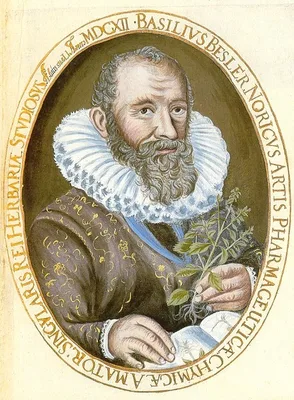
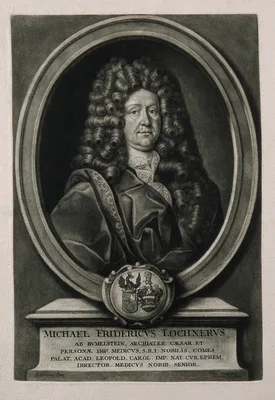
The most complete description of the natural history museum of Basilius Besler and his nephew Michael Rupert. It contains the first descriptive commentary of the collection, with 40 engraved plates. The Besler collect…
1719 CE
#13538
Caput Bonae Spei hodiernum, das ist: vollständige Beschreibung des africanischen Vorgebürges der Guten Hofnung. Worinnen in dreyen Theilen abgehandelt wird, wie es heut zu Tage, nach seiner Situation und Eigenschaft aussiehet; ingleichen was ein Natgur-Forscher in den dreyen Reichen der Natur....
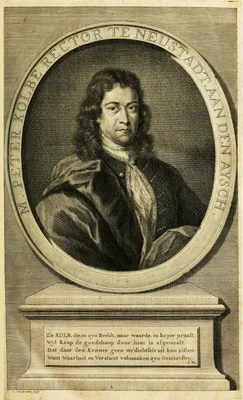
Includes the first study of the natural history of the Cape region of South Africa. Translated into English by "Mr. Medley" as The present state of the Cape of Good-Hope. 2 vols., London, 1738-31. Digital facsimile of…
1719 CE
#5576
Chirurgie in welcher Alles was zur Wund-Artzney gehöret, nach der neuesten und besten Art gründlich abgehandelt....
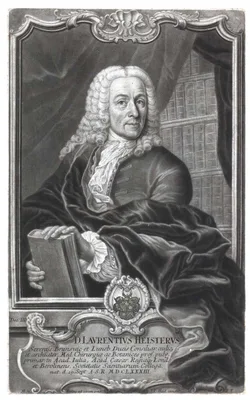
Heister was the founder of scientific surgery in Germany. His book contains many interesting illustrations and includes an account of tourniquets used in his time; Heister introduced a spinal brace. This was the most …
1725 CE
#11387
Theatrum medico-juridicum, continens varias easque maxime notabiles tam ad tribunalia ecclesiastico-civilia, quam ad medicinam forensem, pertinentes materias. Ex diversis optimorum authorum ... voluminibus excerptum .... Opus jctis, physicis, practicis, studiosis, chirurgis, aliisque utile et necessarium.
Digital facsimile from Google Books at this link.
1740 CE–1761 CE
#9561
Die monatlich-herausgegeben Insecten-Belustigung. 4 vols.
Spectacular hand-colored plates."Insecten-Belustigung, appeared in 1740 and was devoted to the insects and other invertebrates like the sea anemones. His classification of the insects followed a natural system and he …
1754 CE–1759 CE
#1809.1
Opera botanica per duo saecula desiderata vitam auctoris et operis historiam cordi librum quintum cum adnotationibus Gesneri in totum opus ut et Wolphii fragmentum historiae plantarum Gesnerianae adiunctis indicibus iconum tam olim editarum... ex bibliotheca C.J. Trew. Nunc primum in lucem edidit et praefatus est Casimirus Christophorus Schmiedel. 2 vols.
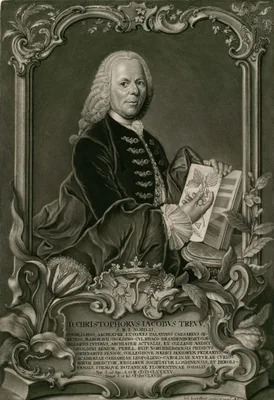
Stricken with the plague at the age of 49, Gesner was unable to complete his Historia plantarum (See No. 1807.) His collection of botanical watercolors changed hands several times until they were acquired by the physi…
1758 CE
#9562
Historia naturalis ranarum nostratium in qua omnes earum proprietates, praesertim quae ad generationem ipsarum pertinent, fusius enarrantur.
Text in Latin and German. Includes the life cycle of all species of frogs found in Germany. Spectacular hand-colored plates. Digital facsimile from Universitätsbibliothek Heidelberg at this link.
1774 CE
#203.7
Ausfürliche Nachricht von neuentdeckten Zoolithen, unbekannter vierfüsiger Thiere…
Esper was the first to record the finding, in Gailenreuth Cave, of human bones alongside the remains of unknown and probably extinct animals. The implications of this dramatic observation published in a color plate bo…
1778 CE
#2465
Abhandlung fiber die Saamen- und Infusionsthierchen, und über die Erzeugung: nebst mikroskopischen Beobachtungen des Saamens der Thiere, und verschiedener Infusionen.
Gleichen was probably the first to attempt to stain bacteria; he used carmine and indigo.
1816 CE
#11178
Anatomie und Bildungsgeschichte des Gehirns im Foetus des Menschen: nebst einer vergleichenden Darstellung des Hirnbaues in den Thieren.
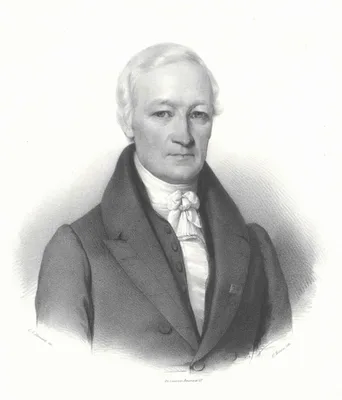
Digital facsimile from Universitätsbibliothek Heidelberg at this link.