
Facets
Browse across eight MeSH (opens in new tab) facets — era, geography, science, specialty, technology, history, culture, and reference. Select one tag per group; counts update across the others.
Clear filtersFacet filters
Geography
Specialties & Disease
- Anatomy & Pathology 7
- Cardiology & Blood 94
- Neurology & Psychiatry 27
- Obstetrics & Reproductive 5
- Infectious Disease (General) 1
- Surgery & Anesthesia 76
- Public Health 8
- Immunology & Dermatology 50
- General Clinical Medicine 1
- Military Medicine 0
- Psychology 3
- Alternative & Fringe Medicine 0
- Pediatrics 44
- Ophthalmology & Vision 12
- ENT & Hearing 5
- Urology & Nephrology 0
- Gastroenterology & Hepatology 9
- Pulmonary & Respiratory 5
- Rheumatology, Rehab & Pain 4
- Internal, Emergency & Geriatric 0
- Veterinary Medicine 2
- Epidemiology & Demography 4
- Physiology & Embryology 23
- Dentistry 3
- Plagues & Epidemics 27
- Microbiology & Virology 22
Social & Historical Studies
Institutions & Culture
Reference & Scholarly Works
Drugs & Technology
50 entries match Immunology & Dermatology [C19 / C20 / C17] · Genetics & Heredity [K01.900.300]
1986 CE
#13974
A human DNA segment with properties of the gene that predisposes to retinoblastoma and osteosarcoma.

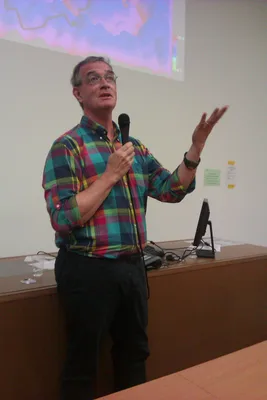

Isolation of the first human tumor suppressor gene. Order of authorship in the original publication: Friend, Bernards, Rogeli, Weinberg, Rapaport, Albert, Dryja.
1951 CE
#4154.4
A new syndrome combining developmental anomalies of the eyelids, eyebrows and nose root with pigmentary defects of the iris and head hair with congenital deafness.
“Waardenburg’s syndrome”.
1860 CE
#3459.1
A practical treatise on the aetiology, pathology, and treatment of the congenital malformations of the rectum and anus.
The first systematic treatise on the subject, and a landmark in pediatric surgery. Includes an early account of colostomy and one of the earliest histories of that procedure. Digital facsimile from the Hathi Trust at …
1963 CE
#3924.4
A simple phenylalanine method for detecting phenylketonuria in large populations of newborn infants.
Bacterial inhibition test for phenylketonuria.
1994 CE
#14015
A strong candidate for the breast and ovarian cancer susceptibility gene BRCA1.
Discovery of the BRCA1 gene using the technique of restriction fragment length polymorphism (RFLP). (Thanks to Juan Weiss for this reference and its interpretation.)
1901 CE
#3866
A study of congenital sarcoma of the liver and suprarenal. With report of a case.
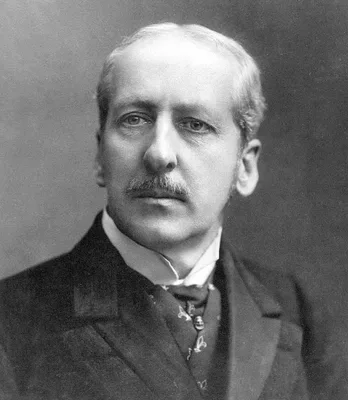
Pepper’s type of adrenal medullary tumor.
1907 CE–1908 CE
#2633
A study of heredity in relation to the development of tumours in mice.
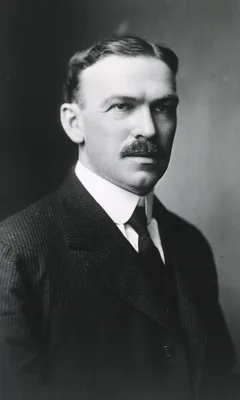
First experimental study of the heredity of mouse cancer.
1698 CE
#3166
A treatise of the asthma.
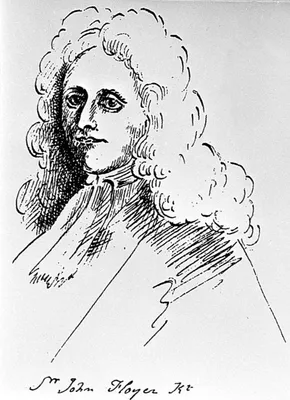
Floyer provided the first clear descriptions of cases of bronchial asthma. Floyer himself suffered from asthma for over 30 years. He recognized the influence of heredity in asthma. The above includes (p. 239) an impor…
1784 CE
#2734.4
A treatise on the diseases of children.
Underwood laid the foundation of modern pediatrics. His work was superior to anything that had previously appeared and remained the most important book on the subject for sixty years, passing through many editions. Th…
1822 CE–1823 CE
#3912
Account of a singular variety of urine, which turned black soon after being discharged; with some particulars respecting its chemical properties.
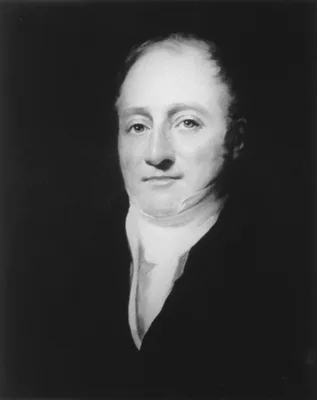
Alkaptonuria described.
1952 CE
#2578.9
Agammaglobulinemia.
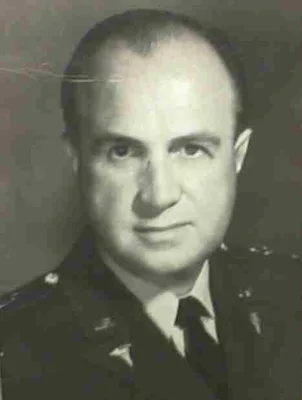
First report.
1731 CE
#4013
An extract from the minutes of the Royal Society, March 16, 1731, containing an uncommon case of a distempered skin.
First known description of Ichthyosis hystrix, a group of rare skin disorders in the ichthyosis family of skin disorders characterized by massive hyperkeratosis with an appearance like spiny scales. Digital facsimile …
1928 CE
#2652
Cancer and heredity.
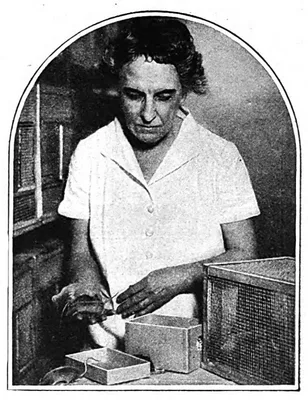
By selective breeding over a period of 15 years, Slye produced generations of mice absolutely resistant to, or particularly susceptible to, cancer. She demonstrated that resistance is a Mendelian dominant and suscepti…
1979 CE
#14007
Characterization of a 54K Dalton cellular SV40 tumor antigen present in SV40 transformed cells and uninfected embryonal carcinoma cells.
Levine discovered the tumor suppressor protein p53, also known as Tumor protein P53. Because it prevents cancer formation TP 53 is classified as a tumor suppressor gene. The discovery was completed in 1989 and recorde…
1886 CE
#3790
Congenital absence of hair and mammary glands with atrophic condition of the skin and its appendages in a boy whose mother had been almost wholly bald from alopecia areata from the age of six.
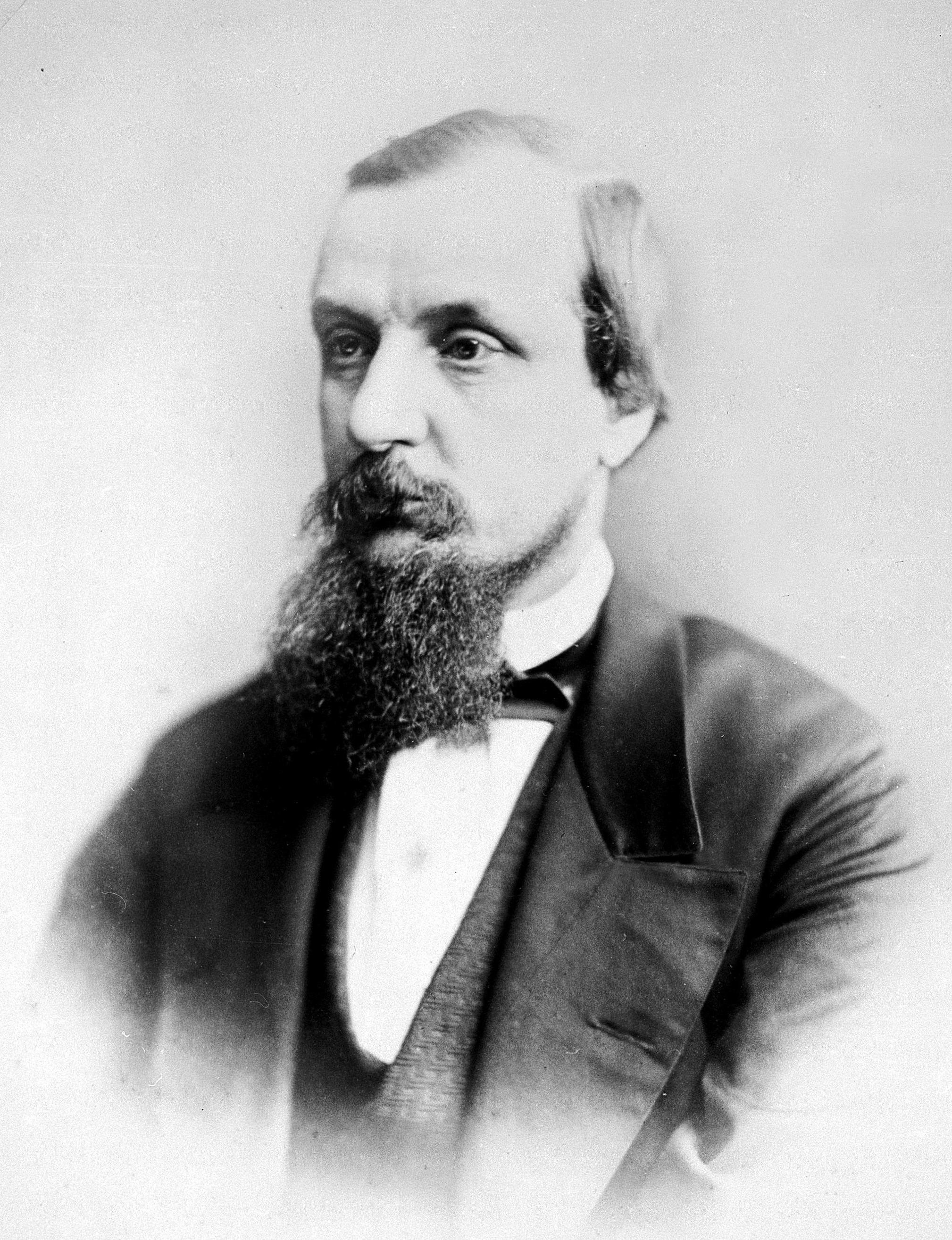
First description of progeria.
1896 CE
#3840.1
Deaf-mutism and goitre.
Pendred syndrome, a genetic disorder leading to congenital bilateral (both sides) sensorineural hearing loss and goitre with euthyroid or mild hypothyroidism (decreased thyroid gland function).
1926 CE
#3785
Der Morbus Gaucher und die ihm ähnlichen Erkrankungen. (Die lipoidzellige Splenohepatomegalie Typus Niemann und die diabetische Lipoidzellenhyperplasie der Milz.)
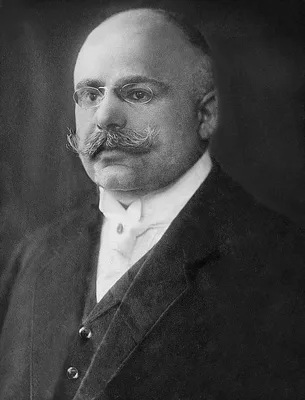
“Niemann-Pick disease” – a group of inherited, severe metabolic disorders, first noted by Albert Niemann in 1914, (No. 3784) in 1914. Pick’s account is of greater importance.
1887 CE
#4093
Dermatitis venenata: An account of the action of external irritants upon the skin.
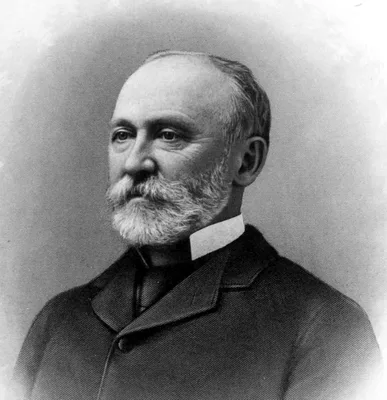
White, a pupil of Hebra, was an outstanding personality in American dermatology; he held the first chair in that subject in the U.S.A. The eponym “White’s disease” refers to his description of kerato…
1976 CE
#2660.28
DNA related to the transforming gene(s) of avian sarcoma viruses is present in normal avian DNA.

Discovery of the first “oncogene. In 1989 Varmus and Bishop shared the Nobel Prize for in Physiology or Medicine "for their discovery of the cellular origin of retroviral oncogenes."
2008 CE
#13058
DNA sequencing of a cytogenetically normal acute myeloid leukaemia genome.
Ley and collaborators decoded all the genes of a person with cancer (acute myeloid leukemia (AML)) and found a set of mutations that might have caused the disease or aided its progression.
1965 CE
#4154.8
Genetic classification of ichthyosis.
Sex-linked recessive ichthyosis shown to be an important but not uncommon entity. See also Kerr & Wells: Sex-linked ichthyosis. Ann. hum. Genet., 1965, 29, 33-50.
1865 CE
#3915
Glycosurie, diabète sucré. In his Clinique médicale de l’Hôtel-Dieu, 2me. éd., 2, 663-98.
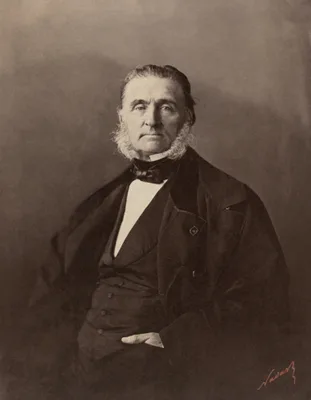
First description of hemochromatosis.
1913 CE
#9443
Heredity with reference to carcinoma: As shown by the study of the cases examined in the pathological laboratory of the University of Michigan, 1895-1913.
"In 1895, a young seamstress of his [Warthin's] acquaintance told him about her family's long history of cancer deaths.[6] Intrigued, he researched her family's history, searching death records and administering quest…
1946 CE
#3924.2
Heredopathia atactica polyneuritiformis; a familial syndrome not hitherto described.
“Refsum’s syndrome”, an inherited disorder of lipid metabolism.
1958 CE
#2578.30
Histocompatibility genes of the mouse.
Snell made fundamental contributions to transplantation genetics. At his suggestion genes governing transplantation were called histocompatibility genes and Gorer’s Antigen II became Histocompatibility-2 (H-2). …
1936 CE
#2576.4
Immunogenetic studies of species and of species hybrids in doves, and the separation of species-specific substances in the backcross.
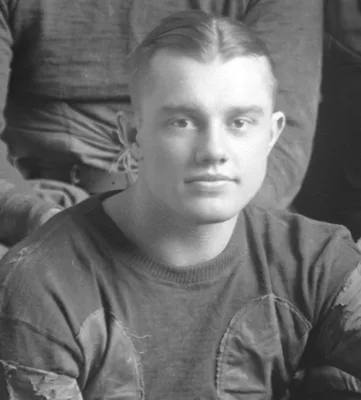
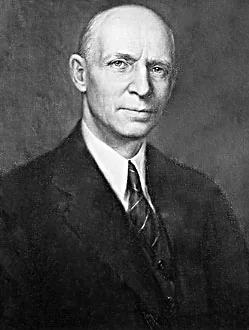
Irwin coined the term, “immunogenetics” to describe the union of immunology with genetics. He attempted to determine the genetic control of antigenicity through genetic cross matings.
1909 CE
#244.1
Inborn errors of metabolism.
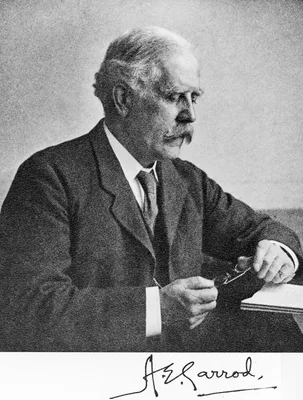
Garrod established chemical individuality as a paradigm of Mendelian variation. His study, which he began around the turn of the 20th century, coincided with the rediscovery of Mendel's laws of inheritance in 1900. He…
1933 CE
#4008
Inherited abnormalities of the skin and its appendages.
1921 CE
#10196
Le bactériophage: Son rôle dans l'immunité.
D'Hérrelle cited several actual reports of successful treatment of bacterial infections by the injection of bacteriophages in animals and humans. These may be considered early attempts at direct gene transfer i…
1859 CE
#3913
Lieber das Alcapton; ein neuer Beitrag zur Frage: welche Stoffe des Harns können Kupferreduction bewirken?
Excretion of homogentisic acid (in alkaptonuria) first described.
1990 CE
#13966
Linkage of early-onset familial breast cancer to Chromosome 17q21.
King showed that breast cancer can be inherited due to mutations in the Breast cancer type 1 susceptibility protein, a protein that in humans is encoded by the BRAC1 gene. BRCA1 is a human tumor suppressor gene (also …
1994 CE
#14016
Location of a breast cancer susceptibility gene, BRACA2, to chromosome 13q12-13.
Stratton and colleagues discovered the BRCA2 gene. Oder of authorship in the original publication: Wooster, Neuhausen, Mangion....Stratton. (Thanks to Juan Weiss for this reference and its interpretation.)
1832 CE
#3990.1
Monographie des dermatoses.
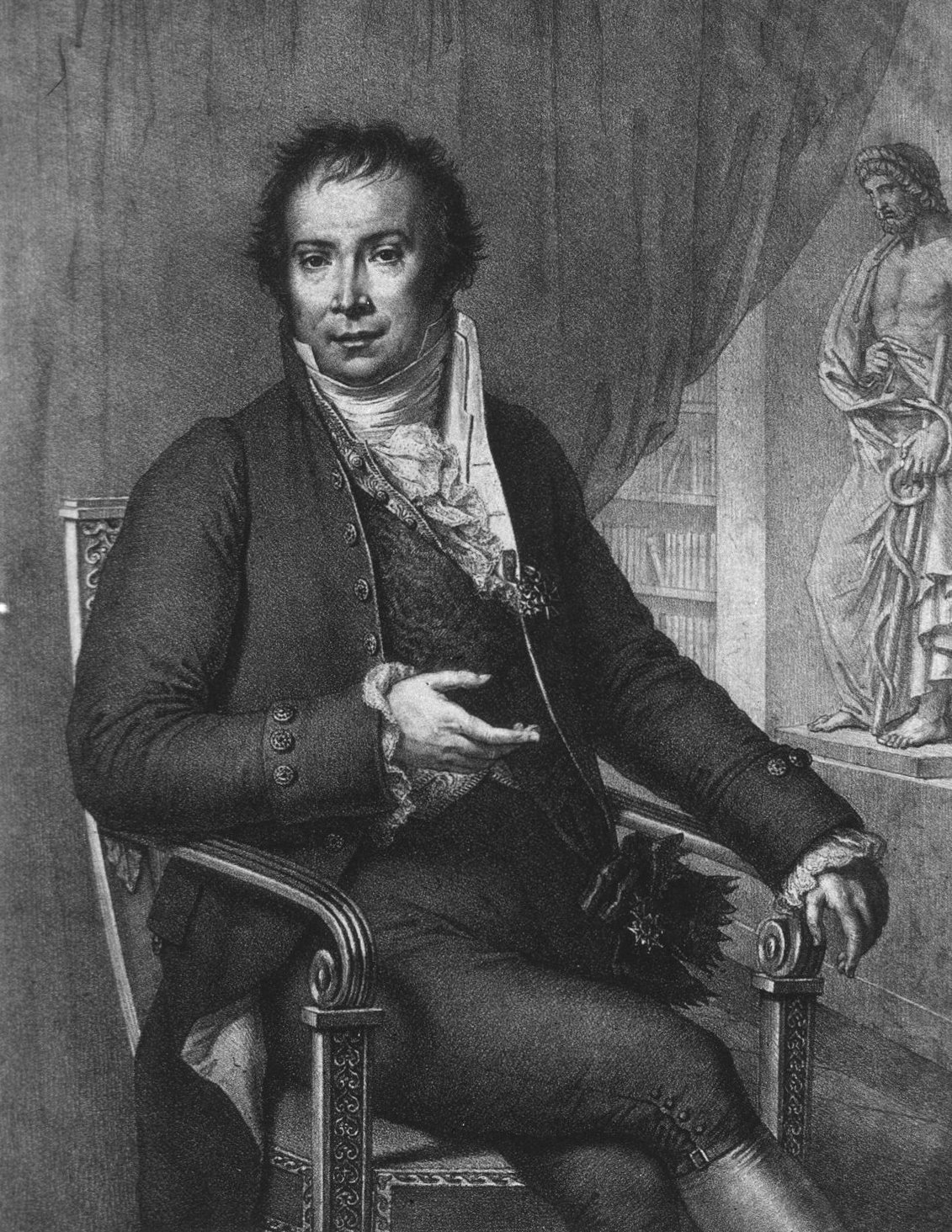
This includes the first published illustration of Alibert’s famous “family tree” for the classification of skin diseases, a concept which Alibert borrowed freely from Torti (No. 5231). This classific…
1907 CE
#2714
Multiple hereditary developmental angiomata (telangiectases) of the skin and mucous membranes associated with recurring haemorrhages.
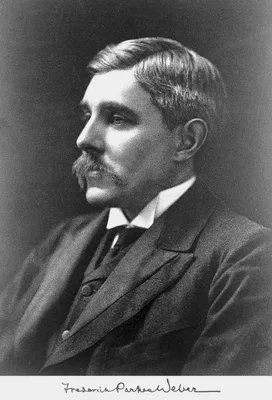
“Rendu–Osler–Weber disease.”
1971 CE
#13964
Mutation and cancer: Statistical study of retinoblastoma.
In this paper Knudson first described his "two-hit hypothesis," also known as the "Knudson hypothesis," which explains the incidence of hereditary cancers, such as retinoblastoma. "Humans inherit two copies of every g…
1614 CE
#3789
Observationum in hominis affectibus plerisque, corpori & animo, functionum laesione, dolore, aliave molestia & vitio incommodantibus, libri tres.
First known report of a case of death from hypertrophy of the thymus, in an infant, is reported on p. 172; it is reproduced on p. 239 of J. Ruhräh’s Pediatrics of the past, New York, 1925. Platter first des…
1897 CE
#3792
On a condition of mixed premature and immature development.
Hastings Gilford gave progeria its name; it was first fully reported by him in Practitioner, 1904, 73, 188-217. Digital facsimile of the 1897 paper from PubMedCentral at this link.
1901 CE
#2711
On a family form of recurring epistaxis, associated with multiple telangiectases of the skin and mucous membranes.
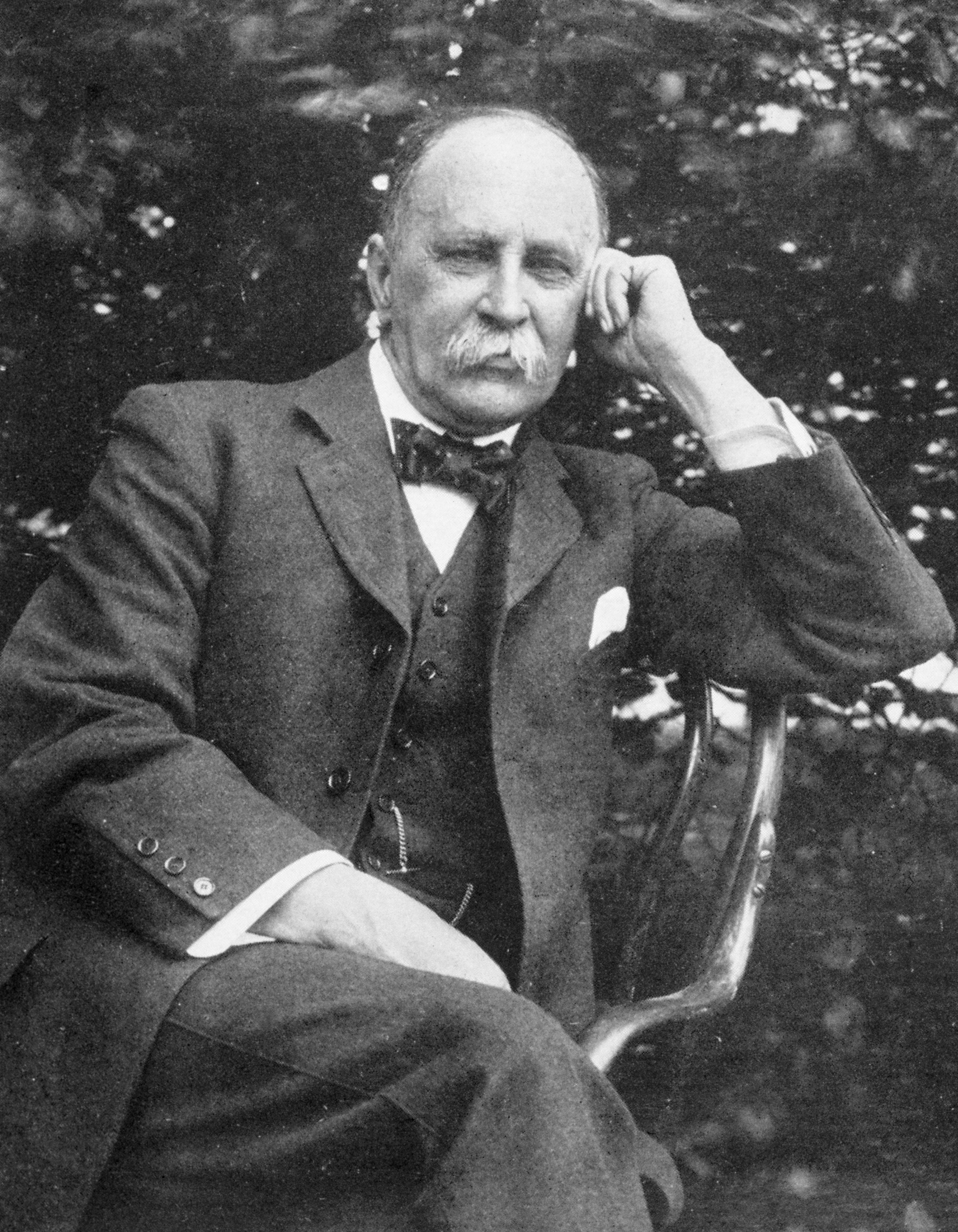
“Rendu–Osler–Weber disease.” Multiple hereditary telangiectasis was first described by Legg (No. 2707) in 1876 and later by Rendu (No. 2710) and Weber (No. 2714). Reprinted in Medical Classics,…
1878 CE
#4075.1
On the treatment of psoriasis by an ointment of chrysophanic acid.
Introduction of chrysarobin in dermatology.
1880 CE–1882 CE
#11153
Recherches sur les difformités congénitales chez les monstres, le foetus et l'enfant.
Published as Vol. 1 of Oeuvres de Docteur Jules Guerin, of which this work was all published. Digital facsimile from Google Books at this link.
1846 CE–1848 CE
#3912.1
Several specimens of cystine exhibited, with the particulars of two cases in which this deposit occurred in the urine.
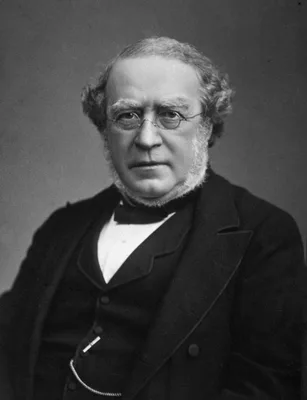
Cystinuria described.
1929 CE
#4397
Sur une forme de dystrophie osseuse familiale.
“Morquio’s disease”, eccentro-osteochondrodysplasia.
1923 CE
#7407
The elephant man and other reminiscences.
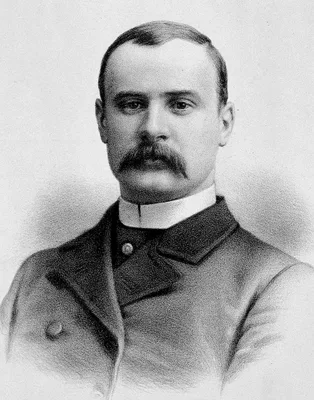
The story of Treves's patient, Joseph Carey Merrick (1862-1890), incorrected identified by Treves in these reminiscences as "John Merrick." The story was retold in The elephant man, Bernard Pomerance's 1977 play about…
1937 CE
#2576.5
The genetic and antigenic basis of tumour transplantation.
Gorer made the initial discoveries which formed the basis of transplantation genetics. He studied mouse blood groups and described an antigen in erythrocytes (antigen II). His studies established the laws of transplan…
1924 CE
#2573.1
The genetics of tissue transplantation in mammals.
Little established that the homograft reaction was due to genetic differences between donor and recipient.
2013 CE
#14101
The haplotype-resolved genome and epigenome of the aneuploidy HeLa cancer cell line.
Adey and colleagues sequenced the haplotype-resolved whole genome of the HeLa cancer cell line. This showed a highly rearranged region at chromosome 8q24.21, where an integration locus of the HPV (human papillomavirus…
1868 CE
#4056.1
Ueber Cataracten in Verbindung mit einer eigenthümlichen Haut-de-generation.
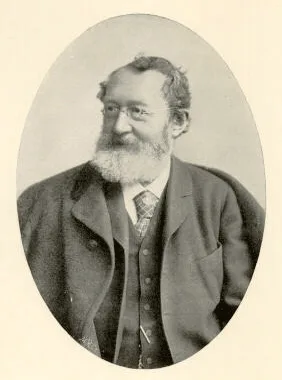
Poikiloderma congenitale (Rothmund).
1895 CE
#3918
Ueber die Pentosurie, eine neue Anomalie des Stoffwechsels.
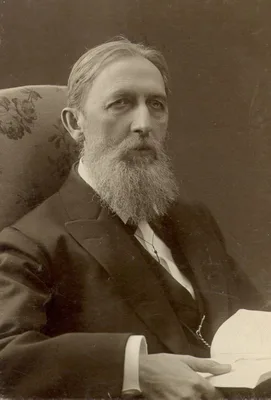
Pentosuria first described.
1792 CE
#6358
Von Menschen ohne Haare und Zähne.
Hereditary ectodermal dysplasia first described. Digital facsimile from Google Books at this link.
1914 CE
#7759
Zur Frage der Entstehung maligner Tumoren.
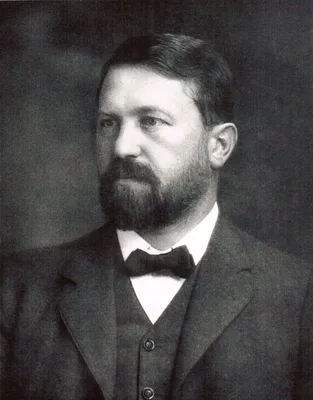
Boveri argued that malignancy arises as a consequence of chromosomal abnormalities, and that multiplication is an inherent property of cells. He predicted the existence of tumor suppressor mechanisms and was perhaps t…