
Facets
Browse across eight MeSH (opens in new tab) facets — era, geography, science, specialty, technology, history, culture, and reference. Select one tag per group; counts update across the others.
Clear filtersFacet filters
Geography
Specialties & Disease
- Anatomy & Pathology 765
- Cardiology & Blood 914
- Neurology & Psychiatry 1,256
- Obstetrics & Reproductive 550
- Infectious Disease (General) 147
- Surgery & Anesthesia 1,551
- Public Health 1,129
- Immunology & Dermatology 1,404
- General Clinical Medicine 480
- Military Medicine 436
- Psychology 202
- Alternative & Fringe Medicine 383
- Pediatrics 247
- Ophthalmology & Vision 412
- ENT & Hearing 293
- Urology & Nephrology 309
- Gastroenterology & Hepatology 316
- Pulmonary & Respiratory 233
- Rheumatology, Rehab & Pain 188
- Internal, Emergency & Geriatric 123
- Veterinary Medicine 165
- Epidemiology & Demography 397
- Physiology & Embryology 923
- Dentistry 259
- Plagues & Epidemics 1,279
- Microbiology & Virology 1,080
Social & Historical Studies
Institutions & Culture
Reference & Scholarly Works
1,279 entries match Plagues & Epidemics [C01.252]
1978 CE
#13020
Epidemic disease in fifteenth century England: The medical response and the demographic consequences.
1923 CE
#5228
Epidemics I and III. In [Works] with English translation by W.H.S. Jones, 1, 139-287
![HIPPOCRATES, [Ἱπποκράτης; Hippocrates of Kos] (-460 – -370)](/media/portraits/50)
Hippocrates may be regarded as the first malariologist; he clearly and fully described the intermittent fevers; he was acquainted with seasonal and topographical variations in the distribution of malaria; and he recog…
1640 CE
#1673
Epidemiorum et ephemeridum libri duo.
A pupil of Fernel, De Baillou was a follower of Hippocrates in his advancement of the doctrine of “epidemic constitutions”. Crookshank regards him as the first modern epidemiologist. This work includes the…
1546 CE
#1810.1
Epistola, rationem modumque propinandi radicis Chynae decocti…
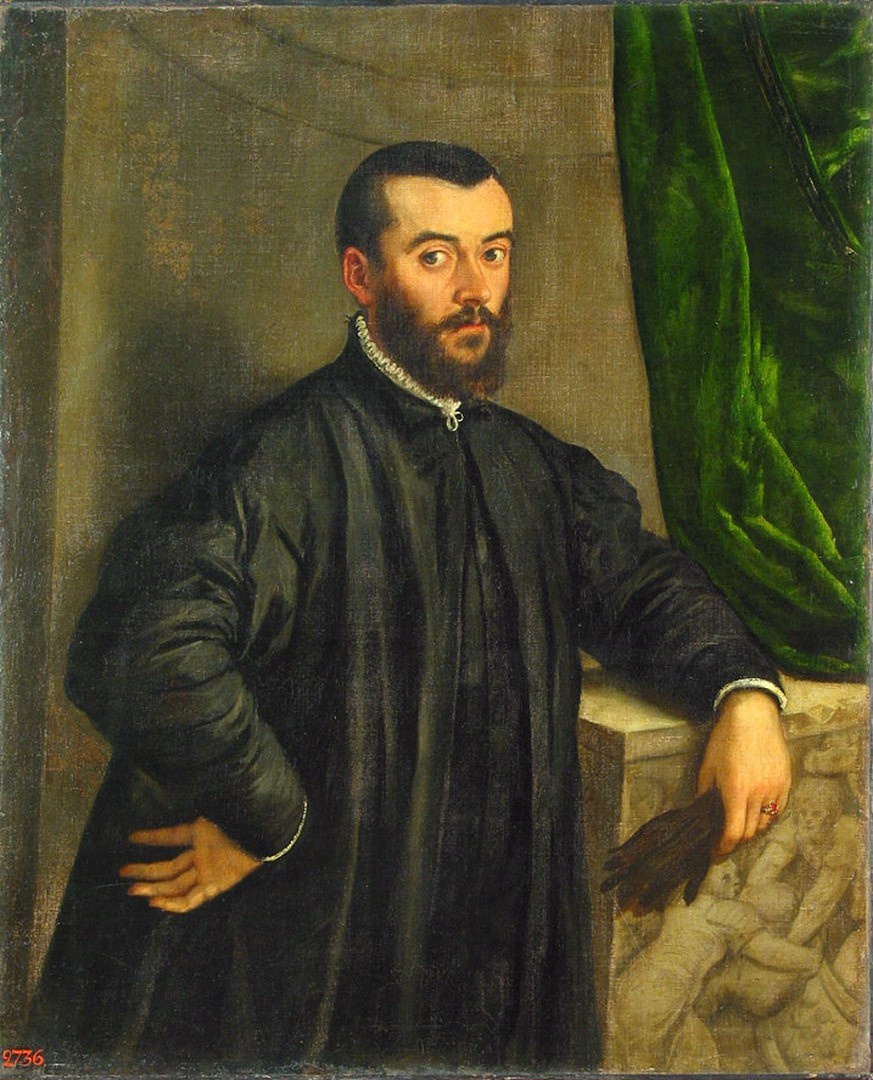
In this work on the discovery and therapeutic use of the china root (Smilax china) in the treatment of syphilis, Vesalius described the first attempt to formulate methods of identification of an exotic drug. He also o…
1681 CE
#5161
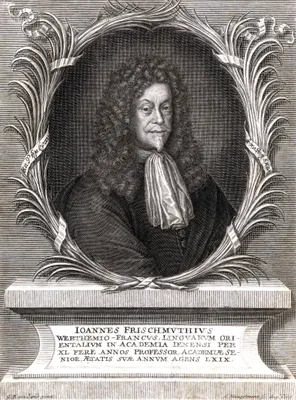
Epistola… qua simul de anthrace, carbunculo, bubone et altauna, philologice disseritur.
1909 CE
#10406
Eradicating plague in San Francisco. Report of the Citizen's Health Committee and an account of its work. With brief descriptions of the measures taken, copies of ordinances in aid of sanitation, articles by sanitarians on the nature of plague and the best means of getting rid of it, facsimiles of circulars issued by the committee and a list of subscribers to the health fund. March 31, 1909. Prepared by Frank Morton Todd, historian for the Committee.
Digital facsimile from the Internet Archive at this link.
2019 CE
#13797
Eradicating smallpox in Ethiopia. Peace Corps Volunteers' Accounts of their Advantures, Challenges and Achievements. Edited by James W. Skelton, Gene L. Bartley, John Scott Porterfield, Alan Schnur.
1978 CE
#10783
Erythema chronicum migrans and Lyme arthritis: Epidemiologic evidence for a tick vector.
The authors showed that a tick was the insect vector for Lyme disease. The tick (the "Deer Tick") is named lxodes dammini. Order of authorship in the original paper was Steere, Broderick, and Malawista. (Thanks to Jua…
1924 CE
#2343
Essai d’immunisation contre l’infection tuberculeuse.
B.C.G. (Bacille Calmette–Guérin) vaccine was first produced in 1906 and subcultured for 13 years. It was first used as a prophylactic against tuberculosis in children in 1921. It remains in use. See also …
1926 CE
#5289
Essai de prophylaxie des trypanosomiases par des dérivés phénylarsiniques administré
First attempt to induce prophylaxis by chemical means in trypanosomiasis. With S. Nicolau and I. Galloway.
1769 CE
#5304
Essay on the natural history of Guiana, in South America. Containing a description of many curious productions in the animal and vegetable systems of that country. Together with an account of the religion, manners, and customs of several tribes of its Indian inhabitants. Interspersed with a variety of literary and medical observations. In several letters....
Bancroft was an English physician who lived for many years in South America. He noted the transmission of yaws by flies (p. 385 of his book). Digital facsimile from the Internet Archive at this link.
2014 CE
#13213
Ethnobotany of tuberculosis in Laos.
2016 CE
#9895
Ethnographic plague: Configuring disease on the Chinese-Russian frontier.
"Challenging the concept that since the discovery of the plague bacillus in 1894 the study of the disease was dominated by bacteriology, Ethnographic Plague argues for the role of ethnography as a vital contributor to…
1919 CE
#4651
Etiology of epidemic (lethargic) encephalitis. Preliminary note.
Experimental transmission of encephalitis lethargica.
1929 CE
#5538.2
Etiology of Oroya fever. XIV. The insect vectors of Carrión’s disease.
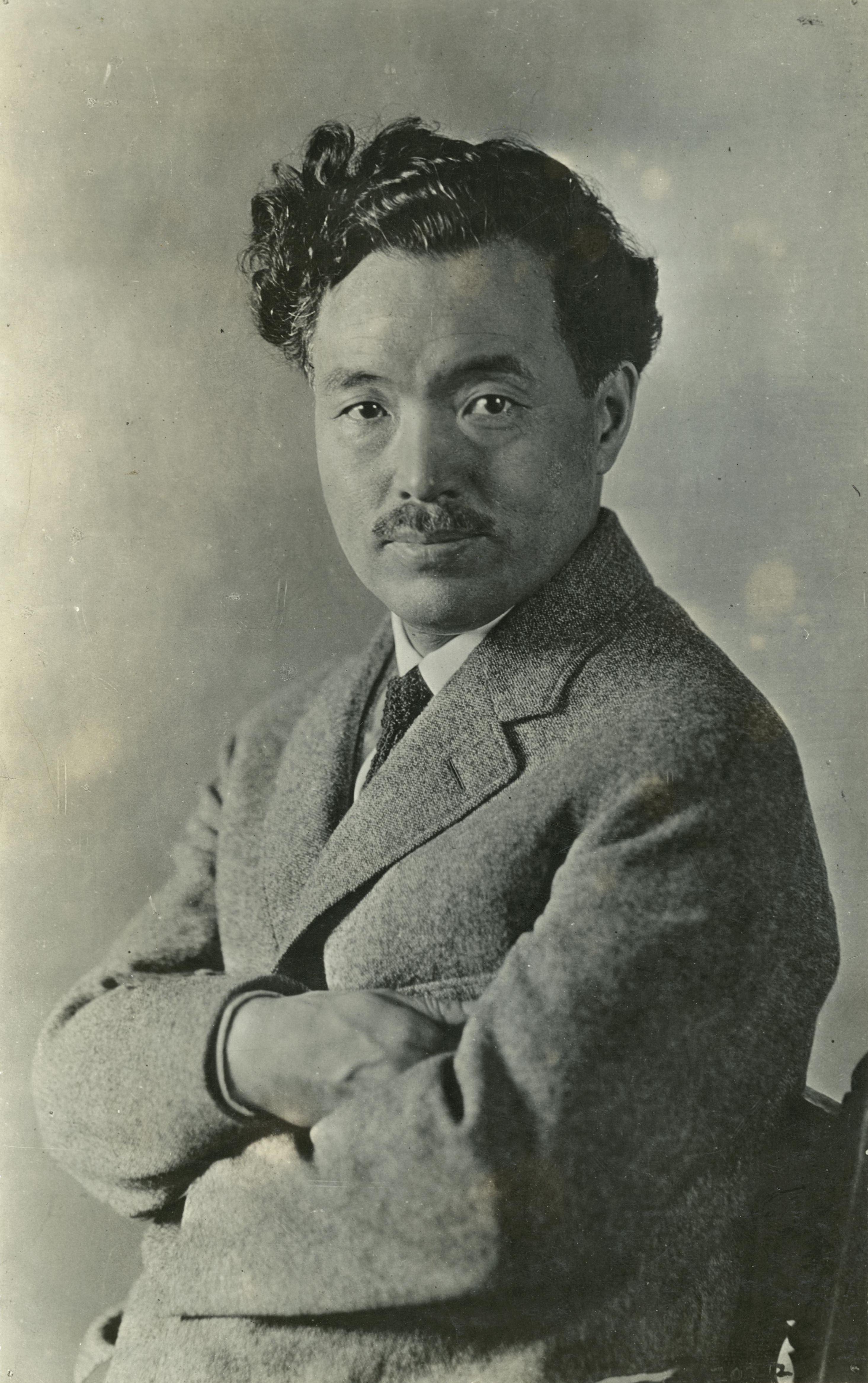
Phlebotomus sand flies shown to be the vector of Oroya fever. With R. C. Shannon, E. B. Tilden, and J. B. Tyler.
1877 CE
#5168
Étude sur la maladie charbonneuse.
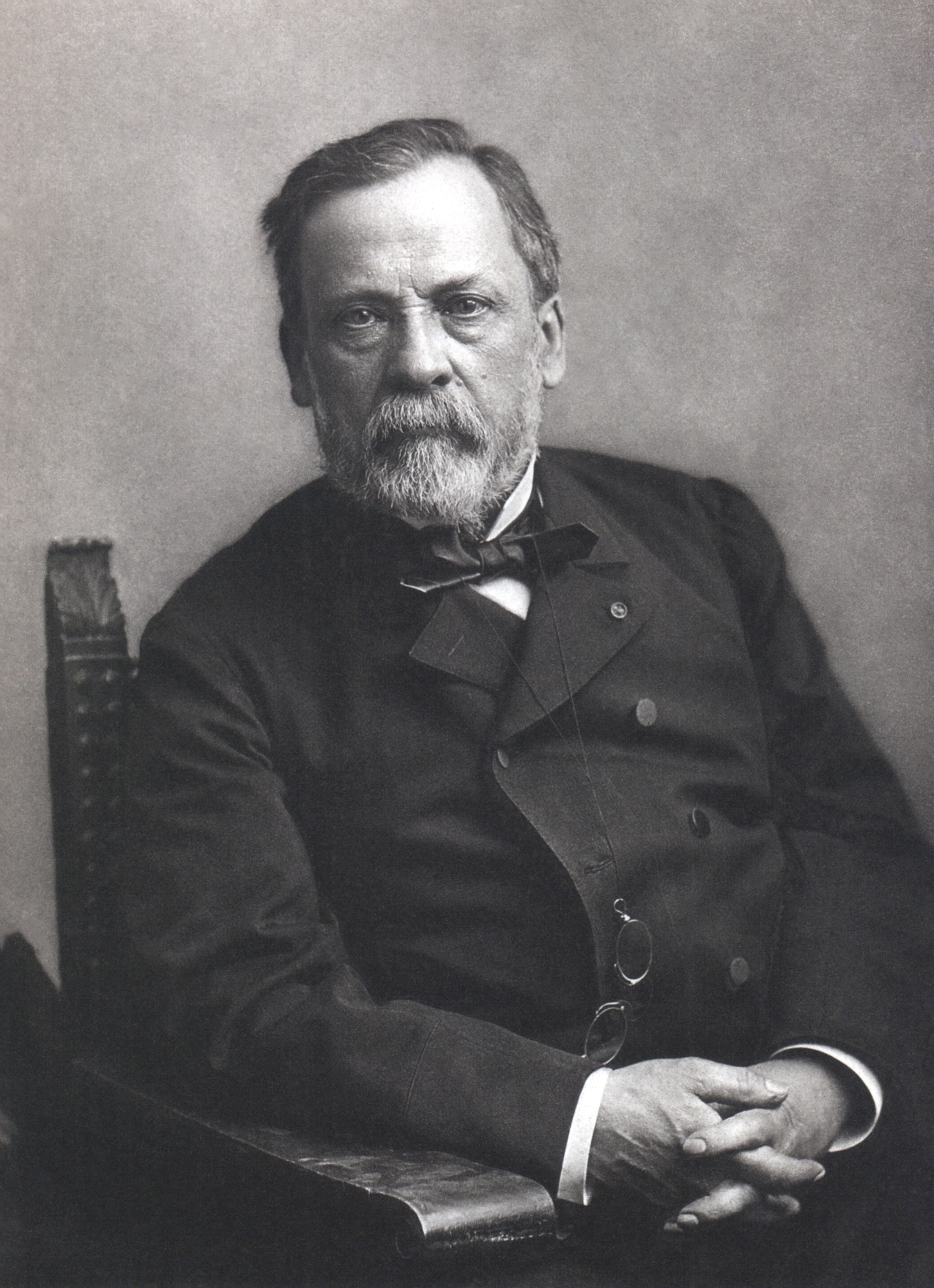
Pasteur confirmed Koch’s results regarding anthrax; with Joubert he carried the bacillus through 100 generations and succeeded in producing anthrax from the last, thus disposing of the idea of a separate virus.
1891 CE
#5272
Étude sur les parasites du sang chez les paludiques.
Nepveu, whilst in Algeria, was the first to see trypanosomes in human blood.
1903 CE–1904 CE
#2398
Études expérimentales sur la syphilis.
Metchnikoff and Roux successfully transmitted syphilis from man to the higher apes. Although not the first to do this, they recorded much new information concerning the disease.
1890 CE
#5240.1
Études sur l’infection malarique. Sur la variété parasitaire des corps en croissant de Laveran et sur les fièvres palustres qui en dérivent.
Canalis demonstrated and clearly differentiated Plasmodium falciparum from the species vivax and malariae.
1868 CE
#2324
Etudes sur la tuberculose; preuves rationelles et expérimentales de sa spécifité et de son inoculabilité.
Villemin inoculated guinea-pigs and rabbits with sputum, caseous material, and miliary tubercles, with resulting development of tuberculosis. His brilliant experimental work proved tuberculosis to be a specific infect…
1986 CE
#9331
Evidence for human infection with an HTLV III/LAV-like virus in Central Africa, 1959.

Order of authorship in the original paper: Nahmias, Weiss, Yao...Kanki, Essex. The authors presented evidence for the first or earliest infection with HIV in a human. This paper reported on a patient from Kinshasa, Za…
1979 CE
#13368
Evolution des sciences de la santé et de l'hygiène publique en Haiti. Vol.1, Fin de la période coloniale-1915.
1730 CE
#10109
Exanthematologia ; or, an attempt to give a rational account of eruptive fevers, especially of the measles and small pox, In two parts. Parts I Of the blood, the air, venoms, Infection: fever of all kinds in general with their varieties, descriptions, names & C but more professedly and fully of the measles ... Part II Of the small pox ... To which is added. An appendix concerning inoculation.
Includes the first clear account of chicken pox as a distinct disease, and the first distinction between the spots made by flea bites from those seen in eruptive fevers.
1938 CE
#5258
Exo-erythrocytic schizogony in Plasmodium gallinaceum Brumpt, 1935.
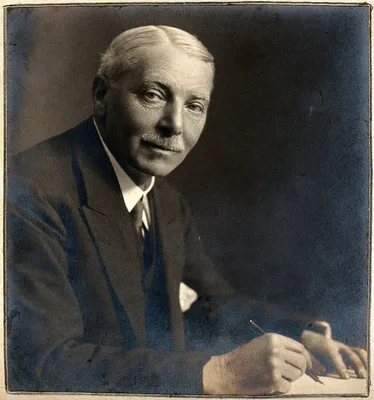
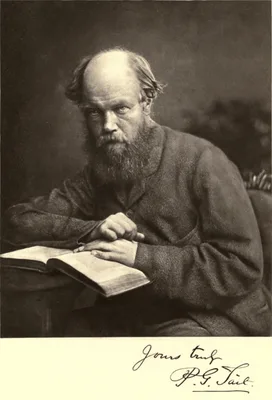
The term “exo-erythrocytic stage” introduced to describe the unpigmented schizonts found in tissue cells. The parasite Plasmodium gallincaceum described by Alexandre Joseph Emile Brumpt causes malaria in p…
2015 CE
#13531
Expelling the plague: The Health Office and the implementation of quarantine in Dubrovnik, 1377-1533.
1889 CE
#2394
Expériences sur la toxicité du bismuth.
Balzer was the first to suggest bismuth in the treatment of syphilis.
1970 CE
#2442.5
Experimental and clinical studies on rifampicin in treatment of leprosy.
With J. M. H. Pearson and M. F. R. Waters.
1843 CE
#2294
Experimental and practical researches on the structure and function of blood corpuscles; on inflammation; and on the origin and nature of tubercles in the lungs.
Addison gave an important account of the process of inflammation. See L.J. Rather, Addison and the white corpuscles: An aspect of nineteenth-century biology. London, Wellcome Institute, 1972. See also No. 3059.
1907 CE
#5473
Experimental investigations regarding the aetiology of dengue fever, with a general consideration regarding the disease.
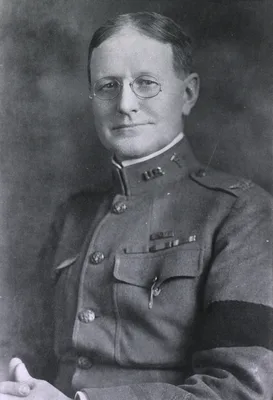
Proof that the causal organism of dengue is a filterable virus. Published also in J. infect. Dis., 1907, 4, 440-75.
1934 CE
#4688
Experimental lymphocytic choriomeningitis of monkeys and mice produced by a virus encountered in studies of the 1933 St. Louis encephalitis epidemic.
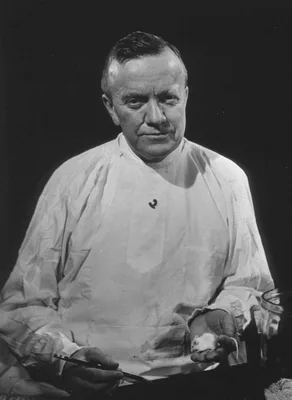
Isolation of the virus of benign lymphocytic choriomeningits.
1911 CE
#5448
Experimental measles in the monkey.
Measles transmitted to monkeys.
1905 CE
#5446
Experimental measles.
Experimental human transmission of measles.
1900 CE
#5252.2
Experimental proof of the mosquito-malaria theory.
In a classic demonstration Manson allowed infected mosquitoes from Rome to bite a volunteer (his son) in London, who developed malaria 15 days later with tertian parasites in the blood, and who was cured by quinine.
1931 CE
#5475
Experimental studies of dengue.
Proof that Aëdes albopictus is a vector of dengue. See also the earlier paper in the same journal, 1930, 41, 215-29. With J. H. St. John and F. H. K. Reynolds.
1928 CE
#5462
Experimental transmission of yellow-fever to laboratory animals.
Experimental infection of the monkey, Macacus rhesus, with the yellow fever virus. Stokes succumbed to yellow fever while investigating the disease. With J. H. Bauer and N. P. Hudson.
1925 CE
#4652
Experimentelle Übertragung von Herpes zoster auf den Menschen und die Beziehungen von Herpes zoster zu Varicellen.
First demonstration of the infectivity of herpes.
1959 CE
#2353.2
Experiments on the antituberculous activity of alpha-ethyl-thioisonicotinamide.
Ethionamide. With F. Grumbach and D. Liberman.
1928 CE
#5396.1
Experiments relating to the pathology and the etiology of Mexican typhus (tabardillo).
Mooser differentiated murine from epidemic typhus. The causative organism was later named Rickettsia mooseri.
2006 CE
#13890
Expunging variola: The control and eradication of smallpox in India 1947-1977.
1958 CE
#5289.1
Factors that may influence the infection rate of Glossina palpalis with Trypanomosoma gambiense. 1. The age of the fly at the time of the infected feed.

Wijers showed that the tsetse fly is infected during its first or second blood meal, but not afterwards, information of considerable importance in determining the criteria for the transmission of trypanosomiasis.
1493 CE–1494 CE
#363.1
Fascicolo di medicina. Tr: Sebastianus Manilius. Add: Petrus de Tussignano: Consilium pro peste evitanda. Mundinus: Anatomia (Ed: Petrus Andreas Morsianus).
This Italian translation contains an entirely new and more extensive series of woodcuts and additional text. The dramatically improved and more realistic illustrations, which were reproduced in the numerous later edit…
1491 CE
#363
Fasciculus medicinae. Add: Petrus de Tussignano: Consilium pro peste evitanda.
A collection of short medical treatises which circulated widely in manuscript, some as early as the 13th century, and was perhaps attributed by the printers to its former owner, Johannes von Kirchheim, a professor of …
2005 CE
#10415
Fever of war: The influenza epidemic in the U.S. Army during World War I.
2011 CE
#10918
Fever with thrombocytopenia associated with a novel Bunyavirus in China.
Order of authorship in the original paper: Yu, Liang, Zhang. Discovery of a new virus, suspected by the authors to be tick-borne. The authors named the virus, "severe fever with thrombocytopenia syndrome virus" (SFTSV…
1911 CE
#5460.1
Fiebre amarilla y fiebre espiroquetal; endemias y epidemias en Muzo, de 1907 a 1910.
Franco, J. Martínez-Santamaria, and G. Toro-Villa described epidemics of yellow fever spread by mosquitoes other than Ae. aegypti. Later F. L. Soper, et al., Amer. J. Hyg., 1933, 18, 555-87, substantiated this.
1854 CE
#5454.1
Fiebre amarilla.
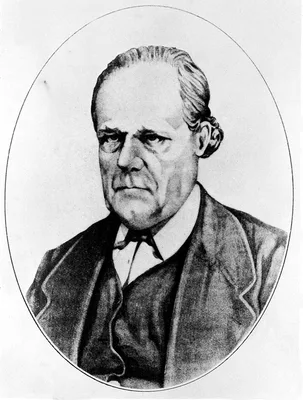
Beauperthuy was the first protagonist of the mosquito theory of the transmission of yellow fever. Reprinted in Beauperthuy’s La Obra, Caracas, 1963, pp. 260-70; French translation in Travaux scientifiques de Lou…
1869 CE
#5312
Fièvre à rechutes. (Thesis.)
Silliau gave a good account of the epidemic of relapsing fever at Réunion, 1865. He showed the contagious nature of the disease.
1981 CE
#8028
Fighting the plague in seventeenth century Italy.
1877 CE
#10787
Filiaria sanguinis hominis - mature form.
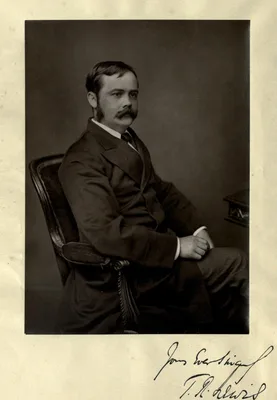
Lewis made the critical connection/association of the worm, Filaria sanguinis,(Wuchereria bancrofti ) to Elephantiasis. This brief account appears to be a third person account summarizing Lewis's work written by an ed…
1973 CE
#8136
Final report of the Tuskegee Syphilis Study Ad Hoc Advisory Panel.
Digital facsimile from http://biotech.law.lsu.edu/ at this link.