
Facets
Browse across eight MeSH (opens in new tab) facets — era, geography, science, specialty, technology, history, culture, and reference. Select one tag per group; counts update across the others.
Clear filtersFacet filters
Geography
Specialties & Disease
- Anatomy & Pathology 765
- Cardiology & Blood 914
- Neurology & Psychiatry 1,256
- Obstetrics & Reproductive 550
- Infectious Disease (General) 147
- Surgery & Anesthesia 1,551
- Public Health 1,129
- Immunology & Dermatology 1,404
- General Clinical Medicine 480
- Military Medicine 436
- Psychology 202
- Alternative & Fringe Medicine 383
- Pediatrics 247
- Ophthalmology & Vision 412
- ENT & Hearing 293
- Urology & Nephrology 309
- Gastroenterology & Hepatology 316
- Pulmonary & Respiratory 233
- Rheumatology, Rehab & Pain 188
- Internal, Emergency & Geriatric 123
- Veterinary Medicine 165
- Epidemiology & Demography 397
- Physiology & Embryology 923
- Dentistry 259
- Plagues & Epidemics 1,279
- Microbiology & Virology 1,080
Social & Historical Studies
Institutions & Culture
Reference & Scholarly Works
Drugs & Technology
436 entries match Military Medicine [G02.403.810.560]
1737 CE
#2149
Traité ou reflexions tirées de la pratique sur les playes d’armes à feu.
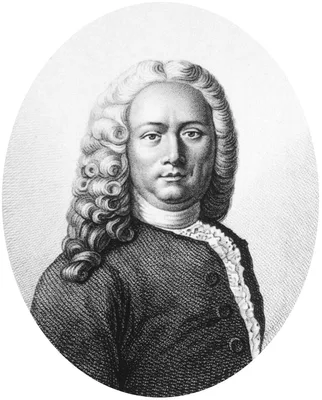
English translation, 1743.
1767 CE
#10386
Traité sur les maladies des gens de mer.
Digital facsimile from Google Books at this link.
1834 CE
#2163
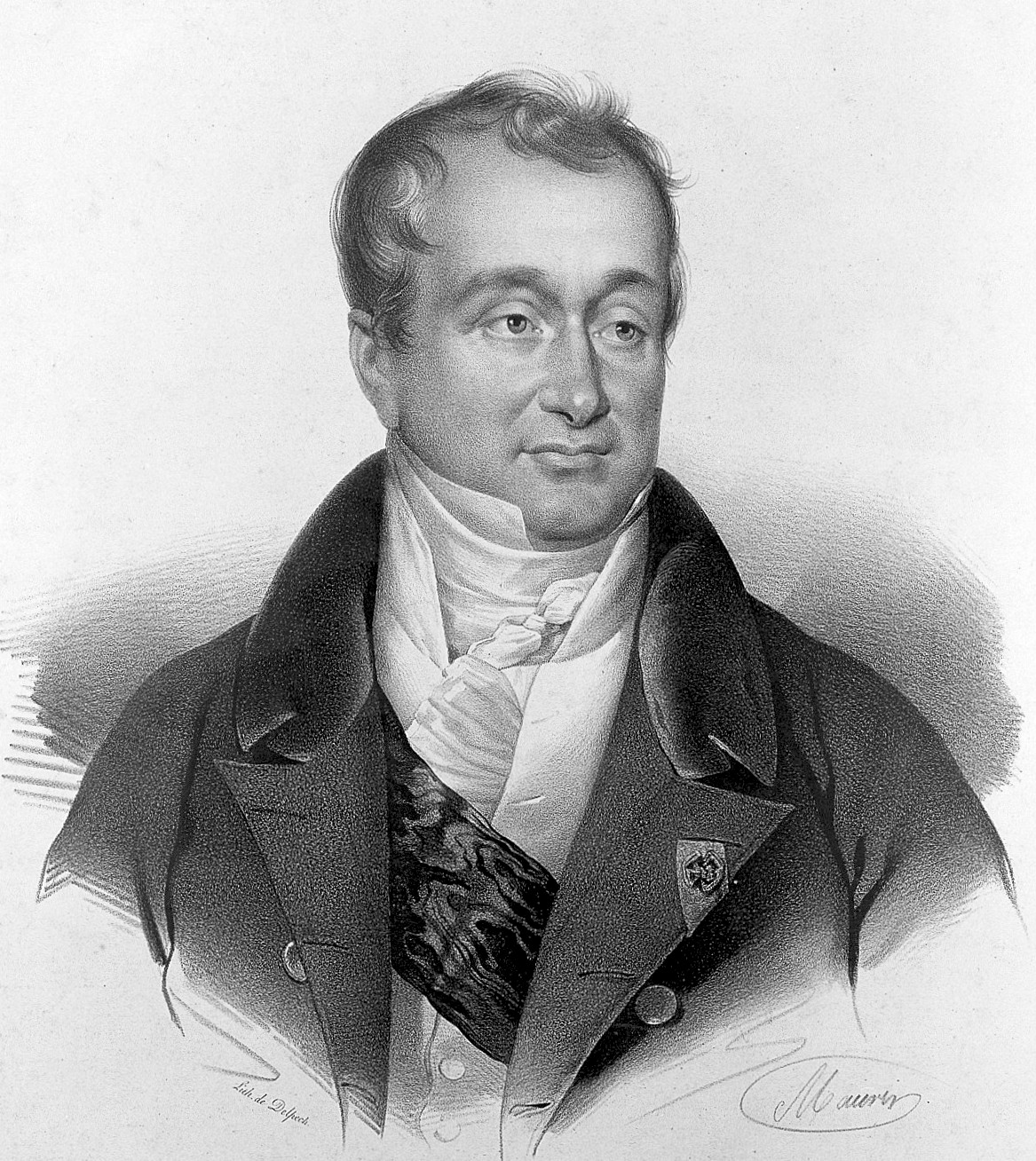
Traité théorique et pratique des blessures par armes de guerre. 2 vols.
1917 CE–1918 CE
#2021.1
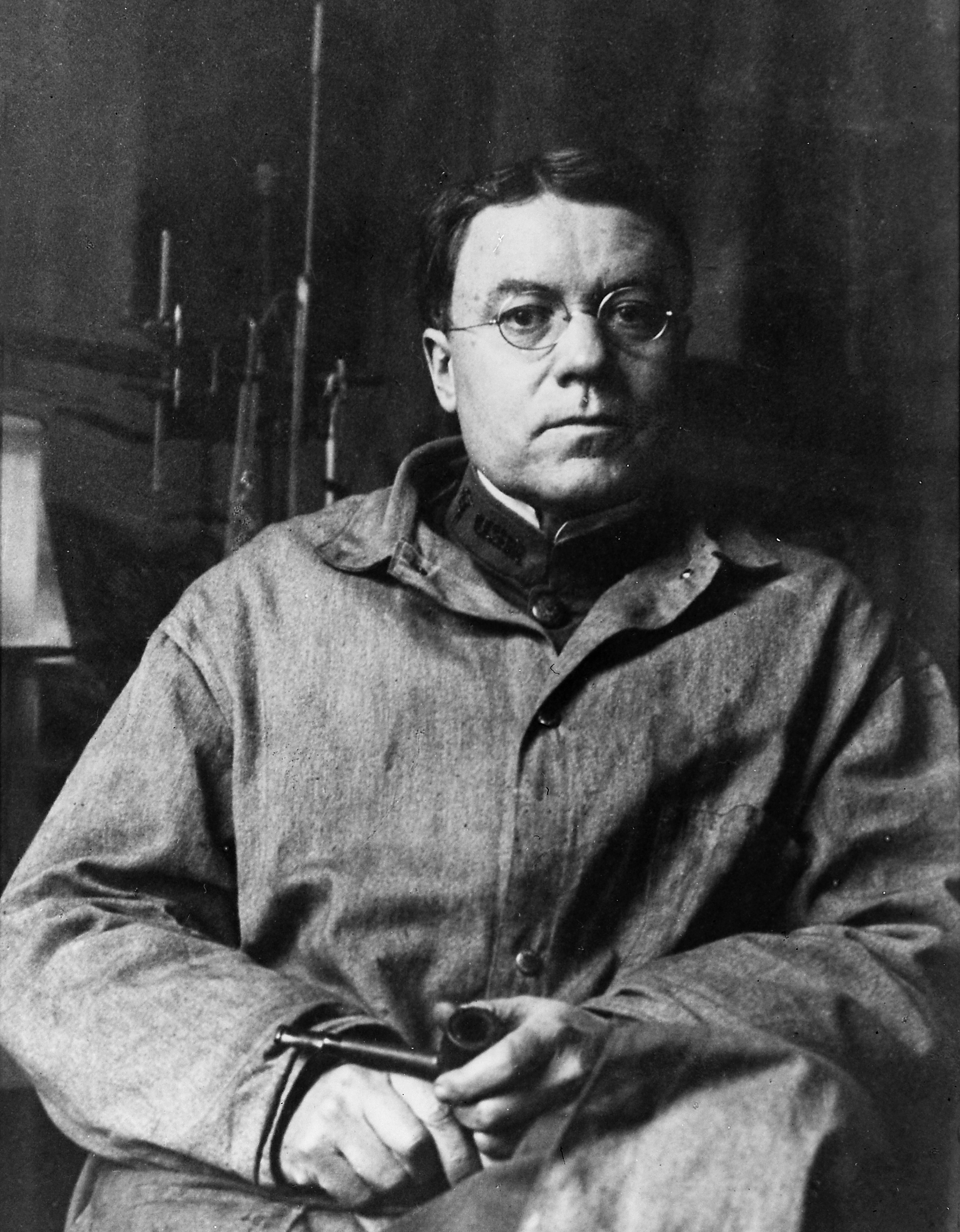
Transfusion with preserved red blood cells.
Robertson stored blood and used it with good results to treat casualties on the battlefield.
1789 CE
#13134
Tratado de las heridas de armas de fuego, dispuesto para uso de los alumnos del Real Colegio de Chirugia de Cadiz.
Probably the first significant work on military medicine by a Spanish physician. Canivell’s work, prepared for the use of students at Cadiz’s Royal College of Surgery, deals with contusions, wounds and fra…
2001 CE
#9786
Traumatic pasts: History, psychiatry, and trauma in the modern age, 1870-1930. Edited by Mark S. Micale and Paul Lerner.
1923 CE
#11567
Traumatic shock.
"In the fall of 1916, before the United States entered World War I, the National Research Council named Cannon a member of a committee on traumatic shock. Later he joined the Harvard University Hospital Unit. On his w…
1803 CE
#7367
Travels in Turkey, Asia-Minor, Syria, and across the desert into Egypt during the years 1799, 1800, and 1801, in company with the Turkish Army, and the British Military Mission.To which are annexed, observations on the plague, and on the diseases prevalent in Turkey, and a meteorological journal.
Wittman described the plague and other epidemics that afflicted both the Ottoman and British armies. In the Appendix he provided medical suggestions for treatment, together with a history of the plague. Digital facsim…
1915 CE
#2177
Treatment of gunshot wounds by excision and primary suture.
Gray revived débridement of wounds, with primary suture. This procedure has been traditionally credited to Larrey and Desault. Larrey (No. 2160) employed excision and primary suture only for treatment of wounds…
2018 CE
#10594
Tuberculosis and War: Lessons learned from World War II. Edited by John F. Murray and Robert Loddenkemper.
This book provides a comprehensive analysis of the status of TB before, during and after WWII in the 25 belligerent countries that were chiefly involved. It also summarizes the history of TB up to the present day. "A …
1998 CE
#9215
U. S. Army Medical Department, Office of Medical History: Books and Documents.
http://history.amedd.army.mil/books.html "The US Army Medical Department has an extensive and illustrious history. Brief historical highlights include maintaining one of the oldest regiments within the Army, providing…
2015 CE
#8012
U. S. Army psychiatry in the Vietnam War: New challenges in extended counterinsurgency warfare.
1916 CE
#5387
Ueber eine neue periodische Fiebererkrankung (Febris Wolhynica).
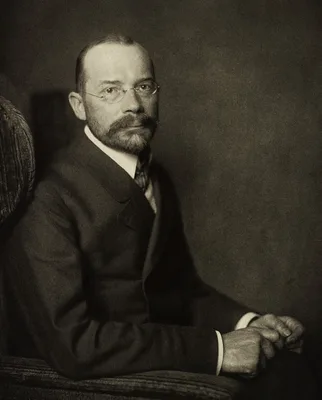
His encountered a form of “trench fever” in Volhynia, Russia, and named it after that district.
1871 CE
#2172
Ueber Lazarette und Barracken.
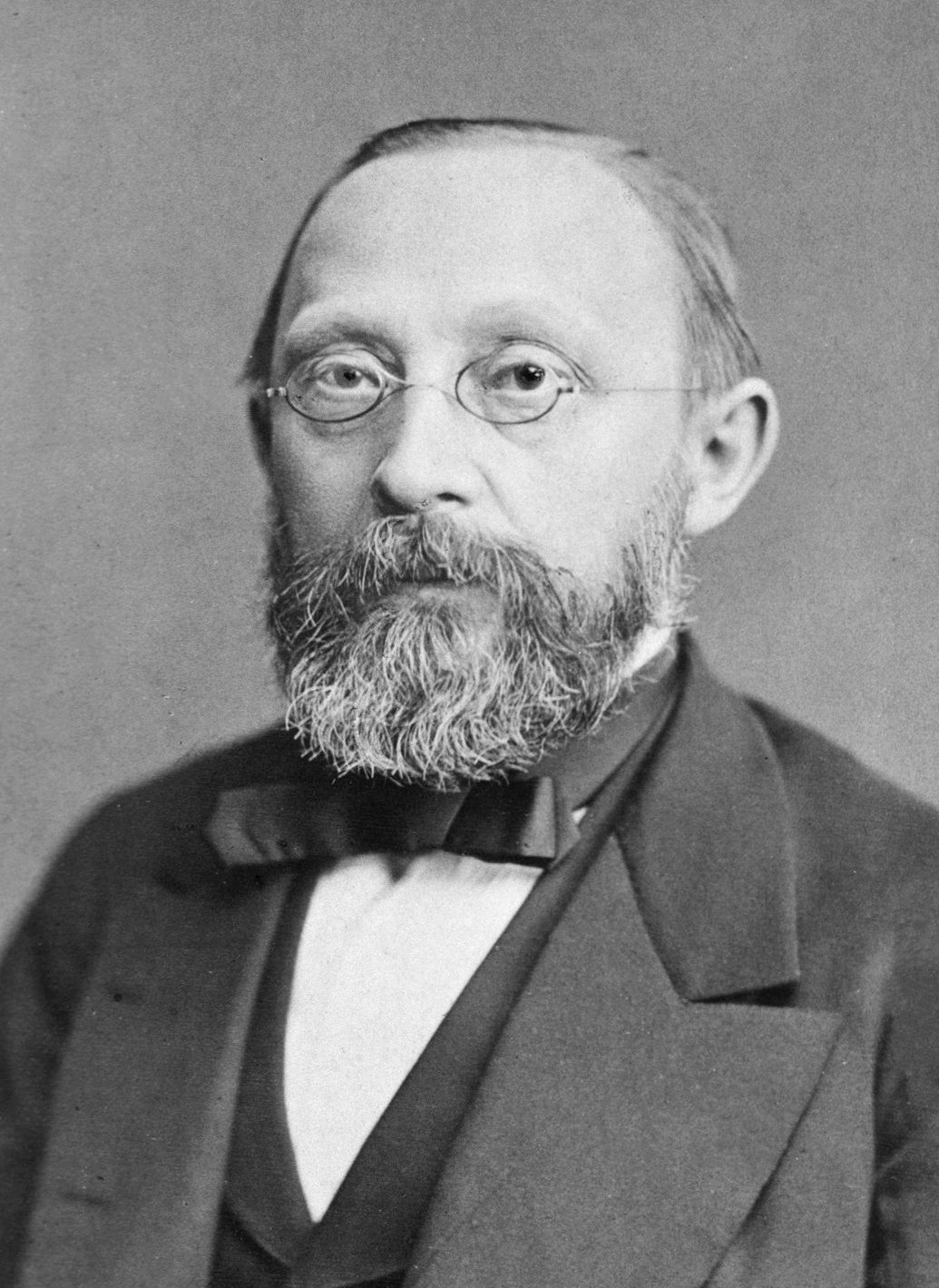
On the best way of setting up military hospitals to prevent the spread of infectious diseases. For English translation see No. 1617 (note).
1881 CE
#2176
Ueber primäres Debridement der Schusswunden.
Reyher, a Russian surgeon, reintroduced débridement and made a controlled study of its value in contaminated gunshot wounds during the Russo-Turkish War of 1877. See No. 2177.
1862 CE
#2166
Un souvenir de Solferino.
Dunant’s account of the great sufferings endured by the wounded at Solferino inspired the creation of the International Committee of the Red Cross (ICRC) in 1863, and resulted in the Geneva Convention of 1864. I…
2007 CE
#10250
United States Army aeromedical support to African American fliers, 1941-1949: The Tuskegee flight surgeons.

Digital facsimile from airforemedicine.af.mil at this link.
1987 CE
#9212
United States Army in the Korean War. The medics' war.
Digital facsimile from the Hathi Trust at this link.
2013 CE
#9949
US Navy Bureau of Medicine and Surgery Office of Medical History Collection.
https://archive.org/details/usnavybumedhistoryoffice&tab=collection "A historical component has existed at the US Navy's Bureau of Medicine and Surgery since May 1907 with the establishment of the Publications Office.…
1943 CE
#9216
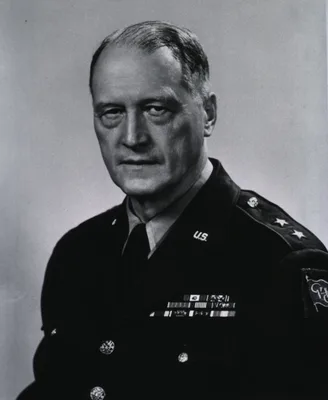
Victories of army medicine: Scientific accomplishments of the Medical Department of the United States Army.
1941 CE
#1684
War and disease.
2004 CE
#9762
War epidemics: An historical geography of infectious diseases in military conflict and civil strife, 1850–2000.
2008 CE
#9231
War Surgery in Afghanistan and Iraq: A series of cases, 2003-2007. Edited by Shawn Christian Nessen, Dave Edmond Lounsbury, and Stephen P. Hetz.
Exceptionally well illustrated with color photographs.
1918 CE
#12076
War surgery of the face: A treatise on plastic restoration after facial injury. Prepared at the suggestion of the Subsection on Plastic and Oral Surgery connected with the Office of the Surgeon General.
Digital facsimile from the U.S. National Library of Medicine at this link.
2013 CE
#12568
Wars, pestilence and the surgeon's blade: The evolution of British Military medicine and surgery during the nineteenth century.
2002 CE
#8830
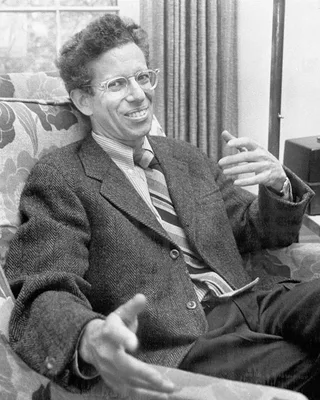
Wellington's doctors: The British Army Medical Services in the Napoleonic wars.
1992 CE
#14149
When medicine went mad: Bioethics and the holocaust. Edited by Arthur L. Caplan.
1928 CE
#12605
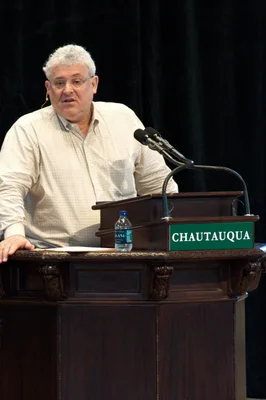
With a woman's unit in Serbia, Salonika and Sebastopol.
Hutton, a physician who specialized in mental and nervous disorders, began working with the Scottish Women’s Hospitals, a voluntary organisation established by her older colleague Elsie Inglis, in 1915 first in …
1919 CE
#11983
With the American Ambulance in France.
Born in 1876 Honolulu, James Judd, the grandson of missionaries, was a private practice physician and graduate of Oahu College, Yale and Columbia Universities. He served in three wars: the Spanish-American and World W…
1867 CE
#7748
Woman's work in the Civil War: A record of heroism, patriotism and patience.
Details the work of women in the American Civil War in the fields of nursing, supply and sanitary organization (i.e. the Sanitary Commission) with biographies of notable women. Digital facsimile from the Internet Arch…
1920 CE
#7157
Women as army surgeons. Being the history of the Women's Hospital Corps in Paris, Wimereux & Endell Street, September 1914 - October 1919
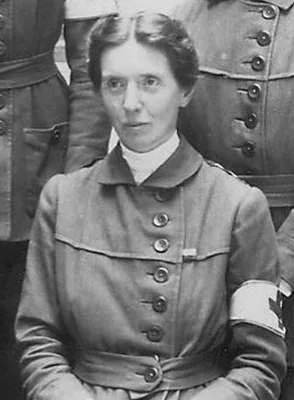
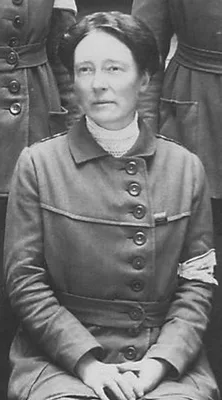
Together with Louisa Garrett Anderson (1873-1943), to whom the book was dedicated, Murray co-founded the Women's Hospital for Children in 1912. The hospital provided health care for working-class children of the area,…
2007 CE
#9003
Women at the front: Hospital workers in Civil War America.
"As many as 20,000 women worked in Union and Confederate hospitals during America's bloodiest war. Black and white, and from various social classes, these women served as nurses, administrators, matrons, seamstresses,…
2009 CE
#11443
Women doctors in war.
The history of female physicians in the U.S. military.
2014 CE
#10970
Wounded: A new history of the Western Front in World War I.
A comprehensive account of medical care at the Western Front in World War I. Over 21 million military in were wounded in World War I, and nearly 10 million were killed.
1912 CE
#7178
Zur Physiologie und Hygiene der Luftfahrt.
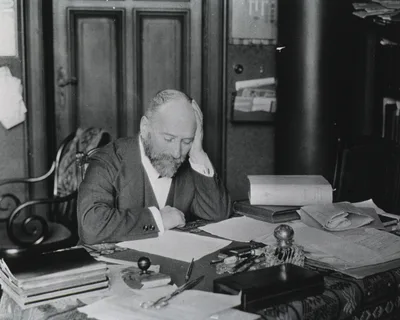
Luftfahrt und Wissenschaft, herausgegeben on Joseph Stricker. Heft 3.
1916 CE
#5389
Zur Ursache und Uebertragung des Wolhynischen Fiebers.
Isolation of Rickettsia quintana (now called Bartonella quintana) from lice found on patients suffering from trench fever.