
Facets
Browse across eight MeSH (opens in new tab) facets — era, geography, science, specialty, technology, history, culture, and reference. Select one tag per group; counts update across the others.
Clear filtersFacet filters
Geography
Specialties & Disease
- Anatomy & Pathology 765
- Cardiology & Blood 914
- Neurology & Psychiatry 1,256
- Obstetrics & Reproductive 550
- Infectious Disease (General) 147
- Surgery & Anesthesia 1,551
- Public Health 1,129
- Immunology & Dermatology 1,404
- General Clinical Medicine 480
- Military Medicine 436
- Psychology 202
- Alternative & Fringe Medicine 383
- Pediatrics 247
- Ophthalmology & Vision 412
- ENT & Hearing 293
- Urology & Nephrology 309
- Gastroenterology & Hepatology 316
- Pulmonary & Respiratory 233
- Rheumatology, Rehab & Pain 188
- Internal, Emergency & Geriatric 123
- Veterinary Medicine 165
- Epidemiology & Demography 397
- Physiology & Embryology 923
- Dentistry 259
- Plagues & Epidemics 1,279
- Microbiology & Virology 1,080
Social & Historical Studies
Institutions & Culture
Reference & Scholarly Works
383 entries match Alternative & Fringe Medicine [G02.403.750 / M01]
2013 CE
#12040
The duke and the stars: Astrology and politcs in renaissance Milan.
Explores science and medicine as studied and practiced in fifteenth-century Italy, including how astrology was taught in relation to astronomy. It illustrates how the “predictive art” of astrology was ofte…
1874 CE–1879 CE
#6854
The encyclopedia of pure materia medica. A record of the positive of effects of drugs upon the healthy human organism. 10 vols.
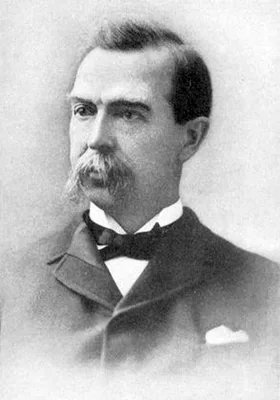
With contributions by Richard Hughes of England; Constantine Hering of Philadelphia; Carroll Dunham of New York; Adolph Lippe of Philadelphia and others. This massive work is almost a complete record of all provings a…
1652 CE
#8588
The English physitian: Or, an astrologo-physical discourse of the vulgar herbs of this nation. Being a compleat method of physick, whereby a man may preserve his body in health; or cure himself, being sick, for three pence charge, with such things only as grow in England, as they being most fit for English bodies. Herein is also shewed, 1. The way of making plaisters, oyntments, oyls, pultisses, syrups, julips, or waters, of all sorts of physical herbs, that you may have them readie for your use at all times of the yeer. 2. What planet governeth every herb or tree (used in physick) that groweth in England. 3. The time of gathering all herbs, both vulgarly, and astrologically. 4. The way of drying and keeping the herbs all the yeer. 5. The way of keeping their juyces ready for use at all times. 6. The way of making and keeping all kind of useful compounds made of herbs. 7. The way of mixing medicines, according to cause and mixture of the disease, and part of the body afflicted.
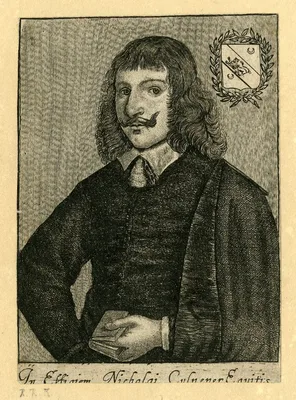
"Culpeper attempted to make medical treatments more accessible to laypersons by educating them about maintaining their health. Ultimately his ambition was to reform the system of medicine by questioning traditional me…
2017 CE
#10665
The experiential Caribbean: Creating knowledge and healing in the early modern Atlantic.
"Opening a window on a dynamic realm far beyond imperial courts, anatomical theaters, and learned societies, Pablo F. Gómez examines the strategies that Caribbean people used to create authoritative, experienti…
1999 CE
#14077
The faces of homoeopathy.
"The history of homeopathic medicine as seen through the people who contributed towards its development. Focusing on homeopathy in the USA and in the UK, it traces the development of the practice through the 1800s, th…
1910 CE
#12188
The faith that heals.
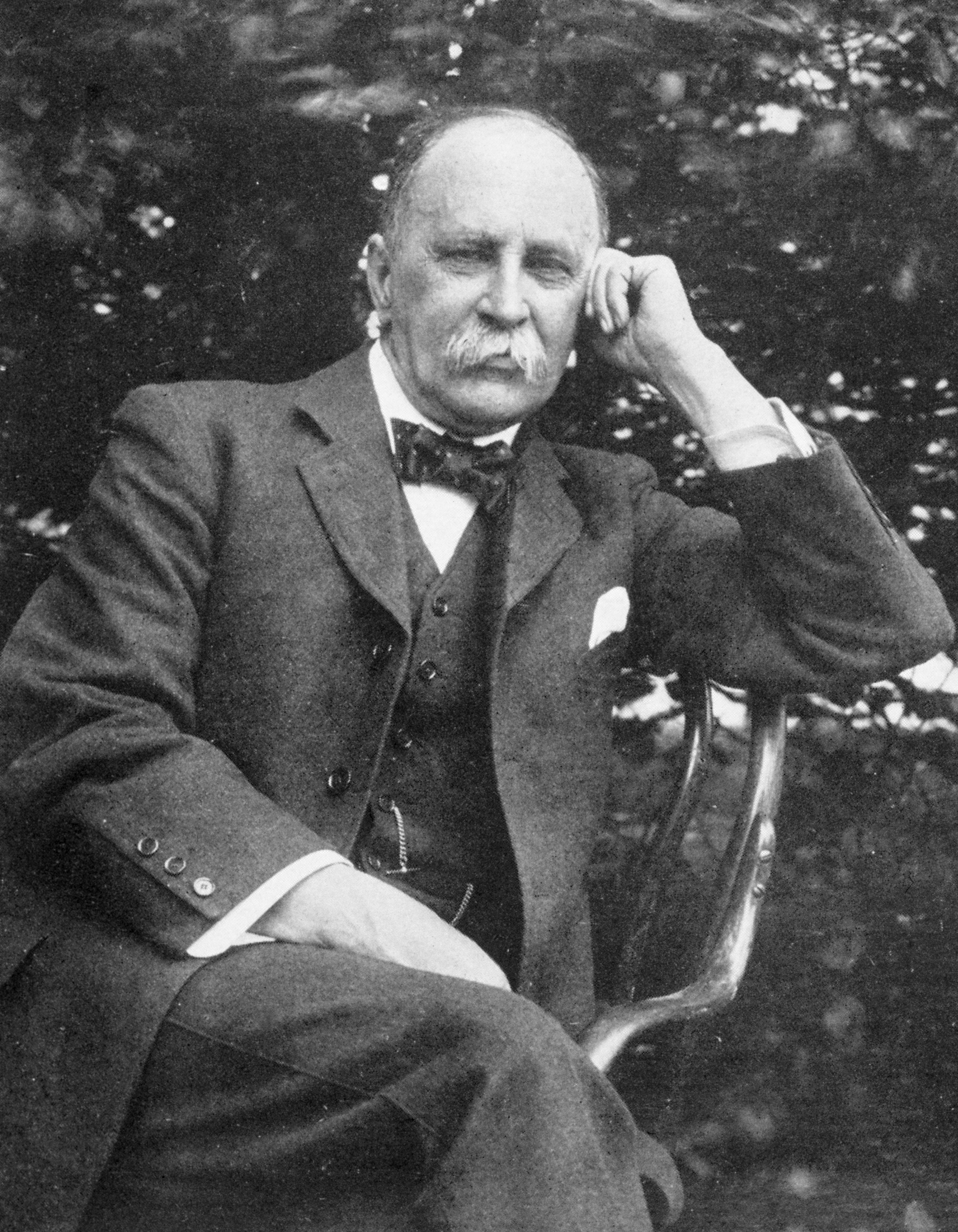
Perhaps Osler's most significant discussion of "faith" and faith healing. Digital facsimile from PubMedCentral at this link. The same journal issue also contains Clifford Albutt's "Reflections on faith healing," pp. 1…
1852 CE–1853 CE
#10129
The flora homoeopathica: Or, illustrations and descriptions of the medicinal plants used as homoeopathic remedies. 2 vols.
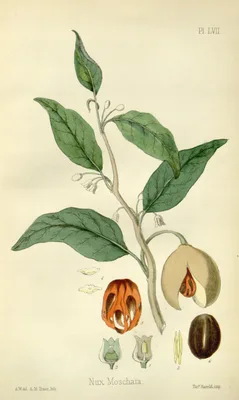
Hamilton detailed the symptoms of poisoning, records of successful use of the plant, and a description of its homeopathic uses. Finely illustrated with hand-colored plates, mostly by Henry Sowerby and his sister Charl…
1889 CE
#9276
The folk-lore of plants.
Digital facsimile from the Internet Archive at this link.
1991 CE
#10409
The great American medicine show: Being an illustrated history of hucksters, healers, health evangelists and heroes from plymouth rock to the present.

1967 CE
#13258
The great American water-cure craze: A history of hydropathy in the United States.
1879 CE–1891 CE
#6866
The guiding symptoms of the materia medica. 10 vols.
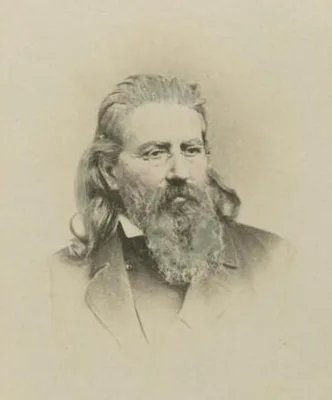
Hering was called the “father of American homeopathy.” His 10-volume work is a record of confirmed symptoms that Hering and his colleagues observed over 50 years of practice.
1925 CE
#6458
The healing gods of ancient civilizations.
2011 CE
#12547
The healing landscapes of Central and Southeastern Siberia. Edited by David G. Anderson
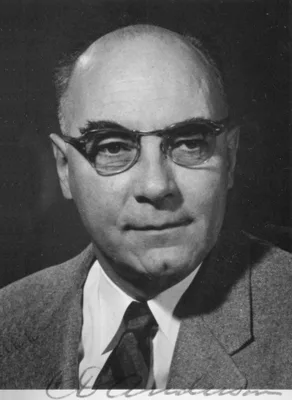
"This volume documents healing traditions in Eastern Siberia in an area extending from Lake Baikal to the Arctic Ocean. The region shows an interesting unity in healing traditions across a wide range of landscape type…
2001 CE
#14076
The heritage of homoeopathic literature: An abbreviated bibliography and commentary.
"... an abbreviated bibliography of 915 of the best and the worst of homeopathic literature from 1810 to 2000.... the book presents the work by category (Materia Medica, Repertory, Domestic Manuals, etc.) and in chron…
2013 CE
#9405
The history of American homeopathy: From rational medicine to holistic health care.
2005 CE
#9406
The history of American homeopathy: The academic years, 1820-1935.
1999 CE
#10073
The History of Phrenology on the Web.
http://www.historyofphrenology.org.uk/overview.htm This is the most comprehensive reference source available on phrenology. Van Wyhe divides it into the following following sections: Overview Organs The Phrenological …
1835 CE–1838 CE
#6864
The homoeopathist, or domestic physician. 2 vols.
The first book on domestic homeopathy published in the United States. The names of the medicines are not given, but are referred to by numbers. Digital facsimile from the National Library of Medicine at this link.
1927 CE
#6459
The infancy of medicine. An enquiry into the influence of folk-lore upon the evolution of scientific medicine.
1798 CE
#8654
The influence of metallic tractors on the human body, in removing various painful inflammatory diseases, such as rheumatism, pleurisy, some gouty affections, &c. &c: Lately discovered by Dr. Perkins, of North America; and demonstrated in a series of experiments and observations....by which the importance of the discovery is fully ascertained, and a new field of enquiry opened in the modern science of Galvanism, or animal electricity
In 1795 Dr. Elisha Perkins (1741-1799) of Connecticut introduced the use of “Metallic Tractors” for the treatment of a wide range of disorders, including pains in the head, face, teeth, breast, side, stoma…
1911 CE
#6646
The king’s evil.
A classic account of the history of touching for the “king’s evil” or scrofula— a practice of kings from ancient times until the 18th century.
2023 CE
#14221
The Kirtsos historical library of homoeopathic medicine: An annotated bibliographical catalogue.
The definitive bibliographical catalogue of the historical literature of homeopathy.
1767 CE
#13081
The law of physicians, surgeons, and apothecaries: Containing all the statutes, cases at large, arguments, resolutions, and judgments concerning them. Compiled, by desire of a great personage, for the use of such gentlemen of the faculty as are enemies to quackery, in order to point out the defects in the law, as it now Stands, relative to those professions, and To propose such expedients for remedying them as they shall think necessary, before the next session of parliament, when it is intended to apply for an act for regulating the practice of physick, and suppressing empirical nostrums.
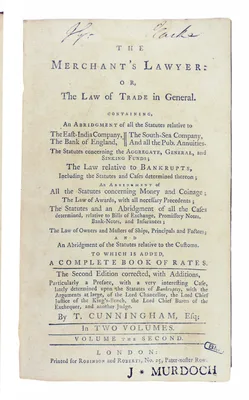
Digital facsimile from Google Books at this link.
1900 CE
#6881
The logic of figures, or comparative results of homoeopathic and other treatments.
A comparison of mortality rates in institutions and private practice between homeopathic and other modes of treatment. Digital facsimile from The Medical Heritage Library at the Internet Archive at this link.
1963 CE
#6549
The medical background of Anglo-Saxon England: A study in history, psychology, and folklore.
1925 CE
#13849
The medical follies: An analysis of the foibles of some healing cults: Including osteopathy, homeopathy, chiropractic, and the electronic reactions of Abrams, with Essays on the antivivisectionists, health legislation, physical culture, birth control, and rejuvenation.
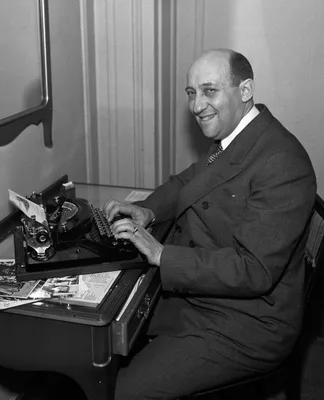
Digital facsimile from Google Books at this link.
1967 CE
#6643.2
The medical messiahs. A social history of health quackery in twentieth-century America.
1923 CE
#6456
The medicine man: A sociological study of the character and evolution of shamanism.
Digital facsimile from the Internet Archive at this link.
1990 CE
#10874
The medicine men: Oglala Sioux ceremony and healing.
1935 CE
#6461
The medicine-man of the American Indian and his cultural background.
Digital facsimile from the Hathi Trust at this link.
1892 CE
#6452.1
The medicine-men of the Apache.
Bourke, a U.S. Army officer with experience on the American Indian frontier, was a pioneer student of native American medicine and anthropology. Digital facsimile from the Internet Archive at this link.
1851 CE
#12424
The Mesmeric mania of 1851, with a physiological explanation of the phenomena produced. A lecture.
Bennett provided a scientific explanation for then current mass hysteria or group hypnosis in Edinburgh. Digital facsimile from Google Books at this link.
1946 CE
#8741
The midwest pioneer: His ills, cures, & doctors.
The first general history of frontier or pioneer medicine in America, covering mainly the first half of the 19th century, and including many folk medicine treatments. First published privately in Crawfordsville, India…
2018 CE
#11621
The mystery of the exploding teeth and other curiosities from the history of medicine.
Fascinating stories well told, and frequently with a great sense of humor!
1961 CE
#6643.1
The natural history of quackery.
2012 CE
#9977
The New Encyclopedia of Southern Culture: Volume 22: Science and medicine. Edited by James G. Thomas, Jr. & Charles Reagan Wilson.
1927 CE
#13850
The new medical follies: An encyclopedia of cultism and quackery in these United States, with essays on the cult of beauty, the craze for reduction, rejuvenation, eclecticism, bread and dietary fads, physical therapy, and a forecast as to the physician of the future.
2018 CE
#9792
The patent medicines industry in Georgian England: Constructing the market by the potency of print.
2001 CE
#9408
The people's doctors: Samuel Thomson and the American Botanical Movement 1790-1860.
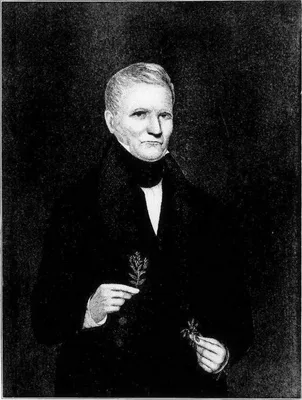
"Samuel Thomson, born in New Hampshire in 1769 to an illiterate farming family, had no formal education, but he learned the elements of botanical medicine from a "root doctor," who he met in his youth. Thomson sought …
1902 CE
#9404
The philosophy and mechanical principles of osteopathy.
Digital facsimile from the Internet Archive at this link.
1849 CE
#9814
The physiognomy of diseases.
Corfe was Resident Medical Officer at London's Middlesex Hospital, Fellow of the Royal College of Physicians of Edinburgh, and author of works on various medical subjects. Digital facsimile from the Internet Archive a…
1897 CE
#6719.1
The pioneers of homoeopathy.
Brief biographies of about 500 homepathic physicians from all countries who were practitioners prior to 1835. In the first part Bradford docmented the lives of those who assisted Hahnemann. Digital facsimile from the …
2004 CE
#8076
The politics of healing: Histories of alternative medicine in twentieth-century North America.
2013 CE
#13740
The power to cure: A brief history of therapeutic tattooing. In Philippe Della Casa & Constanze Witt (eds.) Tattoos and body modifications in antiquity.
Digital facsimile from academia.edu at this link.
1971 CE
#10858
The pre-Columbian mind: A study into the aberrant nature of sexual drives, drugs affecting behaviour and the attitude towards life and death, with a survey of psychotherapy in pre-Columbian America.
1928 CE
#6643
The quacks of old London.
2017 CE
#10305
The religion of chiropractic: Populist healing from America's heartland.
1870 CE
#10567
The religious system of the Amazulu. Izinyanga zokubula; or, divination, as existing among the Amazulu, in their own words, with a translation into English, and notes.
Callaway, a surgeon turned missionary and bishop of the Diocese of Natal, may have been the first to publish actual transcriptions of Zulu divination, including indigenous medical beliefs and practices, in their origi…
1906 CE
#6989
The science of chiropractic. Its principles and adjustments by Dr. D. D. Palmer, discoverer and developer of chiropractic, and B. J. Palmer, D. C.
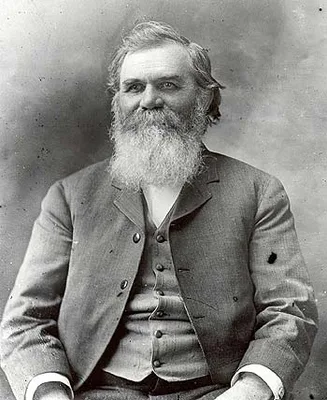
D. D. Palmer founded chiropractic; his son B. J. developed the practice. Digital facsimile from Google Books at this link.
1915 CE
#6857
The synoptic key.
Used as a reference work for the general practice of homeopathy. Digital facsimile of the second edition (1916) from the Hathitrust at this link.