
Facets
Browse across eight MeSH (opens in new tab) facets — era, geography, science, specialty, technology, history, culture, and reference. Select one tag per group; counts update across the others.
Clear filtersFacet filters
Geography
Specialties & Disease
- Anatomy & Pathology 7
- Cardiology & Blood 94
- Neurology & Psychiatry 27
- Obstetrics & Reproductive 5
- Infectious Disease (General) 1
- Surgery & Anesthesia 76
- Public Health 8
- Immunology & Dermatology 50
- General Clinical Medicine 1
- Military Medicine 0
- Psychology 3
- Alternative & Fringe Medicine 0
- Pediatrics 44
- Ophthalmology & Vision 12
- ENT & Hearing 5
- Urology & Nephrology 0
- Gastroenterology & Hepatology 9
- Pulmonary & Respiratory 5
- Rheumatology, Rehab & Pain 4
- Internal, Emergency & Geriatric 0
- Veterinary Medicine 2
- Epidemiology & Demography 4
- Physiology & Embryology 23
- Dentistry 3
- Plagues & Epidemics 27
- Microbiology & Virology 22
Social & Historical Studies
Institutions & Culture
Reference & Scholarly Works
453 entries match Genetics & Heredity [K01.900.300]
1827 CE
#11126
Recherches sur l’agénésie cérébrale et la paralysie congénitale.
“The first scientific paper on paralysis in children was published in 1827 by Jean Baptiste Cazauvieilh, who […] noted that congenital hemiplegia was associated with cerebral atrophy and differentiated th…
1938 CE
#3148.2
Recherches sur l’anémie érythroblastique infantile des peuples de la Méditerranée orientale. Étude anthropologique, étiologique et pathogénique. La transmission héréditaire de la maladie.
First evidence that thalassemia is genetically determined. Earlier report in Kliniki, Athens, 1936, 12, No. 5.
1880 CE–1882 CE
#11153
Recherches sur les difformités congénitales chez les monstres, le foetus et l'enfant.
Published as Vol. 1 of Oeuvres de Docteur Jules Guerin, of which this work was all published. Digital facsimile from Google Books at this link.
1952 CE
#13983
Recombination in Bact. coli K 12: Unidirectional transfer of genetic material.
Hayes "developed the concept of a donor–recipient partnership with uni-directional transfer of genetic material. The importance of this discovery was quickly emphasised and widely recognised when he found that o…
1968 CE
#13935
Reconstruction of three-dimensional structures from electron micrographs.
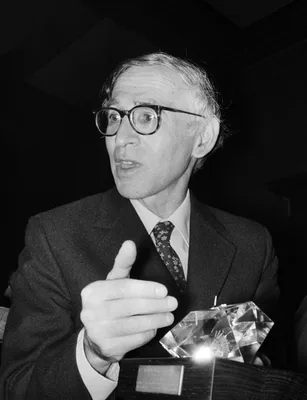
Klug and deRosier invented methods for two-dimensional and three-dimensional digital image processing of electron microscope images. The latter method provided the theory behind the development of computed tomography …
2003 CE
#14217
Recurrent de novo point mutations in lamin A cause Hutchinson-Gilford progeria syndrome.


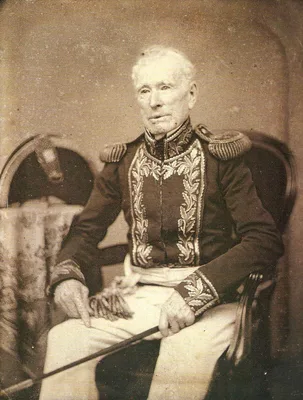
The authors showed that mutations in lamin A (LMNA) are the cause of Hutchinson-Gilford progeria sundrom (HGPS). At the end of their abstract they stated that "The discovery of the molecular basis of this disease may …
1963 CE
#14103
Recurrent Dupuytren's contracture.
Hueston described Dupuytren's diathesis, including early onset, bilateral involvement, postive family history, and presence of ectopic lesions. He noted that patents presenting Dupuytren's diathesis experience more se…
1948 CE
#3107.1
Replacement transfusion as a treatment for erythroblastosis fetalis.
Exchange transfusion.
1876 CE
#4344
Report on Pott’s disease, or caries of the spine; treated by extension, and the plaster of Paris bandage.
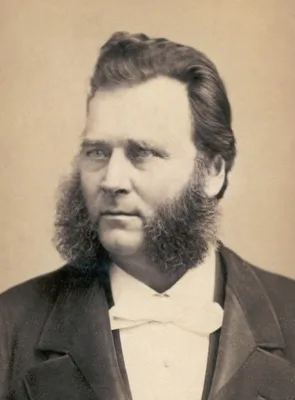
Sayre was the first to use plaster of Paris as a support for the spinal column in scoliosis and Pott’s disease. His name is eponymically linked with Sayre’s jacket, a plaster of Paris jacket applied while …
1858 CE
#2386
Report on the effects of infantile syphilis in marring the development of the teeth.
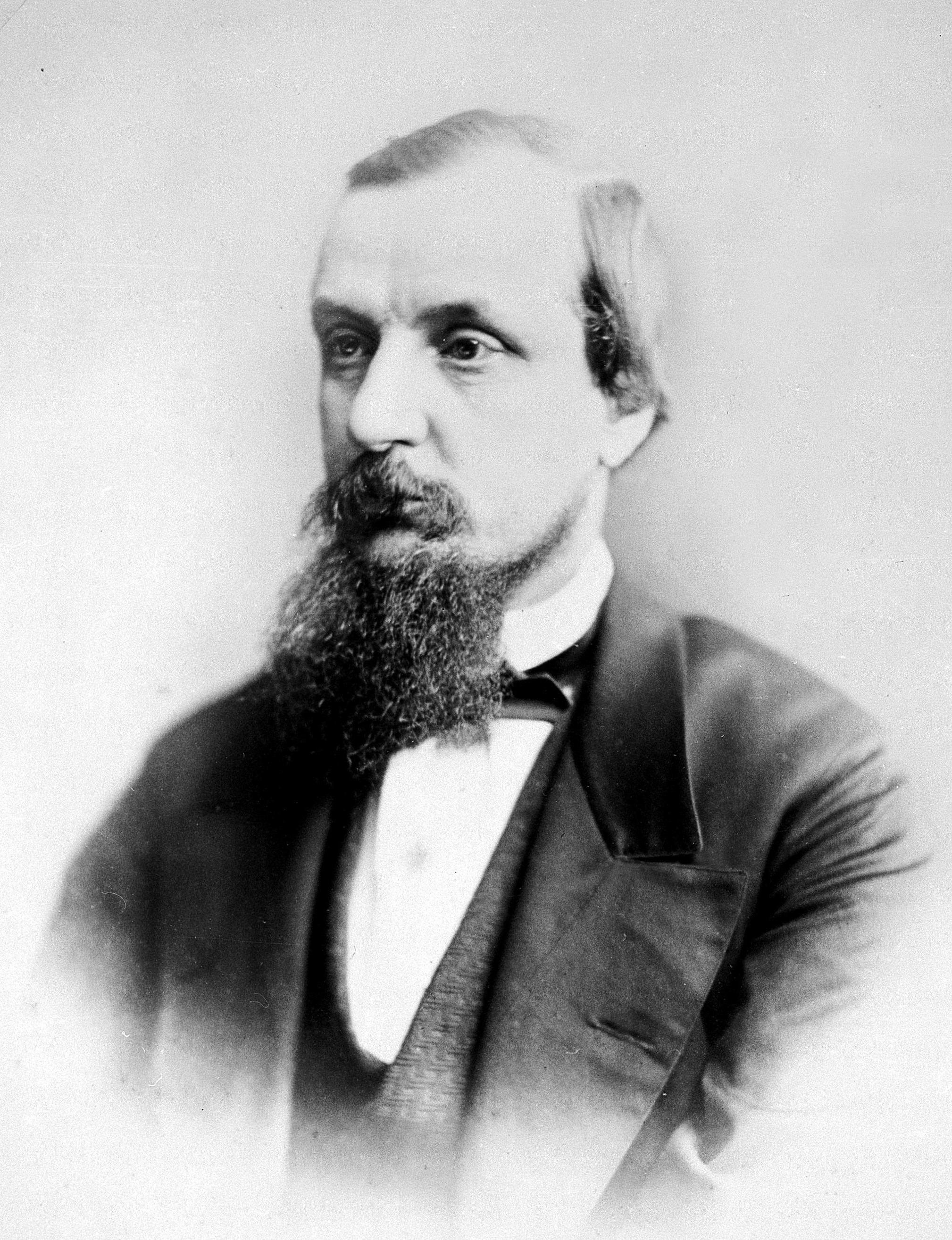
Hutchinson of St. Bartholomew’s Hospital, is memorable for his original description of the notched incisors (“Hutchinson’s teeth”) in congenital syphilis. His name is also associated with &ldqu…
1902 CE–1910 CE
#13048
Reports to the evolution committee of the Royal Society. Reports I-V. 1902-1909.
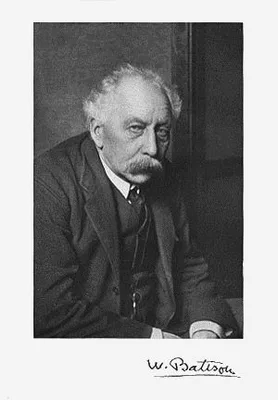
In 1908 Archibald Garrod delivered the Croonian Lectures at the Royal College of Physicians in London on inborn errors of metabolism. In his studies of the rare disease alkaptonuria, which affects about one in one mil…
1973 CE
#14089
Rh: The intimate history of a disease and its conquest.

1846 CE–1848 CE
#3912.1
Several specimens of cystine exhibited, with the particulars of two cases in which this deposit occurred in the urine.
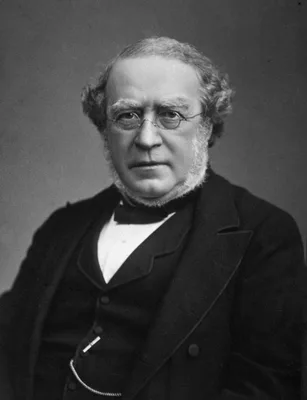
Cystinuria described.
1910 CE
#245.2
Sex-limited inheritance in Drosophila.
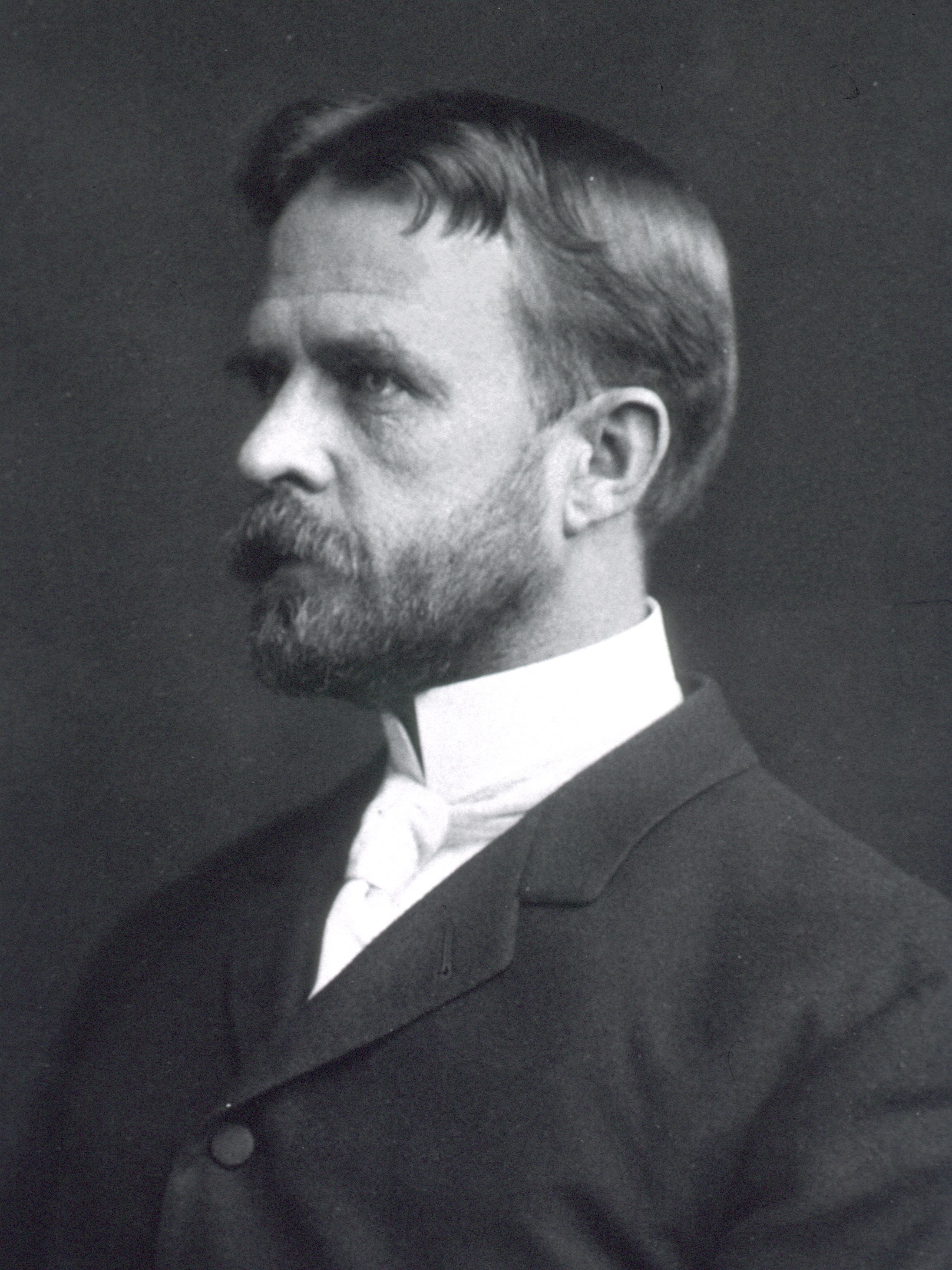
Morgan demonstrated sex-limited inheritance. In 1933 Morgan was awarded the Nobel Prize in Physology or Medicine "for discoveries elucidating the role that the chromosome plays in heredity." See also Nos. 245.3, 246, …
1949 CE
#3154.1
Sickle cell anemia, a molecular disease.
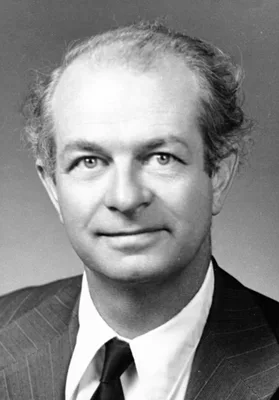
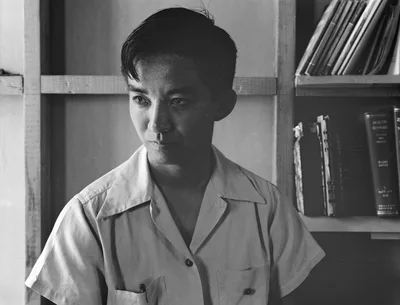
First recognition, by Pauling and colleagues, of a structural hemoglobin variant, and the beginning of the molecular approach to disease.
1922 CE
#3136.1
Sickle-cell anemia.
Mason gave sickle-cell anemia its present name.
1987 CE
#13931
Site-directed mutagenesis by gene targeting in mouse embryo-derived stem cells.
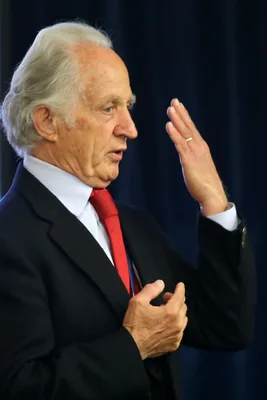
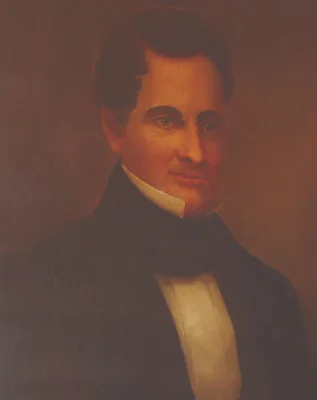
In 2007 Capecchi shared the 2007 Nobel Prize in Physiology or Medicine with Martin J. Evans and Oliver Smithies "for their discoveries of principles for introducing specific gene modifications in mice by the use of em…
1865 CE
#6359
Skull-cap showing congenital deficiencies of bone.
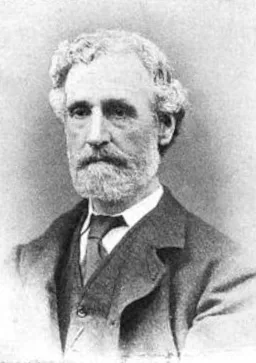
1971 CE
#6890
Specific cleavage of simian virus 40 DNA by restriction endonuclease of Hemophilus influenzae.
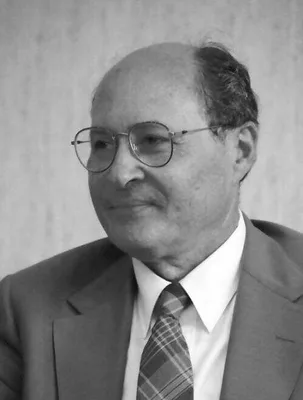
Nathans showed that the restriction enzyme discovered by Hamilton Smith cleaved SV40 DNA into 11 specific pieces. Nathans and his student Kathleen Danna wrote: "The availability of pieces of SV40 DNA from specific sit…
1877 CE
#4344.1
Spinal disease and spinal curvature, their treatment by suspension and the use of the plaster of Paris bandage.
Sayre’s monograph on his methods of treating tuberculosis of the spine and scoliosis is the first American surgical textbook to contain actual mounted photographs, some of which are remarkable for their artistic…
1961 CE
#3155.3
Stomatocytosis: a hereditary red cell anomaly associated with haemolytic anaemia.
With R. Sephton Smith and R. M. Hardisty.
1944 CE
#255.3
Studies on the chemical nature of the substance inducing transformation of pneumococcal types. Induction of transformation by a deoxyribonucleic acid fraction isolated from pneumococcus type III.
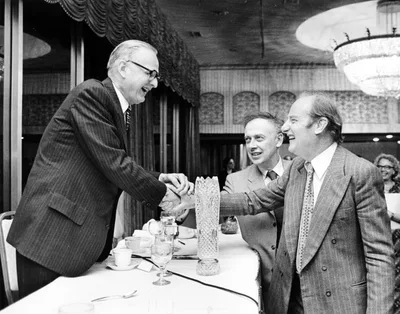
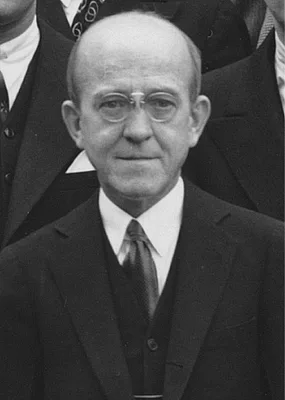
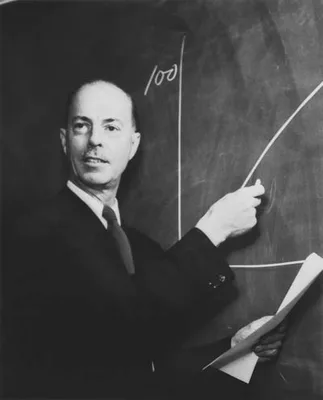
Demonstration that deoxyribonucleic acid (DNA) is the basic material responsible for genetic transformation. Digital facsimile from PubMedCentral at this link. Followed by: McCarty & Avery, "Studies on the chemical na…
1951 CE
#255.7
Studio dei gemelli.
The first truly comprehensive work on the scientific study of twins. (1381pp., 547 illustrations, 161 tables). English translation of the first half of the work, with some revisions: Twins in history and science, Spri…
1887 CE–1888 CE
#3489
Stuhlträgheit Neuegeborener in Folge von Dilatation und Hypertrophie des Colons.
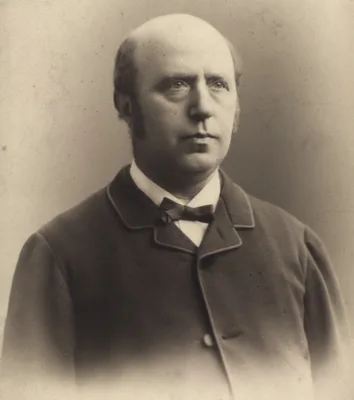
Hirschsprung’s diseases (congenital megacolon).
1964 CE
#11694
Successful two-stage correction of transposition of the great vessels.
The Mustard cardiovascular procedure, which "allows total correction of transposition of the great vessels. The procedure employs a baffle to redirect caval blood flow to the left atrium which then pumps blood to the …
1893 CE
#4708.1
Sur l’hérédo-ataxie cérébelleuse.
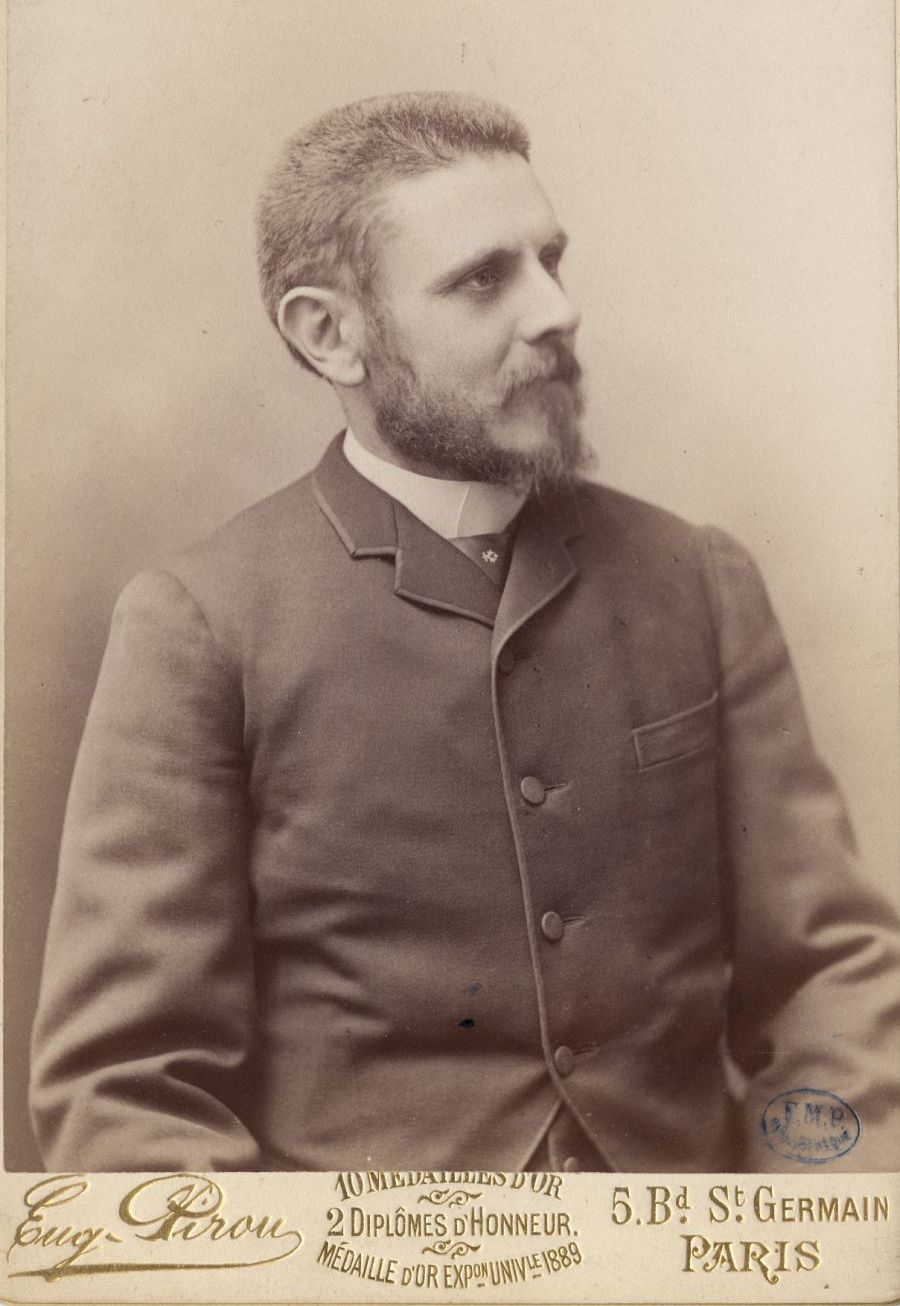
Original description of hereditary cerebellar ataxia.
1898 CE
#4369
Sur la dysostose cléido-crânienne héréditaire.
In their important description of cleido-cranial dysostosis, Marie and Sainton gave to it its present name. It was first described by Morand (No. 4302.1) in 1760. English translation in Bick, Classics of orthopaedics,…
1903 CE
#2814
Sur la lésion dite sténose congénitale de l’aorte dans la région de l’isthme.
Distinction of infantile and adult types of coarctation of the aorta.
1766 CE
#4302.2
Sur un enfant auquel il manquoit les deux clavicules, le sternum et les cartilages, qui dans l’état naturel l’attachent aux côtes.
First description of cleido-cranial dysostosis.
1929 CE
#4397
Sur une forme de dystrophie osseuse familiale.
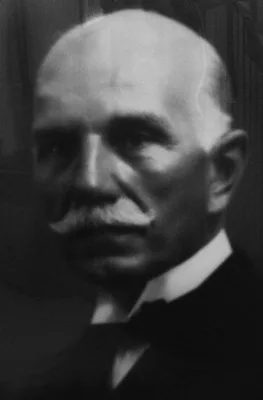
“Morquio’s disease”, eccentro-osteochondrodysplasia.
1945 CE
#3044.1
Surgical correction for coarctation of the aorta.
Resection of coarctation and direct anastomosis of remaining ends. See also his report of 60 cases in J. Amer.med.Assoc.,1949, 139,285-92.
1939 CE
#3039
Surgical ligation of a patent ductus arteriosus: Report of first successful case.
One of the earliest successful surgical repairs for congenital heart disease. See also later paper in Ann. Surg.,1939, 110, 321-56.
1880 CE–1881 CE
#5918
Symmetrical changes in the region of the yellow spot in each eye of an infant.
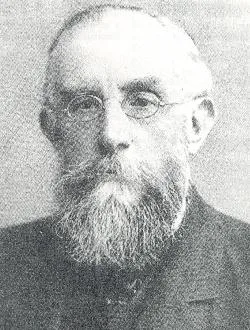
Tay was the first to describe amaurotic familial idiocy, his paper dealing mainly with the ocular manifestations. The condition later became known as “Tay-Sachs’s disease” (see also No. 4705).
1897 CE
#239
The average contribution of each several ancestor to the total heritage of the offspring.
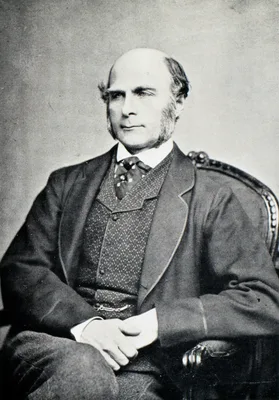
Galton’s “law of ancestral heredity”.
1949 CE
#4962.2
The biology of mental defect.
1999 CE
#10053
The black stork: Eugenics and the death of "defective" babies in American medicine and motion pictures since 1915.
2011 CE
#10972
The bleeding disease: Hemophilia and the unintended consequences of medical progress.
1932 CE
#254
The causes of evolution.
Haldane’s summary of his mathematical theory of natural selection. The detailed mathematical theory appeared as Mathematical theory of natural and artificial selection, first published (Pt. I) in Trans. Camb. ph…
1956 CE
#256.5
The chromosome number in man.
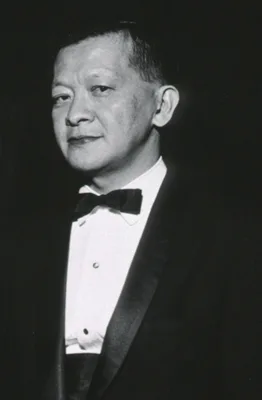
Proof that the normal chromosome number in man is 46.
1903 CE
#242.1
The chromosomes in heredity.
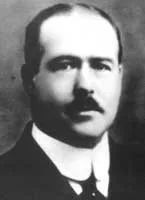
Sutton advanced the theory that Mendel’s factors were hereditary particles borne by the chromosomes and that Mendel’s laws for his factors were the direct result of the behaviour of chromosomes in meiosis.…
1992 CE
#10400
The code of codes: Scientific and social issues in the human genome project. Edited by Daniel J. Kevles and Leroy Hood.


Chapter 1. "Out of eugenics: The historical politics of the human genome" by D. J. Kevles. Chapter 2. "A history of the science and technology behind gene mapping and sequencing" by Horace Freeland Judson. Chapter 7. …
2014 CE
#7289
The complete genome sequence of a Neanderthal from the Altai Mountains.
First complete sequence of a Neanderthal genome. With more than 20 co-authors. In 2022 Pääbo was awarded the Nobel Prize in Physiology or Medicine "for his discoveries concerning the genomes of extinct homin…
1997 CE
#11408
The complete genome sequence of Escherichia coli K-12.
Order of authorship in the original publication: Blattner, Plunkett, Bloch.... Complete genome sequence of E. coli, the first complete genome sequence of an organism. Following p. 1462 there are two large, unpaginated…
2010 CE
#7290
The complete mitochondrial DNA genome of an unknown hominin from southern Siberia.
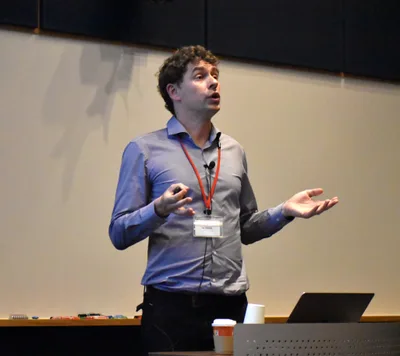
Svante Pääbo and collaborators reconstructed the genome of the Denisova hominins and announced that they were a new species, that they interbred with our species, and that the DNA results suggest that they h…
2022 CE
#14022
The complete sequence of a human genome.


The first sequence of the complete human genome, telomere to telomere, including transcriptional and epigenetic state of the repeat elements, adding 8% novel genome information left unresolved since the 2001 draft seq…
1918 CE
#248
The correlation between relatives on the supposition of Mendelian inheritance.
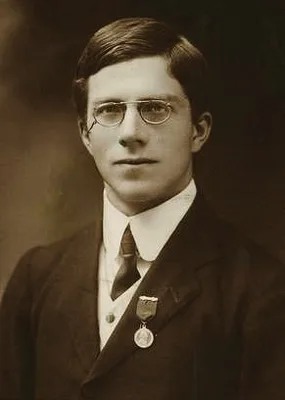
"Fisher put forward a genetics conceptual model that shows that continuous variation amongst phenotypic traits could be the result of Mendelian inheritance. The paper also contains the first use of the statistical ter…
1907 CE
#7226
The dancing mouse: A study in animal behavior.
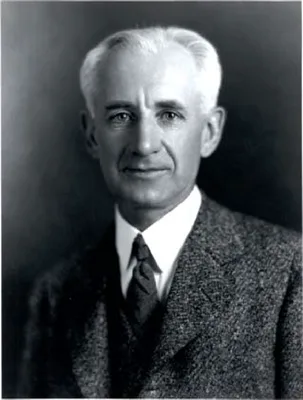
The first work to examine the characteristics of deaf mice, which became the most important model for the study of genetic deafness. Digital facsimile from the Biodiversity Heritage Library, Internet Archive at this l…
1953 CE
#256.2
The detection of chromosomal sex in hermaphrodites from a skin biopsy.

Sex chromatin demonstrated in humans.
1995 CE
#12364
The developing heart: A "history" of pediatric cardiology.
A memoir, largely from personal experience, of the developments in embryology, pathology, clinical features, treatment of congenital heart disease.
2007 CE
#12965
The diploid genome sequence of an individual human.
The first genome sequence of a single human (Craig Venter), including analysis and comments on his genetic markers, and their possible medical and prognosticating implications. (Order of authorship in the original pub…