
Facets
Browse across eight MeSH (opens in new tab) facets — era, geography, science, specialty, technology, history, culture, and reference. Select one tag per group; counts update across the others.
Clear filtersFacet filters
Geography
Specialties & Disease
- Anatomy & Pathology 7
- Cardiology & Blood 94
- Neurology & Psychiatry 27
- Obstetrics & Reproductive 5
- Infectious Disease (General) 1
- Surgery & Anesthesia 76
- Public Health 8
- Immunology & Dermatology 50
- General Clinical Medicine 1
- Military Medicine 0
- Psychology 3
- Alternative & Fringe Medicine 0
- Pediatrics 44
- Ophthalmology & Vision 12
- ENT & Hearing 5
- Urology & Nephrology 0
- Gastroenterology & Hepatology 9
- Pulmonary & Respiratory 5
- Rheumatology, Rehab & Pain 4
- Internal, Emergency & Geriatric 0
- Veterinary Medicine 2
- Epidemiology & Demography 4
- Physiology & Embryology 23
- Dentistry 3
- Plagues & Epidemics 27
- Microbiology & Virology 22
Social & Historical Studies
Institutions & Culture
Reference & Scholarly Works
453 entries match Genetics & Heredity [K01.900.300]
1832 CE
#3990.1
Monographie des dermatoses.
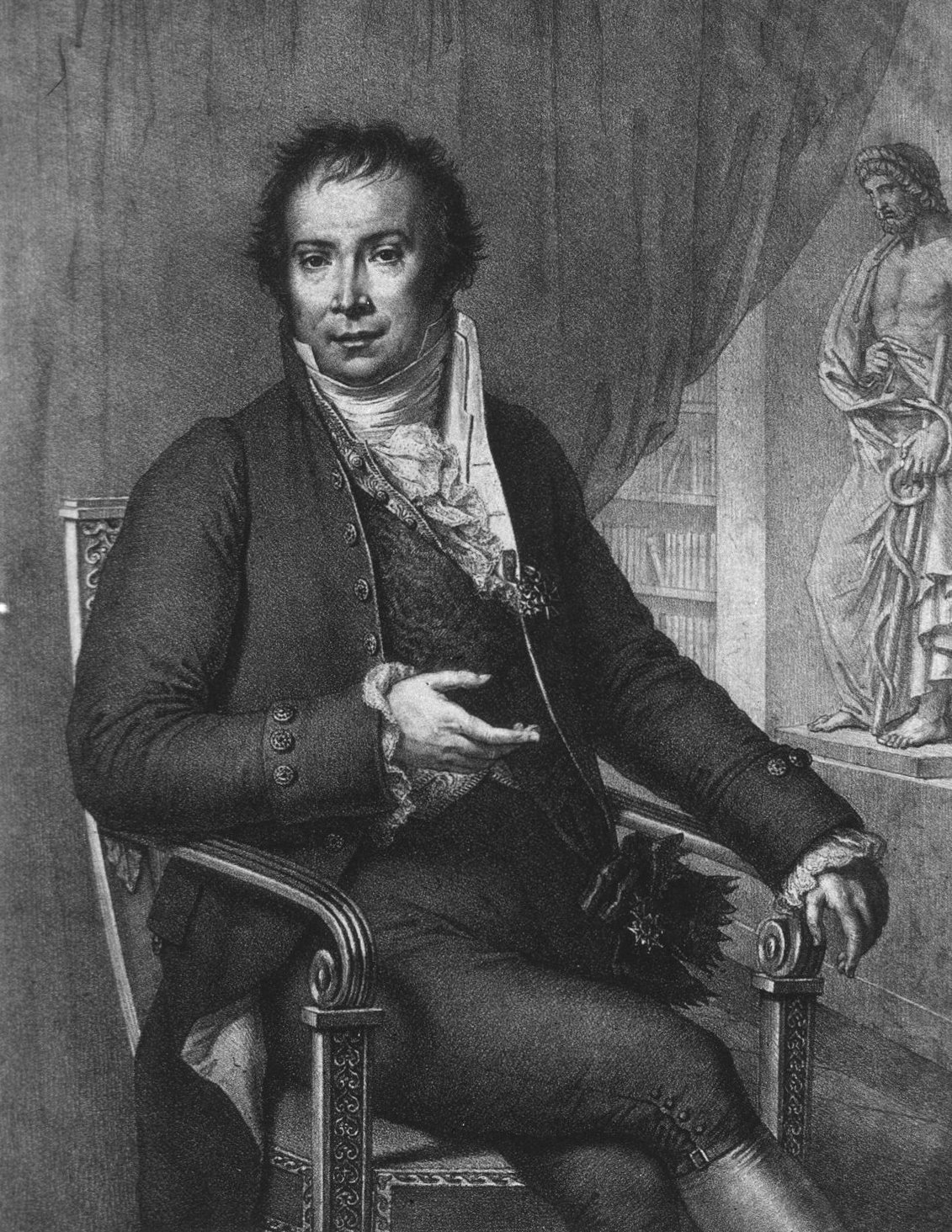
This includes the first published illustration of Alibert’s famous “family tree” for the classification of skin diseases, a concept which Alibert borrowed freely from Torti (No. 5231). This classific…
1907 CE
#2714
Multiple hereditary developmental angiomata (telangiectases) of the skin and mucous membranes associated with recurring haemorrhages.
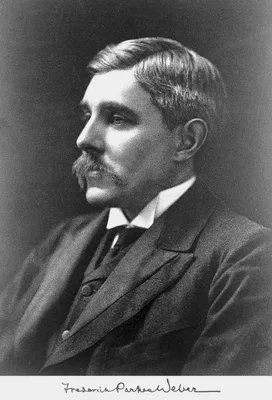
“Rendu–Osler–Weber disease.”
1971 CE
#13964
Mutation and cancer: Statistical study of retinoblastoma.
In this paper Knudson first described his "two-hit hypothesis," also known as the "Knudson hypothesis," which explains the incidence of hereditary cancers, such as retinoblastoma. "Humans inherit two copies of every g…
1980 CE
#7455
Mutations affecting segment number and polarity in Drosophilia.
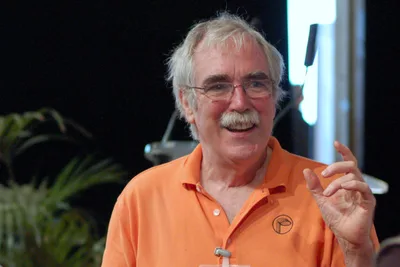
In 1995 Nüsslein-Volhard and Wieschaus shared the Nobel Prize in Physiology or Medicine with Edward B. Lewis "for their discoveries concerning the genetic control of early embryonic development."
1889 CE
#233
Natural inheritance.
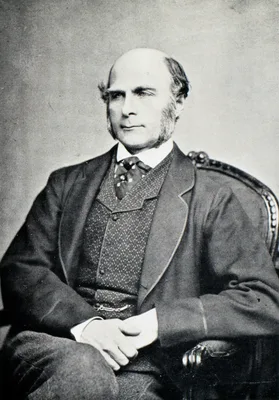
By the employment of statistical methods Galton propounded a “law of filial regression”. This book represents the first statistical study of biological variation and inheritance.
1868 CE
#224
Natürliche Schöpfungsgeschichte. Gemeinverständlich wissenschaftliche Vorträge über die Entwickelungslehre im Allgemeinen und diejenige von Darwin, Goethe und Lamarck im Besonderen, über die Anwendung derselben auf den Ursprung des Menschen . . .
Haeckel constructed the first of the now commonplace ancestral trees, depicting the evolution of life from the simplest organisms through 21 stages of development to modern man – the 22nd and final stage. Within…
1884 CE
#229.1
Neue Untersuchungen über den Befruchtungsvorgang bei den Phanerogamen als Gründlage für eine Theorie der Zeugung.
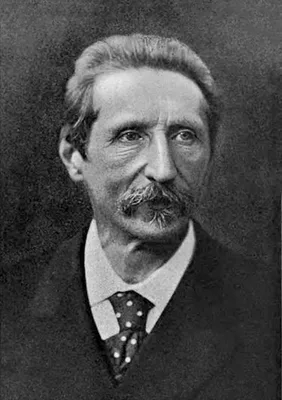
Like Roux, Strasburger hypothesized that the cell nucleus contained the material basis of heredity, and developed the idea with evidence from microscopical observations.
1913 CE
#245.5
Non-disjunction of the sex chromosome of Drosophila.

Bridges discovered non-disjunction, failure of chromosome pairs to segregate regularly during meiosis.
1923 CE
#4390
Nouvelle observation d’acrocéphalosyndactylie.
With Tixier, Hue, and Kermorgant.
2020 CE
#13485
Novel 2019 coronavirus genome.

https://virological.org/t/novel-2019-coronavirus-genome/319 "Novel 2019 coronavirus genome "10th January 2020 "This posting is communicated by Edward C. Holmes, University of Sydney on behalf of the consortium led by …
1982 CE
#6885
Nucleotide sequence of bacteriophage lambda.
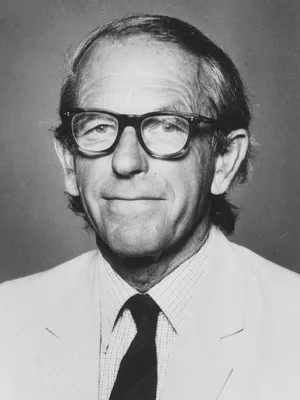
Sanger and colleagues sequenced the entire genome of bacteriophage lambda using a random shotgun technique. This was the first whole genome shotgun (WGS) sequence.
1798 CE
#3429
Observation sur un enfant né sans anus, et auquel il a été fait une ouverture pour y suppléer.
First successful construction of artificial anus, for congenital atresia, Oct. 20, 1793.
1866 CE
#4936
Observations on an ethnic classification of idiots.
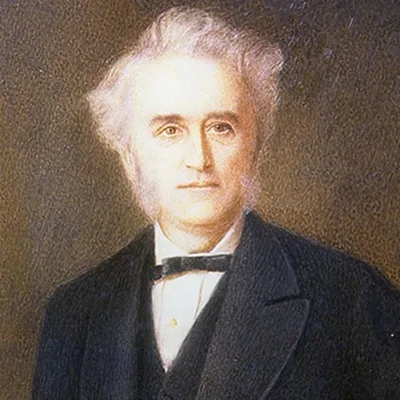
Langdon Down suggested that the physiognomical features of certain defectives enabled them to be arranged in ethnic groups; of these he differentiated Mongolian, Ethiopian, Caucasian, and American Indian. Such an ethn…
1614 CE
#3789
Observationum in hominis affectibus plerisque, corpori & animo, functionum laesione, dolore, aliave molestia & vitio incommodantibus, libri tres.
First known report of a case of death from hypertrophy of the thymus, in an infant, is reported on p. 172; it is reproduced on p. 239 of J. Ruhräh’s Pediatrics of the past, New York, 1925. Platter first des…
1874 CE
#5911
Om den medfödda, färgblindhetens diagnostic och teori.
Holmgren introduced the wool-skein test for the diagnosis of color-blindness.
1876 CE–1877 CE
#5916
Om färgblindheten i dess förhallande till jernvägstrafiken och sjöväsendet.
A serious railway accident in Sweden in 1875 was believed by Holmgren to be due to color-blindness, and resulted in the above important paper dealing with the condition and its relation to railway and maritime traffic…
1842 CE
#217
Om Fortplantning og Udvikling gjennem vexlende Generations-raekker.
Steenstrup is responsible for the theory of the “alternation of generations”. He showed that certain animals produce offspring which never resemble them but which, on the other hand, bring forth progeny wh…
1897 CE
#3792
On a condition of mixed premature and immature development.
Hastings Gilford gave progeria its name; it was first fully reported by him in Practitioner, 1904, 73, 188-217. Digital facsimile of the 1897 paper from PubMedCentral at this link.
1901 CE
#2711
On a family form of recurring epistaxis, associated with multiple telangiectases of the skin and mucous membranes.
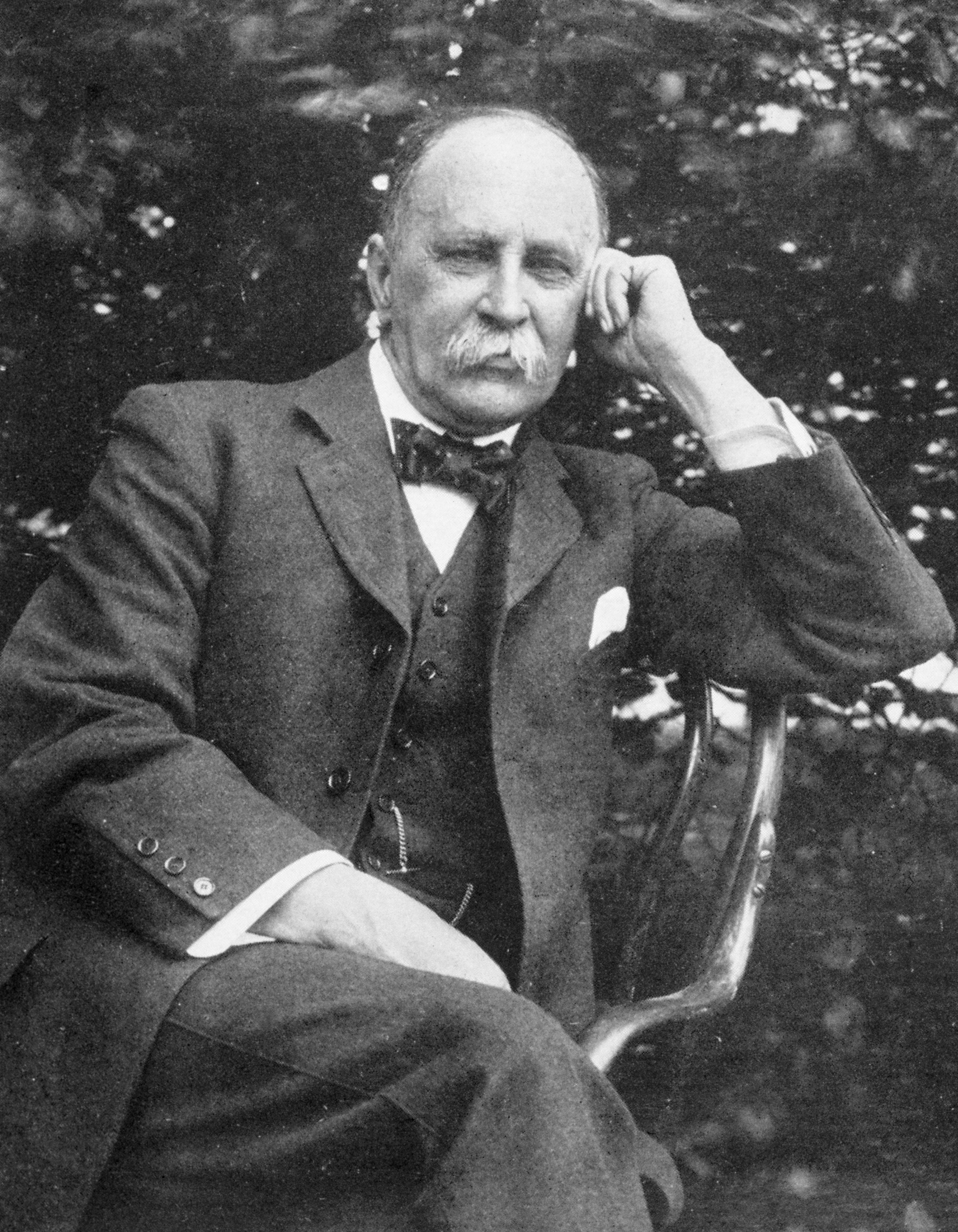
“Rendu–Osler–Weber disease.” Multiple hereditary telangiectasis was first described by Legg (No. 2707) in 1876 and later by Rendu (No. 2710) and Weber (No. 2714). Reprinted in Medical Classics,…
1887 CE
#4705
On arrested cerebral development, with special reference to its cortical pathology.
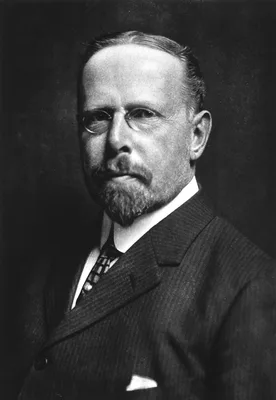
Sachs described the cerebral changes in amaurotic familial idiocy. Earlier, Tay (No. 5918) had recorded the ocular manifestations of this condition, which became known as “Tay-Sachs’s disease”. Two f…
1879 CE
#5917
On astigmatism as a cause for persistent headache and other nervous symptoms.
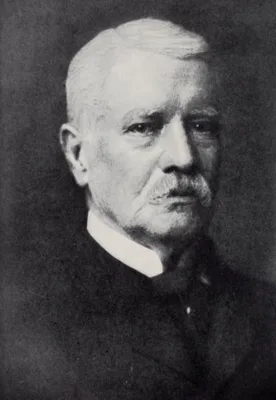
Thomson was a pioneer in the study of refraction. He was much interested in color-blindness and modified Holmgren’s wool-skein test. Himself affected with hypermetropia, he made important investigations on this …
1872 CE
#4699
On chorea.
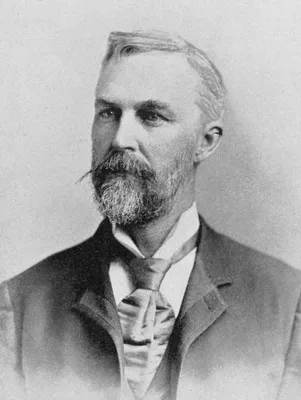
The classic description by Huntington of the chronic degenerative hereditary type of chorea led to the eponym “Huntington’s chorea”. Earlier accounts of the disease were given by John Elliotson (Lanc…
1810 CE
#668.1
On cystic oxide, a new species of urinary calculus.
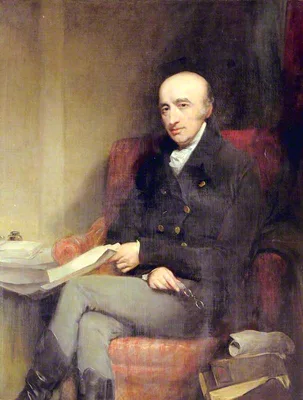
Cystine, the first amino-acid to be isolated, was prepared by Wollaston from a urinary calculus. This was also the first report of cystinuria.
1876 CE–1877 CE
#2391
On irregular and defective tooth development.
“Moon’s molars”, the first molars in congenital syphilitics.
1858 CE
#2761
On malformations, etc., of the human heart.
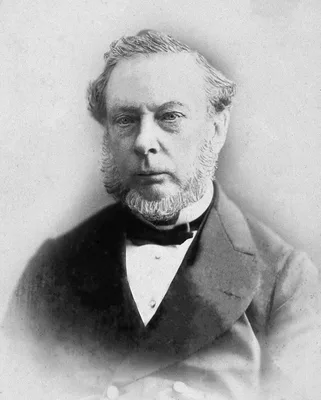
Includes an account of the “tetralogy of Fallot” (see No. 2792). Peacock’s book was “the first comprehensive study covering the whole field” (Maude Abbott). Reprinted, Boston, Mass., 1973.
1905 CE
#4375.1
On the means of lengthening in the lower limbs, the muscles and tissues which are shortened through deformity.
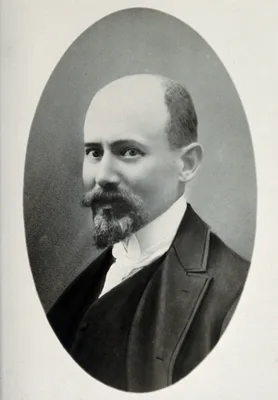
First attempt at surgical lengthening of limbs.
1839 CE
#4322.1
On the nature of club-foot and analogous distortions.
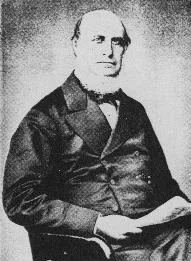
Little suffered from club-foot himself. This is the greatest English classic on the subject. See No. 4329.
1959 CE
#13942
On the topology of the genetic fine structure.
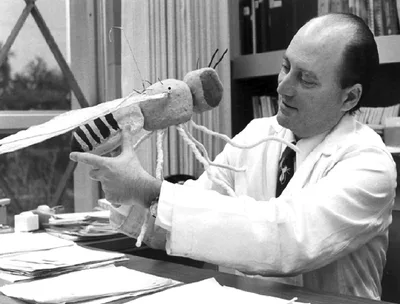
Benzer developed "the T4 rII system, a new genetic technique involving recombination in T4 bacteriophage rII mutants. After observing that a particular rII mutant, a mutation that caused the bacteriophage to eliminate…
1878 CE
#4075.1
On the treatment of psoriasis by an ointment of chrysophanic acid.
Introduction of chrysarobin in dermatology.
1700 CE
#4299
Opera posthuma.
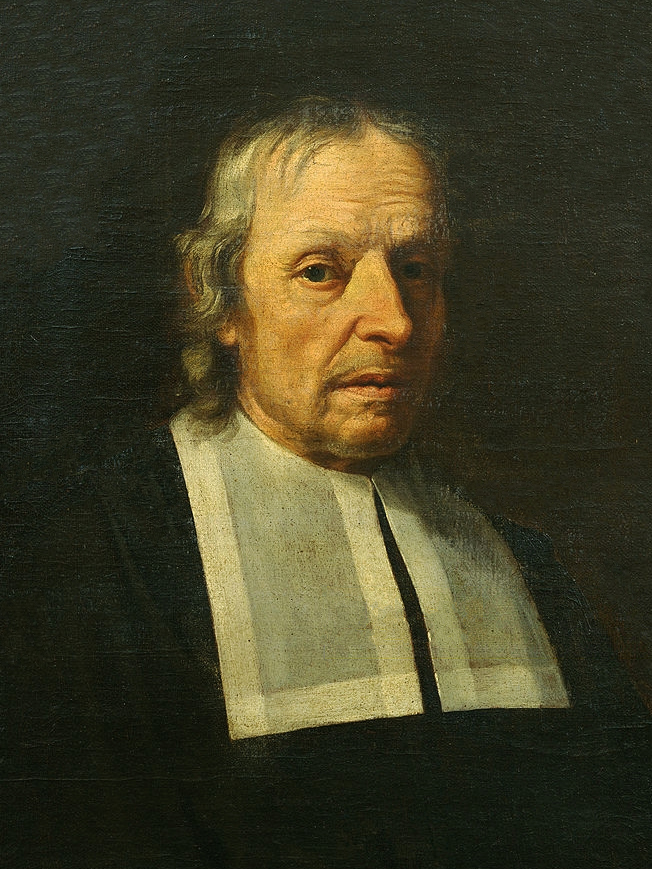
Page 68: first description of leontiasis ossea.
1839 CE
#4322.2
Operations on club-feet.
Brown was the first surgeon in the United States to specialize in orthopedics, founding the Orthopedic Infirmary of the City of Boston (soon renamed the Boston Orthopedic Institution) in 1838. Brown was also the first…
1949 CE
#4404.1
Osteogenesis imperfecta: A study of clinical features and heredity based on 55 Danish families comprising 180 affected members.
Includes a translation of Ekman’s thesis (No. 4304.1). Also gives a case reported in 1678.
1967 CE
#7732
Osteotomies totales de la face: Syndrome de Crouzon, syndrome d'Apert: oxcephalies, scaphocephalies, turricephalies.
2019 CE
#11398
Pathogen genomics in public health.
"An important transformation is under way in public health. Next-generation sequencing (also called “high-throughput sequencing”) is reshaping communicable disease surveillance, allowing for earlier detect…
1814 CE
#2740.1
Pathological researches. Essay I. On malformations of the human heart. [All published.]
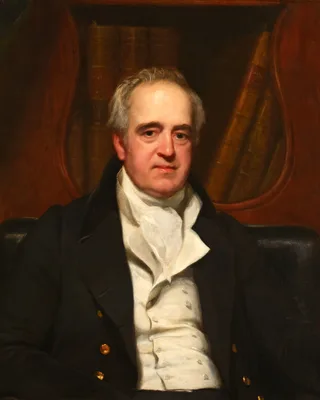
The first monograph on congenital defects of the heart.
1910 CE
#3133
Peculiar elongated and sickle-shaped red blood corpuscles in a case of severe anemia.
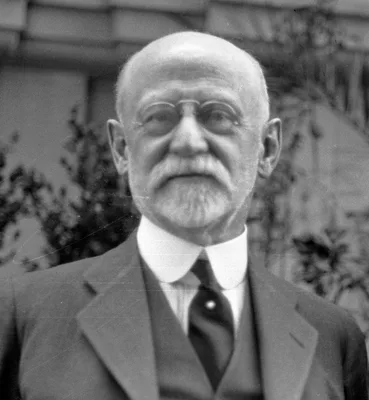
Identification of the sickle-cell type of anemia. Abstract "This case is reported because of the unusual blood findings, no duplicate of which I have ever seen described. Whether the blood picture represents merely a …
#13511
Periodic Disease: A probable syndrome including periodic fever, benign paroxysmal peritonitis, cyclic neutropenia and intermittent arthralgia.
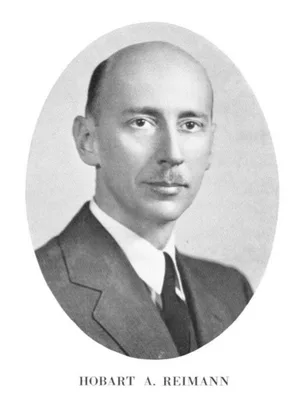
One of the earliest accounts of periodic disease and fevers, later variously categorized as Periodic fever syndrome and Reimann syndrome. With Siegal-Cattan-Mamou disease, this was renamed Familial Mediterranean fever.
1842 CE
#4691
Practice of medicine: A treatise on special pathology and therapeutics. 2 vols.
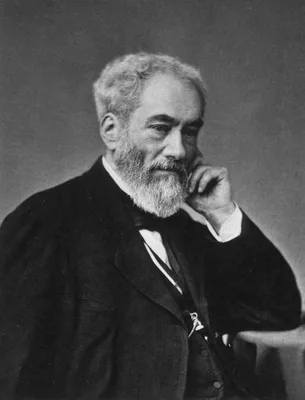
A case of chronic hereditary chorea in adults (“Huntington’s chorea”, see No. 4699) is described on pp. 312-13 of vol. 2. This is in the form of a letter from one of Dunglison's recently graduated st…
1922 CE
#6348.1
Premature and congenitally diseased infants.
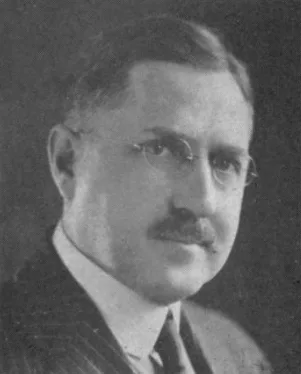
“The first book ever written dealing solely with premature and congenitally diseased infants” (Cone). Hess founded the first premature infant center in the United States at Michael Reese Hospital in Chicago.
2014 CE
#11341
Presence of extensive Wolbachia symbiont insertions discovered in the genome of its host Glossina morsitans morsitans.
Order of authorship in the original publication: Brelsfoard, Tsiamis, Falchetto....The authors suggested that infection by Wolbachia may give a reproductive advantage to the fly that carries the parasite causing Sleep…
1981 CE
#9176
Primary structure, gene organization and polypeptide expression of poliovirus RNA.
The poliovirus genome. With around 10 co-authors. "The primary structure of the poliovirus genome has been determined. The RNA molecule is 7,433 nucleotides long, polyadenylated at the 3′ terminus, and covalentl…
1939 CE
#4403.1
Principles involved in the treatment of congenital clubfoot.
Kite’s method, involving “a series of plaster casts and wedgings, without the use of anesthetics, forcible manipulations, or operative procedures”, became standard practice.
1907 CE
#1709
Probability: The foundation of eugenics.
1954 CE
#11887
Protection afforded by sickle-cell trait against subtertian malarial infection.
Allison was the first to connect a hereditary disease (sickle cell disease) to an infectious disease (malaria). He proved that heterozygous and homozygous individuals to the sickle cell trait or disease respectively s…
1997 CE
#14131
Proteome research: New frontiers in functional genomics.


Order of editorship in the original publication: Wilkins, Williams, Appel, Hochstrasser. "Recent advances in two-dimensional gel electrophoresis, protein microanalytsis and bioinformatics have made the large-scale, sy…
1948 CE
#3046
Pulmonary valvulotomy for the relief of congenital pulmonary stenosis. Report of three cases.
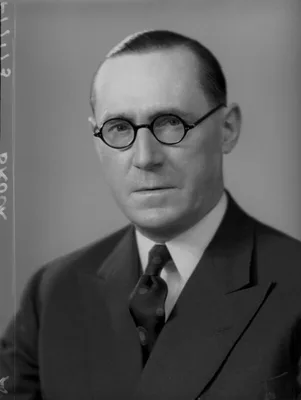
"Brock performed the first successful valvotomies for isolated pulmonary stenosis in 1948. He gained access to the blood-filled beating heart through a small incision in the right ventricle through which he passed a v…
1988 CE
#10228
Racial hygiene: Medicine under the Nazis.
2015 CE
#9195
Radium and the secret of life.

1911 CE
#245.3
Random segregation versus coupling in Mendelian inheritance.
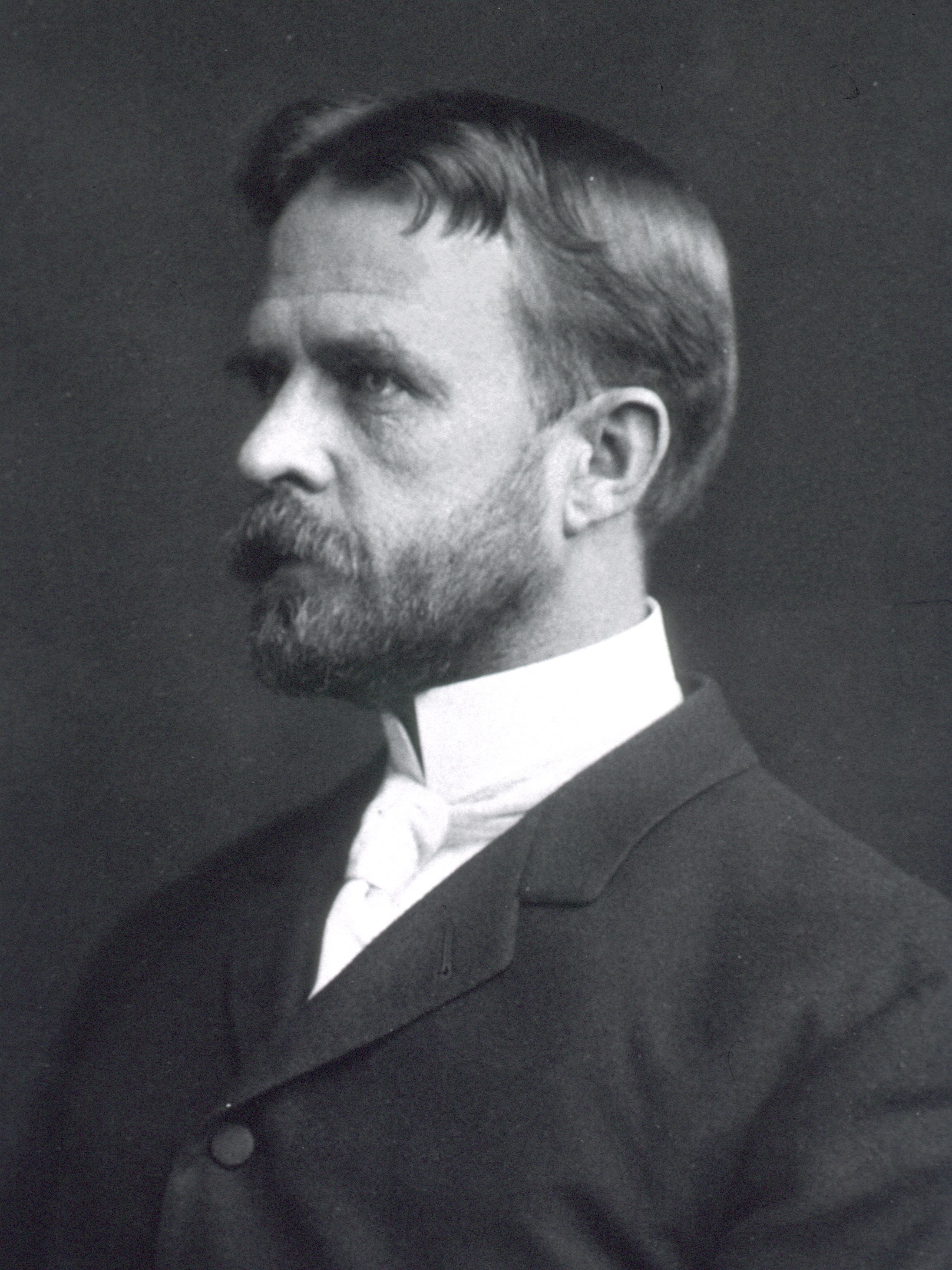
Morgan proposed that what he called Mendelian factors (genes) are arranged in a linear series on chromosomes and that the degree of linkage between two genes on the same chromosome depends upon the distance between th…
1879 CE
#2782
Recherches cliniques sur la communication congénitales des deux coeurs par inocclusion du septum intervenniculare.
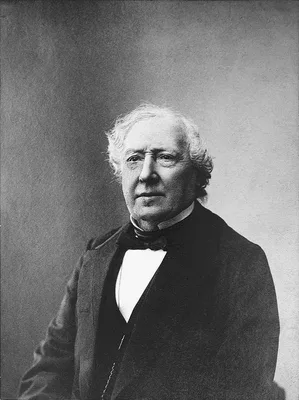
Roger drew attention to an important anomaly of the septum, interventricular patency (“maladie de Roger”), demonstrating the presence of a murmur in this condition. This is sometimes called “Roger&rs…