
Facets
Browse across eight MeSH (opens in new tab) facets — era, geography, science, specialty, technology, history, culture, and reference. Select one tag per group; counts update across the others.
Clear filtersFacet filters
Geography
Specialties & Disease
- Anatomy & Pathology 765
- Cardiology & Blood 914
- Neurology & Psychiatry 1,256
- Obstetrics & Reproductive 550
- Infectious Disease (General) 147
- Surgery & Anesthesia 1,551
- Public Health 1,129
- Immunology & Dermatology 1,404
- General Clinical Medicine 480
- Military Medicine 436
- Psychology 202
- Alternative & Fringe Medicine 383
- Pediatrics 247
- Ophthalmology & Vision 412
- ENT & Hearing 293
- Urology & Nephrology 309
- Gastroenterology & Hepatology 316
- Pulmonary & Respiratory 233
- Rheumatology, Rehab & Pain 188
- Internal, Emergency & Geriatric 123
- Veterinary Medicine 165
- Epidemiology & Demography 397
- Physiology & Embryology 923
- Dentistry 259
- Plagues & Epidemics 1,279
- Microbiology & Virology 1,080
Social & Historical Studies
Institutions & Culture
Reference & Scholarly Works
1,256 entries match Neurology & Psychiatry [C10 / F04]
1973 CE
#9131
Awakenings.
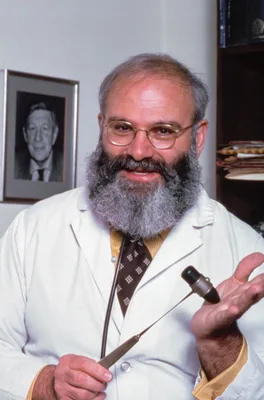
Revised editions, 1976 and 1991. "It recounts the life histories of those who had been victims of the 1920s encephalitis lethargica epidemic.[2] Sacks chronicles his efforts in the late 1960s to help these patients at…
1859 CE
#4815
Bau und Functionen der Medulla spinalis und oblongata, und nächste Ursache und rationelle Behandlung der Epilepsie.
The work of Schroeder van der Kolk brought histological examination to the forefront in connection with theories on the localization of function. His careful microscopical studies confirmed the medulla as being the ul…
2009 CE
#9783
Before Prozac: The troubled history of mood disorders in psychiatry.
1937 CE
#7980
Behavior of children receiving benzedrine.
Bradley showed that racemic amphetamine, that is, the 50:50 mixture of d- and l-amphetamine isomers (Benzedrine®), was shown to reduce the impulsivity, distractibility, and inattention characteristic of Attention …
1837 CE
#1261
Beitrag zur mikroskopischen Anatomie der Nerven.
1885 CE
#1366
Beitrag zur pathologischen Anatomie der Tabes dorsalis und zum Faserverlauf in menschlichen Rückenmark.
“Lissauer’s tract”, the marginal tract in the spinal cord.
1876 CE
#4833
Beitrag zur Tetanie.
“Chvostek’s sign”, a reliable diagnostic sign in latent tetany in small children.
1919 CE–1929 CE
#7345
Beiträge zur Entwicklungsgeschichte des menschlichen Gehirns. 2 vols.
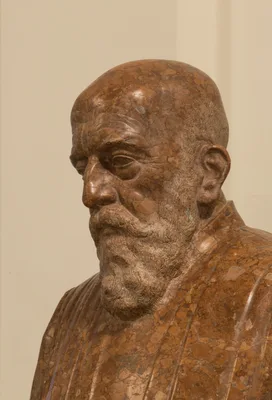
Considered the most extensive account of human cerebellar development. "Hochstetter carried out detailed work on the embryology of the human brain, and his beautiful figures have been reproduced in textbooks ever sinc…
1860 CE
#1361
Beiträge zur feineren Anatomie des menschlichen Rückenmarks.
Includes description of “Golls column” or “tract”, the posterior column of the spinal cord.
1894 CE
#1289
Beiträge zur Histologie des Nervensystems und der Sinnesorgane.
1908 CE
#1434
Beiträge zur histologischen Lokalisation der Grosshirnrinde. VI. Die Cortexgliederung des Menschen.
“Brodmann’s areas”, the occipital and pre-occipital area of the cerebral cortex.
1869 CE
#1364
Beiträge zur Lehre von den Functionen der Nervencentren des Frosches.
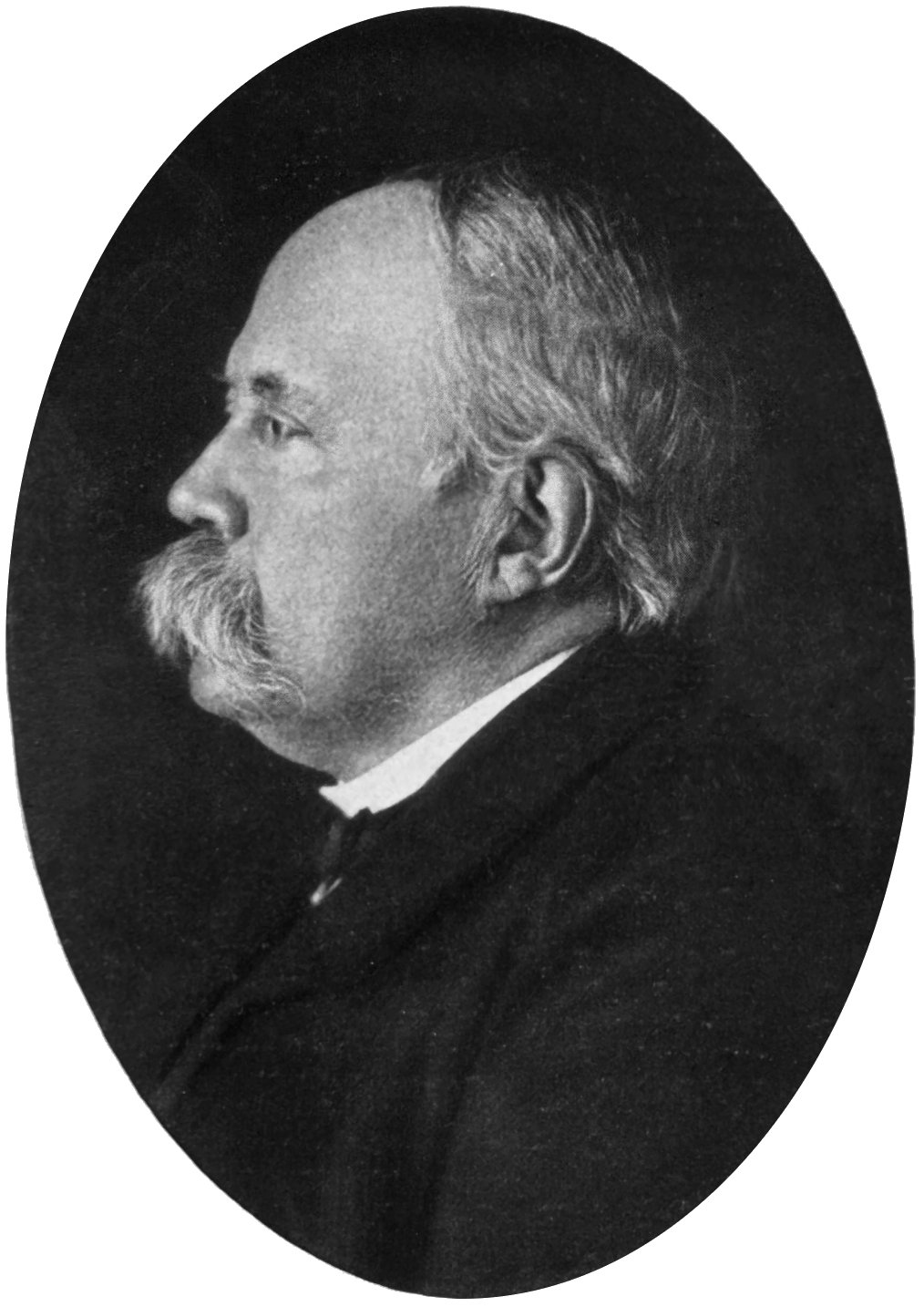
Goltz made important observations on the decerebrate frog. He showed it to possess no volitional powers except after stimulation, no memory and no intelligence. His experiments on frogs deprived of their spinal cords …
2016 CE
#10968
Bellevue: Three centuries of medicine and mayhem at America's most storied hospital.

1840 CE
#4664
Beobachtungen über Lähmungszustände der untem Extremitäten und deren Behandlung.
First description of acute anterior poliomyelitis, which Heine separated from other forms of paralysis; he described the deformities arising from the disease. He also called attention to congenital spastic paraplegia,…
1896 CE
#4680
Beobachtungen und Versuche über den Meningokokkus intracellularis (Weichselbaum–Jaeger).
Heubner was the first to isolate meningococci from the cerebrospinal fluid of living beings.
1831 CE
#1259
Bestätigung des Bell’schen Lehrsatzes, das die doppelten Wurzeln der Rückenmarksnerven verschiedene Fuctionen haben, durch neue und Entscheidende Experimente.
Experimental proof of the Bell-Magendie law (see Nos. 1254 & 1256) of the spinal nerve roots.
1931 CE
#11250
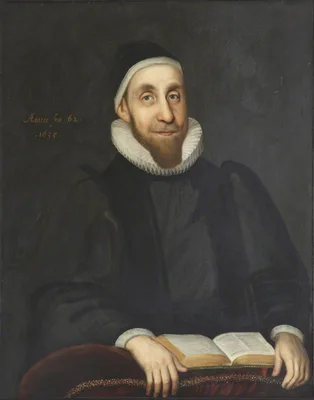
Bibliographia Burtoniana: A study of Robert Burton's The Anatomy of Melancholy, with a bibliography of Burton's Writings
1927 CE
#7698
Bibliographie des Selbstmords mit textlichen Einführungen zu Jedem Kapitel.
Approaches the literature of suicide from many points of view including philosophical, medical, psychological, religious, literary, and artistic, as well as topics like family suicide, mass suicide and euthanasia, fro…
1950 CE
#5016
Bibliography of electroencephalography, 1875-1948. Electroencephalography and Clinical Neurophysiology, Suppl. No. 1
Covers both normal and disease states. Suppl. No. 23 (1964), ed. M. Fink, covers the period 1951-62.
1961 CE
#6945
Bibliography of memory.
The most complete bibliography to date on this subject. Regarding Young, see the unusually interesting obituary in The New York Times at this link.
1781 CE
#5000
Bibliotheca chirurgica. 2 vols.
Fulton (No. 6785) points out that this work contains the “most complete bibliographical study of the literature of head injury that had been brought together up to that time”. Digital facsimile from Google…
1929 CE
#1446.1
Brain mechanisms and intelligence: a quantitative study of injuries to the brain.
Lashley related nervous function and behavior with well-defined areas of the brain, particularly in connection with cerebral lesions.
1974 CE
#5019.13
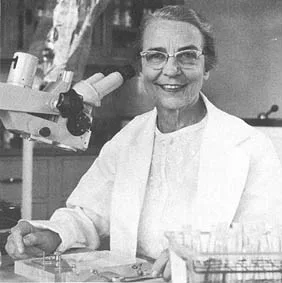
Breakthroughs in hypothalamic and pituitary research. In: Integrative hypothalamic activity, editors D.F. Swaab and J.P. Schadé.
1969 CE
#7916
Bürger und Irre. Zur Sozialgeschichte und Wissenschaftssoziologie der Psychiatrie.
1529 CE
#1959.1
Caelii Aureliani Siccensis Tardarum passionum libri V. D. Oribasii Sardi Iuliani Caesaris archiatri Euporiston lib: III. Medicinae comperi: lib: 1. Curationum lib: 1. Trochiscoru confect: lib: 1.
From a clinical point of view, the two works of Caelius Aurelianus, which were translated into Latin from Greek originals by Soranus of Ephesus that were later lost, represent the high-point of Graeco-Roman medical ac…
1913 CE
#1302.1
Carbon dioxide production from nerve fibres when resting and when stimulated; a contribution to the chemical basis of irritability.
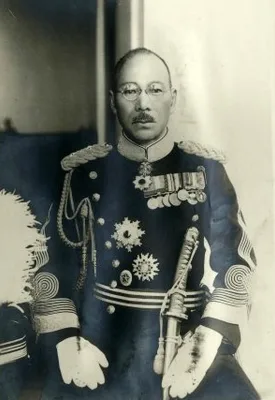
Tashiro showed that the production of the nervous impulse depends on the metabolic activity of the nerve fiber.
2012 CE
#14114
Cardiovascular and neurological causes of sudden death after ischaemic stroke.
Hachinski and Sörös discovered that the control of the heart by the brain is asymmetric, with the fight/flight (sympathetic) response controlled by the right hemisphere and the rest and digest (parasympathet…
1868 CE
#4778
Case of cerebral disease in a syphilitic patient.
Syphilitic endarteritis of cerebral arteries described.
1875 CE
#4817
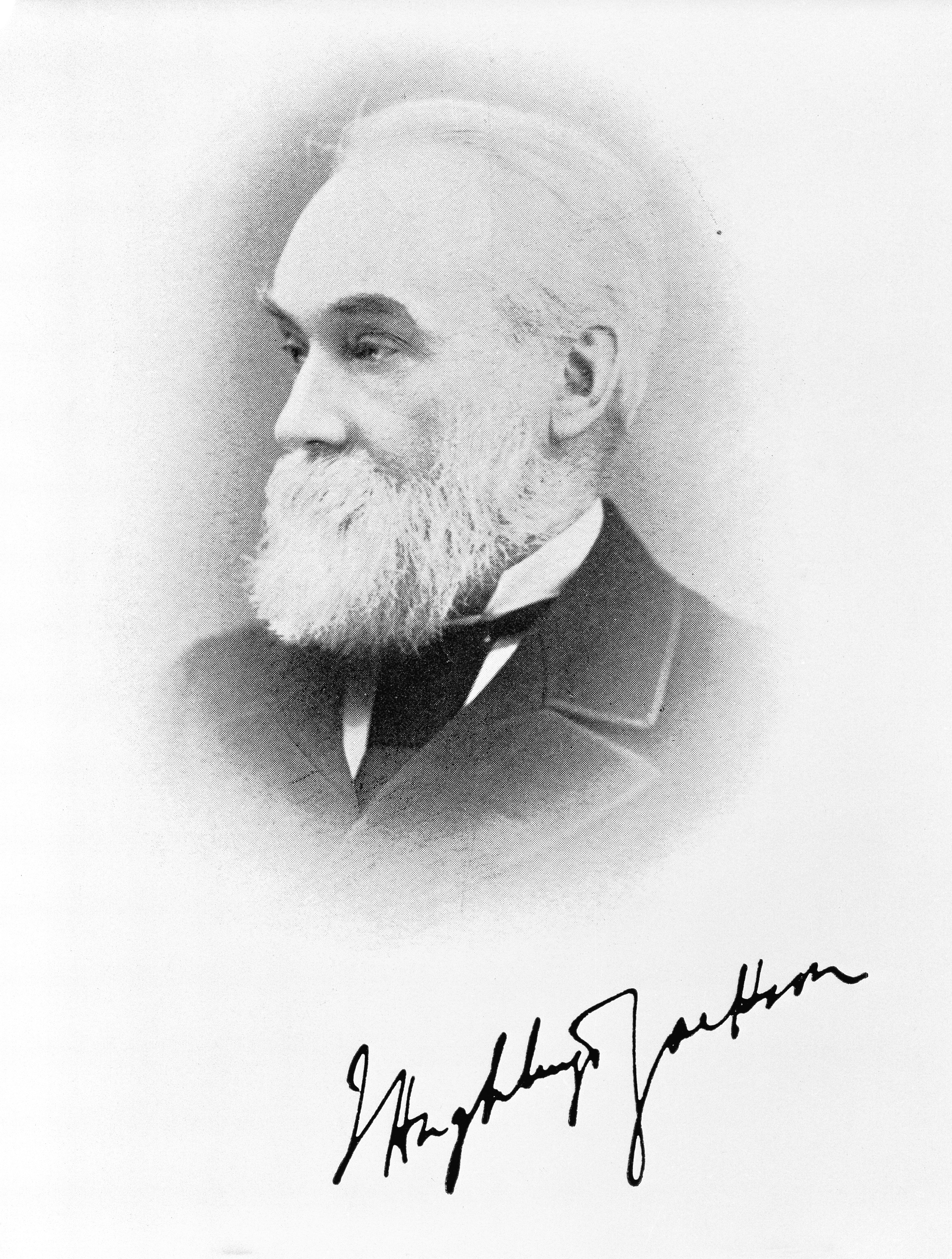
Case of hemikinesis.
1862 CE
#4695
Case of progressive atrophy of the muscles of the hands: enlargement of the ventricle of the cord in the cervical region, with atrophy of the gray matter.
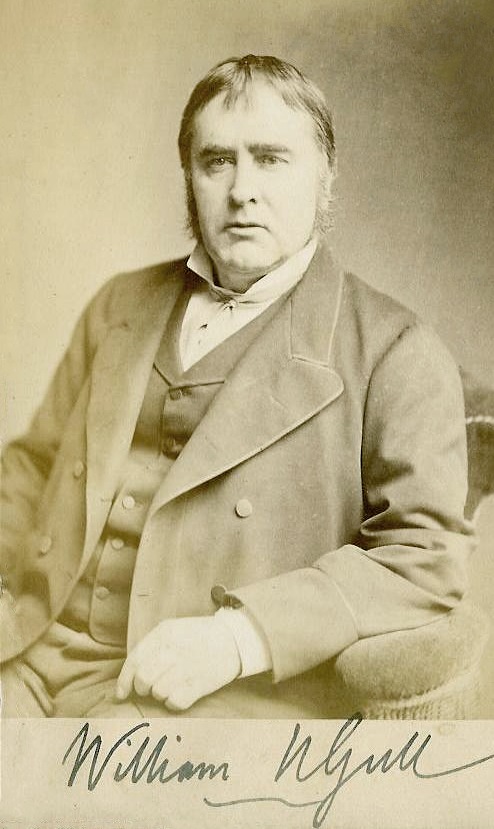
First description of syringomyelia.
1812 CE
#4519.1
Cases of apoplexy and lethargy: with observations upon the comatose diseases.
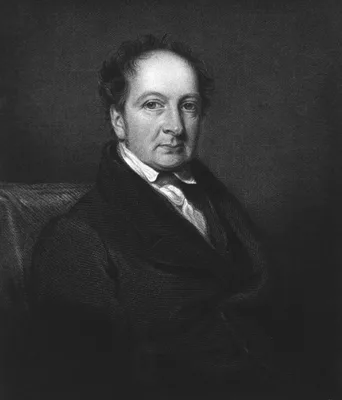
Cheyne believed that cerebral anemia might be the cause of apoplexy, and described pathological cases of cerebral infarction and of cerebral hemorrhage. The work contains the first illustration of a subarachnoid hemor…
1857 CE
#4814
Cases of epilepsy, associated with amenorrhoea and vicarious menstruation, successfully treated with the iodide of potassium.
O’Connor was apparently the first to use potassium bromide for the treatment of epilepsy.
1856 CE
#4532
Cases of paraplegia [with autopsies of ataxic cases, showing lesions in the posterior columns of the spinal cord].
Gull showed the lesions of tabes dorsalis to be located in the posterior columns of the spinal cord.
1892 CE
#4578
Casuistische Beiträge zur Nervenpathologie. II. Doppelseitige Accessoriuslähmung bei Syringomyelie.
“Schmidt’s syndrome” – a hemiplegia affecting the vocal cord, palate, trapezius, and sternocleidomastoid muscles, due to lesion of the nucleus ambiguus and nucleus accessorius.
2004 CE
#8723
Catalog of the Robert L. Sadoff Library of Forensic Psychiatry and Legal Medicine.
Sadoff donated this library of about 4,000 items to the College of Physicians of Philadelphia in 2004.
1978 CE
#8775
Catalog of works in the neurological sciences collected by Cyril Brian Courville, representative of clinical neurology, neuroanatomy, and neuropathology with particular reference to head trauma.

1906 CE
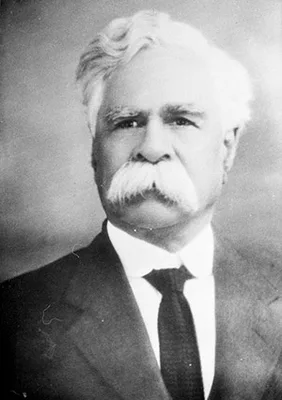
#7341
Cerebellum der Säugetiere. Eine Vergleichend Anatomische Untersuchung.
Bolk studied some 69 species of mammals, both in the adult and during development, and elaborated a basic plan for the cerebellum that remains influential today. "Lodewijk Bolk and the comparative anatomy of the cereb…
1906 CE
#7340
Cerebra simiarum illustrata. Das Affenhirn in bildlicher Darstellung.
Describes and illustrates with photographs the cerebral cortex of over 50 species of primate, including prosimians, monkeys, and apes..
1834 CE
#4636
Cerebral affections of children.
Accurate clinical description of tuberculous meningitis.
1903 CE
#4712
Cerebral degeneration with symmetrical changes in the maculae in two members of a family.
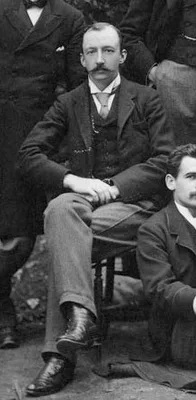
Batten disease, a fatal disease of the nervous system that typically begins in childhood. Onset of symptoms is usually between 5 and 10 years of age. Often, it is autosomal recessive. It is the common name for a group…
1904 CE
#4713
Cerebral degeneration, with symmetrical changes in the maculae, in three members of a family.
“Batten-Mayou disease”, juvenile amaurotic idiocy (see also No. 4712).
1961 CE
#9648
Cerebral organization and behavior: The split brain behaves in many respects like two separate brains, providing new research possibilities.
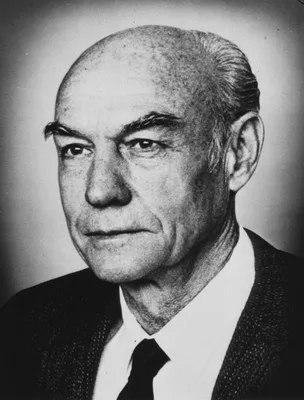
Sperry and colleagues, including Michael Gazzaniga, conducted extensive experiments on an epileptic patient who had had his corpus collosum, the "bridge" between the left and right hemispheres of the brain, split so t…
1664 CE
#1378
Cerebri anatome: cui accessit nervorum descriptio et usus.
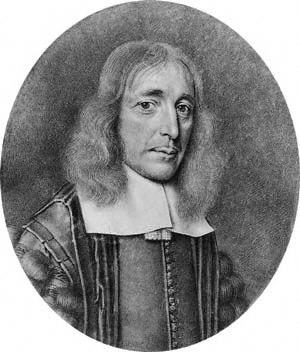
The most complete and accurate account of the nervous system which had hitherto appeared, and the work that coined the term, “neurology". In its preparation Willis was helped by his students Richard Lower and Th…
1719 CE
#1380.1
Cerebri examen chemicum, ex eodemqve phosphorum singularem omnia inflammabilia accendentem dissertatione academica.
First account of the chemical composition of the brain. Hensing discovered the presence of phosphorus. Annotated English translation with biography and historical analysis, by D.B. Tower. New York, Raven Press, [1983].
1882 CE
#5003
Chapters in the history of the insane in the British Isles.
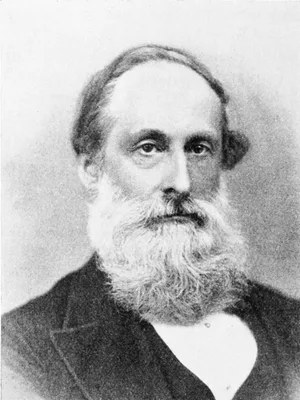
1995 CE
#11456
Charcot: Constructing neurology
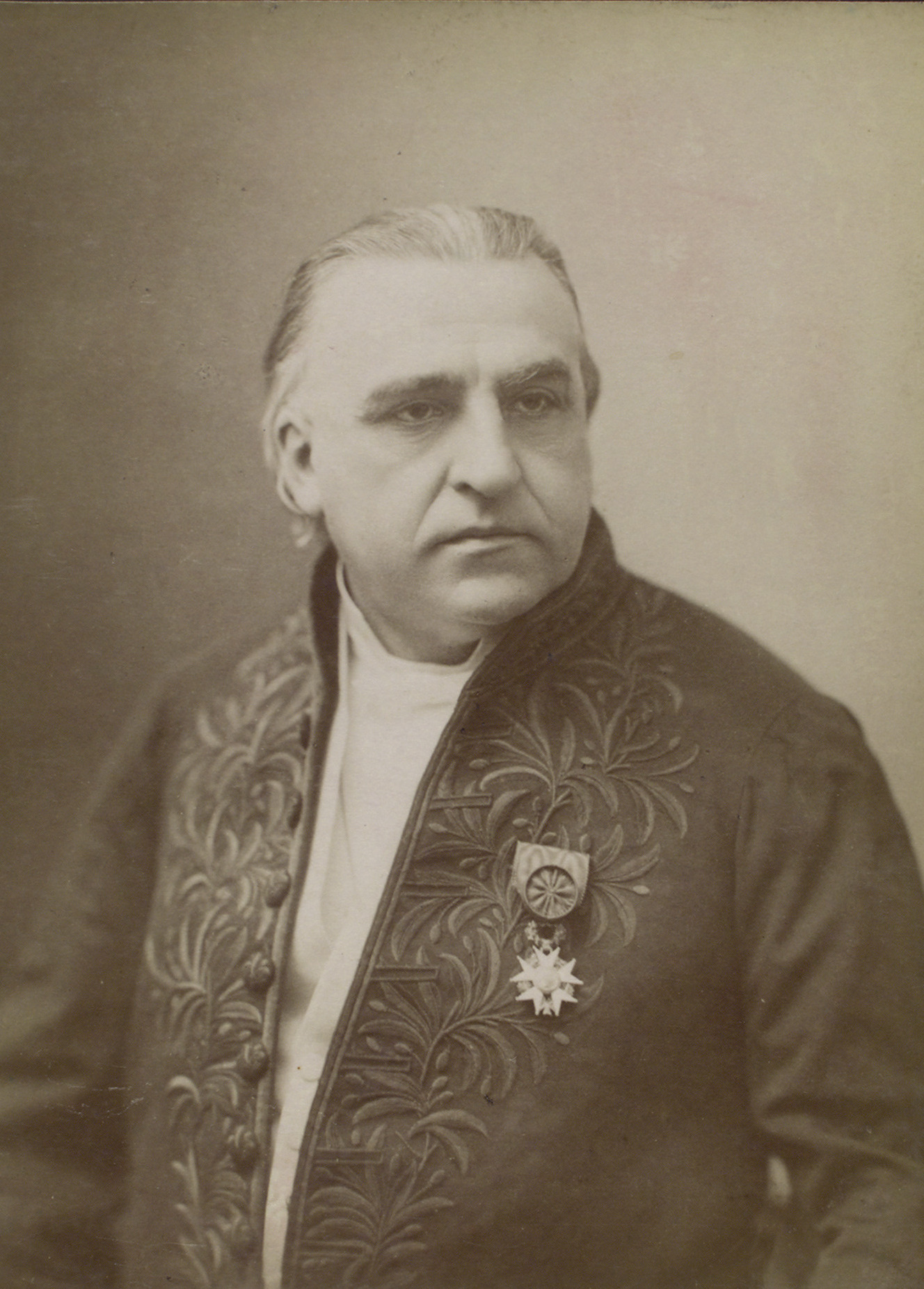
An essential account of the life and contributions of Charcot.
2019 CE
#11453
Charcot's studies on hysteria: Five case histories, 1870-1893.
1963 CE
#9647
Chemoaffinity in the orderly growth of nerve fiber patterns and connections.
Sperry's chemoaffinity hypothesis, which states that neurons make connections with their targets based on interactions with specific molecular markers[1] and, therefore, that the initial wiring diagram of an organism …
1935 CE
#8894
Child psychiatry.
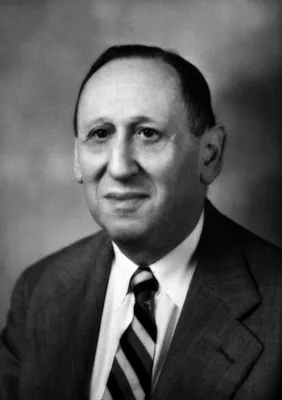
Leo Kanner, an Austrian émigré and medical graduate of the University of Berlin, founded the first academic department of child psychiatry under the direction of Adolf Meyer at the Johns Hopkins Hospital…
1974 CE
#7009
Chlorpromazine in psychiatry: A study of therapeutic innovation.
Chlorpromazine (CPZ) was the first drug in Western medicine found to have specific psychotropic effects agains a range of mental disease symtomatologies, particularly those associated with schizophrenia. It was market…