
Facets
Browse across eight MeSH (opens in new tab) facets — era, geography, science, specialty, technology, history, culture, and reference. Select one tag per group; counts update across the others.
Clear filtersFacet filters
Geography
Specialties & Disease
- Anatomy & Pathology 765
- Cardiology & Blood 914
- Neurology & Psychiatry 1,256
- Obstetrics & Reproductive 550
- Infectious Disease (General) 147
- Surgery & Anesthesia 1,551
- Public Health 1,129
- Immunology & Dermatology 1,404
- General Clinical Medicine 480
- Military Medicine 436
- Psychology 202
- Alternative & Fringe Medicine 383
- Pediatrics 247
- Ophthalmology & Vision 412
- ENT & Hearing 293
- Urology & Nephrology 309
- Gastroenterology & Hepatology 316
- Pulmonary & Respiratory 233
- Rheumatology, Rehab & Pain 188
- Internal, Emergency & Geriatric 123
- Veterinary Medicine 165
- Epidemiology & Demography 397
- Physiology & Embryology 923
- Dentistry 259
- Plagues & Epidemics 1,279
- Microbiology & Virology 1,080
Social & Historical Studies
Institutions & Culture
Reference & Scholarly Works
Drugs & Technology
123 entries match Internal, Emergency & Geriatric [G02.403.810]
1962 CE
#10274
The casualty officer's handbook.
The first handbook published in England on what later came to be called emergency medicine. Ellis, appointed to the Leeds General Infirmary in 1952, was the first "Casualty" consultant in England, and remained so unti…
1923 CE
#138
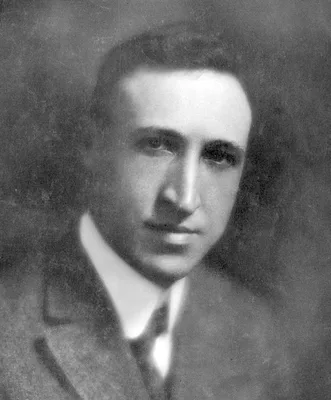
The chemical basis of growth and senescence.
1807 CE
#1602.1
The code of health and longevity; or, a concise view of the principles calculated for the preservation of health, and the attainment of long life. 4 vols.
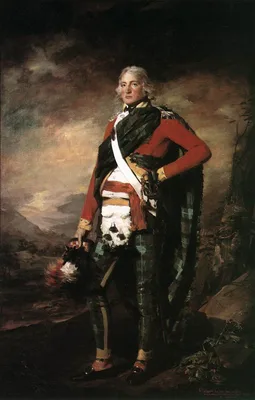
One of the most comprehensive works on gerontology ever written, with a bibliography of 1800 references, supplemented by abstracts, translated excerpts from ancient authors, national data, etc.
1788 CE
#2028.53
The connexion of life with respiration; or, an experimental inquiry into the effects of submersion, strangulation, and several kinds of noxious airs, on living animals.
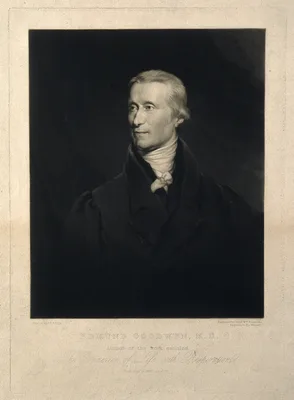
Goodwyn emphasized the importance of ventilation in resuscitation.
1880 CE
#4562
The diagnosis of diseases of the spinal cord.
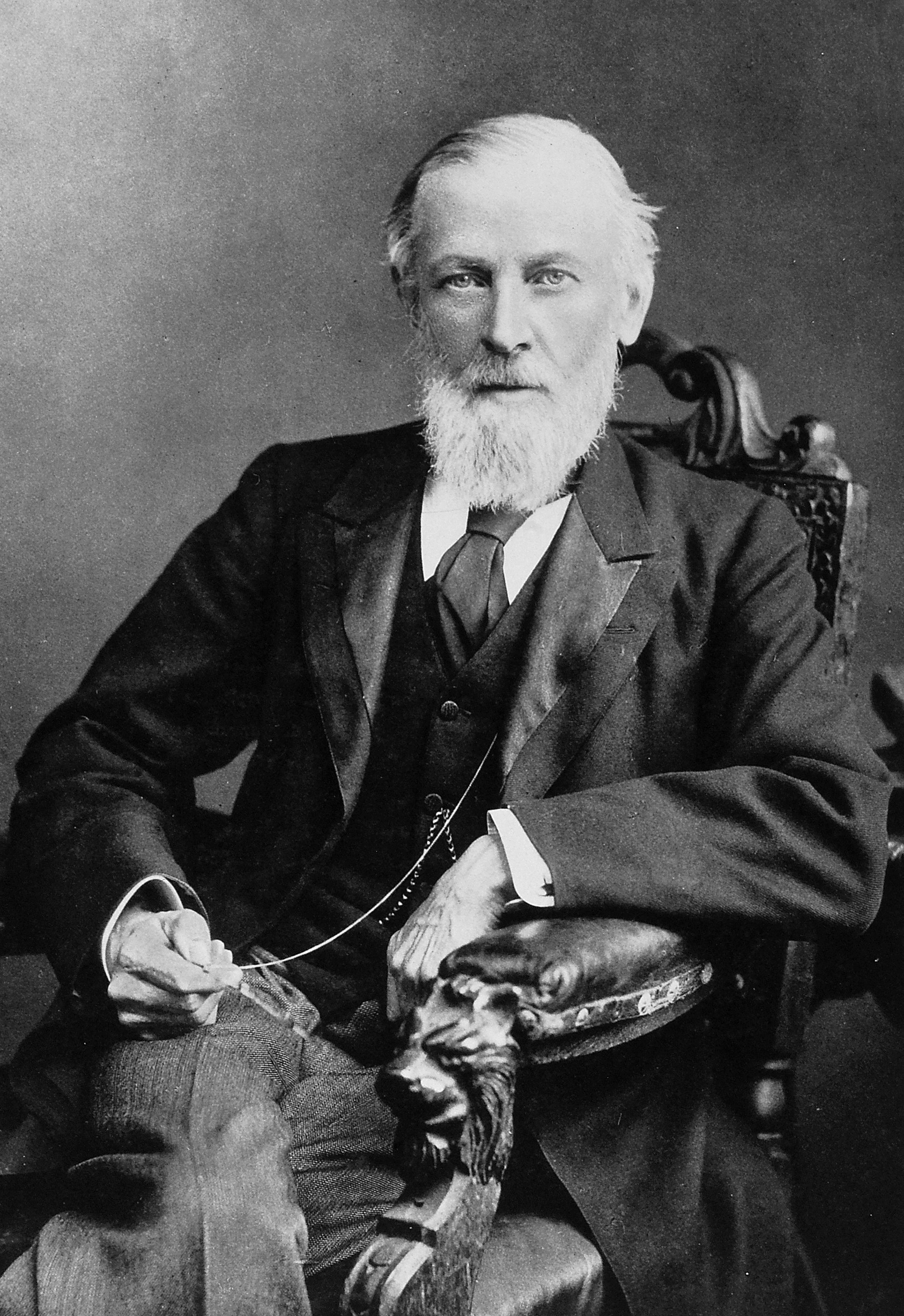
Gowers demonstrated the dorsal spinocerebellar tract, “Gowers’s tract”, and introduced the terms myotatic and knee-jerk, which he elicited with the rubber edge of his stethoscope or a percussion hammer.
1963 CE
#2243.2
The evolution of clinical methods in medicine.
FitzPatrick Lectures 1960-61. This book traces the changing clinical methods throughout the centuries to show how they arose and how they have grown into their present forms.
1960 CE
#2243
The history of internal medicine. Selected diseases.
Attempts to list and annotate every reference of fundamental importance in the development of 21 selected diseases.
2013 CE
#8185
The inevitable hour: A history of caring for dying patients in America.
1707 CE–1710 CE
#2670
The physician’s pulse-watch. 2 vols.
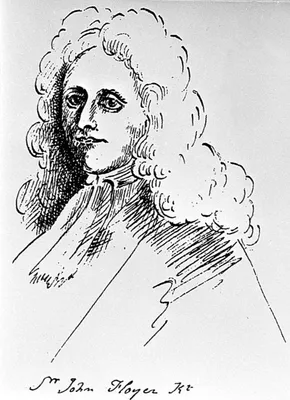
Before watches had hands to record the seconds, Floyer invented a pulse-watch which divided the minute. He was the first to count the pulse with the aid of a watch and to make regular observations on the pulse-rate. T…
1908 CE
#132
The problem of age, growth and death.
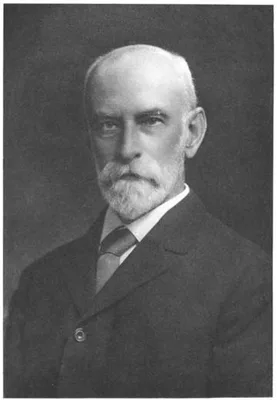
Minot’s theory of aging, based on cytomorphosis and the rate of growth. This work first appeared as a paper in vol. 7 of the Popular Science Monthly, 1907.
1890 CE
#2680
The pulse.
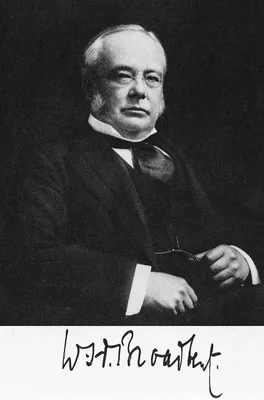
1857 CE
#9165
The seaman's medical friend, a companion to the government medicine chest, intended for use in ships not carrying surgeons. Containing directions for the preservation of health and the cure of diseases, wounds, fractures, dislocations, and other accidents likely to occur at sea. Comprising also the Admiralty scale of medicines. Second edition.
"The present edition of The Seaman's Medical Friend is a new book rather than a mere revision of an old one; since the whole of that portion which relates to the Preservation of health, and the symptoms and treatment …
1961 CE
#8381
The serial cultivation of human diploid cell strains.
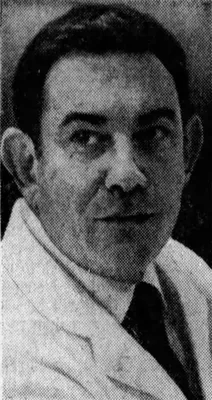
The Hayflick limit. Hayflick demonstrated that a population of normal human fetal cells in a cell culture will divide between 40 and 60 times. The population then enters a senescence phase.
1949 CE
#7128
The Texas City disaster; a survey of 3,000 casualties.
After ships anchored in Texas City exploded in 1947, injuring and burning some 3,000 persons, the Blockers published a survey of the casualties. For this and other research studies involving trauma and burns the Block…
1848 CE–1850 CE
#64
The works of Thomas Sydenham. Translated from the Latin edition of Dr. Greenhill with a life of the author by R.G. Latham. 2 vols.
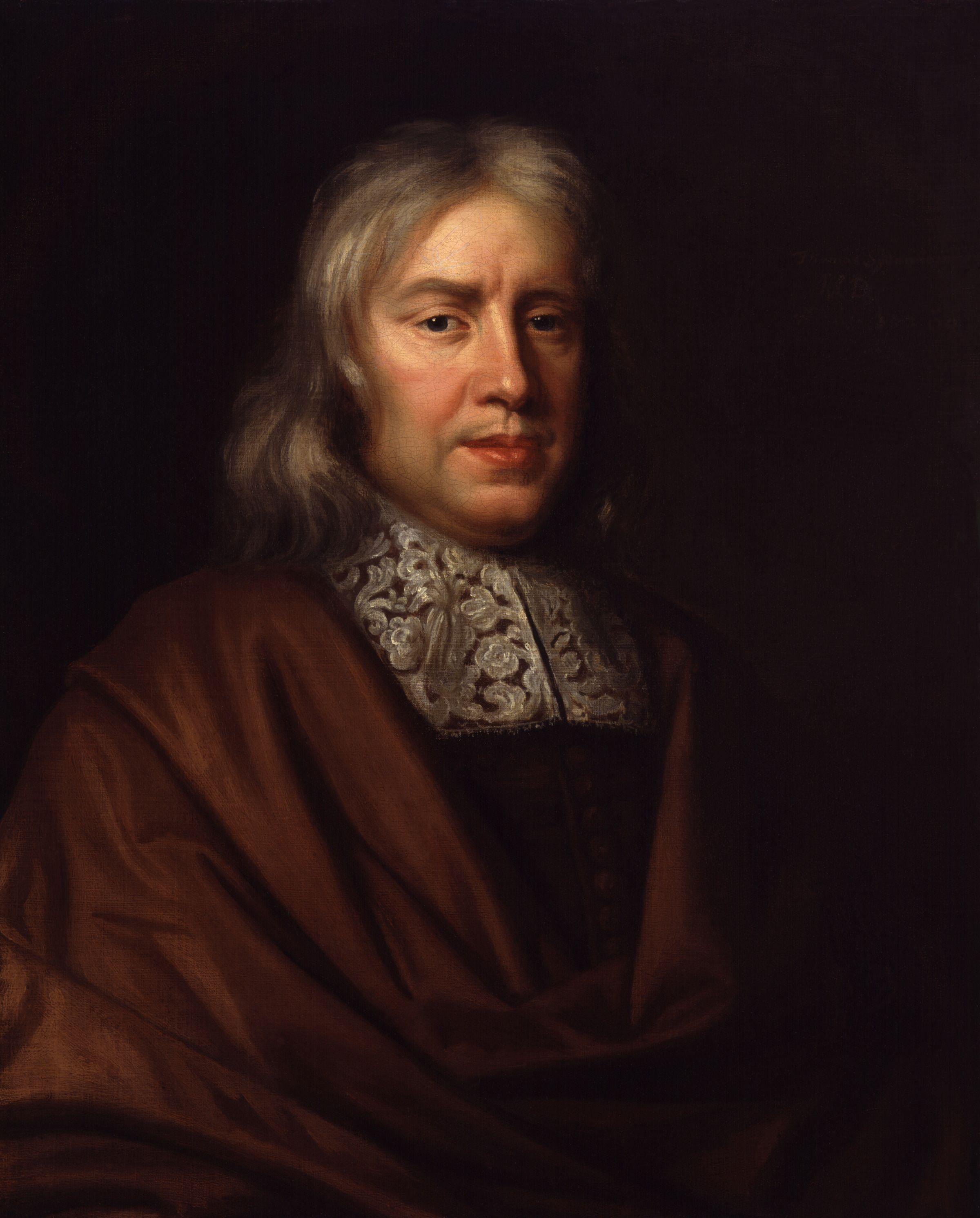
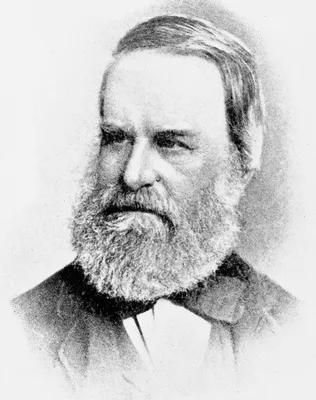
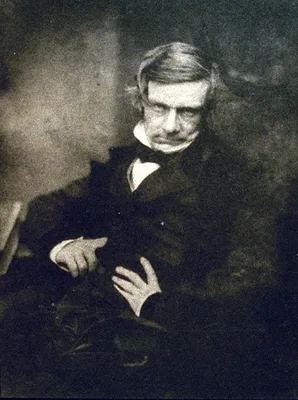
Best English translation of Sydenham’s works.
1846 CE
#8587
The young stethoscopist; or, the student's aid to auscultation.
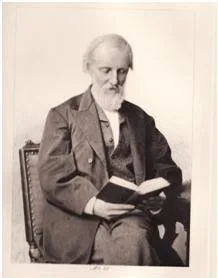
Through this book Bowditch established the stethoscope as a diagnostic tool in America. Digital facsimile from the Medical Heritage Library, Internet Archive, at this link.
1844 CE
#63
Thomae Sydenham, M. D., Opera omnia. Edidit Gulielmus Alexander Greenhill.
Sydenham has been called the “Father of English Medicine”. His reputation rests on his first-hand accounts of such conditions as the malarial fevers of his times, gout, scarlatina, measles, etc. A better e…
1826 CE
#14323
Traité de l'auscultation médiate ou traité diagnostic des maladies des poumons et du coeur. 2 vols.
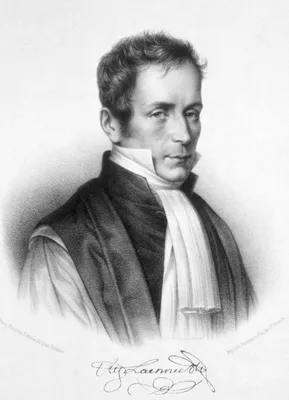
Second edition, hugely revised, expanded, and improved. The pagination of the first edition (1819) was 456 pp. in vol. 1 and 472 pp. in vol. 2. The second edition was expanded to 728pp. in vol. 1 and 790 pp. in vol. 2…
1878 CE
#6193
Traité du palper abdominal au point de vue obstétrical.
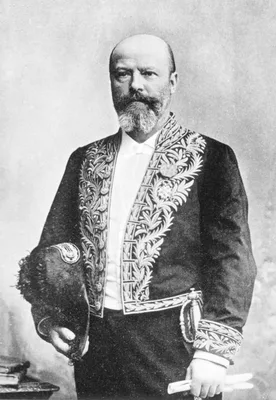
Pinard, professor of obstetrics in Paris, showed the importance of abdominal palpation as an aid to obstetrical diagnosis. English translation, 1885.
1558 CE
#1592
Trattato de la vita sobria.
Garrison considered this “the best treatise on personal hygiene and the simple life in existence”. Cornaro was called the Apostle of Senescence. "When he was about 40, Cornaro found himself exhausted and i…
1864 CE
#2676.2
Ueber dasverschiedene Verhalten gelähmter Muskeln gegen den constanten und inducirten Strom und die Erklärung desselben.
One of the first publications on electrodiagnosis.
1825 CE
#2074
Wanderings in South America, the North-West of the United States, and the Antilles, in the years 1812, 1816, 1820, and 1824.
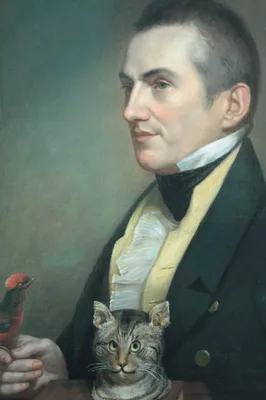
Waterton traveled to the Guyana region of South America to obtain curare. He provided a detailed description of its paralyzing effects, its preparation by distillation, and the blowpipe and darts used to deliver it. O…
1880 CE
#13854
What do do first, in accidents or poisoning.
Expanded as What to do first in accidents and emergencies. A manual explaining the treatment of surgical and other injuries in the absence of the physician (1883). Digital facsimile of the 1880 edition from the Hathi …