
Facets
Browse across eight MeSH (opens in new tab) facets — era, geography, science, specialty, technology, history, culture, and reference. Select one tag per group; counts update across the others.
Clear filtersFacet filters
Geography
Specialties & Disease
- Anatomy & Pathology 765
- Cardiology & Blood 914
- Neurology & Psychiatry 1,256
- Obstetrics & Reproductive 550
- Infectious Disease (General) 147
- Surgery & Anesthesia 1,551
- Public Health 1,129
- Immunology & Dermatology 1,404
- General Clinical Medicine 480
- Military Medicine 436
- Psychology 202
- Alternative & Fringe Medicine 383
- Pediatrics 247
- Ophthalmology & Vision 412
- ENT & Hearing 293
- Urology & Nephrology 309
- Gastroenterology & Hepatology 316
- Pulmonary & Respiratory 233
- Rheumatology, Rehab & Pain 188
- Internal, Emergency & Geriatric 123
- Veterinary Medicine 165
- Epidemiology & Demography 397
- Physiology & Embryology 923
- Dentistry 259
- Plagues & Epidemics 1,279
- Microbiology & Virology 1,080
Social & Historical Studies
Institutions & Culture
Reference & Scholarly Works
1,279 entries match Plagues & Epidemics [C01.252]
2018 CE
#10594
Tuberculosis and War: Lessons learned from World War II. Edited by John F. Murray and Robert Loddenkemper.
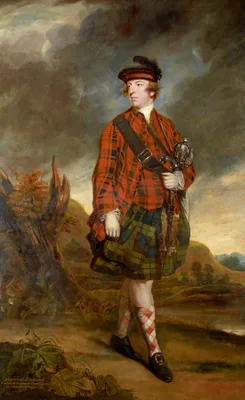
This book provides a comprehensive analysis of the status of TB before, during and after WWII in the 25 belligerent countries that were chiefly involved. It also summarizes the history of TB up to the present day. "A …
1936 CE
#2357
Tuberculosis.
Clio Medica series.
1925 CE
#5176
Tularemia
Francis demonstrated the transmission of tularemia to man from rodents through insects, particularly the deerfly. He gave the disease its present name; it is also called “Francis’s disease” by some w…
1932 CE
#5178
Tularemia: Accurate and earlier diagnosis by means of the intradermal reaction.
Skin test for the diagnosis of tularemia. Digital facsimile from Jstor at this link.
2000 CE
#12328
Tuskegee's truths: Rethinking the Tuskegee Syphilis Study. Edited by Susan M. Reverby.
1684 CE
#2375
Tuta, ac efficax luis venereae, saepe absque mercurio, ac semper absque salivatione mercuriali curando methodus.
Abercromby advanced the idea that syphilis was caused by a parasite, and promoted mercury as a treatment. Digital facsimile from Google Books at this link.
1931 CE
#5396.2
Typhus fever. A virus of the typhus type derived from fleas collected from wild rats.
Murine typhus shown to be caused by an organism later named Rickettsia mooseri, transmitted by fleas from rats to man. With A. Rumreich and L. F. Badger.
1896 CE
#6103
Über Blasen-Gonorrhöe.
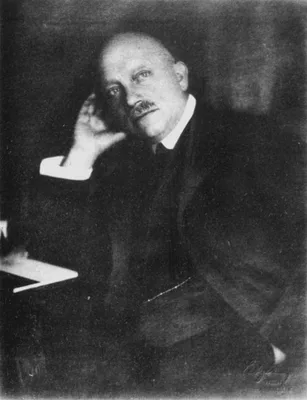
Wertheim demonstrated the gonococcus in acute cystitis.
1906 CE
#5111.1
Über Cholera- und choleraähnliche Vibrionen unter den aus Mekka zurückkehrenden Pilgern.
Isolation of El Tor vibrio, a particular strain of the bacterium Vibrio cholerae. Gotschlich first identified this strain in 1905 at a quarantine camp on the Sinai Peninsula in El Tor, Egypt . The vibrios were found i…
1879 CE
#2436.1
Über die Ätiologie des Aussatzes.
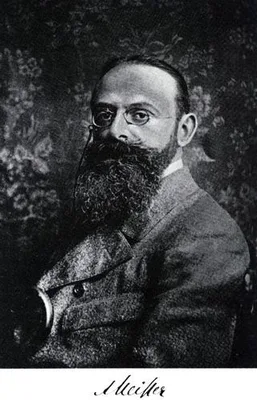
Neisser obtained leprosy tissue from Hansen and, using aniline dyes for staining Myco. leprae, was able to demonstrate it more convincingly than Hansen.
1898 CE–1900 CE
#11394
Über die Beulenpest in Bombay im Jahre 1897. Gesamtbericht von der Kaiserlichen Akademie der Wissenschaften in Wien zur Studium der Beulenpest nach Indien entsendeten Commission. 2 vols. in 3.
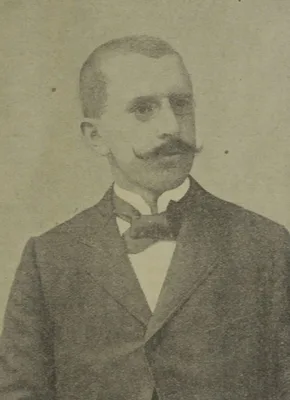
Müller died at the age of 32 as a result of exposure to this plague.
1919 CE
#2409
Über die Serodiagnostik der Syphilis mittels Ausflockung durch cholesterinierte Extrakte.
Weichardt’s reagent.
1897 CE
#2550.1
Über specifische Reactionen im keimfreien Filtraten aus Cholera, Typhus und Pestbouillonculturen, erzeugt durch homologes Serum.
The precipitin reaction, employed for the qualitative identification of antigens and antibodies. English translation in Bibel, Milestones in immunology,(1988) pp. 265-68.
1934 CE
#4657
Übertragung des Virus von Encephalitis epidemica auf Affen.
Experimental transmission of Japanese B encephalitis.
1895 CE
#2985.1
Ueber Aortenerkrankung bei Syphilitischen und deren Beziehung zur Aneurysmenbildung.
Döhle clearly defined a specific syphilitic lesion of the aorta as a prerequisite of aortic aneurysm.
1880 CE
#5209
Ueber Bacterien bei den venerischen Krankheiten.
Leistikow was first to report the cultivation of the gonococcus.
1871 CE
#2482
Ueber Bakterien in der Pockenhaut.
Weigert was the first to stain bacteria. He introduced many of the best staining methods in use today. Weigert discovered bacteria in hemorrhagic smallpox. In the same paper is described how carmine will color cocci.
1920 CE
#5286
Ueber chemotherapeutische Versuche mit “205 Bayer”, einen neuen trypanoziden Mittel von besonderer Wirkung.
Introduction of “Bayer 205” (germanin, suramin, naphuride).
1924 CE
#5069
Ueber cutane Hautreaktion mittels Diphtherie-Toxin zum Nachweis der Diphtherie-Immunität.
The “scratch test”, a cutaneous reaction for determination of susceptibility to diphtheria.
1890 CE
#2544
Ueber das Zustandekommen der Diphtherie-Immunität und der Tetanus-Immunität bei Thieren.
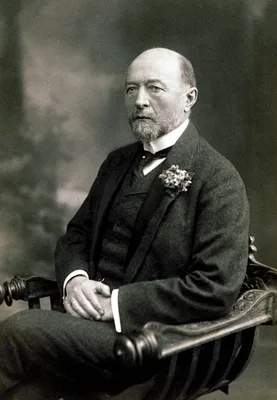
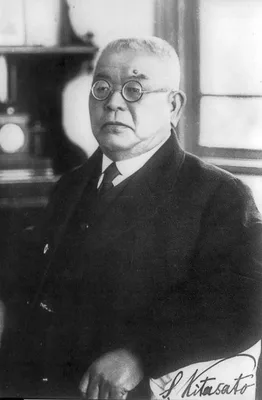
Antitoxins and their immunizing powers were discovered when Behring and Kitasato published their paper dealing with immunity to tetanus and diphtheria. This work laid the foundation of all future treatment with antito…
1810 CE
#5375
Ueber den ansteckenden Typhus.
Hildenbrand gave a classic description of typhus. The French literature sometimes refers to the condition as “Hildenbrand’s disease”. English translation by S. D. Gross, 1829.
1868 CE
#5376
Ueber den Hungertyphus und einige verwandte Krankheitsformen.
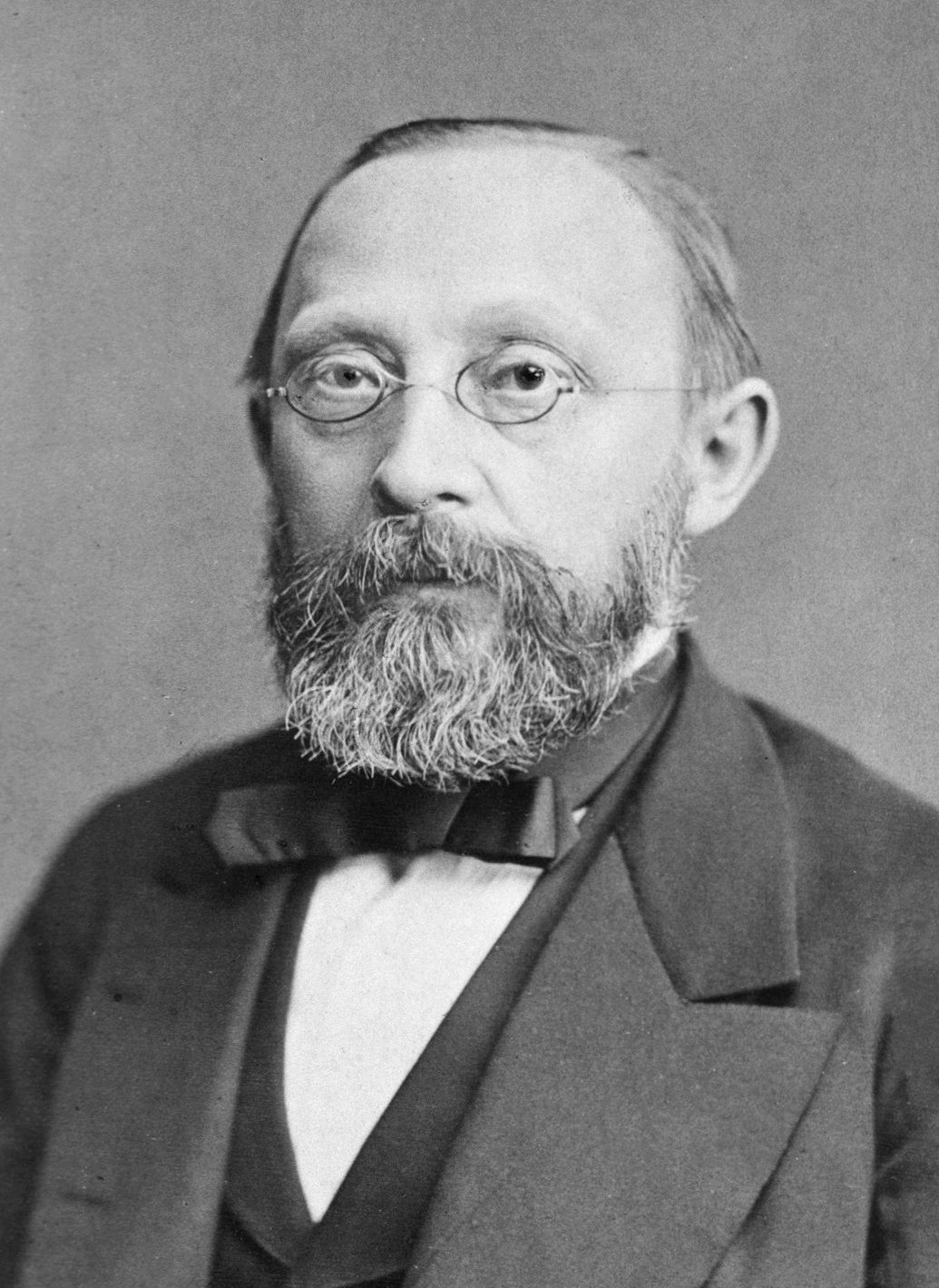
Virchow was instrumental in introducing into Germany an epidemiology based on the study of multiple factors – sociological as well as bacteriological. In the above report on the reappearance of typhus in Berlin …
1906 CE
#5213
Ueber den Nachweis von Antikörpern im Serum eines an Arthritis gonorrhoica Erkrankten mittels Komplementablenkung.
“Müller–Oppenheim reaction” – a complement fixation test for the diagnosis of gonorrhoea.
1889 CE
#5149
Ueber den Tetanusbacillus.
Kitasato obtained a pure culture of the tetanus bacillus, Cl. tetani.
1907 CE
#5350.1
Ueber den Wohnort von Schistosomum japonicum. [Japanese text.]
Fujinami and Nakamura identified the intermediate host of S. japonicum. Abstract in Arch. Schiffs-u. Tropenhyg., 1908, 12,471. Later (1909, 6, 224-52) they demonstrated that infection occurred by skin penetration. Eng…
1886 CE
#3176
Ueber die Aetiologie der acuten Lungen- und Rippenfellentzündungen.
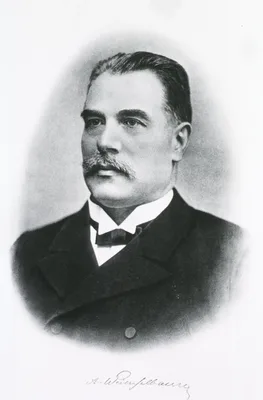
Weichselbaum definitely established that Friedländer’s bacillus was responsible for pneumonia in a small percentage of cases.
1887 CE
#4678
Ueber die Aetiologie der akuten Meningitis cerebro-spinalis.
Weichselbaum discovered the meningococcus, Neisseria meningitidis, causative agent of cerebrospinal meningitis.
1885 CE
#4643
Ueber die akute Encephalitis der Kinder (Polioencephalitis acuta, cerebrale Kinderlähmung).
“Strumpell’s disease” – polioencephalomyelitis.
1846 CE
#2323
Ueber die Ansteckung und Verbreitung der Scrophelkrankheit bei Menschen durch den Genuss der Kuhmilch.
Klencke showed the possibility of the transmission of tuberculosis to man by cow’s milk. In 1843 he succeeded in inoculating rabbits with tuberculosis.
1916 CE
#5043
Ueber die Behandlung von Typhus mit Milchinjektionen.
1918 CE–1919 CE
#4806
Ueber die Einwirkung der Malaria auf die progressive Paralyse.
In 1917 Wagner von Jauregg returned to the idea of the inoculation of paretics with malaria to induce pyrexia, first proposed by him in 1887 (Ueber die Einwirkung fieberhafter Erkrankungen auf Psychosen, Jb. Psychiat.…
1928 CE
#4654
Ueber die Encephalitis epidemica in Japan.
Japanese encephalitis distinguished from encephalitis lethargica.
1925 CE
#2344
Ueber die experimentellen Grundlagen für die Sanocrysin-Behandlung der Tuberkulose.
Mollgaard was responsible for the introduction of sanocrysin.
1888 CE
#2506
Ueber die Fleischvergiftung in Frankenhausen. a.K. und den Erreger derselben.
Discovery of Salmonella enteritidis, a cause of food poisoning.
1858 CE
#2385
Ueber die Natur der constitutionell-syphilitischen Affectionen.
Virchow’s great work on the pathology of syphilis confirmed the fact that it was a disease which involved all organs and tissues of the body and showed that the causal organism was transferred through the blood …
1897 CE
#5128
Ueber die Pestepidemie in Formosa.
Ogata considered the flea (principally Xenopsylla cheopis) to be the principal, if not the sole, vector of bubonic plague infection.
1882 CE
#3174
Ueber die Schizomyceten bei der acuten fibrösen Pneumonie.
Isolation of Klebsiella pneumoniae (“Friedländer bacillus”), which Friedländer regarded as the causal organism in all cases of lobar pneumonia.
1894 CE
#2546
Ueber die specifische Bedeutung der Choleraimmunität (Bakteriolyse).
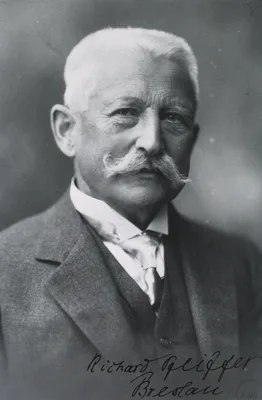
Pfeiffer and Isayev recorded the occurrence of bacteriolysis in cholera vibrios under certain conditions: immune bacteriolysis, “Pfeiffer’s phenomenon”. Abridged English translation of second part in…
1904 CE
#2815
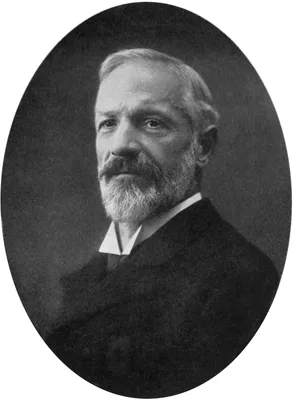
Ueber die syphilitischen Aortenerkrankungen.
1906 CE
#2399.1
Ueber die Transmission der Syphilis auf das Kaninchen. Vorläufiger Bericht.
Transmission of syphilis to rabbits.
1891 CE
#5241.1
Ueber die Wirkung des Methylenblau bei Malaria.
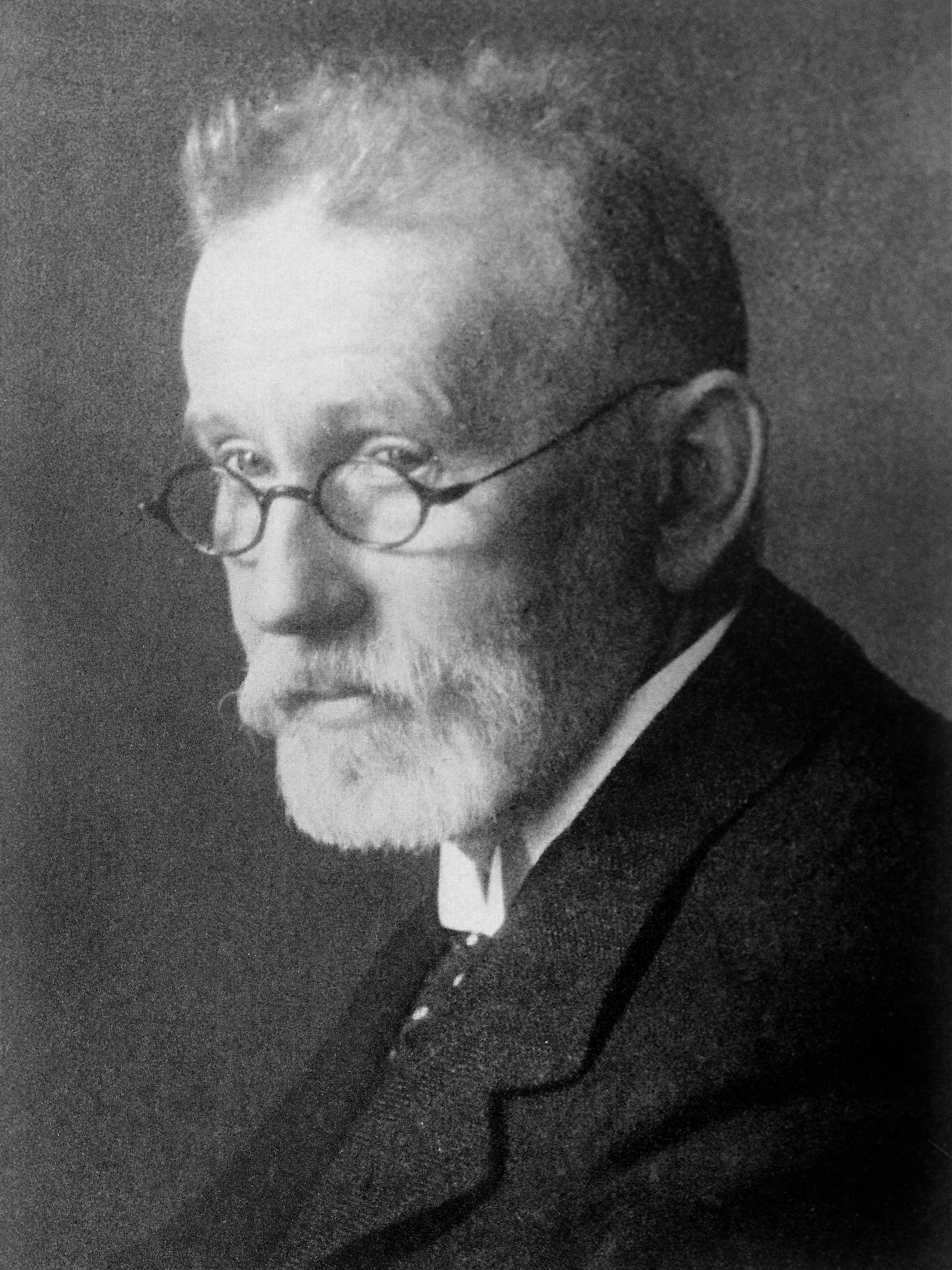
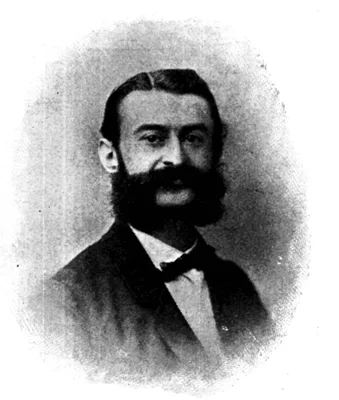
Guttmann and Ehrlich demonstrated methylene blue to be lethal in vitro for the malaria parasite – the beginning of Ehrlich’s work on chemotherapy.
1883 CE
#5055
Ueber Diphtherie.
First account of Corynebacterium diphtheriae (Klebs–Loeffler bacillus), causal organism in diphtheria, discovered by Klebs.
1870 CE
#3277
Ueber ein eigenthümliches Neugebilde an der Nase – Rhinosclerom.
Rhinoscleroma is considered a tropical disease, mostly endemic to Africa and Central America, and less common in the United States.
1841 CE
#5267.1
Ueber ein Entozoon im Blute von Salmo fario.
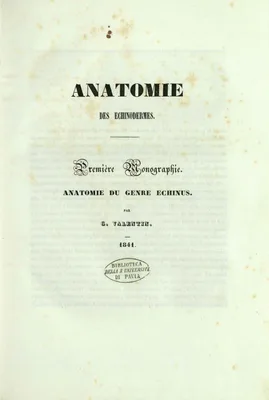
Valentin was the first to discover a trypanosome; this was in a salmon. English translation in Kean (No. 2268.1).
1917 CE
#2407
Ueber ein neue Methode der serologischen Luesdiagnose.
Meinicke diagnostic reaction.
1913 CE
#5067
Ueber ein neues Diphtherieschutzmittel.
Toxin–antitoxin for immunization against diphtheria.
1908 CE
#5477
Ueber ein neues invisibles Virus.
Doerr showed the relation of phlebotomus fever to the sandfly, Phlebotomus.
1902 CE
#2397
Ueber eine bei Syphilitischen vorkommende Quecksilberreaktion.
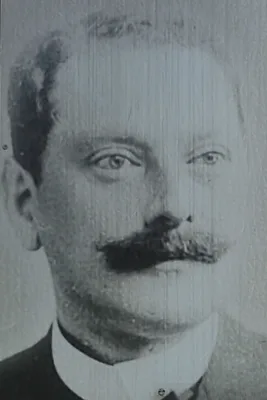
See No. 2396.
1879 CE
#5208
Ueber eine der Gonorrhoe eigentümliche Micrococcusform.
Discovery of the gonococcus – causal organism in gonorrhoea.
1908 CE
#2339
Ueber eine diagnostische verwertbare Reaktion der Haul auf Einreibung mit Tuberkulinsalbe.
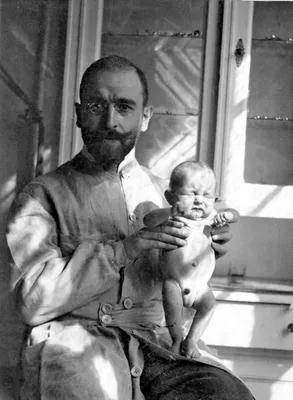
Moro’s percutaneous tuberculin reaction, employed as a diagnostic measure.