
Facets
Browse across eight MeSH (opens in new tab) facets — era, geography, science, specialty, technology, history, culture, and reference. Select one tag per group; counts update across the others.
Clear filtersFacet filters
Geography
Specialties & Disease
- Anatomy & Pathology 9
- Cardiology & Blood 94
- Neurology & Psychiatry 78
- Obstetrics & Reproductive 17
- Infectious Disease (General) 5
- Surgery & Anesthesia 52
- Public Health 101
- Immunology & Dermatology 60
- General Clinical Medicine 46
- Military Medicine 16
- Psychology 9
- Alternative & Fringe Medicine 100
- Pediatrics 6
- Ophthalmology & Vision 5
- ENT & Hearing 3
- Urology & Nephrology 3
- Gastroenterology & Hepatology 10
- Pulmonary & Respiratory 9
- Rheumatology, Rehab & Pain 29
- Internal, Emergency & Geriatric 4
- Veterinary Medicine 8
- Epidemiology & Demography 13
- Physiology & Embryology 41
- Dentistry 7
- Plagues & Epidemics 92
- Microbiology & Virology 82
Social & Historical Studies
Institutions & Culture
Reference & Scholarly Works
94 entries match Cardiology & Blood [C14 / C15] · Pharmacology & Therapeutics [D01 / E02]
1879 CE
#2892
Nitro-glycerine as a remedy for angina pectoris.
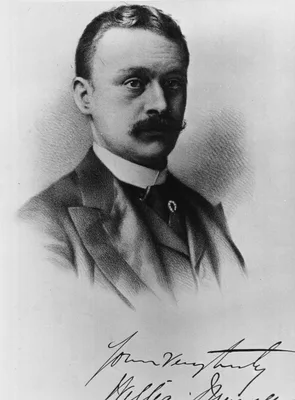
Murrell introduced trinitrin (nitroglycerin, glyceryl trinitrate) in the treatment of angina.
1914 CE
#2019
Note sur une nouvelle méthode de transfusion.
Hustin demonstrated the anticoagulant powers of sodium citrate and glucose in blood transfusion.
1836 CE
#11556
Nouvelles recherches sur le rhumatisme articulaire en général, et spécialement sur la loi de coincidence de la péricardite et de l'endocardite avec cette maladie, ainsi que sur l'efficacité de la formule des émissions sanguines coup sur coup dans son traitement.
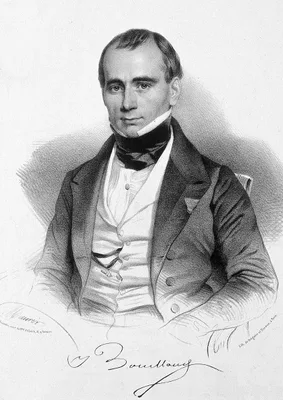
"In this volume he [Bouillaud] irrevocably established the etiologic relationship between rheumatic fever and heart disease. Early reports on this relationship had been contributed by Pitcairn, Jenner, and Wells, but …
1914 CE
#2020
Nuevo procedimiento para la transfusion de la sangre.
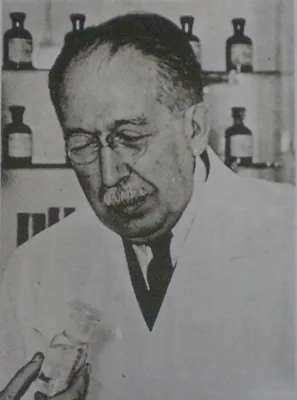
Agote was the first to transfuse citrated blood. Text in Spanish and French.
1828 CE–1829 CE
#2017
Observations on transfusion of blood.
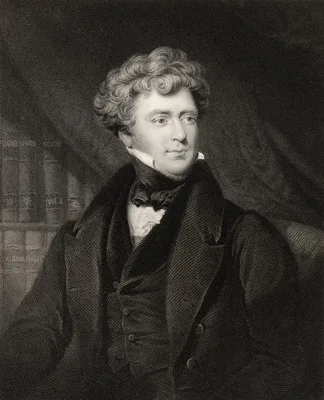
The first human to human transfusion in which the patient did not die. Blundell established the most fundamental points in transfusion, including the incompatibility of interspecies transfusion and the method of indir…
1867 CE
#2890
On the use of nitrite of amyl in angina pectoris.
Lauder Brunton was responsible for the introduction of amyl nitrite for the alleviation of angina. Reprinted in F. A. Willius & T. E. Keys: Cardiac classics, 1941, pp. 561-64.
1817 CE
#9701
On transfusion of blood in extreme cases of haemorrhage.
In 1816 Leacock, from Barbados, reported systematic experiments in Edinburgh on dogs and cats that established that donor and recipient must be of the same species, and recommended inter-human transfusion; he then ret…
1948 CE
#12359
Orally administered penicillin in patients with rheumatic fever.
Massell and colleagues demonstrated that rheumatic fever could be prevented by penicillin treatment of streptococcal throat infections. (Order of authorship in the original publication: Massell, Dow, Jones.) See also:…
1933 CE
#2028.41
Origine e vicende della trasfusione del sangue. Considerazioni storico-critche.
1948 CE
#2880
Penicillin in subacute bacterial endocarditis. Report to the Medical Research Council on 269 patients treated in 14 centres appointed by the Penicillin Clinical Trials Committee.
1950 CE
#2028.1
Prevention of haemolysis during freezing and thawing red blood-cells.
Demonstration that human blood diluted with equal volumes of 30% glycerol in Ringer’s lactate solution could be frozen at -79° C and thawed after eight weeks without damage.
1867 CE
#9869
Prize essay. Ancient transfusion and infusion compared with modern transfusion, infusion, and hypodermic or subcutaneous injections. Translated by Charles F. Wittig.
A comprehensive review, for the time, of the historical literature on these subjects. Digital facsimile from Google Books at this link.
1935 CE
#2022
Procedure and apparatus for preservation in “lyophile” form of serum and other biological substances.
2014 CE
#11745
Reading vampire gothic through blood: Bloodlines.
1948 CE
#3107.1
Replacement transfusion as a treatment for erythroblastosis fetalis.
Exchange transfusion.
1941 CE
#12823
Report of the Blood Transfusion Association concerning the Project for Supplying Blood Plasma to England, which has been carried on jointly with the American Red Cross from August, 1940, to January, 1941. Narrative account of work and medical report.
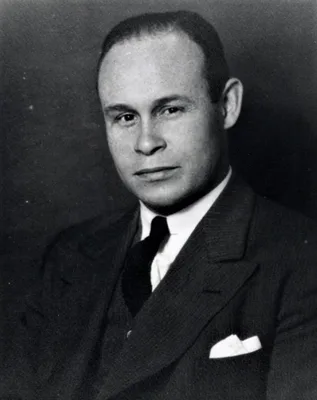
Drew discovered the method for long-term storage of blood plasma, and organized America's first large-scale blood bank. Drew's thesis for his medical degree at Columbia was entitled "Banked Blood: A Study in Blood Pre…
1996 CE
#8872
Sildenafil: an orally active type 5 cyclic GMP-specific phosphodiesterase inhibitor for the treatment of penile erectile dysfunction.
Osterloh and team working at Pfizer's Sandwich, Kent research facility in England, demonstrated that sildenafil citrate (Viagra) initally studied for use in hypertension and angina pectoris, is effective in the treatm…
1902 CE
#2110
Snake venom in relation to haemolysis, bacteriolysis, and toxicity.
1819 CE
#2015.1
Some account of a case of obstinate vomiting, in which an attempt was made to prolong life, by the injection of blood into the veins.
Records the first human to human transfusion. A man received 12 to 14 oz. of blood from several donors by means of Blundell’s funnel and syringe. He died 56 hours after the transfusion.
2020 CE
#13267
Strange blood: The rise and fall of lamb blood transfusion in 19th century medicine and beyond.
eBook version available at no cost from play.google.com at this link.
1945 CE
#1928.4
Streptococcal fibrinolysis. A proteolytic reaction due to a serum enzyme activated by streptococcal fibrinolysin.
Purification and concentration of Tillett and Garner’s (No. 1924.1) substance to produce streptokinase.
1840 CE–1841 CE
#3058.1
Successful transfusion of blood.
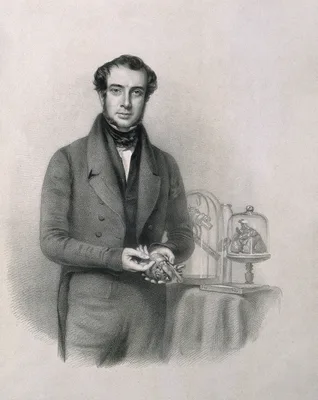
Blood transfusion used in treatment of hemophilia.
1925 CE
#1912
The action and uses in medicine of digitalis and its allies.
1959 CE
#11405
The discovery of Dicumarol and its sequels.
An historical account of the discovery of the anticoagulant Warfarin by the primary investigator. The first use for this substance was rat poison. Digital facsimile from ahajournals.org at this link.
1933 CE
#1924.1
The fibrinolytic activity of hemolytic streptococci.
Tillett and Garner discovered a substance elaborated by a strain of haemolytic streptococcus which promoted lysis of fibrin and is now known as streptokinase.
1934 CE
#3093
The haemostatic possibilities of snake-venom.
Snake venom used in the treatment of hemophilia.
2013 CE
#7843
The history of blood transfusion in Sub-Saharan Africa.
1665 CE–1666 CE
#2012
The method observed in transfusing the blood out of one live animal into another.
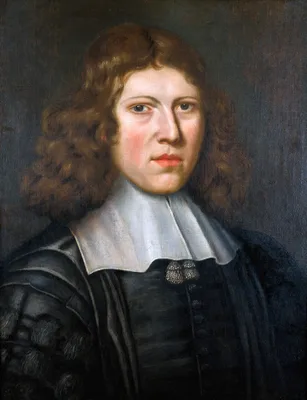
In February 1665 Lower successfully transfused dogs with blood.
1927 CE
#1916
The nature of the vaso-dilator constituents of certain tissue extracts.
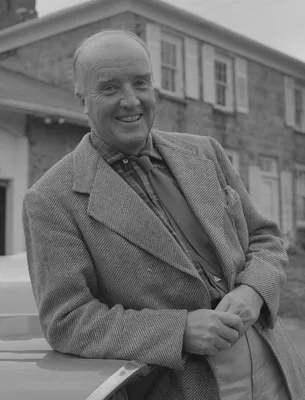
Proof that histamine occurs in certain organs in amounts sufficient to account for the depressant action of extracts of these organs. With H. H. Dale, H. W. Dudley, and W. V. Thorpe.
1939 CE
#1928
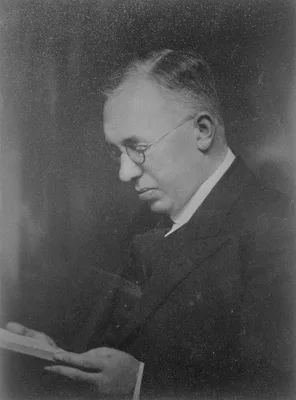
The pharmacological actions and therapeutic uses of some compounds related to adrenaline.
1949 CE
#5727
The pharmacological actions of polymethylene bistrimethyl-ammonium salts.
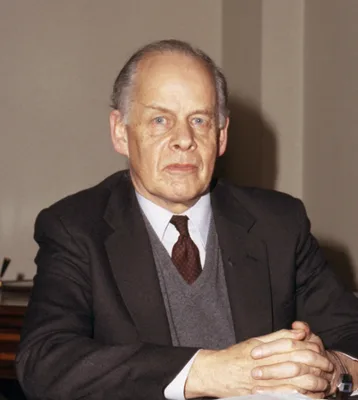
Introduction of hexamethonium bromide.
1942 CE
#2924
The rôle of hypersensitivity in periarteritis nodosa; as indicated by seven cases developing during serum sickness and sulfonamide therapy.
Rich considered hypersensitivity to be an important factor in the aetiology of periarteritis nodosa.
1937 CE
#2026
The therapy of the Cook County Hospital. Blood preservation.
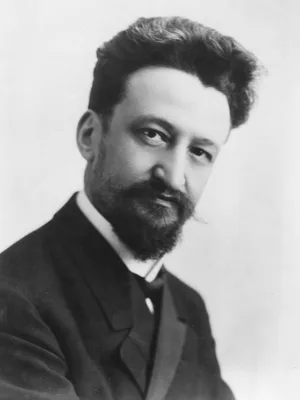
Described the establishment of the first blood bank (at the Cook County Hospital).
1975 CE
#1931.7
Thromboxanes: a new group of biologically active compounds derived from prostaglandin endoperoxides.
With J. Stevenson and B. Samuelsson.
1679 CE
#10604
Tractatio med. curiosa, de ortu & occasasu transfusionis sanguins, qua haec, quae fit e bruto in brutum, a for medico penitus eliminatur; ila, quae e bruto in hominem peragitur....
The first detailed history of efforts at blood transfusion. Mercklin was one of the earliest writers to discuss the history, value, dangers, and methods of blood transfusion. He recognized and understood what we now c…
1936 CE
#2025
Transfusion of cadaver blood.
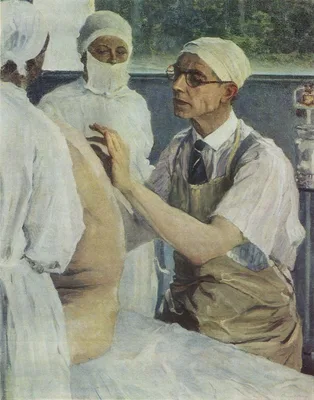
Cadaver blood used in human transfusions. Prof. Shamov of Kharkov carried out the first experimental work on transfusion of cadaver blood in 1927.
1917 CE–1918 CE
#2021.1
Transfusion with preserved red blood cells.
Robertson stored blood and used it with good results to treat casualties on the battlefield.
1904 CE
#1893.1
Ueber Digalen (Digitoxinum solubile).
Introduction of digalen.
1918 CE
#2848
Ueber Vorhofflimmern beim Menschen und seine Beseitigung durch Chinidin.
Following Wenckebach’s discovery of the efficacy of quinine in the restoration of normal rhythm in auricular fibrillation. Frey showed that quinidine was the most effective of the cinchona alkaloids in this resp…
1944 CE
#2028
Untersuchungen über Dextran und sein Verhalten bei parenteraler Zufuhr.
Introduction of dextran as plasma substitute.
1875 CE
#1869.1
Untersuchungen über die pharmakologisch wirksamen Bestandtheile der Digitalis purpurea
Schmiedeberg isolated digitoxin from digitalis.
1920 CE
#2853
Verhandlungen ärtzlicher Gesellschaften und Kongressberichte.
Saxl injected a mercurial compound (Novasurol), a powerful diuretic, for the treatment of cardiac failure.
1985 CE
#11509
William Withering and the Foxglove: A bicentennial selection of letters from the Osler bequest to the Royal Society of Medicine, together with a transcription of 'An Account of the Foxglove' and an introductory essay. Edited by Ronald D. Mann.
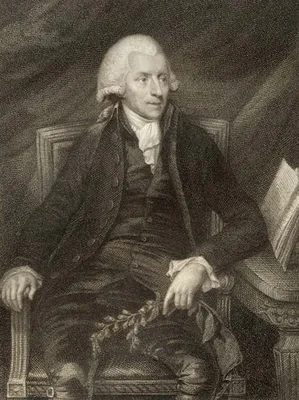
Details William Osler's acquisition of the letters and his donation of them to the Royal Society of Medicine.
1925 CE
#2254
Zur Therapie schwerer Verbrennungen.
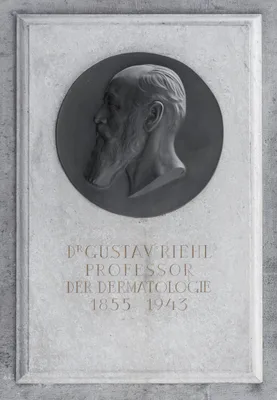
Riehl was an early advocate of blood transfusion in the treatment of shock after burns.