
Facets
Browse across eight MeSH (opens in new tab) facets — era, geography, science, specialty, technology, history, culture, and reference. Select one tag per group; counts update across the others.
Clear filtersFacet filters
Geography
Specialties & Disease
- Anatomy & Pathology 765
- Cardiology & Blood 914
- Neurology & Psychiatry 1,256
- Obstetrics & Reproductive 550
- Infectious Disease (General) 147
- Surgery & Anesthesia 1,551
- Public Health 1,129
- Immunology & Dermatology 1,404
- General Clinical Medicine 480
- Military Medicine 436
- Psychology 202
- Alternative & Fringe Medicine 383
- Pediatrics 247
- Ophthalmology & Vision 412
- ENT & Hearing 293
- Urology & Nephrology 309
- Gastroenterology & Hepatology 316
- Pulmonary & Respiratory 233
- Rheumatology, Rehab & Pain 188
- Internal, Emergency & Geriatric 123
- Veterinary Medicine 165
- Epidemiology & Demography 397
- Physiology & Embryology 923
- Dentistry 259
- Plagues & Epidemics 1,279
- Microbiology & Virology 1,080
Social & Historical Studies
Institutions & Culture
Reference & Scholarly Works
923 entries match Physiology & Embryology [G07 / G02.149]
1801 CE
#1988.1
Versuche des Galvanismus zur Heilung einiger Krankheiten.
Grapengiesser was the first physician to use Volta’s “pile”, the first battery, which Volta first described in print in 1800. Grapengiesser “noted that in paralyzed muscle excitability could be…
1797 CE
#7119
Versuche über die gereizte Muskel- und Nervenfaser: nebst Vermuthungen über den chemischen Process des Lebens in der Thier- und Pflanzenwelt. 2 vols.
Digital facsimile from The Medical Heritage Library, Internet Archive, at this link.
1997 CE
#7457
Viable offspring derived from fetal and adult mammalian cells.
Cloning of the lamb Dolly, the first mammal to be cloned from an adult cell. Her birth established that the nuclei of at least some adult cells can be used to produce sheep or other animals that are genetically identi…
1970 CE
#2660.22
Viral RNA-dependent DNA polymerase: RNA-dependent DNA polymerase in virions of RNA tumour viruses.

In 1970 Baltimore and Temin discovered that certain viruses that have their genes in the form of RNA can copy the RNA "backward" into DNA in infected cells. The enyzme, reverse transcriptase, enables the manufacture o…
1913 CE
#9658
Vitalfärbung am Zentralnervensystem. Beitrag zur Physio-pathologie des Plexus choroideus und der Hirnhäute.
Goldmann was the first to demonstrate the blood-brain barrier. "By the intravenous and intrathecal administration of trypan blue he found that the barrier was impermeable to its large molecules, and he concluded that …
1933 CE
#1535
Vitamin A in the retina.
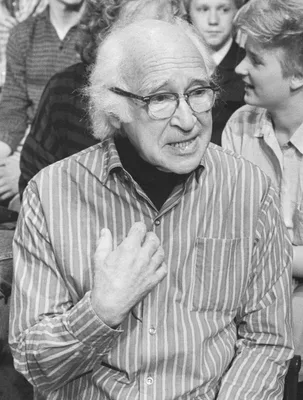
Through his research on xerophthalmia, karatomalacia and night blindness Wald revealed the critical function of vitamin A in normal vision and visual pathology. (Thanks to Juan Weiss for this reference and their inter…
1796 CE
#596
Von der Lebenskraft.
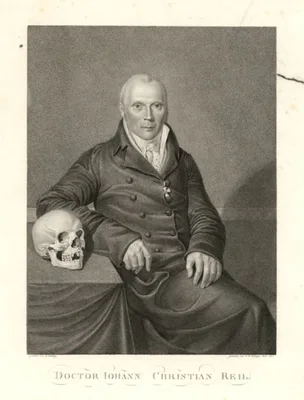
Reil advanced the doctrine of the life-force as the chemical expression of physiological function. Like Glisson and Hunter, he recognized irritability as a specific property of tissue. He founded the Archiv für d…
1825 CE
#766
Wellenlehre auf Experimente gegründet oder über die Wellen tropfbarer Flüssigkeiten mit Anwendung auf die Schall- und Lichtwellen.
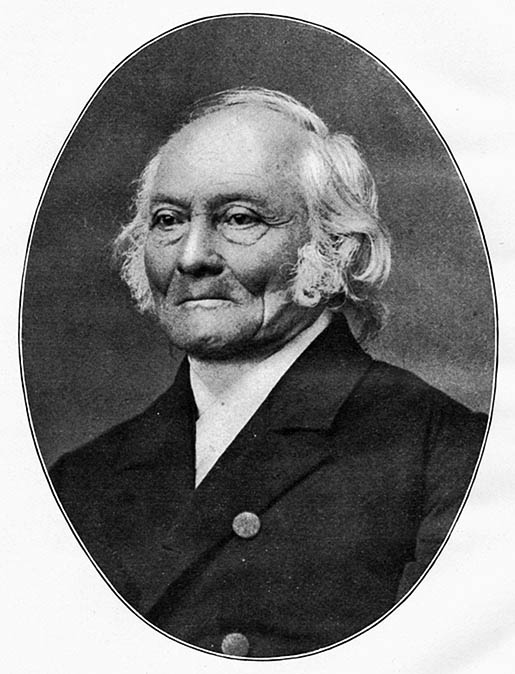
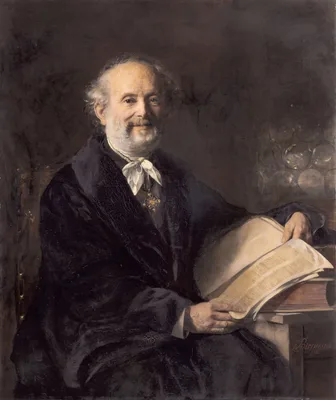
The first work to apply hydrodynamics to the circulation of the blood.
1836 CE
#11645
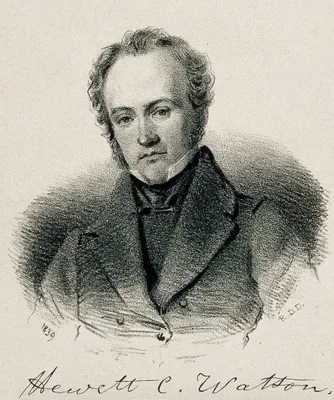
What is the use of the double brain?
1938 CE
#12398
William Harvey, physician and biologist: His precursors, opponents and successors. Parts I-V.
"The most comprehensive bibliographical reference work on the history of the circulation" (Bedford 200).
1878 CE
#12401
William Harvey: A history of the discovery of the circulation of the blood
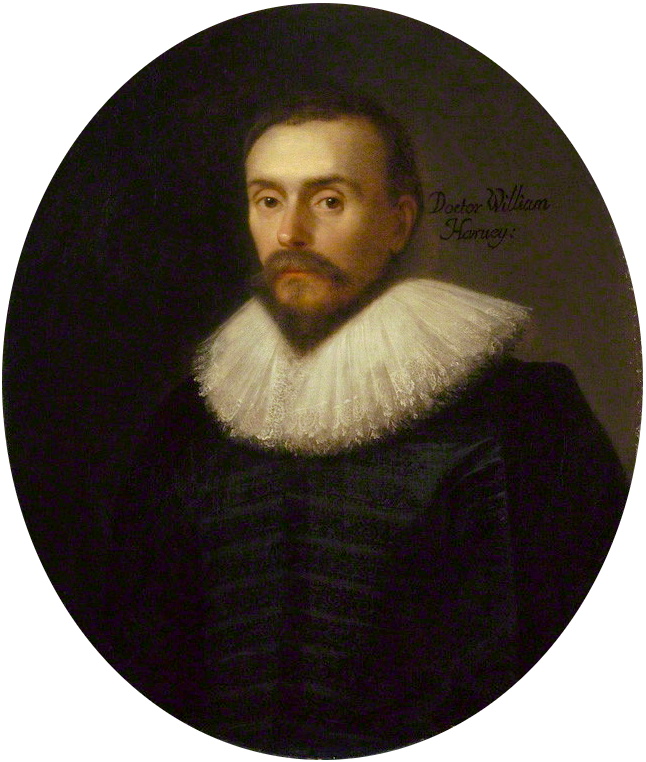
Digital facsimile from the Hathi Trust at this link.
1985 CE
#8882
William Osler's collected papers on the cardiovascular system. Edited by W. Bruce Fye.
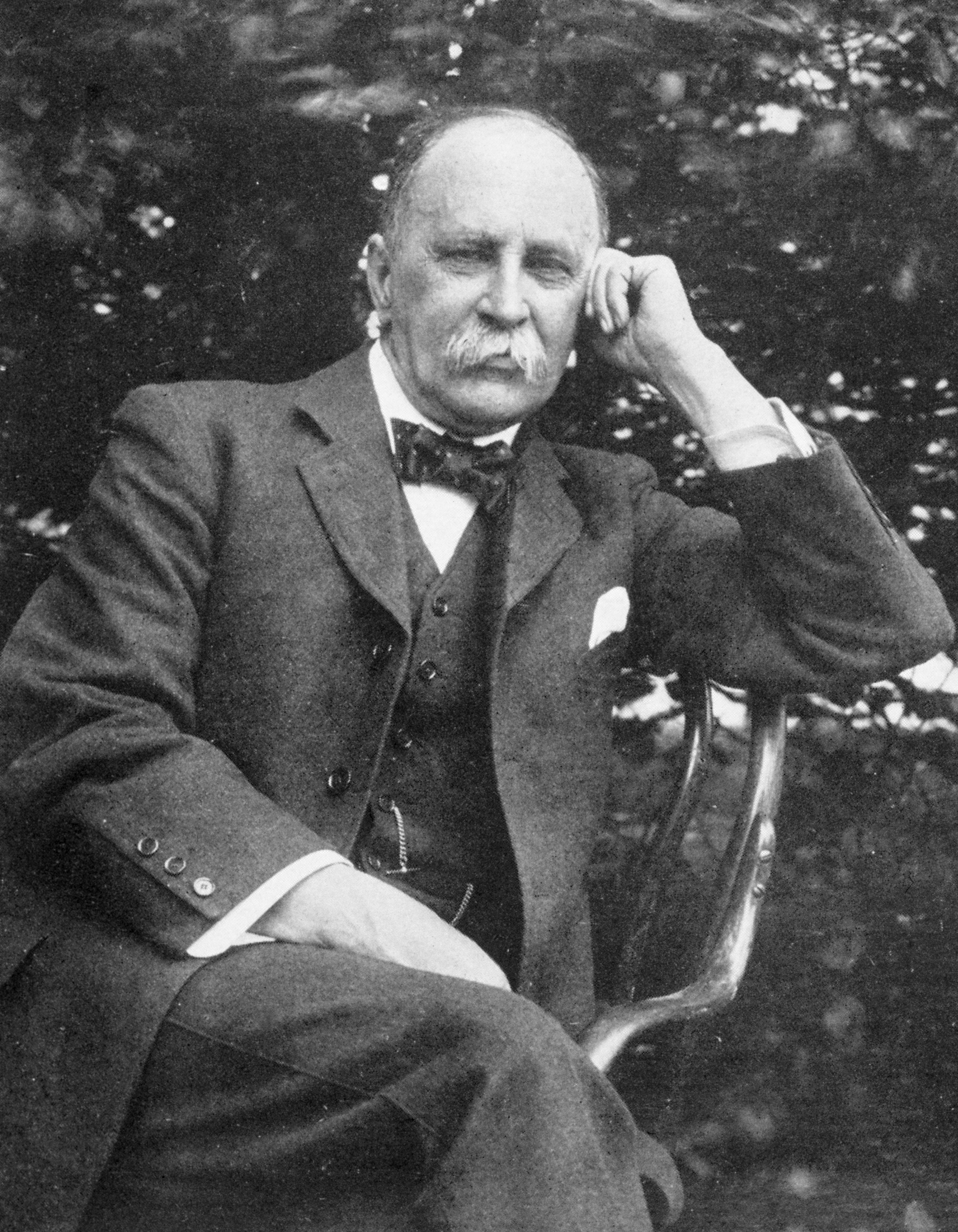
Includes a previously unpublished essay by Maude Abbott, "Osler's contributions to our knowledge of heart disease."
1891 CE
#4627.1
Zur Auffassung der Aphasien.
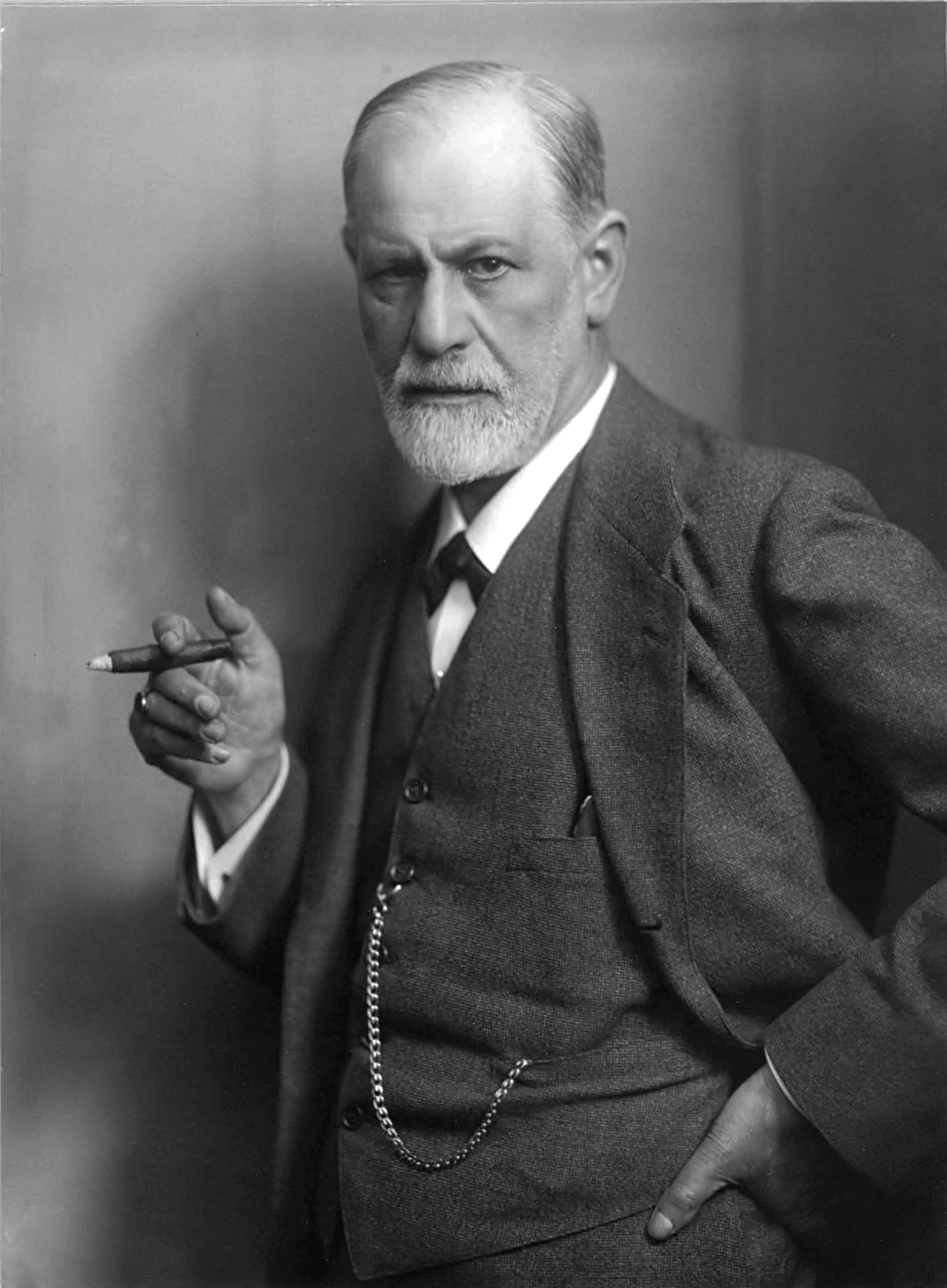
Freud refuted the Wernicke–Lichtheim doctrine (Nos. 4623 & 4626) that the losses of function in aphasia were due to lesions to anatomically circumscribed centers corresponding to the various functions involved i…
1882 CE–1883 CE
#702
Zur Chemie des Zellkerns.
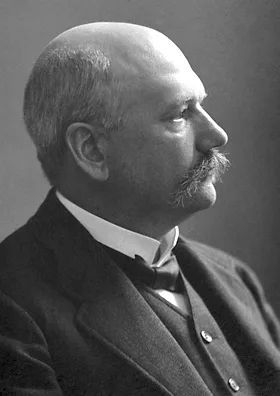
Among the many important contributions of Kossel was his study of the chemistry of the cell and cell-nucleus. Kossel correctly concluded that the function of nuclein is neither to act as a storage substance nor to fur…
1895 CE
#12284
Zur Dynamik des Herzmuskels.
"In his postdoctoral work (Habilitationsschrift) Frank investigated the isometric and isotonic contractile behaviour of the heart and it is this work that he is best known for. Frank's work on this topic preceded that…
1880 CE
#825
Zur Genese der Herztöne.
1887 CE
#1368.1
Zur Geschichte der menschlichen Rückenmarkes und der Nervenwurzeln.
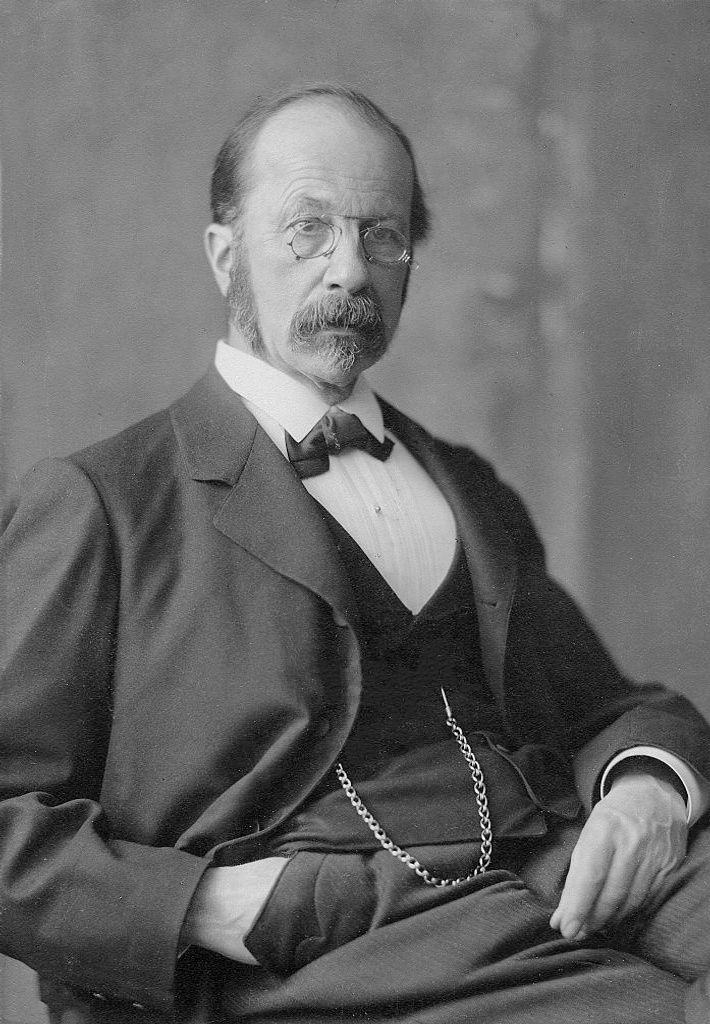
This is generally considered the first clear statement that nerve cells in the brain might be independent units rather than forming an anastomotic network—as Gerlach, Golgi, and most others believed—althou…
1900 CE
#889
Zur Kenntniss der antifermentativen, lytischen und agglutinierenden Wirkungen des Blutserums und der Lymphe.
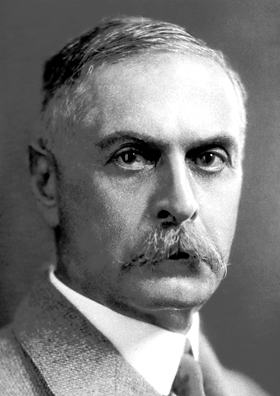
Also: Landsteiner, "Ueber Agglutinationsercheinungen normalen menschlichen Blutes," Wiener klinische Wochenschrift, 14, 1901, 1132-1134. Landsteiner discovered that human blood contains iso-agglutinins capable of aggl…
1912 CE
#7178
Zur Physiologie und Hygiene der Luftfahrt.
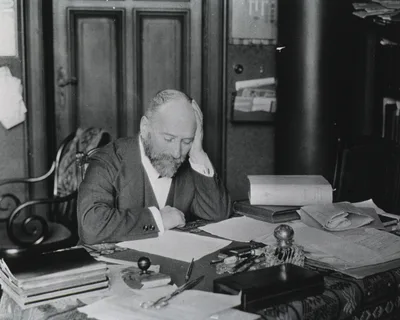
Luftfahrt und Wissenschaft, herausgegeben on Joseph Stricker. Heft 3.
1826 CE
#1257
Zur vergleichenden Physiologie des Gesichtssinnes des Menschen und der Thiere.
Includes Müller’s law of specific nerve energies. For an English translation, see his Elements of physiology, transl. W. Baly, London, 1838, vol. 1, pp. 766-67. Includes (p. 73) his explanation of the color…
1852 CE
#812
Zwei Reihen physiologischer Versuche.
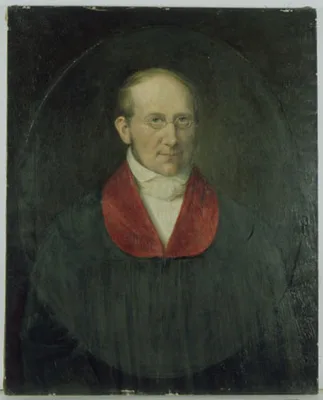
Stannius initiated research on the physiology of the conduction system of the heart. He illustrated vagal inhibition of the heart beat and indicated the existence of the pacemaker of the heart. Stannius also showed th…
1960 CE
#14240
β-Hydroxy-β-methyl-glutaryl coenzyme A reductase, cleavage and condensing enzymes in relation to cholesterol formation in rat liver.
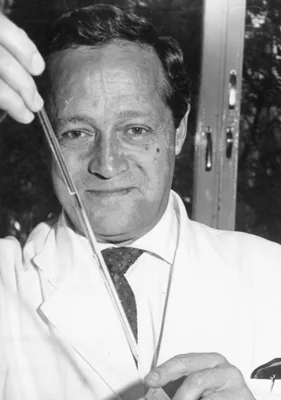
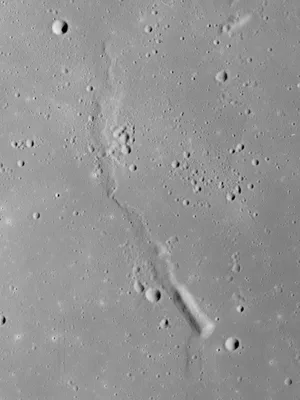
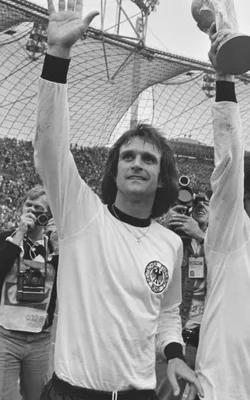
In 1964 Feodor Lynen shared the Nobel Prize in Physiology or Medicine with Konrad Bloch “for their discoveries concerning the mechanism and regulation of the cholesterol and fatty acid metabolism.” Order o…
1557 CE
#13203
Περὶ ἐνεργειῶν καὶ παθῶν τοῦ ψυχικοὺ πνεύματος καὶ τῆς κατ' αὐτὸ διαίτης. Actuarii de actionibus & affectibus spritus animalis, eusque victu, Libri II. Nunc primum in lucem prodeunt, Jac. Goupyli beneficio, qui nobis eorum exemplum dedit.
Editio princeps of this physiological and physiological work in two books. Digital facsimile from Google Books at this link. A Latin translation by Julius Alexandrinus was published in 1547.