
Facets
Browse across eight MeSH (opens in new tab) facets — era, geography, science, specialty, technology, history, culture, and reference. Select one tag per group; counts update across the others.
Clear filtersFacet filters
Geography
Specialties & Disease
- Anatomy & Pathology 765
- Cardiology & Blood 914
- Neurology & Psychiatry 1,256
- Obstetrics & Reproductive 550
- Infectious Disease (General) 147
- Surgery & Anesthesia 1,551
- Public Health 1,129
- Immunology & Dermatology 1,404
- General Clinical Medicine 480
- Military Medicine 436
- Psychology 202
- Alternative & Fringe Medicine 383
- Pediatrics 247
- Ophthalmology & Vision 412
- ENT & Hearing 293
- Urology & Nephrology 309
- Gastroenterology & Hepatology 316
- Pulmonary & Respiratory 233
- Rheumatology, Rehab & Pain 188
- Internal, Emergency & Geriatric 123
- Veterinary Medicine 165
- Epidemiology & Demography 397
- Physiology & Embryology 923
- Dentistry 259
- Plagues & Epidemics 1,279
- Microbiology & Virology 1,080
Social & Historical Studies
Institutions & Culture
Reference & Scholarly Works
1,080 entries match Microbiology & Virology [C01.748]
2007 CE
#9777
Rabies in Britain: Dogs, disease and culture, 1830-2000.
Also published as Mad dogs and Englishmen: Rabies in Britain, 1830-2000.
1601 CE
#13812
Rariorum plantarum historia.
Describing approximately 100 new species, the Rariorum plantarum historia gathers accounts from Clusius’s earlier botanical tours of Spain (Rariorum aliquot stirpium per Hispanias observatarum historia, 1576) an…
1935 CE
#5403
Rats, lice and history: being a study in biography, which, after 12 preliminary chapters indispensable for the preparation of the lay reader, deals with the life history of typhus fever.
1902 CE
#11860
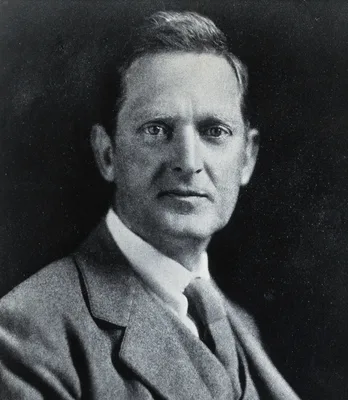
Recent researches concerning the etiology, propagation, and prevention of yellow fever, by the United States Army Commission.
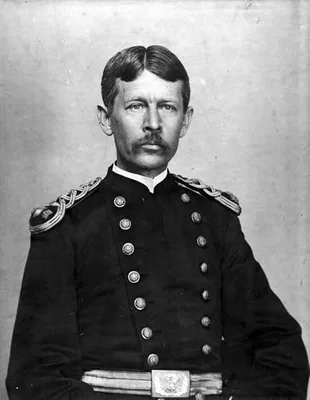
By 1902 Reed knew that the infectious agent of yellow fever was smaller than bacteria, though he did not specifically call it a virus. "In 1898, the passage of an animal pathogen through a Chamberland filter was repor…
1842 CE
#5519
Recherches anatomiques sur une plante cryptogame qui constitue le vrai muguet des enfants.
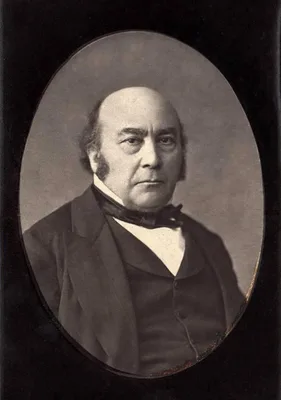
Independently of Berg, Gruby found Candida albicans in thrush. He demonstrated its fungal nature.
1829 CE
#5023
Recherches anatomiques, pathologiques et thérapeutiques sur la maladie connue sous les noms de gastro-entérite; fièvre putride, adynamique, ataxique, typhoïde, etc. 2 vols.
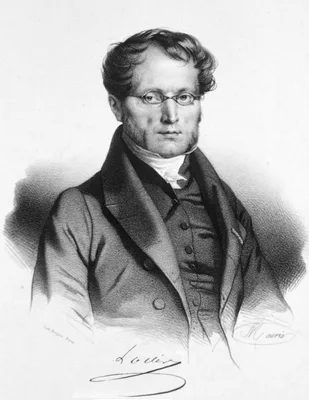
Louis introduced the term “typhoid fever” in reference to the disturbed mental condition of the patient; he first described the lenticular rose spots. His book established the pathological picture of the d…
1896 CE
#2550
Recherches de la réaction agglutinante dans le sang et le sérum desséchés des typhiques et dans la sérosité des vesicatoires.
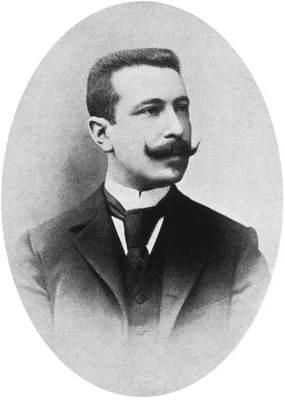
Developing the work of Gruber and Durham, Widal noted that a patient’s serum could be tested with bacteria of known type and his disease identified by this means. They demonstrated specific agglutinins in the bl…
1843 CE
#5268
Recherches et observations sur une nouvelle espèce d’hématozoaire, Trypanosoma sanguinis.
Gruby discovered trypanosomes in the frog. He first suggested the name “trypanosome” to describe the parasite.
1910 CE–1911 CE
#5384
Recherches experimentales sur le typhus exanthématique.
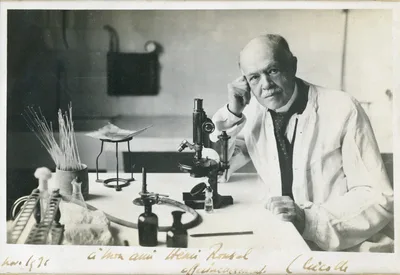
Nicolle demonstrated the transmission of typhus by the body louse Pediculus corporis. He also produced the disease in monkeys and guinea-pigs by the injection of infected blood. Preliminary communication in C. R. Acad…
1899 CE
#3312
Recherches sur la bactériologie de l’ozène.
Perez isolated an organism from the nose of patients suffering from ozena. He named it Coccobacillus foetidus ozaenae and considered it to be causally related to the disease.
1883 CE
#502.1
Récherches sur la maturation de l’oeuf, la fécondation et la division cellulaire.
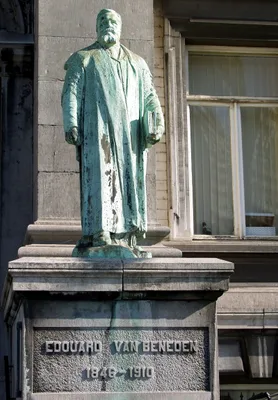
This work extended Hertwig’s work on fertilization (No. 495) down to the level of chromosomes, which were clearly visible in Ascaris after the sperm and egg united.
1865 CE
#5166
Recherches sur la nature et la constitution anatomique de la pustule maligne.
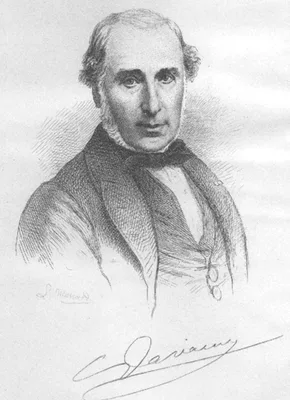
Davaine was the first conclusively to prove that a definite disease (anthrax) was due to a definite micro-organism (B. anthracis), and was thus one of the first to prove the germ theory of disease. He showed that the …
1853 CE
#7313
Recherches sur la nature et le traitement des teignes.
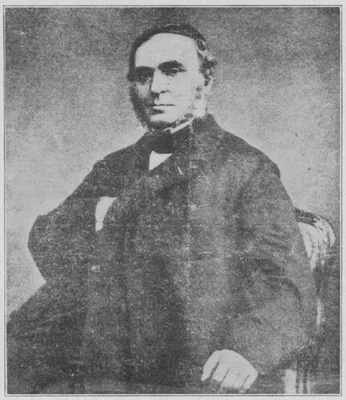
Bazin proved the fungal origin of favus and tinea; this was the first work to incorporate mycotic skin diseases into dermatological literature. Digital facsimile from BnF Gallica at this link.
1843 CE
#4035
Recherches sur la nature, le siège et le développement du Porrigo decalvans ou phytoalopécie.
First accurate description of Microsporon audouini, the fungus of Willan’s porrigo decalvans, tinea tonsurans, “Gruby’s disease”.
1863 CE
#2478
Recherches sur la putréfaction.
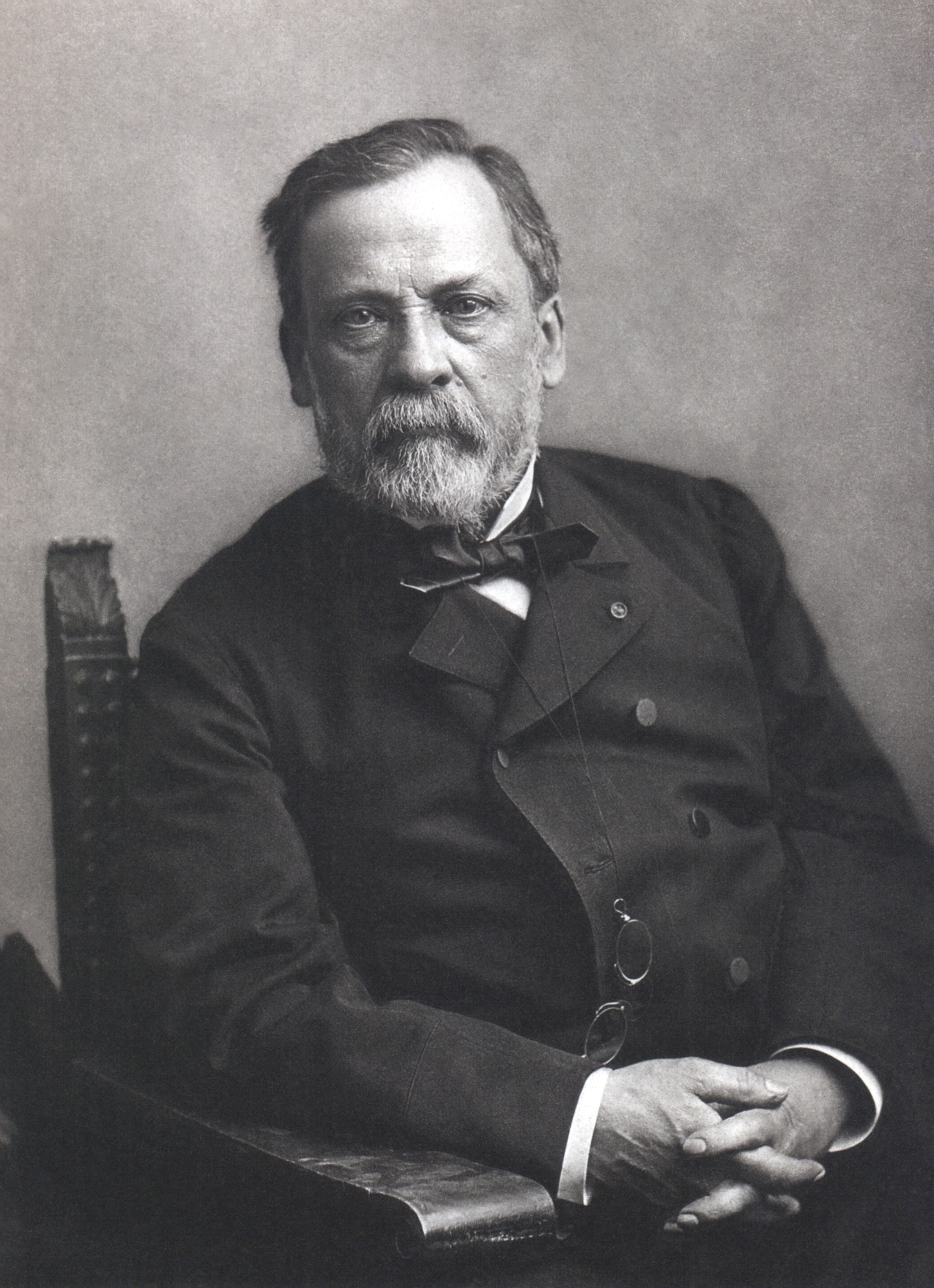
Pasteur was the first to differentiate between aerobic and anaerobic organisms. (See also Nos. 2476-77.)
1938 CE
#2576.7
Recherches sur le phénomène de Twort-d’Hérelle (bactériophage ou autolyse hérédo-contagieuse).
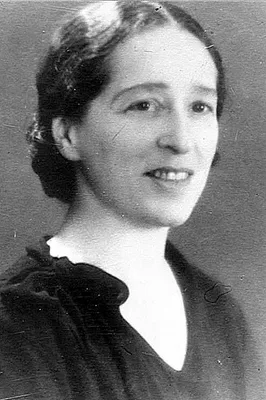
The Wollmans made important contributions to the knowledge on bacteriophage and lysogeny.
1863 CE
#5165
Recherches sur les infusoires du sang dans la maladie connue sous le nom de sang de rate.
Davaine showed that anthrax could be transmitted to sheep, horses, cattle, guinea-pigs, and mice, and that in such animals the bacilli did not appear in the blood until 4-5 hours before death.
1907 CE
#5350
Recherches sur un séro-diagnostic du kyste hydatique par la méthode des précipitines.
Precipitin reaction for the diagnosis of hydatid disease.
1844 CE
#4036
Recherches surles cryptogames qui constituent la maladie contagieuse du cuir chevelu décrite sous le nom de Teigne tondante (Mahon). Herpes tonsurans (Cazenave).
Gruby discovered a fungus, Trichophyton tonsurans, in ringworm of the scalp.
1955 CE
#2527
Reconstitution of active tobacco mosaic virus from its inactive protein and nucleic acid components.
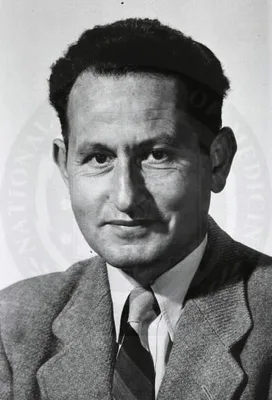
First reconstitution of a virus.
1957 CE
#3215.4
Recovery from infants with respiratory illness of a virus related to chimpanzee coryza agent (CCA).
Respiratory syncytial virus. With B. Roizman and R. Myers.
1962 CE
#5509.2
Recovery of rubella virus from army recruits.

Isolation of the rubella virus.
1938 CE
#4660
Recovery of the virus of equine encephalomyelitis from the brain of a child.
Western equine encephalitis virus recovered from man.
1932 CE
#3551
Regional ileitis. A pathologic and clinical entity.
“Crohn’s disease” – regional ileitis. With L. Ginzburg and G. D. Oppenheimer. "Some of Crohn's initial research into the causes of the Crohn's disease was centered around his personal convictio…
1968 CE
#5487.1
Relation of Burkitt’s tumor-associated herpes-type virus to infectious mononucleosis.
The Henles and Diehl showed that Epstein-Barr virus is the aetiological agent in infectious mononucleosis.
1886 CE
#5359
Remarks on parasites and scorpions.
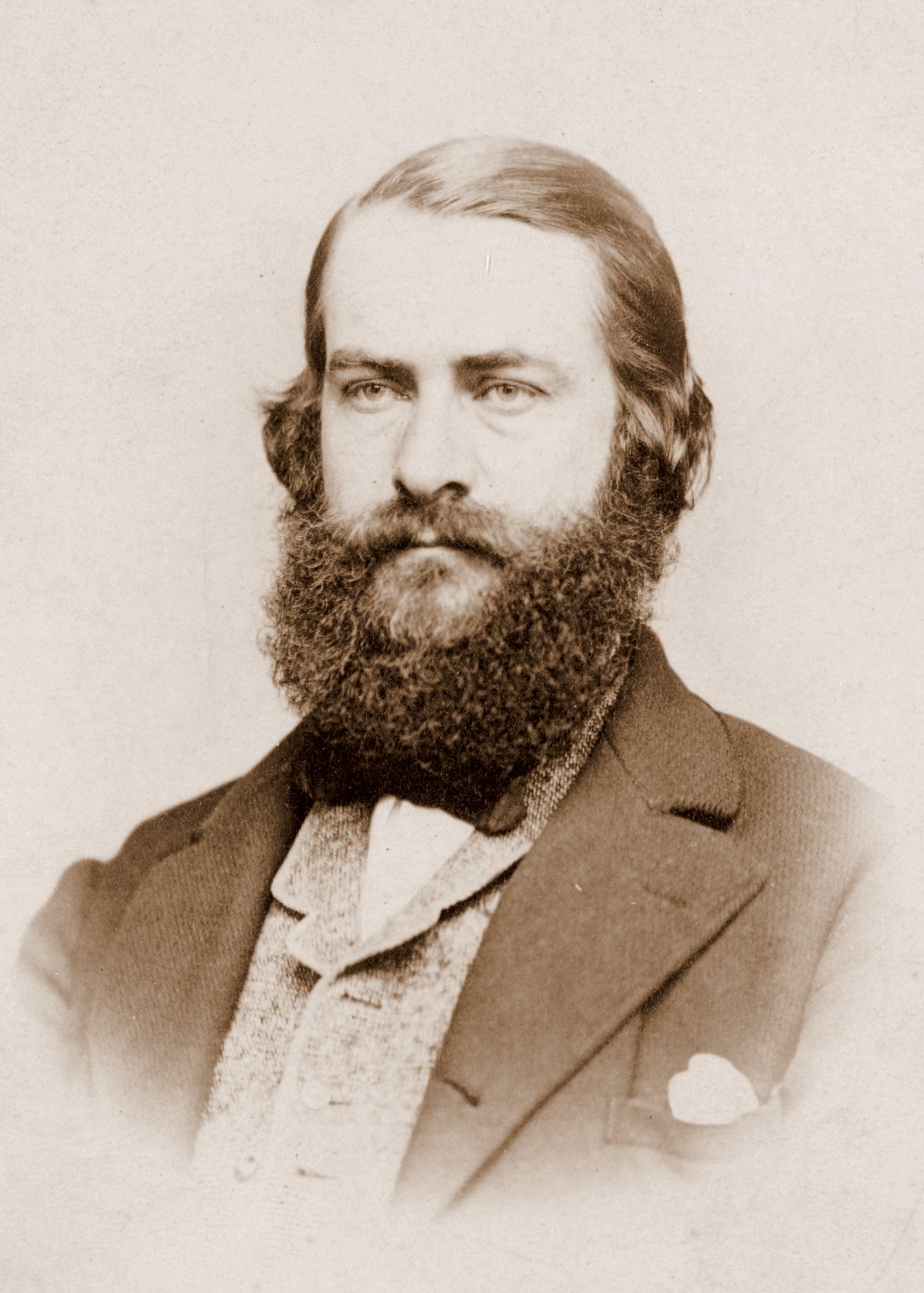
Leidy found the hookworm in the cat and suggested that it might also be found in man as a cause of pernicious anemia.
1875 CE
#5344.9
Remarks on the anatomy and pathological relations of a new species of liver fluke.
First complete description of Chlonorchis sinensis.
1900 CE
#5039
Remarks on the results which have been obtained by the antityphoid inoculations.
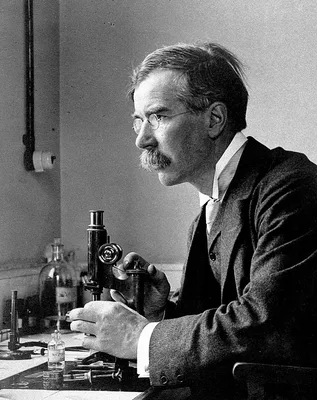
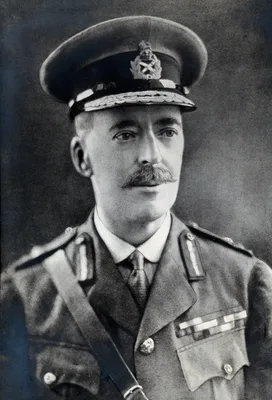
The active inoculation of man against typhoid was first performed by Wright in 1896. For a preliminary note see Lancet, 1896, 2, 807.
1688 CE
#7955
Remèdes contre les cours de ventre.
"The remedy here treated of is ipecacuanha: although its antidysenteric virtues had previously been made known in 1649 by the writings of Piso and Marggraf [No. 2263.1] it was left to Helvetius, about forty years subs…
1952 CE
#9719
Replica plating and indirect selection of bacterial mutants.
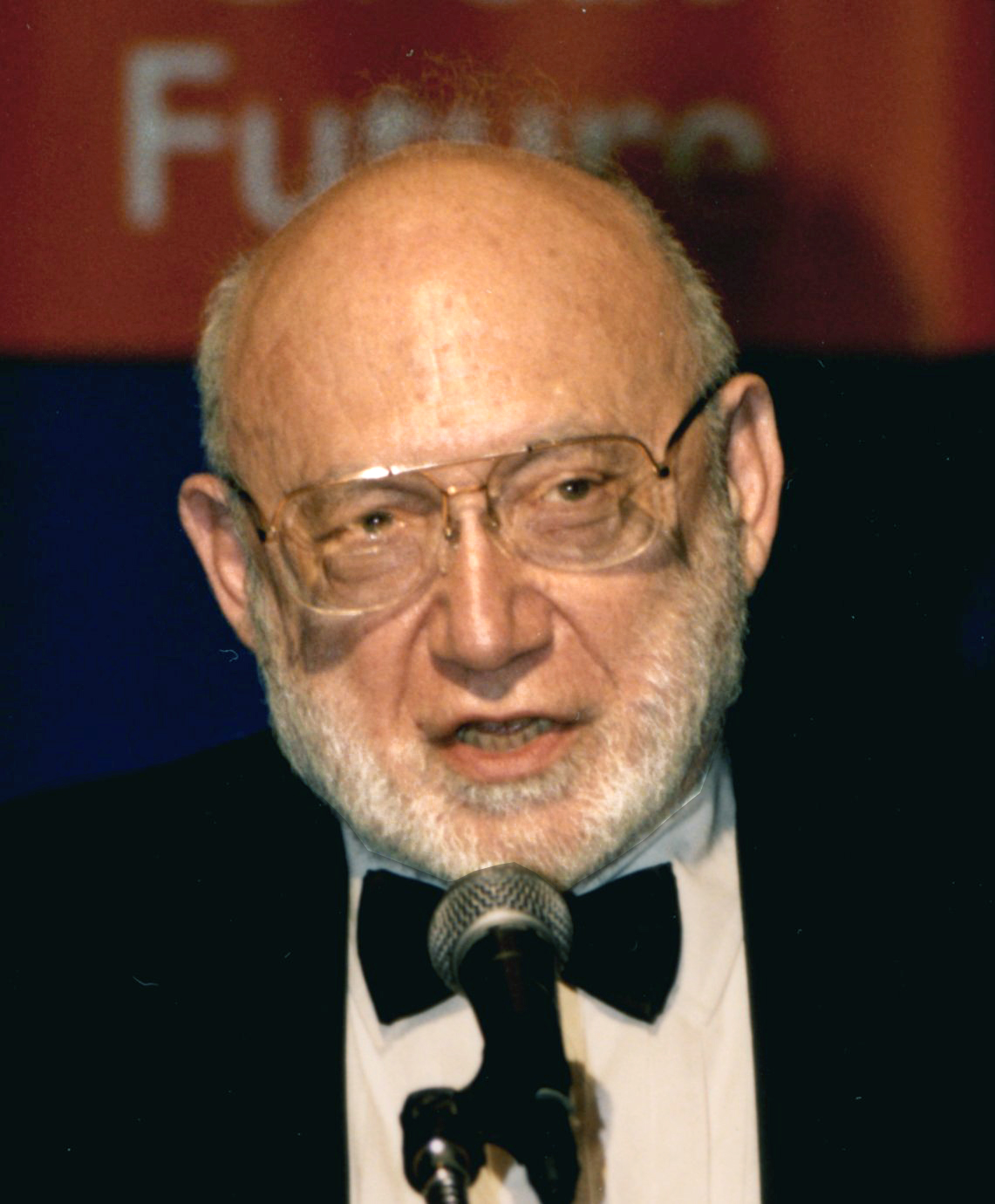
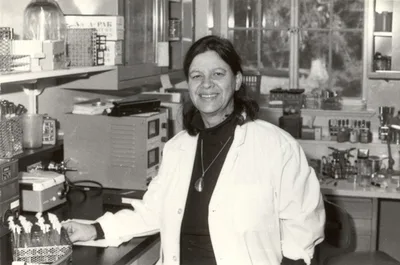
Demonstration of the mutational basis of antibiotic resistance. Digital facsimile from PubMedCentral at this link.
1914 CE
#5350.3
Report of the Bombay Bacteriological laboratory for the year 1913.
Experimental demonstration, on pp. 14-16, of the complete life cycle of Dracunculus medinensis, the parasite causing Dracunculiasis, popularly known as Guinea-worm disease.
1886 CE
#5080
Report on a disease of cows prevailing at a farm from which scarlatina had been distributed along with the milk of cows.
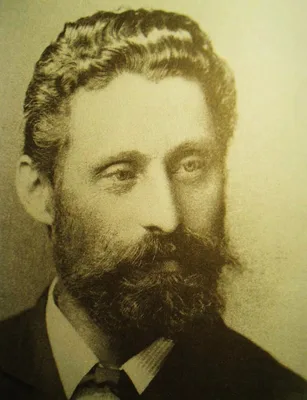
Contains the first suggestion of the streptococcal origin of scarlet fever.
1863 CE
#5097
Report on fever (Malta).
Marston wrote the first description of Malta fever as a distinct disease. He contracted the disease while serving in the Mediterranean area and described his own case. Marston was apparently the first to describe &ldq…
1920 CE
#5492
Report on the pandemic of influenza 1918-19.
Reports on Public Health and Medical Subjects, No. 4. The most widespread and serious pandemic of influenza occurred in 1918-19. It spread throughout Europe, Russia, Canada, S. America, New Zealand, Australia, Africa,…
1905 CE
#5279
Report on trypanosomes, trypanosomiasis, and sleeping sickness, being an experimental investigation into their pathology and treatment.
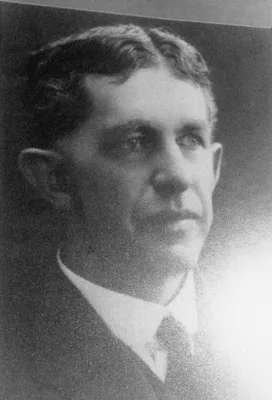
Thomas and Breinl discovered that arsanilic acid, was more potent in the treatment of laboratory trypanosomiasis than arsenic in inorganic form. As a crystalline powder it was introduced medically as Atoxyl. Thomas an…
1881 CE
#2494
Report upon micro-organisms in surgical diseases.
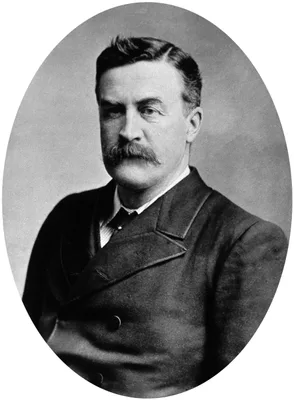
Ogston showed that micrococci are constantly present in acute and chronic abscesses. He discovered Staphylococcus aureus. Ogston named staphylococcus in his paper, "Micrococcus poisoning," J. Anat. Physiol., 1882, 16,…
1905 CE–1907 CE
#5102
REPORTS of the Commission appointed by the Admiralty, the War Office, and the Civil Government of Malta, for the investigation of Mediterranean fever, under the supervision of an advisory committee of the Royal Society. 7 pts.
The important findings of the Mediterranean Fever Commission are summarized in Topley & Wilson’s Bacteriology,1975, p. 2173; probably the most valuable was that of T. Zammit, who showed goat’s milk to be t…
1915 CE–1916 CE
#5350.4
Reports of the results of the bilharzia mission in Egypt, 1915.
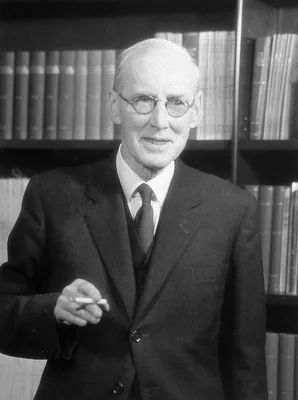
Leiper identified the snail responsible for the transmission of Schistosoma mansoni and S. haematobium.
1904 CE
#2459
Researches in helminthology and parasitology. With a bibliography of his contributions to science.
In vol. 46 of Smithsonian Miscellaneous Collections. Leidy was called the greatest descriptive naturalist in mid-19th century America.
1877 CE
#1997
Researches on the effect of light upon bacteria and other organisms.
Downes and Blunt were the first to demonstrate the bactericidal action of sunlight; they regarded the germicidal property of light as depending on oxidation.
1928 CE
#5194.1
Researches on the intestinal protozoa of monkeys and man.
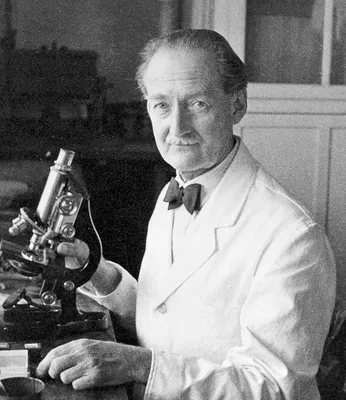
Classic account of the life-cycle of Entamoeba histolytica.
1974 CE
#7453
Restriction of in vitro T cell-mediated cytotoxicity in lymphocytic choriomeningitis within a syngeneic or semiallogeneic system.


Doherty and Zinkernagel discovered how a class of white blood cells known as T cells kill virus-infected cells in the body, and so present the spread of viruses. In 1998 Zinkernagel and Doherty were awarded the Nobel …
1921 CE
#2573
Results of experimental studies on focal infection and elective localization.
Rosenow showed that focal infection could by caused by bacteria in teeth, etc.
1893 CE
#5428
Ricerche sulla patogenesi ed etiologia dell’ infezione vaccinica e vaiolosa.
Guamieri described bodies found in the specific lesions of smallpox. Cytorrhyctes variolae guarnieri, which he believed to be the causative organism of the disease. Guarnieri bodies are found in all poxvirus infection…
1940 CE
#5398.2
Rickettsia disease of Malaya. Identity of tsutsugamushi and rural typhus.
Lewthwaite and Savoor showed scrub typhus to be identical to tsutsugamushi fever.
1946 CE
#5400
Rickettsialpox. A newly recognized rickettsial disease. IV. Isolation of a rickettsia apparently identical with the causative agent of rickettsialpox from Allodermanyssus sanguineus, a rodent mite.
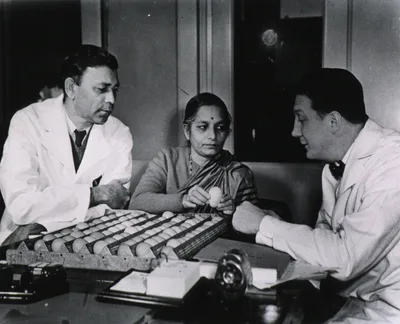
Isolation of Rickettsia akari, aetiologic agent of rickettsialpox. With W. L. Jellison and C. Pomerantz.
1970 CE
#2660.23
RNA-dependent DNA polymerase in virions of Rous sarcoma virus.
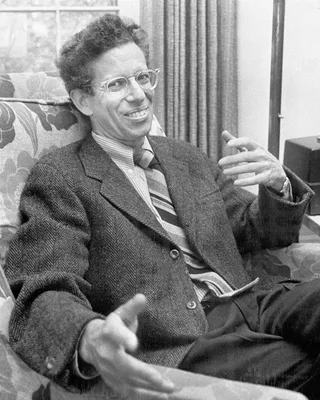
Discovery of reverse transcriptase. "In 1969, Temin and a postdoctoral fellow, Satoshi Mizutani, began searching for the enzyme that was responsible for the phenomenon of viral RNA being transferred into proviral DNA.…
1952 CE
#13938
Rôle des cations bivalents dans l'induction du développement du prophage par les agents reducteurs.
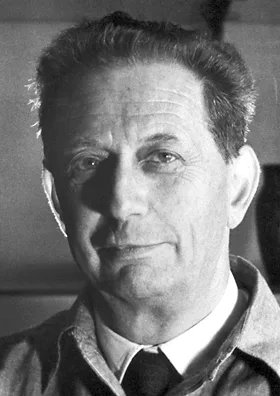
Lwoff gave the name "prophage" to the form in which the genome of the bacteriophage is perpetuated in lysogenic bacteria. The bacteriophages produced by these bacteria, known as temperate bacteriophages, can therefore…
1967 CE
#5509.4
Rubella-virus hemagglutination-inhibition test.
With five co-authors.
2020 CE
#13506
Safety and efficacy of the BNT162b2 mRNA Covid-19 vaccine.
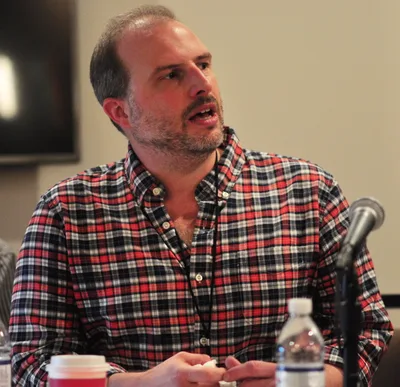
BNT162b2 is synonomous with the Pfizer BioNTech mRNA Covid-19 vaccine. The Pfizer-BioNTech mRNA vaccine was produced from theoretical design to finished product and distribution in less than one year. This was the fir…