
Facets
Browse across eight MeSH (opens in new tab) facets — era, geography, science, specialty, technology, history, culture, and reference. Select one tag per group; counts update across the others.
Clear filtersFacet filters
Geography
Specialties & Disease
- Anatomy & Pathology 77
- Cardiology & Blood 1
- Neurology & Psychiatry 26
- Obstetrics & Reproductive 16
- Infectious Disease (General) 0
- Surgery & Anesthesia 10
- Public Health 15
- Immunology & Dermatology 6
- General Clinical Medicine 7
- Military Medicine 1
- Psychology 7
- Alternative & Fringe Medicine 6
- Pediatrics 3
- Ophthalmology & Vision 2
- ENT & Hearing 1
- Urology & Nephrology 2
- Gastroenterology & Hepatology 0
- Pulmonary & Respiratory 1
- Rheumatology, Rehab & Pain 0
- Internal, Emergency & Geriatric 0
- Veterinary Medicine 2
- Epidemiology & Demography 4
- Physiology & Embryology 6
- Dentistry 6
- Plagues & Epidemics 14
- Microbiology & Virology 1
Social & Historical Studies
Institutions & Culture
Reference & Scholarly Works
350 entries match Arts, Literature & Humanities [K01.090] · Zoology & Animal Sciences [K01.900.500.750]
1977 CE
#6524.3
Spätantike Bilder aus der Welt des Arztes. Medizinische Bilderhandschriften der Spätantike und ihre mittelalterliche Überlieferung.
2000 CE
#8680
Spectacular bodies: The art and science of the human body from Leonardo to now.

1858 CE
#12065
Speech of Charles Dickens, Esq., on behalf of The Hospital for Sick Children, 49, Great Ormond Street. Patron, - Her Majesty the Queen. The objects of the institution are - I. The medical and surgical treatment of poor children. II. The attainment and diffusion of knowledge regarding the diseases of children. 3. The training of nurses for children.
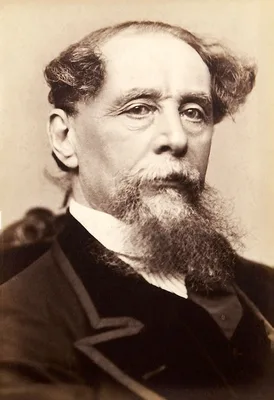
Speech of Charles Dickens as Chairman at the Dinner on Behalf of the Hospital for Sick Children, February 9th, 1858. This 10-page pamphlet was first published in 1858 and reprinted in 1864, in 1865, and in 1874 to rai…
1877 CE
#4344.1
Spinal disease and spinal curvature, their treatment by suspension and the use of the plaster of Paris bandage.
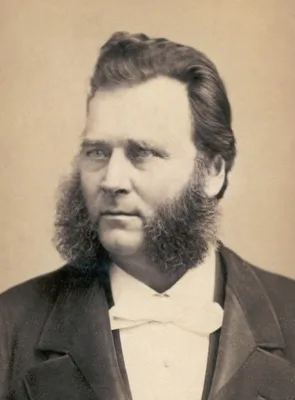
Sayre’s monograph on his methods of treating tuberculosis of the spine and scoliosis is the first American surgical textbook to contain actual mounted photographs, some of which are remarkable for their artistic…
1543 CE
#376
Suorum de humani corporis fabrica librorum epitome.
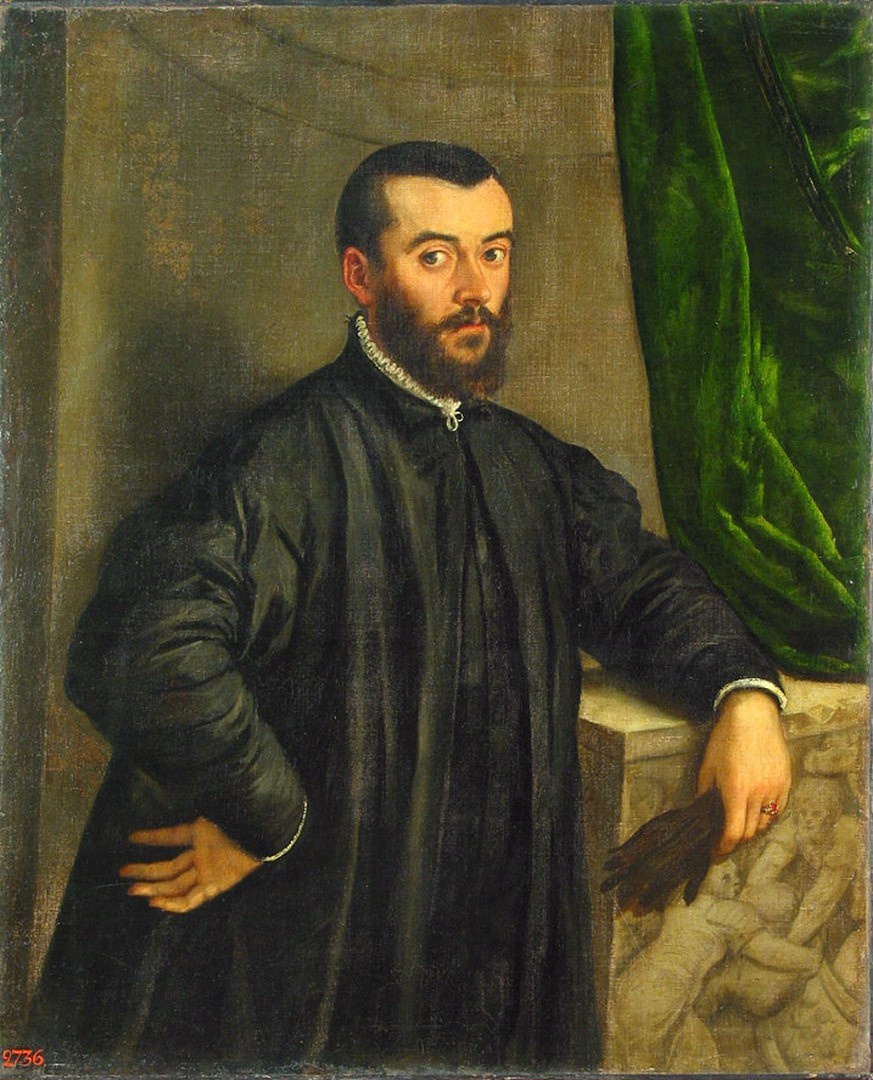
Shortly after publishing his encyclopedic De humani corporis fabrica libri septem, Vesalius issued De humani corporis fabrica epitome, also from the press of Johannes Oporinus of Basel. This thin set of 14 unnumbered …
1851 CE
#13302
Surgical anatomy.
"The drawings of Maclise for Quain's Anatomy of the arteries and for his own Surgical anatomy are indeed done, as Quain wrote, with spirit and effect. These figures of anatomical dissection seem lifelike; in many plat…
1530 CE
#2364
Syphilis sive morbus gallicus.
The most famous of all medical poems. It epitomized contemporary knowledge of syphilis, gave to it its present name, and recognized a venereal cause. Fracastorius refers to mercury as a remedy. First complete English …
1822 CE
#13314
System of surgical anatomy. Part first [all published]: On the structure of the groin, pelvis, and perineum. As connected with inguinal and femoral hernia; Tyeing the iliac arteries; and the operation of lithotomy. Illustrated by nine copper-plate engravings
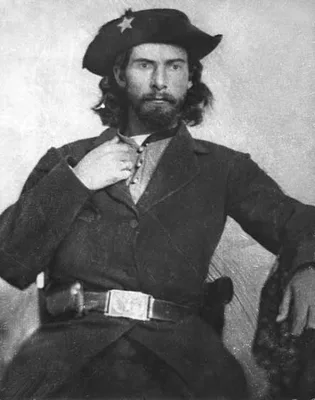
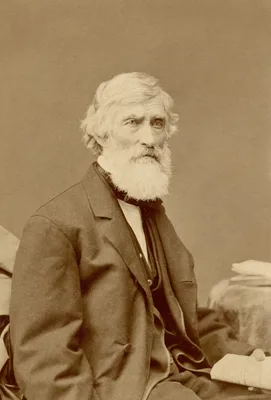
Anderson trained at the Royal College of Surgeons in Edinburgh, emigrated to America in 1820 and, after delivering a series of anatomical lectures in New York under the patronage of Valentine Mott, became affiliated w…
1797 CE
#401
Tabula sceleti feminini juncta descriptione.
Soemmerring was noted for his accuracy in anatomical illustration, and the above work is a fine example of his artistic sense. For it he selected the skeleton of a well-built girl of 20 years. Great care was taken in …
1627 CE
#381
Tabulae anatomicae lxxiix.
First publication of the very beautiful copperplates engraved by Francesco Valesio after Odoardo Fialetti, a pupil of Titian. Casseri commissioned these plates covering the whole field of human anatomy for his unfinis…
1538 CE
#372
Tabulae anatomicae sex.
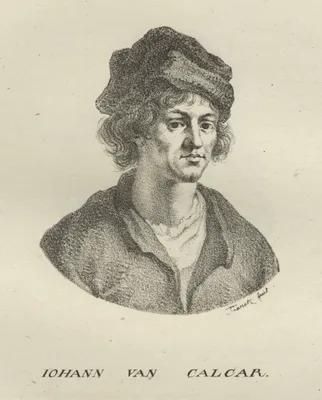
Vesalius’ first anatomical publication, consisting of six oversized anatomical charts, resembling fugitive sheets. The three skeletal woodcuts are signed by the artist, Jan Stephan van Calcar, who also acted as …
1741 CE
#395.2
Tabulae anatomicae.
![PIETRO DA CORTONA, [Pietro BERRETINI] (1596 – 1669)](/media/portraits/743)
27 anatomical copperplates after drawings by the most influential painter of the Italian Baroque movement, who also excelled as an architect. The editor, Cajetano Petrioli, supplied the text and small numbered anatomi…
1737 CE–1747 CE
#399
Tabulae sceleti et musculorum corporis humani.
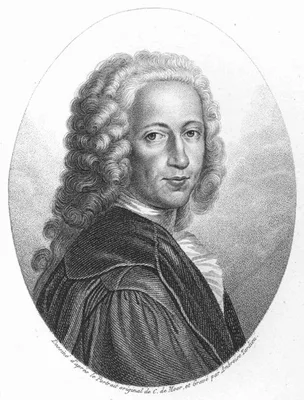
The splendid series of 40 large copperplates of the bones and muscles in this work were drawn and engraved by Jan Wandelaar (1690-1759). They established a newstandard in anatomical illustration, and remain unsurpasse…
1999 CE
#7032
Taking positions. On the erotic in Renaissance culture.
Of particular relevance to the history of medical literature is Chapter 8: "Mythology, Sexuality, and Science in Charles Estienne's Manual of Anatomy" (pp. 161-188). This refers to Estienne's De dissectione partium co…
2007 CE
#12159
Textual contraception: Birth control and modern American fiction.
1975 CE
#6610.11
The anatomical works of George Stubbs.
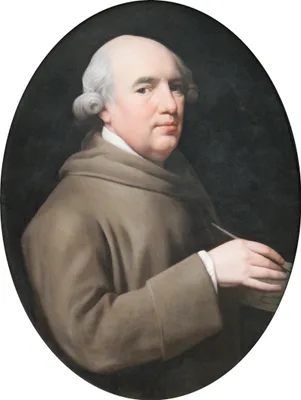
Reproduces all of the known anatomical drawings of the painter, George Stubbs (1724-1806), together with his midwifery illustrations and the text and plates for his work on anatomy of the horse. (No. 308.1).
1698 CE
#385.1
The anatomy of humane bodies, with figures drawn after the life by some of the best masters in Europe.
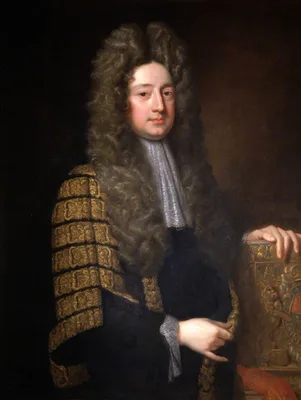
The largest in format, and most elaborate and beautiful of all 17th century English treatises on anatomy, and also one of the most extraordinary plagiarisms in the entire history of medicine. Cowper purchased sets of …
1766 CE
#308.1
The anatomy of the horse.
The first original work on equine anatomy after Ruini (No. 285). Stubbs, the great painter of animals, prepared his own dissections of horse carcasses, and personally engraved the 24 double folio plates for this work,…
1797 CE–1804 CE
#401.3
The anatomy of the human body. 4 vols.
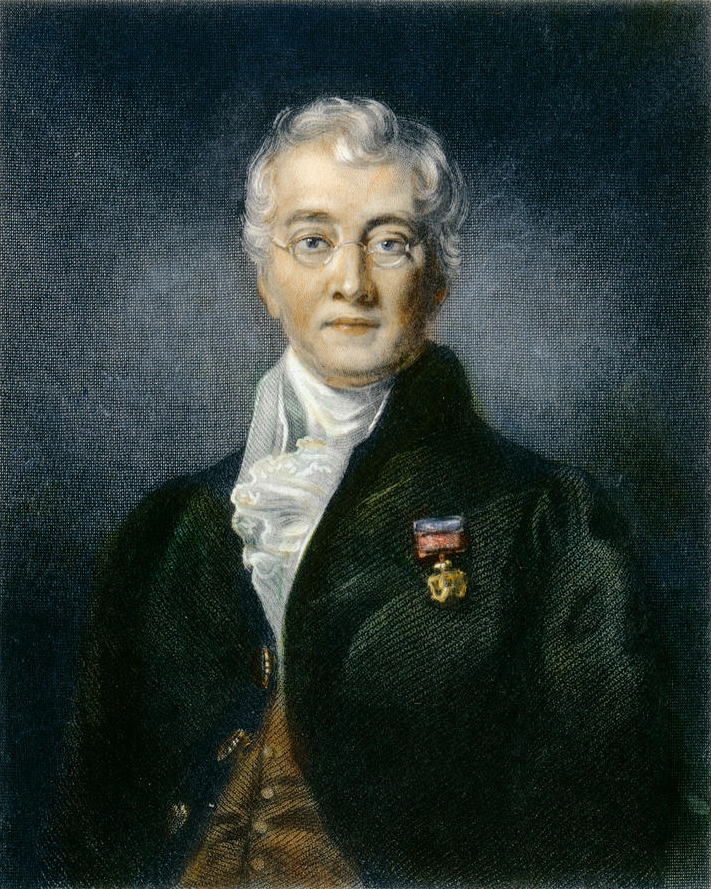
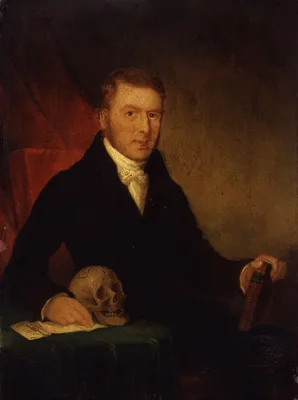
“The first great textbook contributed by the British school to modern anatomy” (Russell, No. 461).
1969 CE
#11840
The Andromeda strain. A novel.

A techno-thriller novel documenting the efforts of a team of scientists investigating the outbreak of a deadly extraterrestrial microorganism in Arizona.
1981 CE
#6610.15
The art of healing. Medicine and science in American art.
2012 CE
#10294
The art of medicine: Over 2000 years of images and imagination.
"The pharmaceutical magnate Henry S. Wellcome (1853-1936) sought to illumine the 'history of the Healing art' across cultures and from the ancient past to his own day through his vast historical medical collection. Th…
1744 CE
#10814
The art of preserving health: A poem.
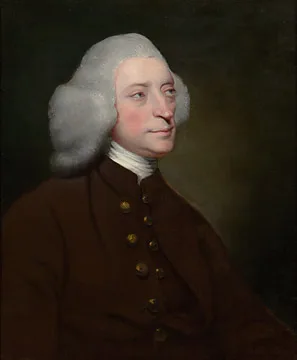
John Armstrong was the brother of George Armstrong. Digital facsimile from the Internet Archive at this link. The edition consisted of 1250 of which 50 were on "fine paper."
1959 CE
#12603
The baths of Pozzuoli. A study of the medieval illuminations of Peter of Eboli's poem
2017 CE
#8867
The beautiful brain: The drawings of Santiago Ramón y Cajal. Edited with commentaries by Eric A. Newman, Alfonso Araque, and Janet M. Dubinsky. Essays by Larry W. Swanson, Lyndel King, and Eric Himmel.
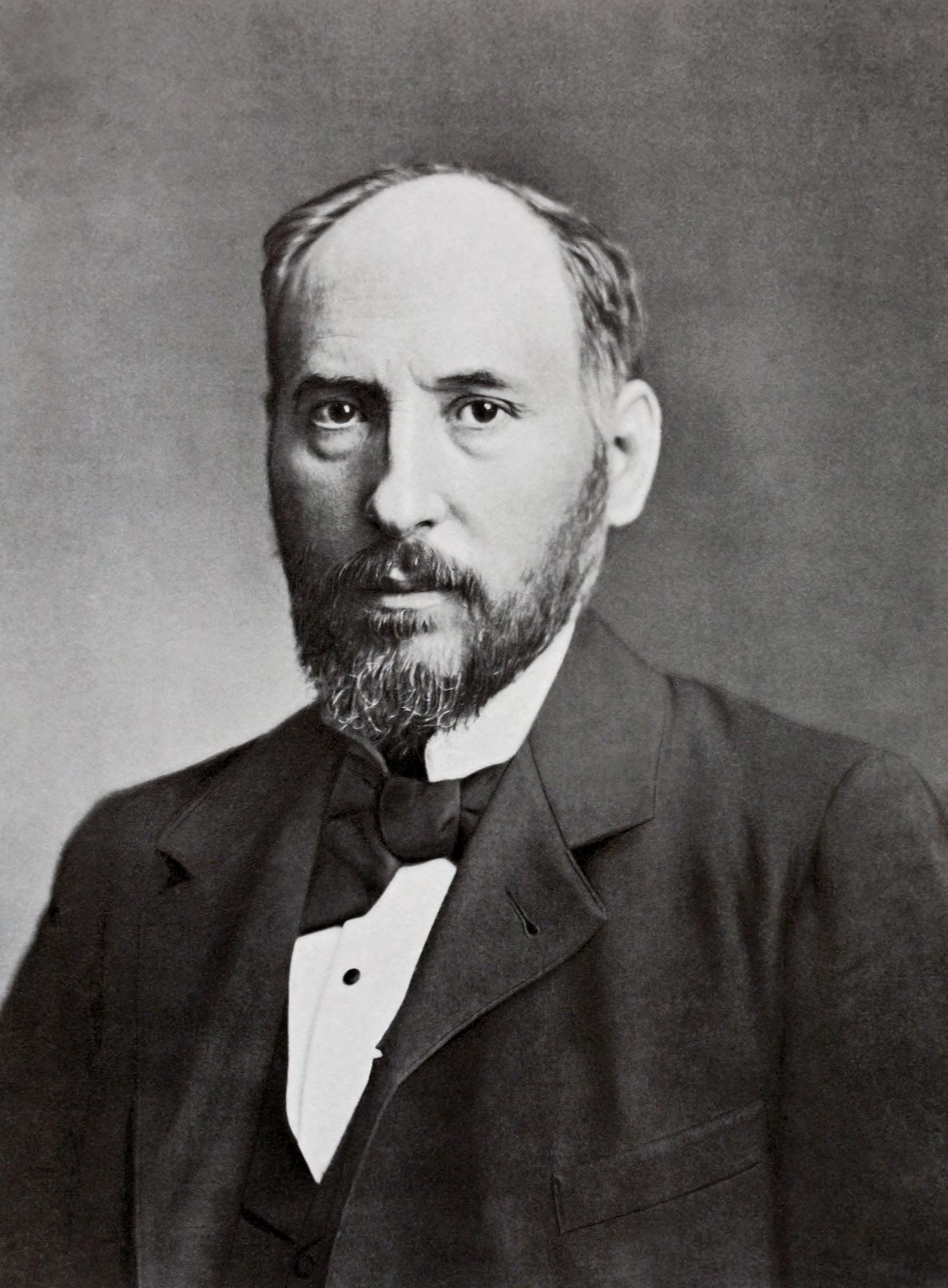

A spectacular volume reproducing Ramón y Cajal's drawings in very high quality, and with significant commentaries.
1884 CE
#11841
The body snatcher.
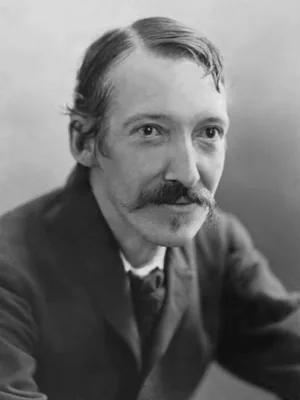
Loosely based upon the notorious crimes of Burke and Hare, who murdered 16 people in 1828 in order to sell their corpses to Scottish anatomist Robert Knox. In Stevenson's story, the anatomist is referred to as Mr. K__…
1789 CE–1791 CE
#8921
The botanic garden: A poem in two parts. Part I. Containing the economy of vegetation. Part II. The loves of the plants. With philosophical notes. 2 vols.
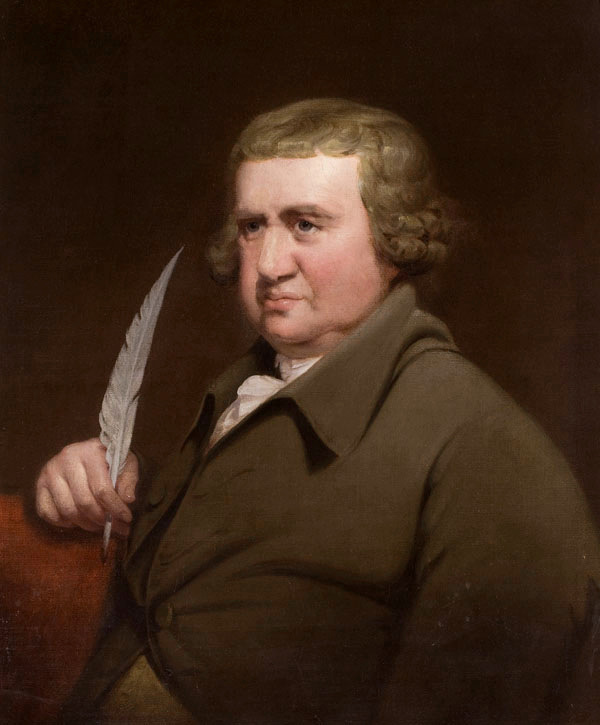
The first edition of part 2, preceded part 1, being published in 1789. This poem was the chief source of Erasmus Darwin's literary fame during his lifetime. Like his other works, this poem contains a great deal of fre…
1861 CE
#3267
The breath of life; or mal-respiration, and its effects upon the enjoyments and life of man.
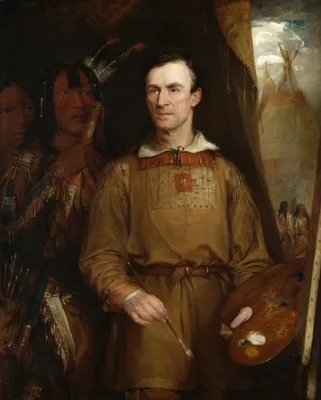
Catlin, the famous American artist, was the first in America to call attention to the bad effects of mouth-breathing. He based his book on observations of native American practices, and illustrated his book with humor…
1937 CE
#10198
The Citadel.
This novel was "groundbreaking with its treatment of the contentious theme of medical ethics. It has been credited with laying the foundation in Great Britain for the introduction of the NHS a decade later.[1] "For hi…
1985 CE
#8883
The collected essays of Sir William Osler. 3 vols. Edited by John P. McGovern and Charles G. Roland.
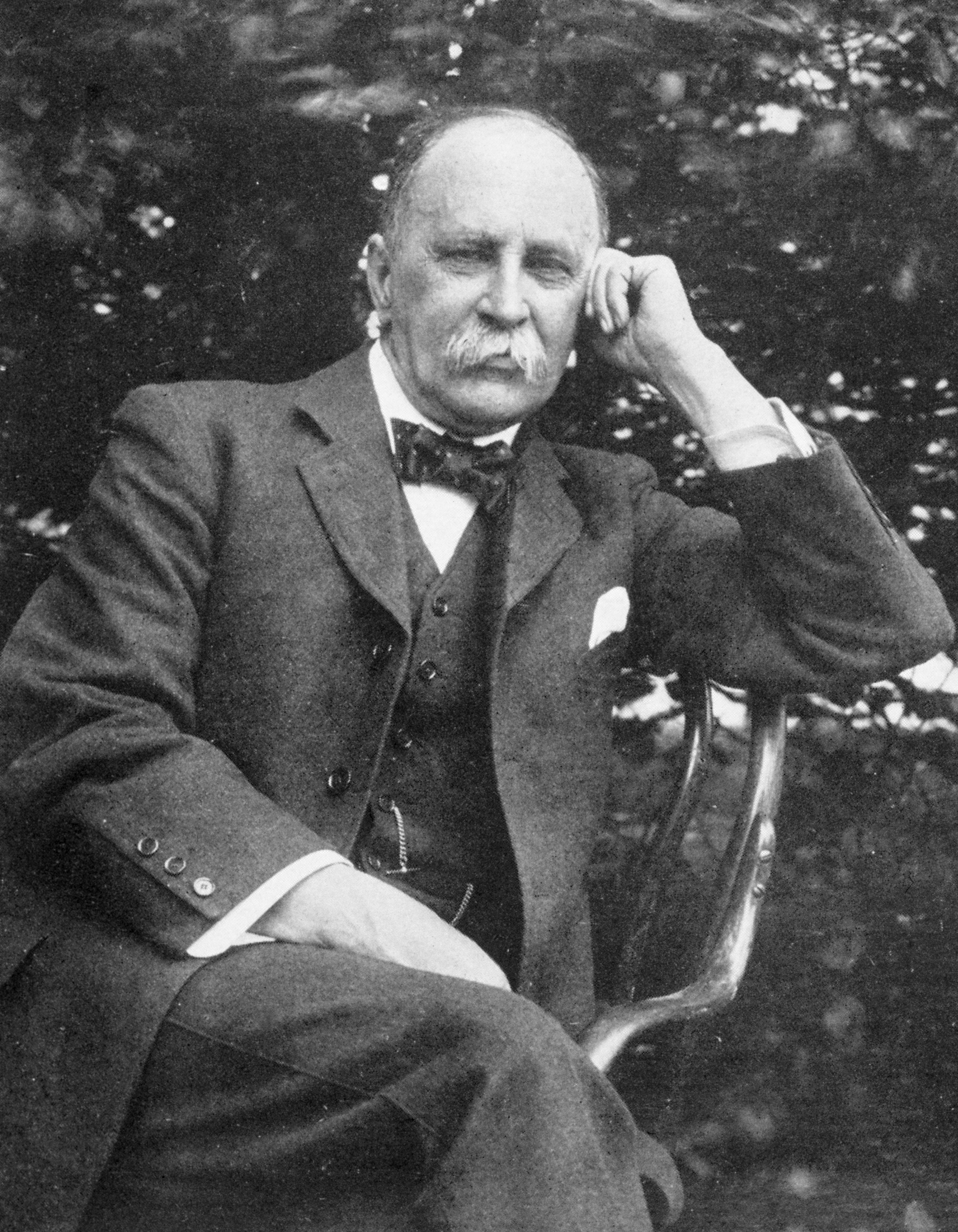
Vol. 1: The philosophical essays. Vol. 2: The educational essays. Vol. 3: The historical and biographical essays.
1947 CE
#10822
The diagnosis of the acute abdomen in rhyme by Zeta.
Cope published this humorous version of his Early diagnosis of the acute abdomen under the pseudonym Zeta.
1989 CE
#9733
The discovery of the art of the insane.
"This pioneering work, the first history of the art of the insane, scrutinizes changes in attitudes toward the art of the mentally ill from a time when it was either ignored or ridiculed, through the era when major fi…
1699 CE
#7965
The dispensary: A poem. In six cantos.
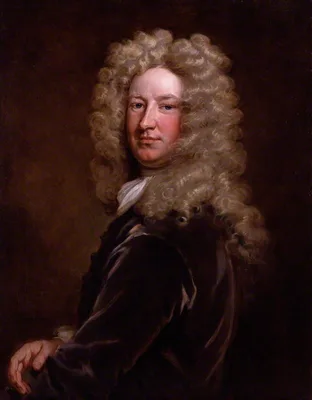
An aggressive criticism of quack medicines, apothecaries who produced them, and physicians who prescribed them.
1953 CE
#6623.01
The doctor and the devils.
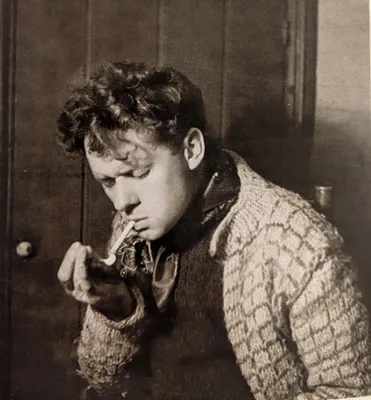
The great lyric poet’s screenplay based on the notorious career of Robert Knox, the anatomist who purchased bodies for dissection from the resurrectionists/murderers, Burke and Hare. This was the first screenpla…
1967 CE
#9741
The doctor on the stage: Medicine and medical men in seventeenth-century England.
1911 CE
#11661
The doctor's dilemma, getting married, & The shewing-up of Blanco Posnet.
"Historian John Crellin opens his essay on William Osler and George Bernard Shaw with a quotation about this 1911 book that the compilers of the catalogue of Osler's library wrote: 'With a cynical 'Preface on Doctors'…
1997 CE
#7463
The eye of the artist.
1907 CE
#87
The fragments of Empedocles. Translated into English verse by William Ellergy Leonard.
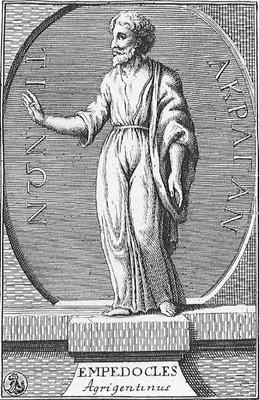
Empedocles was a Greek philosopher, statesman, physician and reformer. His poem on Nature originally ran to 5,000 lines, of which only 400 are now left. He believed in four ultimate elements—fire, air, water and…
2010 CE
#9397
The illustrated Interpretation of Dreams by Sigmund Freud. Edited with an introduction and essays by Jeffrey Moussaieff Mason.
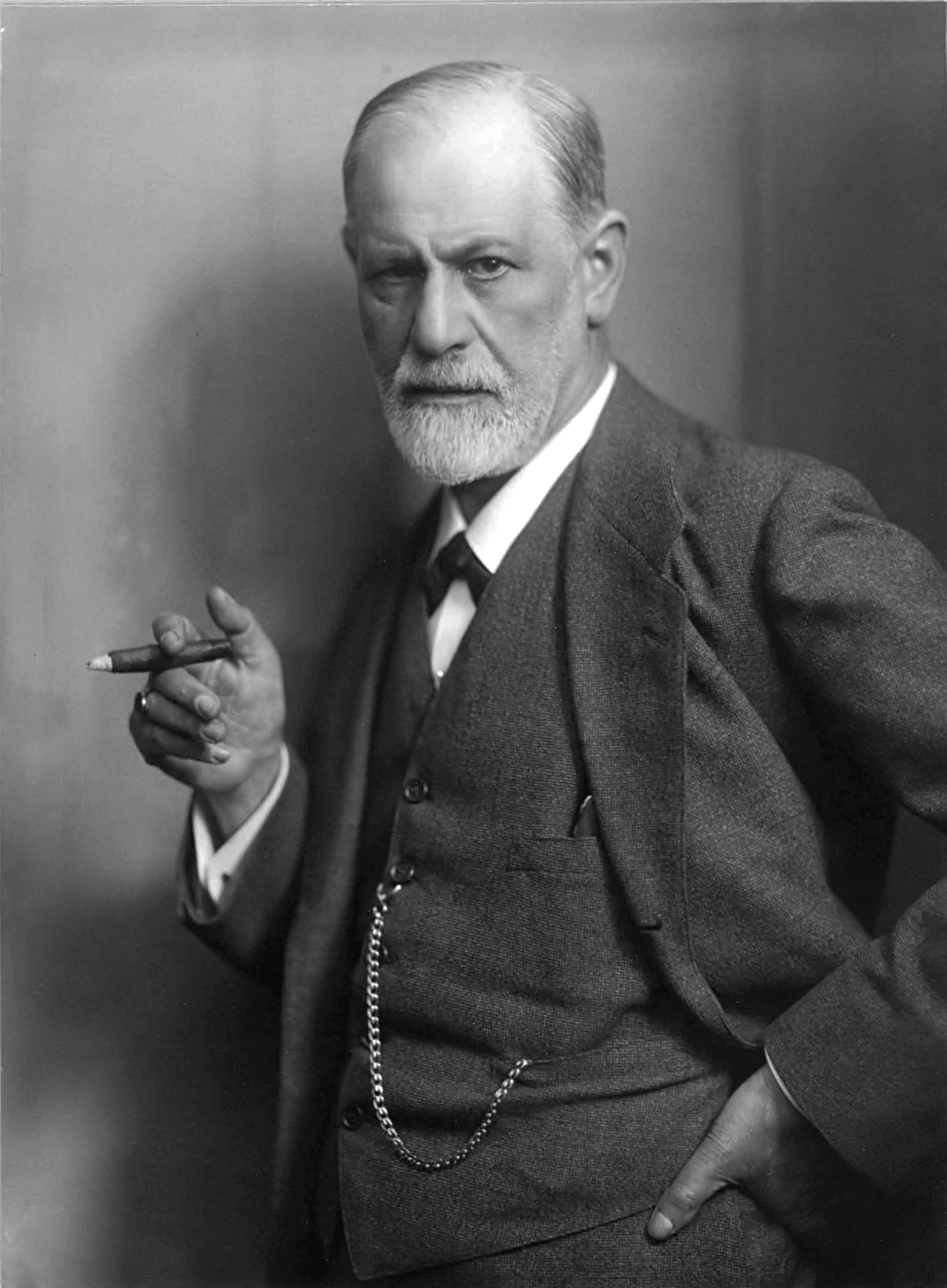
Reprints selected portions of the 1913 A. A. Brill translation together essays by Masson and excerpts from Jung, Lacan, and Horney. Includes many full page or double-page color reproductions of works by modernist and …
1996 CE
#7493
The ingenious machine of nature: Four centuries of art and anatomy.
1919 CE
#10741
The journal of a disappointed man. With an introduction by H. G. Wells.
Published under the pseudonym, Wilhelm Nero Pilate Barbellion. "Cummings' life changed forever when he was called to enlist in the British Army to fight in World War I in November 1915. He had consulted his doctor bef…
1906 CE
#12739
The jungle.
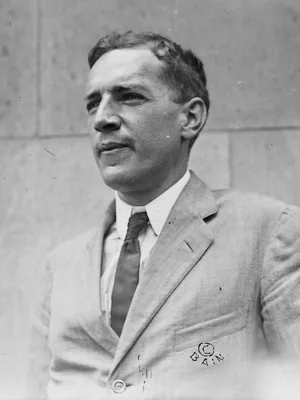
Sinclair wrote The jungle to portray the harsh conditions and exploited lives of immigrants in the United States in Chicago and other industrialized cities. His primary purpose in describing the meat industry and its …
2007 CE
#9425
The legacy of Harvey Cushing: Profiles of patient care. Edited by Aaron A. Cohen-Gadol and Dennis D. Spencer.
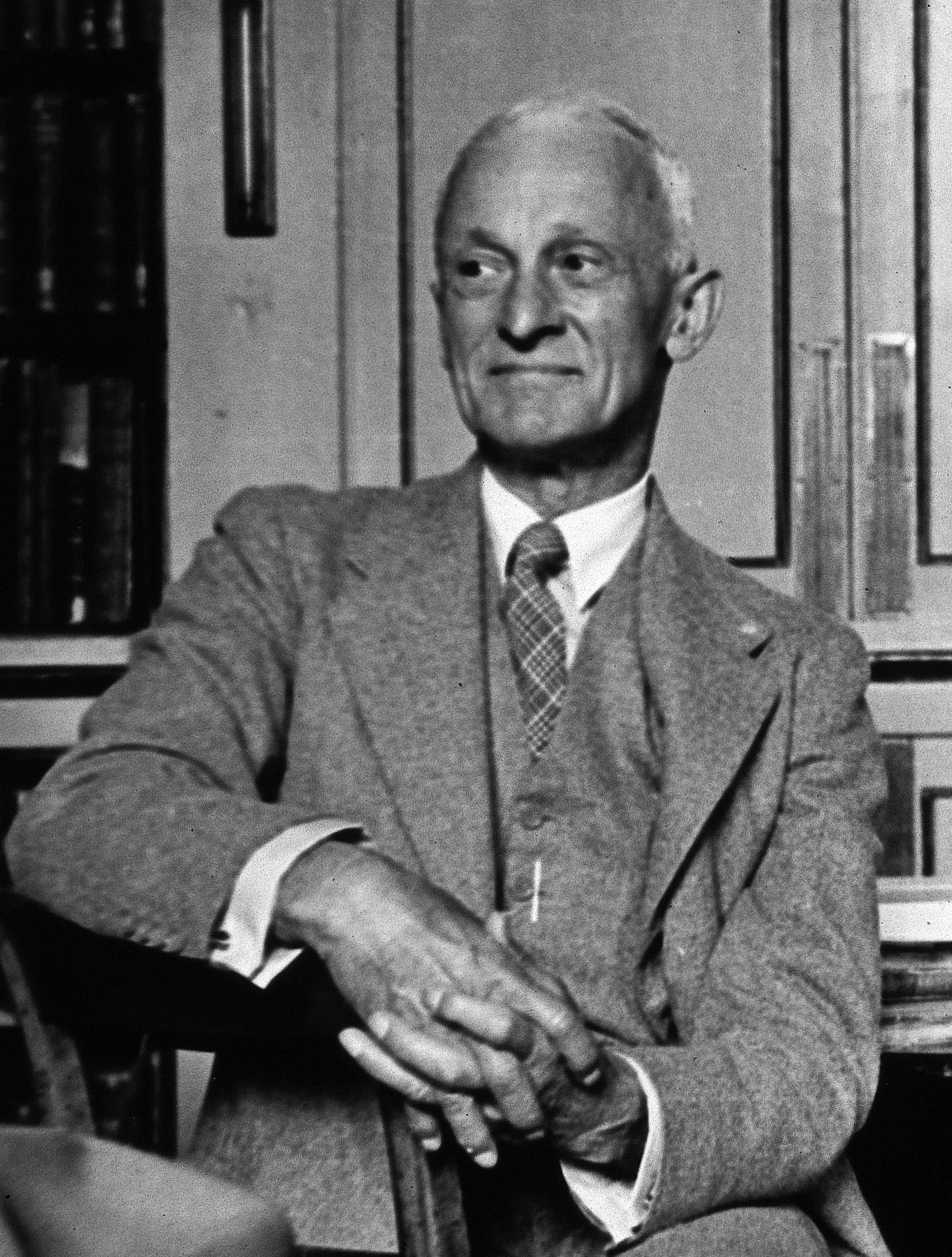
"... features 800 of Cushing's surgical drawings and photographs of patients and tumor specimens. Preserved untouched for sixty years in the Yale University Library, the images provide the earliest catalog of neurolog…
1867 CE
#5001
The mad folk of Shakespeare. 2nd ed.
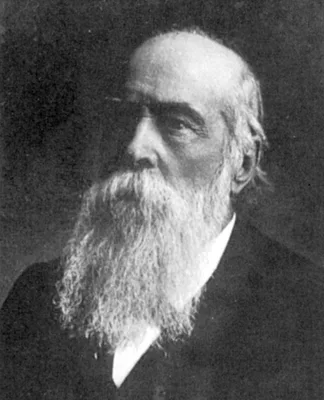
First published as The psychology of Shakespeare, London, 1859.
1985 CE
#9133
The man who mistook his wife of a hat and other clinical tales.
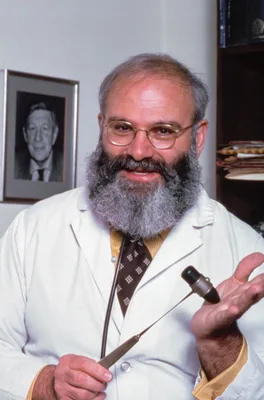
Describes the case histories of some of Sacks's patients. The title comes from the case study of a man with visual agnosia.[1] The book "became the basis of an opera of the same name by Michael Nyman, which premiered …
2018 CE
#10525
The medical imagination: Literature and health in the early United States.
"... During the eighteenth and nineteenth centuries, doctors understood the imagination to be directly connected to health, intimately involved in healing, and central to medical discovery. In fact, for physicians and…
1860 CE
#6615
The medical knowledge of Shakespeare.
1986 CE
#6623.51
The medical mind of Shakespeare.
2006 CE
#11650
The neurologic content of S. Weir Mitchell’s fiction.
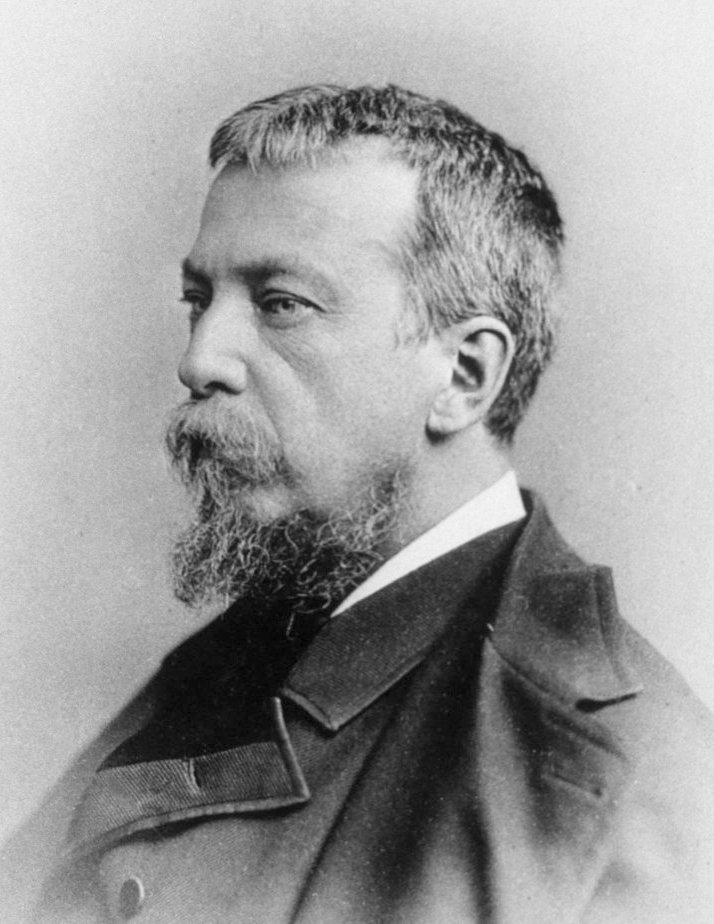
Digital facsimile from semanticscholar.org at this link.
1938 CE
#94
The notebooks of Leonardo da Vinci. Arranged, rendered into English and introduced by Edward MacCurdy. 2 vols.
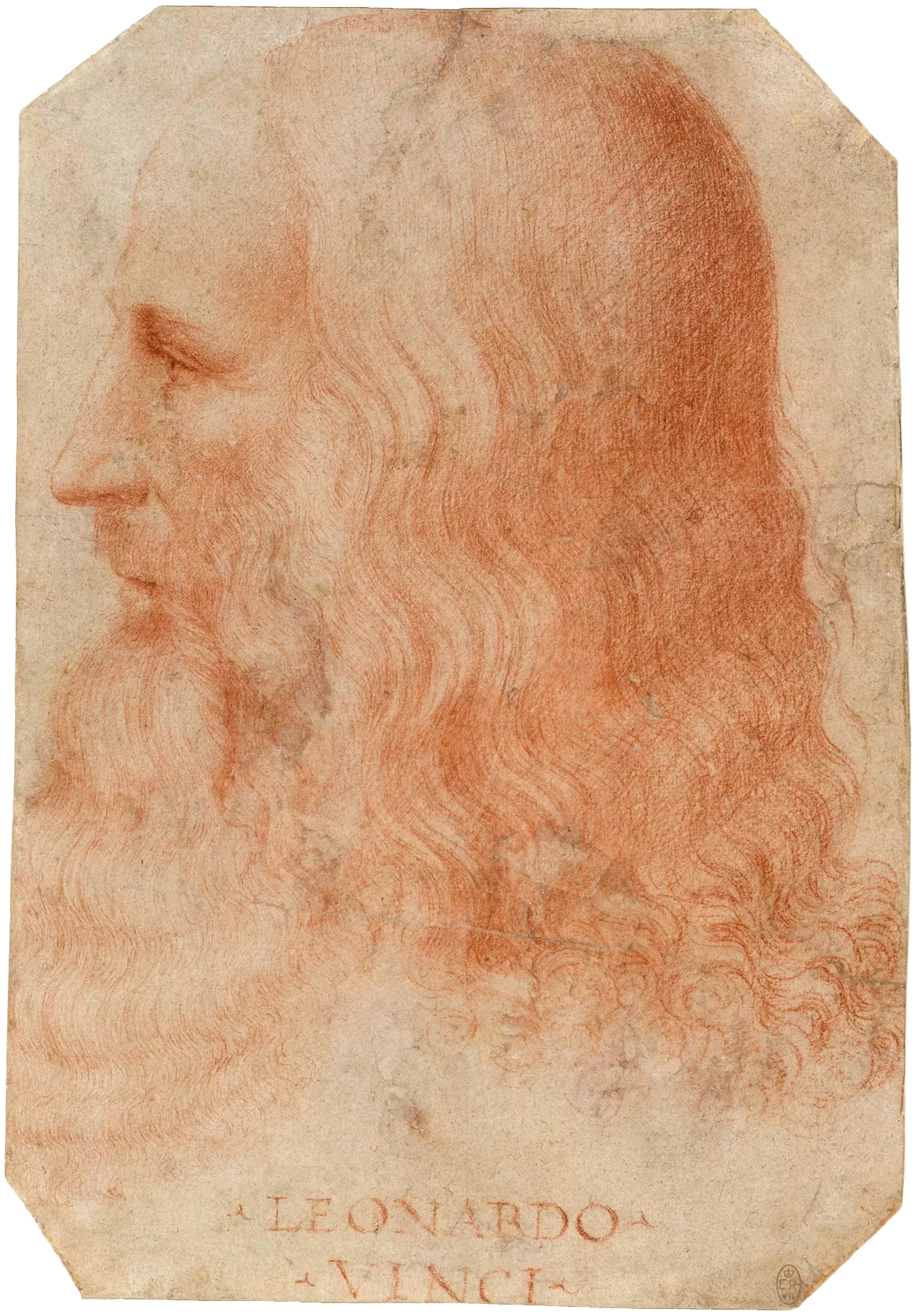
2nd edition, 1956 (reprinted London, Cape, 1977).