
Facets
Browse across eight MeSH (opens in new tab) facets — era, geography, science, specialty, technology, history, culture, and reference. Select one tag per group; counts update across the others.
Clear filtersFacet filters
Geography
Specialties & Disease
- Anatomy & Pathology 199
- Cardiology & Blood 9
- Neurology & Psychiatry 55
- Obstetrics & Reproductive 30
- Infectious Disease (General) 0
- Surgery & Anesthesia 22
- Public Health 30
- Immunology & Dermatology 19
- General Clinical Medicine 24
- Military Medicine 3
- Psychology 14
- Alternative & Fringe Medicine 27
- Pediatrics 5
- Ophthalmology & Vision 5
- ENT & Hearing 7
- Urology & Nephrology 7
- Gastroenterology & Hepatology 1
- Pulmonary & Respiratory 3
- Rheumatology, Rehab & Pain 2
- Internal, Emergency & Geriatric 0
- Veterinary Medicine 6
- Epidemiology & Demography 18
- Physiology & Embryology 17
- Dentistry 10
- Plagues & Epidemics 27
- Microbiology & Virology 1
Social & Historical Studies
Institutions & Culture
Reference & Scholarly Works
Drugs & Technology
199 entries match Anatomy & Pathology [G02.149 / C23] · Arts, Literature & Humanities [K01.090]
2006 CE
#7629
Human anatomy: A visual history from the Renaissance to the digital age.
A popular history, with excellent illustrations; probably the first history of anatomy to include a chapter (by Ackerman, project director for the National Library of Medicine's Digital Human Project) on "Anatomy in t…
1898 CE–1901 CE
#364
I manoscritti de Leonardo da Vinci della Reale Biblioteca di Windsor. Pubblicata da Teodoro Sabachnikoff. Transcritti e annotati da Giovanni Piumati. 2 vols.
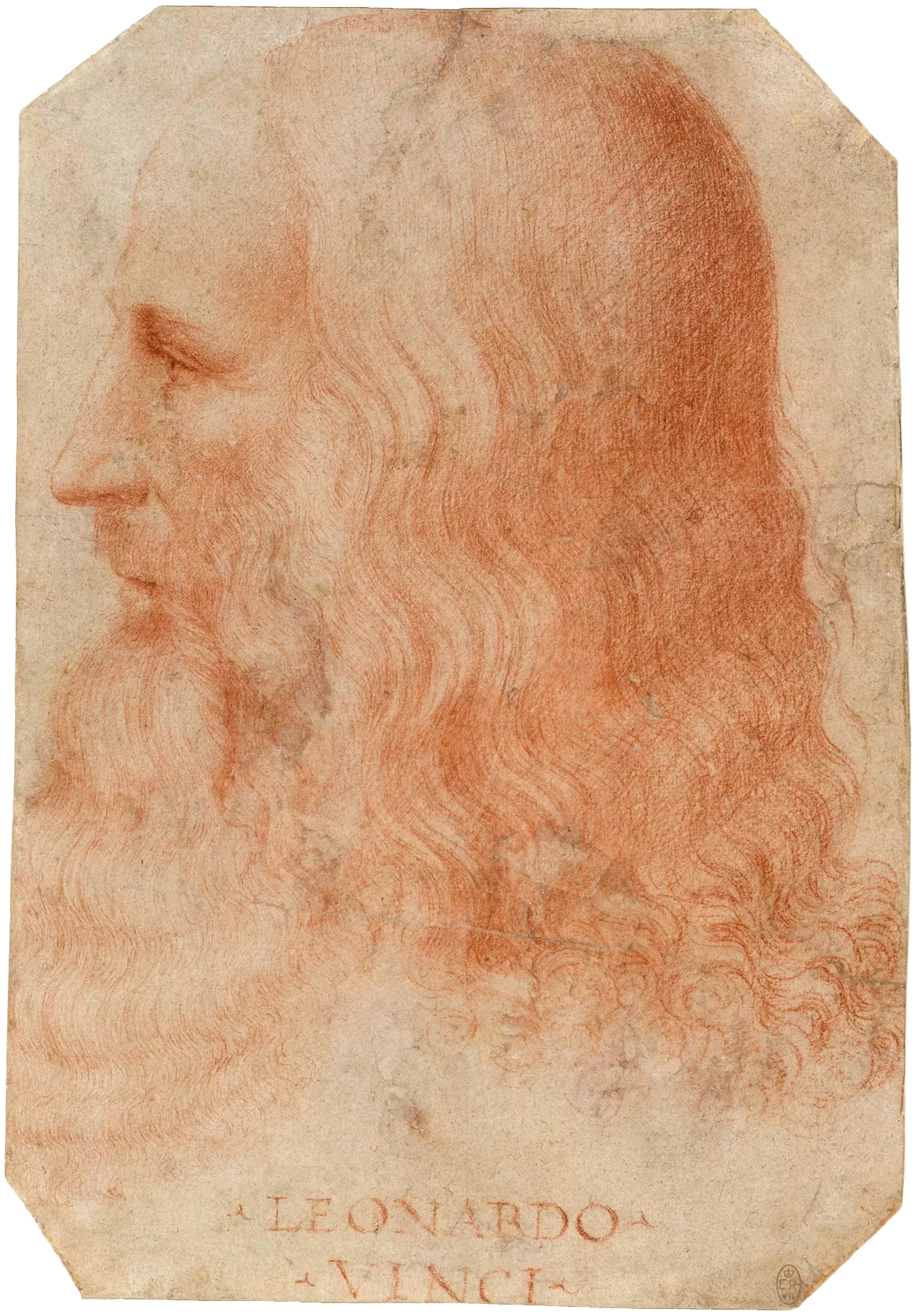
Includes folios A & B of his anatomical MSS. Text in French and Italian.
1743 CE–1756 CE
#397
Icones anatomicae. 8 pts.
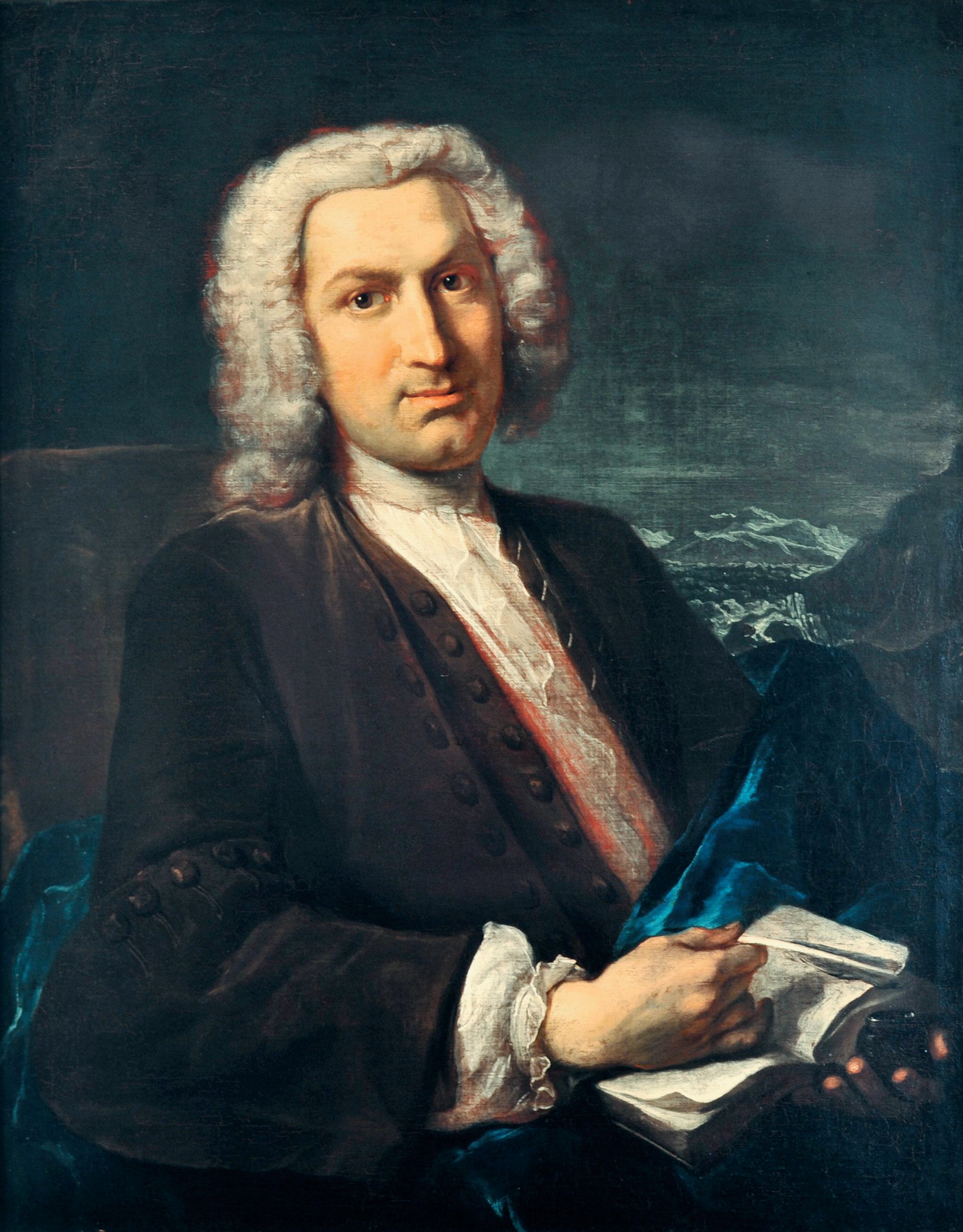
Accurate and beautiful engravings of the diaphragm, uterus, ovaries, vagina, arteries, with explanatory observations. About fifty years after they were originally published the most visually spectacular versions of Ha…
1608 CE
#8002
Il vero modo et ordine per dissegnar tutte le parti et membra del corpo humano.
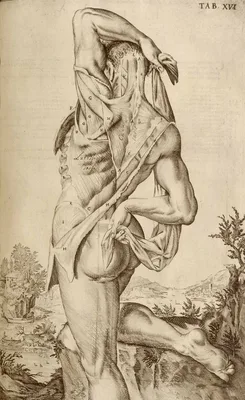
An entirely etched book of 40 leaves, drawn and etched by Fialetti, this was probably the first printed manual on drawing the human body, as distinct from earlier manuals on anatomy for artists. For further informatio…
1834 CE
#3222
Illustrations of pulmonary consumption.
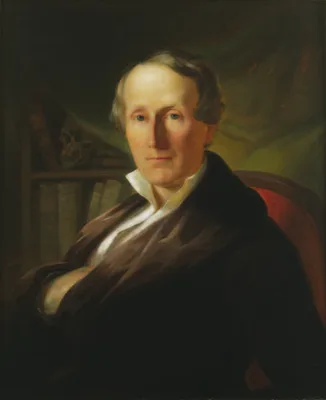
Morton published an important collection of illustrations delineating pulmonary tuberculosis which epitomized the knowledge of his time. It was also the first book on the subject published in the United States. Digita…
1838 CE
#2291
Illustrations of the elementary forms of disease.
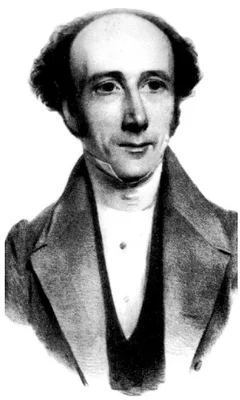
Carswell was Professor of Morbid Anatomy at University College, London, and one of the leading English pathologists of his day. A fine artist, he personally painted 2,000 water-colours of pathological specimens. His g…
1522 CE
#368
Isagoge breves perlucide ac uberime in anatomiam humani corporis a communi medicorum academia usitatam.
One year after publishing his Commentary on Mondino, Giacomo Berengario da Carpi issued an abbreviated version or Isagoge, with most of the same woodcuts. This was the book by which Berengario's contributions to anato…
1934 CE
#6622.1
John Keats’s anatomical and physiological note book …edited by Maurice Buxton Forman.
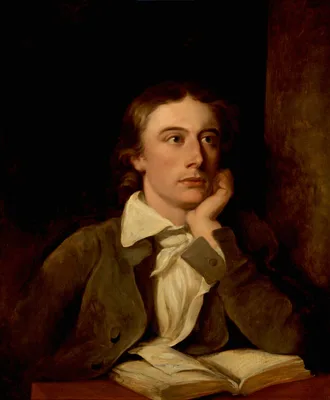
Keats was a pupil and dresser at Guy’s Hospital from 1815-16, and was licensed to practice upon completion of his studies. While struggling to launch his poetic career he was often tempted to practice medicine, …
1813 CE
#13214
Kaitai hatsumo [Explanation of Human Anatomy]. 5 vols.
The first Japanese exposition of the whole system of human anatomy, based on original observation. The work includes the records of three dissections performed in Kyoto in 1783, 1798, and 1802. “A Japanese treat…
1982 CE
#6610.16
La curieuse destinée des planches anatomiques de Gerard de Lairese, peintre en Hollande – Lairesse, Bidloo, Cowper.
1873 CE–1892 CE
#7473
La scienza e la pratica della anatomia patologica.
Divided into six parts, as follows: Book I: Delle alterazioni di prima formazione (on teratology) Book II: Delle ipertrofie Book III: Delle atrofie Book IV: Dell’infiammazione e della mortificazione Book V: Dei …
1575 CE
#284
Lectiones Gabrielis Falloppi de partibus similaribus humani corporis, ex diversis exemplari eus a Volchero Coiter summa cum diligentia collecta. His accessere diversorum animalium sceletorum explicationes iconibus artificiosis, et genuinis illustratae.
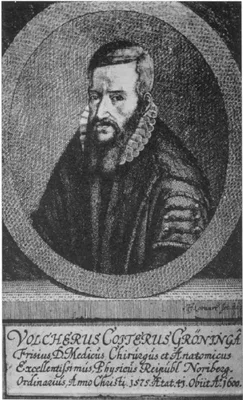
Coiter, a pupil of Fallopius and Eustachius, became town physician of Nuremberg. His book on comparative osteology, contained in his edition of the lectures of Fallopius, extended his studies begun in his work of 1572…
1961 CE
#7033
Lectures on the iconography of the Chirurgia of Vidus Vidius and the De dissectione of Estienne and Rivière. Given at the University of California Los Angeles October 1961
"Fifty copies of this collection of papers have beem printed for private circulation." Half title and cover title of the volume: Mannerism and Medical Illustration.
1952 CE
#366
Leonardo da Vinci on the human body. The anatomical, physiological, and embryological drawings of Leonardo da Vinci. With translations, emendations, and biographical introduction by Charles D. O'Malley and J. B. de C. M. Saunders.
Includes 215 plates.
1911 CE–1916 CE
#365
Leonardo da Vinci: Quaderni d’anatomia I-VI. Fogli della Royal Library di Windsor, pubblicati da Ove C.L. Vangensten, A. Fonahn, H. Hopstock. 6 vols.
Leonardo, “the greatest artist and scientist of the Italian Renaissance, was the founder of iconographic and physiologic anatomy” (Garrison). He made over 750 sketches of all the principal organs of the bo…
2011 CE
#10697
Leonardo da Vinci's anatomical world: Language, context and "disegno". Edited by Alessandro Nova and Domenico Laurenza.
1551 CE
#378.01
Libro de la anathomia del hombre.
The first Spanish anatomy book in the Spanish language, the second anatomy book ever published in Spain, and the work that introduced Vesalian illustrations to Spain. The text is a version of Henri de Mondeville&rsquo…
1991 CE
#10202
Max Brödel, The man who put art into medicine
In the late 1890s, Brödel was brought to the Johns Hopkins School of Medicine to illustrate for Harvey Cushing, William Halsted, Howard Kelly, and other notable clinicians. Besides creating a prolific amount of w…
2019 CE
#10777
Medicine and religion in the life of an Ottoman sheikh: Al-Damanhuri's "clear statement" on anatomy.
1541 CE
#373
Musculorum humani corporis picturata dissectio.
The first book in which each muscle was illustrated separately, with copper-plates of the bones and muscles of the upper limb from drawings by Girolamo da Carpi, which in realism and exactitude surpassed anything betw…
1793 CE–1835 CE
#11312
Museum anatomicum academiae Lugduno-Batavae. 4 vols.
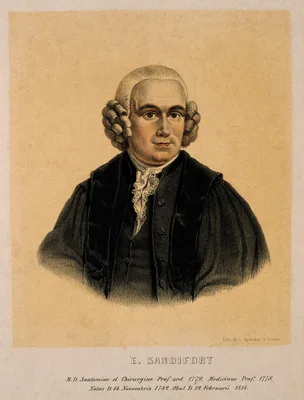
This work, complete in over 1000 pages, with hundreds of full page plates, was begun by Eduard Sandifort and completed 42 years later by his son Gerard. Many of the plates illustrate diseases of bone. Digital facsimil…
1828 CE
#10023
Myology, illustrated by plates.
This large folio work contains 8 hand-colored lithographed plates by F. R. Say, each with multiple lift-up flaps. It is probably the largest format anatomical work ever published in English with lift-up flaps, with up…
1724 CE
#392.1
Myotomia reformata.
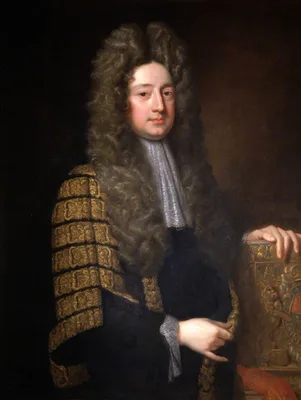
This work made a modest first appearance in 1694 as an octavo, but Cowper worked until his death on a new edition which was finally published posthumously under the supervision and at the expense of Richard Mead (1673…
1684 CE
#1379
Neurographia universalis.
Vieussens, professor at Montpellier, was the first to describe the centrum ovale correctly. The publication of the above work threw new light on the subject of the configuration and structure of the brain, spinal cord…
2000 CE
#7643
New atlas of human anatomy.
The first printed atlas of color computer images adapted from 3D images developed in the National Library of Medicine's Visible Human Project. Includes CD-ROM with 3D electronic images.
1817 CE
#12746
Nosologie naturelle, ou les maladies du corps humain distribuées par familles. Tome premier. (All published.)
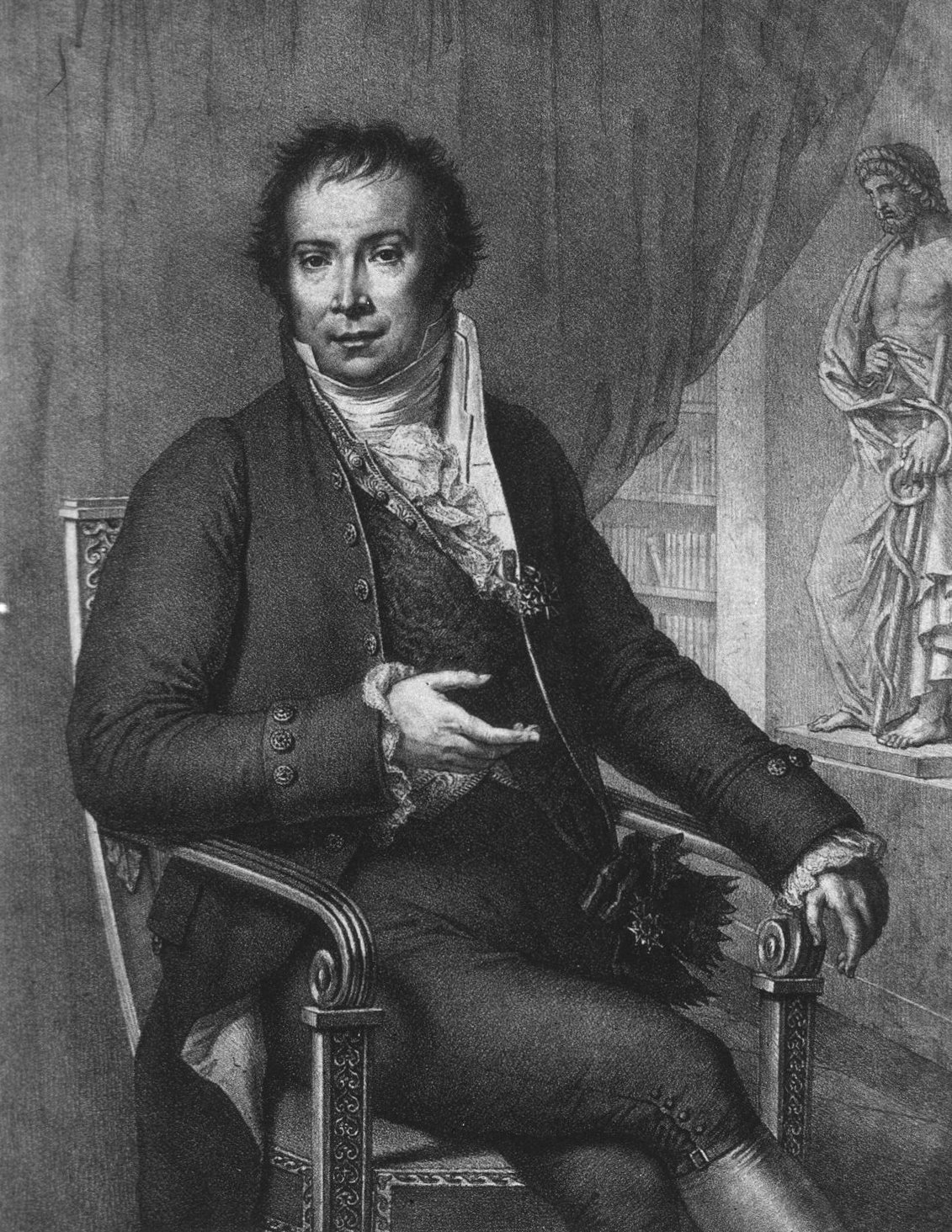
This unfinished work with 22 spectacular plates included some full body images of patients, and unlike other illustrated works by Alibert, it concerned more than skin diseases. Vol. 2 was never published but a second,…
1779 CE
#401.1
Nouveau recueil d’ostéologie et de myologie…
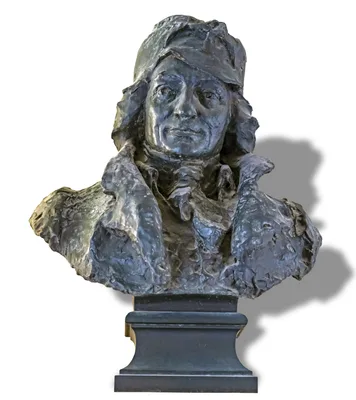
“Without contest the most beautiful of all anatomies for the artist and one of the most remarkable books of its time” (Hahn & Dumaitre). The plates in this work are more fantastic than any other anatomy, s…
1777 CE–1781 CE
#2278
Observationes anatomicae-pathologicae. 4 vols.
Sandifort’s beautifully illustrated work on pathological anatomy included records of ulcerative aortic endocarditis, renal calculi, hemias, bony ankyloses, and congenital abnormalities. A good account of the &ld…
1847 CE
#2434
Om spedalskhed. Udgivet efter Foranstaltning af den Kongelige Norske Regjerings Department for det Indre. 1 vol. and atlas.
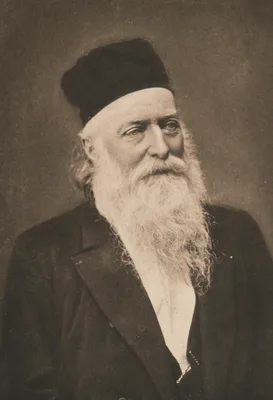
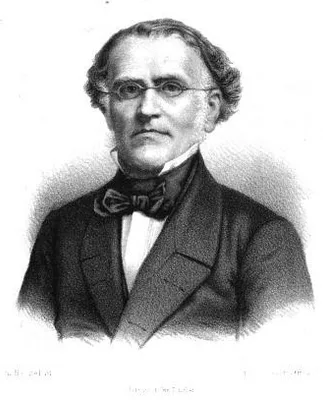
First modern description of leprosy (“Danielssen-Boeck disease’’). Danielssen, physician to the leprosy hospital at Bergen, was the founder of scientific leprology. The extremely rare Atlas consists …
1725 CE
#8095
Opera omnia anatomica & chirurgica. Edited by Herman Boerhaave and Bernhard Siegfried Albinus. 2 vols.
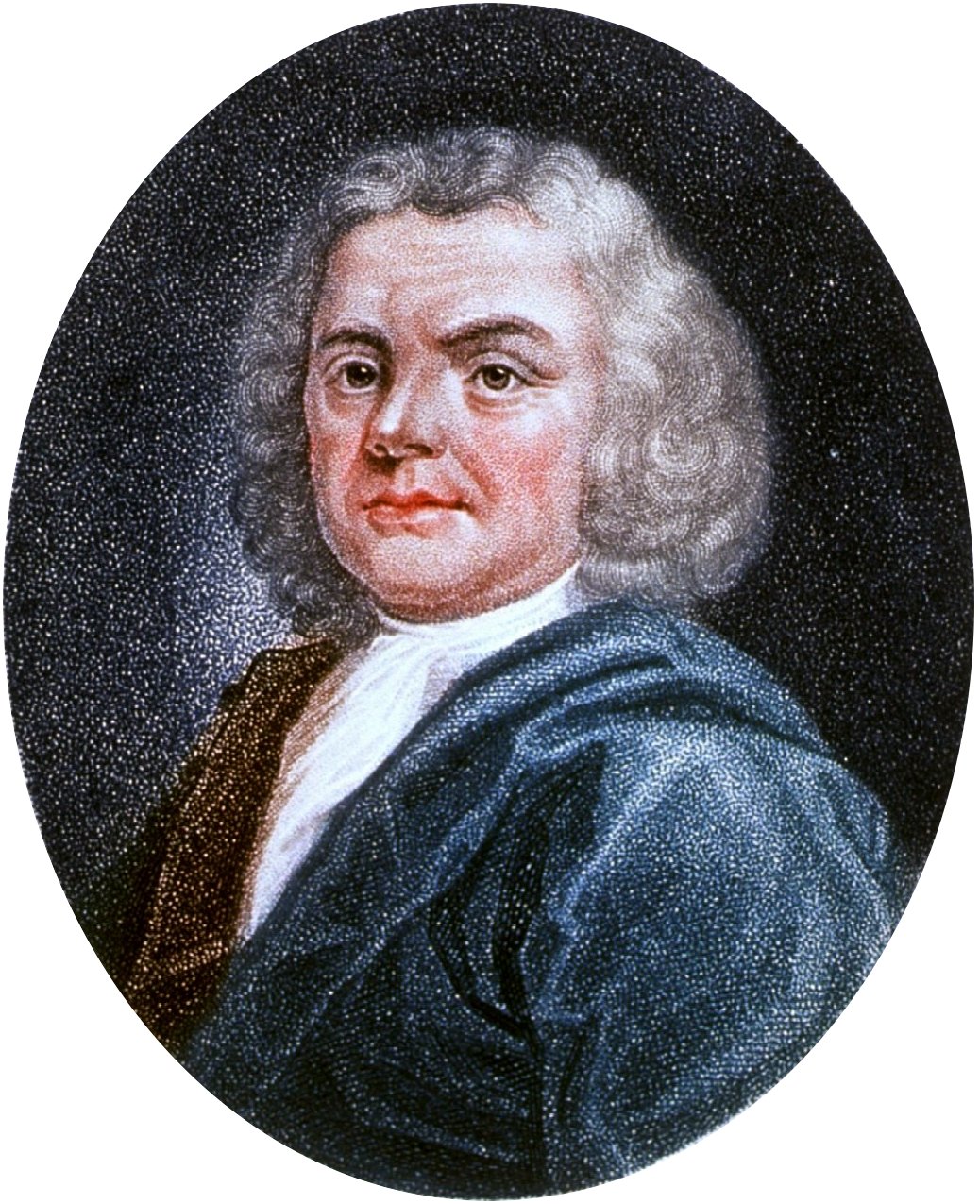
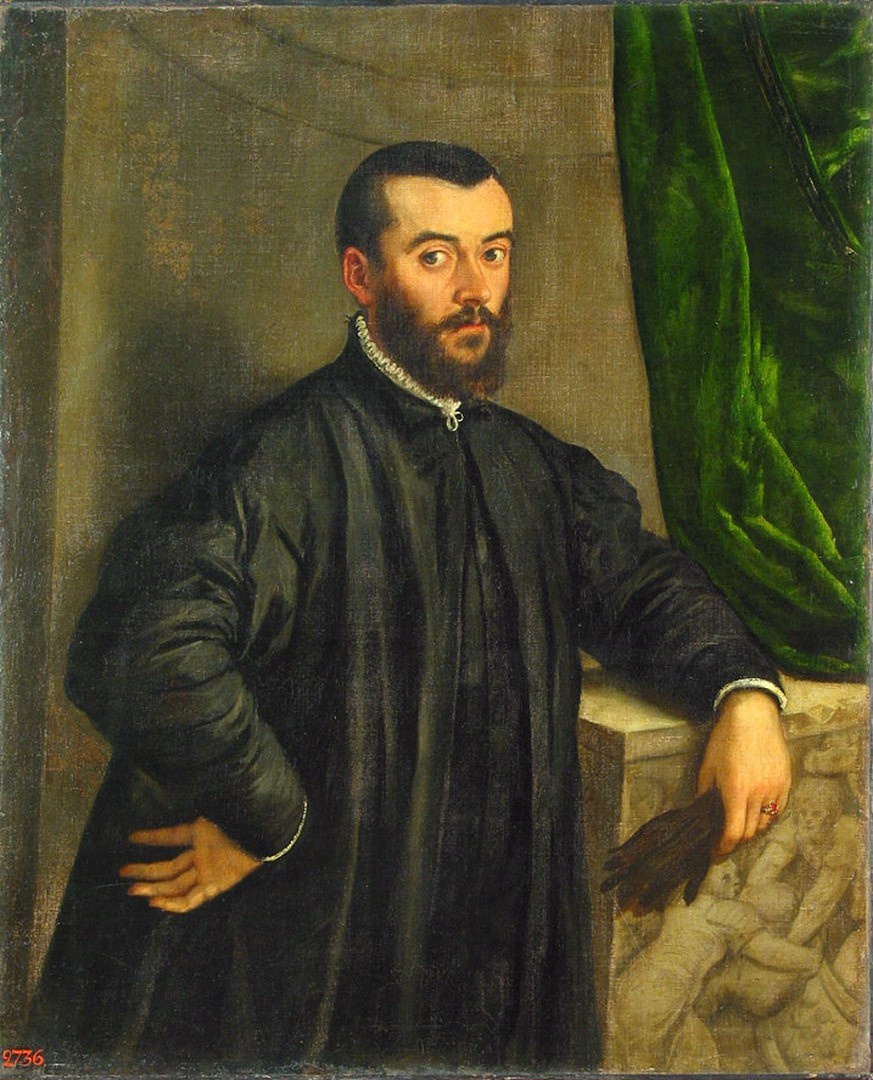
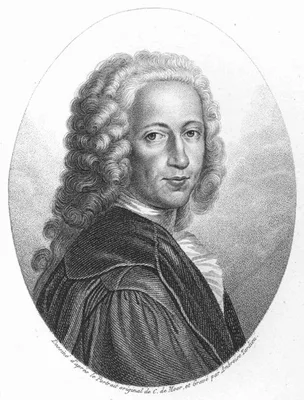
Vesalius's collected works with the famous woodcuts reproduced as copperplate engravings by Jan Wandelaar (1690-1759). Notably Boerhaave and Albinus had this edition published because Vesalius's works still had practi…
1645 CE
#61.2
Opera quae extant omnia. Ex recension Joh. Antonidae vander Linden.
Spieghel succeeded Casseri in the chair of anatomy at Padua. This edition of his collected writings contains the second printing of the 97 copperplates first printed in Casseri’s Tabulae anatomicae (No. 381) plu…
1563 CE–1564 CE
#1093
Opuscula anatomica.
Eustachius is credited with several anatomical discoveries, among them the tensor tympani muscle and the Eustachian tube, published in his chapter entitled De auditus organis. In the last respect, however, he was anti…
2017 CE
#8520
Osler Library Prints Collection.
http://digital.library.mcgill.ca/oslerprints/index.php "This varied collection of approximately 2,500 prints offers a fascinating look into the history of medicine through popular imagery. The medium of the print, bei…
1780 CE
#9547
Osteografia e miografia della testa, mani, e piedi del corpo umano in misura naturale con il catalogo de' nomi propri.
Very distinctive engravings with the captions included within the engraved surfaces. Printed and sold by the artist.
1733 CE
#395
Osteographia, or the anatomy of the bones.
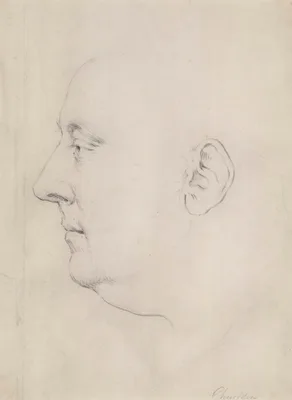
This splendidly designed and illustrated work contained full and accurate descriptions of all the human bones, as well as many of animals. Cheselden is the first person to have used the camera obscura to gain precisio…
1999 CE
#7546
Paper bodies: A catalogue of anatomical fugitive sheets 1538-1687. (Medical History, Supplement No. 19)
Describes bibliographically and illustrates the approximately 60 different surviving fugitive sheets together with essays on "The visual culture of Renaissance anatomy," "Anatomical fugitive sheets: Printing, prints a…
1499 CE
#363.2
Philosophie naturalis compendium.
The last section of this commentary on Aristotle is an illustrated summary of anatomy, the text of which was derived, with some modifications, from medieval manuscripts. The series of eleven woodcuts has been called &…
1839 CE
#10589
Physiognomice pathologica – Krankenphysiognomik. Text in quarto; atlas in folio with 72 hand-colored lithographs.
A second edition in octavo format with 80 small plates was published in 1842. Baumgärtner, a pupil of Friedrich Tiedemann and Leopold Gmelin at Heidelberg, taught that it was possible to make a correct diagnosis …
2012 CE
#8389
Picturing the book of nature: Image, text, and argument in sixteenth-century human anatomy and medical botany.
1823 CE–1826 CE
#7242
Planches anatomiques du corps humain executes d’après les dimensions naturelles. Double elephant folio atlas and small folio text.
Considering that it is among the rarest of all anatomies, and certainly the largest and probably the most spectacular, it is remarkable that two nearly identical editions of Mascagni’s posthumous life-size anato…
1886 CE
#427
Plastische Anatomie des menschlichen Körpers.
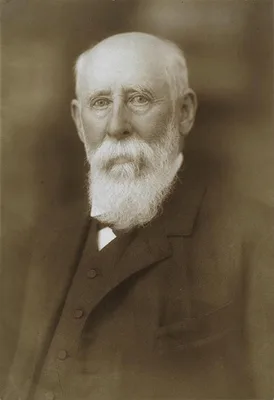
“Illustrated with lithographs from hand-drawings, photographs from the nude, ethnic studies of facial features…The text…is of unusual historic interest, and includes special chapters on the anatomy…
1924 CE
#13680
Plastische Anatomie: Die konstruktive Form des menschlichen Körpers. Mit Bildern von Hermann Sachs.
An anatomy for artists, illustrated by Hermann Sachs.
1834 CE
#2289
Principles and illustrations of morbid anatomy.
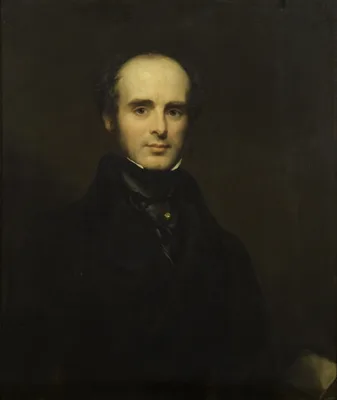
Hope left a fine pathological atlas with brilliantly hand-coloured lithographs from his own drawings. While the book does not equal the atlases of Cruveilhier and Carswell, it is important as being a great stimulus to…
2004 CE
#10560
Rappresentare il corpo: Art e anatomia da Leonardo all'illuminismo.
Extensive book (324 pages, many color plates) issued in connection with an exhibition held in Bologna, December 2004 to March 2005, celebrating the fourth centenary of Ulisse Aldrovandi. A much-condensed guide to the …
1827 CE–1831 CE
#2285
Reports of medical cases, selected with a view of illustrating the symptoms and cure of diseases by a reference to morbid anatomy. 2 vols. in 3.
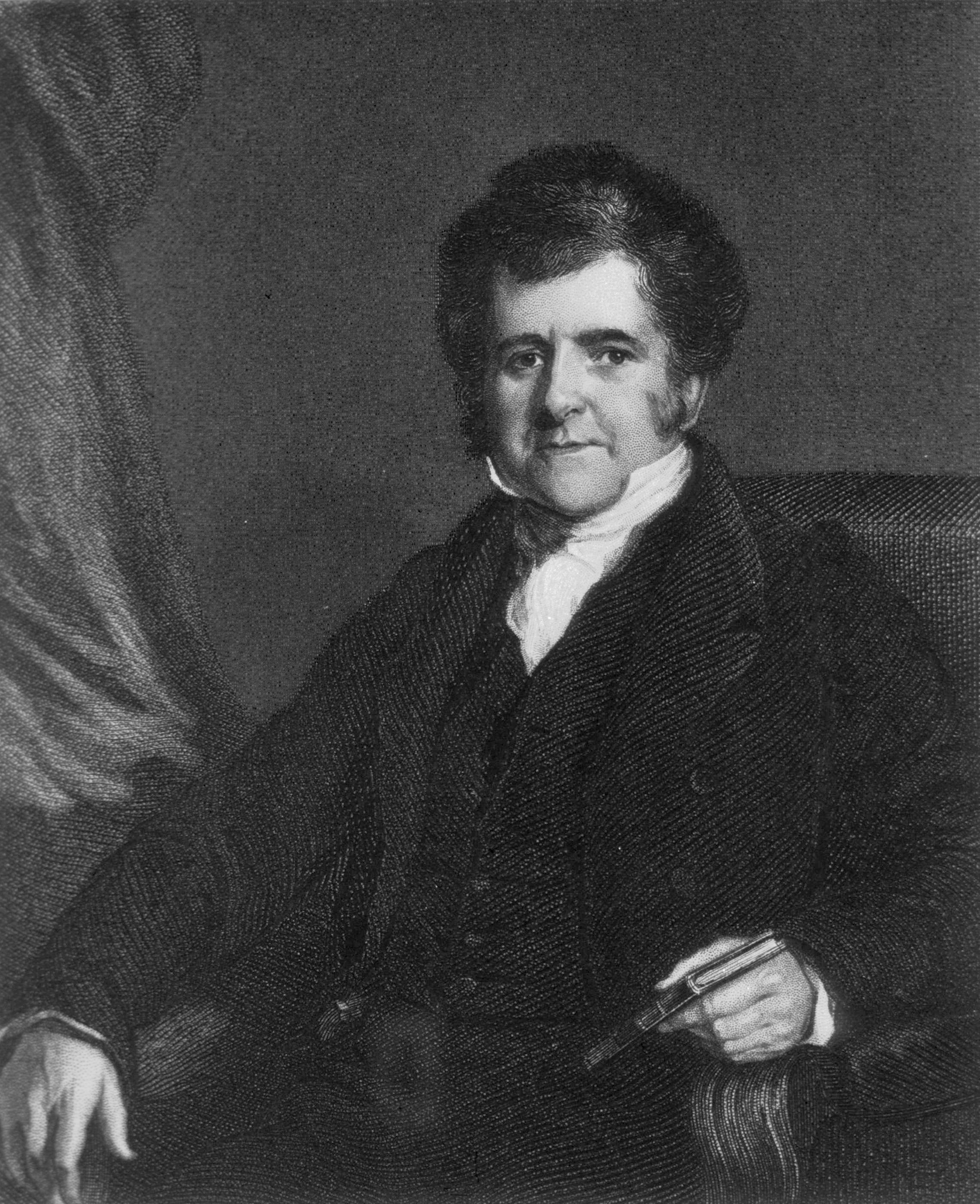
Beside's Bright's classic description of chronic non-suppurative nephritis, known eponymically as “Bright’s disease”, the Reports contain numerous other outstanding contributions to general pathology…
1828 CE
#1776.1
Researches into the causes, nature and treatment of the more prevalent diseases of India, and of warm climates generally. Illustrated with cases, post mortem examinations, and numerous coloured engravings of morbid structures. 2 vols.
A landmark in geographical pathology, superbly illustrated. Annesley’s cases, collected over many years’ service throughout India, represented the most complete treatment of diseases on the sub-continent t…
1848 CE–1851 CE
#7495
Selecta praxis medico-chirurgicae quam Mosquae exercet Alexander Auvert, ...Typis et figuris expressa Parisiis, moderante Ambroise Tardieu.
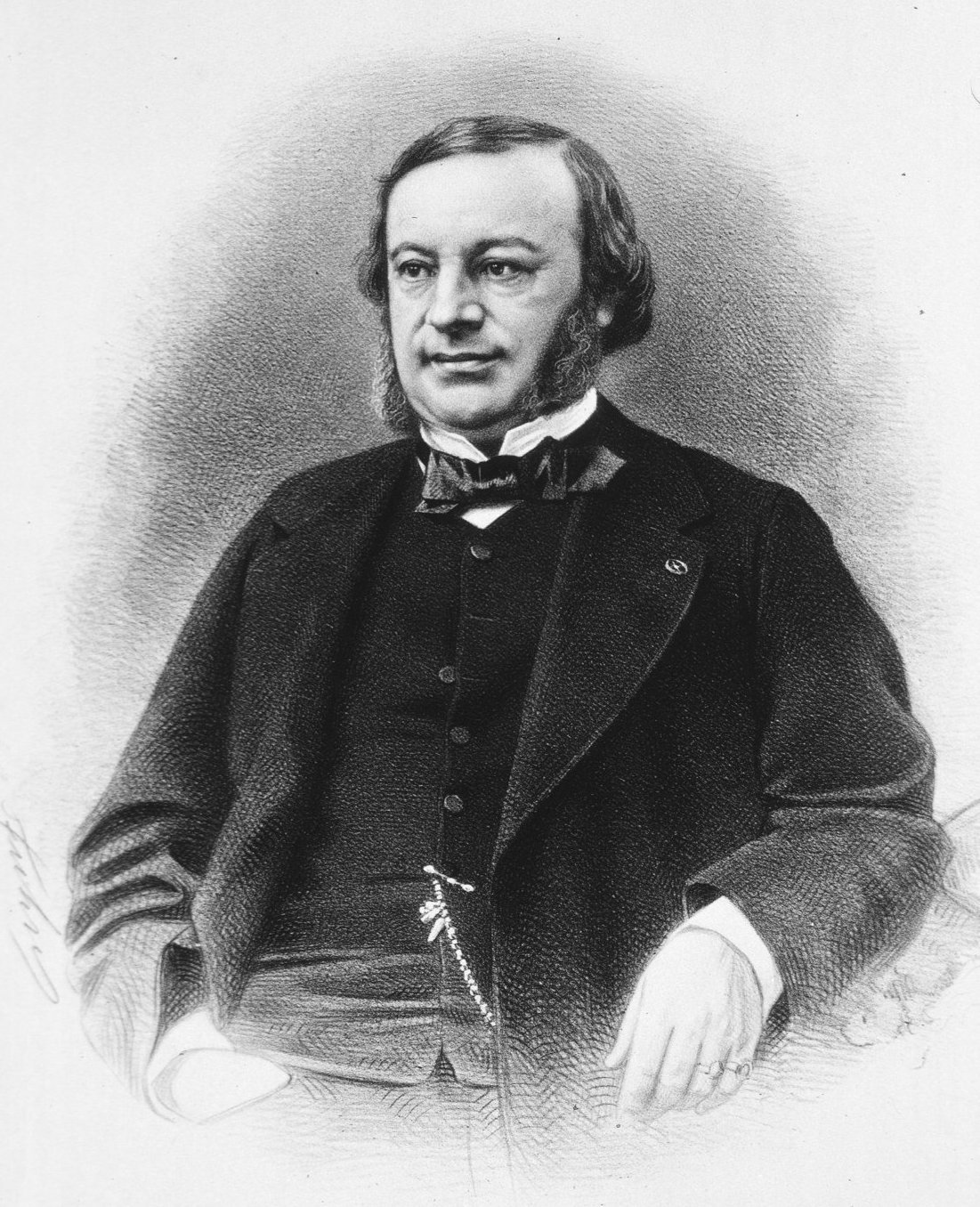
Auvert was professor in Moscow. This folio atlas includes 120 folio plates of pathology subjects, drawn by Schtschegoleff in Moscow. The text is in Latin throughout. The drawings were engraved in Paris by Oudet, print…
1775 CE
#399.1
Septemdecim tabulae…
Santorini died before the completion of these anatomical plates which he intended to be his chef d’oeuvre. This elegantly printed volume is the only significant medical book printed by the celebrated Giambattist…
2019 CE
#14012
Sir William Osler's Leonardo da Vinci collection: Flight, anatomy and art.
2000 CE
#8680