
Facets
Browse across eight MeSH (opens in new tab) facets — era, geography, science, specialty, technology, history, culture, and reference. Select one tag per group; counts update across the others.
Clear filtersFacet filters
Geography
Specialties & Disease
- Anatomy & Pathology 199
- Cardiology & Blood 9
- Neurology & Psychiatry 55
- Obstetrics & Reproductive 30
- Infectious Disease (General) 0
- Surgery & Anesthesia 22
- Public Health 30
- Immunology & Dermatology 19
- General Clinical Medicine 24
- Military Medicine 3
- Psychology 14
- Alternative & Fringe Medicine 27
- Pediatrics 5
- Ophthalmology & Vision 5
- ENT & Hearing 7
- Urology & Nephrology 7
- Gastroenterology & Hepatology 1
- Pulmonary & Respiratory 3
- Rheumatology, Rehab & Pain 2
- Internal, Emergency & Geriatric 0
- Veterinary Medicine 6
- Epidemiology & Demography 18
- Physiology & Embryology 17
- Dentistry 10
- Plagues & Epidemics 27
- Microbiology & Virology 1
Social & Historical Studies
Institutions & Culture
Reference & Scholarly Works
715 entries match Arts, Literature & Humanities [K01.090]
1910 CE
#12188
The faith that heals.
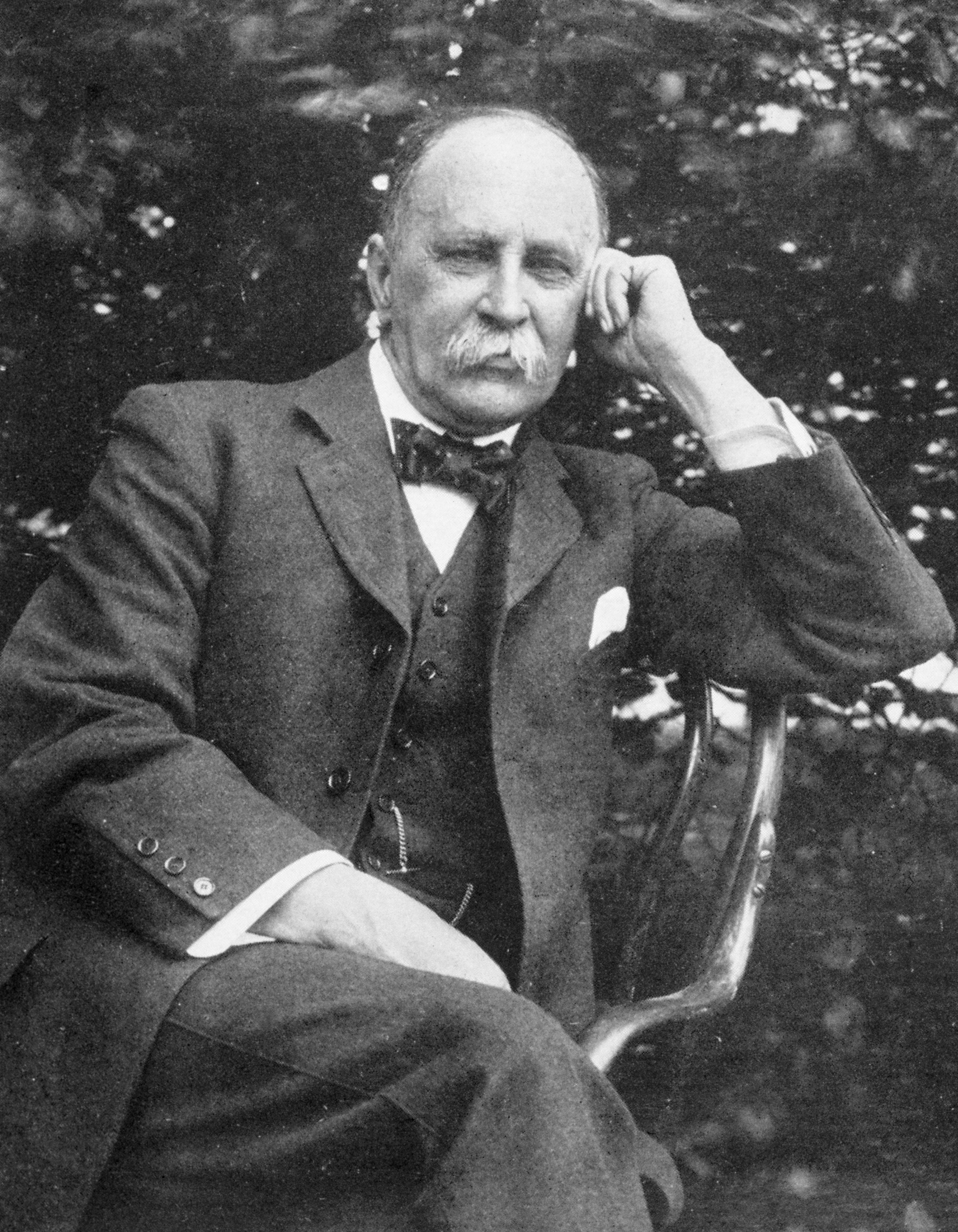
Perhaps Osler's most significant discussion of "faith" and faith healing. Digital facsimile from PubMedCentral at this link. The same journal issue also contains Clifford Albutt's "Reflections on faith healing," pp. 1…
1793 CE
#13897
The family adviser, or, a plain and modern practice of physic; calculated for the use of private families, and accommodated to the diseases of America
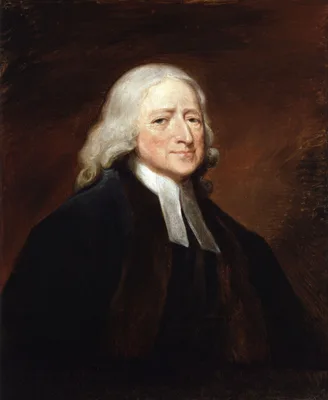
Wilkins' book intended for Methodists was issued with the 23rd edition of Wesley's work. Digital facsimile from wellcomecollection.org at this link.
1786 CE
#11534
The first American edition, An abridgement of the practice of midwifery: and a set of anatomical tables.
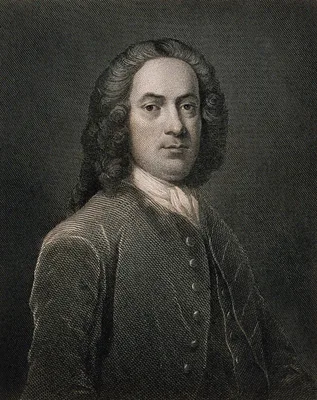
An abridgement of Smellie's obstetrical writings, with plates engraved by the editor and publisher, John Norman, was the first medical book with engraved illustrations published in North America, and also the first bo…
2000 CE
#8360
The four horsemen of the Apocalypse: Religion, war, famine and death in Reformation Europe.
1907 CE
#87
The fragments of Empedocles. Translated into English verse by William Ellergy Leonard.
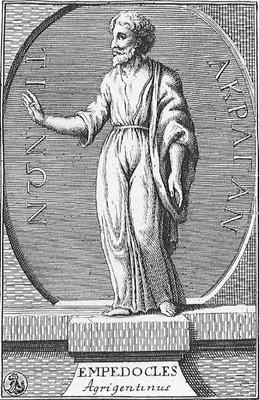
Empedocles was a Greek philosopher, statesman, physician and reformer. His poem on Nature originally ran to 5,000 lines, of which only 400 are now left. He believed in four ultimate elements—fire, air, water and…
2015 CE
#9818
The graphic medicine manifesto.

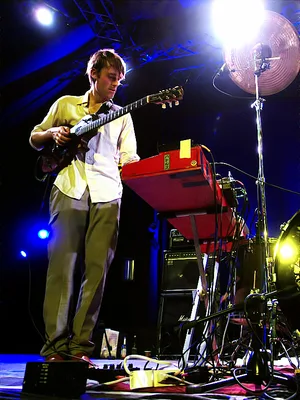
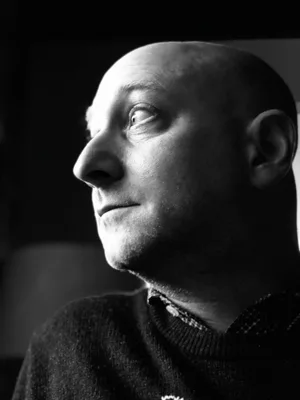

"...establishes the principles of graphic medicine and begins to map the field. The volume combines scholarly essays by members of the editorial team with previously unpublished visual narratives by Ian Williams and M…
1991 CE
#10409
The great American medicine show: Being an illustrated history of hucksters, healers, health evangelists and heroes from plymouth rock to the present.

1833 CE
#411.1
The hand: Its mechanism and vital endowments as evincing design.
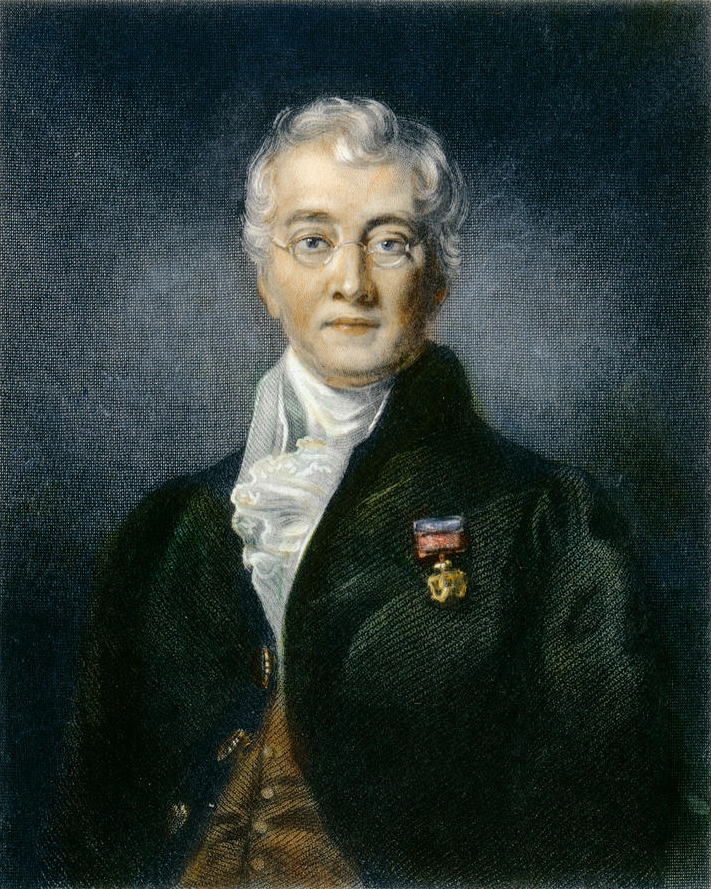
Classic work on the anatomy, physiology, bio-mechanics, comparative anatomy, and adaptive importance of the hand. Issued as a volume in a series entitled the "Bridgewater Treatises." The first edition has 288pp. An en…
1928 CE
#9943
The holy incense: A botanical, pharmacological, psychological and archaeological appreciation of the Bible.
1959 CE
#13256
The human body, what it is and how it works. Text by Mitchell Wilson. Illustrations by Cornelius De Witt. Arthur W. Seligmann, M.D., medical consultant.
A modern classic of medical illustration, and the popularization of medicine. The artist is best known for illustrating children's books.
2010 CE
#9397
The illustrated Interpretation of Dreams by Sigmund Freud. Edited with an introduction and essays by Jeffrey Moussaieff Mason.
Reprints selected portions of the 1913 A. A. Brill translation together essays by Masson and excerpts from Jung, Lacan, and Horney. Includes many full page or double-page color reproductions of works by modernist and …
1996 CE
#7493
The ingenious machine of nature: Four centuries of art and anatomy.
1919 CE
#10741
The journal of a disappointed man. With an introduction by H. G. Wells.
Published under the pseudonym, Wilhelm Nero Pilate Barbellion. "Cummings' life changed forever when he was called to enlist in the British Army to fight in World War I in November 1915. He had consulted his doctor bef…
1906 CE
#12739
The jungle.
Sinclair wrote The jungle to portray the harsh conditions and exploited lives of immigrants in the United States in Chicago and other industrialized cities. His primary purpose in describing the meat industry and its …
2007 CE
#9425
The legacy of Harvey Cushing: Profiles of patient care. Edited by Aaron A. Cohen-Gadol and Dennis D. Spencer.
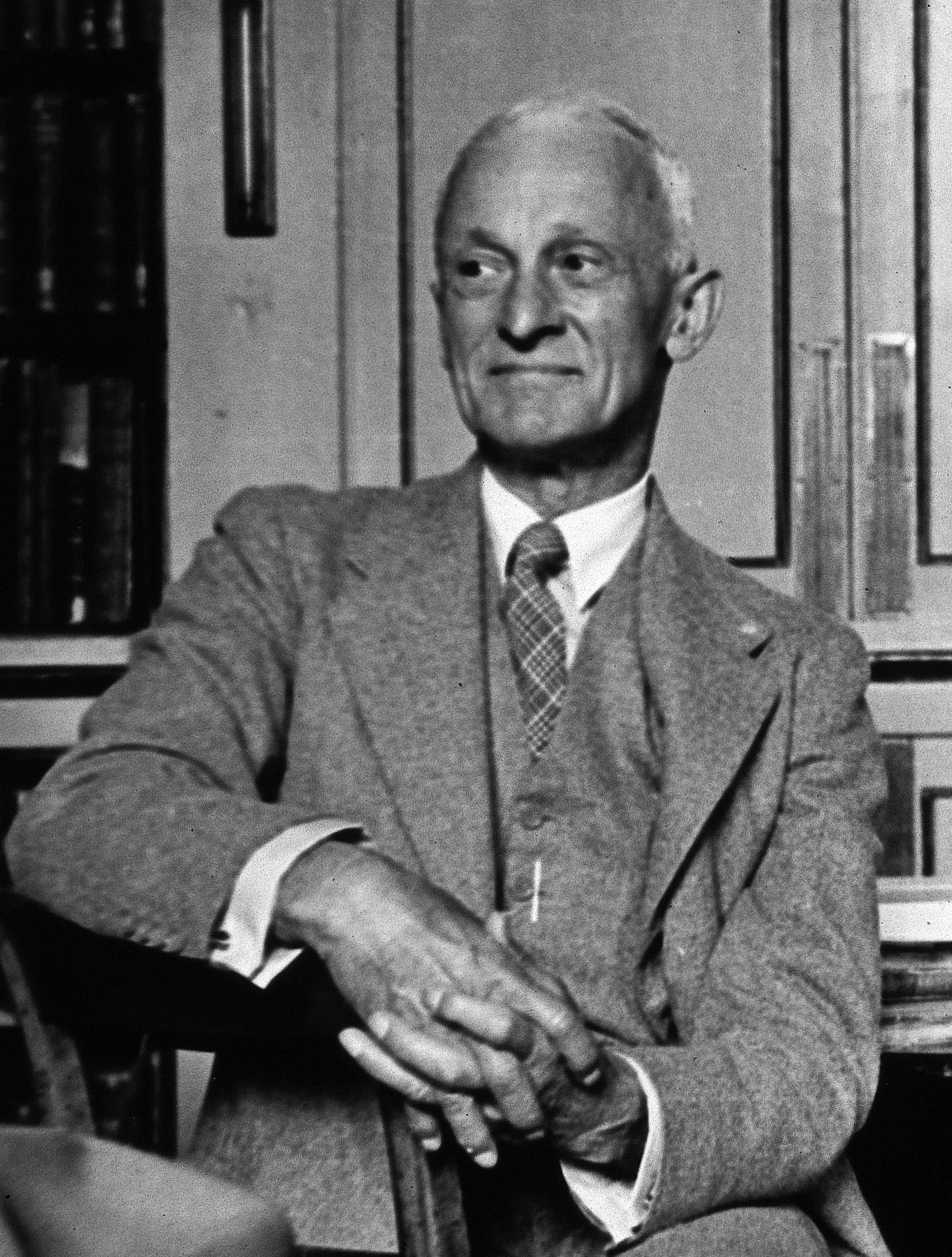
"... features 800 of Cushing's surgical drawings and photographs of patients and tumor specimens. Preserved untouched for sixty years in the Yale University Library, the images provide the earliest catalog of neurolog…
1867 CE
#5001
The mad folk of Shakespeare. 2nd ed.
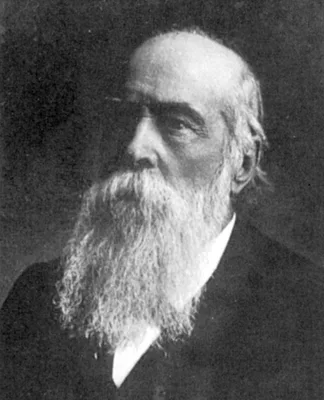
First published as The psychology of Shakespeare, London, 1859.
2008 CE
#13166
The making of Mr. Gray's Anatomy: Bodies, books, fortune, fame.
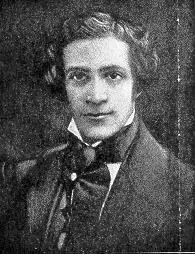
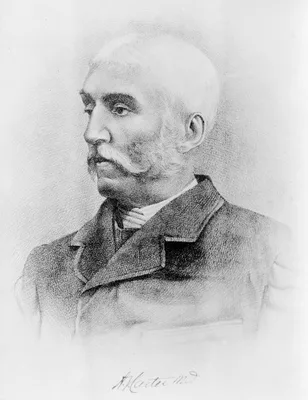

An exhaustive account of the creation, production, distribution and influence of this classic.
1985 CE
#9133
The man who mistook his wife of a hat and other clinical tales.
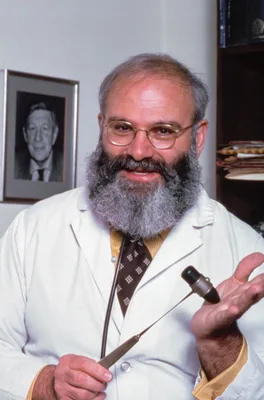
Describes the case histories of some of Sacks's patients. The title comes from the case study of a man with visual agnosia.[1] The book "became the basis of an opera of the same name by Michael Nyman, which premiered …
2000 CE
#9094
The measure of multitude: Population in medieval thought.
Chapters 6-8 cover "Avoidance of offspring" or aspects of contraception.
2018 CE
#10525
The medical imagination: Literature and health in the early United States.
"... During the eighteenth and nineteenth centuries, doctors understood the imagination to be directly connected to health, intimately involved in healing, and central to medical discovery. In fact, for physicians and…
1860 CE
#6615
The medical knowledge of Shakespeare.
1986 CE
#6623.51
The medical mind of Shakespeare.
2015 CE
#9476
The medieval Islamic hospital: Medicine, religion, charity.
Focuses on Egyptian and Levantine institutions of the twelfth to fourteenth centuries.
1826 CE
#2284.1
The morbid anatomy of the human brain.
Based on over 4000 autopsies performed over 30 years, and illustrated with fine hand-colored plates.
2006 CE
#11650
The neurologic content of S. Weir Mitchell’s fiction.
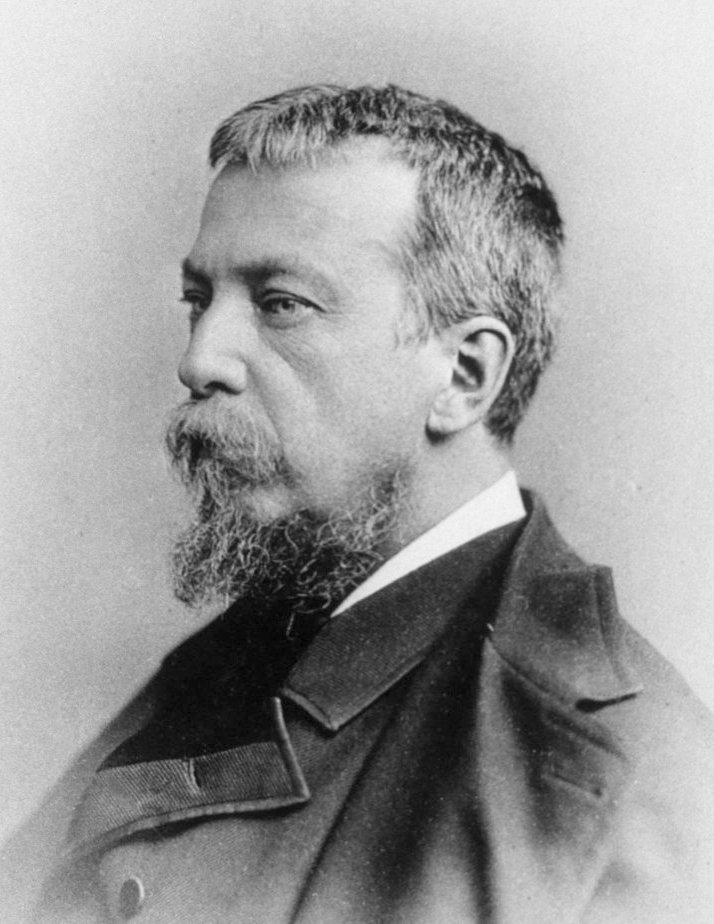
Digital facsimile from semanticscholar.org at this link.
c. 900 CE
#6817
The Nicetas codex.
The earliest surviving illustrated surgical codex was written and illuminated in Constantinople for the Byzantine physician Niketas (Nicetas) about 900 CE. It contains 30 full-page images illustrating the commentary o…
1938 CE
#94
The notebooks of Leonardo da Vinci. Arranged, rendered into English and introduced by Edward MacCurdy. 2 vols.
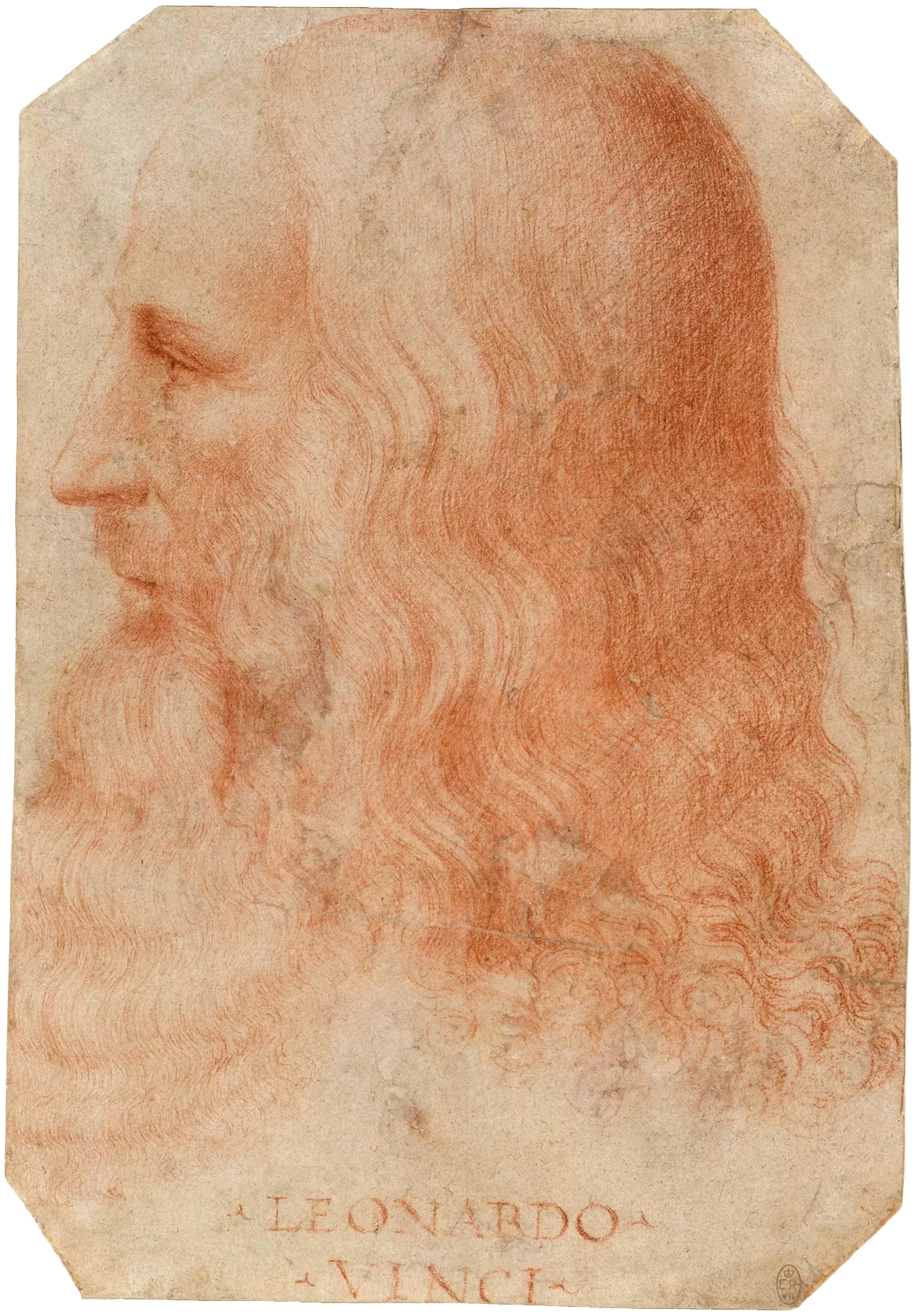
2nd edition, 1956 (reprinted London, Cape, 1977).
1910 CE
#9992
The Oedipus-complex as an explanation of Hamlet's mystery: A study in motive.
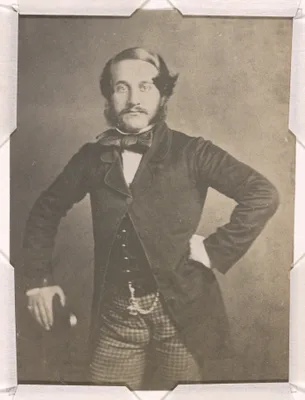
Jones developed this thesis based on Freud's comments on the play, as expressed to Wilhelm Fliess in 1897,[2] before Freud published the ideas in Chapter V of The Interpretation of Dreams (1900). Jones later developed…
1919 CE
#13372
The old humanities and the new science. An address before the Classical Association, Oxford, May 16th, 1919.
"Osler became a 'despairing optimist' after World War I, in which he lost his son. He closed his last public address, given in May 1919 on “The Old Humanities and the New Science,” with the hope that throu…
1897 CE
#11875
The origin of disease, especially of disease resulting from intrinsic as opposed to extrinsic causes. With chapters on diagnosis, prognosis and treatment. With one hundred and thirty-seven original illustrations.
The most valuable features of this work are the exceptionally fine and delicate histologic illustrations engraved on steel and printed on thick paper to eliminate show-through. Each image is faced with detailed explan…
1871 CE
#13216
The ornithology of Shakespeare. Critically examined, explained, and illustrated.
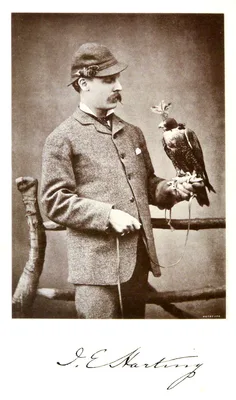
Digital facsimile from Google Books at this link.
1841 CE
#13521
The pathology of drunkeness, or the effects of alcoholic drinks with drawings of the drunkard's stomach.
Including four chromolithographed plates by J. H. Hall, Albany, N.Y., this is the earliest illustrated book published in the U.S. on the pathological effects of alcoholism. Digital facsimile from the U.S. National Lib…
1951 CE
#6742
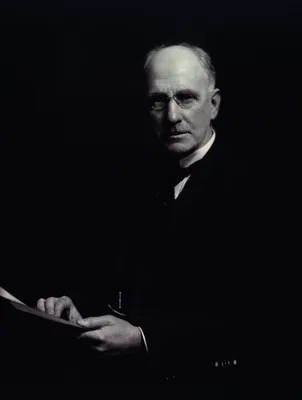
The physician as man of letters, science and action. 2nd ed.
1982 CE
#10816
The physician in literature, edited by Norman Cousins.
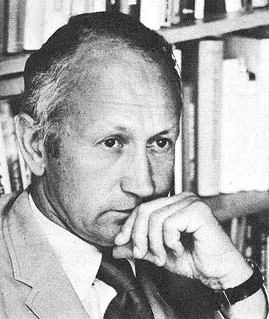
Sections are devoted to research and serendipity, the role of the physician, quacks and clowns, clinical descriptions in literature, doctors and students, the practice, women and healing, madness, dying, and the patie…
1931 CE
#9449
The physician of the Dance of Death: A historical study of the evolution of the dance of death mythus in art.
"Reprinted with additions and corrections from Annals of medical history (n. s., vol. II, nos. 4, 5, 6, 1930, and vol. III, nos. 1, 2, 1931)."
1991 CE
#9311
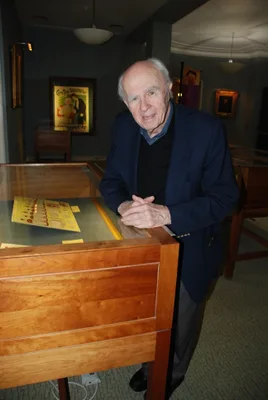
The picture of health: Images of medicine and pharmacy from the William H. Helfand collection. Commentaries by William H. Helfand. Essays by Patricia Eckert Boyer, Judith Wechsler, and Maurice Rickards.

1927 CE
#5142
The plague in Shakespeare’s London.
1984 CE
#8411
The poet-physician: Keats and medical science.
For the edition of John Keats' medical and physiological notebook see No. 6622.1.
1943 CE
#11259
The psychiatric novels of Oliver Wendell Holmes
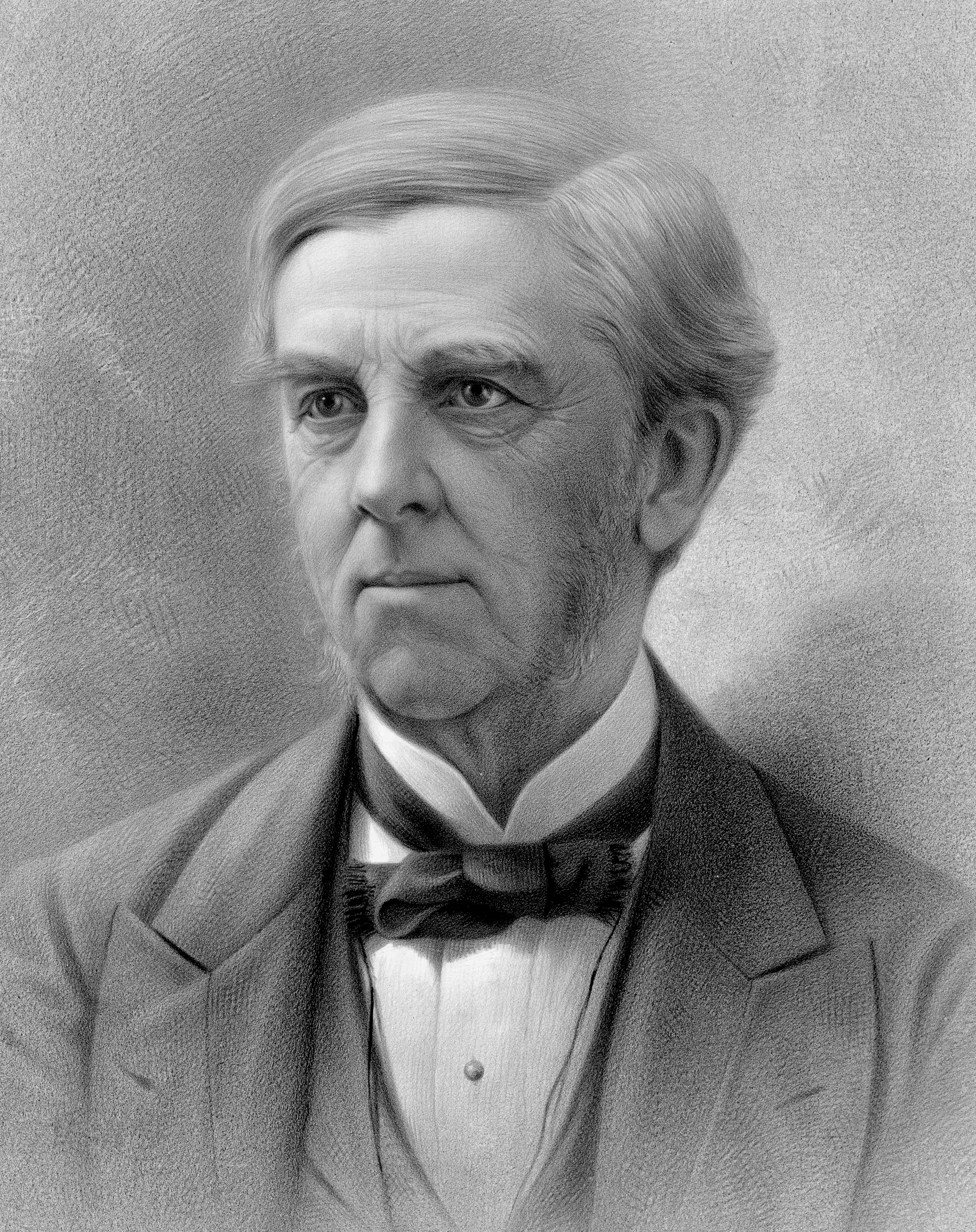
A classically trained Freudian psychoanalyst reviewed the psychiatric insights - advanced for his time - that Holmes expressed in his novels.
1909 CE
#6645
The relation of medicine to philosophy.
2017 CE
#10305
The religion of chiropractic: Populist healing from America's heartland.
1967 CE
#6610.5
The rod and serpent of Asklepios: Symbol of medicine.
1967 CE
#12677
The role of the Nestorians and Muslims in the history of medicine.
1964 CE
#6610.3
The Royal College of Physicians of London: Portraits.
Descriptions of the portraits by D. Piper. Wolstenholme and J.F. Kerslake edited Vol. 2 of the study, with essays by R. Ekkart and D. Piper, Oxford, Elsevier, 1977.
2020 CE
#13774
The science of starving in Victorian literature, medicine, and political economy.
1925 CE
#11264
The scientific man and the bible: A personal testimony.
2007 CE
#10815
The sickroom in Victorian fiction: The art of being ill.
2017 CE
#12851
The smile revolution in eighteenth century Paris.
1801 CE
#8148
The statistical breviary; shewing, on a principle entirely new, the resources of every state and kingdom in Europe; illustrated with stained copperplate charts, representing the physical powers of each distinct nation with ease and perspicuity. To which is added, a similar exhibition of the ruling powers of Hindoostan.
In this work Playfair invented the pie chart. It has also been suggested that Playfair, often short of funds, may have colored the charts in all the copies himself—the process he characterized as "staining" in t…
1999 CE
#8722
The surgeon's stage: A history of the operating room.
Perhaps the only book on this special subject; numerous illustrations, mostly in color.