
Facets
Browse across eight MeSH (opens in new tab) facets — era, geography, science, specialty, technology, history, culture, and reference. Select one tag per group; counts update across the others.
Clear filtersFacet filters
Geography
Specialties & Disease
- Anatomy & Pathology 8
- Cardiology & Blood 23
- Neurology & Psychiatry 32
- Obstetrics & Reproductive 50
- Infectious Disease (General) 6
- Surgery & Anesthesia 15
- Public Health 64
- Immunology & Dermatology 57
- General Clinical Medicine 38
- Military Medicine 33
- Psychology 2
- Alternative & Fringe Medicine 14
- Pediatrics 20
- Ophthalmology & Vision 6
- ENT & Hearing 2
- Urology & Nephrology 2
- Gastroenterology & Hepatology 2
- Pulmonary & Respiratory 3
- Rheumatology, Rehab & Pain 4
- Internal, Emergency & Geriatric 3
- Veterinary Medicine 9
- Epidemiology & Demography 9
- Physiology & Embryology 33
- Dentistry 2
- Plagues & Epidemics 60
- Microbiology & Virology 70
Social & Historical Studies
Institutions & Culture
Reference & Scholarly Works
Drugs & Technology
33 entries match Physiology & Embryology [G07 / G02.149] · Women & Gender [K01.700.500]
1983 CE
#6996
Isolation of a T-lymphotropic retrovirus from a patient at risk for acquired immune deficiency syndrome (AIDS).
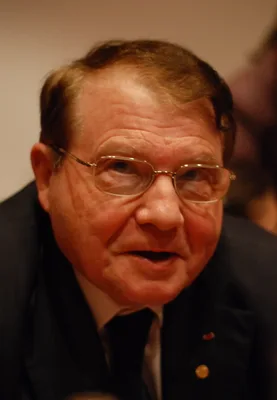
Isolation of the human immunodeficiency virus (HIV-1). In 2008 Barré-Sinoussi and Montagnier shared half of the Nobel Prize in Physiology and Medicine "for their discovery of human immunodeficiency virus." The …
1989 CE
#11198
A bibliography of the writings of Dr. William Harvey 1578-1657. Third edition, revised by Gweneth Whitteridge and Christine English.
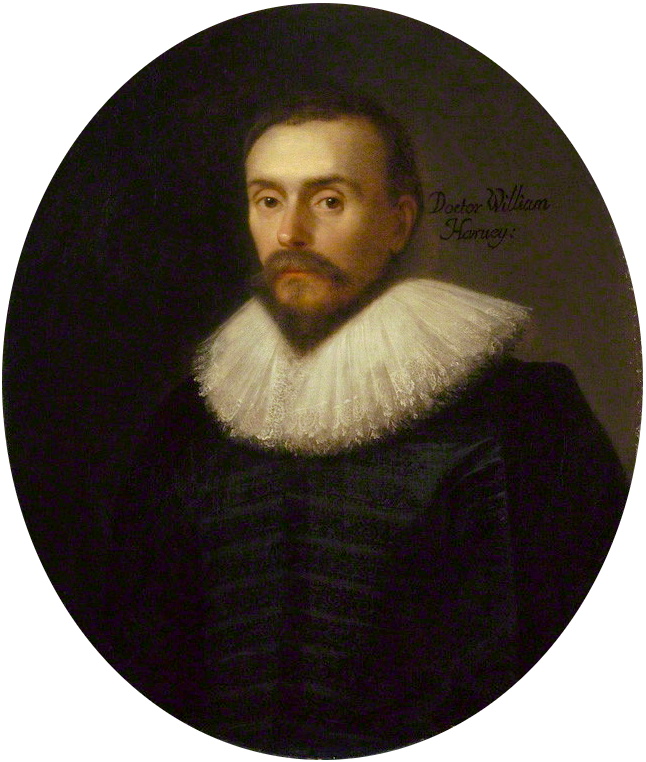
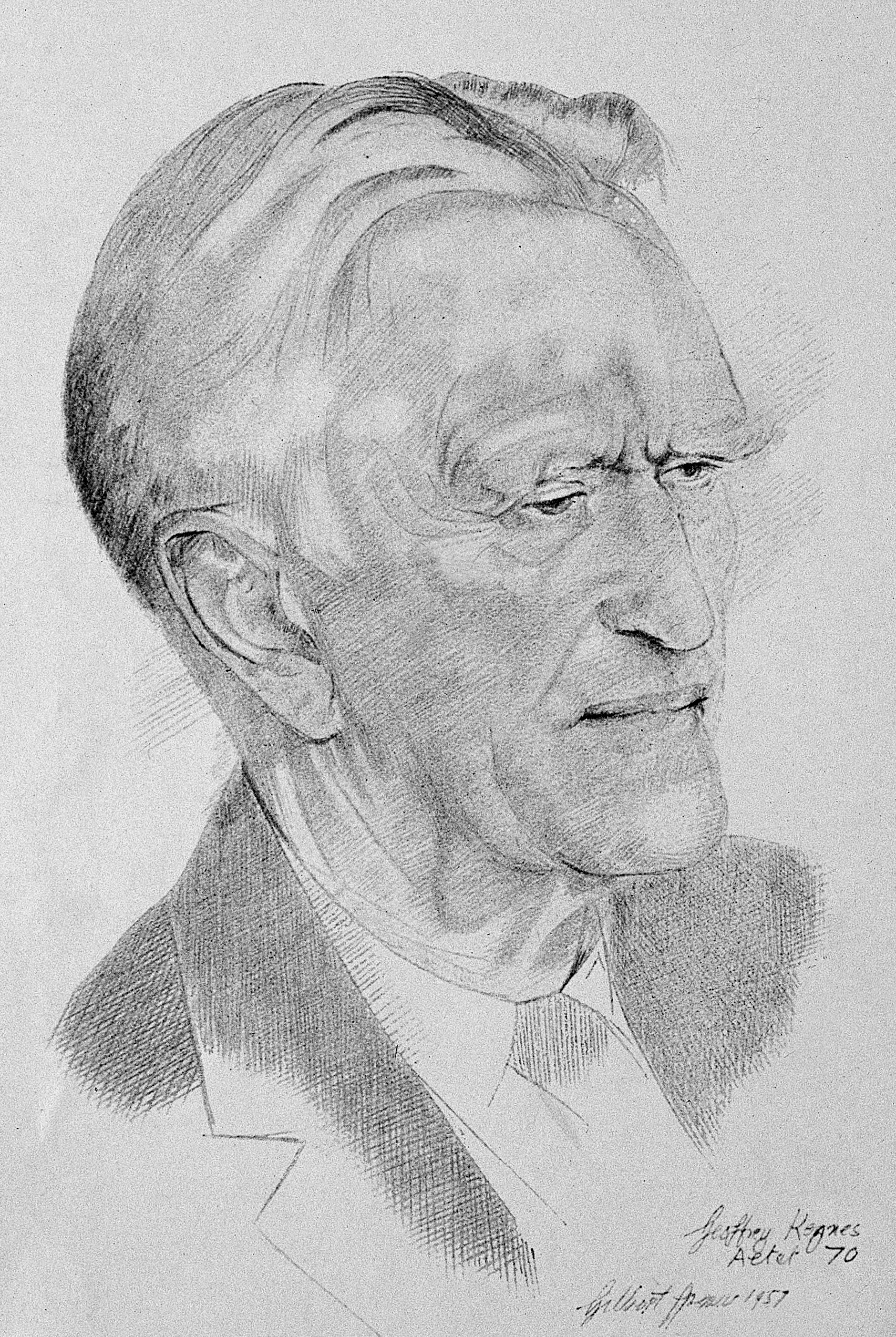
This is the definitive edition of a bibliography first published by Sir Geoffrey Keynes in 1928 on the three hundredth anniversary of De motu cordis, and revised by him for a second edition in 1953. It contains a new …
1983 CE–1988 CE
#1588.19
A history of neurophysiology in the 17th and 18th centuries. From concept to experiment. A history of neurophysiology in the 19th century. 2 vols.
1991 CE
#13930
A novel multigene family may encode odorant receptors: A molecular basis for odor recognition.
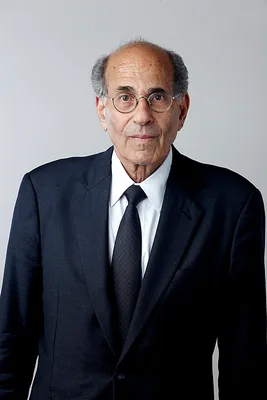
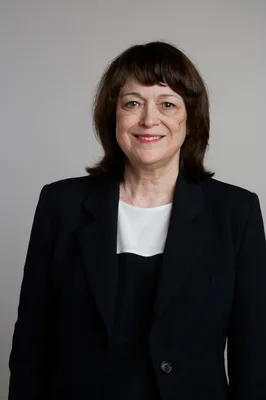
"In their landmark paper published in 1991, Buck and Axel cloned olfactory receptors, showing that they belong to the family of G protein coupled receptors. By analyzing rat DNA, they estimated that there were approxi…
1846 CE
#11734
A treatise on the motive powers which produce the circulation of the blood.
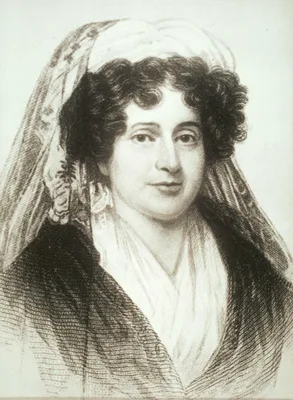
The author was an American women's rights activist and educator rather than a physician or physiologist. Digital facsimile from U.S. National Library of Medicine at this link.
1937 CE
#1925
Action protectrice des éthers phénoliques au cours de l’intoxication histaminique.
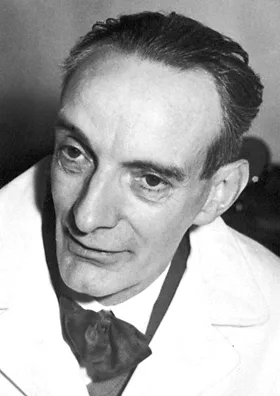
First description of structure and action of an antihistamine. In 1957 Bovet was awarded the Nobel Prize in Physiology or Medicine “for his discoveries relating to synthetic compounds that inhibit the action of …
1977 CE
#11043
An amazing sequence arrangement at the 5' ends of adenovirus 2 messenger RNA.
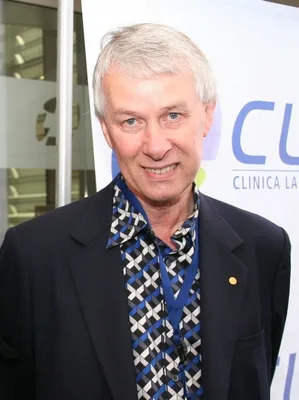
Discovery of introns. In 1993 Roberts shared the Nobel Prize in Physiology or Medicine with Phillip A. Sharp "for their discoveries of split genes." It was frequently suggested that Chow deserved a share of that prize…
1901 CE
#11180
An atlas of the medulla and midbrain: A laboratory manual.
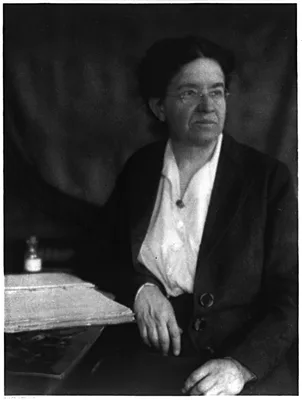
1950 CE
#5016
Bibliography of electroencephalography, 1875-1948. Electroencephalography and Clinical Neurophysiology, Suppl. No. 1
Covers both normal and disease states. Suppl. No. 23 (1964), ed. M. Fink, covers the period 1951-62.
1925 CE
#3139
Blood regeneration in severe anaemia. II. Favourable influence of liver, heart and skeletal muscle in diet.
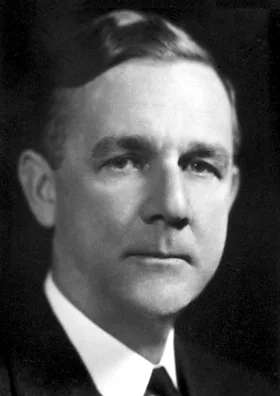
These workers showed the beneficial effect of raw beef liver upon blood regeneration in anemia. Their work paved the way for the liver diet treatment of Minot and Murphy. In 1934 Whipple shared the Nobel Prize in Phys…
1937 CE
#5987
Developmental abnormalities of the eye.
1987 CE
#11182
Developmental stages in human embryos. Including a revision of Streeter's "Horizons" and a survey of the Carnegie Collection.
Digital facsimile from embyrology.med.unsw.edu at this link .
1968 CE
#9097
Galen on the usefulness of the parts of the body. De usu partium. Translated from the Greek with an introduction and commentary by Margaret Tallmadge May. 2 vols.
![GALEN, [Κλαύδιος Γαληνός; Galen of Pergamon] (129 – 216)](/media/portraits/21)
1985 CE
#8388
Identification of a specific telomere terminal transferase activity in Tetrahymena extracts.
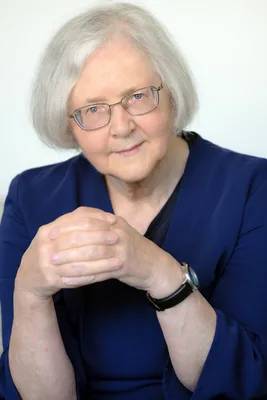
Blackburn and Grieder discovered telomerase in the ciliate Tetrahymena. In 2009 Blackburn and Grieder shared the Nobel Prize in Physiology or Medicine with Jack W. Szostak "for the discovery of how chromosomes are pro…
1960 CE
#2578.28
Immunosassay of endogenous plasma insulin in man.
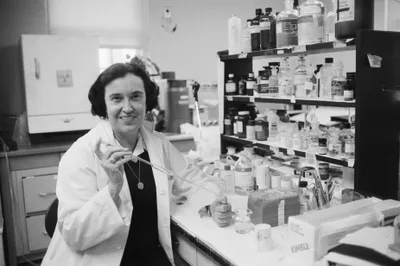
First radioimmunoassay of a hormone, a test capable of estimating nonogram or even picogram quantities. In 1977 Yalow received half of the Nobel Prize in Physiology or Medicine "for the development of radioimmunoassay…
1944 CE
#532.1
In vitro ferilization and cleavage of human ovarian eggs.
First in vitro fertilization of human eggs.
1952 CE
#256
Independent functions of viral protein and nucleic acid in growth of bacteriophage.
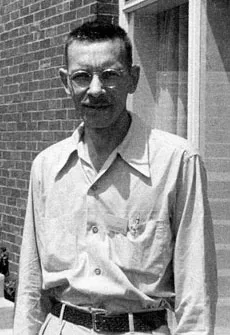
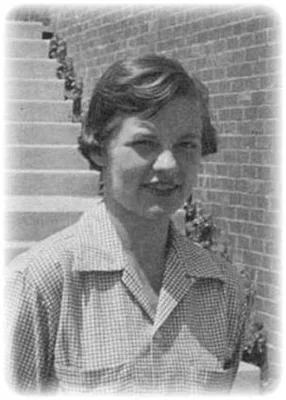
DNA shown to be the carrier of genetic information in virus reproduction. In 1969 Hershey shared the Nobel Prize in Physiology or Medicine with S. E. Luria and M. Delbrück for "for their discoveries concerning th…
2017 CE
#10754
Infertility in early modern England.
1972 CE
#1588.11
Machina carnis: the biochemistry of muscular contraction in its historical development.
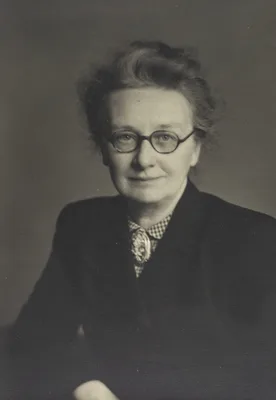
A definitive history of the development of knowledge on muscle biochemistry; valuable bibliography.
1953 CE
#11200
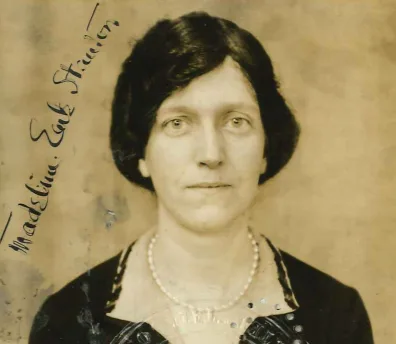
Michael Servetus, humanist and martyr. With a bibliography of his works
1977 CE
#11044
Spliced segments at the 5' terminus of adenovirus 2 late mRNA.

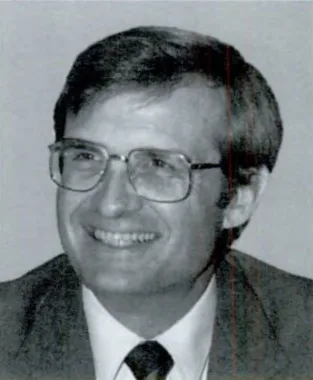
Discovery of introns simultaneously with Roberts, Chow, Broker (No. 11043). Sharp's electron microscopist, Berget, visualized the introns in the electron microscope. James D. Watson took note of the profound significa…
1944 CE
#1935
Streptomycin, a substance exhibiting antibiotic activity against Grampositive and Gram-negative bacteria.
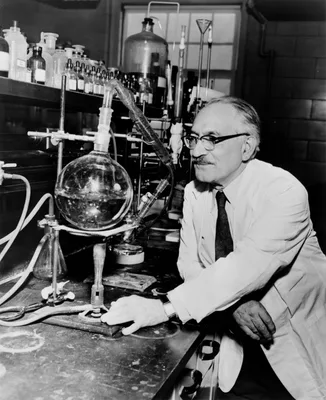
Introduction of streptomycin. Order of authorship: Schatz, Gregory, Waksman. In 1952 Waksman was awarded the Nobel Prize in Physiology or Medicine "for ingenious, systematic, and successful studies of the soil microbe…
1952 CE
#3108.2
Studies on condensed pyrimidine system. IX. The synthesis of some 6-substituted purines.
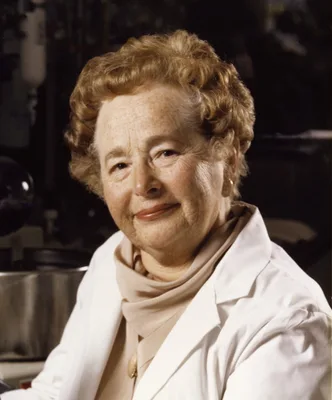
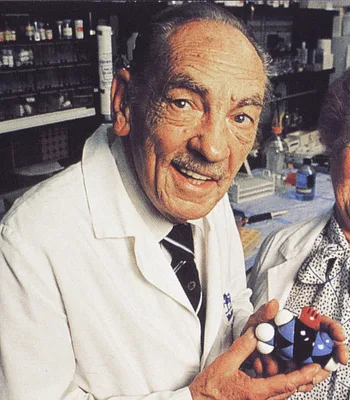
Synthesis of 6-mercaptopurine. In 1988 Gertrude Elion shared the Nobel Prize in Physiology or Medicine with George Hitchings and Sir James Black “for their discoveries of important principles for drug treatment.…
2005 CE
#13622
Suppression of RNA recognition by toll-like receptors: The impact of nucleoside modification and the evolutionary origin of RNA.
Karikó and Weissman discovered the nucleoside modifications that suppress the immungenicity of RNA, leading to their patents for the application of non-immunogenic, nucleoside-modified RNA (modRNA). This techno…
1927 CE
#1528
The action of light on the eye.
On the electrical discharges from the vertebrate optic nerve.
1928 CE
#7392
The development of the human eye.
The first monograph on the subject, illustrated with drawings by the author.
1994 CE
#11177
The embryonic human brain: An atlas of developmental stages.
"The first work devoted to the staged, embryonic human brain."
1929 CE
#566.1
The growth, development and phosphatase activity of embryonic avian femora in limb-buds cultivated in vitro.
First modern organ cultures.
1966 CE
#1588.3
The history of cell respiration and cytochrome
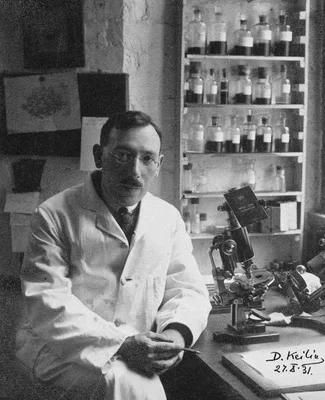
See No. 968.
1950 CE
#12063
The origin and behavior of mutable loci in maize.
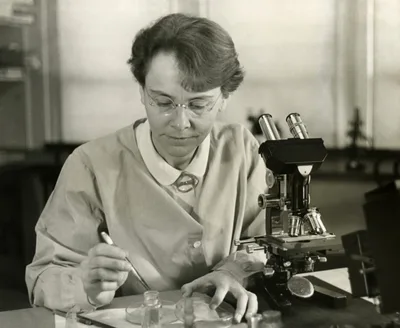
"In the summer of 1944 at Cold Spring Harbor Laboratory, McClintock systematic studies on the mechanisms of the mosaic color patterns of maize seed and the unstable inheritance of this mosaicism.[44] She identified tw…
1913 CE
#1113
The origin and development of the lymphatic system.
1949 CE
#5727
The pharmacological actions of polymethylene bistrimethyl-ammonium salts.
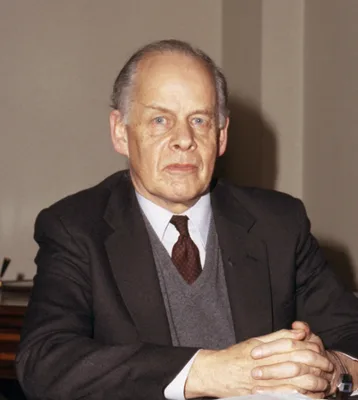
Introduction of hexamethonium bromide.
1924 CE
#530
Über Induktion von Embryonalanlagen durch Implantation artfremder Organisatoren.
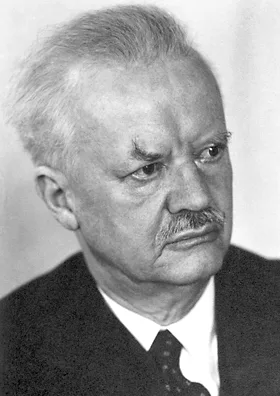
This was Hilde Mangold's thesis. Spemann designed the experiment, and Mangold performed the work, and was the co-discoverer of the "organizer," the chemical that directs the embryonic development of tissues and organs…