
Facets
Browse across eight MeSH (opens in new tab) facets — era, geography, science, specialty, technology, history, culture, and reference. Select one tag per group; counts update across the others.
Clear filtersFacet filters
Geography
Specialties & Disease
- Anatomy & Pathology 8
- Cardiology & Blood 2
- Neurology & Psychiatry 12
- Obstetrics & Reproductive 3
- Infectious Disease (General) 5
- Surgery & Anesthesia 13
- Public Health 38
- Immunology & Dermatology 10
- General Clinical Medicine 78
- Military Medicine 25
- Psychology 3
- Alternative & Fringe Medicine 16
- Pediatrics 4
- Ophthalmology & Vision 6
- ENT & Hearing 0
- Urology & Nephrology 0
- Gastroenterology & Hepatology 1
- Pulmonary & Respiratory 2
- Rheumatology, Rehab & Pain 1
- Internal, Emergency & Geriatric 2
- Veterinary Medicine 7
- Epidemiology & Demography 18
- Physiology & Embryology 1
- Dentistry 5
- Plagues & Epidemics 90
- Microbiology & Virology 42
Social & Historical Studies
Institutions & Culture
Reference & Scholarly Works
Drugs & Technology
449 entries match Asia & Pacific [Z01.586]
1972 CE
#13714
Temples of the muses and a history of pharmacy museums.
Prepared for the opening in June 1971 of the Naito Museum of Pharmaceutical Science and Industry in Japan, and emphasizing that museum and museums in the Middle East.
1904 CE
#5349.1
The aetiology of a parasitic disease (in Japanese)
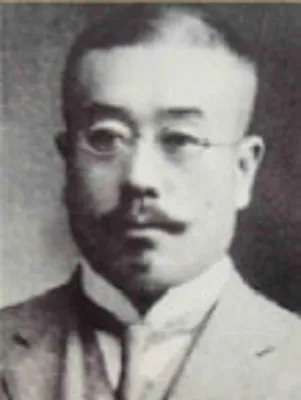
First description of Schistosoma japonicum. Translation in Kean (No. 2368.1), p. 518.
1887 CE
#11756
The agricultural pests of India, and of eastern and southern Asia, vegetable and animal, injurious to man and his products.
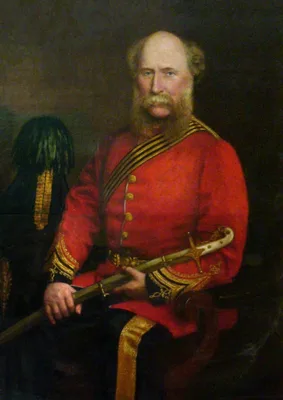
Digital facsimile from the Internet Archive at this link.
1836 CE
#7674
The anatomist's instructor, and museum companion; being practical directions for the formation and subsequent management of anatomical museums.
"Dr Frederick Knox was the librarian of New Zealand's first public library. He emigrated from Scotland in July 1840 and within days of arriving in Port Nicholson became involved in establishing the country's first pub…
1918 CE
#10998
The Australian Army Medical Corps in Egypt. An illustrated and detailed account of the early organisation and work of the Australian medical units in Egypt in 1914-1915.
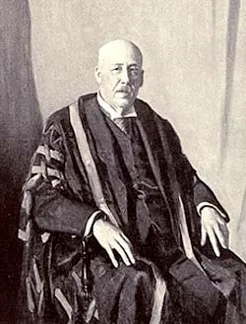
Digital facsimile from the Internet Archive at this link.
1917 CE
#4648
The Australian epidemics of an acute polio-encephalomyelitis (X disease).
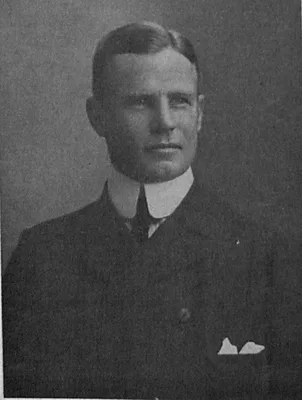
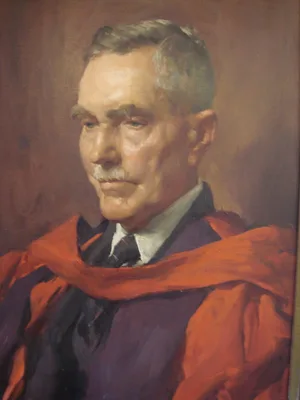
Campbell was Australia's first neurologist. This paper described Murray Valley encephalitis (Australian X disease). Cleland and Campbell isolated a virus from the cerebral tissue of three patients.
1887 CE–1890 CE
#13053
The avifauna of British India and its dependencies. A systematic account, with descriptions of all the known species of birds inhabiting British India, observations on their habits, nidification, &c., tables of their geographical distribution in Persia, Beloochistan, Afghanistan, Sind, Punjab, N.W. Provinces, and the peninsula of India generally, with woodcuts, lithographs, and coloured illustrations. 2 vols.
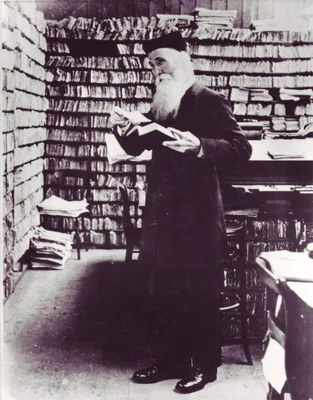
Digital facsimile from Biodiversity Heritage Library at this link.
1901 CE–1907 CE
#6485.9
The Ayurvedic system of medicine, or an exposition, in English, of Hindu medicine as occuring in Charaka, Susruta, Bagbhata, and othe rauthoritative works, ancient and modern, in Sanskrit. 3 vols.
Ayurveda is the most ancient system of Hindu medicine; only fragments of the original remain. The early Hindus believed it to be of divine origin and ascribed it to Brahma. It dates from circa 1400-1200 BCE. Digital f…
1843 CE–1859 CE
#7448
The botany of the Antarctic voyage of H. M. Discovery Ships Erebus and Terror in the years 1839-1843.
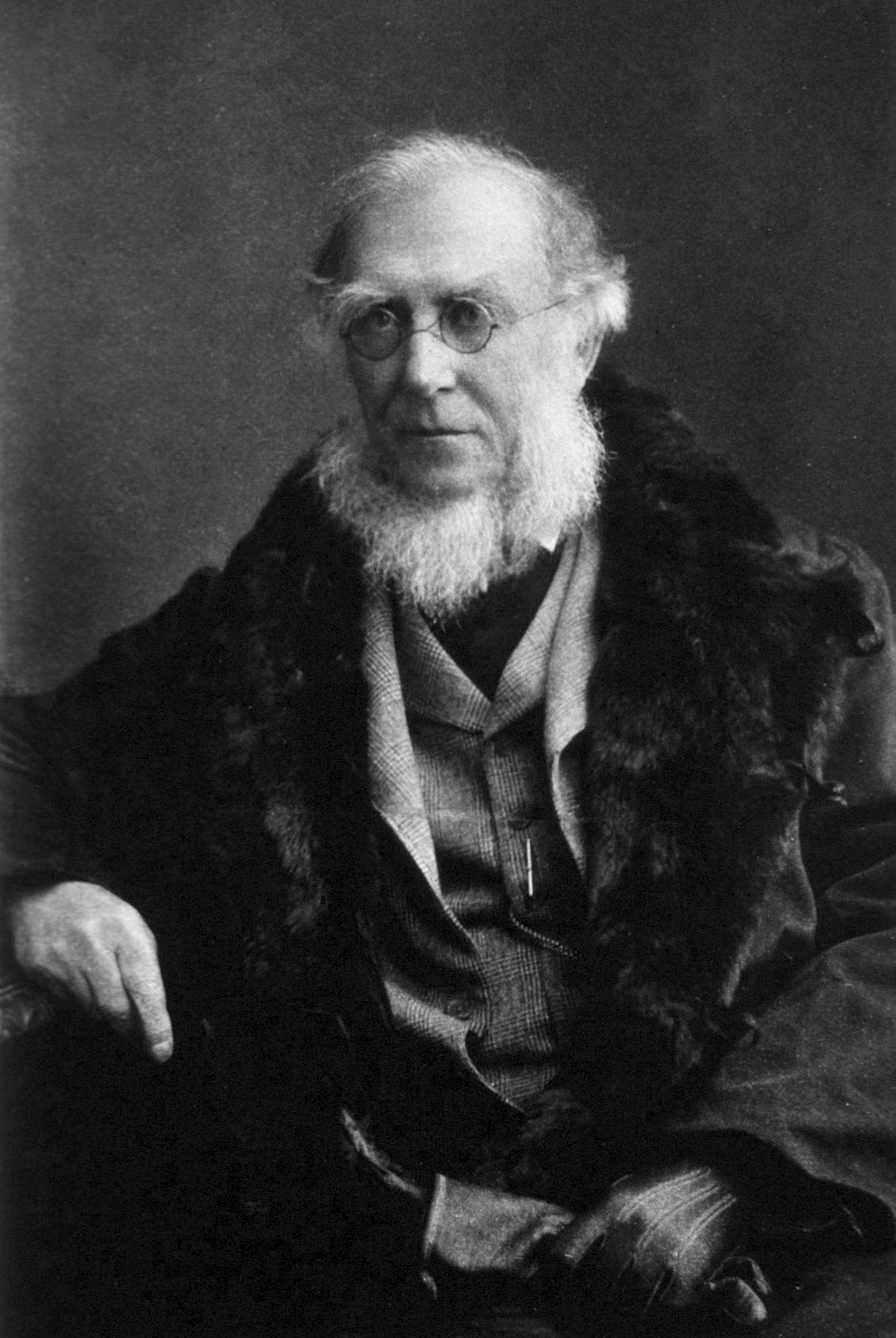
Part 1: Flora of Lord Auckland and Campbell's Islands (1843-45); Part 2: Flora of Fuegia, the Falklands, Karguellen's land, etc. (1845-47); Part 3: Flora of New Zealand. 2 vols. (1851-53); Part 4: Flora of Tasmania. 2…
1893 CE–1897 CE
#6834
The Bower manuscript; Facsimile leaves, Nagari transcript, Romanised transliteration and English translation with notes.
Dated to the Gupta era, between the 4th and the 6th century CE, the Bower Manuscript, preserved at the Bodleian Library, Oxford, was written on birch bark in Buddhist Hybrid Sanskrit using the Late Brahmi script or Gu…
1949 CE
#10
The Charaka Samhita. 6 vols.
Edited and published with translations in Hindi, Gujerati and English. The Charaka Samhita is the oldest known Hindu text on Ayurveda (life sciences). It was followed by the Sushruta Samhita. Except for some topics an…
1949 CE
#6485.92
The Charaka Samhita. Edited and published with translations in Hindi, Gujerati and English 6 vols.
1940 CE
#6495
The Chinese way in medicine.
2014 CE
#7289
The complete genome sequence of a Neanderthal from the Altai Mountains.
First complete sequence of a Neanderthal genome. With more than 20 co-authors. In 2022 Pääbo was awarded the Nobel Prize in Physiology or Medicine "for his discoveries concerning the genomes of extinct homin…
1904 CE
#2437
The constituents of chaulmoogra seeds.
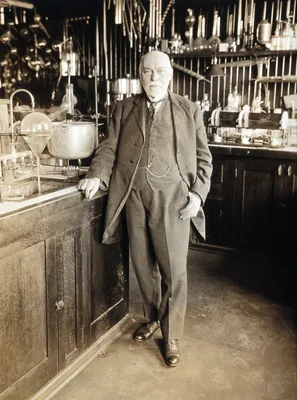
Hydnocarpus wightiana or Chaulmoogra is a tree in the Achariaceae family. The oil from seeds of Hydnocarpus wightiana or Chaulmoogra, a tree in the Achariaceae family, was widely used in Indian medicine and Chinese tr…
1904 CE
#2438
The cultivation of the Bacillus leprae.
Rost cultivated the leprosy bacillus, and he prepared leprolin, formerly used in treating leprosy.
2005 CE
#8700
The cultivation of whiteness: Science, health and racial destiny in Australia.
1993 CE
#9301
The cultural relations of classification: An analysis of Nuaulu animal categories from central Seram.
The Nuaulu or Naulu are a tribe located in Seram, Maluku, Indonesia.
1980 CE
#13803
The eradication of smallpox from Bangladesh.

1979 CE
#13788
The eradication of smallpox from India.
1883 CE
#2455
The Filaria sanguinis hominis and certain new form of parasitic disease in India, China and warm countries.
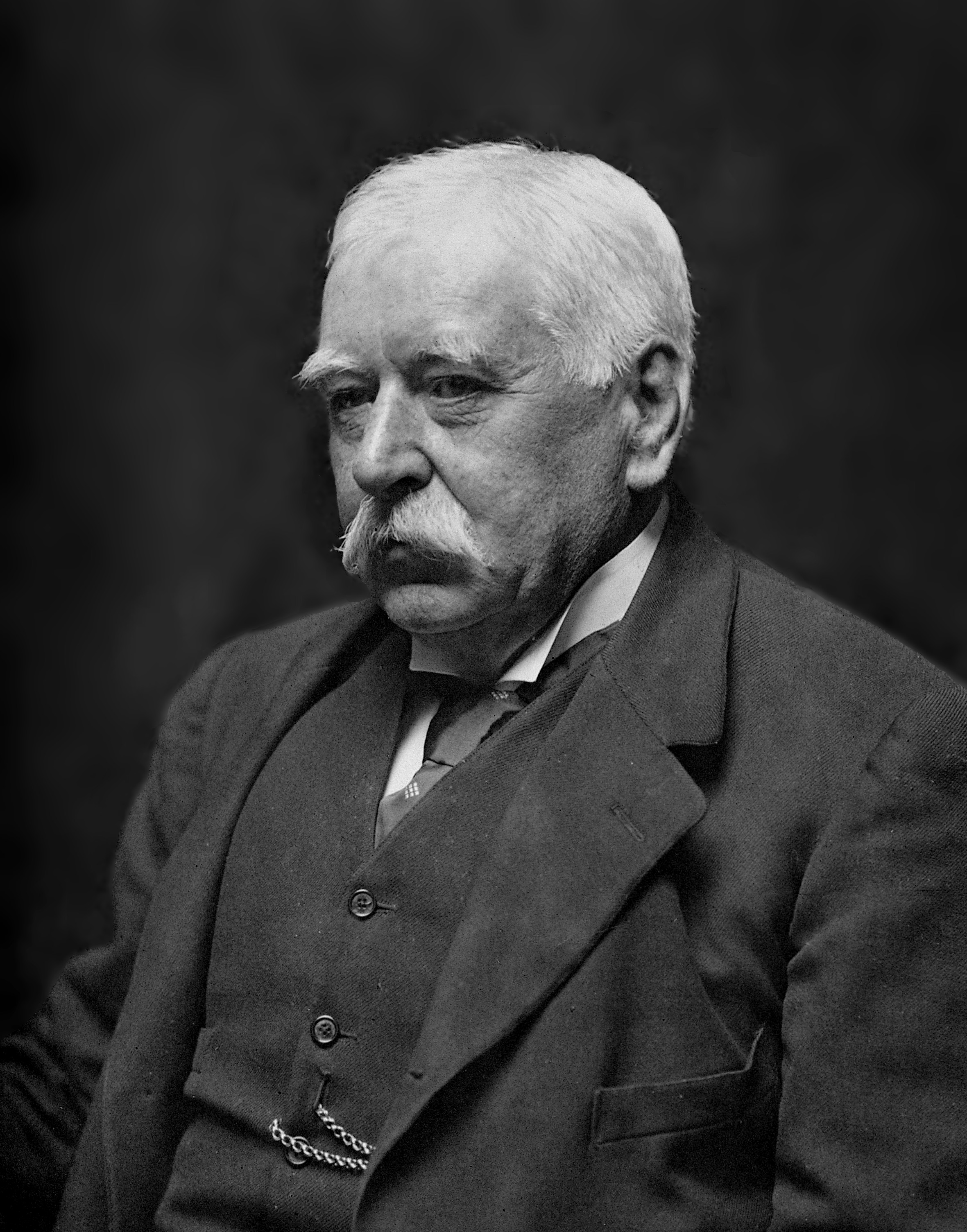
A collection of several papers written by Manson.
2002 CE
#12661
The flight of the Emu: A hundred years of Australian ornithology 1901-2001.
1893 CE
#11810
The Great Barrier Reef of Australia; Its products and potentialities, containing an account, with copious coloured and photographic illustrations (the latter here produced for the first time), of the corals and coral reefs, pearl and pearl-shell, bêche-de-mer, other fishing Industries, and the marine fauna of the Australian Great Barrier region.
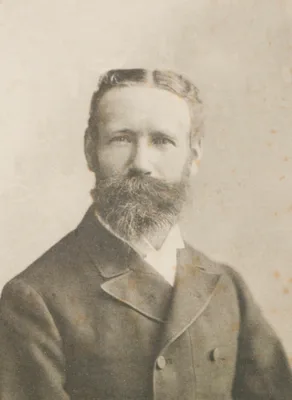
Digital facsimile from Biodiversity Heritage LIbrary at this link.
1975 CE
#5813.10
The healing hand: Man and wound in the ancient world.
Emphasizing surgery, this is an exceptionally imaginative and exquisitely designed and illustrated history of medicine in ancient Egypt, Greece, Rome, and China.
1990 CE
#10870
The health of immigrant Australia: A social perspective.

1850 CE
#8808
The historical relations of ancient Hindu with Greek medicine in connection with the study of modern medical science in India: Being a general introductory lecture delivered June 1850, at the Calcutta Medical College.
Webb was surgeon in the Bengal Army, and later Professor of Anatomy at the Calcutta Medical College. Digital facsimile from the Internet Archive at this link.
1967 CE
#12405
The history of medicine in New Zealand.
Digital facsimile from PubMedCentral at this link.
2004 CE
#13657
The history of ophthalmology in Japan.
1914 CE
#13802
The history of small-pox in Australia 1788-1908.
A second volume, The history of small-pox in Australia, 1909-1923 by J.H.L. Compston and F. McCallum was published in Melbourne: H. J. Green, govt. printer, 1925.
1917 CE
#12959
The Indian operation of couching for cataract. Incorporating The Hunterian Lectures....
Prefaced by an extensive historical introduction; the remainder of the text being of historical significance in the 21st century. Digital facsimile from the Hathi Trust at this link.
1813 CE
#8211
The influence of tropical climates, more especially the climate of India, on European constitutions; the principal effects and diseases thereby induced, their prevention or removal, and the means of preserving health in hot climates, rendered obvious to to Europeans in every capacity: An essay .
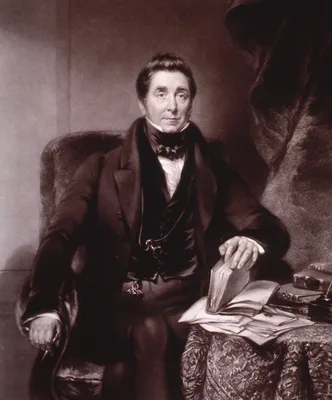
Digital facsimile from the Internet Archive at this link. Enlarged and retitled second edition: The influence of tropical climates on European constitutions: to which is added tropical hygiene, or the preservation of …
2015 CE
#11923
The influenza pandemic in Japan, 1918-1920: The first world war between humankind and a virus. Translation by Lynne E. Riggs and Takechi Manbu.
2011 CE
#11469
The Japanese pharmaceutical industry: Its evolution and current challenges.
1927 CE
#7255
The lower molar hominid tooth from the Chou Kou Tien deposit.
In this report on a single hominid tooth found by Swedish archeologist Birger Bohlin at the Zhoukoudian site in 1927 Black named a new genus and species of hominid, Sinanthropus pekinensis. He characterized the specim…
1860 CE
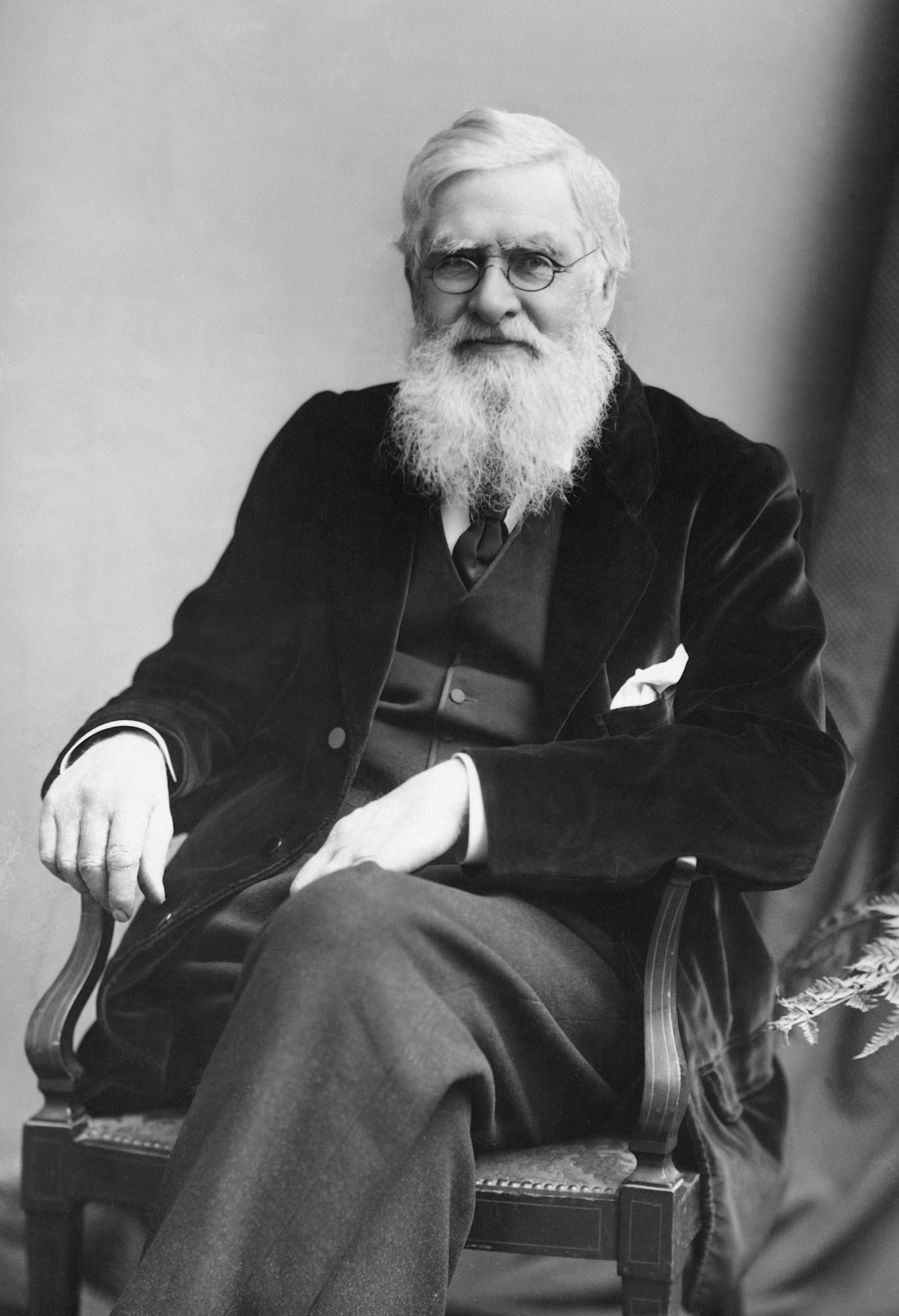
#7439
The Malay archipelago: The land of the orang-utan and the bird of paradise. 2 vols.
1985 CE
#13727
The management of smallpox eradication in India.
1981 CE
#6958
The Manchu anatomy and its historical origin. With annotations and translations by John B. de C. M. Saunders and Francis R. Lee.
The Anatomie Manchoue, a series of graphic illustrations taken from Western anatomical works, with notes in the Manchu-Tungus language. This was compiled under the supervision of Father Parrenin, a French Jesuit worki…
1998 CE
#8018
The Medical Department: Medical service in the war against Japan. United States Army in World War II: The technical services.
1967 CE
#7414
The medical formulary of Al-Samarqandi and the relation of early Arabic simples to those found in the indigenous medicine of the Near East and India.
1901 CE
#8540
The medicinal plants of the Philippines. Translated and revised by Jerome B. Thomas, Jr.

Digital facsimile from the Internet Archive at this link.
1878 CE
#5270.1
The microscopic organisms found in the blood of man and animals, and their relation to disease.
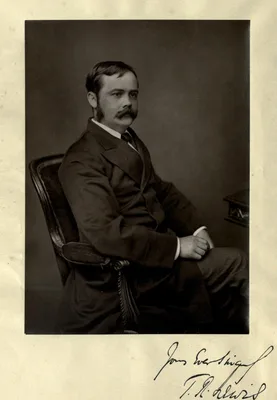
First description of a trypanosome (T. lewisi) in a mammal. Seoarate edition in book form with the same title: Calcutta: Office of the Superintendent of Government Printing, 1879.
1979 CE
#8772
The Monro collection in the Medical Library of the University of Otago: A descriptive catalogue with annotations and introduction
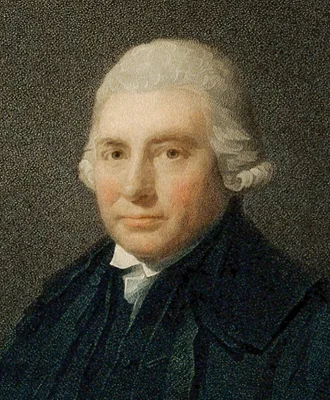
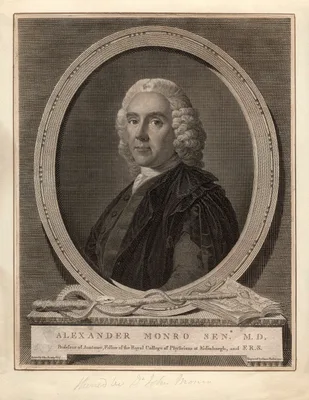
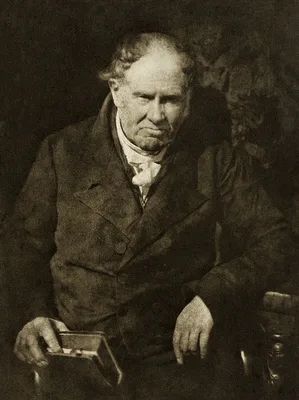
Scottish army surgeon John Monro (1670-1740) initiated a series of events that lead to the establishment of a dynasty which, beginning with his son Alexander Monro, changed the course of medical teaching and learning.…
2003 CE
#10028
The people's health: Public health in Australia, 1788-1950. Vol. 2: The people's health: Public health in Australia, 1950 to the present. 2 vols.
1933 CE
#1923
The pharmacological action of an alkaloid obtained from Rauwolfia serpentina Benth. A preliminary note.
R. N. Chopra, J. C. Gupta, and B. Mukherjee demonstrated the sedative and hypotensive effect of an alkaloid isolated from Rauwolfia serpentina (reserpine).
1707 CE–1710 CE
#2670
The physician’s pulse-watch. 2 vols.
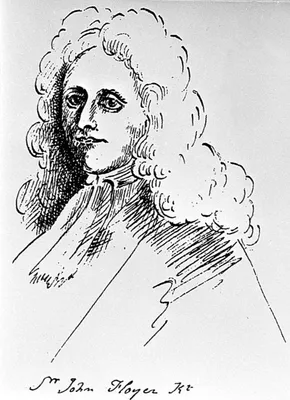
Before watches had hands to record the seconds, Floyer invented a pulse-watch which divided the minute. He was the first to count the pulse with the aid of a watch and to make regular observations on the pulse-rate. T…
1881 CE
#13050
The plants an drugs of sind; being a systematic account, with descriptions, of the indigenous flora, and notices of the value and uses of their products in commerce, medicine and the arts.
1878 CE
#9497
The poisonous snakes of India: For the use of the officials and others residing in the Indian Empire.
Digital facsimile from the Biodiversity Heritage Library at this link.
1879 CE
#8240
The practice of medicine among the Burmese, translated from original manuscripts, with an historical sketch of the progress of medicine, from the earliest times.
Digital facsimile from the Internet Archive at this link.
1886 CE
#13052
The reptiles of Sind: A systematic account, with descriptions of all the species inhabiting the province, and a table of their geographical distribution in Persia, Bloochistan, Afghanistan, Punjab, Northwest Provinces, and the Peninsula of India generally, with woodcuts, lithographs, and colored illustrations.
A re-issue with additions to date, of "Reptilian fauna" in the author's Vertebrate zoology of Sind. Digital facsimile from the Hathi Trust at this link.
1849 CE–1851 CE
#13651
The rhododendrons of Sikkim-Himalaya: Being an account, botanical and geographical, of the rhododendrons recently discovered in the mountains of eastern Himalaya, from drawings and descriptions made on the spot, during a government botanical mission to that country
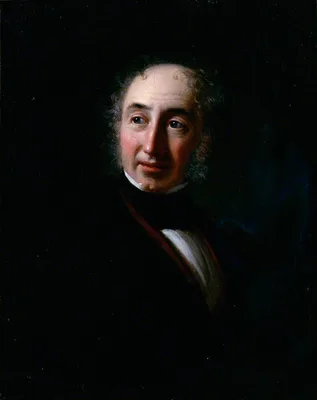
Digital facsimile from Biodiversity Heritage Library at this link.