
Philadelphia
386 entries published in this place.
1744 CE
#9341
M. T. Cicero's Cato major, or his course of old-age: with explanatory notes.
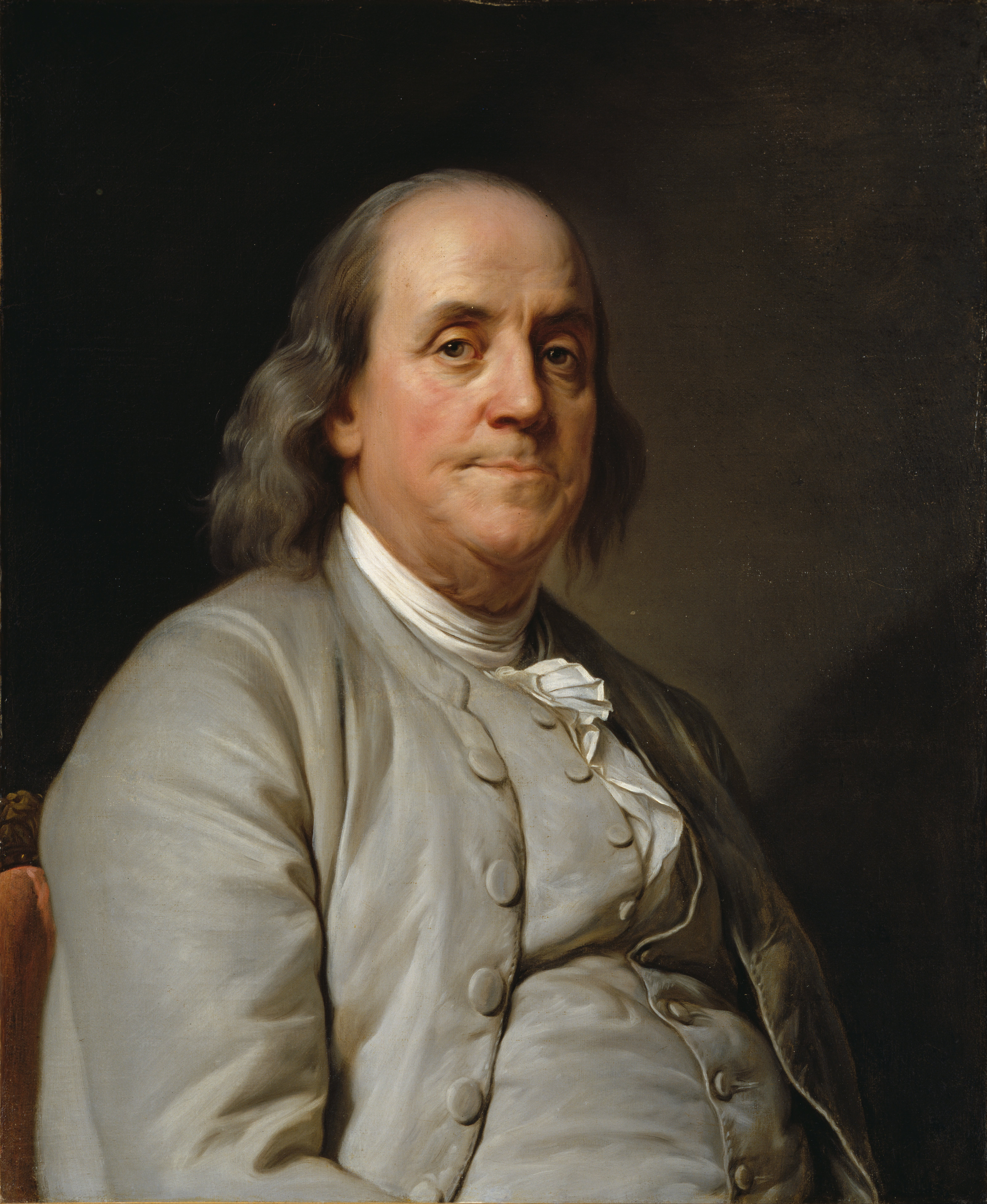
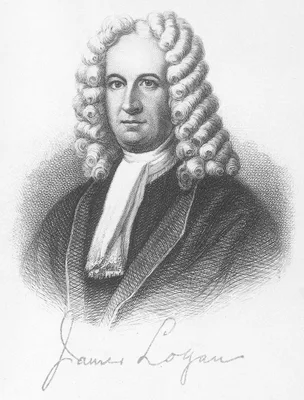
This work was Banjamin Franklin's personal favorite of the works printed by him, and is one of the finest books to emanate from a Colonial American press. It was the first classical text printed in North America, and …
1745 CE
#2094
An essay on the West-India dry-gripes… to which is added, an extraordinary case in physick.
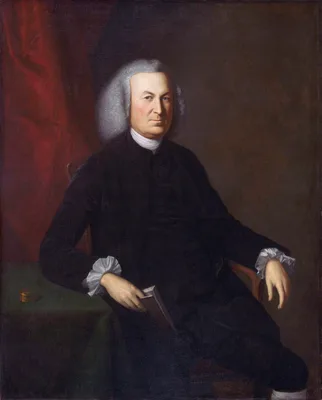
Cadwalader, an American pupil of Cheselden, left a classical account of lead colic and lead palsy. This was later shown by Benjamin Franklin, printer of the above work, to be due to the consumption of Jamaica rum whic…
1750 CE
#5418
A discourse on the preparation of the body for the small-pox; and the manner of receiving the infection.
Thomson, a physician in Philadelphia, was the originator of the American method of inoculation against smallpox. Printed by Benjamin Franklin. Digital facsimile from dla.library.upenn.edu at this link.
1751 CE
#1832
Descriptions, virtues, and uses of sundry plants of these northern parts of America, and particularly of the newly discovered Indian cure for the venereal disease.
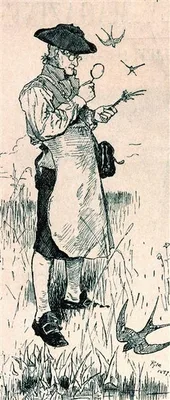
Bartram founded one of the first botanical gardens in America (at Kingsessing). Linnaeus referred to him as the “greatest natural botanist in the world”. A few copies of this 7-page work printed by Benjami…
1754 CE
#7429
Some account of the Pennsylvania Hospital, from its first rise, to the beginning of the fifth month, called May 1754.
Franklin was a prime mover in establishing the Pennsylvania Hospital, the first permanent hospital built in the future United States. This publication included the text of most of the founding documents of the hospita…
1761 CE
#7430
Continuation of the account of the Pennsylvania Hospital, from the first of May 1754, to the fifth of May 1761.
Written in Franklin's absence, this continuation was printed in the same style and format as Franklin's 1761 work. Rhoads was an American architect who served as the 59th mayor of Philadelphia.
1765 CE
#1766.5
A discourse upon the institution of medical schools in America.…
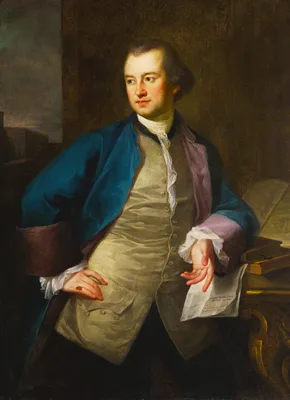
The first American publication on medical education. Morgan founded the first medical school in the United States, in connection with what is now the University of Pennsylvania.
1770 CE
#9204
Syllabus of a course of lectures on chemistry.
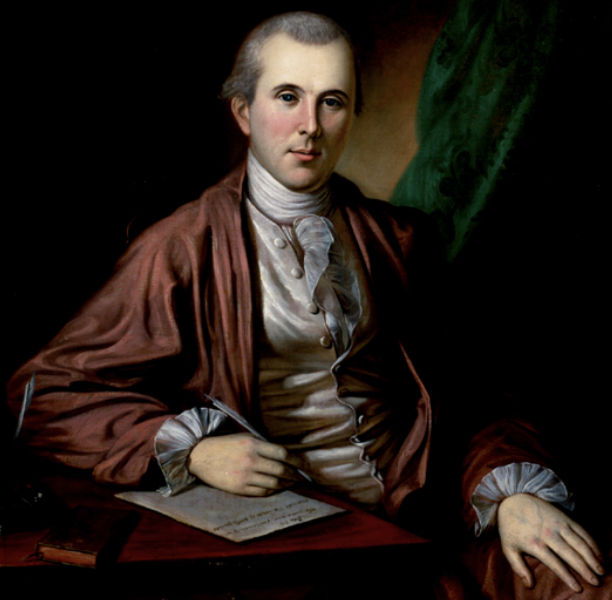
Rush inaugurated the first regular course of lectures on chemistry taught in America, at the College of Philadelphia. Includes much on pharmaceutical chemistry. Facsimile reprint with an introduction by L. H. Butterfi…
1774 CE
#6451.90
An oration…containing an enquiry into the natural history of medicine among the Indians in North-America; and a comparative view of their diseases and remedies, with those of civilized nations.
Rush was the first American physician to publish a detailed study of native American medicine. Digital facsimile from the Medical Heritage Library, Internet Archive, at this link.
1778 CE
#1834
Pharmacopoeia simpliciorum et efficaciorum.
The first original pharmacopeia published in the USA. Reproduced in facsimile, with translation, in The Badger Pharmacist, 1938. No. 22-25.
1781 CE
#5422
The new method in inoculating for the small pox.
1785 CE
#1836.1
Arbustrum Americanum: the American grove, or, an alphabetical catalogue of forest trees and shrubs…
Like his cousin, John Bartram (No. 1832), Marshall maintained a private botanical garden. According to W. Darlington the above work is “the first truly indigenous botanical essay published in the Western Hemisph…
1786 CE
#10266
Idées sur les secours à donner aux pauvres malades dans une grande ville.
Dupont proposed replacing large city hospitals with smaller institutions similar to those then being tried in England. Du Pont studied medicine before devoting himself to political economy. Digital facsimile from BnF …
1787 CE
#156.1
An essay on the causes of the variety of complexion and figure in the human species.
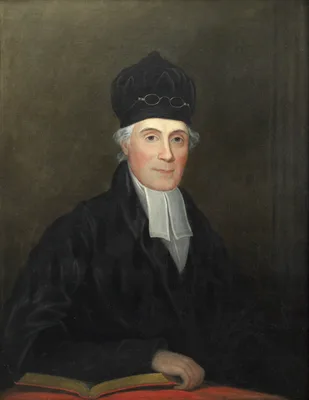
In the first significant anthropological work produced in America, Smith argued that racial differences were produced by environment, contradicting the prevalent theories of separate creations of discrete and differen…
1789 CE
#5470
An account of the bilious remitting fever. In his Medical inquiries and observations, 1, 104-21
One of the first important accounts of dengue (“breakbone fever”). Rush described the Philadelphia outbreak of 1780.
1789 CE
#10348
Observations on the duties of a physician, and the methods of improving medicine. Accommodated to the present state of society and manners in the United States. Delivered in the University of Pennsylvania, February 7, 1789, at the conclusion of a course of lectures upon chemistry and the practice of physic.
Full text available from quod.lib.umich.edu at this link.
1789 CE–1793 CE
#80
Medical inquiries and observations. 2 vols.
Rush was considered the ablest American clinician of his time. He was a friend of Benjamin Franklin and one of the signers of the Declaration of Independence. His many writings are distinguished for their classical st…
1790 CE
#3677.1
Remarks on the diseases of the teeth.
The first "scientific" paper on dentistry to appear in an American periodical. Trained in France, Gardette accepted a commission as a surgeon in the French navy and went to America in 1778 when France sent her ships t…
1791 CE
#8580
Return of the whole number of persons with the several districts of the United States, according to "An Act Providing for the Enumeration of the Inhabitants of the United States," passed March the first, one thousand seven hundred and ninety-one.
The first Census of the United States was conducted on August 2, 1790. The results were used to allocate Congressional seats (congressional apportionment), electoral votes, and funding for government programs.The fede…
1791 CE
#7770
Travels through North & South Carolina, George, East & West Florida, the Cherokee country, the extensive territories of the Muscogulges, or Creek confederacy, and the country of the Chactaws [sic]...
Digital facsimile of London, 1794 second edition from the Internet Archive at this link.
1792 CE
#1775
An historical account of the climates and diseases of the United States of America, and of the remedies and methods of treatment, which have been found most useful and efficacious, particularly in those diseases which depend upon climate and situation: collected pricipally from personal observation, and the communications of physicians of talents and experience, residing in the several states.
Digital facsimile from the Medical Heritage Library, Internet Archive, at this link.
1793 CE
#5452
A description of the malignant, infectious fever prevailing at present in Philadelphia; with an account of the means to prevent infection, and the remedies and method of treatment, which have been found most successful.
Digital facsimile from the Internet Archive at this link.
1793 CE
#5451
A short account of the malignant fever, lately prevalent in Philadelphia: With a statement of the proceedings that took place on the subject in different parts of the United States.
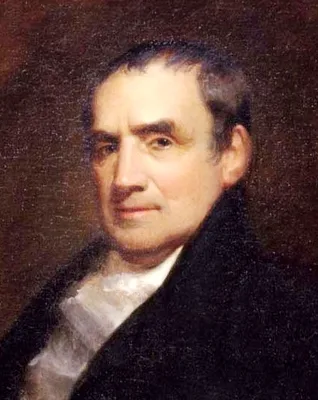
Carey was a Philadelphia publisher and economist rather than a physician. In this little book, which passed through four editions in a few months, Carey left a graphic description of the great yellow fever epidemic of…
1793 CE
#13897
The family adviser, or, a plain and modern practice of physic; calculated for the use of private families, and accommodated to the diseases of America
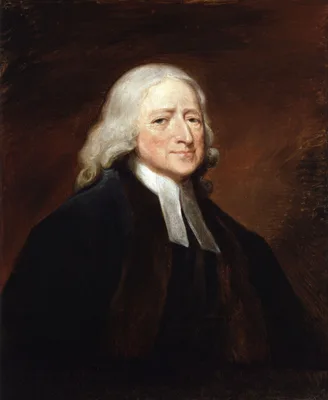
Wilkins' book intended for Methodists was issued with the 23rd edition of Wesley's work. Digital facsimile from wellcomecollection.org at this link.
1794 CE
#5453.1
A narrative of the proceedings of the black people during the late awful calamity in Philadelphia, in the year 1793: and a refutation of some censures thrown upon them in some late publications.
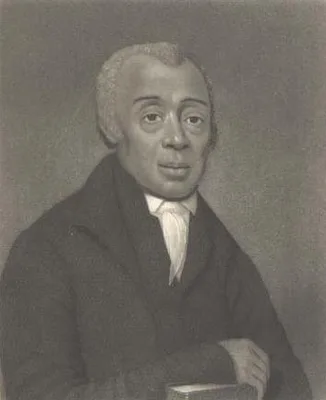
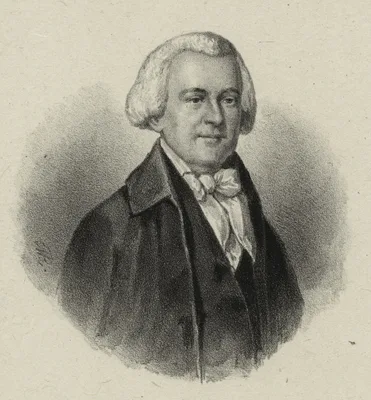
A refutation of slights by Matthew Carey in his Short account of the malignant fever, lately prevalent in Philadelphia (1793; No. 5451) to the important contributions of black people, many of whom served as nurses and…
1794 CE
#5453
An account of the bilious remitting yellow fever, as it appeared in the city of Philadelphia in the year 1793.
Benjamin Rush was the most eminent figure in Philadelphia medicine in his day. His description of the yellow fever epidemic of 1793 is classic. He did magnificent work in treating the sick during the epidemic and in p…
1794 CE
#9387
An enquiry into, and observations upon the causes and effects of the epidemic disease, which raged in Philadelphia from the month of August till towards the middle of December, 1793.
Text in English and French on facing pages. Digital facsimile from the Medical Heritage Library, Internet Archive at this link.
1798 CE
#9309
Collections for an essay towards a materia medica of the United States. Read before the Philadelphia Medical Society, on the twenty-first of February, 1798.
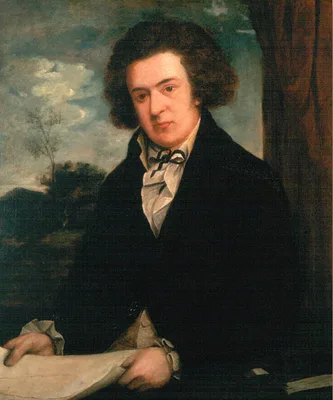
Digital facsimile of the 1798 edition from the U.S. National Library of Medicine at this link. Digital facsimile of the much-expanded third edition (1810) from Google Books at this link.
1799 CE
#10511
A description of the American yellow fever, which prevailed at Charleston, in South Carolina, in the year 1748.
Digital facsimile from U.S. National Library of Medicine at this link.
1799 CE
#7218
Fragments of the Natural History of Pennsylvania. Part First [All Published].
This 24-page pamphlet is the first work by an American devoted entirely to American birds. It deals predominantly with migratory birds, arranged according to the dates throughout the year 1791 in which they were first…
1802 CE
#5425
Practical observations on vaccination: or inoculation for the cow pock.
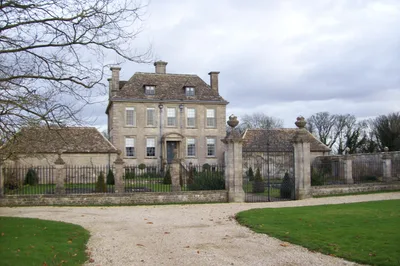
Coxe did much to destroy ignorant prejudice against vaccination; he was the first in Philadelphia to practice it. Like Waterhouse, he inoculated his own child as his first case.
1803 CE
#10445
An epistle to a friend, on the means of preserving health, promoting happiness; and prolonging the life of man to its natural period. Being a summary view of inconsiderate and useless habits that derange the system of nature, thereby causing premature old age and death : with some thoughts on the best means of preventing and overcoming disease.
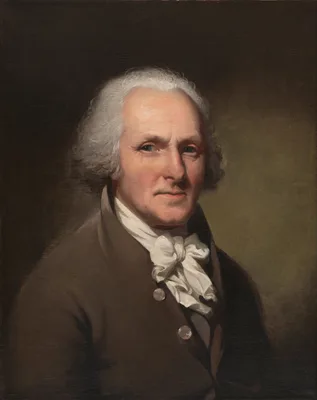
Written by the first great American painter. Digital facsimile from the Internet Archive at this link.
1803 CE
#982
An experimental inquiry into the principles of nutrition, and the digestive process.
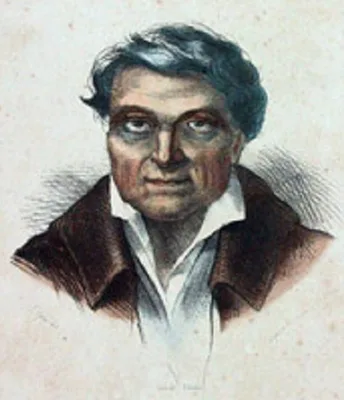
Young, one of the first American experimental physiologists, showed the solvent principle in the gastric juice to be an acid, but wrongly inferred that it was phosphoric acid. He also deduced the association and synch…
1803 CE
#9310
Elements of botany, or outlines of the natural history of vegetables.
The first American textbook of botany. Digital facsimile of the revised 1804 London edition from the Hathi Trust at this link.
1805 CE
#3430.1
An essay on wounds of the intestines.
The first serious attempt at repairing intestinal injuries in America, and the first use of dogs for experimental surgery in America.
1806 CE
#10379
A catalogue of the medical library, belonging to the Pennsylvania Hospital; exhibiting the names of authors and editors, in alphabetical order, and an arrangement of them under distinct heads. Also, a list of articles contained in the anatomical museum; and the rules of the museum and of the library.
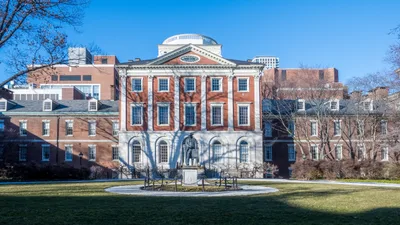
Probably the first catalogue of a medical museum in the United States and also possibly the first catalogue of an institutional medical library. The library was open to users for a one time payment of $30, later raise…
1806 CE
#12134
The American dispensatory, containing the operations of pharmacy; Together with the natural, chemical, pharmaceutical and medical history of the different substances employed in medicine; illustrated and explained, according to the principles of modern chemistry: Comprehending the improvements in Dr. Duncan's second edition of the Edinburgh new dispensatory. The arrangement simplified, and the whole adapted to the practice of medicine and pharmacy in the United States. With several copperplates, exhibiting the new system of chemical characters, and representing the most useful apparatus.
Coxe's "formulary" was the first attempt at standarization of drugs and their preparation in the United States. Digital facsimile from the U.S. National Library of Medicine at this link.
1807 CE
#7049
The planter's and mariner's medical companion: treating, according to the most successful practice, I. The diseases common to warm climates and on ship board. II. Common cases in surgery, as fractures, dislocations, &c. &c. III. The complaints peculiar to women and children. To which are subjoined a dispensatory, shewing how to prepare and administer family medicines, and a glossary giving an explanation of technical terms.
Ewell, then practicing in Savannah, Georgia, wrote this self-help book for southern residents, directing his book toward plantation owners. It was "the constant friend of a large number of slave-masters. In emergencie…
1808 CE–1814 CE
#9498
American ornithology; or, the natural history of the birds of the United States: Illustrated with plates engraved and colored from original drawings taken from nature. 9 vols.
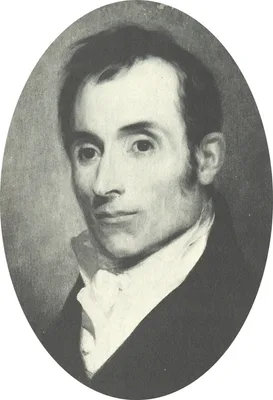
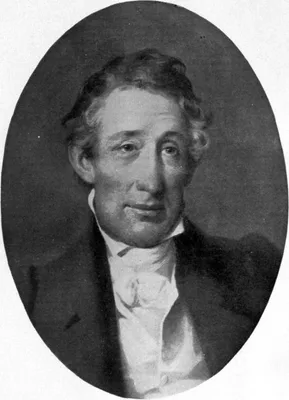
Considered the "father of American ornithology," Wilson was the greatest American ornithologist before Audubon. Wilson died with the 7th volume in press, and the 8th and 9th volumes were completed by Wilson's friend G…
1811 CE–1813 CE
#11320
A system of anatomy or the use of students of medicine. 2 vols.
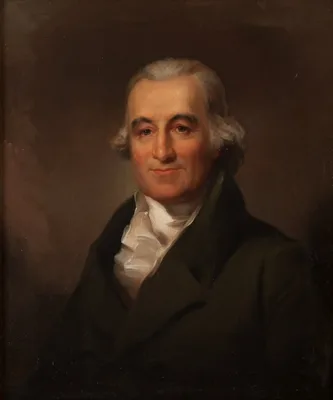
The first American textbook of anatomy. The first edition contained nearly 1000 pages of text, but no illustrations. Later editions were expanded, illustrated and updated by William E. Horner, and Joseph Pancoast. Dig…
1812 CE
#4924
Medical inquiries and observations upon the diseases of the mind.
The first American textbook on psychiatry, and, considering the state of that science in Rush’s time, one of the most noteworthy. It underwent four editions.
1813 CE
#5585.1
Elements of surgery; for the use of students. 2 vols.
The first systematic treatise on surgery written by an American. The work is notable for containing not only Dorsey’s original contributions, but for its publication of the work of Dorsey’s uncle and teach…
1816 CE
#13438
Catalogue of the library of the late Dr. Joseph Priestley, containing many scarce and valuable books. For sale by Thomas Dobson.
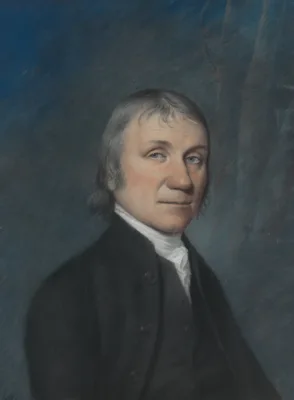
Digital facsimile from U.S. National Library of Medicine at this link.
1817 CE–1819 CE
#1841
Vegetable materia medica of the United States. 2 vols.
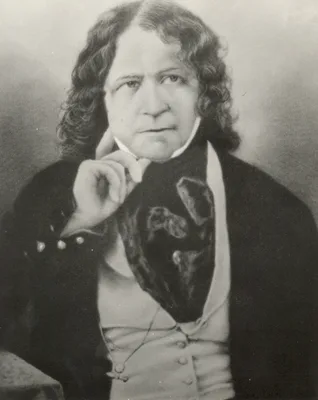
Barton served as a naval surgeon and, in 1815, became Professor of Botany at Philadelphia. Along with Bigelow (No. 1842) Barton’s work is one of the first two botanical works with colored plates issued in the Un…
1818 CE
#7771
The genera of North American plants, and a catalogue of the species to the year 1817. 2 vols.
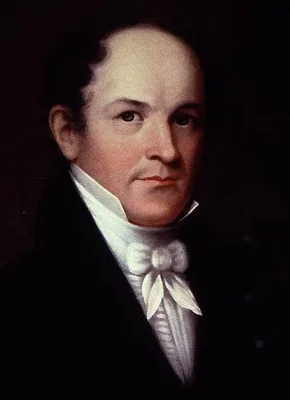
The first comprehensive botany of the United States. Digital facsimile from the Internet Archive at this link.
1819 CE
#12859
A practical guide to the management of the teeth; comprising a discovery of the origin of caries, or decay of the teeth; with its prevention and cure.
"Levi Spear Parmly (1790-1859) was one of the outstanding dental practitioners and teachers in the early part of the eighteenth century, both in America and Europe. He published two highly regarded books, practiced an…
1820 CE–1824 CE
#12471
A flora of North America. Illustrated by coloured figures, drawn from nature. 3 vols.
This work represents the first successful use of stipple engravings for the reproduction of images in a book published in the United States. 29 of the 106 hand-colored plates were engraved by Cornelius Tiebout (1773-1…
1821 CE
#7772
A journal of travels into the Arkansas territory, during the year 1819. With occasional observations on the manners of the aborigines. Illustrated by a map and other engravings.
Nuttall travelled from Philadelphia, down the Ohio and Mississippi rivers to the Arkansas. From there he travelled across Arkansas to the interior of the modern Oklahoma; returning via the Arkansas and Mississippi riv…
1823 CE
#8798
Manners and customs of several Indian tribes located west of the Mississippi; including some account of the soil, climate, and vegetable productions, and the Indian materia medica: to which is prefixed the history of the author's life during a residence of several years among them.
Hunter claimed that as a child he had been captured by the Cherokee before they came to Texas. He adopted the name of an English benefactor, John Dunn, and later added the name "Hunter" given by the Indians because of…
1824 CE
#11315
Report on the state of the anatomical museum of the University of Pennsylvania, 30th June, 1824.
This 36-page pamphlet is the earliest printed record of Caspar Wispar's museum collection. It was augmented by William Horner, whom Wistar appointed to manage the collection. The combined collections beame known as th…