
Facets
Browse across eight MeSH (opens in new tab) facets — era, geography, science, specialty, technology, history, culture, and reference. Select one tag per group; counts update across the others.
Clear filtersFacet filters
Geography
Specialties & Disease
- Anatomy & Pathology 2
- Cardiology & Blood 43
- Neurology & Psychiatry 9
- Obstetrics & Reproductive 29
- Infectious Disease (General) 0
- Surgery & Anesthesia 78
- Public Health 3
- Immunology & Dermatology 4
- General Clinical Medicine 7
- Military Medicine 5
- Psychology 2
- Alternative & Fringe Medicine 0
- Pediatrics 2
- Ophthalmology & Vision 25
- ENT & Hearing 25
- Urology & Nephrology 11
- Gastroenterology & Hepatology 9
- Pulmonary & Respiratory 14
- Rheumatology, Rehab & Pain 2
- Internal, Emergency & Geriatric 13
- Veterinary Medicine 0
- Epidemiology & Demography 1
- Physiology & Embryology 38
- Dentistry 22
- Plagues & Epidemics 5
- Microbiology & Virology 0
Social & Historical Studies
Institutions & Culture
Reference & Scholarly Works
38 entries match Physiology & Embryology [G07 / G02.149] · Instruments & Devices [E07]
1928 CE
#856.1
A double perfusion-pump.
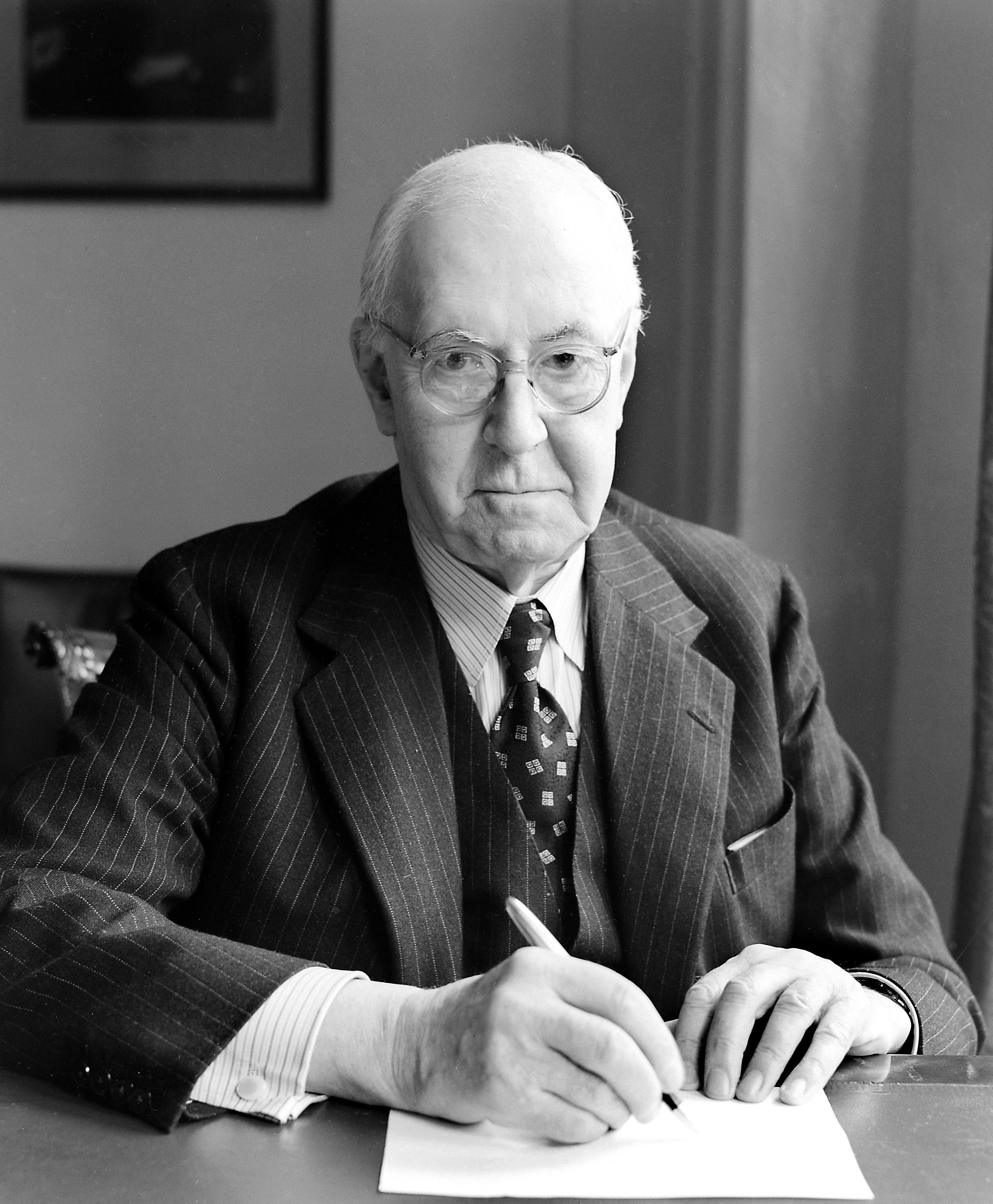
Mechanical heart.
1897 CE
#2807
A simple and accurate form of sphygmomanometer or arterial pressure gauge contrived for clinical use.
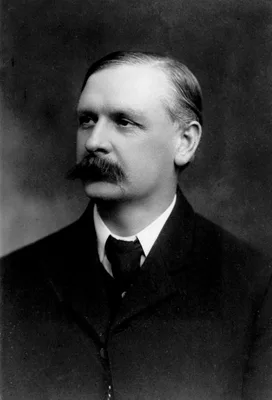
Hill and Barnard made an important modification to the Riva-Rocci sphygmomanometer when they substituted a pressure gauge in place of the mercury manometer used for pressure readings.
1935 CE
#858.1
An apparatus for the culture of whole organs.
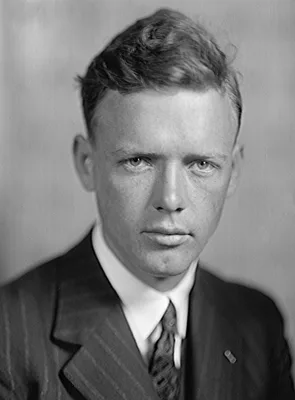
In 1931, the year before his son’s sensational kidnapping, the celebrity aviator began working with Alexis Carrel at the Rockefeller Institute on a perfusion pump which would allow the cultivation of whole organ…
1863 CE
#816
Appareils et expériences cardiographiques.
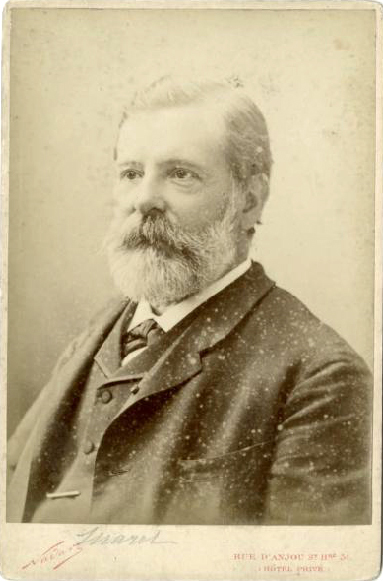
First direct records of the heart impulse by means of a “cardiac sound” and the sphygmograph – recording tambours, which wrote on a moving drum covered with smoked paper.
1614 CE
#573
Ars…de statica medicina aphorismorum sectionibus septem comprehensa.
This collection of aphorisms is the work by which Santorio’s ideas became widely known. Santorio used a beam balance to measure metabolism. See also nos. 572.1 & 572.2. For description of his experiments, see No…
1877 CE
#823.1
Beiträge zur Kenntniss der Reizwell und Contractionswelle des Herzmuskels.
Marchand obtained the first electrocardiogram. Using the differential rheotome he measured the time course of the potential variations from the frog’s heart.
1847 CE
#770
Beiträge zur Kenntniss des Einflusses der Respirationsbewegungen auf den Blutlauf im Aortensystem.
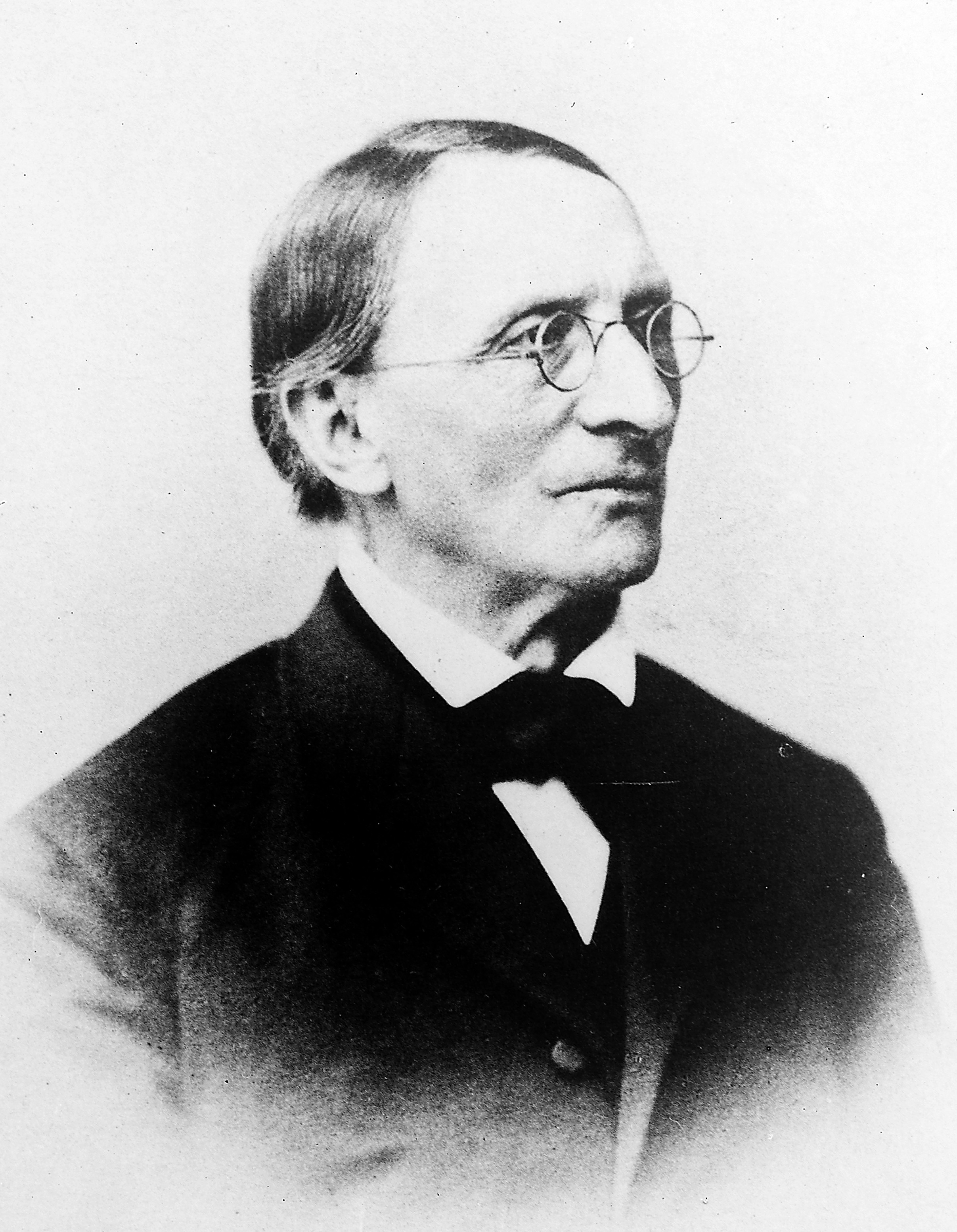
Ludwig changed Poiseuille’s hemodynamometer into the kymograph by the addition of a float and caused this float to write on a recording cylinder. Abridged English translation in Ruskin (No. 3160.1).
1866 CE
#6057
Clinical notes on uterine surgery, with reference to the management of the sterile condition.
A revolutionary and controversial work, written in Paris while Sims was in voluntary exile because of the U.S. Civil War, and first serialized in Lancet 2 (1864) and 1 (1865). Includes, pp. 16-18, the description of S…
1612 CE
#572.2
Commentaria in artem medicinalem Galeni.
First printed mention of the air thermometer, an instrument that played a vital part in the creation of static medicine. This device was similar to Galileo’s open-air thermoscope, of which Santorio may have know…
1625 CE
#2668
Commentaria in primam fen primi libri canonis Avicennae.
The chief value of this work is in its cautious revelation of the principles of construction of various instruments that Santorio had invented, including a hygrometer, a pendulum for measuring pulse rate, a syringe fo…
1868 CE
#779
Die Ausmessung der strömenden Blutvolumina.
Invention of the Stromuhr, for measurement of the velocity of the blood. Dogiel was a pupil of Ludwig.
1854 CE
#2759
Die bildliche Darstellung des menschlichen Arterienpulses.
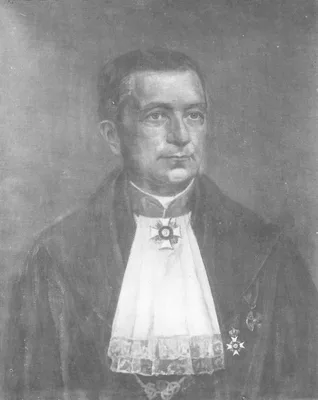
Vierordt invented a sphygmograph which acted on the principle that indirect estimation of blood-pressure could be accomplished by measuring the counter-pressure necessary to obliterate the arterial pulsation. This was…
1858 CE
#775
Die Erscheinungen und Gesetze der Stromgeschwindigkeiten des Blutes.
Vierordt estimated, by means of a “hemotachometer” of his own invention, the rate of the blood flow in various arteries, and also the influence of the blood volume, pulse rate and respiratory rate upon it.
1895 CE
#1474
Die Physiologie des Geruchs.
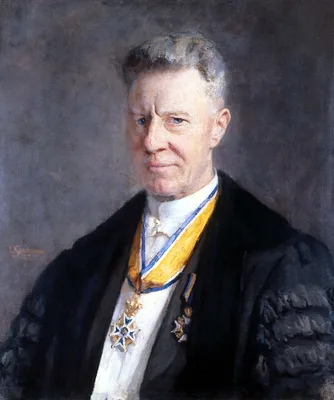
For his studies on olfaction and olfactometry Zwaardemaker developed the so-called “camera inodorata” (odorless chamber), or olfactometer. His instrument to check the patency of the nasal passages is still…
1907 CE
#846
Die Registrierung der menschlichen Herztone mittels des Saitengalvanometers
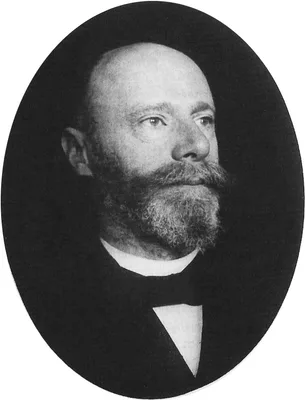
Phonocardiography.
1928 CE
#798
Die Thermo-Stromuhr. Ein Verfahren zur fortlaufenden Messung der mittleren absoluten Durchfulssmengen in uneröffneten Gefässen in situ.
Introduction of the Thermostromuhr, an instrument for measuring the velocity of the blood flow.
1856 CE
#773
Études expérimentales sur les lésions organiques du coeur.
Faivre made the first accurate estimation of the blood-pressure in man, by connecting the artery with a mercury manometer and making direct readings. These investigations were important, since they established normal …
1859 CE
#812.2
Fissura sterni congenita. New observations and experiments made in Amerika [sic] and Great Britain with illustrations of the case and instruments.
Records first use of telegraphy to record and measure the heart beat and pulse, written and published by the patient, who lived to the age of 45. This was done in Boston with an instrument placed against Groux’s…
1989 CE
#13245
Führer durch die Schausammlung Phonetisches Institut
2005 CE
#9945
Hirnströme: Eine Kulturgeschichte der Elektroenzephalographie.
Translated into English by Ann M. Hentschel as Brainwaves: A cultural history of electroencephalography. Abingdon, Oxford and New York: Routledge, 2018.
2012 CE
#13244
Historische phonetische Geräte. Katalog der historischen akustisch-phonetischen Sammlung (HAPS) der Technischen Universität Dresden. Erster Teil.
1878 CE
#7294
La méthode graphique dans les sciences expérimentales et particulièrement en physiologie et en médecine.
Marey pioneered the use of graphical recording in the experimental sciences, using instruments (many of his own invention) to capture and display data impossible to observe with the senses alone, and to record the pro…
1884 CE
#10113
La paura.
Mosso conducted experiments with special equipment, which he devised to suit the requirements of the studies. He pursued two main lines of research: the analysis of motor functions and the relationship between physiol…
1834 CE
#2748.2
Le sphygmomètre; instrument qui traduit à l’oeil toute l’action des artères.
Hérisson invented an instrument for recording blood pressure. Translated into English as The sphygmometer, an instrument which renders the action of the arteries apparent to the eye. A memoir... with an improve…
1890 CE
#636
Les lois de la fatigue étudiées dans les muscles de l’homme.
Mosso invented the ergograph from the study of voluntary contraction. The description of the instrument is on pages 124-41 of the above article.
1603 CE
#572.1
Methodi vitandorum errorum omnium, qui in arte medica…
First mention of Santorio’s pulse-clock (“pulsilogium”) and his scale. Through most of the 17th and 18th centuries Santorio’s name was linked with that of Harvey as the greatest figure in physi…
1879 CE–1880 CE
#824
On the time-relations of the excitatory process in the ventricle of the heart of the frog.
These workers were among the first to study the action currents of the heart, and made the first records (with the capillary electrometer) of the minute electrical current produced by the beating of the heart. See als…
1892 CE
#834
Pulsation in the veins, with the description of a method for graphically recording them.
The phlebograph, which developed into the polygraph. With it Mackenzie obtained simultaneous tracings of the pulsations of the jugular vein and radial artery.
1828 CE
#767
Recherches sur la force du coeur aortique.
Poiseuille was the first after Stephen Hales to make any important addition to the knowledge of the physiology of circulation. In his graduation thesis, above, he described a “hemodynamometer” invented by …
1860 CE
#776
Recherches sur le pouls au moyen d’un nouvel appareil enregistreur le sphygmographe.
Invention of the modern sphygmograph. Also published in C.R. Acad. Sci. (Paris), 1860, 51, 281-309. Preliminary paper in same journal, 1860, 50, 634-37.
1927 CE
#9335
Studies on the velocity of blood flow: I. The method utilized.
Reports the first diagnostic procedure, done in 1925, using radioactive indicators on humans. "Less well recognized is the fact that Blumgart and his coworker Otto C. Yens, then a medical student, developed the first …
1928 CE
#799
The pressure pulses in the cardiovascular system.
Wiggers, professor of physiology at the Western Reserve University, Cleveland, contributed much to the knowledge of the circulation and devised several instruments to promote the study of this subject.
1902 CE
#2812
The study of the pulse.
In his classic monograph Mackenzie included (p. 10) a description and illustration of his polygraph, with which he made simultaneous tracings of the pulse, apex beat, etc.
1868 CE
#819.1
Über den zeitlichen Verlauf der negativen Schwankung des Nervenstroms.
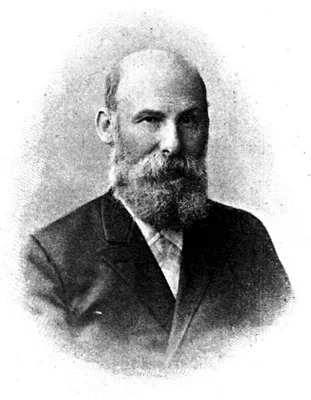
Bernstein introduced the differential rheotome, and the first electrocardiograms were obtained with it by Marchand in 1877 (No. 823.1).
1899 CE
#2810
Ueber einen neuen Blutdruckmesser (Tonometer).
Gaertner, an Austrian physician, invented an instrument for measuring blood-pressure by means of a compressing ring applied to the finger.
1901 CE
#840
Un nouveau galvanomètre.
Einthoven directed much of his research to the development and perfection of recording instruments. His most famous work was in connexion with his string galvanometer, a perfection of the instrument invented by J. S. …
1864 CE
#623
Untersuchungen über elektrische Nervenreizung.
Among the instruments introduced by Fick for the study of muscle and nerve physiology were the myotonograph, the cosine lever, and an improved thermopile.
1727 CE–1733 CE
#765
Vegetable staticks: Or, an account of some statical experiments on the sap in vegetables. Statical essays, containing haemastaticks. 2 vols.
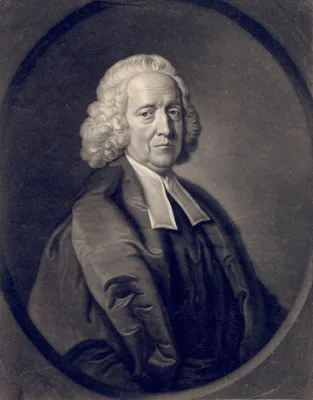
Hales initiated a new stage in physiological experimentation with his "statical" methods, which were characterized by precise quantitative measurements, repetition and the used of controls, and were based on the assum…