
Facets
Browse across eight MeSH (opens in new tab) facets — era, geography, science, specialty, technology, history, culture, and reference. Select one tag per group; counts update across the others.
Clear filtersFacet filters
Geography
Specialties & Disease
- Anatomy & Pathology 134
- Cardiology & Blood 11
- Neurology & Psychiatry 36
- Obstetrics & Reproductive 26
- Infectious Disease (General) 5
- Surgery & Anesthesia 14
- Public Health 129
- Immunology & Dermatology 38
- General Clinical Medicine 28
- Military Medicine 11
- Psychology 16
- Alternative & Fringe Medicine 17
- Pediatrics 5
- Ophthalmology & Vision 2
- ENT & Hearing 3
- Urology & Nephrology 4
- Gastroenterology & Hepatology 4
- Pulmonary & Respiratory 3
- Rheumatology, Rehab & Pain 0
- Internal, Emergency & Geriatric 7
- Veterinary Medicine 11
- Epidemiology & Demography 12
- Physiology & Embryology 94
- Dentistry 10
- Plagues & Epidemics 44
- Microbiology & Virology 92
Social & Historical Studies
Institutions & Culture
Reference & Scholarly Works
Drugs & Technology
94 entries match Physiology & Embryology [G07 / G02.149] · Zoology & Animal Sciences [K01.900.500.750]
1974 CE
#9942
The DNA of CAENORHABDITIS ELEGANS.
Digital facsimile from PubMedCentral at this link.
1994 CE
#14261
Ultrastructural analysis of the autophagic process in yeast: detection of autophagosomes and their characterization.
Order of authorship in the original publication: Baba, M., Takeshige, Baba, N., Ohsumi. In 2016 Oshuni received the Nobel Prize in Physiology or Medicine "for his discoveries of mechanisms for autophagy."
1966 CE
#14064
"Fertile" intestine nuclei.
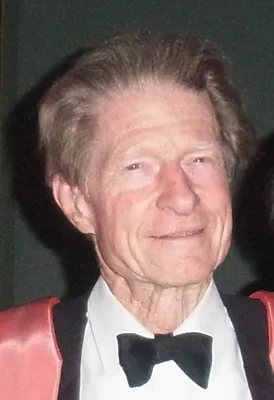
Gurdon and Uehlinger replaced the cell nucleus of frog ova with frog intestinal nuclei to generate tadpoles, some of which became fertile adult male and female frogs. In 2012 the Nobel Prize in Physiology or Medicine …
1986 CE
#534.42
A history of embryology. British Society for Developmental Biology Symposia 8. Edited by T. J. Horder, J. A. Wikowski and C. C. Wylie.
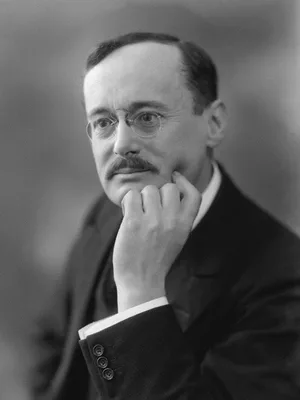
A survey of the history of developmental biology from 1880.
1999 CE
#14262
A pdf Neuropeptide gene mutation and ablation of PDF neurons each cause severe abnormalities of behavioral circadian rhythms in Drosophila.
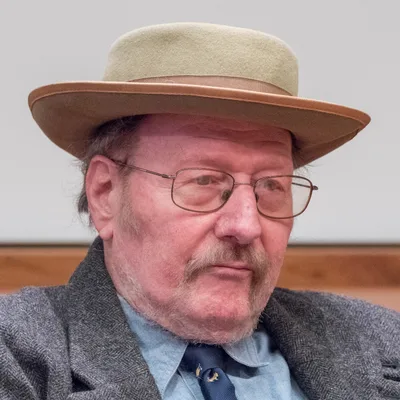

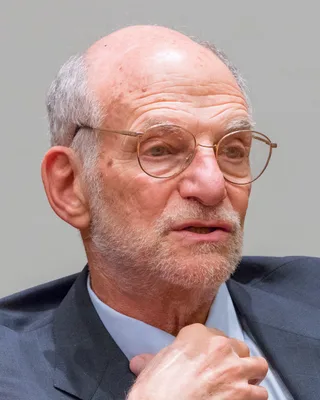
In 2017 Hall shared the Nobel Prize in Physiology or Medicine with Michael Rosbash and Michael W. Young “for their discoveries of molecular mechanisms controlling the circadian rhythm.” Order of authorship…
1970 CE
#6889
A restriction endonuclease from Hemophilus influenzae. II. Base sequence of the recognition site.
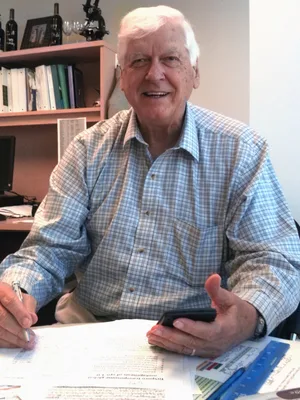
Discovery of the first type II restriction enzyme (HindII). Smith shared the 1978 Nobel Prize in Physiology or Medicine with Werner Arber and Daniel Nathans "for the discovery of restriction enzymes and their applicat…
1955 CE
#13685
A small particulate component of the cytoplasm.
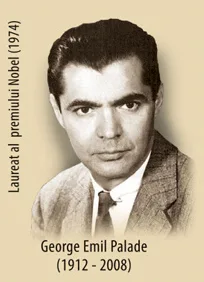
Palade first described the association of what were subsequently determined to ribosomes with membranes. He and Keith Porter subsequently named this structure the endoplasmic reticulum. Digital facsimile from PubMedCe…
1832 CE–1833 CE
#480
Abhandlungen zur Bildungs-und Entwicklungs-Geschichte der Menschen und der Thiere. 2 pts.
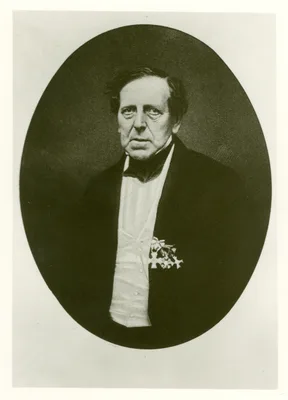
Rathke’s most notable discovery was of structures homologous with gill slits in bird and mammalian embryos. He discredited the vertebral theory of the skull.
1977 CE
#11043
An amazing sequence arrangement at the 5' ends of adenovirus 2 messenger RNA.
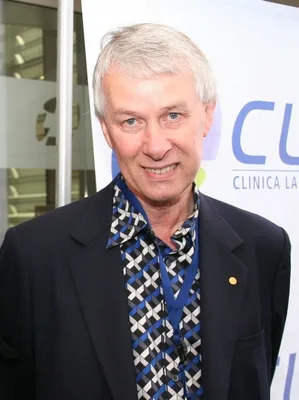
Discovery of introns. In 1993 Roberts shared the Nobel Prize in Physiology or Medicine with Phillip A. Sharp "for their discoveries of split genes." It was frequently suggested that Chow deserved a share of that prize…
1895 CE
#8653
An atlas of the fertilization and karyokinesis of the ovum.
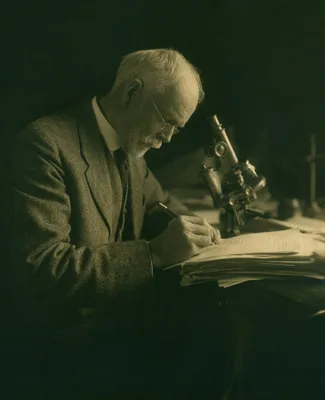
The first atlas of photomicrographs showing fertilization and cellular development during mitosis. The photomicrographs were taken by Leaming. Digital facsimile from the Internet Archive at this link.
1927 CE
#251.1
Artificial transmutation of the gene.
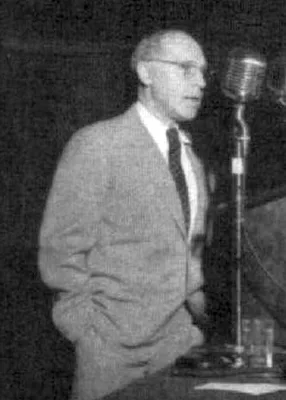
Muller showed that radiation causes mutations that are passed on from one generation to the next. This was the first suggestion that inherited traits might be altered or controlled, and it created a sensation: “…
2005 CE
#14257
Autonomous function of synaptotagmin 1 in triggering synchronous release independent of asynchronous release.
Südhof is credited with discovering much of the machinery mediating neurotransmitter release and presynaptic plasticity, beginning with the discovery of symaptotagmins and their role in neurostrasmitter release f…
1865 CE
#6938
Catalogue de la superbe bibliothèque d'ethnographie, de zoologie, d'anatomie comparée, etc....
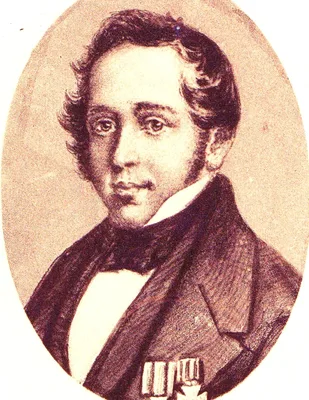
The auction catalogue of Vrolik's library, sold two years after his death, organized by subject. Prefaced by an essay about Vrolik's life and work by J. van der Hoeven, and a chronological list of Vrolik's publication…
1961 CE
#256.11
Characteristics and stabilization of DNAase-sensitive protein synthesis in E. coli extracts.
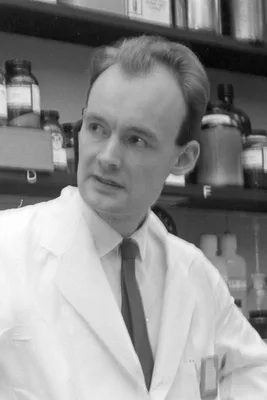
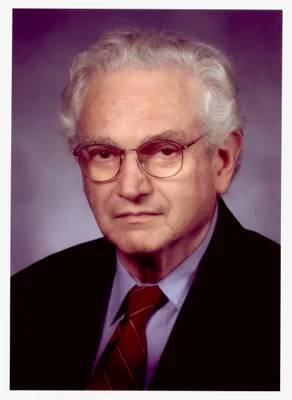
With Matthaei, Nirenberg demonstrated that messenger RNA is required for protein synthesis, and that synthetic messenger RNA preparations can be used to decipher various aspects of the genetic code. Nirenberg first re…
1908 CE
#523
Contributions to the study of the early development and imbedding of the human ovum. An early ovum imbedded in the decidua.
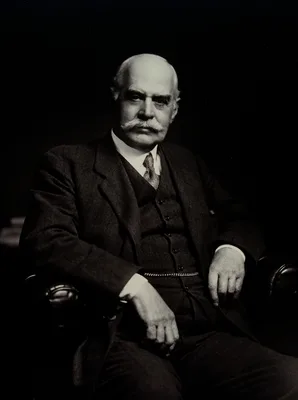
The “Bryce-Teacher ovum”, age estimated at 13-14 days.
1983 CE
#14254
Cyclin: A protein specified by maternal mRNA in sea urchin eggs that is destroyed at each cleavage division.
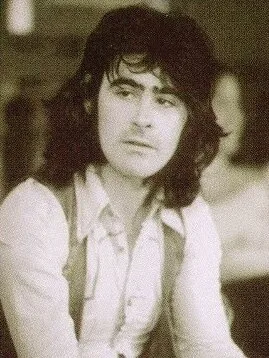
"It was at Woods Hole around July 1982, using Arbacia sea urchin eggs as his model organism, that he discovered cyclin proteins.[12] Cyclins play a key role in regulating the cell-division cycle.[16] Hunt was observin…
1922 CE–1931 CE
#7649
Das Leben des Menschen. Eine volkstümliche Anatomie, Biologie, Physiologie und Entwicklungsgeschichte des Menschen. 5 vols.
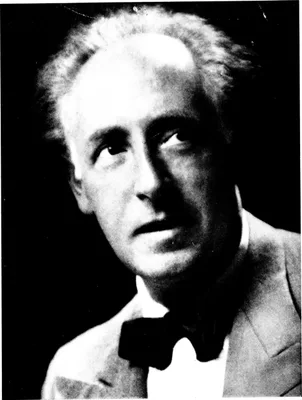
By developing a new infographics style of illustration in which physiological processes and other technical medical and biological concepts were often depicted as, or compared to machines, Kahn made medical and biolog…
1476 CE
#274
De animalibus. Translated by Theodorus Gaza. Edited by Ludovicus Podocarthus.
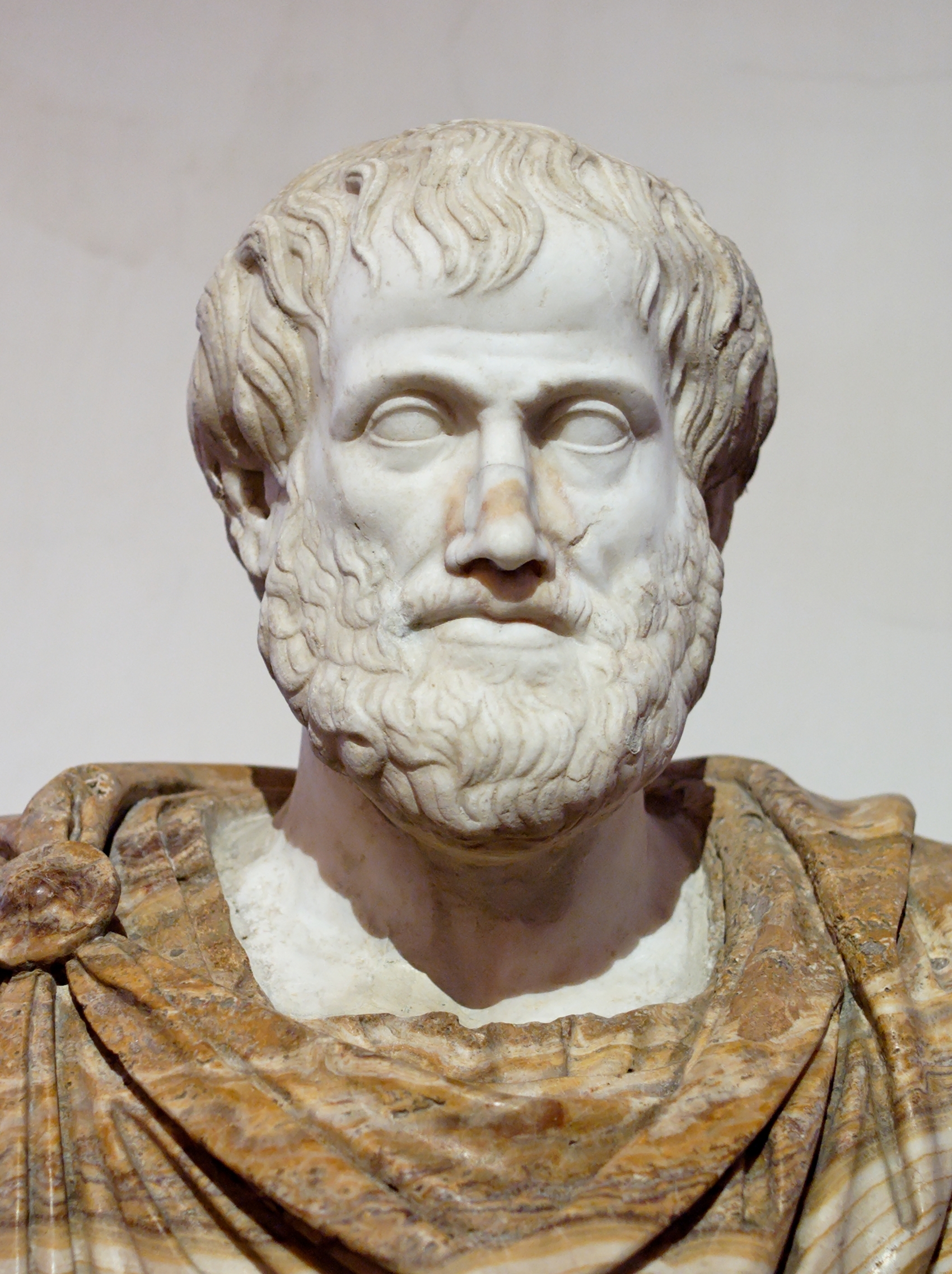
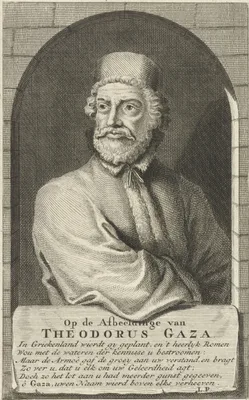
Includes Aristotle's De historia animalium, De partibus animalium, and De generatione animalium. Aristotle was the first scientist to gather empirical evidence about the biological world through observation. By his ca…
1839 CE
#541
De formatione granulosa in nervis aliisque partibus organismi animalis.
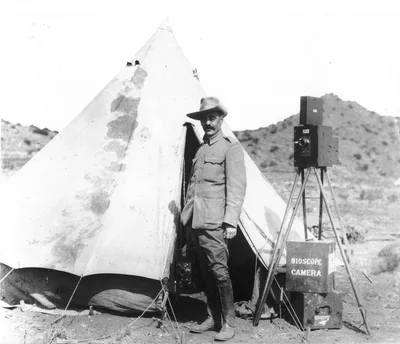
In 1839 Purkynĕ was the first to use the term protoplasma, by which he described the embryonic ground substance. This fact is recorded in the inaugural dissertation of one of his students, J. Rosenthal.
1824 CE
#145.56
De l’influence des agens physiques sur la vie.
Edwards studied the influence of environmental factors on animal life, concluding that vital processes depend on external physical and chemical forces but are not entirely controlled by them. The work includes an acco…
1559 CE
#378.1
De re anatomica libri xv.
Colombo was a pupil of Vesalius, and succeeded him in the chair of anatomy at Padua before proceeding to chairs first at Pisa and later at Rome. His book, published just after his death, rectified a number of anatomic…
1858 CE
#12256
Des appareils l'electriques des poissons l'electriques. 2 vols. (Text and atlas).
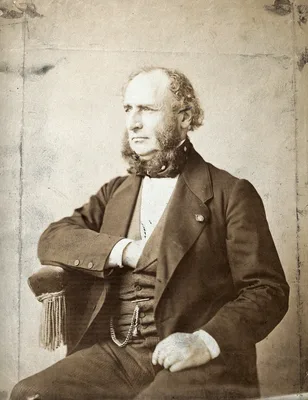
Digital facsimile of the text from the Hathi Trust at this link.
1881 CE
#502
Die Coelomtheorie. Versuch einer Erklärung des mittleren Keimblattes.
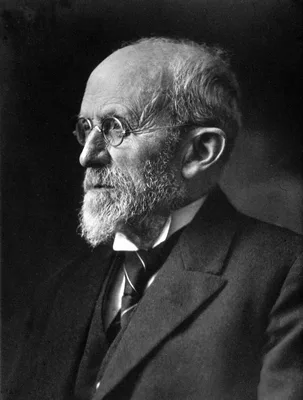
The Hertwig brothers formulated the “coelom” theory to account for the classification and phylogeny of metazoan animals. Digital facsimile from the Internet Archive at this link.
1946 CE
#14138
Die Tänze der Bienen.
Von Frisch discovered the waggle dance, a particular figure-eight dance of honey bees by which successful foragers can communicate information with other members of their colony about the direction and distance to pat…
1976 CE
#2660.28
DNA related to the transforming gene(s) of avian sarcoma viruses is present in normal avian DNA.
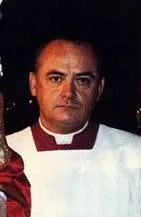
Discovery of the first “oncogene. In 1989 Varmus and Bishop shared the Nobel Prize for in Physiology or Medicine "for their discovery of the cellular origin of retroviral oncogenes."
2008 CE
#8308
Embodiments of will: Anatomical and physiological theories of voluntary animal motion from Greek antiquity to the Latin Middle Ages, 400 B.C - A.D.1300.
1998 CE
#13286
Embryonic stem cell lines derived from human blastocysts.
Thomson and collaborators first isolated embryonic stem cells from human blastocysts. Order of authorship in original publication: Thomson, Itskovitz-Eldor, Shapiro et al. Available online from science.sciencemag.org …
1956 CE
#752.4
Enzymic synthesis of deoxyribonucleic acid.
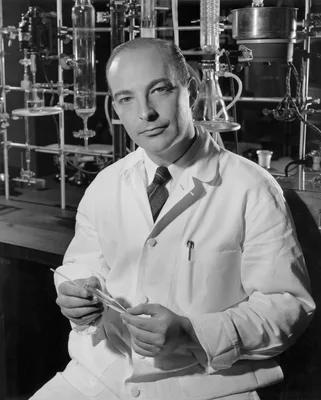
In 1959 Kornberg shared the Nobel Prize in Physiology or Medicine with Severo Ochoa "for their discovery of the mechanisms in the biological synthesis of ribonucleic acid and deoxyribonucleic acid." Order of authorshi…
1671 CE
#294.1
Esperienze intorno a diverse cose naturali…
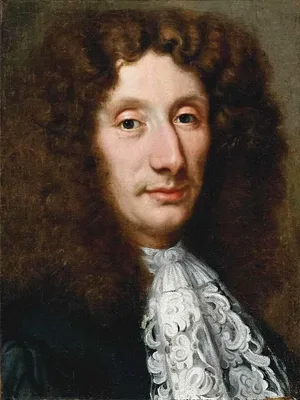
Includes the first scientific study of an electric fish. While the torpedo’s peculiar properties had provoked scientific speculation since at least the time of Aristotle, Redi was the first to perform an actual …
1967 CE
#534.3
Essays in the history of embryology and biology.
1981 CE
#13285
Establishment in culture of pluripotential cells from mouse embryos.
Evans and Kauffman were the first to identify, isolate and successfully culture embryonic stem cells using mouse blastocysts. This discovery opened the doors to the creation of “murine genetic models” -- m…
1575 CE
#4964
Examen de ingenios para las ciencias.
Huarte was a distinguished Spanish physician and psychologist. His Examen, which gained for him a European reputation, was the first attempt to show the connection between psychology and physiology. English translatio…
1959 CE
#14141
Factors affecting the activity of muscle phosphorylase b kinase.
In 1992 Krebs and Fischer were awarded the Nobel Prize in Physiology or Medicine "for their discoveries concerning reversible protein phosphorylation as a biological regulatory mechanism." Digital facsimile from PubMe…
1818 CE
#9692
Frankenstein; or, the modern prometheus. 3 vols.
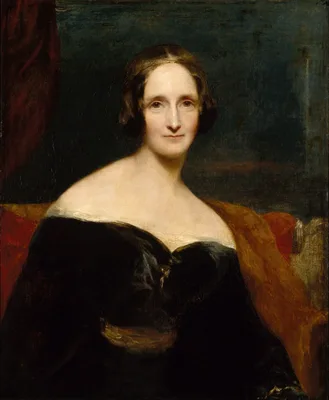
The full digitized text of the 1818 is available from the Internet Archive at this link.
1975 CE
#2660.27
From the molecular biology of oncogenic DNA viruses to cancer. Les Prix Nobel en 1975, pp. 172-80.
In 1975 Dulbecco shared the Nobel Prize in Physiology or Medicine with David Baltimore and Howard Martin Temin "for their discoveries concerning the interaction between tumour viruses and the genetic material of the c…
1941 CE
#254.3
Genetic control of biochemical reactions in Neurospora.
Beadle and Tatum proposed the "one gene, one enzyme" hypothesis in 1941. This was a restatement of ideas originally proposed by Archibald Garrod (No. 244.1) in 1908. 1958 Beadle and Tatum shared the Nobel Prize in Phy…
1976 CE
#14253
Genetic control of the cell division cycle in the fission yeast Schizosaccharomyces pombe.
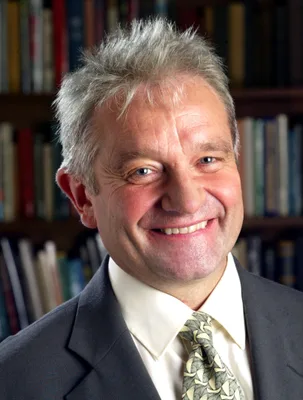
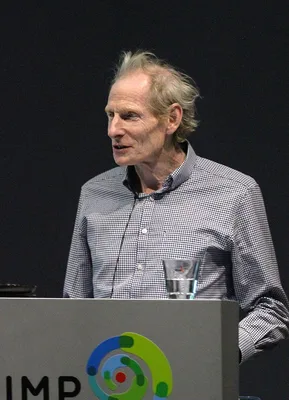
"Beginning in 1976, Nurse identified the gene cdc2 in fission yeast (Schizosaccharomyces pombe). This gene controls the progression of the cell cycle from G1 phase to S phase and the transition from G2 phase to mitosi…
1974 CE
#13934
Genetic control of the cell division cycle in yeast.

In 2001 Hartwell shared the Nobel Prize in Physiology or Medicine with Tim Hunt and Sir Paul M. Nurse "for their discoveries of key regulators of the cell cycle." See also No. 13933. In this paper the authors demonstr…
1949 CE
#2526.1
Genetic recombinations leading to production of active bacteriophage from ultraviolet inactivated bacteriophage particles.
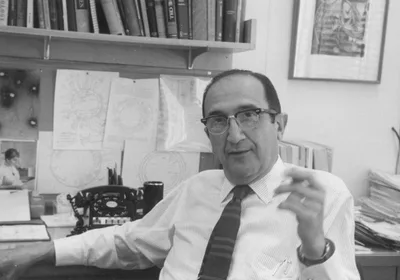
In 1969 Luria shared the Nobel Prize in Physiology or Medicine in with Delbrück (No. 2578.5) and A. D. Hershey (No. 256) "for their discoveries concerning the replication mechanism and the genetic structure of vi…
1961 CE
#256.9
Genetic regulatory mechanisms in the synthesis of proteins.
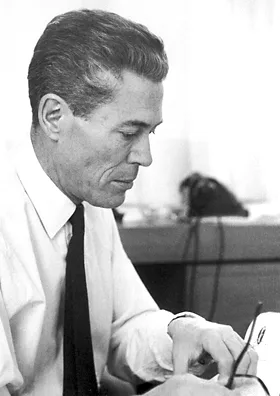
In 1965 Jacob, Monod, and André Lwoff shared the Nobel Prize in Physiology or Medicine "for their discoveries concerning genetic control of enzyme and virus synthesis."
1953 CE
#256.4
Helical structure of crystalline deoxypentose nucleic acid.
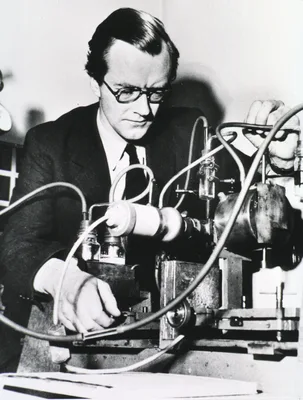
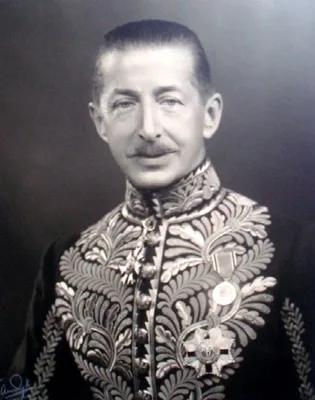
In 1962 Wilkins shared the Nobel Prize in Physiology or Medicine with Crick and Watson "for their discoveries concerning the molecular structure of nucleic acids and its significance for information transfer in living…
1590 CE
#2244
Historia natural y moral de las Indias.
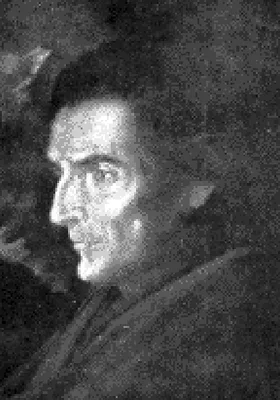
One of the earliest detailed and realistic descriptions of the New World. Acosta hypothesized that the indigenous peoples of Latin America had migrated from Asia. He also divided the native peoples into three barbaria…
2003 CE
#12195
Human survival: Life and death in extreme environments.
1973 CE
#11074
Identification of a novel cell type in peripheral lymphoid organs in mice. I. Morphology, quantitation, tissue distribution.
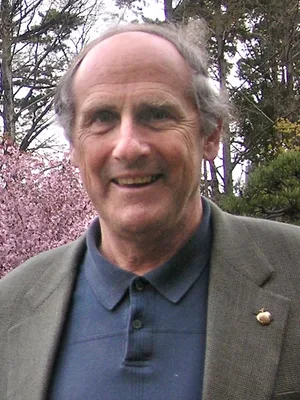
Order of authorship in the original publication: Steinman, Cohn. In this paper Steinman announced his discovery of the dendritic cell. Digital facsimile from PubMedCentral at this link. In 2011 Steinman received half …
1985 CE
#8388
Identification of a specific telomere terminal transferase activity in Tetrahymena extracts.
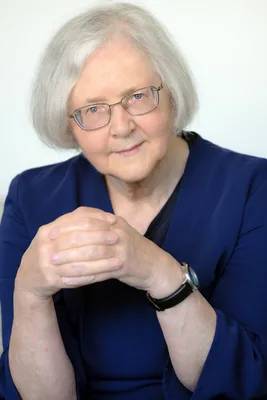
Blackburn and Grieder discovered telomerase in the ciliate Tetrahymena. In 2009 Blackburn and Grieder shared the Nobel Prize in Physiology or Medicine with Jack W. Szostak "for the discovery of how chromosomes are pro…
1952 CE
#256
Independent functions of viral protein and nucleic acid in growth of bacteriophage.
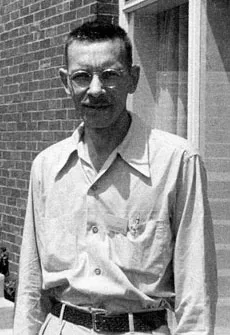
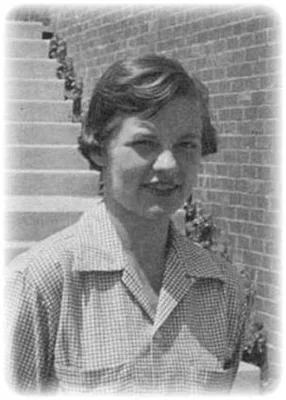
DNA shown to be the carrier of genetic information in virus reproduction. In 1969 Hershey shared the Nobel Prize in Physiology or Medicine with S. E. Luria and M. Delbrück for "for their discoveries concerning th…
1946 CE
#2578.5
Induced mutations in bacterial viruses.
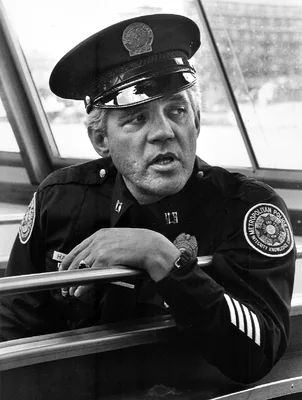
Genetic recombination in bacteriophages. In 1969 Delbrück shared the Nobel Prize with A. D. Hershey and S. E. Luria "for their discoveries concerning the replication mechanism and the genetic structure of viruses."
2006 CE
#13287
Induction of pluripotent stem cells from mouse embryonic and adult fibroblast cultures by defined factors.
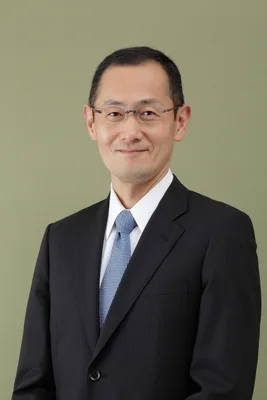
Takahashi and Yamanaka reprogrammed mice fibroblast cells, which can produce only other fibroblast cells, to become pluripotent stem cells, which have the capacity to produce many different types of cells. This they a…
1934 CE
#6622.1
John Keats’s anatomical and physiological note book …edited by Maurice Buxton Forman.
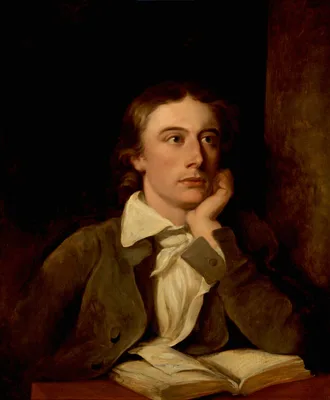
Keats was a pupil and dresser at Guy’s Hospital from 1815-16, and was licensed to practice upon completion of his studies. While struggling to launch his poetic career he was often tempted to practice medicine, …
1952 CE
#366
Leonardo da Vinci on the human body. The anatomical, physiological, and embryological drawings of Leonardo da Vinci. With translations, emendations, and biographical introduction by Charles D. O'Malley and J. B. de C. M. Saunders.
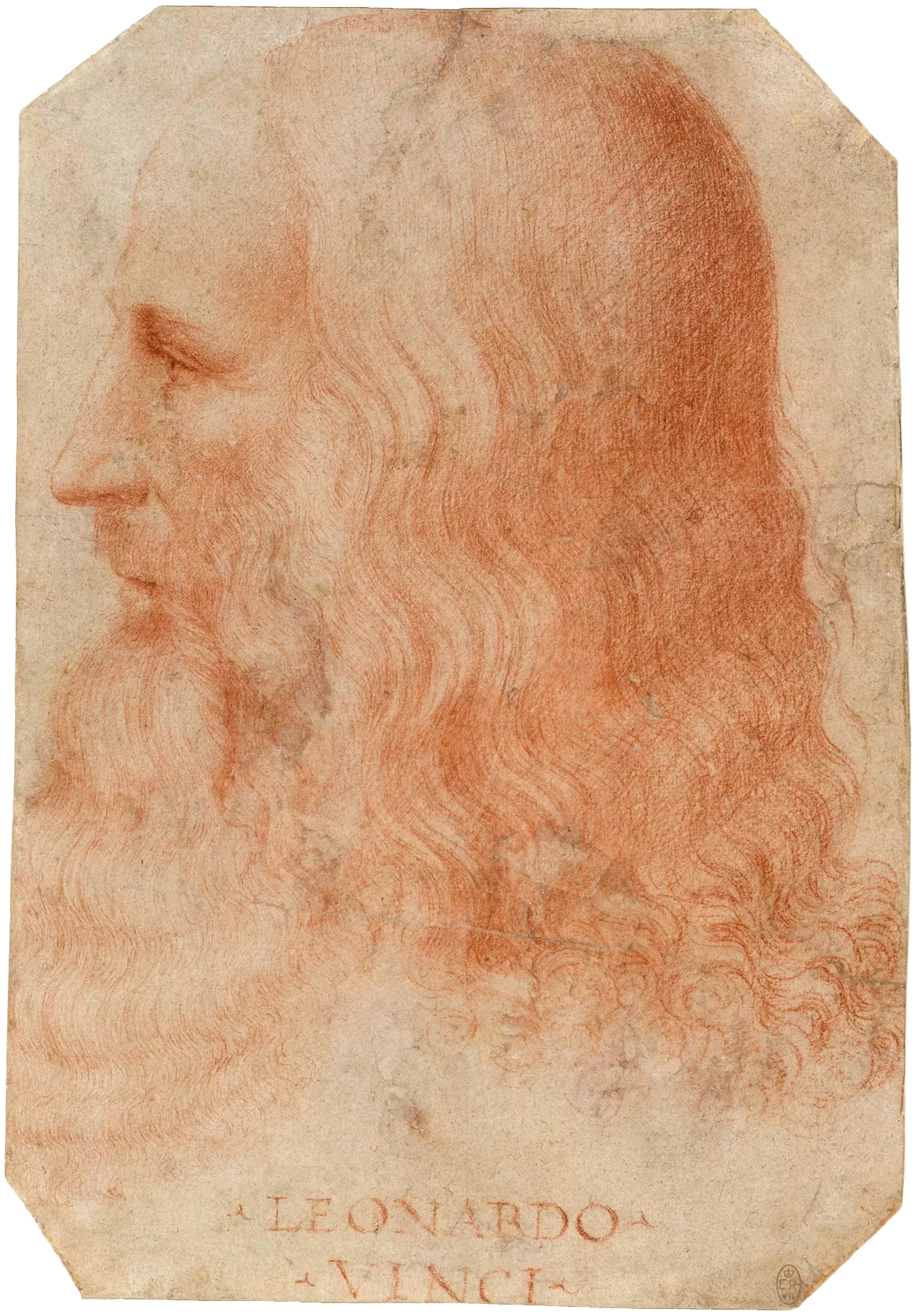
Includes 215 plates.