
Facets
Browse across eight MeSH (opens in new tab) facets — era, geography, science, specialty, technology, history, culture, and reference. Select one tag per group; counts update across the others.
Clear filtersFacet filters
Geography
Specialties & Disease
- Anatomy & Pathology 37
- Cardiology & Blood 5
- Neurology & Psychiatry 5
- Obstetrics & Reproductive 0
- Infectious Disease (General) 4
- Surgery & Anesthesia 2
- Public Health 64
- Immunology & Dermatology 15
- General Clinical Medicine 12
- Military Medicine 22
- Psychology 5
- Alternative & Fringe Medicine 5
- Pediatrics 1
- Ophthalmology & Vision 0
- ENT & Hearing 1
- Urology & Nephrology 2
- Gastroenterology & Hepatology 1
- Pulmonary & Respiratory 2
- Rheumatology, Rehab & Pain 2
- Internal, Emergency & Geriatric 0
- Veterinary Medicine 2
- Epidemiology & Demography 17
- Physiology & Embryology 10
- Dentistry 3
- Plagues & Epidemics 17
- Microbiology & Virology 48
Social & Historical Studies
Institutions & Culture
Reference & Scholarly Works
Drugs & Technology
15 entries match Immunology & Dermatology [C19 / C20 / C17] · Natural History & Evolution [K01.900.500]
1784 CE
#2734.4
A treatise on the diseases of children.
Underwood laid the foundation of modern pediatrics. His work was superior to anything that had previously appeared and remained the most important book on the subject for sixty years, passing through many editions. Th…
1986 CE
#4158.3
Introduction to the history of medical and veterinary mycology.
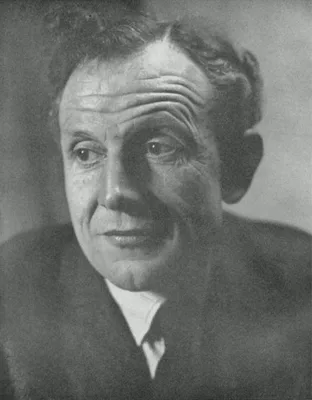
Authoritative and well-illustrated history with excellent chronological bibliography.
1863 CE
#3914
Letter on corpulence; address to the public.
Banting, a prominent English undertaker, and formerly obese, was the first to popularize a weight loss diet based on limiting intake of refined and easily digestible carbohydrates. He changed his diet at the suggestio…
1652 CE
#3737
Observationes medicae.
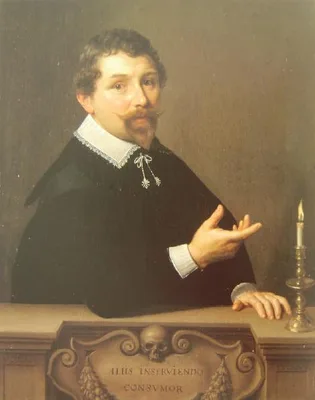
One of the earliest accounts of beri-beri is on pp. 300-05 of this work. Tulp, notable as the demonstrator in Rembrandt’s “Anatomy Lesson”, was among the first, in the same book, to describe the ileo…
1922 CE–1939 CE
#83
Œuvres de Pasteur, réunies par Pasteur Vallery-Radot. 7 vols.
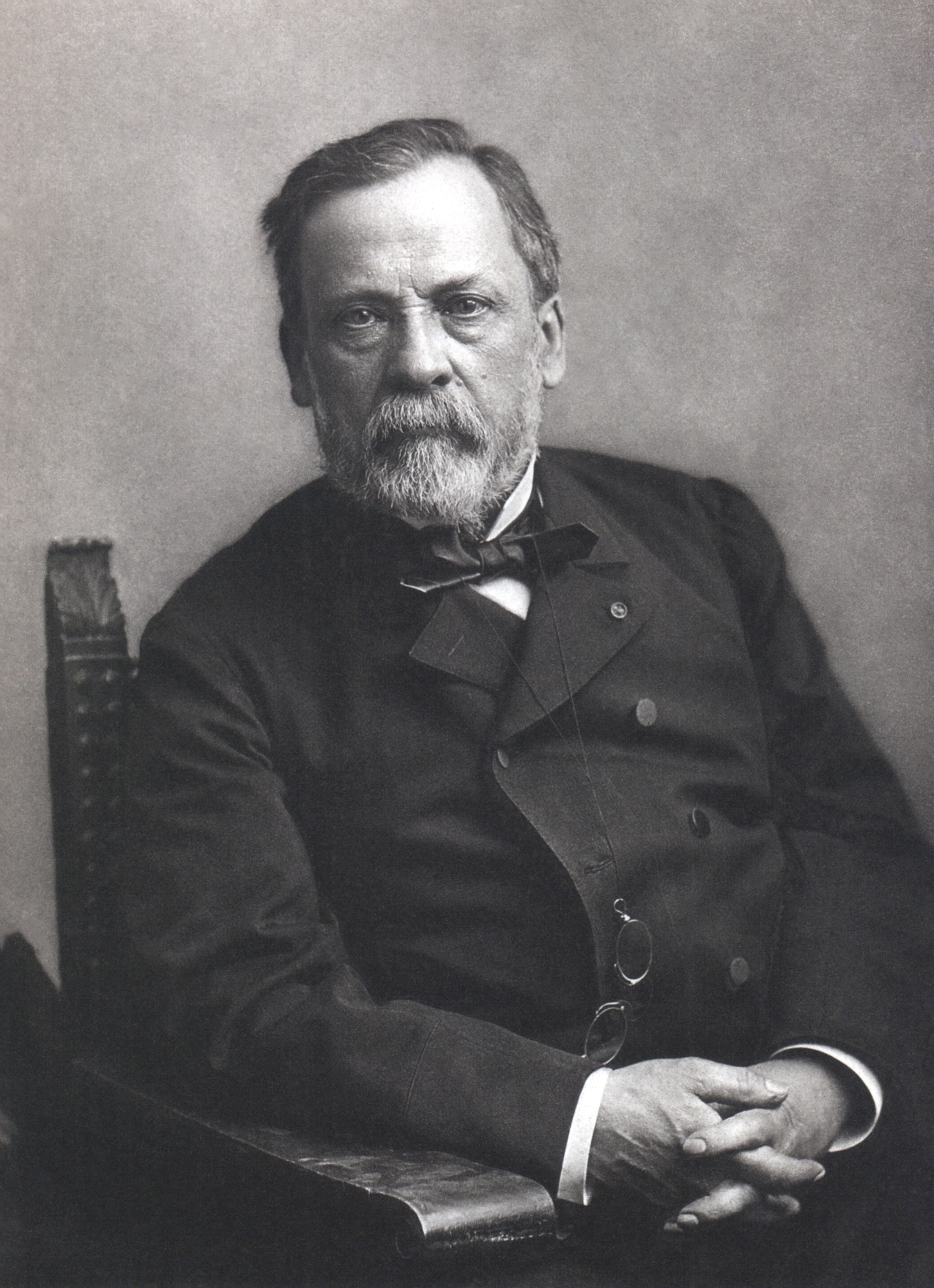
One of the founders of bacteriology, Pasteur's work on fermentation, the doctrine of spontaneous generation (which he exploded), virus diseases and preventive vaccinations, was fundamental. Digital facsimile of the co…
1861 CE
#4047
On a new and striking form of fungus disease, principally affecting the foot, and prevailing endemically in many parts of India.
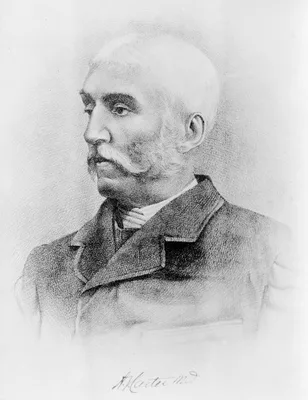
First modern description of mycetoma of the foot – “Madura foot”, “Carter’s mycetoma”. It was mentioned by E. Kaempfer in his Amoenitates exoticae, Lemgo, 1712, p. 561. Colebrook at…
1874 CE
#4066
On mycetoma, or the fungus disease of India.
See No. 4047.
1898 CE
#4127
On refractory subcutaneous abscesses caused by a fungus possibly related to the sporotricha.
Schenck first described a form of sporotrichosis, due to a pathogenic fungus, which later became known as Sporotrichum beurmanni, after more thorough studies upon it by de Beurmann in 1903.
1846 CE
#4039
Pilzbildung in der Pityriasis versicolor.
Eichstedt discovered Pityrosporum orbiculare, fungus of pityriasis versicolor (“Eichstedt’s disease”).
1856 CE
#4044
Pityriasis pilaris, maladie de peau non décrite par les dermatologistes.
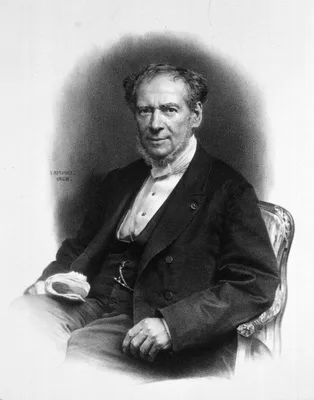
Devergie is remembered for his clear description of pityriasis rubra pilaris, (“Devergie’s disease”). He was the first to demonstrate the presence of a fungus in eczema marginatum.
1843 CE
#4035
Recherches sur la nature, le siège et le développement du Porrigo decalvans ou phytoalopécie.
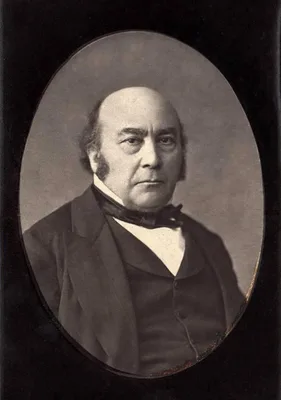
First accurate description of Microsporon audouini, the fungus of Willan’s porrigo decalvans, tinea tonsurans, “Gruby’s disease”.
1844 CE
#4036
Recherches surles cryptogames qui constituent la maladie contagieuse du cuir chevelu décrite sous le nom de Teigne tondante (Mahon). Herpes tonsurans (Cazenave).
Gruby discovered a fungus, Trichophyton tonsurans, in ringworm of the scalp.
1842 CE
#4034
Sur une espèce de mentagre contagieuse résultant du développement d’un nouveau cryptogame dans la racine des poils de la barbe de l’homme.
First accurate description of Trichophyton mentagrophytes, the fungus responsible for sycosis barbae. English translation of this and Gruby’s other five papers read to l’Académie des Sciences in Zak…
1900 CE
#4131.1
Un nuevo esporozoario parásito del hombre. Dos casos encontrados en pólipos nasales: Tesis presentada para optar al grado de doctor en medicina.
Rhinosporidiosis first described. Digital facsimile from bibliomedicinadigital.fmed.uba.ar at this link.
1839 CE
#4029
Zur Pathogenie der Impetigines.
The discovery of a fungus as the cause of favus (Achorion schönleinii). Schönlein communicated this important discovery in a letter of less than 200 words and one illustration. It represents the first conspi…