
Facets
Browse across eight MeSH (opens in new tab) facets — era, geography, science, specialty, technology, history, culture, and reference. Select one tag per group; counts update across the others.
Clear filtersFacet filters
Geography
Specialties & Disease
- Anatomy & Pathology 2
- Cardiology & Blood 43
- Neurology & Psychiatry 9
- Obstetrics & Reproductive 29
- Infectious Disease (General) 0
- Surgery & Anesthesia 78
- Public Health 3
- Immunology & Dermatology 4
- General Clinical Medicine 7
- Military Medicine 5
- Psychology 2
- Alternative & Fringe Medicine 0
- Pediatrics 2
- Ophthalmology & Vision 25
- ENT & Hearing 25
- Urology & Nephrology 11
- Gastroenterology & Hepatology 9
- Pulmonary & Respiratory 14
- Rheumatology, Rehab & Pain 2
- Internal, Emergency & Geriatric 13
- Veterinary Medicine 0
- Epidemiology & Demography 1
- Physiology & Embryology 38
- Dentistry 22
- Plagues & Epidemics 5
- Microbiology & Virology 0
Social & Historical Studies
Institutions & Culture
Reference & Scholarly Works
311 entries match Instruments & Devices [E07]
1594 CE
#3669
La chirurgie françoise recueillie des antiens médecins et chirurgiens.
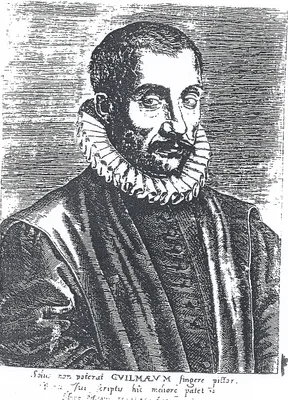
Guillemeau was Paré’s son-in-law. His splendidly illustrated work is of special importance for dentistry and for surgery for cleft lip. It describes pyorrhea alveolaris for the first time and is also the …
1891 CE
#639
La fatica.
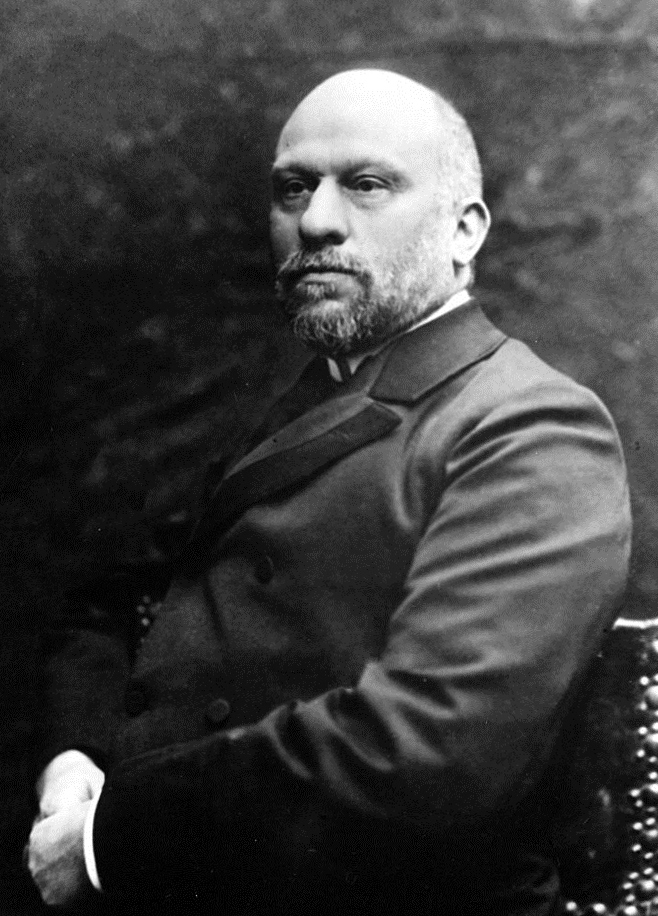
Mosso investigated muscular fatigue with the ergograph of his invention. He showed fatigue to be due to a toxin produced by muscular contraction. English translation, 1906.
1878 CE
#7294
La méthode graphique dans les sciences expérimentales et particulièrement en physiologie et en médecine.
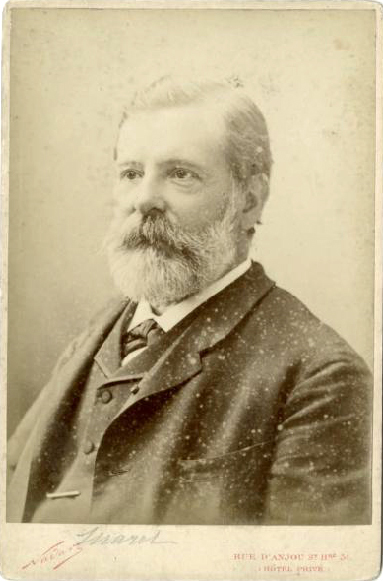
Marey pioneered the use of graphical recording in the experimental sciences, using instruments (many of his own invention) to capture and display data impossible to observe with the senses alone, and to record the pro…
1884 CE
#10113
La paura.
Mosso conducted experiments with special equipment, which he devised to suit the requirements of the studies. He pursued two main lines of research: the analysis of motor functions and the relationship between physiol…
1982 CE
#11055
Laennec: Catalogue des manuscrits scientifiques
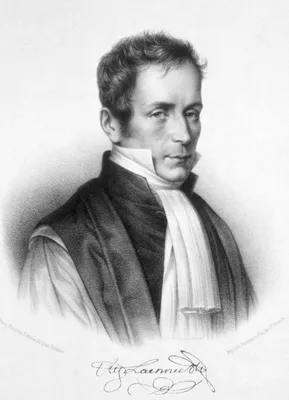
Documents manuscripts by Laennec preserved in the Archives de l'Académie des Sciences, and Musée Laennec de la Bibliothèque Universitaire de Nantes, Section médecine-pharmacie.
1990 CE
#7135
Laser in situ keratomileusis.
Though several researchers developed the procedures for using an excimer laser to perform in situ karatomileusis (LASIK), "Pallikaris also independently conceived of a hinged flap using a microkeratome he had specific…
1834 CE
#2748.2
Le sphygmomètre; instrument qui traduit à l’oeil toute l’action des artères.
Hérisson invented an instrument for recording blood pressure. Translated into English as The sphygmometer, an instrument which renders the action of the arteries apparent to the eye. A memoir... with an improve…
1889 CE
#4184
Lehrbuch der Kystoskopie.
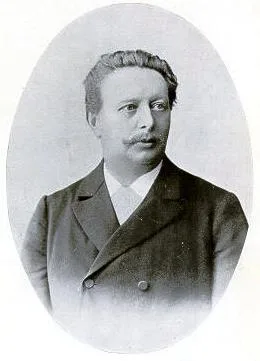
Nitze introduced the cystoscope in 1877 (see No. 4175) and in 1889 published his important monograph on cystoscopy.
1890 CE
#636
Les lois de la fatigue étudiées dans les muscles de l’homme.
Mosso invented the ergograph from the study of voluntary contraction. The description of the instrument is on pages 124-41 of the above article.
1806 CE
#2672.1
Lichtleiter, eine Erfindung zur Anschauung innerer Theile und Krankheiten nebst der Abbildung.
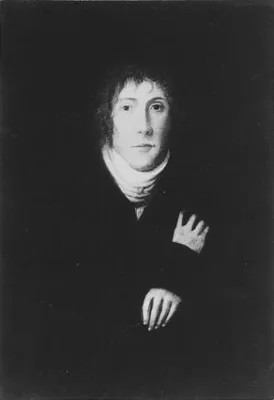
Bozzini introduced a speculum in which the idea of illumination and reflection by mirrors was utilized. English translation in Urology, 1974, 3, 119-23. Bozzini published his work in book form, Der Lichtleiter, Weimar…
2001 CE
#7191
Machines in our hearts: The cardiac pacemaker, the implantable defibrillator, and American health care.
1867 CE
#10718
Mechanical therapeutics. A practical treatise on surgical apparatus, appliances, and elementary operations; embracing bandaging, minor surgery, orthopraxy, and the treatment of fractures and dislocations.
Digital facsimile from the Hathi Trust at this link.
1797 CE
#1988
Medical reports, on the effects of water, cold and warm, as a remedy in fever and febrile diseases.
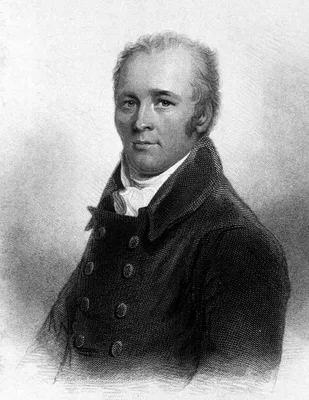
Currie was among the first in Britain to use cold water packs in the treatment of fever. He made some original observations on the clinical use of the thermometer. It was Currie who first edited Robert Burns’s C…
1985 CE
#11533
Medical thermometry--a short history.
Available from PubMedCentral at this link.
1870 CE
#2679
Medical thermometry.
Allbutt introduced the modern clinical thermometer.
1981 CE
#2682.55
Medicine and its technology: an introduction to the history of medical instrumentation.
2008 CE
#10187
Medicine and technology in Canada, 1900-1950.
1978 CE
#2682.52
Medicine and the reign of technology.
1983 CE
#6485.63
Medizinische Instrumente aus Sepulkralfunden der römischen Kaiserzeit.
1784 CE
#592
Mémoire sur la chaleur.
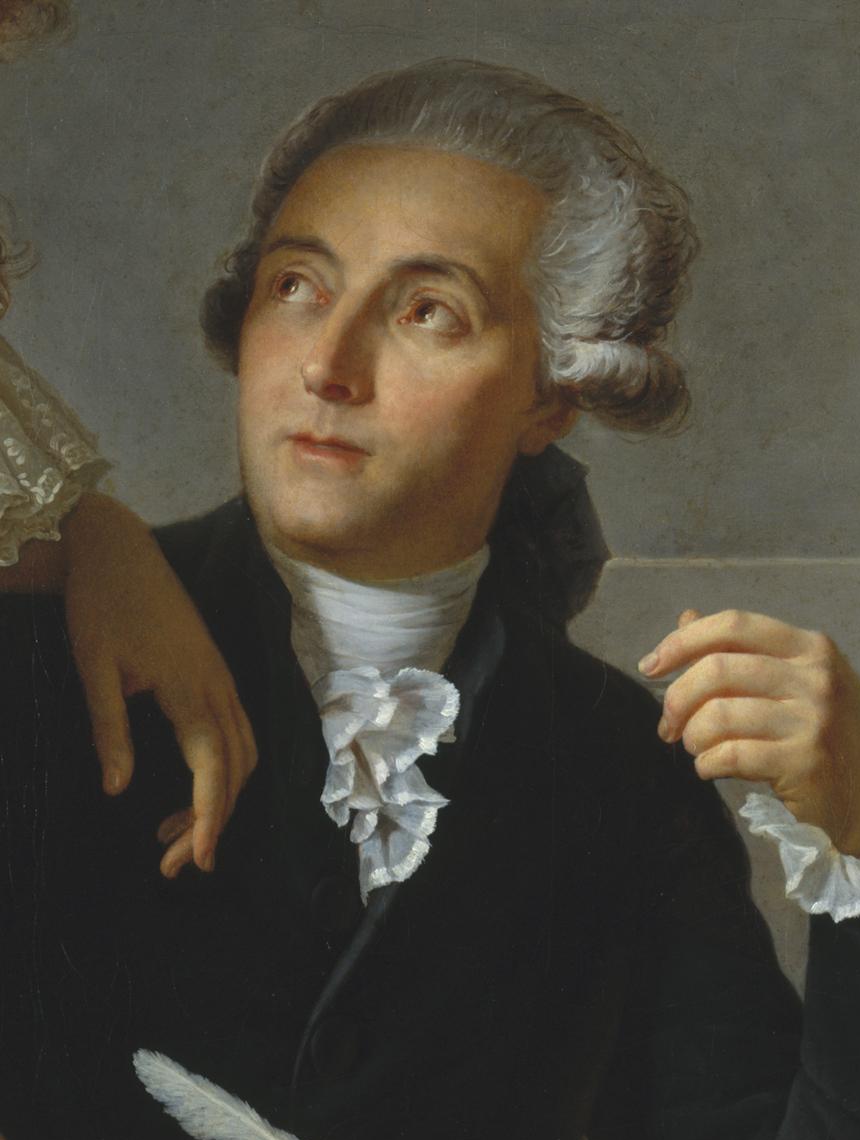
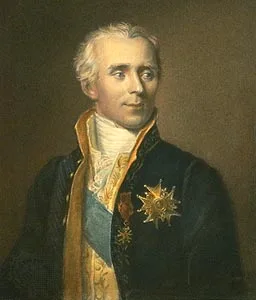
These workers invented an ice calorimeter, with it measured the respiratory quotient of a pig, and demonstrated the analogy between respiration and combustion.
1603 CE
#572.1
Methodi vitandorum errorum omnium, qui in arte medica…
First mention of Santorio’s pulse-clock (“pulsilogium”) and his scale. Through most of the 17th and 18th centuries Santorio’s name was linked with that of Harvey as the greatest figure in physi…
1926 CE
#4273
Minor surgery of the prostate gland; a new cystoscopic instrument employing a cutting current capable of operation in a water medium.
Stern’s resectoscope.
1882 CE
#5922
Neue Instrumente.
Introduction of the keratoscope.
1907 CE
#2825
Neuerung zur Messung des systolischen und diastolischen Druckes.
Fellner suggested the use of the stethoscope in the measurement of systolic and diastolic pressure.
1845 CE
#1968
Neuralgia - introduction of fluid to the nerve.
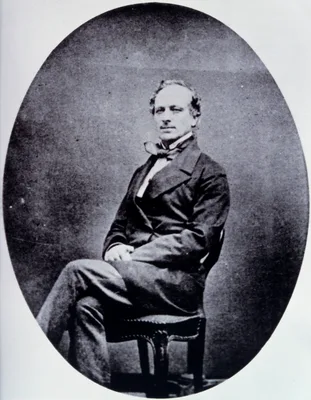
Rynd, an Irish physician, invented the hollow needle used in hypodermic syringes. The description of his instrument is given in Dublin Quart. J. med. Sci., 1861, 32, 13.
1855 CE
#1969
New method of treating neuralgia by the direct application of opiates to the painful joints.
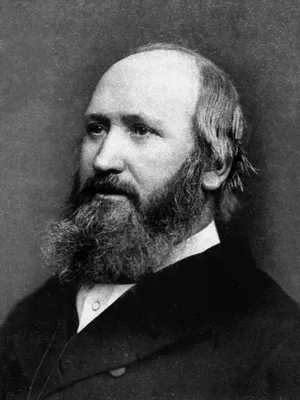
Wood of Edinburgh was the first (1853) to employ hypodermic injection that used a true syringe and hollow needle as a therapeutic procedure. He referred to his invention as "subcutaneous" rather than hypodermic. See a…
1911 CE
#5697
Nitrous oxide-oxygen anaesthesia. With a description of a new apparatus.
Intermittent gas-oxygen machine.
1912 CE
#5698
Nitrous oxide-oxygen-ether anesthesia: notes on administration; a perfected apparatus.
Boothby and Cotton’s flowmeter.
1917 CE–1918 CE
#5700
Nitrous oxide-oxygen-ether outfit.
Boyle’s continous-flow anesthetic machine.
1862 CE
#2166.1
Notes on arrow wounds.
The definitive work on American Indian arrow wounds suffered by U. S. troops and settlers in frontier warfare during the Western expansion of the United States. Bill eventually developed a "Forceps for the Extraction …
1754 CE
#12848
Nouveaux élémens d’odontologie, contenant l’anatomie de la bouche ou la description de toutes les parties qui la composent et de leur usage; et la pratique abrégée du dentiste.
Lecluse treated in a succinct but correct manner the anatomy of the mouth; invented some and perfected other instruments, the most important of which is the elevator that still bears his name, and . . . he frequently …
1863 CE–1865 CE
#4537
Observations on defects of sight in brain disease.
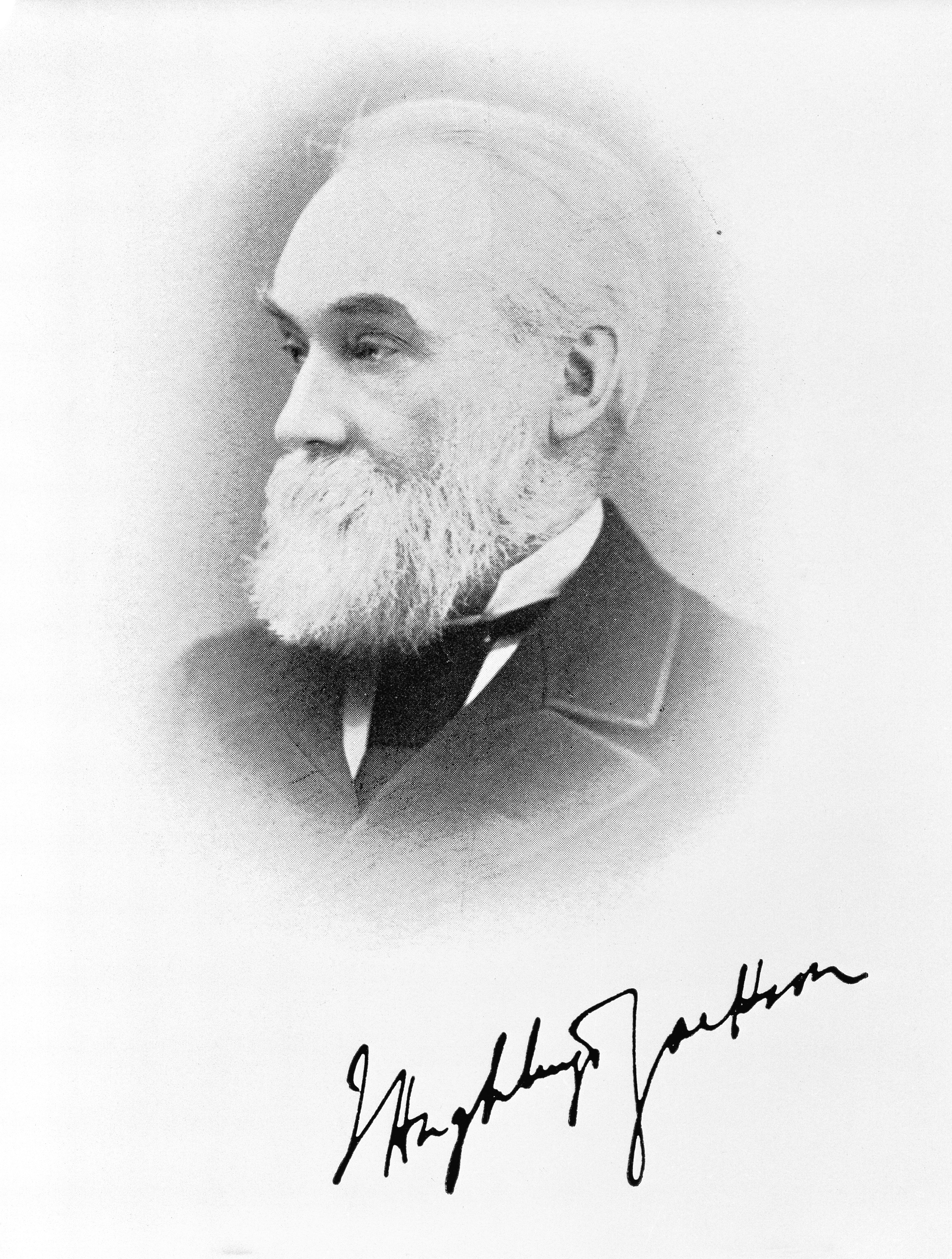
In this work Jackson showed the importance of the ophthalmoscope in the investigation of diseases of the nervous system. Reprinted in Med. Classics, 1939, 3, 918-26.
1854 CE–1855 CE
#3329
Observations on the human voice.
Garcia, a teacher of singing, invented the modern laryngoscope.
1747 CE
#6152
Observations sur les causes et les accidens de plusieurs accouchemens laborieux.
Levret, who improved the obstetric forceps, was a famous teacher in Paris.
1929 CE
#6299.1
Obstetric forceps, its history and evolution.
1955 CE
#14036
Old English silver and its medical interest. Presidential Address, Liverpool Medical Institution, 14th October 1954.
Digital facsimile from wellcomecollection.org at this link.
1952 CE
#3705
Old instruments used for extracting teeth.
1876 CE
#5674
On an apparatus for administering nitrous oxide gas and ether, singly or combined.
Clover’s ether inhaler. See also the same journal, 1877, 1, 69. He invented an inhaler in 1862; this was described, but not by Clover, in Med. Times Gaz., 1862, 2, 149.
1860 CE
#6043.1
On diseases peculiar to women, including displacements of the uterus.
Chapter 5 includes a lengthy description of the “Hodge pessary”. See No. 6185.
1905 CE
#2818
On methods of studying blood pressure.
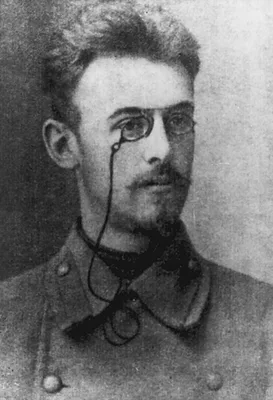
Korotkov introduced the modern method of applying the stethoscope to the brachial artery during blood-pressure examination with Riva-Rocci’s sphygmomanometer, for the purpose of investigating the sounds made by …
1834 CE
#4167
On the anatomy and diseases of the neck of the bladder, and of the urethra.
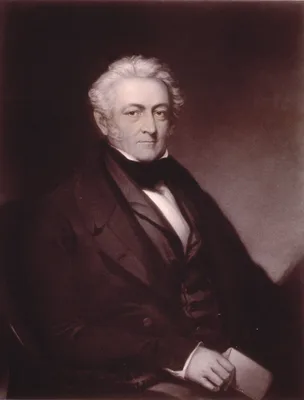
Guthrie was the first to describe non-prostatic obstruction at the neck of the bladder. On p. 252 of the above work is an account of Guthrie’s prostatic catheter for use in trans-urethral prostatectomy.
1846 CE
#930
On the capacity of the lungs, and on the respiratory functions, with a view of establishing a precise and easy method of detecting disease by the spirometer.
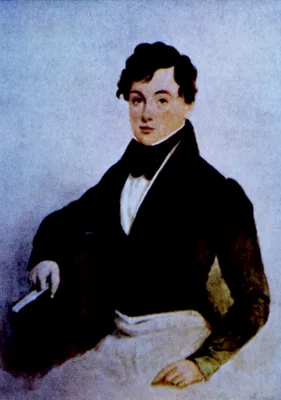
Invention of the spirometer, making possible the determination of the vital capacity of the lungs. Hutchinson used the spirometer while evaluating candidates for life insurance as a physician for Brittania Life. Parti…
1848 CE
#5663
On the inhalation of chloroform and ether. With description of an apparatus.
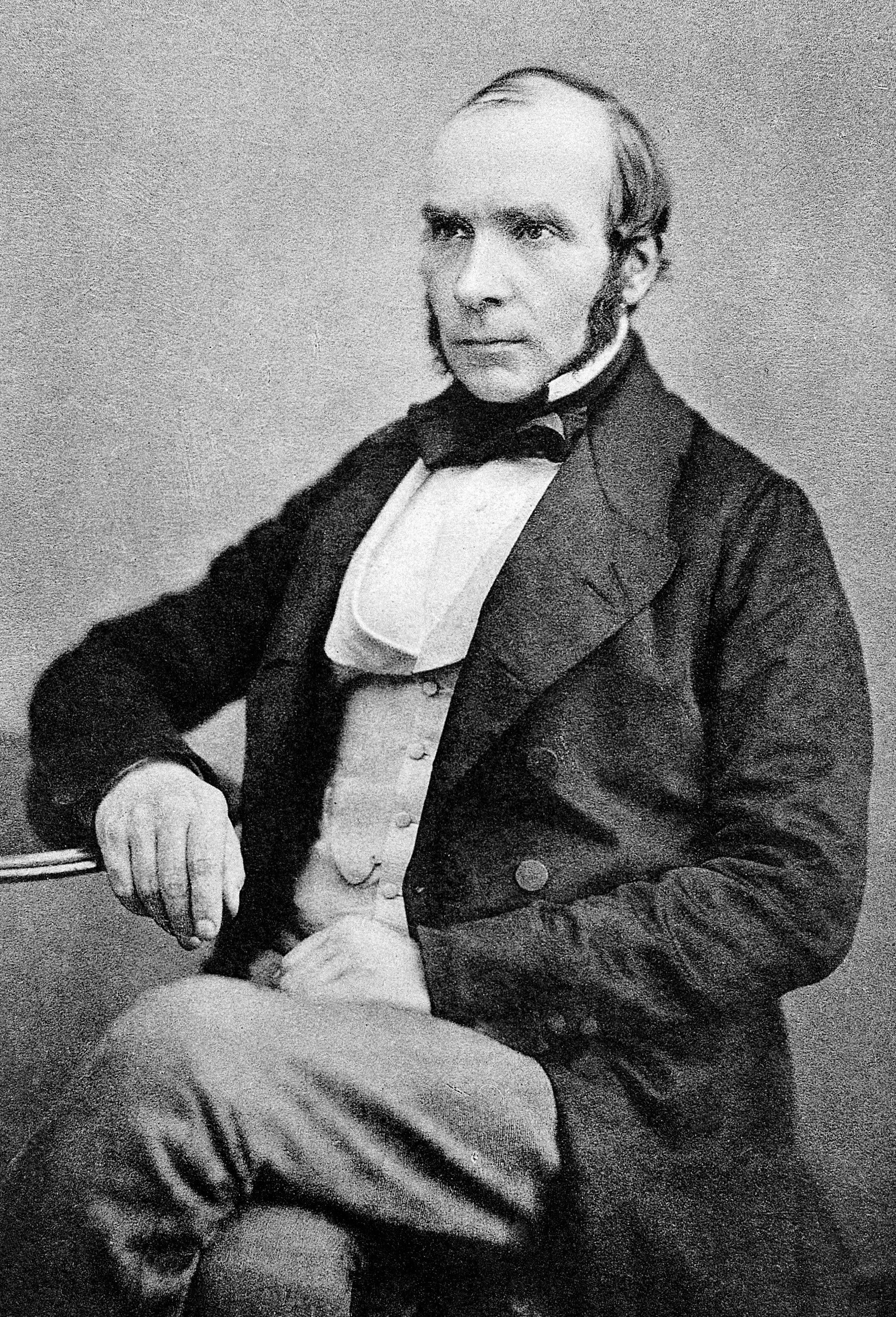
Snow’s chloroform inhaler.
1856 CE
#2676.1
On the self-adjusting double stethoscope.
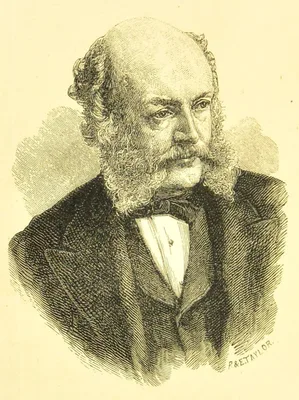
Leared demonstrated a binaural stethoscope at the Great Exhibition, London, 1851. Camman introduced the pattern whose main design continues in use today; this was illustrated in the N.Y. med. Times, Jan. 1855, and rep…
1879 CE–1880 CE
#824
On the time-relations of the excitatory process in the ventricle of the heart of the frog.
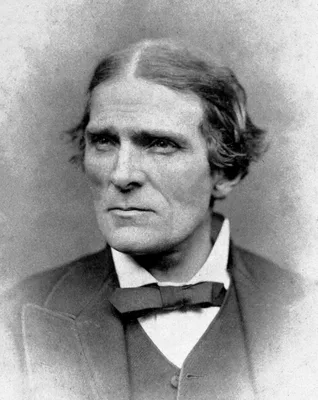
These workers were among the first to study the action currents of the heart, and made the first records (with the capillary electrometer) of the minute electrical current produced by the beating of the heart. See als…
1871 CE
#11545
On the use of the ophthalmoscope in diseases of the nervous system and of the kidneys; also in certain other general disorders.
One of the earliest works on the wider appications of the ophthalmoscope. Digital facsimile from Google Books at this link.
1981 CE
#6007.2
Ophthalmologisch-optische Untersuchungsgeräte.
English translation by F.C. Blodi as The history of optical instruments for the examination of the eye, Bonn: J. P. Wayenborgh, 1986.
1525 CE
#12773
Opuscula nuper in lucem aedita quorum nomina proxima habentur pagella.
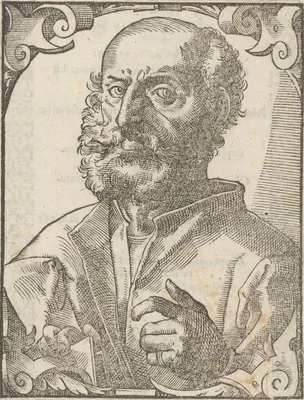
Thomaeus's commentary on Aristotle's Mechanica includes an explanation of the action of a dental forceps illustrated with two small woodcut illustrations on page XXXXI. This was the first printed dental illustration. …
1824 CE
#11599
Original cases with dissections and observations illustrating the use of the stethoscope and percussion in the diagnosis of diseases of the chest: Also commentaries on the same subjects selected and translated from Auenbrugger, Corvisart, Laennec and others
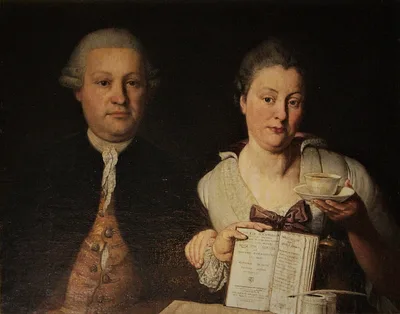
This is the earliest English work on the stethoscope. It "includes the first English translation of Auenbrugger's book on percussion, selected sections from Laennec's book on auscultation, and detailed reports from 39…
1905 CE
#5693
Perorale Tubagen mit und ohne Druck.
Kuhn introduced the intratracheal insufflation method of anesthetization about 1900; he used a flexible metal tube and a curved introducer. He also experimented with positive and negative pressure insufflation.