
Facets
Browse across eight MeSH (opens in new tab) facets — era, geography, science, specialty, technology, history, culture, and reference. Select one tag per group; counts update across the others.
Clear filtersFacet filters
Geography
Specialties & Disease
- Anatomy & Pathology 37
- Cardiology & Blood 5
- Neurology & Psychiatry 5
- Obstetrics & Reproductive 0
- Infectious Disease (General) 4
- Surgery & Anesthesia 2
- Public Health 64
- Immunology & Dermatology 15
- General Clinical Medicine 12
- Military Medicine 22
- Psychology 5
- Alternative & Fringe Medicine 5
- Pediatrics 1
- Ophthalmology & Vision 0
- ENT & Hearing 1
- Urology & Nephrology 2
- Gastroenterology & Hepatology 1
- Pulmonary & Respiratory 2
- Rheumatology, Rehab & Pain 2
- Internal, Emergency & Geriatric 0
- Veterinary Medicine 2
- Epidemiology & Demography 17
- Physiology & Embryology 10
- Dentistry 3
- Plagues & Epidemics 17
- Microbiology & Virology 48
Social & Historical Studies
Institutions & Culture
Reference & Scholarly Works
767 entries match Natural History & Evolution [K01.900.500]
1994 CE
#8538
The history and geography of human genes.

The first full-scale attempt to reconstruct where human populations originated and the paths by which they spread throughout the world, using genetic data integrated with data from geography, ecology, archaeology, phy…
2008 CE
#7026
The history of natural history: An annotated bibliography. Second edition
First published, New York: Garland, 1994.
1775 CE
#7505
The history of the American Indians; particularly those nations adjoining to the Missisippi [sic] East and West Florida, Georgia, South and North Carolina, and Virginia: containing an account of their origin, language, manners, religious and civil customs, laws, form of government, punishments, conduct in war and domestic life, their habits, diet, agriculture, manufactures, diseases and method of cure... With observations on former historians, the conduct of our colony governors, superintendents, missionaries, & c. Also an appendix, containing a description of the Floridas, and the Missisippi [sic] lands, with their productions--the benefits of colonizing Georgiana, and civilizing the Indians--and the way to make all the colonies more valuable to the mother country....
The author characterized himself on the title page as "a Trader with the Indians and a Resident in their Country for Forty Years." Digital facsimile from the Internet Archive at this link.
1904 CE–1912 CE
#9318
The history of the collections contained in the Natural History Departments of the British Museum. 3 vols. [Edited by Albert Carl Ludwig Gotthilf Günther.]
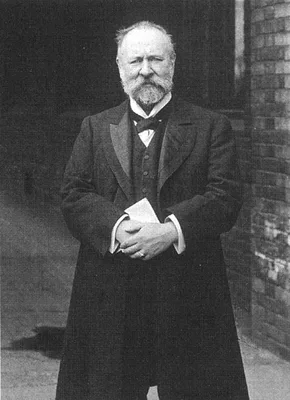
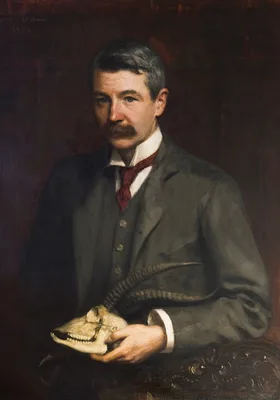
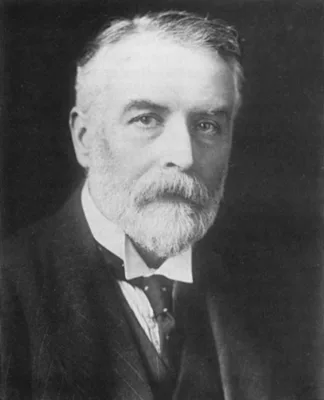
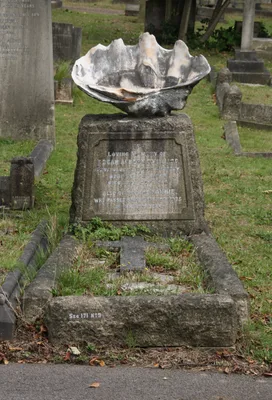
(Now the Natural History Museum, London). Vol. 1: Libraries; The Department of Botany; The Department of Geology; The Department of Minerals. Vol. 2.: Separate historical accounts of the several collections included i…
2018 CE
#11610
The history of wine as a medicine: From its beginnings in China to the present day.
2002 CE–2005 CE
#11243
The human fossil record. 4 vols.

Vol. 1: Terminology and Craniodental Morphology of Genus Homo (Europe). Vol. 2: Craniodental morphology of Genus Homo (Africa and Asia). Vol. 3: Brain endocasts—the paleoneurological evidence. Vol. 4: Crandioden…
1998 CE
#10099
The Huxley File. Created by Charles Blinderman and David Joyce.
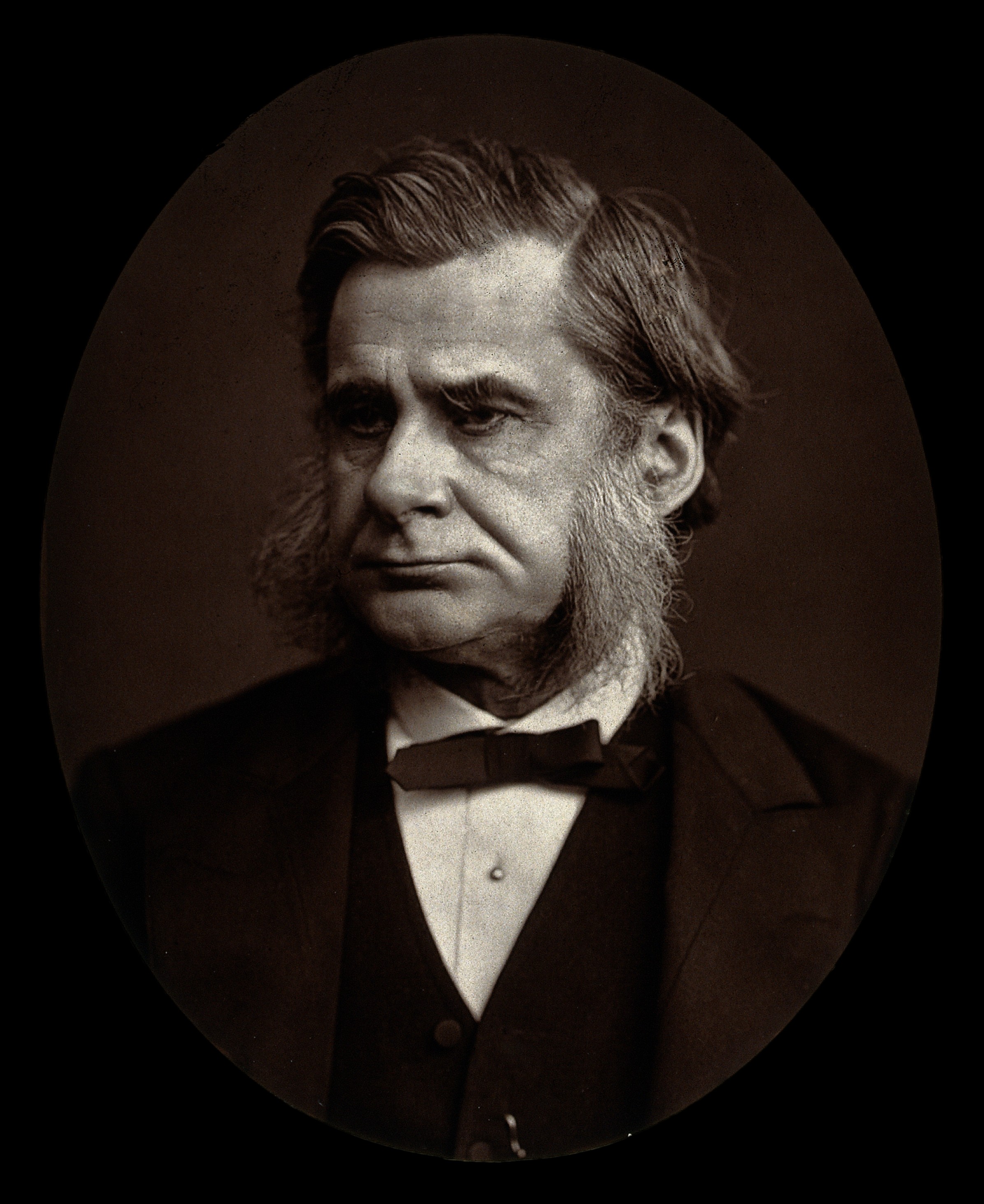
https://mathcs.clarku.edu/huxley/ "Those merely interested in Huxley and scholars engaged in research on him, on Darwinism, on Victorian culture, on the history of science, and on topics such as those noted will find …
1813 CE
#8211
The influence of tropical climates, more especially the climate of India, on European constitutions; the principal effects and diseases thereby induced, their prevention or removal, and the means of preserving health in hot climates, rendered obvious to to Europeans in every capacity: An essay .
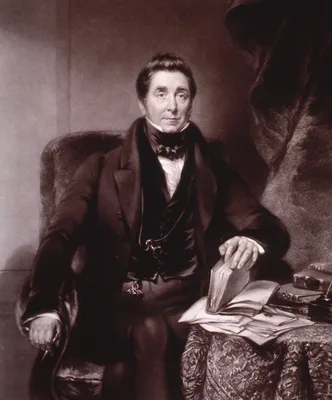
Digital facsimile from the Internet Archive at this link. Enlarged and retitled second edition: The influence of tropical climates on European constitutions: to which is added tropical hygiene, or the preservation of …
2007 CE–2010 CE
#13034
The Linnaeus Apostles. Global science & adventure. 8 vols. in 11. General editor: Lars Hansen.


Vol. 1: Introduction Vol. 2: Europe, Arctic & Asia. Anton Rolandsson Martin, Johan Peter Falck Vol. 3: Europe, North & South America. Pehr Kalm, Pehr Löfling, Daniel Rolander Vol. 4: Europe, Middle East, North Ea…
1927 CE
#7255
The lower molar hominid tooth from the Chou Kou Tien deposit.
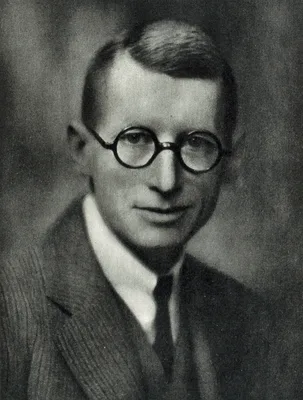
In this report on a single hominid tooth found by Swedish archeologist Birger Bohlin at the Zhoukoudian site in 1927 Black named a new genus and species of hominid, Sinanthropus pekinensis. He characterized the specim…
2020 CE
#14098
The major genetic risk factor for severe COVID-19 is inherited from Neanderthals.
Expanding on previous findings by a genome wide association study of severe COVID-19, specifically with respiratory failure which had found that a gene cluster residing on chromosome 3 had a significant association wi…
2015 CE
#9716
The making and meaning of the Liber Floridus: A study of the original manuscript, Ghent, University Library, MS 92.
"The Liber Floridus (1121), composed, written and illustrated by Canon Lambert of Saint-Omer, is the earliest illustrated encyclopedic compilation of the Latin West. Its autograph (Ghent, University Library, MS 92), a…
1918 CE
#11014
The medical report of the Rice Expedition to Brazil.
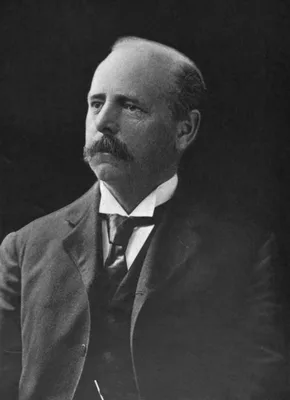
The expedition was led by Alexander H. Rice, Jr., an American physician, geographer, geologist and explorer noted for his expeditions to the Amazon Basin. "As a geographer and explorer Rice specialized in rivers.[1][7…
1941 CE
#11000
The medical reports of John Y. Bassett, M.D., the Alabama student. Edited by Daniel C. Elkin.
Bassett was the subject of William Osler's famous essay, "An Alabama Student."
1992 CE
#7410
The medieval book of birds: Hugh of Fouilloy's Aviarium. Edition, translation and commentary by Willene B. Clark.
1924 CE
#14287
The morphology and evolution of the apes and man. With a foreward by Professor G. Elliot Smith.
As far as I able to determine in 2024, Sonntag's book was the first attempt to write a general treatise on what eventually came to be called "human evolutionary anatomy," in the sense of studying the relationship betw…
1700 CE
#2070.1
The mysteries of opium revealed.
Includes the earliest English description of drug addiction, and withdrawal. Jones attempted to use wine as a partial substitute until withdrawal was complete.
1880 CE
#8976
The natural & moral history of Indies, by Father Joseph de Acosta. Reprinted from the English translated edition of Edward Grimston, 1604. And edited, with notes and an introduction by Clements R. Markham. Vol. 1: The natural history. Vol. 2: The moral history. 2 vols.
Digital facsimile from Google Books at this link.
1794 CE–1819 CE
#9086
The natural history of British birds; or, a selection of the most rare, beautiful and interesting birds which inhabit this country: The descriptions from the Systema naturae of Linnaeus; with general observations, either original or collected from the latest and most esteemed English ornithologists; and embellished with figures, drawn, engraved, and coloured from the original specimens. 10 vols.
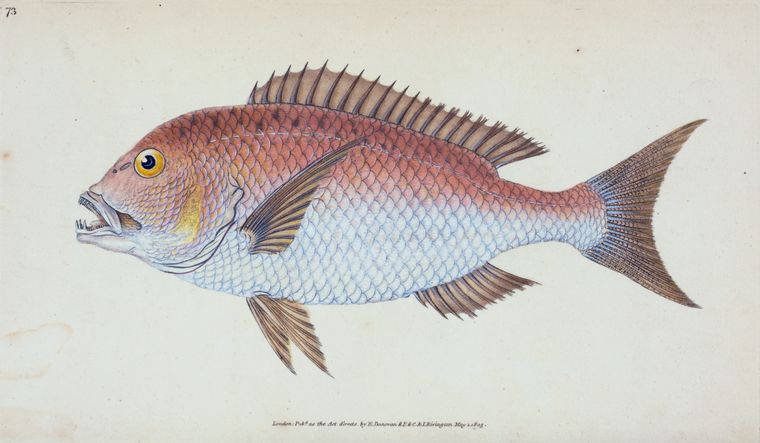
The first 5 volumes were issued in monthly parts, each consisting of 2 plates and accompanying text. A volume came out each year between 1794 and 1798; the fifth volume stated: "This work being now completed." However…
1792 CE–1813 CE
#9087
The natural history of British insects; explaining them in their several states, with the periods of their transformations, their food, oeconomy, &c. Together with the history of such minute insects as require investigation by the microscope. The whole illustrated by coloured figures, designed and executed from living specimens. 16 vols.
Includes a total of 576 plates, of which 568 were colored.
1731 CE–1747 CE
#9571
The natural history of Carolina, Florida and the Bahama Islands: Containing the figures of birds, beasts, fishes, serpents, insects, and plants: Particularly, the forest-trees, shrubs, and other plants, not hitherto described, or very incorrectly figured by authors. Together with their descriptions in English and French. To which are added observations on the air, soil and waters: With remarks on agriculture, grain, pulse, roots &c. To the whole is prefixed a new and complete map of the countries treated of. 2 vols.
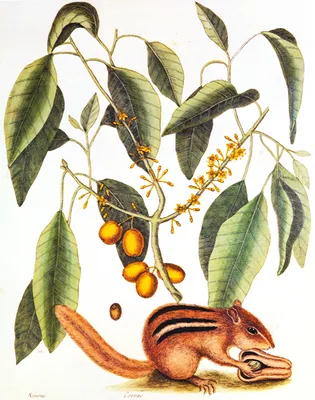
The only attempt to record the natural history of a region of America during the colonial period. Includes 220 fine handcolored etched plates after and by Catesby and mostly signed with his cipher, excepting plates 61…
1754 CE
#7678
The natural history of Carolina, Florida, and the Bahama Islands, containing the figures of birds, beasts, fishes, serpents, insects, and plants, particulary the forest trees, shrubs, and other plants, not hitherto described, or very incorrectly figured by authors. Together with their descriptions in English and French. To which are added, observations on the air, soil, and waters with remarks upon agriculture, grain, pulse, roots, &c. To the whole is prefixed a new and correct map of the countries treated of / by the late Mark Catesby; revised by Mr. [George] Edwards. 2 vols.
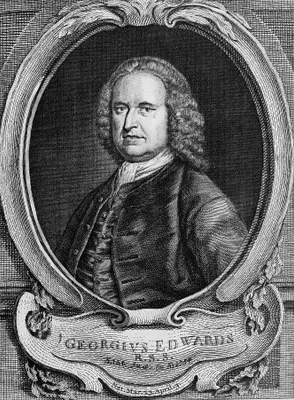
Second edition, edited by ornithologist George Edwards. Digital facsimile from the Internet Archive at this link.
1737 CE
#12473
The natural history of North Carolina. With an account of the trade, manners and customs of the Christian and Indian inhabitants. Illustrated with copper-plates, whereon are curiously engraved the map of the country, several strange beasts, birds, fishes, snakes, insects, trees, and plants, &c.
Brickell accompanied provincial governor George Burrington to North Carolina in 1724, remaining in the region for six years and becoming one of the first medical doctors in North Carolina. Brickell took the material o…
1859 CE
#9972
The natural history of the European seas. Edited and continued by Robert Godwin-Austen.
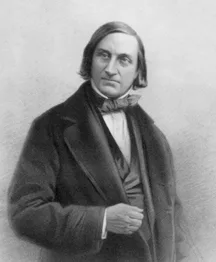
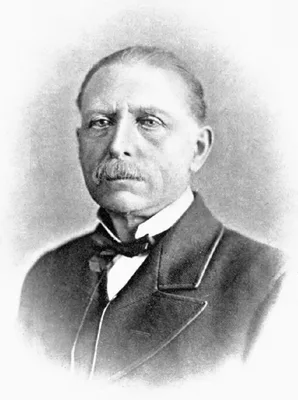
Digital facsimile from Biodiversity Heritage Library at this link.
1797 CE
#7768
The natural history of the rarer lepidopterous insects of Georgia. Including their systematic characters, the particulars of their several metamorphoses, and the plants on which they feed. Collected from the observations of Mr. John Abbot, many years resident in that country, by James Edward Smith.
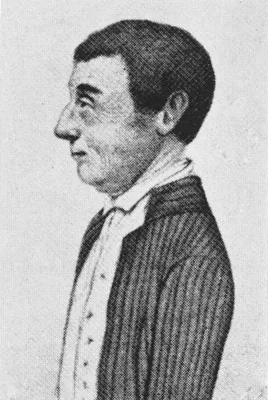
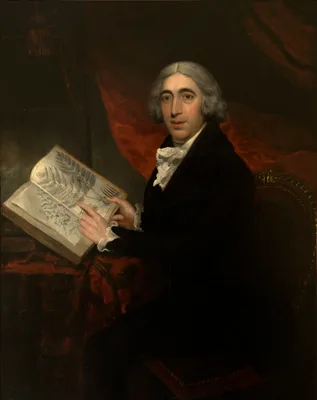
The earliest illustrated monograph on the butterflies and moths of North America. Text in English and French. 104 hand-colored plates. Digital facsimile from the Internet Archive at this link.
1976 CE
#8055
The naturalist in Britain: A social history.
1874 CE
#7443
The naturalist in Nicaragua: A narrative of a residence at the gold mines of Chontales; journeys in the savannahs and forests, with observations on animals and plants in reference to the theory of evolution of living forms.
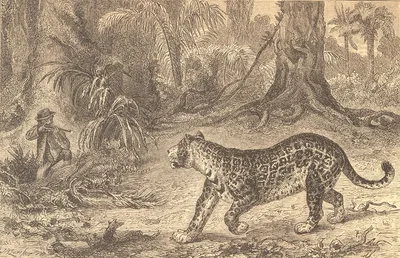
In this book Belt first described "the mutualistic relationship of certain Acacias and the ant we now know as Pseudomyrmex spinicola. These are a species of red myrmecophyte-inhabiting neotropical ants which are found…
1863 CE
#7442
The naturalist on the river Amazons, a record of adventures, habits of animals, sketches of Brazilian and Indian life, and aspects of nature under the equator, during eleven years of travel. 2 vols.
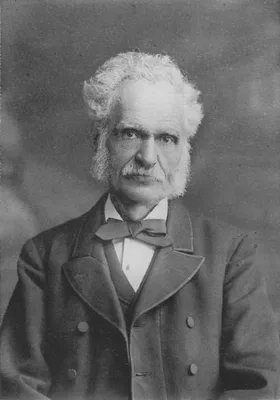
Digital facsimile from the Internet Archive at this link.
1772 CE
#7660
The naturalist's and traveller's companion. Containing instructions for discovering and preserving objects of natural history....
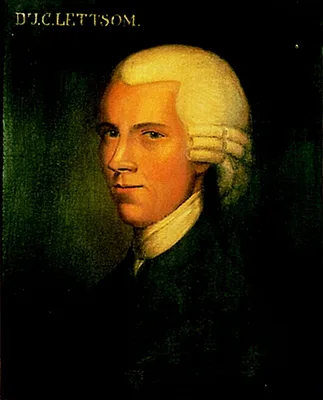
Digital facsimile of the first edition from Google Books at this link. Digital facsimile of the corrected, enlarged, and more elegant second edition of 1774 from the Internet Archive at this link.
1833 CE–1866 CE
#10177
The naturalist's library. Edited by Sir William Jardine. 40 vols.
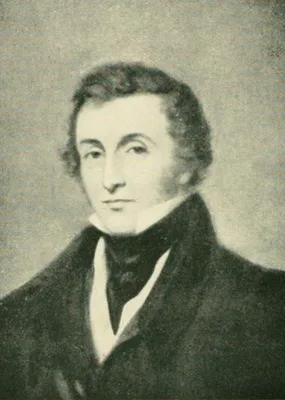
"1833, Natural History of Humming Birds, Part I, (Ornithology Vol. VI) by William Jardine, with memoir of Carl Linnaeus. (online) 1833, Monkeys, (Mammalia Vol. I) by William Jardine, with a memoir of Comte de Buffon (…
1996 CE
#9327
The origin and evolution of birds.

On the evolution of birds and avian flight. Feduccia is best known for his criticisms of the hypothesis, accepted by many paleontologists, that birds originated from and are deeply nested within Theropoda, and are the…
1922 CE
#3691.1
The origin and evolution of the human dentition.
Reprinted with revisions and new index from J. dent. Res., 1920, 2, 89-175, 215-426, 604-717; 1921, 3, 87-228.
1864 CE
#14047
The origin of human races and the antiquity of man deduced from the theory of “natural selection."
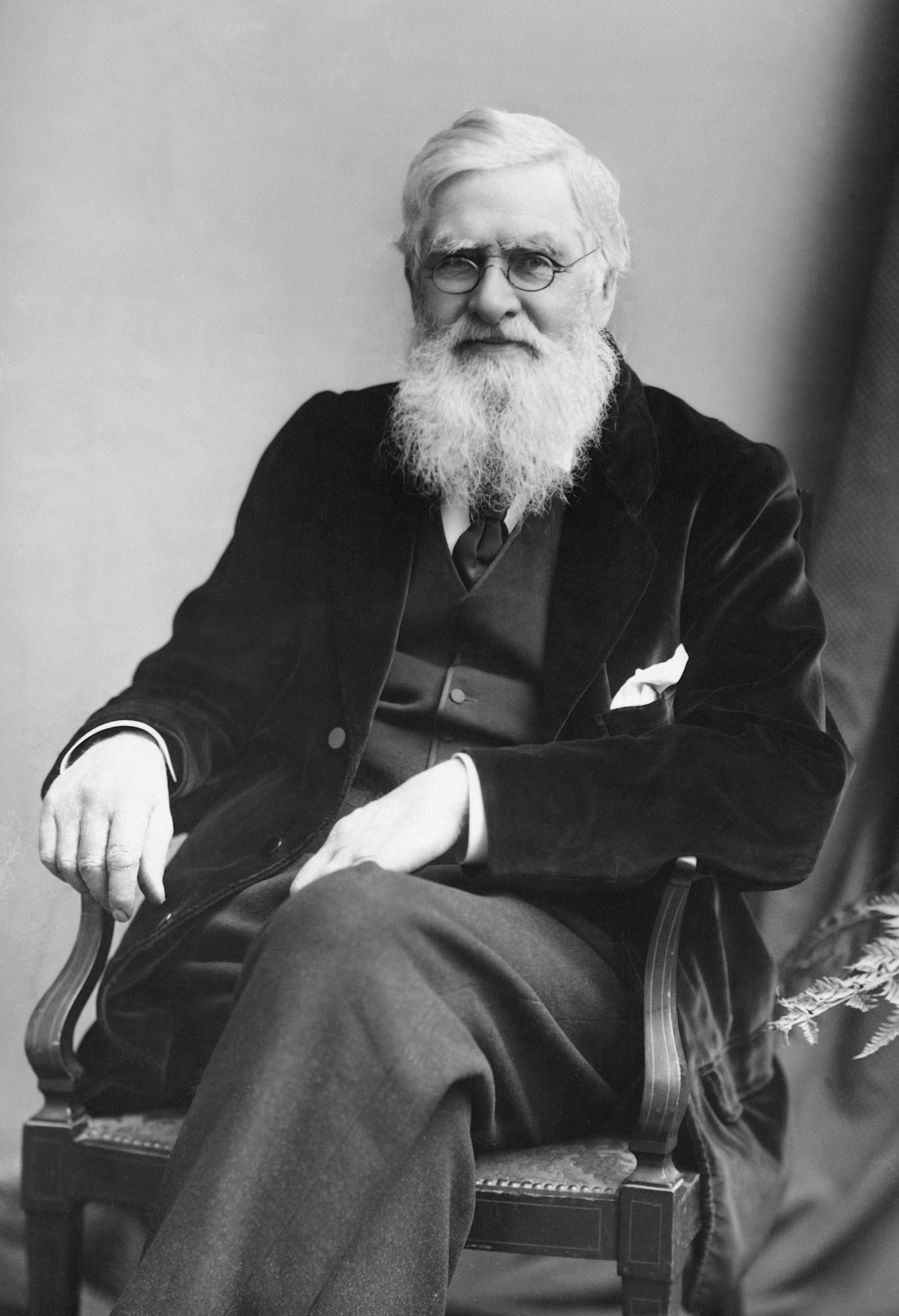
Wallace delivered this paper to the polygenist Anthropological Society of London on 1 March 1864. It represents “the first effort to connect natural selection to the touchy problem of the evolution of human race…
1986 CE
#7283
The origin of the human race.
First publication in English by Alekseyev of Homo rudolfensis, primarily known from KNM-ER 1470, discovered in Koobi Fora in the Lake Turkana basin, Kenya. Alekseyev (Alexeev) first proposed the species in 1978, initi…
1966 CE
#12801
The original water-color paintings by John James Audubon for The Birds of America. Reproduced in color from the collection at The New York Historical Society. Introduction by Marshall B. Davidson. 2 vols.
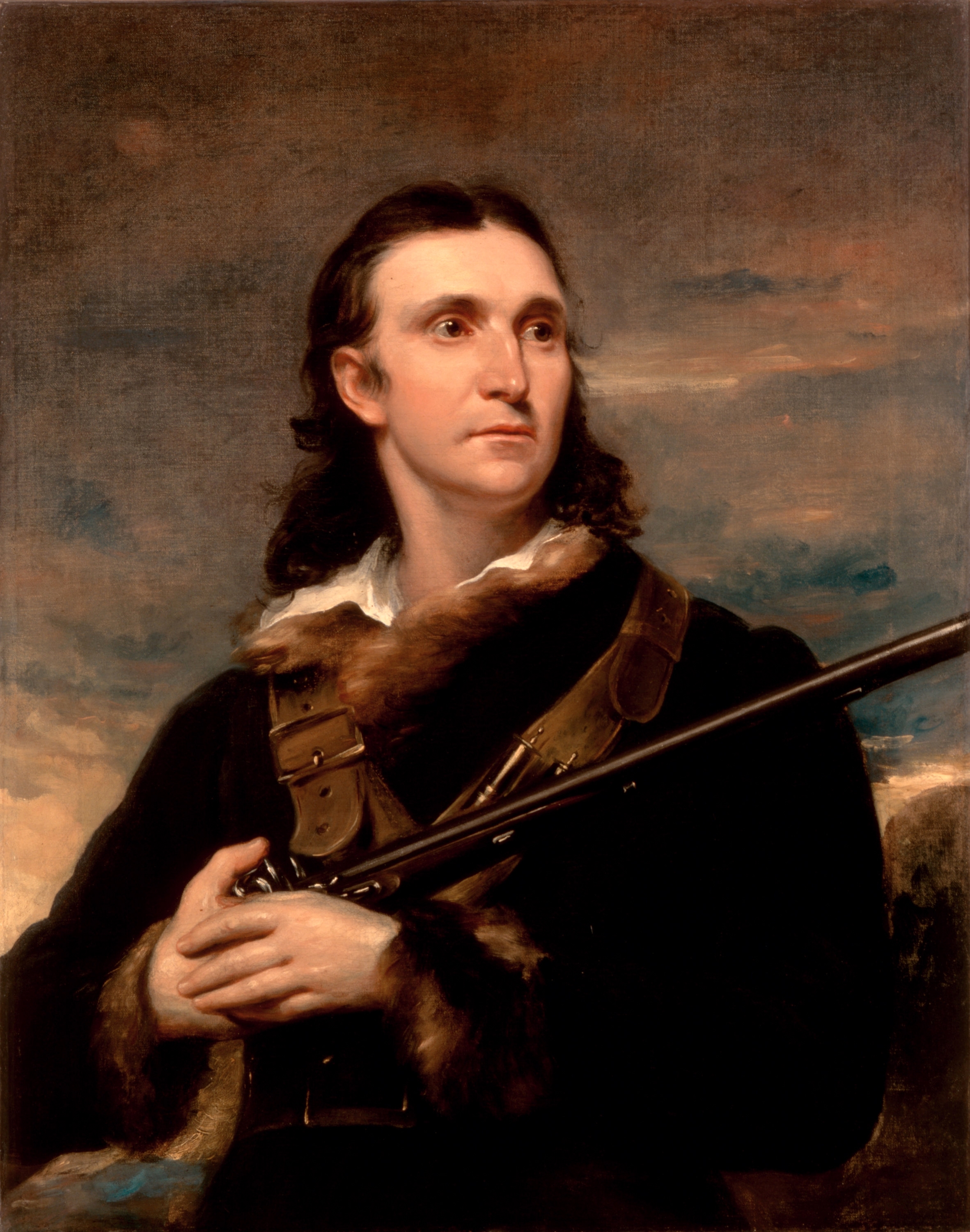
First printed edition of the "virtually complete" series of original water-color paintings for Audubon's The Birds of America, preserved in The New York Historical Society.
1984 CE
#7272
The origins of modern humans: A world survey of the fossil evidence.

An historical and analytical review of the literature up to 1984, with detailed bibliographies, by several outstanding authorities, edited by Smith and Spencer. Includes, pp. 411-483, Milford H. Wolpott, Wu Xin Zhi, a…
1934 CE–1938 CE
#1781
The patient and the weather. With the assistance of Margaret E. Milliken. 4 vols. in 7.
2006 CE
#14084
The pectoral fin of Tiktaalik roseae and the origin of the tetrapod limb.

In 2004 Shubin, Daeschler and Jenkins discovered the first well-preserved Tiktaalik fossils in on Ellesmere Island in Nunavut, Canada. Tiktaalik is a non-tetrapod member of Osteichthyes (bony fish) from the late Devon…
1953 CE
#7264
The Piltdown Forgery.
Fiftieth anniversary edition with a new introduction and afterward by Chris Stringer (Oxford University Press, 2003).
1938 CE
#7281
The Pleistocene anthropoid apes of South Africa.
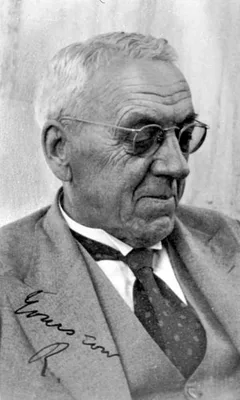
Paranthropus robustus, discovered by Broom in Kromdraal, South Africa, in 1938. The species is generally dated from about 2 million to 1.2 million years before present.
1922 CE
#1713
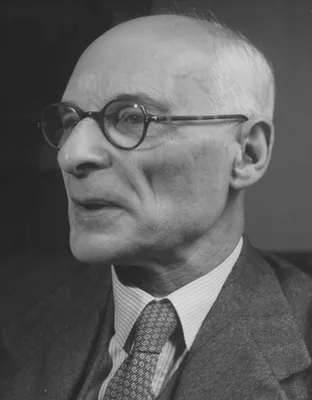
The population problem: A study in human evolution.
2002 CE
#7271
The primate fossil record.
A comprehensive collaborative study edited by Hartwig. Includes an extensive historical bibliography.
1677 CE
#215
The primitive organization of mankind considered and examined according to the light of nature.
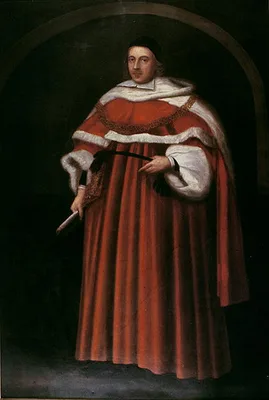
In response to Isaac de la Peyrere‘s theory of polygenesis, Hale, Chief Justice of the King’s Bench, advanced his own theory that the earth was not eternal, but rather had a spontaneous “beginning,&r…
1864 CE–1867 CE
#119
The principles of biology. 2 vols.
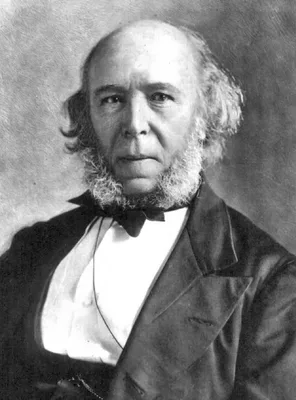
In vol. 1 of this work written after Spencer read Darwin's On the origin of species, Spencer originated the expression "survival of the fittest." Spencer conceived that every species is endowed with its own type of ph…
1964 CE
#7263
The problem of man's antiquity. An historical survey.
1947 CE
#10216
The ranks of death: A medical history of the conquest of America
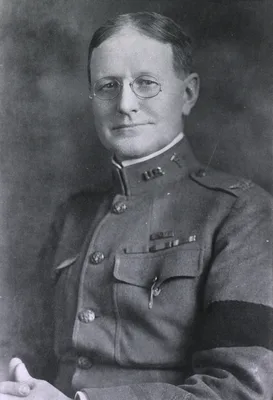
Digital facsimile from the Hathi Trust at this link.
1843 CE
#9168
The regions of vegetation; being an analysis of the distribution of vegetable forms over the surface of the globe in connexion with climate and physical agents.
Digital facsimile of the copy presented by Hinds to Charles Darwin, with Darwin's annotations, from the Biodiversity Heritage Library at this link. This work also appeared as a section of Edward Belcher's Narrative of…
1864 CE
#14042
The reputed fossil man of the Neanderthal.
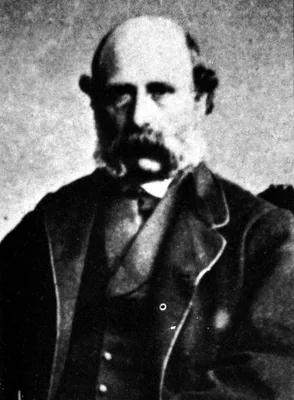
King believed that the Feldhofer Neanderthal skull discovered by Fuhrott and Schaafhausen differed significantly from all known ancient and modern human crania. In this paper he proposed the name Homo neanderthalensis…
1976 CE
#11888
The resistance factor to Plasmodium vivax in blacks.
The authors showed that the Plasmodium vivax parasite requires the Fya/Fyb Duffy antigen/chemokine receptor on the surface of red blood cells for penetration of human red blood cells. Because most African and American…
1922 CE
#212
The Rhodesian skull.
Description of the skull found at Broken Hill, Rhodesia, in 1921.