
Facets
Browse across eight MeSH (opens in new tab) facets — era, geography, science, specialty, technology, history, culture, and reference. Select one tag per group; counts update across the others.
Clear filtersFacet filters
Geography
Specialties & Disease
- Anatomy & Pathology 43
- Cardiology & Blood 13
- Neurology & Psychiatry 44
- Obstetrics & Reproductive 19
- Infectious Disease (General) 3
- Surgery & Anesthesia 48
- Public Health 154
- Immunology & Dermatology 61
- General Clinical Medicine 83
- Military Medicine 32
- Psychology 16
- Alternative & Fringe Medicine 52
- Pediatrics 6
- Ophthalmology & Vision 7
- ENT & Hearing 12
- Urology & Nephrology 7
- Gastroenterology & Hepatology 7
- Pulmonary & Respiratory 2
- Rheumatology, Rehab & Pain 6
- Internal, Emergency & Geriatric 12
- Veterinary Medicine 4
- Epidemiology & Demography 18
- Physiology & Embryology 203
- Dentistry 259
- Plagues & Epidemics 26
- Microbiology & Virology 44
Social & Historical Studies
Institutions & Culture
Reference & Scholarly Works
203 entries match Physiology & Embryology [G07 / G02.149] · Professions & Education [M01 / N02]
2001 CE
#14273
HIFalpha targeted for VHL-mediated destruction by proline hydroxylation: implications for O2 sensing.
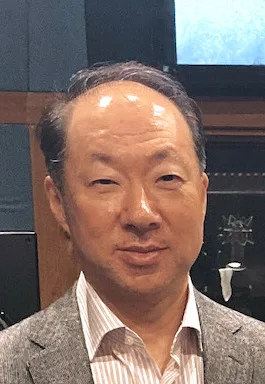
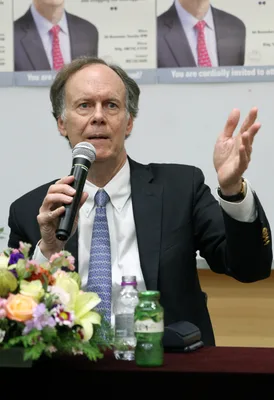
Kaelin and colleagues identified aspects of the molecular machinery in Von Hippel-Landau disease that regulates the activity of genes in response to varying levels of oxygen. In 2019 Kaelin shared the Nobel Prize in P…
1971 CE
#13958
Inhibition of prostaglandin synthesis as a mechanism of action for aspirin-like drugs.
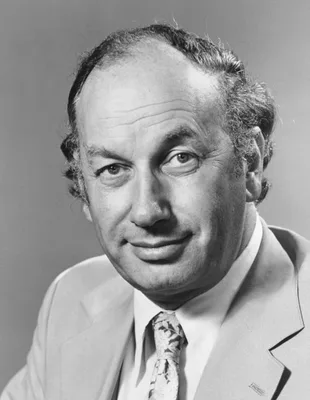
In 1982 Vane shared the Nobel Prize in Physiology or Medicine with Sune Bergström and Bengt Samuelsson for "their discoveries concerning prostaglandins and related biologically active substances."
1983 CE
#6996
Isolation of a T-lymphotropic retrovirus from a patient at risk for acquired immune deficiency syndrome (AIDS).
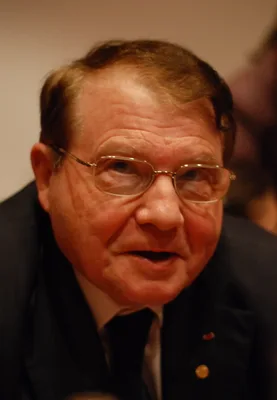
Isolation of the human immunodeficiency virus (HIV-1). In 2008 Barré-Sinoussi and Montagnier shared half of the Nobel Prize in Physiology and Medicine "for their discovery of human immunodeficiency virus." The …
1974 CE
#9942
The DNA of CAENORHABDITIS ELEGANS.
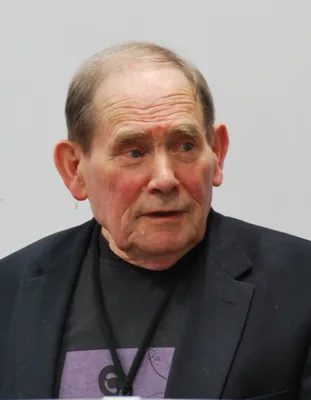
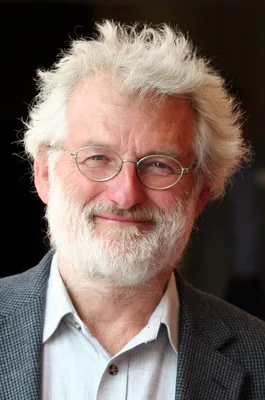
Digital facsimile from PubMedCentral at this link.
1999 CE
#14270
The tumour suppressor protein VHL targets hypoxia-inducible factors for oxygen-dependent proteolysis.
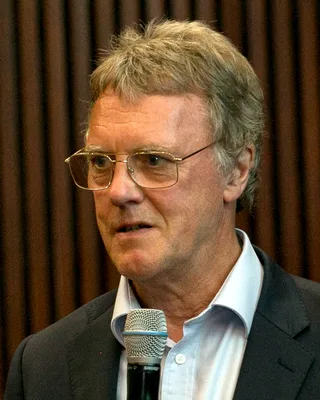
The focus of both Peter Ratcliffe’s and William Kaelin’s work, for which they shared the Nobel Prize with Gregg Semenza, was the relationship between pVHL and HIF. This led to an increased understanding of…
1994 CE
#14261
Ultrastructural analysis of the autophagic process in yeast: detection of autophagosomes and their characterization.
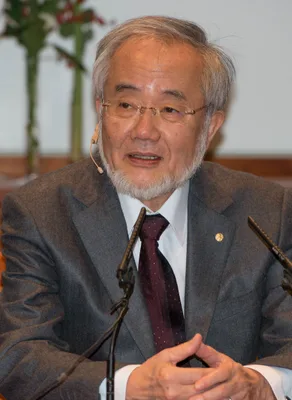
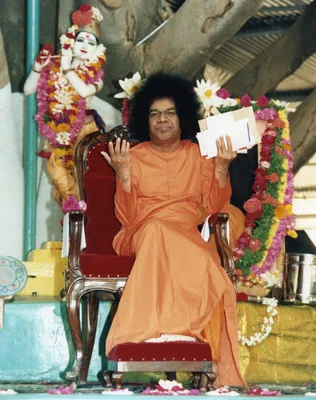
Order of authorship in the original publication: Baba, M., Takeshige, Baba, N., Ohsumi. In 2016 Oshuni received the Nobel Prize in Physiology or Medicine "for his discoveries of mechanisms for autophagy."
1966 CE
#14064
"Fertile" intestine nuclei.
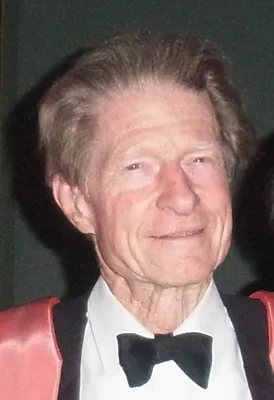
Gurdon and Uehlinger replaced the cell nucleus of frog ova with frog intestinal nuclei to generate tadpoles, some of which became fertile adult male and female frogs. In 2012 the Nobel Prize in Physiology or Medicine …
1957 CE
#14250
3,4-Dihydroxyphenylalanine and 5-Hydroxytryptophan as reserpine rntagonists.
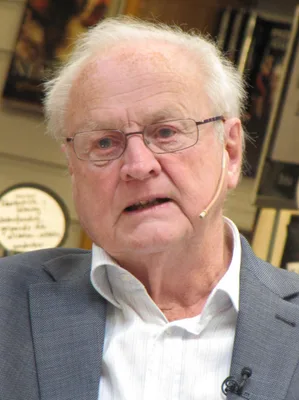
Carlsson demonstrated that dopamine was a neurotransmitter in the brain and not just a precursor for norepinephrine. Digital facsimile from nature.com at this link. In 2000 Arvid Carlsson shared the Nobel Prize in Phy…
1968 CE
#10044
A definition of irreversible coma. Report of the Ad Hoc Committee of the Harvard Medical School to examine the definition of brain death.
This report described the following characteristics of a permanently nonfunctioning brain, a condition it referred to as "irreversible coma," now known as brain death: 1. Unreceptivity and unresponsitivity--patient sh…
1978 CE
#7456
A gene complex controlling segmentation in Drosophila.
Discovery of the Drosophila Bithorax complex and elucidation of its function. Lewis founded the field of developmental genetics and laid the groundwork for current understanding of the universal, evolutionarily conser…
1964 CE
#1931.5
A new adrenergic beta-receptor antagonist.
Development of Propranolol, the first beta-blocker effectively used in the treatment of coronary heart disease and hypertension. R. G. Shanks, L. H. Smith and A. C. Dornhorst. In 1988 the Nobel Prize in Physiology or …
1991 CE
#13930
A novel multigene family may encode odorant receptors: A molecular basis for odor recognition.
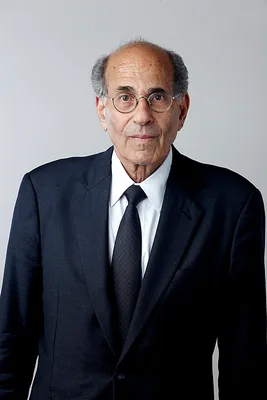

"In their landmark paper published in 1991, Buck and Axel cloned olfactory receptors, showing that they belong to the family of G protein coupled receptors. By analyzing rat DNA, they estimated that there were approxi…
1999 CE
#14262
A pdf Neuropeptide gene mutation and ablation of PDF neurons each cause severe abnormalities of behavioral circadian rhythms in Drosophila.
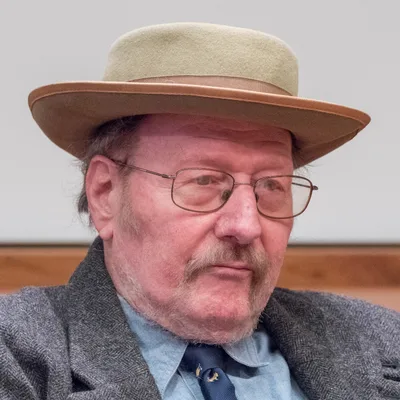

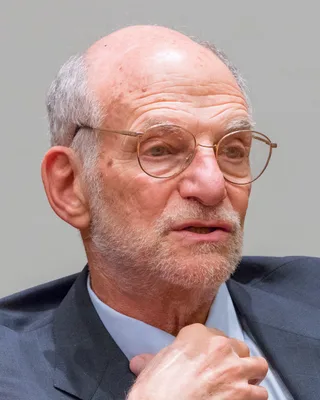
In 2017 Hall shared the Nobel Prize in Physiology or Medicine with Michael Rosbash and Michael W. Young “for their discoveries of molecular mechanisms controlling the circadian rhythm.” Order of authorship…
1970 CE
#6889
A restriction endonuclease from Hemophilus influenzae. II. Base sequence of the recognition site.
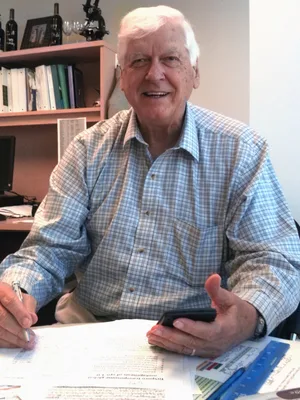
Discovery of the first type II restriction enzyme (HindII). Smith shared the 1978 Nobel Prize in Physiology or Medicine with Werner Arber and Daniel Nathans "for the discovery of restriction enzymes and their applicat…
1955 CE
#13685
A small particulate component of the cytoplasm.
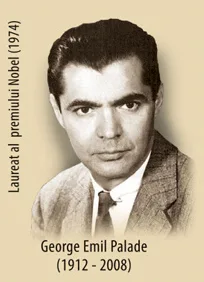
Palade first described the association of what were subsequently determined to ribosomes with membranes. He and Keith Porter subsequently named this structure the endoplasmic reticulum. Digital facsimile from PubMedCe…
1946 CE
#1354.1
A specific sympathomimetic ergone in adrenergic nerve fibres (sympathin) and its relations to adrenaline and nor-adrenaline.
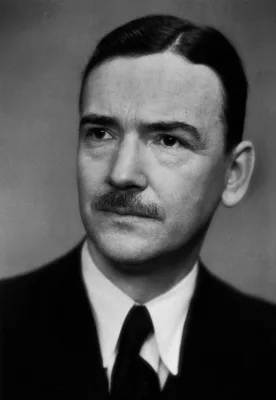
Noradrenaline shown to be the predominant transmitter of the effects of sympathetic nerve impulses. In 1970 Euler shared the Nobel Prize in Physiology or Medicine with Katz and Axelrod "for their discoveries concernin…
1910 CE
#2637
A transmissible avian neoplasm (sarcoma of the common fowl).
Original description of the chicken sarcoma (Rous sarcoma). Rous demonstrated that sarcomatous tumors in hens could be transmitted to normal hens by the injection of cell-free filtrates (virus) of the original tumor. …
1945 CE
#14284
Acetylation of sulfanilamide by liver homogenates and extracts.
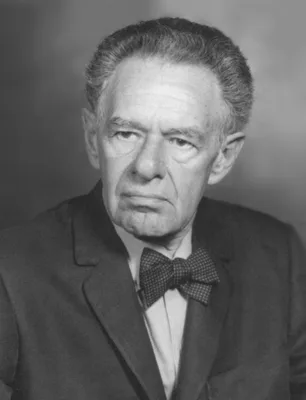
Discovery of co-enzyme A and its importance for intermediary metabolism. This discovery illuminated “the process by which cells make available the energy to drive their manufacturing processes” (Judson, p.…
1939 CE
#1310.1
Action potentials recorded from inside a nerve fibre.
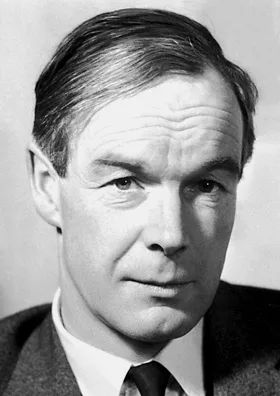
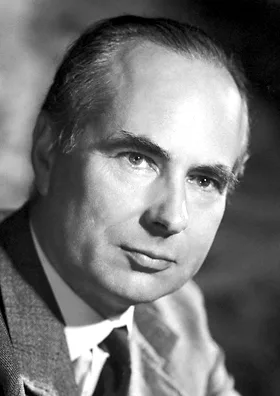
Hodgkin and Huxley were the first to succeed in inserting electrodes into a living giant nerve fiber and to measure directly the action potential within it. In 1963 Hodgkin and Huxley shared the Nobel Prize in Physiol…
1937 CE
#1925
Action protectrice des éthers phénoliques au cours de l’intoxication histaminique.
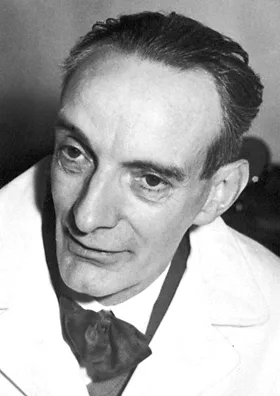
First description of structure and action of an antihistamine. In 1957 Bovet was awarded the Nobel Prize in Physiology or Medicine “for his discoveries relating to synthetic compounds that inhibit the action of …
1900 CE
#5945
Allgemeine Theorie der monochromatischen Aberrationen und ihre nächsten Ergebnisse für die Ophthalmologie.
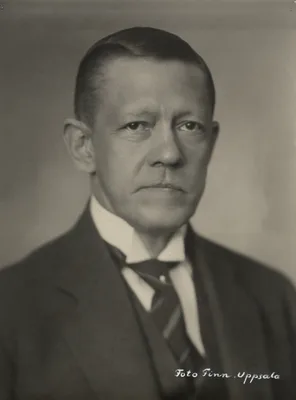
The above work is the exposition of Gullstrand's general theory of monochromatic aberrations. This is an offprint from Nova Acta Reg. Soc. Sci. Ups., 1900-01, ser. 3, 20. In 1911 Gullstrand was awarded the Nobel Prize…
1977 CE
#11043
An amazing sequence arrangement at the 5' ends of adenovirus 2 messenger RNA.
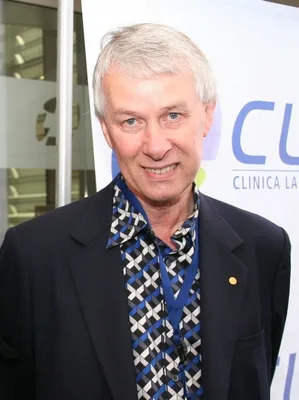
Discovery of introns. In 1993 Roberts shared the Nobel Prize in Physiology or Medicine with Phillip A. Sharp "for their discoveries of split genes." It was frequently suggested that Chow deserved a share of that prize…
1927 CE
#251.1
Artificial transmutation of the gene.
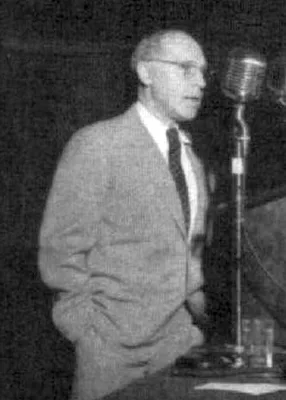
Muller showed that radiation causes mutations that are passed on from one generation to the next. This was the first suggestion that inherited traits might be altered or controlled, and it created a sensation: “…
1970 CE
#12321
Australia antigen (a hepatitis-associated antigen). Purification and physical properties.
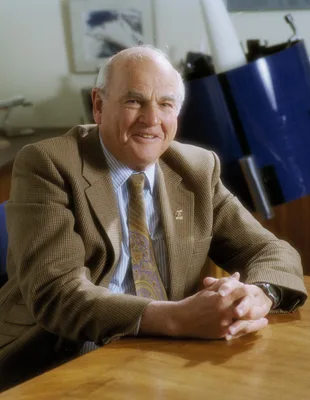
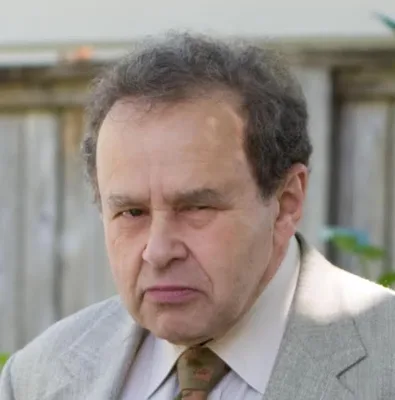
Purification of the Australia antigen and investigation of its physical properties. (Order of authorship in the original publication: Millman, Loeb, Bayer, Blumberg.) Blumberg shared the 1976 Nobel Prize in Physiology…
2005 CE
#14257
Autonomous function of synaptotagmin 1 in triggering synchronous release independent of asynchronous release.
Südhof is credited with discovering much of the machinery mediating neurotransmitter release and presynaptic plasticity, beginning with the discovery of symaptotagmins and their role in neurostrasmitter release f…
1979 CE
#12631
Avermectins, new family of potent anthelminthic agents, efficacy of the B1a component.
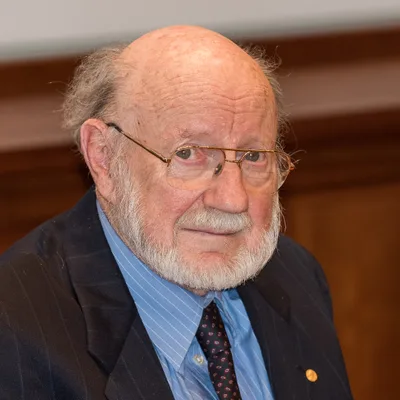

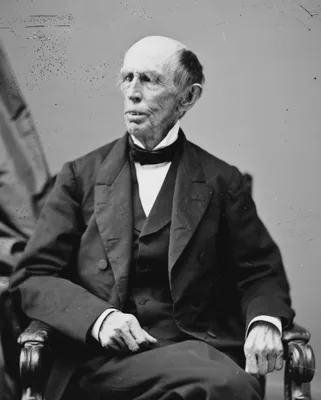
Campbell and colleagues reported unprecedented antiparasitic effects of the agent in vivo, and that the "B1a" component of the molecule was most effective as a single oral dose. (Order of authorship in the original pu…
1979 CE
#12630
Avermectins, new family of potent anthelmintic agents: Producing organism and fermentation.
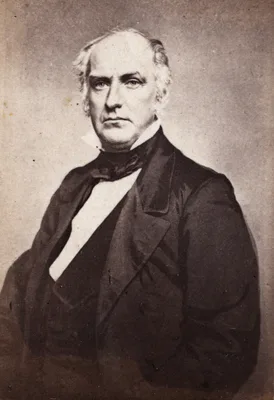
The authors, lead by Omura, announced the discovery of Streptomyces avermilitis. They described the structure of avermectin, and reported preliminary observations that this drug is antiparasitic. (Order of authorship …
1925 CE
#3139
Blood regeneration in severe anaemia. II. Favourable influence of liver, heart and skeletal muscle in diet.
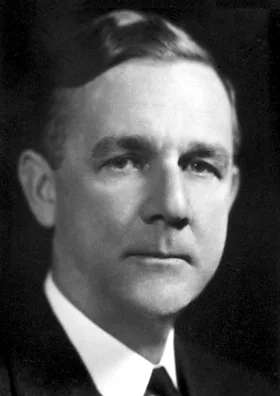
These workers showed the beneficial effect of raw beef liver upon blood regeneration in anemia. Their work paved the way for the liver diet treatment of Minot and Murphy. In 1934 Whipple shared the Nobel Prize in Phys…
1889 CE
#12267
Cardiac failure and sudden death.
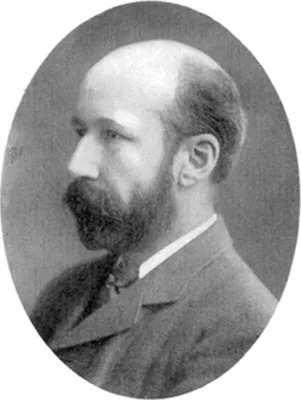
"Physiologists and physicians had proposed various theories to explain transient and fatal cardiac standstill in animals and humans who were apparently healthy. MacWilliam defined two distinct mechanisms depending on …
1941 CE
#2871
Catheterization of the right auricle in man.
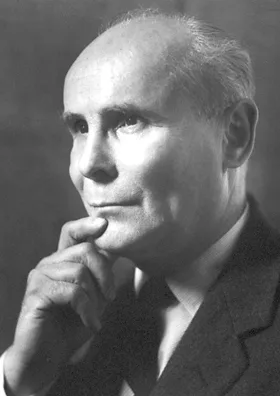
First investigations with the cardiac catheter as a clinical method of investigation. In 1956 Cournand in 1956 shared the Nobel Prize in Physiology or Medicine with Forssmann (No. 2858) and Richards (No. 2883.2) "for …
1961 CE
#9648
Cerebral organization and behavior: The split brain behaves in many respects like two separate brains, providing new research possibilities.
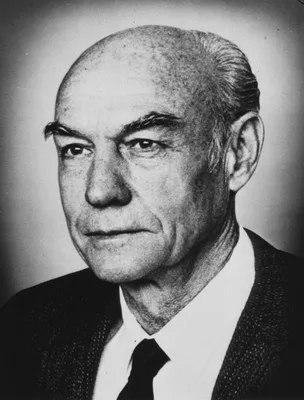
Sperry and colleagues, including Michael Gazzaniga, conducted extensive experiments on an epileptic patient who had had his corpus collosum, the "bridge" between the left and right hemispheres of the brain, split so t…
1961 CE
#256.11
Characteristics and stabilization of DNAase-sensitive protein synthesis in E. coli extracts.
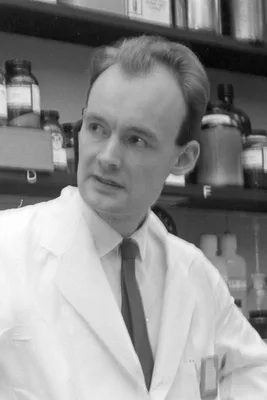
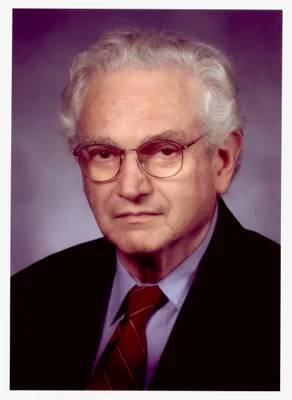
With Matthaei, Nirenberg demonstrated that messenger RNA is required for protein synthesis, and that synthetic messenger RNA preparations can be used to decipher various aspects of the genetic code. Nirenberg first re…
1970 CE
#14232
Characterization of ovine hypothalamic hypophysiotropic TSH-releasing factor.
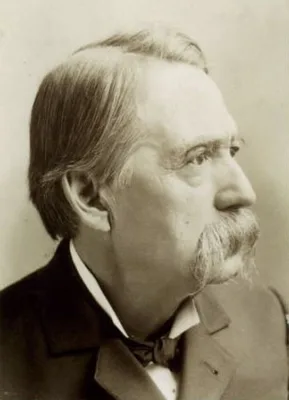
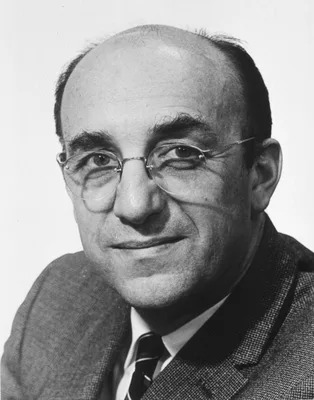
Working with sheep preparations, the authors determined that the molecular structure of TRF (thyroid releasing hormone), is 2-pyrrolidone-5-carboxylyl-histidyl-L-proline amide. On page 324, they showed the molecular s…
1929 CE
#1062
Cholesterinstoffwechsel in Hühnereiern und Hühnchen.
In 1943 Dam shared the Nobel Prize with Doisy "for discovery of vitamin K, the blood coagulating factor."
1937 CE
#751.1
Citric acid in intermediate metabolism in animal tissues.
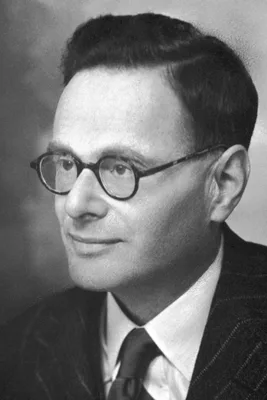
Citric acid cycle (CAC) of aerobic carbohydrate metabolism (Krebs cycle). Three months after his initial publication on CAC Krebs published a supplementary paper aimed at the medical audience, rather than the biochemi…
1973 CE
#2700.4
Computerized transverse axial scanning (tomography).
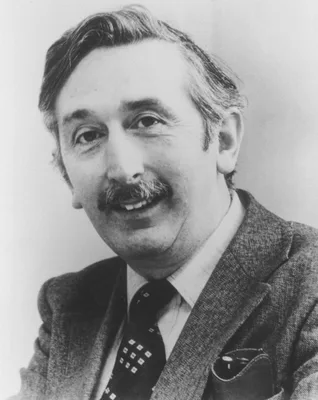
Hounsfield invented computer-assisted tomography (CAT), or computed tomography (CT). In 1979 Hounsfield shared the Nobel Prize in Physiology or Medicine with Allen M. Cormack "for the development of computer assisted …
1975 CE
#2578.43
Continuous cultures of fused cells secreting antibody of predefined specificity.
Hybridomas. In 1984 Köhler and Milstein shared the Nobel Prize in Physiology or Medicine with Niels K. Jerne, "for theories concerning the specificity in development and control of the immune system and the disco…
1895 CE
#2547
Contribution à l’ étude du sérum chez les animaux vaccinés.
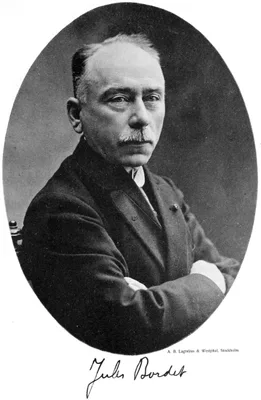
In Bordet’s classic paper on the properties of the sera of immunized animals he showed that two different substances (now known as sensitizing antibody and complement) are involved in the phenomenon of bacteriol…
1949 CE
#4671.1
Cultivation of the Lansing strain of poliomyelitis virus in cultures of various human embryonic tissues.
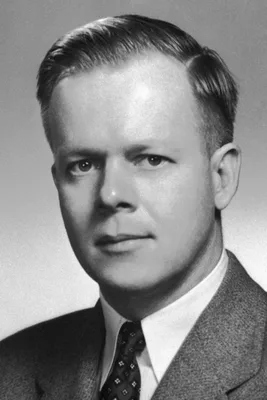
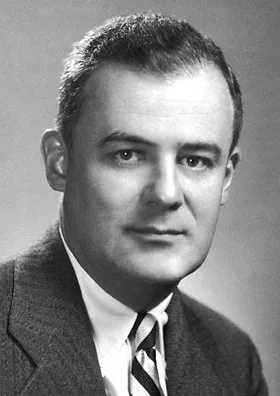
Enders, Weller, and Robbins grew the poliomyelitis virus in cultures of different tissues. Their method proved of great value in virus research, and removed the final obstacles to vaccine production. In 1974 Enders, W…
1968 CE
#752.7
Cyclic AMP.
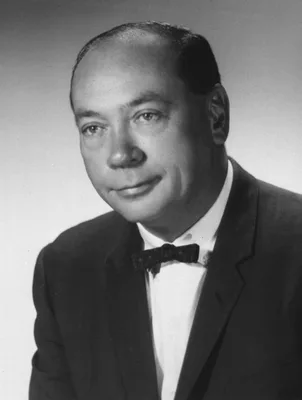
Sutherland elucidated the role of cyclic adenosine monophosphate, the second messenger mediating actions in a wide range of hormonal effects. In 1971 Sutherland was awarded the Nobel Prize in in Physiology or Medicine…
1983 CE
#14254
Cyclin: A protein specified by maternal mRNA in sea urchin eggs that is destroyed at each cleavage division.
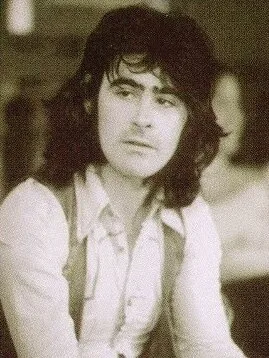
"It was at Woods Hole around July 1982, using Arbacia sea urchin eggs as his model organism, that he discovered cyclin proteins.[12] Cyclins play a key role in regulating the cell-division cycle.[16] Hunt was observin…
1998 CE
#14251
DARPP-32: Regulator of the efficacy of dopaminergic neurotransmission.
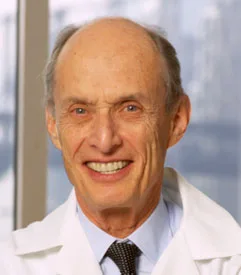
"Greengard's research focused on events inside the neuron caused by neurotransmitters. Specifically, Greengard and his fellow researchers studied the behavior of second messenger cascades that transform the docking of…
1902 CE
#2590
De l’action anaphylactique de certains venins.
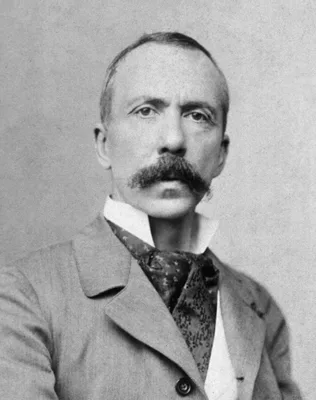
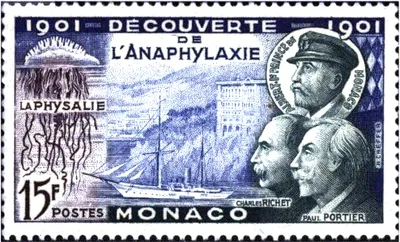
First full description of the phenomenon of “anaphylaxis,” the name of which was coined by Richet. Abbreviated English translation in Bibel, Milestones of immunology (1988). In 1913, Richet was awarded the…
1907 CE
#2599
De l’anaphylaxie en général et de l’anaphylaxie par la mytilocongestine en particulier.
In 1913 Richet was awarded the Nobel Prize in Physiology or Medicine "in recognition of his work on anaphylaxis."
1680 CE–1681 CE
#3669.3
De motu animalium. 2 pts.
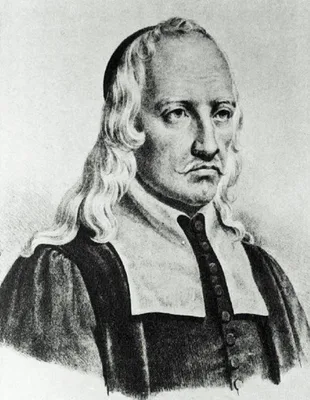
Borelli originated the neurogenic theory of the heart’s action and first suggested that the circulation resembled a simple hydraulic system. He was the first to insist that the heart beat was a simple muscular c…
1998 CE
#12112
Defective LPS signaling in C3H/HeJ and C57BL/10ScCr mice: Mutations in the Tlr4 gene.

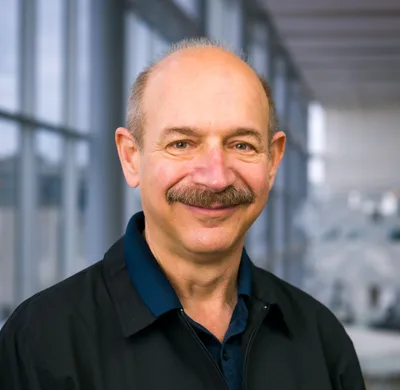
Order of authorship in the original paper: Poltorak, Smirnova...Beutler. The authors, led by Beutler, showed that mice that harbor a mutation of the gene which codes for the production of the Toll-like receptor TLR4 q…
1882 CE
#2331
Die Aetiologie der Tuberkulose.
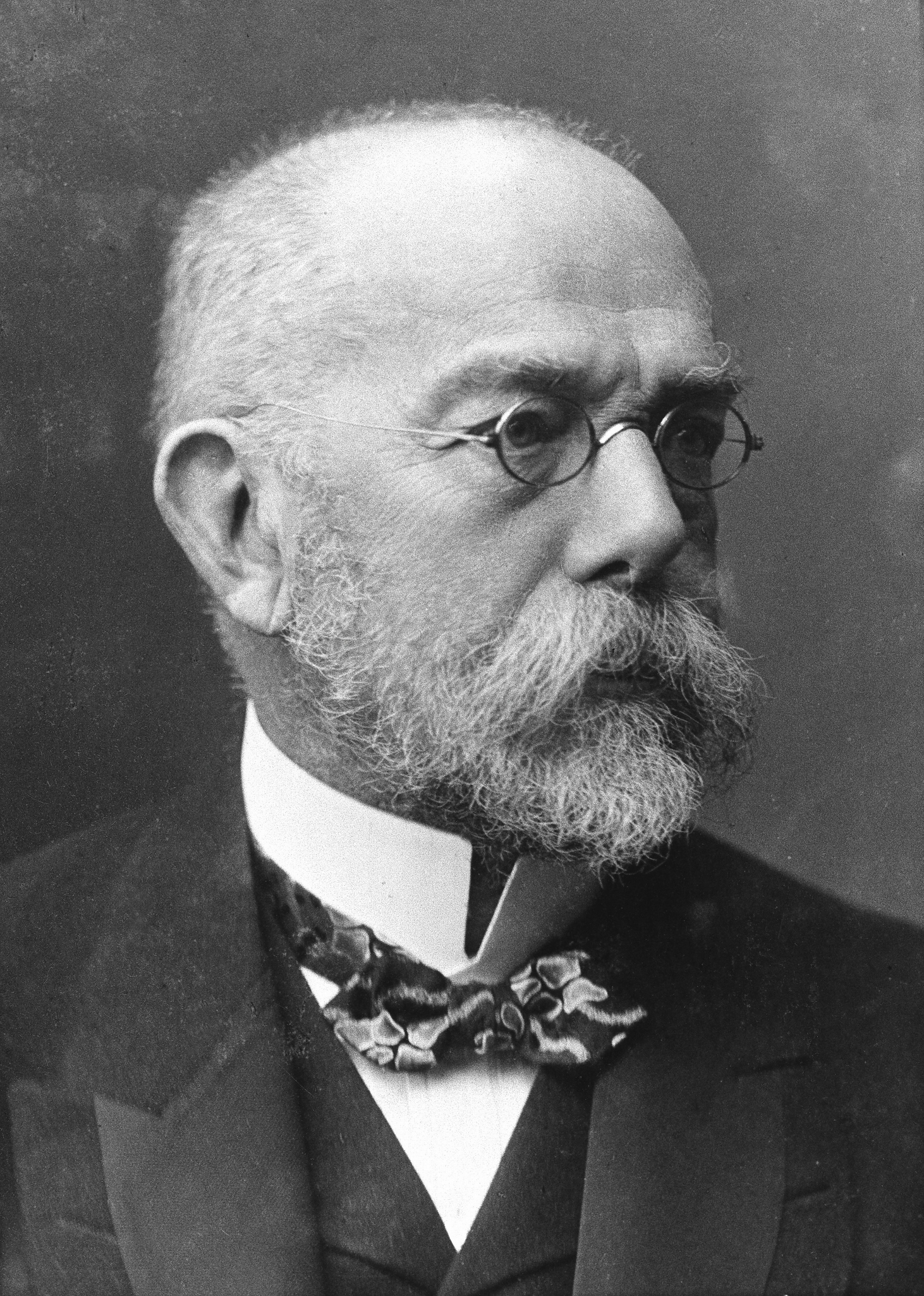
Discovery of the tubercle bacillus announced March 24, 1882. This paper also contains a statement of “Koch’s postulates”. See also Nos. 2536 and 5167. Koch published a fuller account as "Die Aetiolog…
1948 CE
#1451.1
Die funktionelle Organisation des vegetativen Nervensystems.
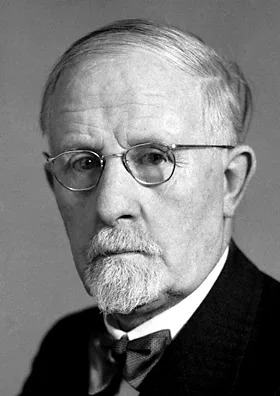
In 1949 Hess shared the Nobel Prize in Physiology or Medicine with Egas Moniz in 1949 “for his discovery of the functional organization of the interbrain as a coordinator of the activities of the internal organs…
1929 CE
#2858
Die Sondierung des rechten Herzens.
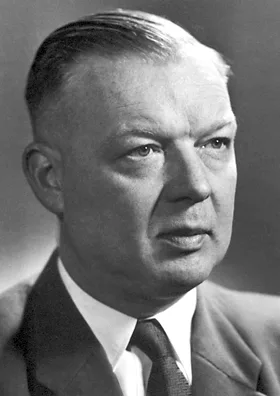
The first cardiac catheterization on a living person. Forssmann catheterized his own heart. Historical note by N. Howard-Jones, Bull. Hist. Med.,1973, 47,524-6. English translation in Callahan, Keys & Key, Classics of…
1946 CE
#14138
Die Tänze der Bienen.
Von Frisch discovered the waggle dance, a particular figure-eight dance of honey bees by which successful foragers can communicate information with other members of their colony about the direction and distance to pat…