
Facets
Browse across eight MeSH (opens in new tab) facets — era, geography, science, specialty, technology, history, culture, and reference. Select one tag per group; counts update across the others.
Clear filtersFacet filters
Geography
Specialties & Disease
- Anatomy & Pathology 8
- Cardiology & Blood 7
- Neurology & Psychiatry 25
- Obstetrics & Reproductive 13
- Infectious Disease (General) 2
- Surgery & Anesthesia 30
- Public Health 99
- Immunology & Dermatology 6
- General Clinical Medicine 23
- Military Medicine 107
- Psychology 1
- Alternative & Fringe Medicine 29
- Pediatrics 6
- Ophthalmology & Vision 2
- ENT & Hearing 0
- Urology & Nephrology 0
- Gastroenterology & Hepatology 3
- Pulmonary & Respiratory 1
- Rheumatology, Rehab & Pain 2
- Internal, Emergency & Geriatric 5
- Veterinary Medicine 1
- Epidemiology & Demography 38
- Physiology & Embryology 6
- Dentistry 7
- Plagues & Epidemics 81
- Microbiology & Virology 30
Social & Historical Studies
Institutions & Culture
Reference & Scholarly Works
741 entries match United States [Z01.058]
1870 CE
#13032
The boys in white: The experience of a hospital agent in and around Washington.
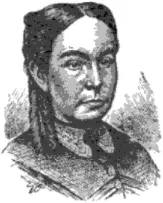
An account of the author's experiences as a nurse working in Washington, D.C. hospitals during the U.S. Civil War. Wheelock became known as the "Florence Nightingale of Michigan." Digital facsimile from the Hathi Trus…
2001 CE
#9649
The breast cancer wars: Hope, fear, and the pursuit of a cure in twentieth-century America.
2015 CE
#10442
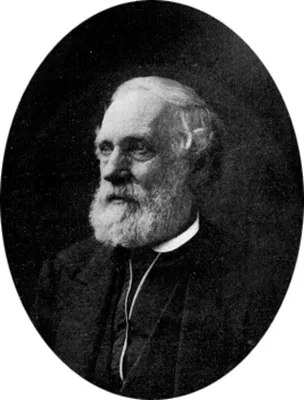
The butterflies of North America: Titian Peale's lost manuscript. Foreward by Ellen V. Futter. Preface and scientific captions by David A. Grimaldi. Introduction by Kenneth Haltman.
2013 CE
#13284
The California Institute for Regenerative Medicine. Science, governance, and the pursuit of cures
The California Institute for Regenerative medicine was the first state-fund institution that provided stable, in-state funding on a very large scale for biomedical research. "The California Institute for Regenerative …
1987 CE
#6596.61
The care of strangers: The rise of America’s hospital system.
1975 CE
#10808
The centennial history of the Boston Medical Library 1875-1975.
1930 CE
#10316
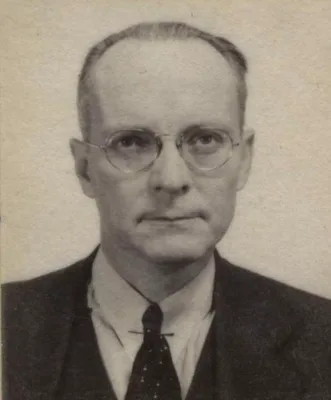
The centennial history of the Tennessee State Medical Association, 1830-1930.
1825 CE
#6861
The characteristics of homoeopathia. From Hahnemann's "Geist der Homöopathischen Heil-lehre."
The first publication on homeopathy issued in the United States— a translation of Hahnemann's essay. The 24-page pamphlet was dedicated to David Hosack of New York, and gratuitously distributed to leading physic…
1962 CE
#7927
The cholera years: The United States in 1832, 1849, and 1866.
Edition with new Afterword published in 1987.
1992 CE
#9568
The Cleveland herbal, botanical, and horticultural collections: A descriptive bibliography of pre-1830 works from the libraries of the Holden Arboretum, the Cleveland Medical Library Association, and the Garden Center of Cleveland.
c. 1903 CE
#10827
The College of Physicians and Surgeons, New York, and its founders, officers, instructors, benefactors and alumni: A history. Edited by John Shrady. 2 vols.
A massive history of nearly 1200 pages issued by the publisher of the similarly huge history of the Rush Medical College (No. 10826). Digital facsimile from the Hathi Trust at this link.
1987 CE
#7857
The development of American physiology: Scientific medicine in the nineteenth century.
1908 CE
#6002
The development of ophthalmology in America, 1800 to 1870.
Of limited value, but the only available history of early American ophthalmology.
2006 CE
#9155
The dilemma of federal mental health policy: Radical reform or incremental change?
1833 CE
#10824
The dispensatory of the United States of America.
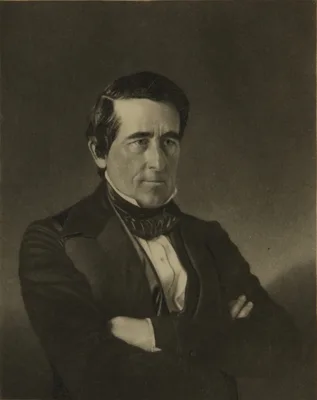
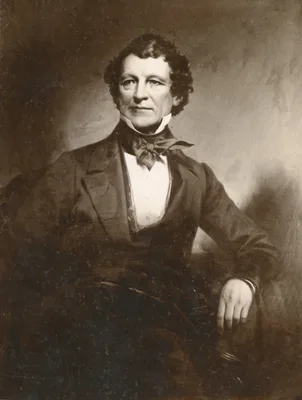
Digital facsimile of this, the first, and later editions from the Hathi Trust at this link.
1947 CE
#10284
The doctor in Oregon: A medical history.
1873 CE
#10482
The effects of high atmospheric pressure, including the caisson disease.
Classic study of caisson disease. Smith was "Late Surgeon to the New York Bridge Co. (Caisson Work)", treating workmen who built the Brooklyn Bridge. The Eads Bridge (St. Louis) and the Brooklyn Bridge (New York City)…
2008 CE
#10289
The encyclopedia of Civil War medicine.
1708 CE
#1828.1
The English physician.
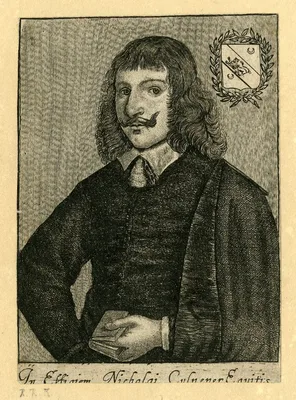
This reprint of Culpeper’s popular work on herbal remedies was the first medical book (94pp.) printed in North America.
1955 CE
#10852
The epidemic of 1830-1833 in California and Oregon.
Digital facsimile from the Hathi Trust at this link.
1879 CE
#10524
The epidemic of 1878 in Mississippi: Report of the yellow fever relief work.
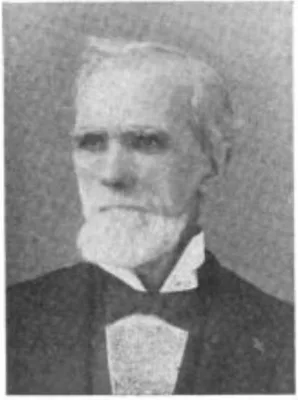
Digital facsimile from the U.S. National Library of Medicine at this link.
1900 CE
#9475
The ethno-botany of the Coahuilla Indians.
"The ʔívil̃uqaletem (or Ivilyuqaletem) are Native Americans of the inland areas of southern California.[2] Their original territory included an area of about 2,400 square miles (6,200 km2). The traditional Cahu…
1911 CE
#9347
The ethno-botany of the Gosiute Indians of Utah.
Digital facsimile from the Internet Archive at this link.
1936 CE
#9304
The ethnobiology of the Chiricahua and Mescalero Apache: A. the use of plants for food, beverages and narcotics. Ethnobiological studies in the American Southwest, Vol. 3. Biological series (Vol. 4, No. 5); Bulletin, University of New Mexico, whole, (No. 297).
1935 CE
#9303
The ethnobiology of the Papago Indians. Ethnological Studies in the American Southwest II.
"The Tohono O’odham ... are a Native American people of the Sonoran Desert, residing primarily in the U.S. state of Arizona and the Mexican state of Sonora. Tohono O’odham means "Desert People." The federa…
1932 CE
#9283
The ethnobotany of the Acoma and Laguna Indians. M.A. thesis.
1972 CE
#9918
The ethnobotany of the California Indians: A compendium of the plants, their users, and their uses.
Revised, expanded, and updated edition, La Grande, OR: E-Cat Worlds, 2014.
1968 CE
#7884
The evolution of preventive medicine in the United States Army, 1607–1939.
Available from the U.S. Army Medical Department, Office of Medical History, at this link.
1837 CE
#10411
The family nurse; or companion of the frugal housewife. Revised by a member of the Massachusetts Medical Society.
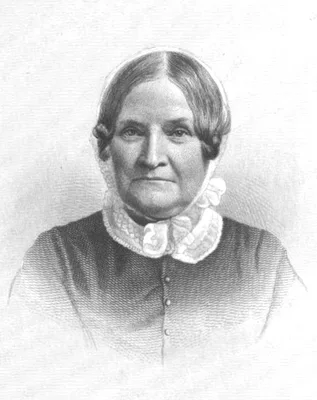
Child was was an abolitionist, women's rights activist, Native American rights activist, novelist, journalist, and opponent of American expansionism. Her journals, both fiction and domestic manuals, reached wide audie…
1864 CE
#8994
The female spy of the union army. The thrilling adventures, experiences, and escapes of a woman nurse, spy, and scout, in hospitals, camps and battlefields.
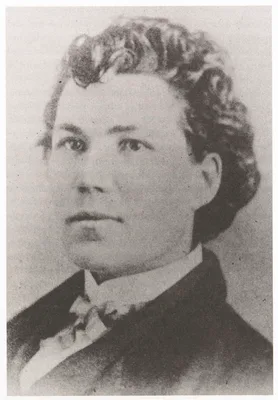
Digital facsimile of a reprint of the 1864 edition from the Internet Archive at this link. Reissued in 1865 as Nurse and spy in the Union Army: Containing the adventures and experience of a woman in hospitals, camps, …
1949 CE
#11726
The first medical college in Vermont: Castleton, 1818-1862.
Digital facsimile from the Internet Archive at this link.
1939 CE
#6594
The first Negro medical society. A history of the Medico-Chirurgical Society of the District of Columbia.
A detailed history of the “first American Negro medical society formed in America and probably in the world”. Cobb was the first black American medical historian of note.
1968 CE
#9157
The formation of the American medical profession: The role of institutions, 1780-1860.
1968 CE
#10213
The Framingham Study: An epidemiological investigation of cardiovascular disease.
"The Framingham Heart Study is a long-term, ongoing cardiovascular cohort study on residents of the town of Framingham, Massachusetts. The study began in 1948 with 5,209 adult subjects from Framingham, and is now on i…
1818 CE
#7771
The genera of North American plants, and a catalogue of the species to the year 1817. 2 vols.
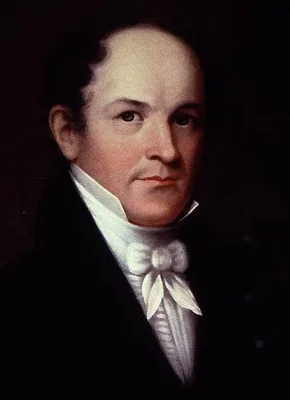
The first comprehensive botany of the United States. Digital facsimile from the Internet Archive at this link.
1999 CE
#9113
The gospel of germs: Men, women, and the microbe in American life.
1991 CE
#10409
The great American medicine show: Being an illustrated history of hucksters, healers, health evangelists and heroes from plymouth rock to the present.

2015 CE
#9829
The great paleolithic war: How science forged an understanding of America's ice age past.
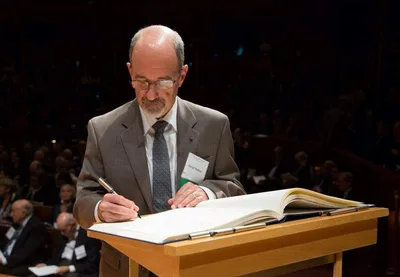
A masterful synthesis of the history of the study of human origins in North America with a comprehensive bibliography.
1910 CE
#11446
The health index of children.
Hoag was medical director of the public schools in Berkeley, California. As Hoag wrote in his introduction, the object of this work was "to show teachers and parents how to detect easily those ordinary physical defect…
1994 CE
#10084
The health of Native Americans: Towards a biocultural epidemiology.
1951 CE
#6596.1
The health of slaves on southern plantations.
Chiefly from contemporary MS records.
1994 CE
#9742
The health of the presidents: The 41 United States presidents through 1993 from a physician's point of view.
1959 CE
#13534
The health seekers of Southern California 1870-1900.
1982 CE
#12492
The healthiest city: Milwaukee and the politics of health reform.
2013 CE
#9405
The history of American homeopathy: From rational medicine to holistic health care.
2005 CE
#9406
The history of American homeopathy: The academic years, 1820-1935.
1956 CE
#10326
The history of medical education in Indiana
1982 CE
#10403
The history of medicine in Alabama.
1988 CE–1992 CE
#5813.14
The history of surgery in the United States 1775-1900. Vol. 1: Textbooks, monographs and treatises. Vol. 2: Periodicals and pamphlets.
The most comprehensive annotated bibliographies of American surgical literature to 1900. Includes separate bibliographies for general surgery, ophthalmology, oto-rhino-laryngology, orthopedic surgery, gynaecology, uro…
1775 CE
#7505
The history of the American Indians; particularly those nations adjoining to the Missisippi [sic] East and West Florida, Georgia, South and North Carolina, and Virginia: containing an account of their origin, language, manners, religious and civil customs, laws, form of government, punishments, conduct in war and domestic life, their habits, diet, agriculture, manufactures, diseases and method of cure... With observations on former historians, the conduct of our colony governors, superintendents, missionaries, & c. Also an appendix, containing a description of the Floridas, and the Missisippi [sic] lands, with their productions--the benefits of colonizing Georgiana, and civilizing the Indians--and the way to make all the colonies more valuable to the mother country....
The author characterized himself on the title page as "a Trader with the Indians and a Resident in their Country for Forty Years." Digital facsimile from the Internet Archive at this link.