
Facets
Browse across eight MeSH (opens in new tab) facets — era, geography, science, specialty, technology, history, culture, and reference. Select one tag per group; counts update across the others.
Clear filtersFacet filters
Geography
Specialties & Disease
- Anatomy & Pathology 1
- Cardiology & Blood 0
- Neurology & Psychiatry 5
- Obstetrics & Reproductive 1
- Infectious Disease (General) 1
- Surgery & Anesthesia 0
- Public Health 7
- Immunology & Dermatology 0
- General Clinical Medicine 2
- Military Medicine 2
- Psychology 1
- Alternative & Fringe Medicine 29
- Pediatrics 0
- Ophthalmology & Vision 0
- ENT & Hearing 1
- Urology & Nephrology 0
- Gastroenterology & Hepatology 0
- Pulmonary & Respiratory 0
- Rheumatology, Rehab & Pain 0
- Internal, Emergency & Geriatric 0
- Veterinary Medicine 0
- Epidemiology & Demography 6
- Physiology & Embryology 0
- Dentistry 0
- Plagues & Epidemics 5
- Microbiology & Virology 0
Social & Historical Studies
Institutions & Culture
Reference & Scholarly Works
Drugs & Technology
110 entries match Traditional & Indigenous [G02.403.700] · Race, Ethnicity & Colonial Medicine [K01.900.850]
1999 CE
#9292
Medicinal flora of the Alaska natives. A compilation of knowledge from literary sources of Aleut, Alutiiq, Athabascan, Eyak, Haida, Inupiat, Tlingit, Tsimshian, and Yupik traditional healing methods using plants.
Digital facsimile from uaa.alaska.edu at this link.
1957 CE
#9272
Medicinal uses of plants by Indian tribes of Nevada. Contributions toward a flora of Nevada. No. 45. Revised edition, with summary of pharmacological research by W. Andrew Archer, Nov. 26, 1957.
Digital facsimile from the Internet Archive at this link. (First published in 1941.)
1932 CE
#6460
Medicine among the American Indians.
Reprinted, New York, Hafner, 1962.
2001 CE
#10193
Medicine that Walks: Disease, medicine, and Canadian Plains native people, 1880-1940.
"... Lux takes issue with the 'biological invasion' theory of the impact of disease on Plains Aboriginal people. She challenges the view that Aboriginal medicine was helpless to deal with the diseases brought by Europ…
2001 CE
#12092
Medicine ways: Disease, health and survival among native Americans. Edited by Clifford E. Trafzer and Diane E. Weiner.
1958 CE
#8603
Medicine-men of the North Pacific Coast. Bulletin (National Museum of Canada), no. 152.; Bulletin (National Museum of Canada)., Anthropological series, no. 42.
1958 CE
#10853
Medicine-men on the North Pacific Coast.
1961 CE
#10855
Mohave ethnopsychiatry and suicide: The psychiatric knowledge and the psychic disturbances of an Indian tribe.
1998 CE
#7869
Native American ethnobotany.
Considered the definitive book on the subject documenting over 4,000 plants and roughly 44,000 uses, including medicinal usage.
2003 CE
#9669
Native American ethnobotany. A database of plants used as drugs, foods, dyes, fibers, and more, by native peoples of North America.
http://naeb.brit.org/ "As noted, In the spring of 2003, substantial revisions of the database were made, revising its looks, and adding links to the US Department of Agriculture PLANTS database. This means that comple…
2002 CE
#10410
Native American healing: A Lacota ritual.
Medical rituals of the Lacota people.
1941 CE
#9281
Navajo Indian medical ethnobotany. University of New Mexico Bulletin, Anthropological Series, Vol. 3, No. 5.

Digital facsimile from herbaltherapeutics.net at this link.
1939 CE
#6465.1
Navajo medicine man. Sandpaintings and legends of Miguelito from the John Frederick Huckel Collection
Navajo sandpaintings are traditionally made only for the healing ceremony in which they are used, and then destroyed. This book contains superb reproductions on sand-colored paper of watercolor versions of the sandpai…
1822 CE
#6988
New guide to health; or botanic family physician, containing a complete system of practice, upon a plan entirely new; with a description of the vegetables made use of, and directions for preparing and adminstering them to cure disease. To which is prefixed a narrative of the life and medical discoveries of the author.
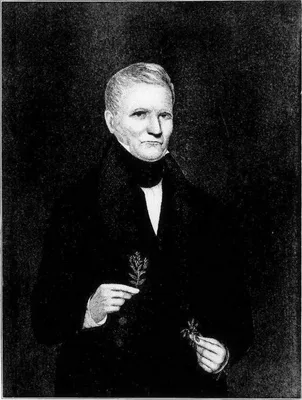
The "Bible" of Thomsonism or "Thomsonian medicine", which employed botanical remedies, often based on native American medicines. Digital facsimile from the Medical Heritage Library, Internet Archive, at this link.
1672 CE
#1826.1
New-Englands rarities discovered: in birds, beasts, fishes, serpents, and plants of that country. Together with the physical and chyrurgical remedies wherewith the natives constantly use to cure their distempers, wounds, and sores…
The first detailed account of the natural history and botany of North America, including the first extensive study of native North American medicine.
1862 CE
#2166.1
Notes on arrow wounds.
The definitive work on American Indian arrow wounds suffered by U. S. troops and settlers in frontier warfare during the Western expansion of the United States. Bill eventually developed a "Forceps for the Extraction …
1885 CE
#10192
Notes on diseases among the Indians frequenting York Factory, Hudson's Bay. Read before the Medico-Chirurgical Society of Montreal, February, 1885.
Mathews was a surgeon employed by the Hudson's Bay Company. "York Factory was a settlement and Hudson's Bay Company (HBC) factory (trading post) located on the southwestern shore of Hudson Bay in northeastern Manitoba…
1886 CE
#7708
Notes on the anomalies, injuries and diseases of the bones of the native races of North America.
The first American contribution to paleopathology. Digital facsimile from Google Books at this link.
1979 CE
#7190
Only one man died. The medical aspects of the Lewis and Clark expedition.
Appendix 1 contains a listing of the many medical books in the library of Thomas Jefferson.
1908 CE
#6455.1
Physiological and medical observations among the Indians of Southwestern United States and Northern Mexico.
Digital facsimile from the Internet Archive at this link.
2012 CE
#7891
Plague, fear, and politics in San Francisco's Chinatown.
1940 CE
#9278
Plants used as curatives by certain Southeastern tribes.
Digital facsimile from herablstudies.net at this link.
1805 CE–1806 CE
#2159.1
Remarks on the management of the scalped-head.
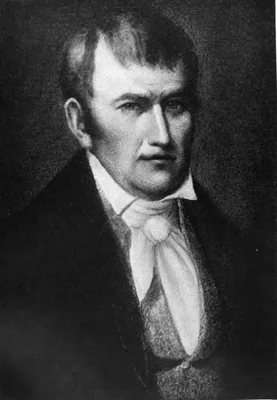
Treatment for the quintessential American war injury suffered by troops and settlers alike on the American frontier.
2001 CE
#13710
Rotting face: Smallpox and the American Indian.
1997 CE
#9910
Sacred leaves of Candomblé: African magic, medicine, and religion in Brazil.
"Candomblé, an African religious and healing tradition that spread to Brazil during the slave trade, relies heavily on the use of plants in its spiritual and medicinal practices. When its African adherents were…
1891 CE
#9888
Scatologic rites of all nations. A dissertation upon the employment of excrementitious remedial agents in religion, therapeutics, divination, witchcraft, love-philters, etc., in all parts of the globe. Based upon original notes and person observation, and upon compilation from over one thousand authorities. Not for general perusal.
Digital facsimile of the 1891 edition from the Internet Archive at this link. Translated in to German as: Der Unrat in Sitte, Brauch, Glauben und Gewohnheitrecht der Völker, von John Gregory Bourke. Verdeutscht u…
2017 CE
#9862
Secret cures of slaves: People, plants, and medicine in the eighteenth-century Atlantic world.

"Massive mortality among enslaved Africans and European planters, soldiers, and sailors fueled the search for new healing techniques. Amerindian, African, and European knowledges competed to cure diseases emerging fro…
1994 CE
#10090
Secret doctors: Ethnomedicine of African Americans.
"Based on an ethnographic study of the traditional medicine of African Americans in the rural southern United States, this work concentrates on the original Louisiana Territory, with its Native and African American in…
2021 CE
#13271
Strong hearts and healing hands: Southern California Indians and field nurses, 1920-1950.
1972 CE
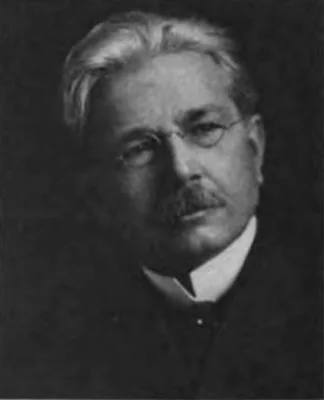
#9917
Strong medicine: History of healing on the Northwest Coast.
1622 CE
#9633
Tabacologia: Hoc est, tabaci, seu nicotianae descriptio medico-cheirurgico-pharmaceutica: Vel eius praeparatio & usus in omnibus corporis humani incommodis.
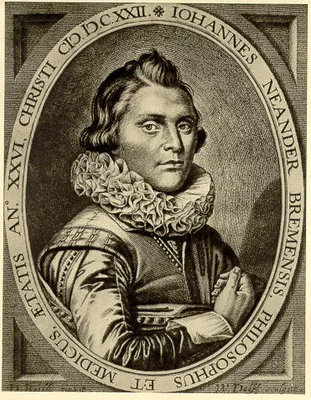
Neander described tobacco, its processing, and medical-pharmaceutical use. His book Includes images of the plants, of Indian, Oriental and European types of pipes, as well as depictions of cultivation and processing b…
1886 CE
#10191
The "medicine-man"; or, Indian and Eskimo notions of medicine. Reprinted from the "Canada Medical and Surgical Journal" for March and April, 1886.
Digital facsimile from the Internet Archive at this link.
1801 CE
#1838.2
The American herbal, or materia medica.
The first herbal both produced and printed in the United States, as opposed to those which were reprints of European works. Includes information on native American remedies. Digital facsimile from the Medical Heritage…
1672 CE
#7007
The American physician : or, a treatise of the roots, plants, trees, shrubs, fruit, herbs, etc., growing in the English Plantations in America ; ... whereunto is added a discourse of the Cacao-nut-Tree, and the use of its fruit ; with all the ways of making Chocolate
The earliest work in English on the medicinal virtues of North American tropical plants. Based on first-hand observations made in the West Indies, Evidence suggests that Hughes began his career in 1651 with a privatee…
1861 CE
#3267
The breath of life; or mal-respiration, and its effects upon the enjoyments and life of man.
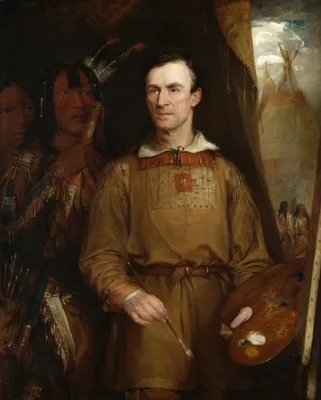
Catlin, the famous American artist, was the first in America to call attention to the bad effects of mouth-breathing. He based his book on observations of native American practices, and illustrated his book with humor…
1945 CE
#13801
The effect of smallpox on the destiny of the Amerindian.
1900 CE
#9475
The ethno-botany of the Coahuilla Indians.
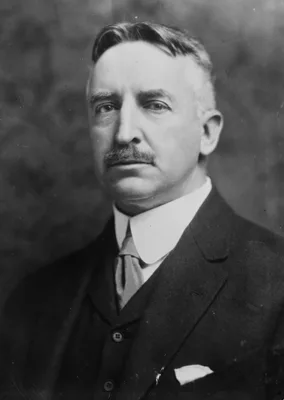
"The ʔívil̃uqaletem (or Ivilyuqaletem) are Native Americans of the inland areas of southern California.[2] Their original territory included an area of about 2,400 square miles (6,200 km2). The traditional Cahu…
1911 CE
#9347
The ethno-botany of the Gosiute Indians of Utah.
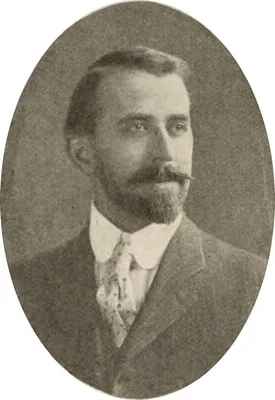
Digital facsimile from the Internet Archive at this link.
1936 CE
#9304
The ethnobiology of the Chiricahua and Mescalero Apache: A. the use of plants for food, beverages and narcotics. Ethnobiological studies in the American Southwest, Vol. 3. Biological series (Vol. 4, No. 5); Bulletin, University of New Mexico, whole, (No. 297).
1935 CE
#9303
The ethnobiology of the Papago Indians. Ethnological Studies in the American Southwest II.
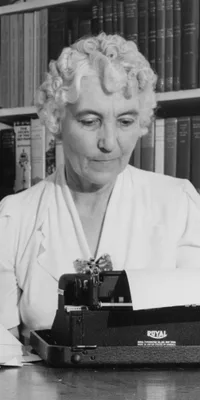
"The Tohono O’odham ... are a Native American people of the Sonoran Desert, residing primarily in the U.S. state of Arizona and the Mexican state of Sonora. Tohono O’odham means "Desert People." The federa…
1932 CE
#9283
The ethnobotany of the Acoma and Laguna Indians. M.A. thesis.
1994 CE
#10084
The health of Native Americans: Towards a biocultural epidemiology.
1775 CE
#7505
The history of the American Indians; particularly those nations adjoining to the Missisippi [sic] East and West Florida, Georgia, South and North Carolina, and Virginia: containing an account of their origin, language, manners, religious and civil customs, laws, form of government, punishments, conduct in war and domestic life, their habits, diet, agriculture, manufactures, diseases and method of cure... With observations on former historians, the conduct of our colony governors, superintendents, missionaries, & c. Also an appendix, containing a description of the Floridas, and the Missisippi [sic] lands, with their productions--the benefits of colonizing Georgiana, and civilizing the Indians--and the way to make all the colonies more valuable to the mother country....
The author characterized himself on the title page as "a Trader with the Indians and a Resident in their Country for Forty Years." Digital facsimile from the Internet Archive at this link.
1836 CE
#9524
The Indian vegetable family instructer: Containing the names and descriptions of all the most useful herbs and plants that grow in this country, with their medicinal qualities annexed; also, a treatise on many of the lingering diseases to which mankind are subject, ... with a large list of recipes, which have been carefully selected from Indian prescriptions ... Designed for the use of families in the United States.
1923 CE
#6456
The medicine man: A sociological study of the character and evolution of shamanism.
Digital facsimile from the Internet Archive at this link.
1990 CE
#10874
The medicine men: Oglala Sioux ceremony and healing.

1935 CE
#6461
The medicine-man of the American Indian and his cultural background.
Digital facsimile from the Hathi Trust at this link.
1892 CE
#6452.1
The medicine-men of the Apache.
Bourke, a U.S. Army officer with experience on the American Indian frontier, was a pioneer student of native American medicine and anthropology. Digital facsimile from the Internet Archive at this link.
1977 CE
#7977
The native population of the Americas in 1492. Edited by William M. Devevan.
"The discovery of America was followed by possibly the greatest demographic disaster in the history of the world." Research by some scholars provides population estimates of the pre-contact Americas to be as high as 1…
1737 CE
#12473
The natural history of North Carolina. With an account of the trade, manners and customs of the Christian and Indian inhabitants. Illustrated with copper-plates, whereon are curiously engraved the map of the country, several strange beasts, birds, fishes, snakes, insects, trees, and plants, &c.
Brickell accompanied provincial governor George Burrington to North Carolina in 1724, remaining in the region for six years and becoming one of the first medical doctors in North Carolina. Brickell took the material o…