
Facets
Browse across eight MeSH (opens in new tab) facets — era, geography, science, specialty, technology, history, culture, and reference. Select one tag per group; counts update across the others.
Clear filtersFacet filters
Geography
Specialties & Disease
- Anatomy & Pathology 77
- Cardiology & Blood 0
- Neurology & Psychiatry 13
- Obstetrics & Reproductive 5
- Infectious Disease (General) 0
- Surgery & Anesthesia 12
- Public Health 4
- Immunology & Dermatology 1
- General Clinical Medicine 48
- Military Medicine 9
- Psychology 0
- Alternative & Fringe Medicine 3
- Pediatrics 1
- Ophthalmology & Vision 5
- ENT & Hearing 6
- Urology & Nephrology 7
- Gastroenterology & Hepatology 1
- Pulmonary & Respiratory 0
- Rheumatology, Rehab & Pain 0
- Internal, Emergency & Geriatric 1
- Veterinary Medicine 0
- Epidemiology & Demography 0
- Physiology & Embryology 9
- Dentistry 5
- Plagues & Epidemics 7
- Microbiology & Virology 1
Social & Historical Studies
Institutions & Culture
Reference & Scholarly Works
Drugs & Technology
137 entries match Early Modern [K01.400.475]
1990 CE
#8049
Medieval & Early Renaissance medicine: An introduction to knowledge and practice.
1541 CE
#373
Musculorum humani corporis picturata dissectio.
The first book in which each muscle was illustrated separately, with copper-plates of the bones and muscles of the upper limb from drawings by Girolamo da Carpi, which in realism and exactitude surpassed anything betw…
1561 CE
#1208
Observationes anatomicae.
Observationes anatomicae, a work of 232 leaves printed in the comparatively small octavo format, with no illustrations, was the only work Fallopio published before his death from tuberculosis at age thirty-nine, and i…
1606 CE–1641 CE
#5570
Observationum et curationum chirurgicarum centuriae. 6 vols.
Fabricius’s most important work; it was the best collection of case-records available for many years. Among other things, Fabricius used a magnet to extract an iron splinter from the eye – an idea suggeste…
1725 CE
#8095
Opera omnia anatomica & chirurgica. Edited by Herman Boerhaave and Bernhard Siegfried Albinus. 2 vols.
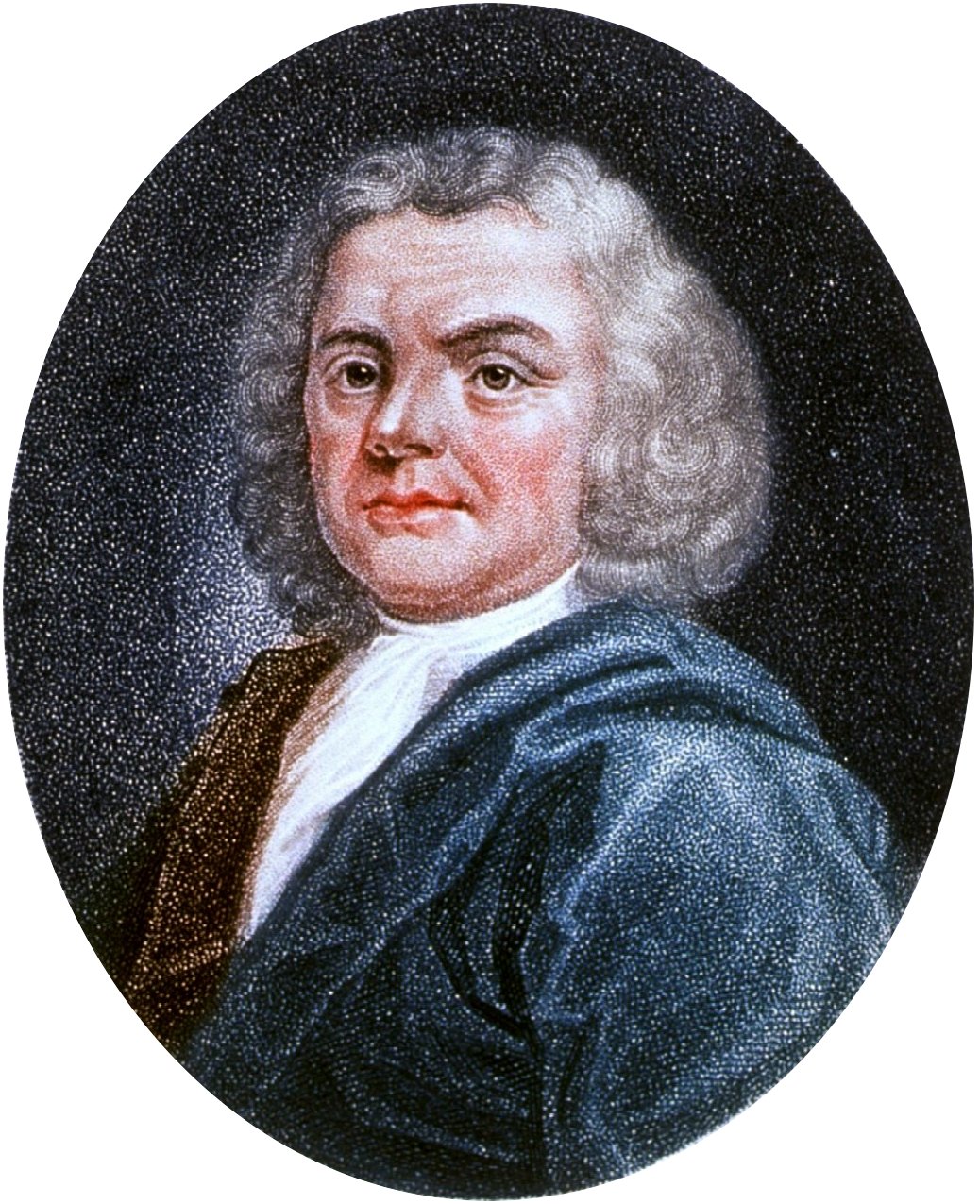
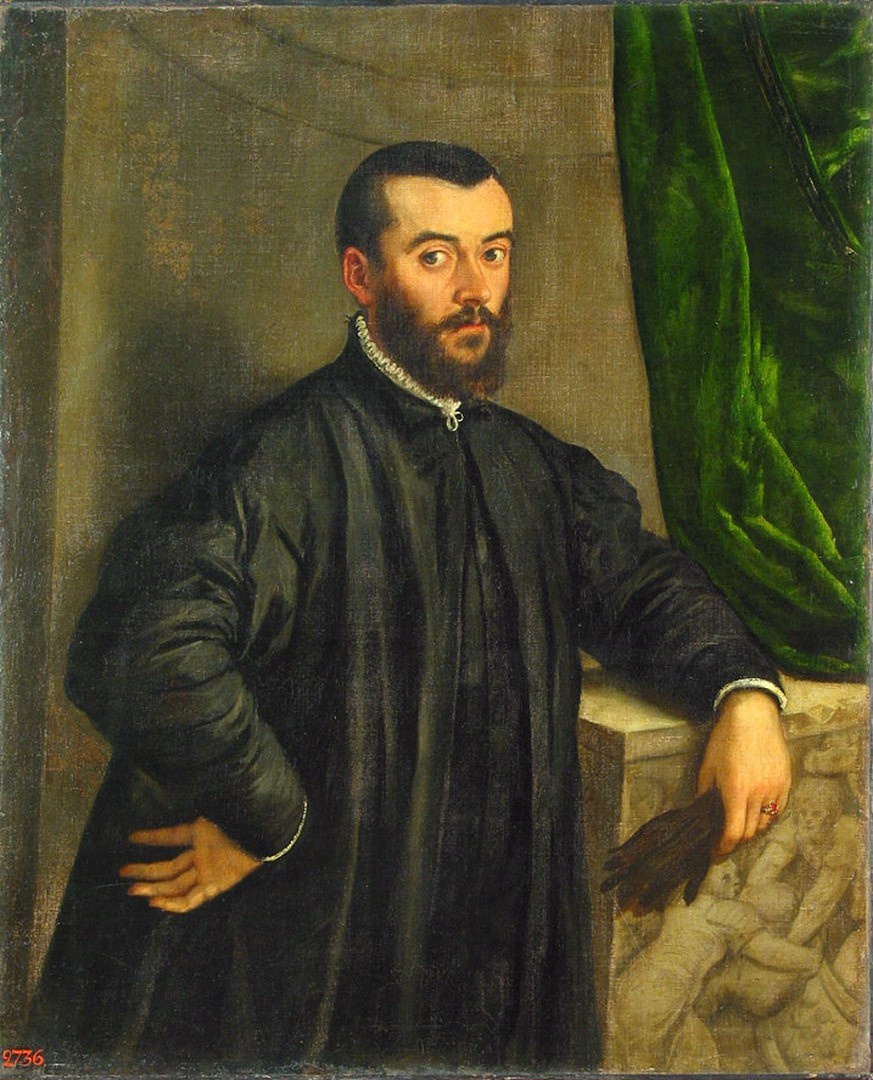
Vesalius's collected works with the famous woodcuts reproduced as copperplate engravings by Jan Wandelaar (1690-1759). Notably Boerhaave and Albinus had this edition published because Vesalius's works still had practi…
1563 CE–1564 CE
#1093
Opuscula anatomica.
Eustachius is credited with several anatomical discoveries, among them the tensor tympani muscle and the Eustachian tube, published in his chapter entitled De auditus organis. In the last respect, however, he was anti…
1583 CE
#5817
̓Oφθαλμоδоύλεια das ist, Augendienst.
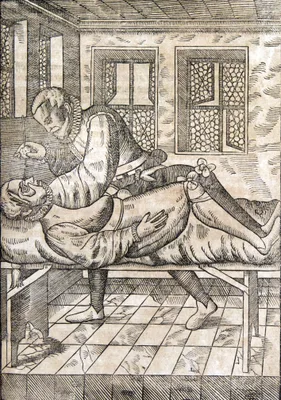
In this treatise on ophthalmic surgery Bartisch, who limited his practice to ophthalmology and hernia repair, left the first extensively illustrated account of any surgical specialty. Bartisch was a skilful operator a…
1999 CE
#7546
Paper bodies: A catalogue of anatomical fugitive sheets 1538-1687. (Medical History, Supplement No. 19)
Describes bibliographically and illustrates the approximately 60 different surviving fugitive sheets together with essays on "The visual culture of Renaissance anatomy," "Anatomical fugitive sheets: Printing, prints a…
1499 CE
#363.2
Philosophie naturalis compendium.
The last section of this commentary on Aristotle is an illustrated summary of anatomy, the text of which was derived, with some modifications, from medieval manuscripts. The series of eleven woodcuts has been called &…
2013 CE
#7997
Pliny and the artistic culture of the Italian Renaissance.
2017 CE
#9092
Principles of anatomy according to the opinion of Galen by Johann Guinter and Andreas Vesalius. Edited [with an English translation] by Vivian Nutton.

The first translation into English of Johann Guinter’s textbook as revised and annotated by Guinter’s student, Andreas Vesalius, in 1538. Despite Vesalius’ fame as an anatomist, his 1538 revision has…
1925 CE
#5140
Remèdes contre la peste. Facsimilés, notes et liste bibliographique des incunables sur la peste.
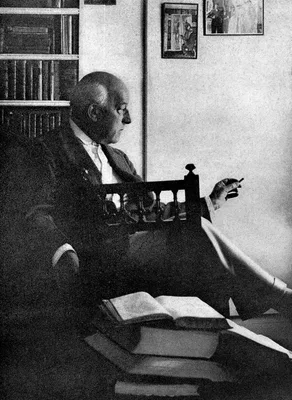
Includes facsimile reproduction of “La régime de l’epidémie et remède contre icelle” of Jean Jacme (Johannes Jacobi), [5115], together with the “Remède très u…
2007 CE
#7775
Renaissance vision from spectacles to telescopes.
Through an examination of original economic documents, as well as scientific documents, Ilardi discovered that Florence rather than Venice was the 15th-century center for making eye glasses and that lenses for farsigh…
1826 CE–1838 CE
#6752
Repertorium bibliographicum. 2 vols. [in 4].
Alphabetical author-index of 16,299 incunabula. Originally based on the contents of the Munich Hofbibliothek, it was made more useful when Walter Arthur Copinger published a 3-volume supplement, 1895-1902, which added…
2019 CE
#14012
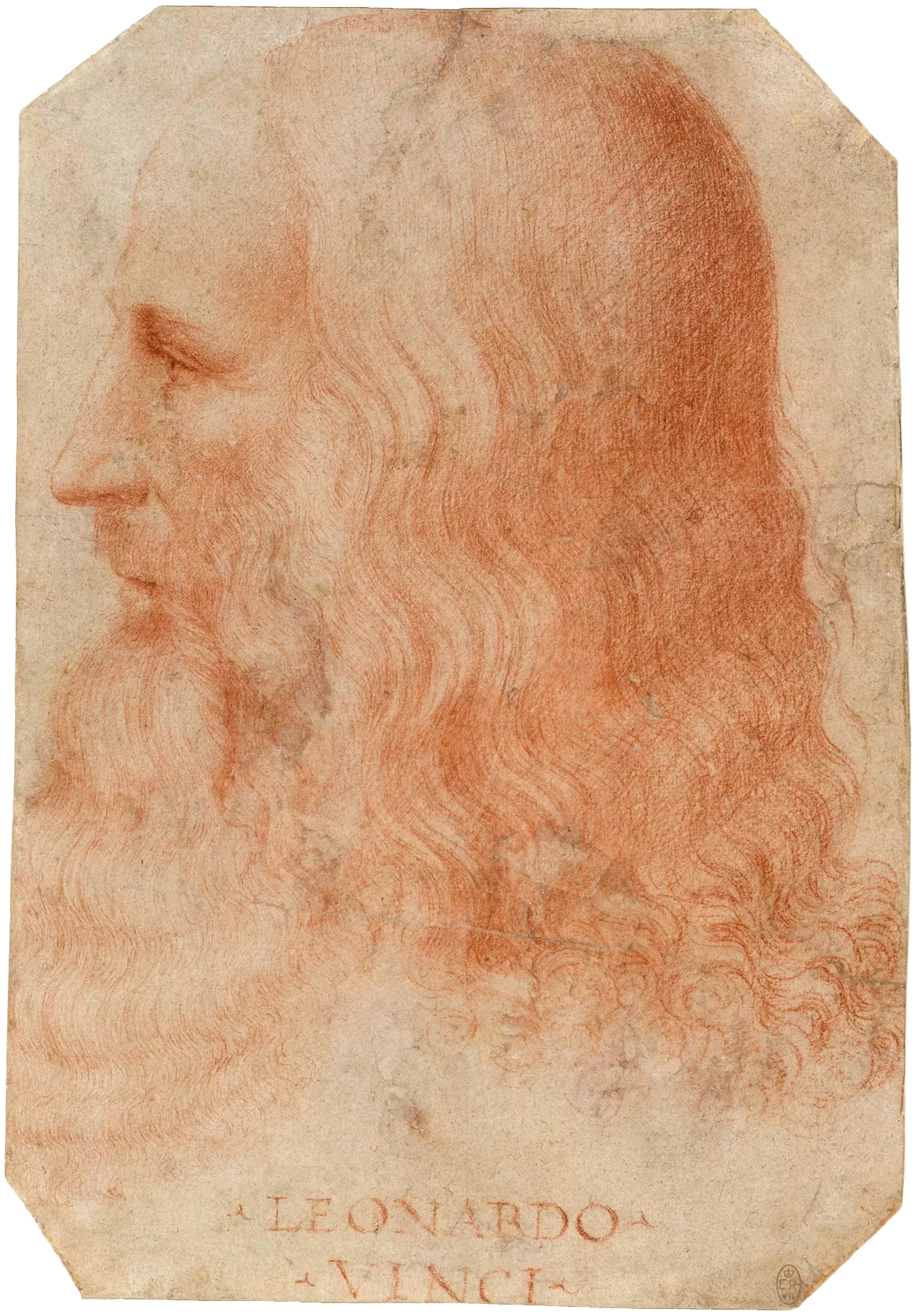
Sir William Osler's Leonardo da Vinci collection: Flight, anatomy and art.

1975 CE
#461.3
Studies in pre-Vesalian anatomy. Biography, translation, documents by L. R. Lind.
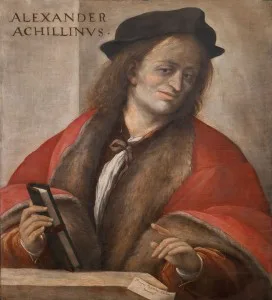
Includes English translations of texts by Alessandro Achillini, Alessandro Benedetti, Berengario da Carpi, Gabriele Zerbi, Niccolo Massa, Andrés de Laguna, J. Dryander and G. B. Canano.
2016 CE
#9401
Success and suppression: Arabic sciences and philosophy in the Renaissance.
A bibliographically oriented historical analysis of the numerous Renaissance translations of Arabic medical, scientific and philosophical works into Latin from the Arabic, which the author argues reached a peak in the…
1543 CE
#376
Suorum de humani corporis fabrica librorum epitome.
Shortly after publishing his encyclopedic De humani corporis fabrica libri septem, Vesalius issued De humani corporis fabrica epitome, also from the press of Johannes Oporinus of Basel. This thin set of 14 unnumbered …
1538 CE
#372
Tabulae anatomicae sex.
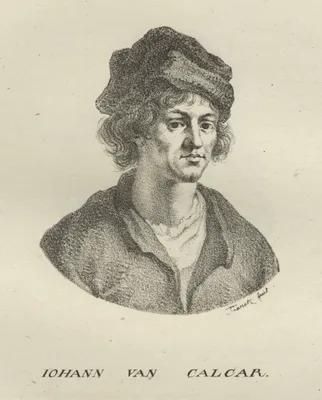
Vesalius’ first anatomical publication, consisting of six oversized anatomical charts, resembling fugitive sheets. The three skeletal woodcuts are signed by the artist, Jan Stephan van Calcar, who also acted as …
1999 CE
#7032
Taking positions. On the erotic in Renaissance culture.
Of particular relevance to the history of medical literature is Chapter 8: "Mythology, Sexuality, and Science in Charles Estienne's Manual of Anatomy" (pp. 161-188). This refers to Estienne's De dissectione partium co…
2017 CE
#10752
The art and science of healing from antiquity to the Renaissance. Exhibition catalogue Kelsey Museum of Archaeology - University of Michigan Library 10 February - 30 April 2017.
Finely illustrated and annotated catalogue including objects and rare books and manuscripts collected by Le Roy Crummer, Lewis Stephen Pilcher, and Campbell Bonner. Until publication of this catalogue material in the …
1998 CE
#9141
The Articella in the early press c. 1476-1534.
Digital facsimile from digital.csic.es at this link.
1970 CE
#6786.16
The awakening interest in science during the first century of printing 1450-1550. An annotated checklist of first editions viewed from the angle of their subject content. Astronomy. Mathematics. Medicine. Natural science. Physics. Technology.
1997 CE
#8051
The clock and the mirror: Girolamo Cardano and Renaissance medicine.
2018 CE
#10543
The Fabrica of Andreas Vesalius: A worldwide descriptive census, ownership, and annotations of the 1543 and 1555 editions.
Detailed bibliographical information, ownership records, and worldwide census, including description of the handwritten annotations in the surviving copies of the first two editions of Vesalius's De humani corporis fa…
1525 CE
#368.01
The noble experyence of the vertuous handywarke of surgeri.
This translation of Brunschwig’s surgery (No. 5559) includes the first anatomical text printed in English, a 13-page section with 4 woodcuts. Facsimile, Amsterdam, 1973.
2006 CE
#8323
The Renaissance hospital: Healing the body and healing the soul.

1934 CE
#6564
The renaissance of medicine in Italy … The Hideyo Noguchi Lectures.
1644 CE
#11858
Theatro d’Arcani del medico Lodovico Locatelli da Bergamo; nel quale si tratta dell’arte chimica, et suoi arcani, con gli afforismi d’Ippocrate commentati da Paracelso, et l’espositione d’alcune cifre, et caratteri oscuri de filosofi.
‘It is apparent that by the 1640’s Paracelsian medicine had gained momentum in Italy and that iatrochemical theories were being adopted by a number of Italian physicians. […] In 1644 there appeared …
1592 CE
#379
Theatrum anatomicum infinitis locis auctum, ad morbos accommodatum....
Includes historical data. Bauhin was professor of anatomy at Basle.
1842 CE
#11109
Theophili Protospatharii De corporis humani fabrica libri v. Edidit Gulielmus Alexander Greenhill.
Extensively annotated Greek & Latin edition of this Byzantine treatise on anatomy and physiology, edited by William Alexander Greenhill. Digital facsimile from the Internet Archive at this link.
1579 CE
#1819.1
Tractado breve de anathomia y chirurgia.
Includes some of the first studies of the plants and botanic remedies of the New World. Second edition, Tractado breve de medicina (1592). This is an abridgement of manuscripts left in Mexico by Francisco Herná…
1903 CE
#8363
Trois traités d'anatomie arabes par Muhammad ibn Zakariyya al-Razi, 'Ali ibn al-'Abbas, et 'Ali ibn Sina. Text inédit de deux traités. Traduction de P. de Koning.
![AVICENNA, [Abū ʿAlī al-Ḥusayn ibn ʿAbd Allāh ibn Al-Hasan ibn Ali ibn Sīnā] (980 – 1037)](/media/portraits/9572)
Parallel Arabic and French texts. Digital facsimile from the Internet Archive at this link.
2021 CE
#13667
Vesaliana: An updated and annotated Vesalius Bibliography, including all known publications on Andreas Vesalius (1514-1564) and his works. Compiled by Maurits Biesbrouck.
http://www.andreasvesalius.be/ A bibliography of studies about Vesalius and his works. When I added this entry in October 2021 the latest version was a 582-page PDF dated January 2021.
2015 CE
#13024
Vesalius: The China Root epistle. A new translation and critical edition, edited and translated by Daniel H. Garrison, with added illustrations from the 1543 and 1555 De humani corporis fabrica.
1528 CE
#149
Vier Bücher von menschlicher Proportion.
Written, designed, and illustrated by Dürer, this work is notable for its extraordinary series of anthropometrical woodcuts. The first two books deal with the proper proportions of the human form; the third chang…
2016 CE
#7861