
Facets
Browse across eight MeSH (opens in new tab) facets — era, geography, science, specialty, technology, history, culture, and reference. Select one tag per group; counts update across the others.
Clear filtersFacet filters
Geography
Specialties & Disease
- Anatomy & Pathology 134
- Cardiology & Blood 11
- Neurology & Psychiatry 36
- Obstetrics & Reproductive 26
- Infectious Disease (General) 5
- Surgery & Anesthesia 14
- Public Health 129
- Immunology & Dermatology 38
- General Clinical Medicine 28
- Military Medicine 11
- Psychology 16
- Alternative & Fringe Medicine 17
- Pediatrics 5
- Ophthalmology & Vision 2
- ENT & Hearing 3
- Urology & Nephrology 4
- Gastroenterology & Hepatology 4
- Pulmonary & Respiratory 3
- Rheumatology, Rehab & Pain 0
- Internal, Emergency & Geriatric 7
- Veterinary Medicine 11
- Epidemiology & Demography 12
- Physiology & Embryology 94
- Dentistry 10
- Plagues & Epidemics 44
- Microbiology & Virology 92
Social & Historical Studies
Institutions & Culture
Reference & Scholarly Works
1,480 entries match Zoology & Animal Sciences [K01.900.500.750]
1754 CE
#7678
The natural history of Carolina, Florida, and the Bahama Islands, containing the figures of birds, beasts, fishes, serpents, insects, and plants, particulary the forest trees, shrubs, and other plants, not hitherto described, or very incorrectly figured by authors. Together with their descriptions in English and French. To which are added, observations on the air, soil, and waters with remarks upon agriculture, grain, pulse, roots, &c. To the whole is prefixed a new and correct map of the countries treated of / by the late Mark Catesby; revised by Mr. [George] Edwards. 2 vols.
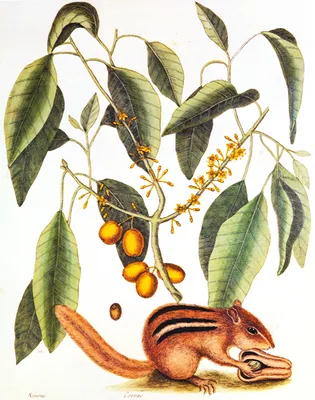
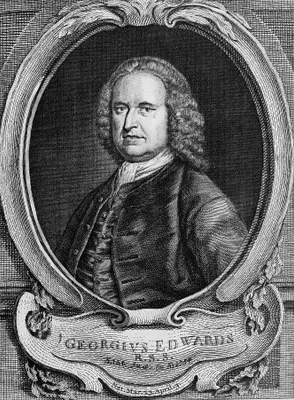
Second edition, edited by ornithologist George Edwards. Digital facsimile from the Internet Archive at this link.
1859 CE
#9972
The natural history of the European seas. Edited and continued by Robert Godwin-Austen.
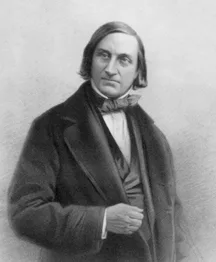
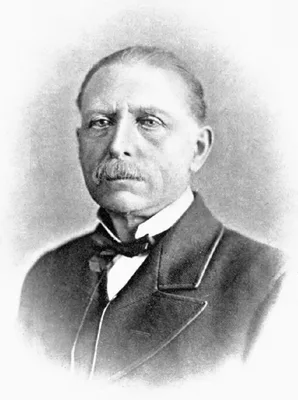
Digital facsimile from Biodiversity Heritage Library at this link.
1834 CE
#10259
The natural history of the order Cetacea, and the oceanic inhabitants of the Arctic regions.
Characterizing himself "Surgeon-Accoucheur" on the title page, Dewhurst lectured in 1827-8 on anatomy and physiology, and served as a ship's surgeon, making voyage to Greenland and its surrounding seas in 1824. During…
1797 CE
#7768
The natural history of the rarer lepidopterous insects of Georgia. Including their systematic characters, the particulars of their several metamorphoses, and the plants on which they feed. Collected from the observations of Mr. John Abbot, many years resident in that country, by James Edward Smith.
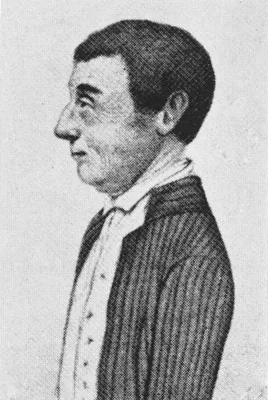
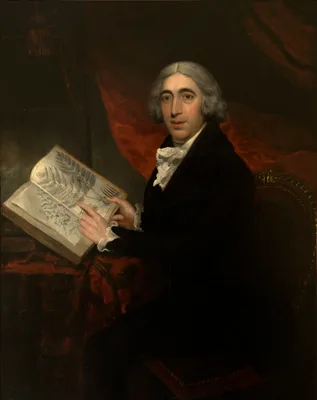
The earliest illustrated monograph on the butterflies and moths of North America. Text in English and French. 104 hand-colored plates. Digital facsimile from the Internet Archive at this link.
1874 CE
#7443
The naturalist in Nicaragua: A narrative of a residence at the gold mines of Chontales; journeys in the savannahs and forests, with observations on animals and plants in reference to the theory of evolution of living forms.
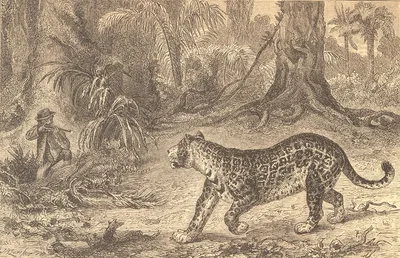
In this book Belt first described "the mutualistic relationship of certain Acacias and the ant we now know as Pseudomyrmex spinicola. These are a species of red myrmecophyte-inhabiting neotropical ants which are found…
1863 CE
#7442
The naturalist on the river Amazons, a record of adventures, habits of animals, sketches of Brazilian and Indian life, and aspects of nature under the equator, during eleven years of travel. 2 vols.
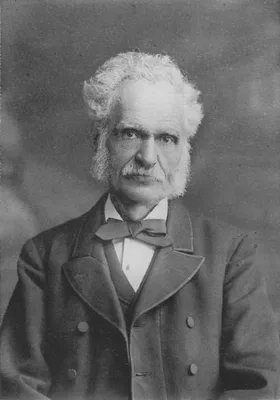
Digital facsimile from the Internet Archive at this link.
1833 CE–1866 CE
#10177
The naturalist's library. Edited by Sir William Jardine. 40 vols.
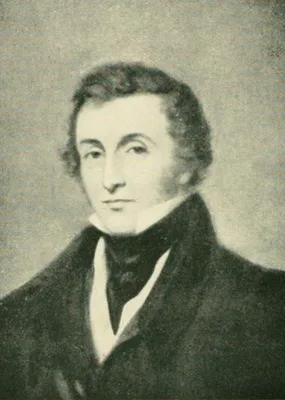
"1833, Natural History of Humming Birds, Part I, (Ornithology Vol. VI) by William Jardine, with memoir of Carl Linnaeus. (online) 1833, Monkeys, (Mammalia Vol. I) by William Jardine, with a memoir of Comte de Buffon (…
1939 CE
#6914
The nature of the chemical bond and the structure of molecules and crystals: An introduction to modern structural chemistry.
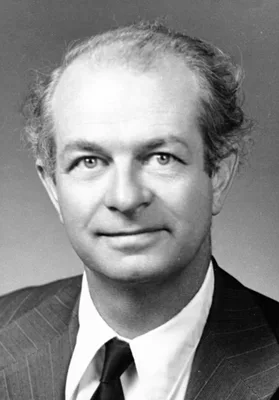
This book set forth in detail Pauling's valence-bond theory based on the quantum-mechanical concept of resonance between two energy states, which led to his highly innovative idea that the hybridization of orbitals (e…
1912 CE
#7050
The Negro in medicine.
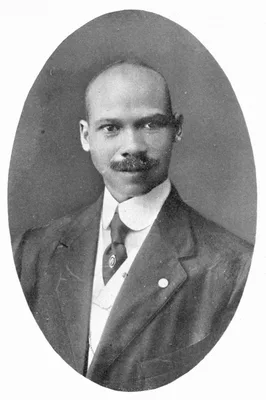
An early publication on the medical problems of blacks written by a black physician. Kenney served as school physician at Tuskegee University, was the first director of the John A. Andrew Memorial Hospital at Tuskegee…
1955 CE
#14343
The Negro in science.
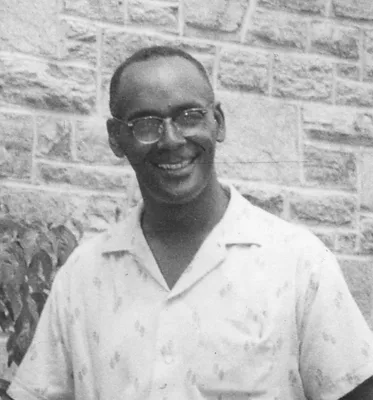
In the forward Martin D. Jenkins pointed out that while African Americans made important contributions to the natural sciences the awareness of the public and even other scientists was rather low. In the first chapter…
1949 CE
#8084
The Negro in the medical profession.
Publications of the University of Virginia, Phelps-Stokes fellowship papers, no. 18.
1934 CE
#11663
The negro professional man and the community with special emphasis on the physician and lawyer.
An in-depth social statistical and geographical analysis of America's black doctors including their distribution, economic links, and social activism that varied throughout the South, as well as the North and West.
2006 CE
#11650
The neurologic content of S. Weir Mitchell’s fiction.
Digital facsimile from semanticscholar.org at this link.
1866 CE–1868 CE
#12476
The new and heretofore unfigured species of the birds of North America. 2 vols.
Elliot described his aims for this work in the preface: "Since the time of Wilson and Audubon, no work has been published upon American Ornithology, containing life-size representations of the various species that hav…
2012 CE
#9977
The New Encyclopedia of Southern Culture: Volume 22: Science and medicine. Edited by James G. Thomas, Jr. & Charles Reagan Wilson.

2014 CE
#11849
The new frontier of genome engineering with CRISPR-Cas9.


Order of authorship in the original paper: Doubna, Charpenter. "Abstract "The advent of facile genome engineering using the bacterial RNA-guided CRISPR-Cas9 system in animals and plants is transforming biology. We rev…
1992 CE
#8054
The Norton history of the environmental sciences.

1938 CE
#94
The notebooks of Leonardo da Vinci. Arranged, rendered into English and introduced by Edward MacCurdy. 2 vols.
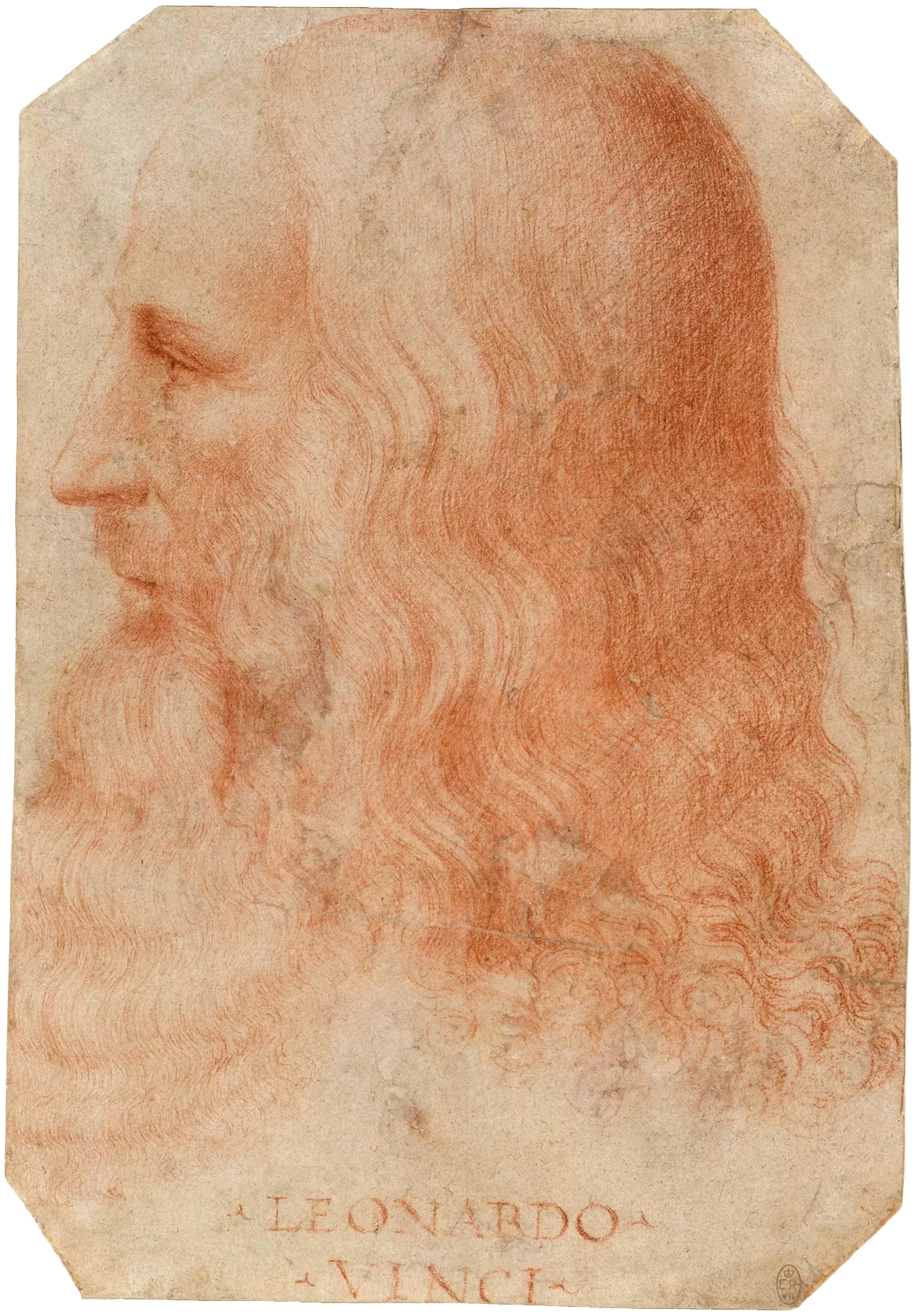
2nd edition, 1956 (reprinted London, Cape, 1977).
1977 CE
#6884
The nucleotide sequence of bacteriophage phi-X174.
Sanger and colleagues sequenced the first whole DNA genome—that of bacteriophage phi-X174 (5375 bases)
1948 CE
#1929.2
The occurrence of nucleases in culture filtrates of group A hemolytic streptococci.
Streptodornase. See also W. S. Tillett et al., Proc. Soc. exp. Biol. (N. Y.), 1948, 68, 184-88.
1910 CE
#9992
The Oedipus-complex as an explanation of Hamlet's mystery: A study in motive.
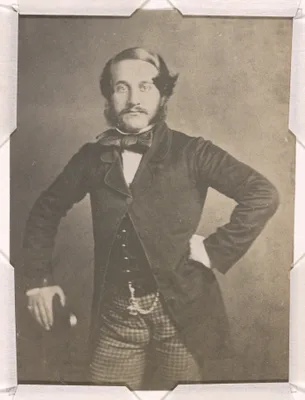
Jones developed this thesis based on Freud's comments on the play, as expressed to Wilhelm Fliess in 1897,[2] before Freud published the ideas in Chapter V of The Interpretation of Dreams (1900). Jones later developed…
1910 CE
#14044
The orders of mammals. Part 1.- Typical stages in the history of the ordinal classification of mammals. Part II. - Genetic relations of the mammalian orders; with a discussion of the origin of the mammalia and of the problem of the auditory ossicles.
Gregory's PhD dissertation, of particular significance for its exhaustive analysis of prior taxonomic systems for mammalia. Digital facsimile from Google Books at this link.
1996 CE
#9327
The origin and evolution of birds.

On the evolution of birds and avian flight. Feduccia is best known for his criticisms of the hypothesis, accepted by many paleontologists, that birds originated from and are deeply nested within Theropoda, and are the…
1967 CE
#7466
The origin of life.
An outstanding illustrated synthesis of the topics as they stood in 1967, including Chapter 2: "Notions of the origins of life in the past," summarizing prior theories. Appendix 1 publishes the English translation of …
1929 CE
#7467
The origin of life.
Haldane suggested that organic molecules could have been synthesized in an early atmosphere of carbon dioxide.
1966 CE
#12801
The original water-color paintings by John James Audubon for The Birds of America. Reproduced in color from the collection at The New York Historical Society. Introduction by Marshall B. Davidson. 2 vols.
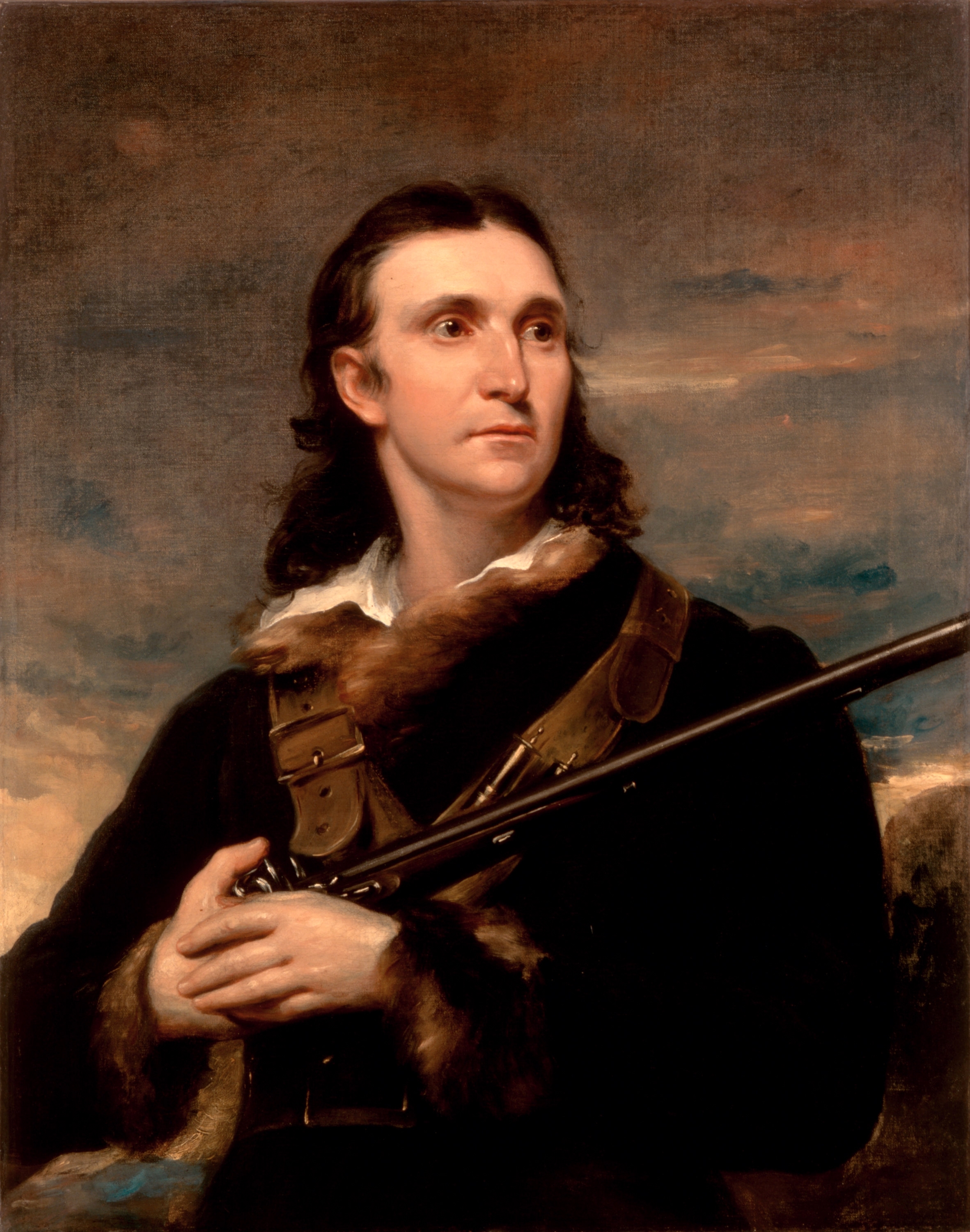
First printed edition of the "virtually complete" series of original water-color paintings for Audubon's The Birds of America, preserved in The New York Historical Society.
1871 CE
#13216
The ornithology of Shakespeare. Critically examined, explained, and illustrated.
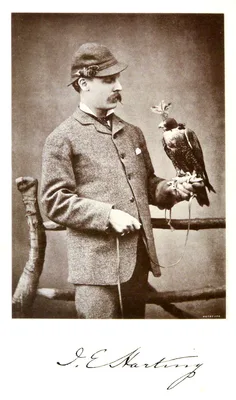
Digital facsimile from Google Books at this link.
1910 CE
#558
The outgrowth of the nerve fibre as a mode of protoplasmic movement.
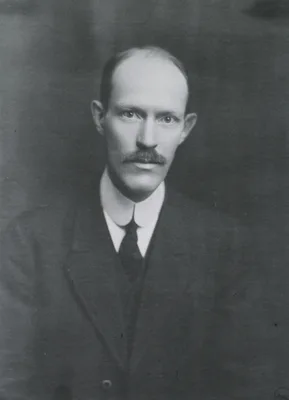
Tissue culture was made possible by Harrison’s proof of the outgrowth of nerve-fibers from ganglion cells.
2014 CE
#7377
The Oxford handbook of animals in classical thought and life.

2018 CE
#11938
The Oxford handbook of science and medicine in the classical world. Edited by Paul T. Keyser and John Scarborough.

Showcases the work of forty-six scholars from around the world, and comprises an Introduction followed by forty-nine chapters, concluded with a general index. Each chapter is followed by a bibliography featuring multi…
2018 CE
#9792
The patent medicines industry in Georgian England: Constructing the market by the potency of print.
1957 CE
#7386
The path of carbon in photosynthesis.
Discovery of the Calvin cycle, also known as the Calvin–Benson–Bassham (CBB) cycle, or reductive pentose phosphate cycle or C3 cycle — a series of biochemical redox reactions that take place in the s…
1974 CE
#258.9
The path to the double helix: The discovery of DNA.
A well-documented history of molecular biology.
1986 CE
#8088
The path we tread: Blacks in nursing, 1854-1984.
2006 CE
#13094
The Pauling catalogue. Ava Helen and Linus Pauling papers at Oregon State University. Edited by Christoffer Petersen and Cliff Mead. 6 vols.
Vol. 1. Timeline, correspondence, publications, manuscripts & typescripts of articles, speechs, and books. Vol. 2. Science, Research Notebooks. 1917 Linus Pauling Diary. Vol. 3. Peace, Ava Helen Pauling, travel, honor…
2006 CE
#14084
The pectoral fin of Tiktaalik roseae and the origin of the tetrapod limb.

In 2004 Shubin, Daeschler and Jenkins discovered the first well-preserved Tiktaalik fossils in on Ellesmere Island in Nunavut, Canada. Tiktaalik is a non-tetrapod member of Osteichthyes (bony fish) from the late Devon…
1951 CE
#6742
The physician as man of letters, science and action. 2nd ed.
1982 CE
#10816
The physician in literature, edited by Norman Cousins.
Sections are devoted to research and serendipity, the role of the physician, quacks and clowns, clinical descriptions in literature, doctors and students, the practice, women and healing, madness, dying, and the patie…
1931 CE
#9449
The physician of the Dance of Death: A historical study of the evolution of the dance of death mythus in art.
"Reprinted with additions and corrections from Annals of medical history (n. s., vol. II, nos. 4, 5, 6, 1930, and vol. III, nos. 1, 2, 1931)."
1991 CE
#9311
The picture of health: Images of medicine and pharmacy from the William H. Helfand collection. Commentaries by William H. Helfand. Essays by Patricia Eckert Boyer, Judith Wechsler, and Maurice Rickards.
1927 CE
#5142
The plague in Shakespeare’s London.
1952 CE
#7469
The planets: Their origin and development.
Urey coined the term cosmochemistry. He speculated that the early terrestrial atmosphere was probably composed of ammonia, methane, and hydrogen. One of his graduate students, Stanley Miller, showed in the Miller&ndas…
1807 CE
#7049
The planter's and mariner's medical companion: treating, according to the most successful practice, I. The diseases common to warm climates and on ship board. II. Common cases in surgery, as fractures, dislocations, &c. &c. III. The complaints peculiar to women and children. To which are subjoined a dispensatory, shewing how to prepare and administer family medicines, and a glossary giving an explanation of technical terms.
Ewell, then practicing in Savannah, Georgia, wrote this self-help book for southern residents, directing his book toward plantation owners. It was "the constant friend of a large number of slave-masters. In emergencie…
1951 CE
#13298
The pleated sheet, a new layer configuration of polypeptide chains.
Pauling and Corey discovered the β-sheet, a principal structural feature of proteins. Digital facsimile from PNAS.org at this link.
1984 CE
#8411
The poet-physician: Keats and medical science.
For the edition of John Keats' medical and physiological notebook see No. 6622.1.
1878 CE
#9497
The poisonous snakes of India: For the use of the officials and others residing in the Indian Empire.
Digital facsimile from the Biodiversity Heritage Library at this link.
2017 CE
#13215
The price for their pound of flesh: The value of the enslaved, from womb to grave, in the building of a nation.
"Berry studies the economic history of slavery in the United States, examining how a price was assigned to the bodies of enslaved people in America from before they were born until after they died.[5] Berry proposes f…
2002 CE
#7271
The primate fossil record.
A comprehensive collaborative study edited by Hartwig. Includes an extensive historical bibliography.
1938 CE
#1451
The primate thalamus.
1677 CE
#215
The primitive organization of mankind considered and examined according to the light of nature.
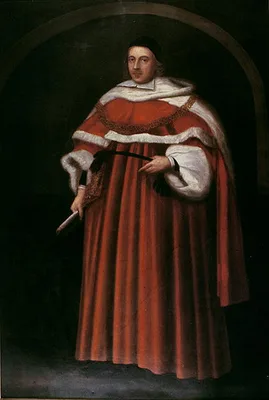
In response to Isaac de la Peyrere‘s theory of polygenesis, Hale, Chief Justice of the King’s Bench, advanced his own theory that the earth was not eternal, but rather had a spontaneous “beginning,&r…