
Facets
Browse across eight MeSH (opens in new tab) facets — era, geography, science, specialty, technology, history, culture, and reference. Select one tag per group; counts update across the others.
Clear filtersFacet filters
Geography
Specialties & Disease
- Anatomy & Pathology 134
- Cardiology & Blood 11
- Neurology & Psychiatry 36
- Obstetrics & Reproductive 26
- Infectious Disease (General) 5
- Surgery & Anesthesia 14
- Public Health 129
- Immunology & Dermatology 38
- General Clinical Medicine 28
- Military Medicine 11
- Psychology 16
- Alternative & Fringe Medicine 17
- Pediatrics 5
- Ophthalmology & Vision 2
- ENT & Hearing 3
- Urology & Nephrology 4
- Gastroenterology & Hepatology 4
- Pulmonary & Respiratory 3
- Rheumatology, Rehab & Pain 0
- Internal, Emergency & Geriatric 7
- Veterinary Medicine 11
- Epidemiology & Demography 12
- Physiology & Embryology 94
- Dentistry 10
- Plagues & Epidemics 44
- Microbiology & Virology 92
Social & Historical Studies
Institutions & Culture
Reference & Scholarly Works
Drugs & Technology
92 entries match Microbiology & Virology [C01.748] · Zoology & Animal Sciences [K01.900.500.750]
1864 CE
#5344.5
On the endemic haematuria of the Cape of Good Hope.
Like Cobbold, Harley expressed the view that a mollusc was the intermediate host in bilharziasis.
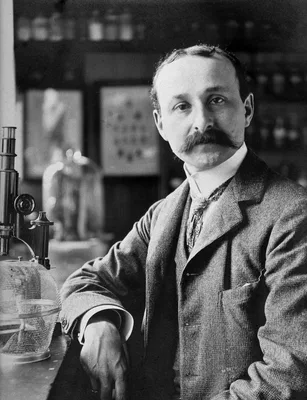
1899 CE
#2554
On the rôle of insects, arachnids and myriapods, as carriers in the spread of bacterial and parasitic diseases of man and animals. A critical and historical study.
1863 CE
#5344.2
On the structure and nature of the Dracunculus or Guinea worm.
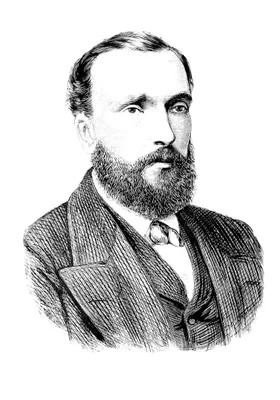
First detailed description.
1686 CE–1718 CE
#265
Ontledingen en ontdekkingen.... 6 vols.
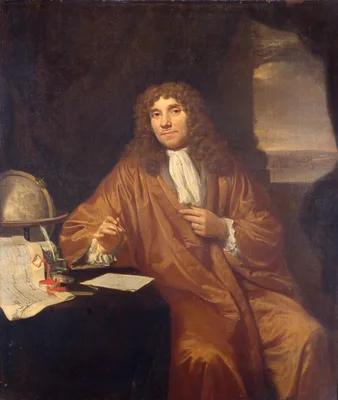
Leeuwenhoek, one of the first and also one of the greatest of the microbiologists, communicated many of his discoveries to the Royal Society in London. This set is a collection in Dutch of many contributions that van …
1762 CE
#65
Opere. 7 vols.
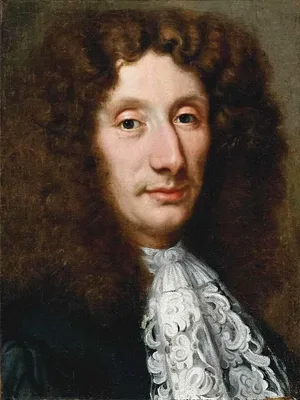
Redi was a leading physician in Italy. He is best remembered for his experiments discrediting the theory of spontaneous generation and for his pioneer work in the field of parasitology (see No. 2448.1); see also the a…
1830 CE
#11452
Organisation, Systematik und geographische Verhältniss der Infusionsthierchen. Zwei Vorträge, in der Akademie der Wissenschaften zu Berlin gehalten in den Jahren 1828 und 1830.
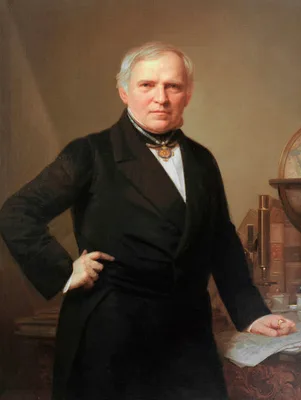
In this work Ehrenberg first published his classification of infusioria, including the naming of bacteria for the first time. The work published two papers based on his expeditions. The first, read on January 10, 1828…
1977 CE
#12300
Phylogenetic structure of the prokaryotic domain: The primary kingdoms.
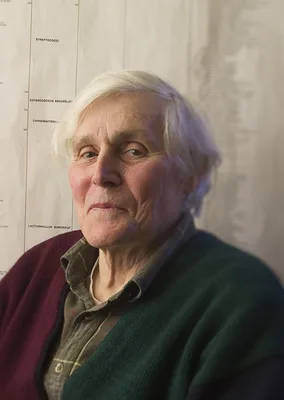
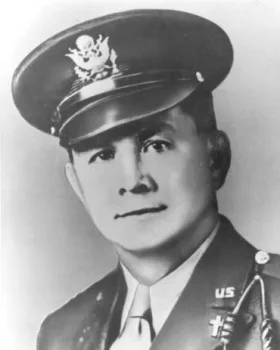
(Order of authorship in the original publication: Woese, Fox.) Woese and Fox discovered a "third kingdom" in microbial life that they called "archaebacteria" (Archaea) as distinct from bacteria and eukaryotes. In thei…
2014 CE
#11341
Presence of extensive Wolbachia symbiont insertions discovered in the genome of its host Glossina morsitans morsitans.
Order of authorship in the original publication: Brelsfoard, Tsiamis, Falchetto....The authors suggested that infection by Wolbachia may give a reproductive advantage to the fly that carries the parasite causing Sleep…
1981 CE
#9176
Primary structure, gene organization and polypeptide expression of poliovirus RNA.
The poliovirus genome. With around 10 co-authors. "The primary structure of the poliovirus genome has been determined. The RNA molecule is 7,433 nucleotides long, polyadenylated at the 3′ terminus, and covalentl…
1926 CE
#2462
Protozoology. 2 vols.
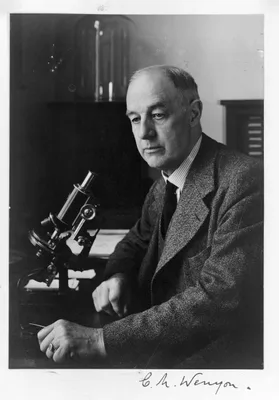
Wenyon was one of the world’s foremost authorities on medical protozoology.
1955 CE
#2527
Reconstitution of active tobacco mosaic virus from its inactive protein and nucleic acid components.
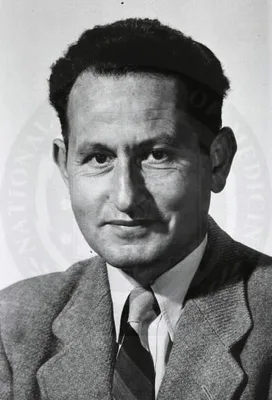
First reconstitution of a virus.
1928 CE
#5194.1
Researches on the intestinal protozoa of monkeys and man.
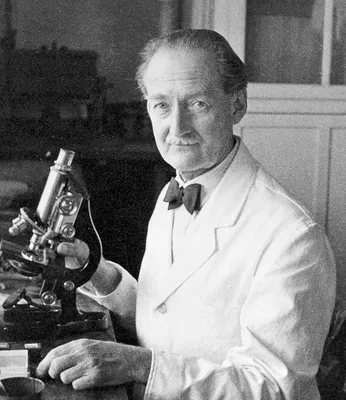
Classic account of the life-cycle of Entamoeba histolytica.
1970 CE
#2660.23
RNA-dependent DNA polymerase in virions of Rous sarcoma virus.
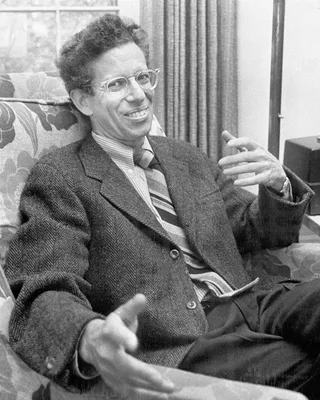
Discovery of reverse transcriptase. "In 1969, Temin and a postdoctoral fellow, Satoshi Mizutani, began searching for the enzyme that was responsible for the phenomenon of viral RNA being transferred into proviral DNA.…
1765 CE
#100
Saggio di osservazioni microscopiche concernenti il sistema della generazione dei Signori de Needham e Buffon. IN: Dissertazione due… pp. [2]-87.
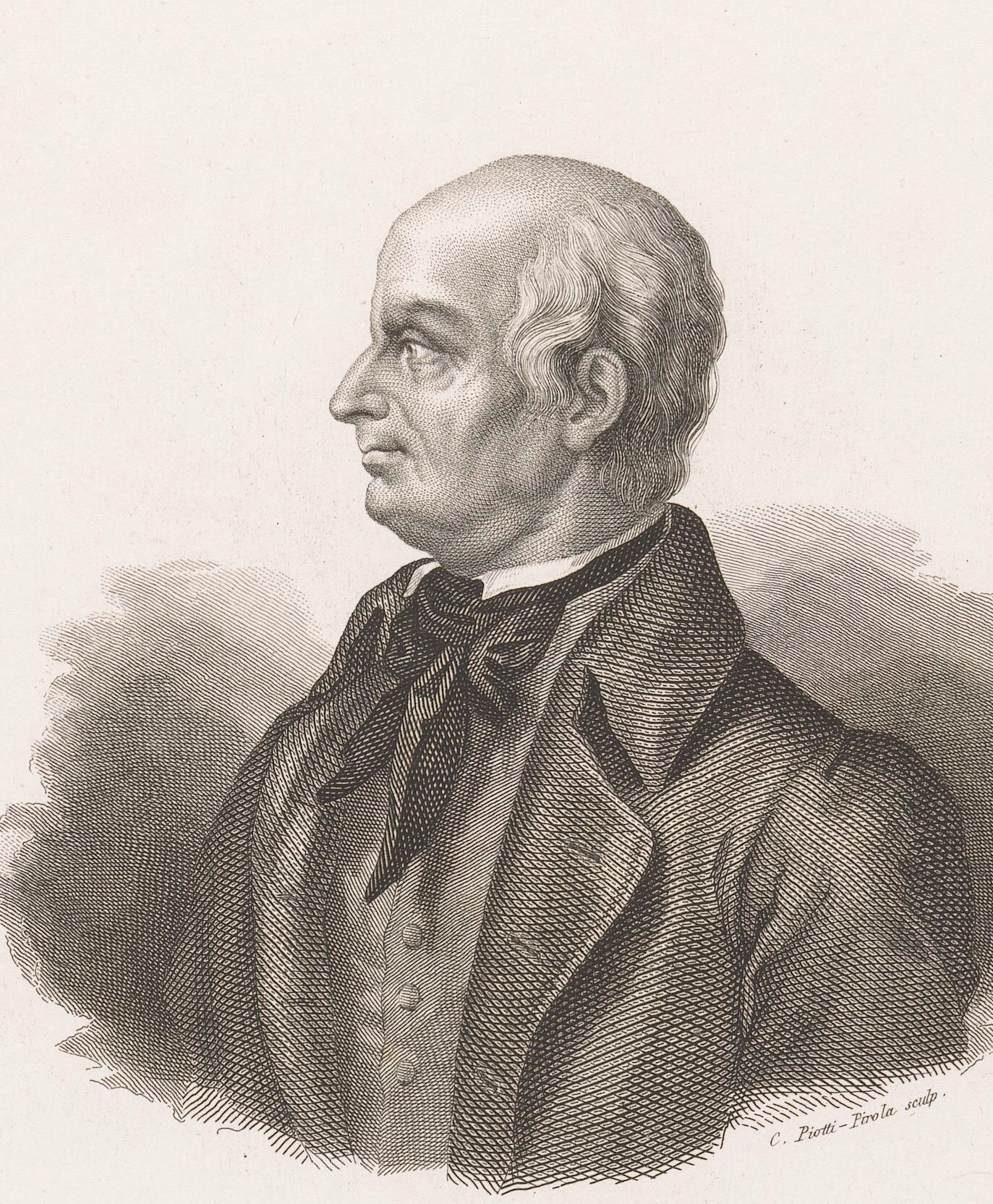
Spallanzani, a believer in preformation theory, found that he could prevent contamination by microorganisms in strongly heated infusions protected from aerial contamination, but he observed that as soon as air was all…
1967 CE
#12833
Self replication and scrapie.
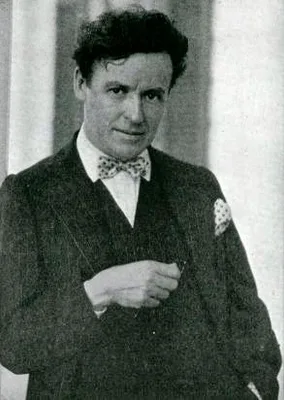
Griffith discussed complex physical chemistry mechanisms by which the scrapie agent could arise from information encoded in protein structure which could then be transferred to other protein molecules. He also conside…
1843 CE
#484.1
Spermatozoa observed within the mammiferous ovum.
Barry was the first to observe the spermatozoon within the ovum.
1977 CE
#11044
Spliced segments at the 5' terminus of adenovirus 2 late mRNA.

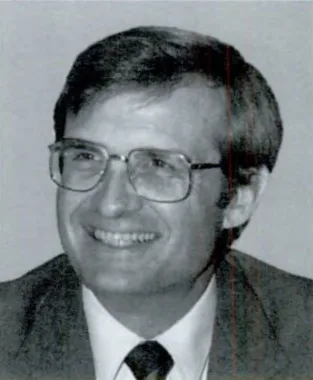
Discovery of introns simultaneously with Roberts, Chow, Broker (No. 11043). Sharp's electron microscopist, Berget, visualized the introns in the electron microscope. James D. Watson took note of the profound significa…
1985 CE
#11060
Structure of the protein subunit in the photosynthetic reaction centre of Rhodopseudomonas viridis at 3 Å resolution.
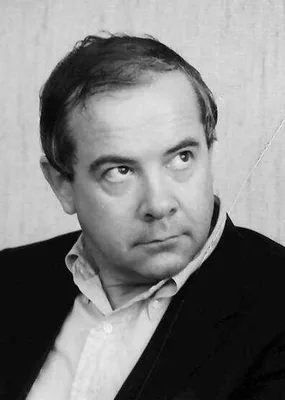
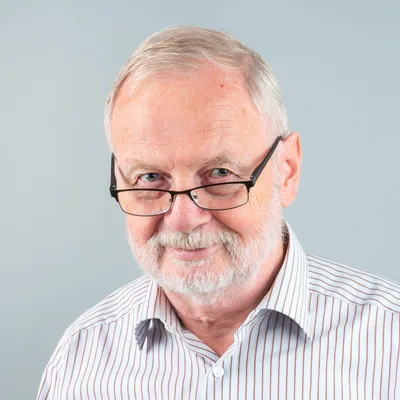
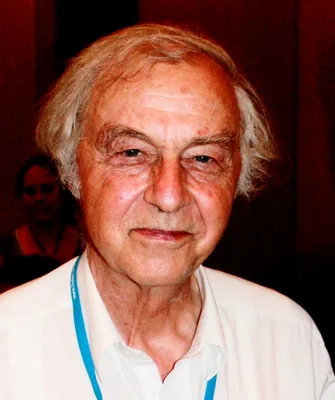
Discovery of the three-dimensional structure of a protein complex found in certain photosynthetic bacteria, called the photosynthetic reaction center. This was the first elucidation of the 3D crystal structure of any …
1955 CE
#14001
Structure of tobacco mosaic virus.
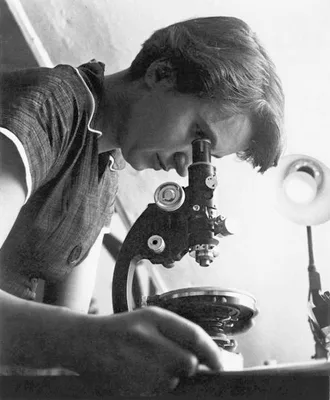
The first discovery of the geometry of a protein structure. Franklin, whose X-ray photographs of DNA were crucial to Watson and Crick's discovery of the molecule's double helix structure in 1953, began researching the…
1924 CE
#10943
Studies on Rickettsia-like micro-organisms in insects.
Hertig and Wolbach first described the parasitic microbe Wolbachia in the common house mosquito in 1924. In 1936 Hertig formally described the species as Wolbachia pipientis. Since then the genus Wolbachia has become …
1890 CE
#12303
Sur les organisms de la nitrification.
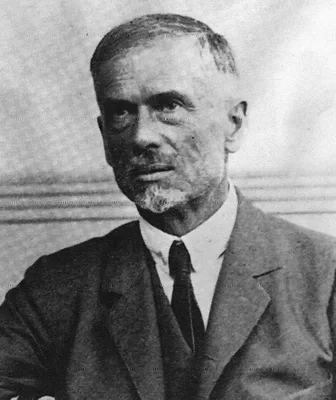
In his research on nitrifying bacteria Winogradsky discovered the first known form of chemoautotrophy in which organisms obtain energy by oxidation of electron donors in their environments without the intervention of …
1919 CE
#11486
The amoebae living in man; a zoological monograph.
"I have attempted in this monograph to give an accurate and concise account of all the amoebae which live in human beings." Digital facsimile from Biodiversity Heritage Library at this link.
2020 CE
#11868
The arms race between bacteria and their phage foes.

Order of authorship in the original publication: Hampton, Watson, Fineran. Summarizes, and documents with 173 references, the extensive research on the multitude of methods that bacteriophages use to disable the CRISP…
1962 CE
#12034
The concept of a bacterium.
Order of authorship in the original publication: Stanier, Niel. For much of the 20th centurty prokaryotes were regarded as a single group of organisms, classified on the basis of their biochemistry, morphology and met…
1936 CE
#2524.6
The Feulgen reaction of the bacteriophage substance.
Schlesinger showed that the fundamental constituents of bacteriophages consist mainly of approximately equal amounts of protein and DNA.
2002 CE
#11337
The genome sequence of the malaria mosquito Anopheles gambiae.
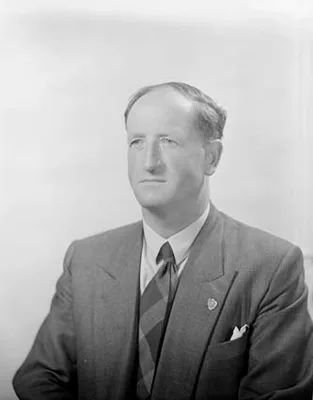
Order of authorship in the original publication: Holt, Subramanian, Halpern.... Sequence of the genome of Anopheles gambiae, the mosquito that carries the malaria parasite, Plasmodium falciparum. (Thanks to Juan Weiss…
1928 CE
#251.2
The significance of pneumococcal types.
Griffith’s experiments on transforming type II pneumococci into type III were repeated by Avery who was able sixteen years later (No. 255.3) to demonstrate that DNA was the transforming material.
1986 CE
#11042
The T4 glycoprotein is a cell-surface receptor for the AIDS virus.
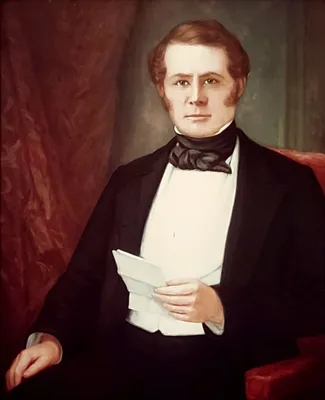
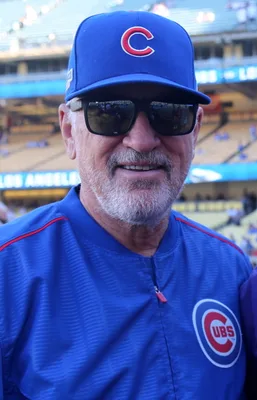
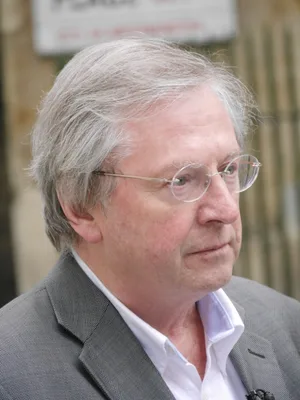
Order of authorship in the original paper: McDougal, Maddon, Dalgleish. The authors discovered that the T4 lymphocyte cell has an outer glycoprotein on its surface that specifically acts as the receptor for HIV. Witho…
1969 CE
#7967
Thermus aquaticus gen. n. and sp. n., a nonsporulating extreme thermophile.
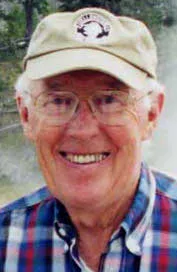
Discovery of Thermus aquaticus, a species of bacteria that can tolerate high temperatures. This is one of several thermophilic bacteria that belong to the Deinococcus–Thermus group, and the source of the heat-re…
1999 CE
#11071
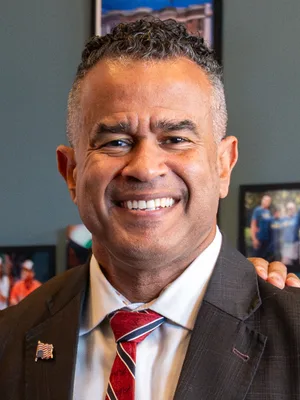
Tobacco mosaic virus: Pioneering research for a century. A theme issue edited by B. D. Harrison and T. M. A. Wilson.
1990 CE
#12301
Towards a natural system of organisms: Proposal for the domains Archaea, Bacteria, and Eucarya.
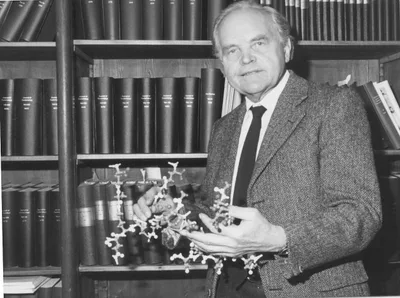
(Order of authorship in the original publication: Woese, Kandler, Wheelis.) Introduction of the three-domain biological classification system that divides cellular life into three forms or domains: Archaea, Bacteria, …
1886 CE–1890 CE
#2456
Traité de zoologie médicale. 2 vols.
Digital facsimile from the Internet Archive at this link.
1901 CE
#12789
Über oligonitrophile Mikroben.
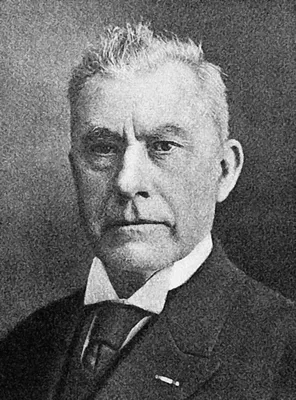
Discovery of nitrogen fixation, the process by which diatomic nitrogen gas is converted to ammonium ions and becomes available to plants. Bacteria perform nitrogen fixation, dwelling inside root nodules of certain pla…
1853 CE
#2450
Ueber Cestoden im allgemeinen und die des Menschen insbesondere, hauptsächlich mit Berücksichtigung ihrer Entwickelungsgeschichte, geographischen Verbreitung, Prophylaxe und Abtreibung; für Freunde der Naturwissenschaften, Aerzte, Medicinalpolizei-Beamte, Staats- und Privat-Oekonomen.
Kuchenmeister conducted research on tapeworms, trichinosis, and other parasites and wrote about it several works. In 1852, his theory that bladder-worms are juvenile tapeworms gained the attention of the medical profe…
1838 CE
#112.1
Ueber die Analogie in der Structur und dem Wachsthum der Thiere und Pflanzen.
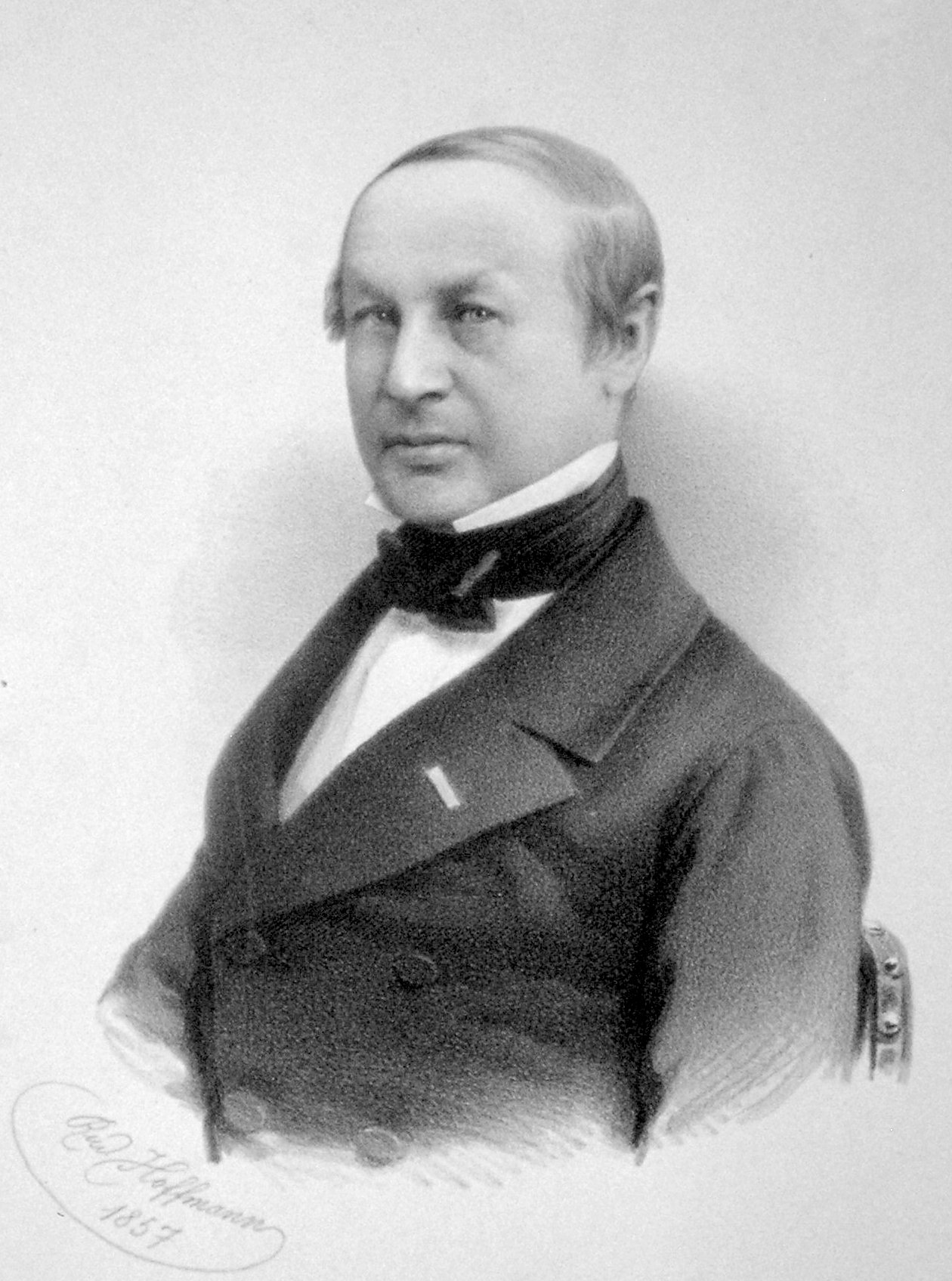
Schwann’s three-part preliminary application of Schleiden’s “watch-glass” cell theory to the genesis of animal cells. Schleiden communicated the theory to him verbally. This paper actually pre-…
1852 CE
#116
Ueber extracelluläre Entstehung thierischer Zellen und über die Vermehrung derselben durch Theilung.
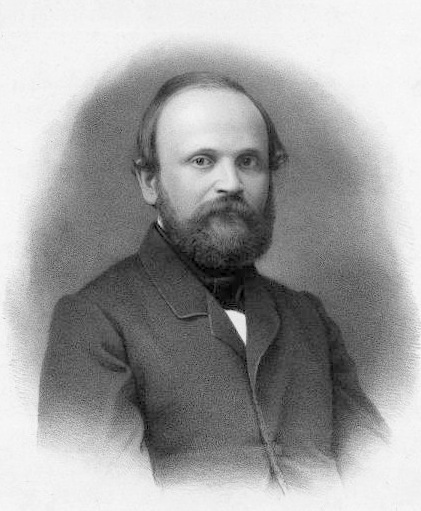
Remak was the first to point out that growth of new tissues was accomplished by the division of pre-existing cells.
1861 CE
#117
Ueber Muskelkörperchen und das, was man eine Zelle zu nennen habe.
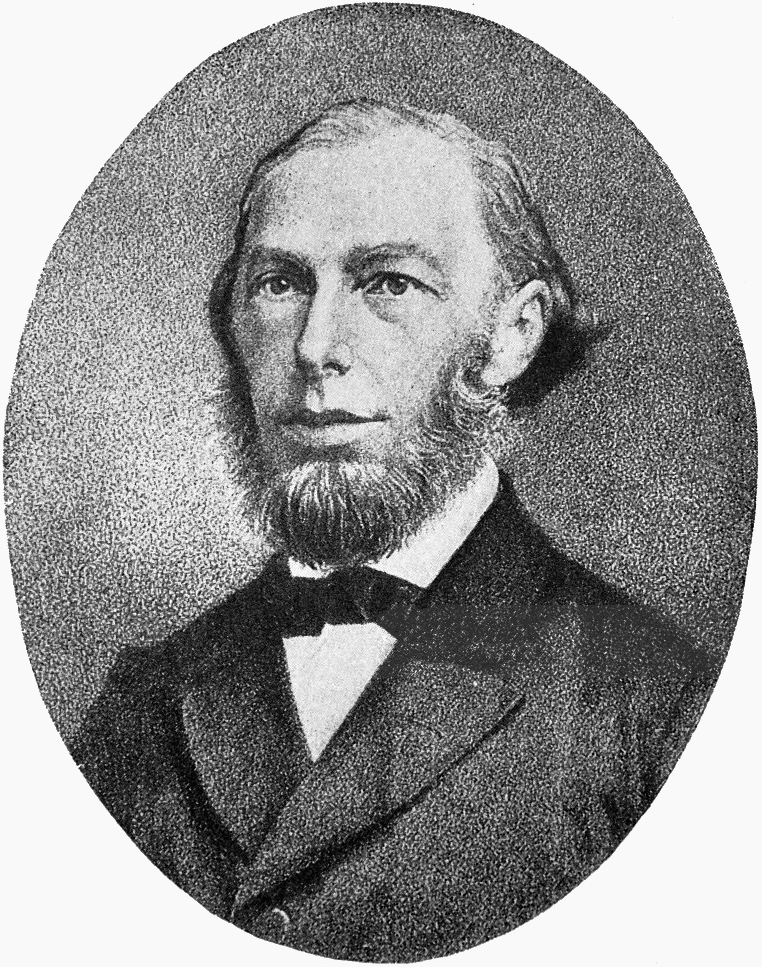
Schultze showed the cell to be a clump of nucleated protoplasm, stating that each muscle fibre or primitive muscle bundle was developed from a single myoblast by successive divisions of its cell or nucleus. His work s…
1773 CE–1774 CE
#11779
Vermium terrestrium et fluviatilium, seu animalium infusoriorum, helminthecorum, et testaceorum non marinorum, succincta historia. 2 vols.
In this work Müller arranged the Infusoria into genera and species for the first time. Digital facsimile from the Biodiversity Heritage Library at this link.
1970 CE
#2660.22
Viral RNA-dependent DNA polymerase: RNA-dependent DNA polymerase in virions of RNA tumour viruses.
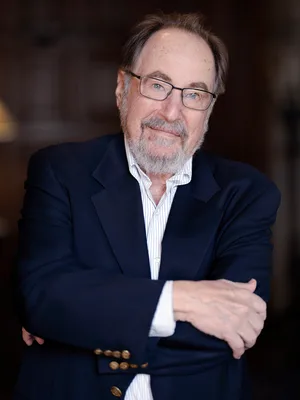
In 1970 Baltimore and Temin discovered that certain viruses that have their genes in the form of RNA can copy the RNA "backward" into DNA in infected cells. The enyzme, reverse transcriptase, enables the manufacture o…
1837 CE
#674
Vorlaüfige Mittheilung betreffend Versuche über die Weingährung und Fäulniss.
Proof that putrefaction is produced by living bodies. Independently of Cagniard-Latour, Schwann discovered the yeast cell. He is regarded as the founder of the germ theory of putrefaction and fermentation.
1938 CE
#5467.1
Yellow fever virus in jungle mosquitoes.
Haemagogus sp. shown to be vectors of yellow fever. With L. Whitman and M. Frania.
1859 CE
#13815
Zoologie médicale exposé méthodique du régne animal basé sur l'anatomie, l'embryologie et la paléontologie comprenant la description des espèces employées en médicine de celles qui sont venimuses et de celles qui sont parasites de l'homme et des animaux. 2 vols.
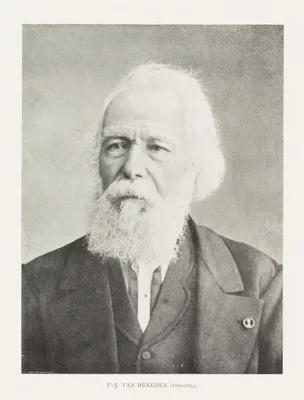
Digital facsimile from Biodiversity Heritage Library at this link.