
Facets
Browse across eight MeSH (opens in new tab) facets — era, geography, science, specialty, technology, history, culture, and reference. Select one tag per group; counts update across the others.
Clear filtersFacet filters
Geography
Specialties & Disease
- Anatomy & Pathology 37
- Cardiology & Blood 5
- Neurology & Psychiatry 5
- Obstetrics & Reproductive 0
- Infectious Disease (General) 4
- Surgery & Anesthesia 2
- Public Health 64
- Immunology & Dermatology 15
- General Clinical Medicine 12
- Military Medicine 22
- Psychology 5
- Alternative & Fringe Medicine 5
- Pediatrics 1
- Ophthalmology & Vision 0
- ENT & Hearing 1
- Urology & Nephrology 2
- Gastroenterology & Hepatology 1
- Pulmonary & Respiratory 2
- Rheumatology, Rehab & Pain 2
- Internal, Emergency & Geriatric 0
- Veterinary Medicine 2
- Epidemiology & Demography 17
- Physiology & Embryology 10
- Dentistry 3
- Plagues & Epidemics 17
- Microbiology & Virology 48
Social & Historical Studies
Institutions & Culture
Reference & Scholarly Works
767 entries match Natural History & Evolution [K01.900.500]
1860 CE
#11344
On the occurrence of flint implements in undisturbed beds of gravel, sand, and clay.
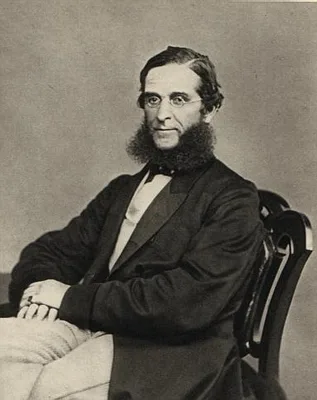
In the spring of 1859, in the company of Joseph Prestwich, Evans visited Abbeville to view Boucher de Perthes’ collection of flint artifacts and to observe a hand-axe in situ at St. Acheul in a deposit containin…
1860 CE
#7262
On the occurrence of flint-implements, associated with the remains of animals of extinct species in beds of a late geological period, in France at Amiens and Abbeville, and in England at Hoxne.
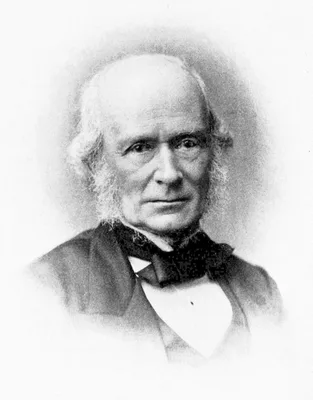
This paper is a key record of the early recognition of the antiquity of man by the scientific establishment. Having returned from a visit to Abbeville, France, in May 1859, where he viewed the evidence for the antiqui…
1859 CE
#220
On the origin of species by means of natural selection, or the preservation of favoured races in the struggle for life.
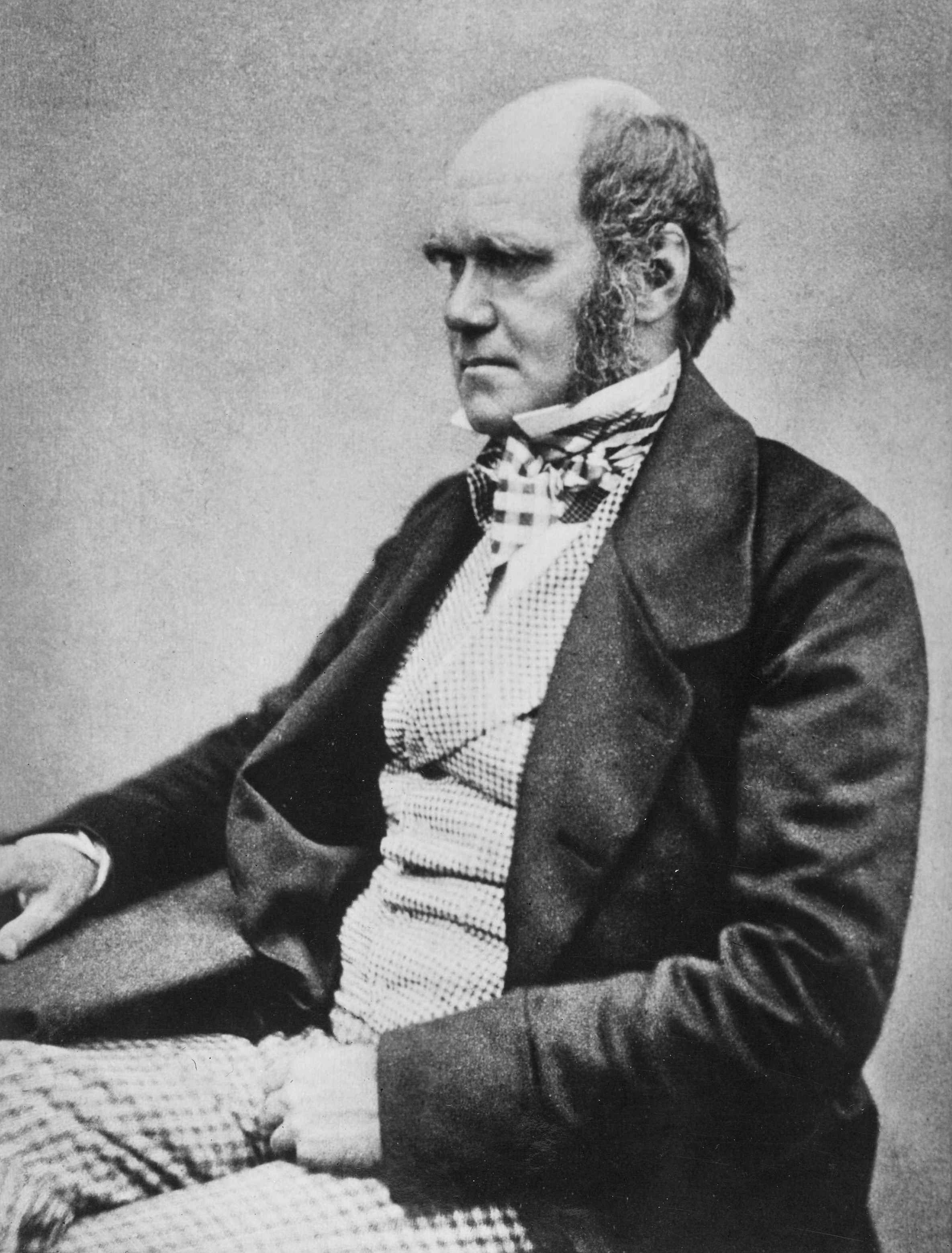
Prepared under the advice of Lyell and Hooker, and brought to press soon after publication of the joint paper by Darwin and Wallace (No. 219), this was Darwin’s greatest work and one of the most important books …
1861 CE
#8915
On the origin of species by means of natural selection....Third edition with additions and corrections (Seventh thousand).
Extensively revised, and the first edition to include the "historical sketch" crediting the historical precursors to the theory of evolution by natural selection. Darwin added this chapter in response to writings by S…
1842 CE
#12423
On the parasitic fungi found growing in living animals.
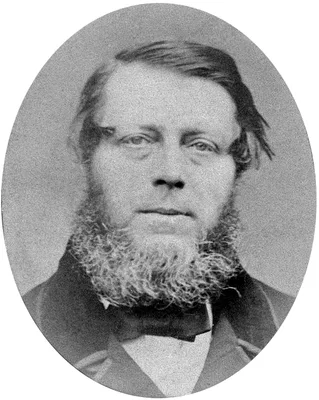
Bennett confirmed and extended the observations and experiments of Gruby concerning the mycodermatous vegetations found in the crusts of the disease called Tinea favosa, or Zorigo lupinosa of Bateman; he announced the…
1906 CE–1907 CE
#2084
On the poisons of Amanita phalloides.
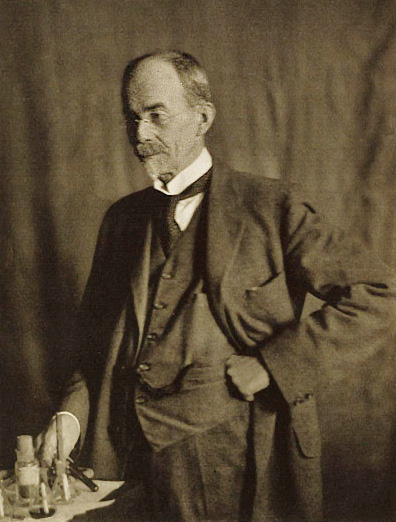
Abel and Ford showed that there were two poisons in the fungus Amanita phalloides, and that immunity against them could be attained. A further study on the subject by the same authors is in Arch. exp. Path. Pharmak., …
1859 CE
#219
On the tendency of species to form varieties: and on the perpetuation of varieties and species by natural means of selection.
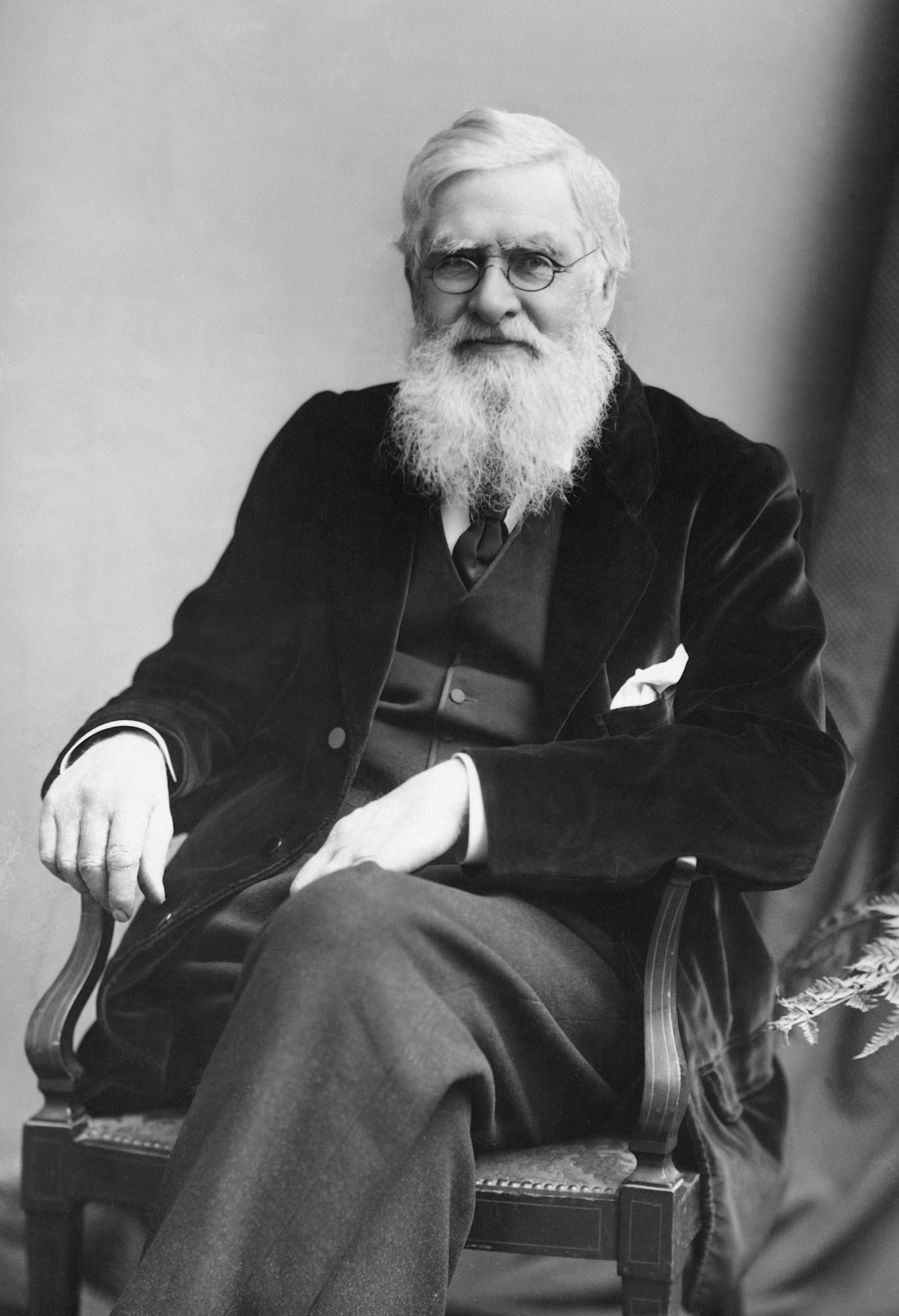
The first printed exposition of the “Darwinian” theory of evolution by natural selection. Had not Wallace independently discovered the theory of natural selection, it is possible that the extremely cautiou…
1861 CE
#8914
On the various contrivances by which British and foreign orchids are fertilised by insects, and on the good effects of intercrossing.
Darwin's first work on plant fertilization and the first volume of evidence that he published to support the theories advanced in On the origin of species (1859). This was also the only book by Darwin that was issued …
1599 CE–1667 CE
#290
Opera omnia. 13 vols.
Aldrovandi, first director of the botanical garden at Bologna, was a prolific writer. Some of his writings made their first appearance in print after his death. He designed them as a whole to form an enormous illustra…
1925 CE
#11108
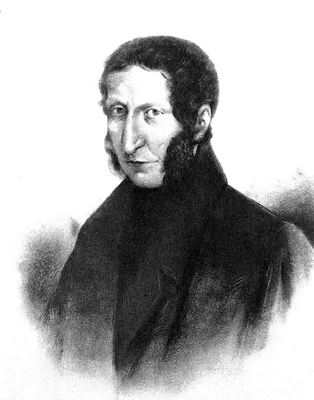
Opere di Agostino Bassi n. a Mairago 1778-m. a Lodi 1856- scelte e pubblicate a cura del comitato nazionale per la ristampa auspice la Società medico-chirurgica di Pavia.
1517 CE
#7111
Oppianou Alieuticon biblia pente. Tou autou Kynegetikon biblia tessara. Oppiani De piscibus libri V. Eiusdem De venatione libri IV. Oppiani De piscibus Laurentio Lippio interprete libri V.
First edition in print of Oppian of Apamea's Cynegetica (Κυνηγετικά/KynÄ“getiká, 'On Hunting' ), a didactic poem in 2144 hexameters and 4 books, dedicated to t…
1908 CE
#7110
Oppien d'Apamée, La chasse. Édition critique par Pierre Boudreaux.
Standard edition of the Cynegetica (Κυνηγετικά/KynÄ“getiká, 'On Hunting' ) by Oppian of Apamea. This edition was based upon a new collation of prior printed ed…
1699 CE
#153
Orang-outang, sive homo sylvestris: Or, the anatomy of a pygmie compared with that of a monkey, an ape, and a man.
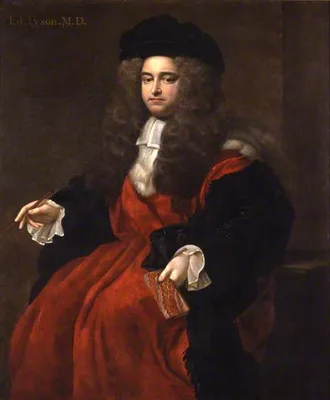
The earliest work of importance in comparative morphology. Tyson compared the anatomy of man and monkeys and between the two he placed the chimpanzee, which he regarded as the typical pygmy. This was the origin of the…
1872 CE
#7609
Origen, naturaleza y antigüedad del hombre.
The first book on human origins or human evolution published in Spanish. Digital facsimile from Google Books at this link.
1760 CE
#13143
Ornithologie, ou, Méthode contenant la division des oiseaux en ordres, sections, genres, especes & leurs variétés: a laquelle on a joint une description exacte de chaque espece, avec les citations des auteurs qui en ont traité, les noms quils leur ont donnés, ceux que leur ont donnés les différentes nations, & les noms vulgaires. 6 vols.
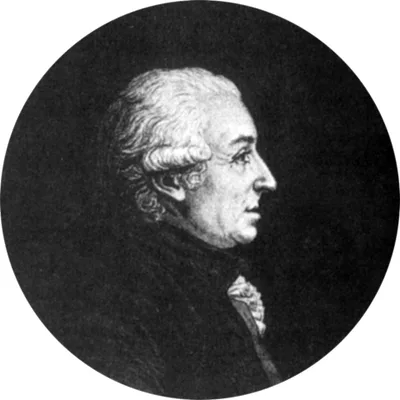
Title pages in both French and Latin. One of the earliest systematic treatises on birds by a contemporary of Linnaeus. The work treats 1336 species of which Brisson claimed to recognize more than 800 by sight. The pla…
1971 CE
#9469
Outcasts from evolution: Scientific attitudes of racial inferiority, 1859 - 1900.
1832 CE
#11642
Outlines of the geographical distribution of British plants; belonging to the division of vasculares or cotyledones.
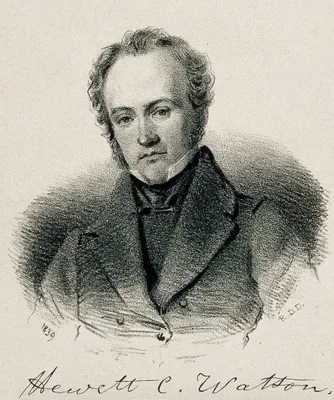
“Watson's major botanical endeavour was producing several versions of a work first entitled Outlines of the Geographical Distribution of British Plants (1832); it reached its most extensive form as Cybele Britan…
1868 CE
#14093
Palaeontological memoirs and notes of the late Hugh Falconer. For many years superintendent of the H.E.I. Company's botanical gardens at Suharunpoor and Calcutta. With a biographical sketch of the author. Compiled and edited by Charles Murchison. Vol. 1. Fauna Antiqua Sivalensis. Vol. II. Mastodon, elephant, rhinoceros, ossiferous caves, primeval man and his cotemporaries. 2 vols.
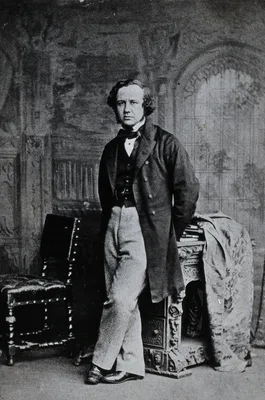
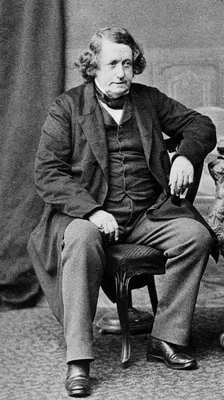
Falconer's writings on human antiquity appear in Vol. 2 of his Palaeontogical memoirs. Together with William Pengelly, Falconer was one of the first two scientists to visit Brixham Cave after its discovery in 1858, an…
2020 CE
#13466
Paleoclimatology: From snowball earth to the anthropocene.
1853 CE
#8242
Palm trees of the Amazon.
Wallace's first book, printed in an edition of only 250 copies. Digital facsimile from the Internet Archive at this link.
2015 CE
#9315
Peter of Spain, Questiones super libro De animalibus Aristotelis. Critical edition with introduction, edited by Francisca Navarro Sánchez.
1898 CE
#8536
Pflanzengeographie auf Physiologischer Grundlage.
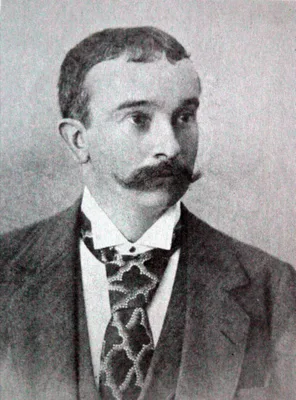
In this work on the geographical distribution of plants Schimper coined the terms tropical rainforest and sclerophyll. English translation by William R. Fisher, revised and edited by Percy Groom and Isaac Bayley Balfo…
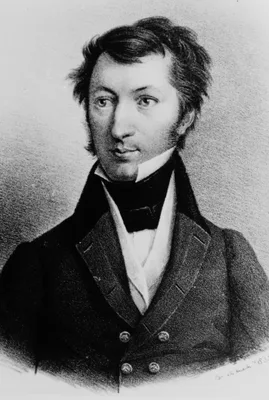
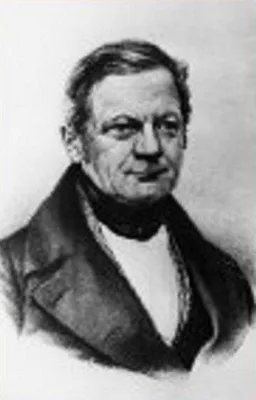
1827 CE–1834 CE
#9545
Pharmaceutische Waarenkunde mit illuminirten Kupfern nach der Natur gezeichnet von Ernst Schenk. Begonnen von Friedemann Goebel. Fortgesetzt von Gustav Kunze. 14 parts in 2 vols.
2019 CE
#12464
Pharmaciens au Muséum: Chimistes et naturalistes.
"When it was created in 1626 le Jardin royal des plantes medicinales had three chairs: those of Demonstateur des plantes, Pharmacy, and Pharmaceutical Operations. Apothecaries at the Jardin challenged the Sorbonne by …
1809 CE
#216
Philosophie zoologique. 2 vols.
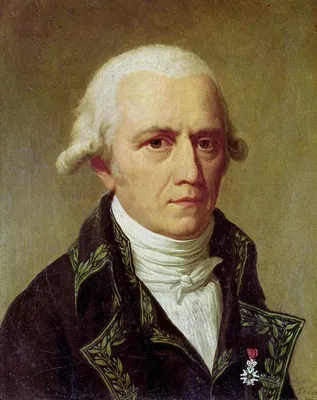
Lamarck was one of the greatest of the comparative anatomists. This work is considered the greatest exposition of his argument that evolution occurred by the inheritance of characteristics acquired by animals as a res…
2017 CE
#10730
Photography, natural history and the nineteenth-century museum: Exchanging views of empire.
2004 CE
#10074
Phrenology and the origins of Victorian scientific naturalism.
1849 CE
#7693
Physical Atlas. A series of maps & illustrations of the geographical distribution of natural phenomena. Embracing I. Geology. II Hydrography. III Meterology. IV. Natural History.

30 double-page maps, 15 of which are after the physical atlas of Berghaus. Contributors included Edward Forbes, George Waterhouse, Abbe Boué, etc. Various concern disease.
1817 CE
#10519
Physical observations, and medical tracts and researches, on the topography and diseases of Louisiana.
Digital facsimile from U.S. National Library of Medicine at this link.
1482 CE
#8979
Physiologus de naturis duodecim animalium.
The earliest printed edition (circa 1482) of the Physiologus, a Christological natural historical work that originated in Late Antiquity, and remained popular through the Middle Ages. This edition, which was very wide…
2009 CE
#9040
Physiologus: A medieval book of nature lore. Translated by Michael J. Curley.
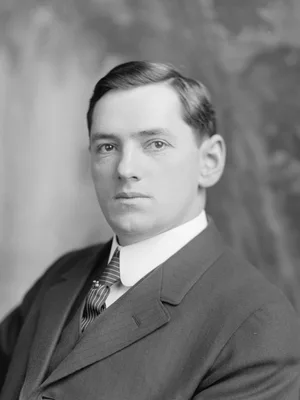
First published 1979, with a very informative introduction and notes. The paperback edition (2009) contains an extensive supplementary note discussing scholarship relating to Physiologus since 1979.
1936 CE
#8978
Physiologus. Ed. F. Sbordóne.
Physiologus, a didactic Christian text, is thought to have been written or compiled in Greek by an unknown author in Alexandria, 200-275 CE. It describes a "hodgepodge" of animals, real and imaginery, with the fig tre…
1846 CE
#4039
Pilzbildung in der Pityriasis versicolor.
Eichstedt discovered Pityrosporum orbiculare, fungus of pityriasis versicolor (“Eichstedt’s disease”).
1894 CE
#210
Pithecanthropus erectus. Eine menschenähnliche Uebergangsform aus Java.
Privately issued first report on Homo erectus. In 1891 Dubois discovered remains of what he described as "a species in between humans and apes" at Trinil, Java. He called his finds Pithecanthropus erectus ("ape-human …
1856 CE
#4044
Pityriasis pilaris, maladie de peau non décrite par les dermatologistes.
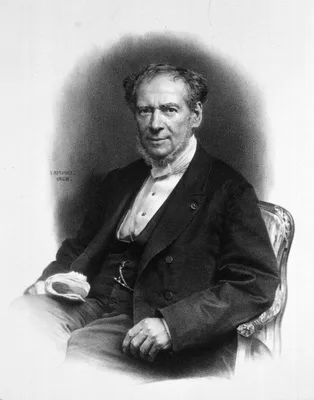
Devergie is remembered for his clear description of pityriasis rubra pilaris, (“Devergie’s disease”). He was the first to demonstrate the presence of a fungus in eczema marginatum.
1775 CE
#2155
Plain, concise, practical remarks, on the treatment of wounds and fractures; to which is added an appendix, on camp and military hospitals; principally designed for the use of young military surgeons in North America.
The first surgical work written by an American and printed in North America. Jones’s work was the accepted guide to surgical practice during the American Revolutionary War.
1994 CE
#9187
Plant allometry: The scaling of form and process.
The first book to apply allometry— one definition of which is the study of the growth rate of an organism's parts in relation to the whole — to studies of the evolution, morphology, physiology, and reprodu…
1990 CE
#7025
Plant, animal & anatomical illustration in art & science: A bibliographical guide from the 16th century to the present day.
The first comprehensive listing of primary instructional or "how to draw" books, and non-scientific iconographical "pattern" books, published for artists and designers in the widest range of subjects concerning plants…
1875 CE
#8443
Plinii Secundi quae fertur una cum Gargilli Martialis medicina: Nunc primum edita a Valentino Rose.
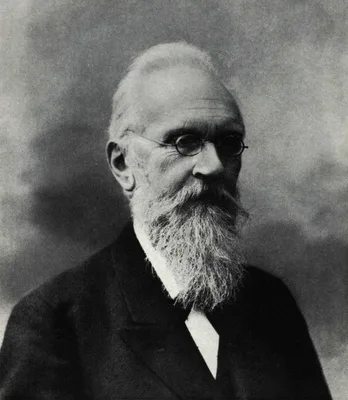
Fragments of Martialis's work (probably called De hortis), which treated of the cultivation of trees and vegetables, and also of their medicinal properties, survived, chiefly in the body of and as an appendix to the M…
2013 CE
#7997
Pliny and the artistic culture of the Italian Renaissance.
1976 CE
#214.3
Plio-Pleistocene hominid discoveries in Hadar, Ethiopia.

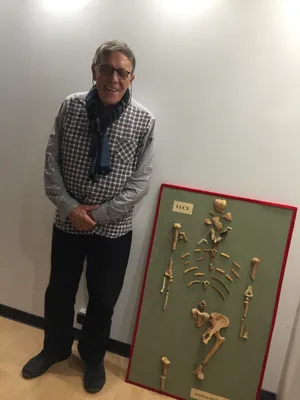
Report on the Afar fossils (formally classified and named Australopithiecus afaranesis in 1998) representing a minimum of 35 and a maximum of 65 individuals, all about 3,000,000 years old. The most famous of these, AL…
1862 CE
#7792
Poetae bucolici et didactici: Theocritus, Bion, Moschus....Phile De animalibus, elephanti, plantis....
Manuel Philes of Ephesus wrote didactic poems on the characteristics of animals, chiefly based upon Aelian and Oppian, and a didactic poem of some 2000 lines, dedicated to Michael IX Palaiologos; on the elephant, and …
1754 CE
#13783
Poissons, écrevisses et crabes, de diverse couleurs et figures extraordinaires, que l'on trouve autour des Isles Moluques, et sur les côtes des Terres Australes....
"This extraordinary work purports to show marine life from the seas around Indonesia at a time when the natural wildlife of that area was virtually unknown in Europe. Renard, both a publisher and a spy for the British…
1966 CE
#7299
Potassium-Argon dating by activation with fast neutrons.
Argon 40-argon 39 dating (Argon-argon dating). Astrophysicist Merrihue died in a mount-climbing accident at the age of 32.
1994 CE
#6980
Pour une histoire de la préhistoire. Le paléolithique.
1655 CE
#10146
Prae-Adamitae, sive exercitatio super versibus duodecimo, decimotertio, & decimoquarto, capitis quinti Epistolae D. Pauli ad Romanos: Quibus inducuntur primi homines ante Adamum conditi.
"In his Prae-Adamitae, published in Latin in 1655 and in English as Men Before Adam in 1656, La Peyrère argued that Paul's words in Chapter 5, verses 12-14 of his Epistle to the Romans should be interpreted suc…
1865 CE
#7257
Pre-historic times, as illustrated by ancient remains, and the manners and customs of modern savages.
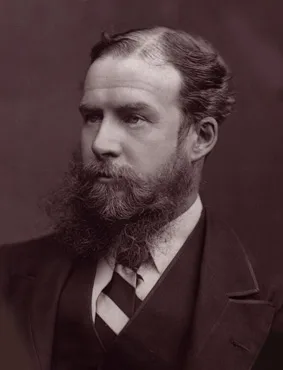
Lubbock introduced the terms "Paleolithic" and "Neolithic". His work addressed not only the topic of human antiquity but also the lives and cultures of people in the Stone Age. In contrast to researchers who focused o…
1946 CE
#214.1
Pretoria: The South African fossil ape-men. The Australopithecinae. Part I. The occurrence and general structure of the South African ape-men.
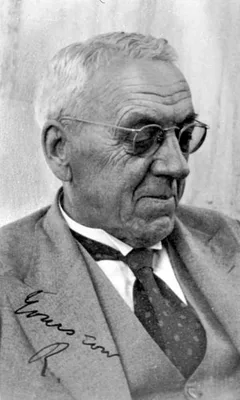
With this comprehensive report Broom presented his case to the scientific establishment that Australopithecus probably represented the stock from which mankind had evolved.
1726 CE
#7578
Promtuarium rerum naturalium et artificalium Vratislaviense.
Digitall facsimile from the Bayerische StaatsBibliothek at this link.
1884 CE
#12161
Prophylaxie et géographie médicale: Des principales maladies tributaires de l'hygiène.
Includes several colored world maps of diseases. Digital facsimile from the Internet Archive at this link.