
Facets
Browse across eight MeSH (opens in new tab) facets — era, geography, science, specialty, technology, history, culture, and reference. Select one tag per group; counts update across the others.
Clear filtersFacet filters
Geography
Specialties & Disease
- Anatomy & Pathology 199
- Cardiology & Blood 9
- Neurology & Psychiatry 55
- Obstetrics & Reproductive 30
- Infectious Disease (General) 0
- Surgery & Anesthesia 22
- Public Health 30
- Immunology & Dermatology 19
- General Clinical Medicine 24
- Military Medicine 3
- Psychology 14
- Alternative & Fringe Medicine 27
- Pediatrics 5
- Ophthalmology & Vision 5
- ENT & Hearing 7
- Urology & Nephrology 7
- Gastroenterology & Hepatology 1
- Pulmonary & Respiratory 3
- Rheumatology, Rehab & Pain 2
- Internal, Emergency & Geriatric 0
- Veterinary Medicine 6
- Epidemiology & Demography 18
- Physiology & Embryology 17
- Dentistry 10
- Plagues & Epidemics 27
- Microbiology & Virology 1
Social & Historical Studies
Institutions & Culture
Reference & Scholarly Works
Drugs & Technology
17 entries match Physiology & Embryology [G07 / G02.149] · Arts, Literature & Humanities [K01.090]
1724 CE
#12698
An impartial history of Michael Servetus, burnt alive at Geneva for heresie.
Authorship of this early English account of Servetus and his martyrdom for heresy has never been determined, according to Geoffrey Sill, "The authorship of An impartial history of Michael Servetus," Papers of the Bibl…
1922 CE–1931 CE
#7649
Das Leben des Menschen. Eine volkstümliche Anatomie, Biologie, Physiologie und Entwicklungsgeschichte des Menschen. 5 vols.
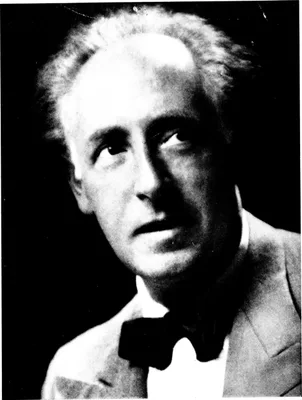
By developing a new infographics style of illustration in which physiological processes and other technical medical and biological concepts were often depicted as, or compared to machines, Kahn made medical and biolog…
1884 CE–1889 CE
#784
Das Venensystem des menschlichen Körpers. 2 pts. and atlas.
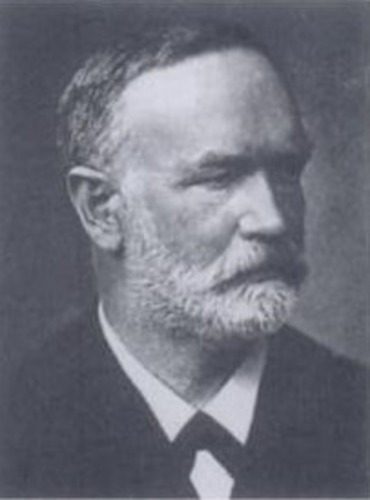
Like Braune’s other anatomical works, this is notable for its excellent illustrations.
1559 CE
#378.1
De re anatomica libri xv.
Colombo was a pupil of Vesalius, and succeeded him in the chair of anatomy at Padua before proceeding to chairs first at Pisa and later at Rome. His book, published just after his death, rectified a number of anatomic…
1575 CE
#4964
Examen de ingenios para las ciencias.
Huarte was a distinguished Spanish physician and psychologist. His Examen, which gained for him a European reputation, was the first attempt to show the connection between psychology and physiology. English translatio…
1818 CE
#9692
Frankenstein; or, the modern prometheus. 3 vols.
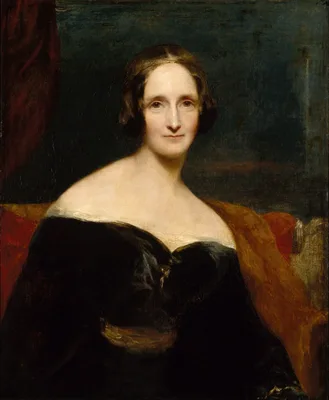
The full digitized text of the 1818 is available from the Internet Archive at this link.
1929 CE
#14096
Gestaltungsanalyse am Amphibienkeim mit Örtlicher Vitalfärbung: II. Teil. Gastrulation und Mesodermbildung bei Urodelen und Anuren.
Modern fate mapping began in 1929 when Walter Vogt marked the groups of cells using a dyed agar chip and tracked them through gastrulation.
1727 CE
#12697
Historia Michaelis Serveti Quam praeside Io. Laur. Mosheimio...auctor Henricus ab Allwoerden.
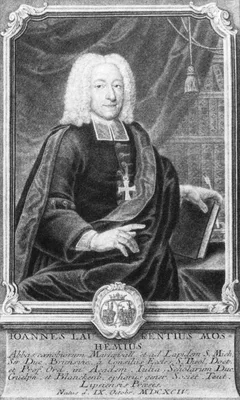
An early biographical account of Servetus and his martyrdom for heresy, prepared under the direction of Johann Lorenz von Mosheim whose Kaisergeschichte (2 vols, 1746-48) initiated the modern, objective historiography…
1934 CE
#6622.1
John Keats’s anatomical and physiological note book …edited by Maurice Buxton Forman.
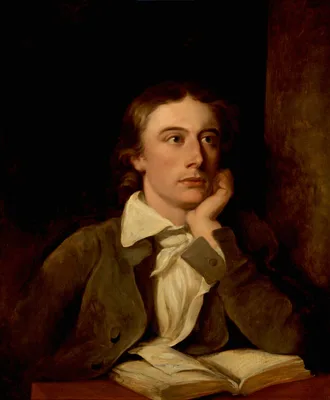
Keats was a pupil and dresser at Guy’s Hospital from 1815-16, and was licensed to practice upon completion of his studies. While struggling to launch his poetic career he was often tempted to practice medicine, …
1878 CE
#7294
La méthode graphique dans les sciences expérimentales et particulièrement en physiologie et en médecine.
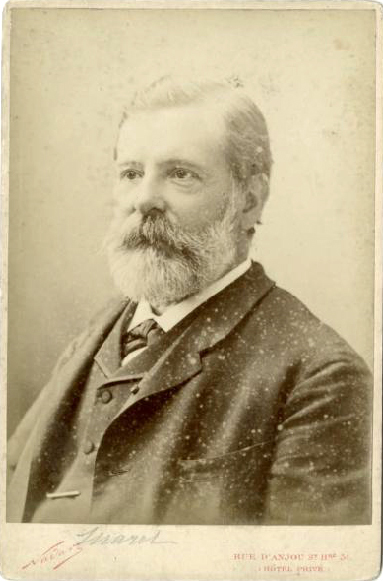
Marey pioneered the use of graphical recording in the experimental sciences, using instruments (many of his own invention) to capture and display data impossible to observe with the senses alone, and to record the pro…
1575 CE
#284
Lectiones Gabrielis Falloppi de partibus similaribus humani corporis, ex diversis exemplari eus a Volchero Coiter summa cum diligentia collecta. His accessere diversorum animalium sceletorum explicationes iconibus artificiosis, et genuinis illustratae.
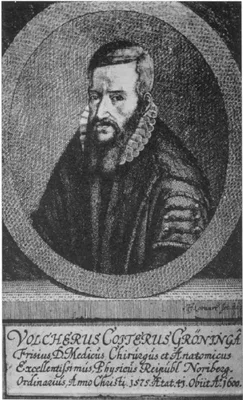
Coiter, a pupil of Fallopius and Eustachius, became town physician of Nuremberg. His book on comparative osteology, contained in his edition of the lectures of Fallopius, extended his studies begun in his work of 1572…
1952 CE
#366
Leonardo da Vinci on the human body. The anatomical, physiological, and embryological drawings of Leonardo da Vinci. With translations, emendations, and biographical introduction by Charles D. O'Malley and J. B. de C. M. Saunders.
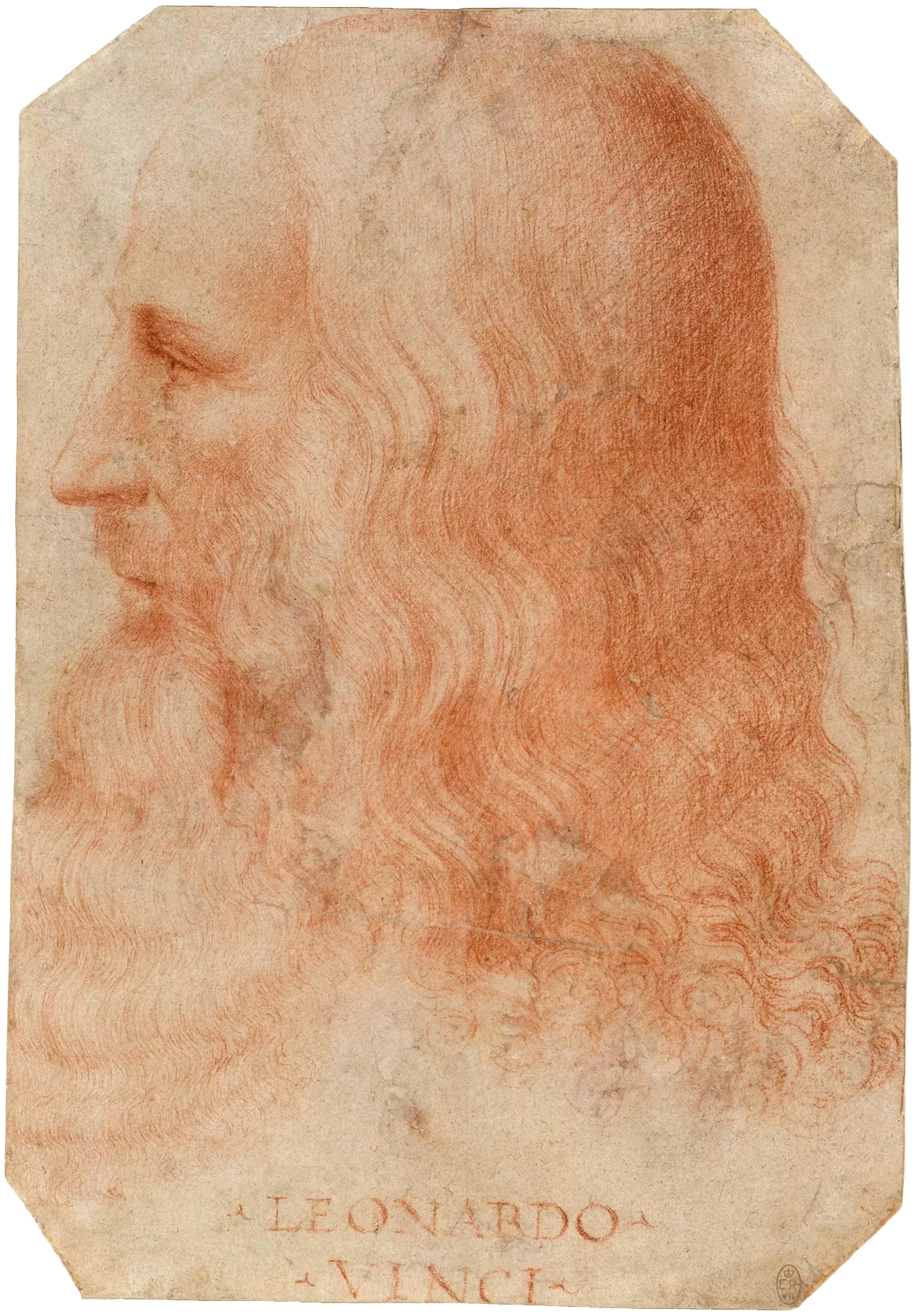
Includes 215 plates.
1953 CE
#11200
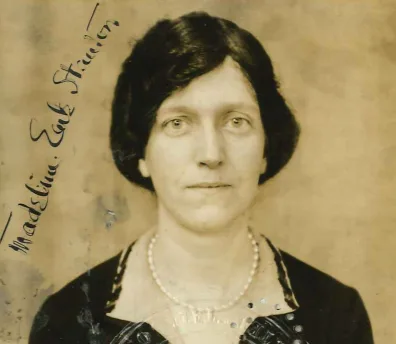
Michael Servetus, humanist and martyr. With a bibliography of his works
1645 CE
#61.2
Opera quae extant omnia. Ex recension Joh. Antonidae vander Linden.
Spieghel succeeded Casseri in the chair of anatomy at Padua. This edition of his collected writings contains the second printing of the 97 copperplates first printed in Casseri’s Tabulae anatomicae (No. 381) plu…
1563 CE–1564 CE
#1093
Opuscula anatomica.
Eustachius is credited with several anatomical discoveries, among them the tensor tympani muscle and the Eustachian tube, published in his chapter entitled De auditus organis. In the last respect, however, he was anti…
1833 CE
#411.1
The hand: Its mechanism and vital endowments as evincing design.
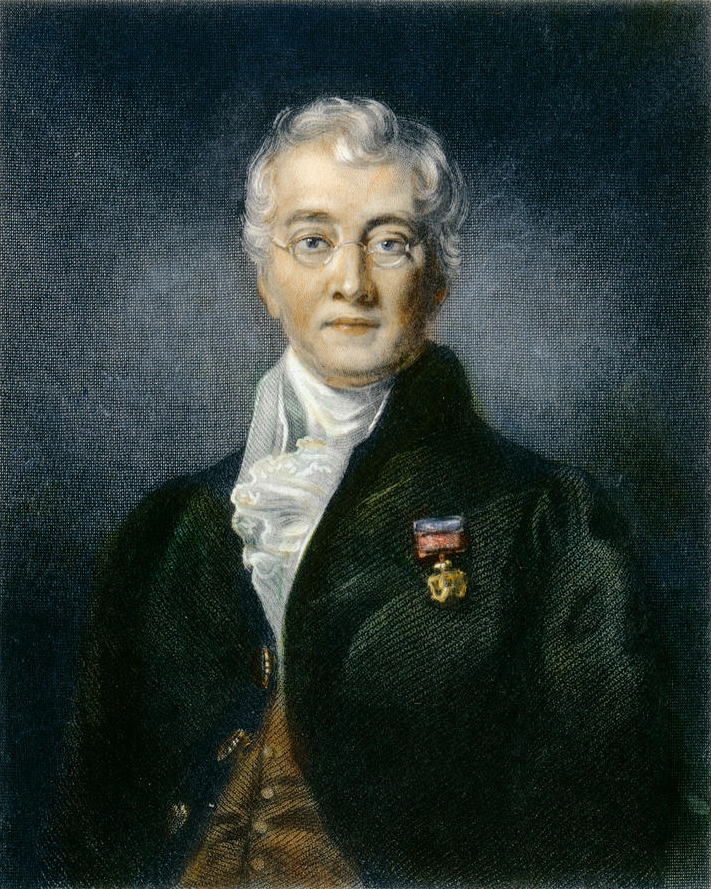
Classic work on the anatomy, physiology, bio-mechanics, comparative anatomy, and adaptive importance of the hand. Issued as a volume in a series entitled the "Bridgewater Treatises." The first edition has 288pp. An en…
1708 CE
#582
Theoria medica vera.
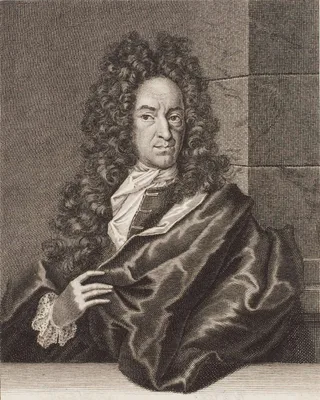
Stahl tried to explain vital phenomena by mystical means. He was the head of the so-called Animistic School which explained disease as caused by misdirected activities on the part of the soul. A three-volume German tr…