
Facets
Browse across eight MeSH (opens in new tab) facets — era, geography, science, specialty, technology, history, culture, and reference. Select one tag per group; counts update across the others.
Clear filtersFacet filters
Geography
Specialties & Disease
- Anatomy & Pathology 199
- Cardiology & Blood 9
- Neurology & Psychiatry 55
- Obstetrics & Reproductive 30
- Infectious Disease (General) 0
- Surgery & Anesthesia 22
- Public Health 30
- Immunology & Dermatology 19
- General Clinical Medicine 24
- Military Medicine 3
- Psychology 14
- Alternative & Fringe Medicine 27
- Pediatrics 5
- Ophthalmology & Vision 5
- ENT & Hearing 7
- Urology & Nephrology 7
- Gastroenterology & Hepatology 1
- Pulmonary & Respiratory 3
- Rheumatology, Rehab & Pain 2
- Internal, Emergency & Geriatric 0
- Veterinary Medicine 6
- Epidemiology & Demography 18
- Physiology & Embryology 17
- Dentistry 10
- Plagues & Epidemics 27
- Microbiology & Virology 1
Social & Historical Studies
Institutions & Culture
Reference & Scholarly Works
Drugs & Technology
55 entries match Neurology & Psychiatry [C10 / F04] · Arts, Literature & Humanities [K01.090]
1992 CE
#7354
Brain maps: Structure of the rat brain.
The first computer graphics atlas of the brain of any species, with the illustration files also available separately (1993). The work included a complete and systematic, hierarchically organized set of annotated nomen…
1877 CE
#4799
A case of general paralysis at the age of sixteen.
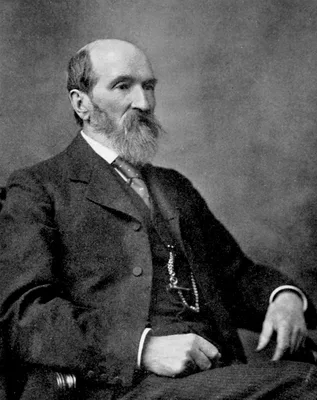
Clouston, eminent English psychiatrist, was the first definitely to recognize the relationship between paresis and congenital syphilis and to report a case. This paper is also of interest as being the only recorded ca…
1852 CE
#12047
A curious dance round a curious tree.
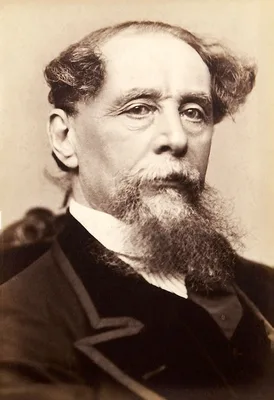
Dickens' account of his visit on the day after Christmas, 1851 to the wards at St. Luke's Hospital for Lunatics, founded in 1751 to provide free care to the impoverished and incurable mentally ill. "The inhabitants of…
1836 CE–1842 CE
#13300
A series of anatomical plates. 5 vols.: The muscles of the human body. The vessels of the human body. The nerves of the human body. The viscera of the human body. The bones and ligaments of the human body.
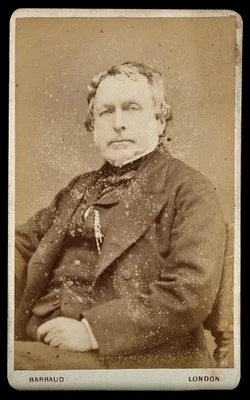
The most ambitious 19th century English anatomy illustrated by lithography. Some copies were issued with hand-colored plates. The five volumes, containing a total of 201 plates, describe the muscles, blood vessels, ne…
1863 CE
#6615.1
A study of Hamlet.
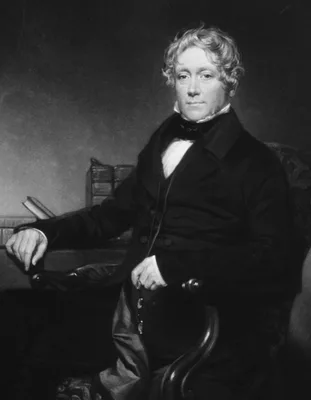
The first psychiatric study of Hamlet. Digital facsimile from the Internet Archive at this link.
1536 CE
#370
Anatomia capitis humani.
The first work on the anatomy of the head. Elegantly illustrated with 11 woodcuts. English translation in No. 461.3.
1537 CE
#371
Anatomiae, hoc est, corporis humani dissectionis pars prior.
Dryander was among the first to make illustrations after his own dissections. His unfinished guide to dissection entitled Anatomiae, expanded from the Anatomia published the previous year, is one of the most important…
1585 CE
#7595
Anatomicae praelectiones.
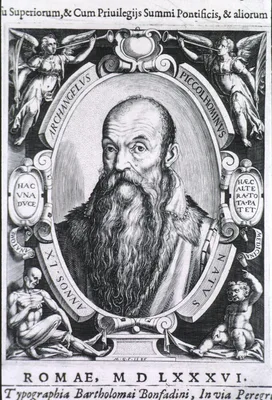
First description of a clear distinction between what is now known as gray and white matter in the central nervous system. The work also includes the first attempt to illustrate the brain in a sagittal view. The nine …
1829 CE–1842 CE
#2286
Anatomie pathologique du corps humain. 2 vols.
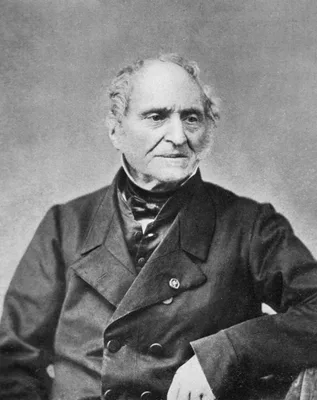
The fine hand-colored lithographs of gross pathology make this one of the greatest works of its kind. Cruveilhier, first Professor of Pathological Anatomy in Paris, gave the first description of multiple sclerosis (in…
1501 CE
#363.3
Antropologium de ho[min]is dignitate, natura, et p[ro]prietatibus.
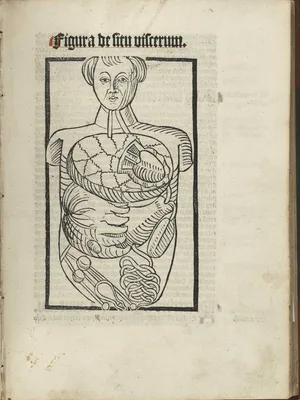
Includes the first illustrations of the viscera in a printed book. The four woodcuts are derived with modifications from Peyligk (No. 363.2). This work also contains the first mention ever of the word anthropology (in…
2009 CE
#9120
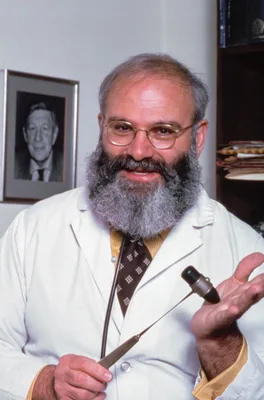
Asylum: Inside the closed world of state mental hospitals. Photographs by Christopher Payne. With an essay by Oliver Sacks.
1892 CE–1896 CE
#10621
Atlas of clinical medicine. 3 vols.
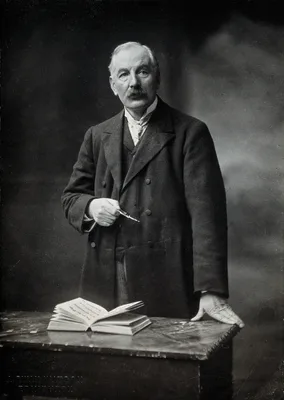
Published at the end of the 19th century, and employing the wide variety of illustration technologies then available, including color lithography, lithography, and photography, this work testifies to the breadth and d…
1973 CE
#9131
Awakenings.
Revised editions, 1976 and 1991. "It recounts the life histories of those who had been victims of the 1920s encephalitis lethargica epidemic.[2] Sacks chronicles his efforts in the late 1960s to help these patients at…
1931 CE
#11250
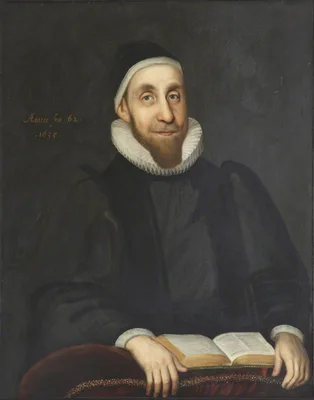
Bibliographia Burtoniana: A study of Robert Burton's The Anatomy of Melancholy, with a bibliography of Burton's Writings
1664 CE
#1378
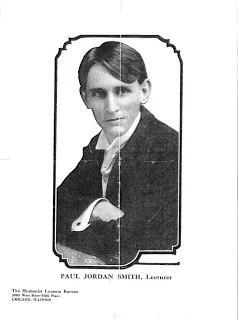
Cerebri anatome: cui accessit nervorum descriptio et usus.
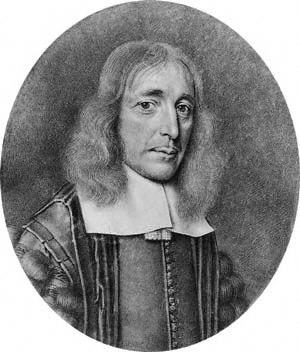
The most complete and accurate account of the nervous system which had hitherto appeared, and the work that coined the term, “neurology". In its preparation Willis was helped by his students Richard Lower and Th…
1980 CE
#366.1
Corpus of the anatomical studies in the collection…at Windsor Castle. Edited by K.D. Keele and C. Pedretti. 3 vols.
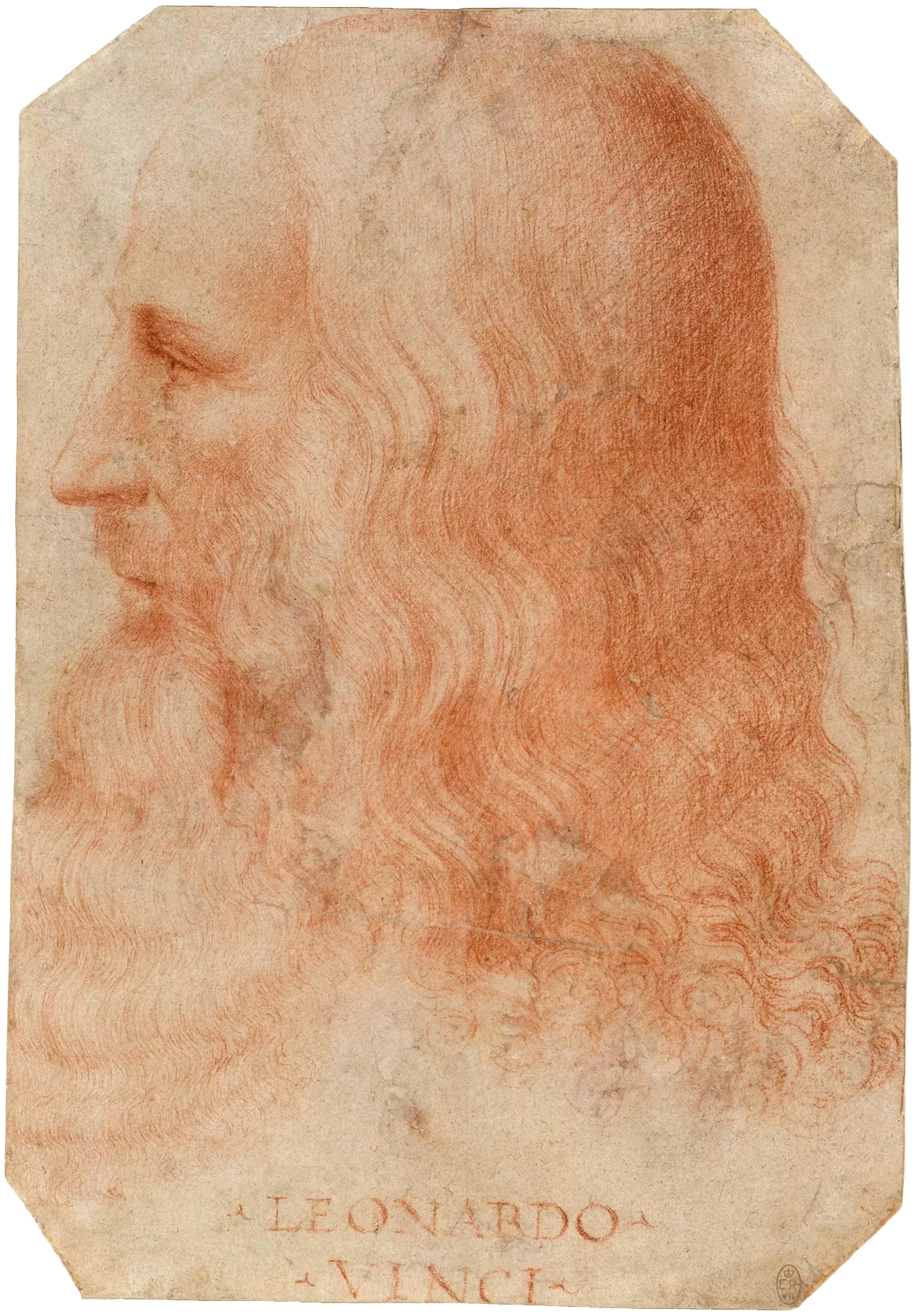
Splendid edition reproducing all of the drawings in color, and with the original chronology and integrity of the drawings restored. Text provides transliteration of Leonardo’s notes in the original Italian plus …
1541 CE
#373.1
Des aller fürtrefflichsten…erschaffen. Das is des menchen…warhafftige beschreibung oder Anatomi…
This plagiarism of Vesalius’s Tabulae anatomicae sex contains 25 woodcuts by Hans Baldung Grien (1484/1485-1545), and represents the artist’s only contribution to medical illustration. The woodcuts include…
1927 CE
#7529
Die Zukunft einer Illusion.
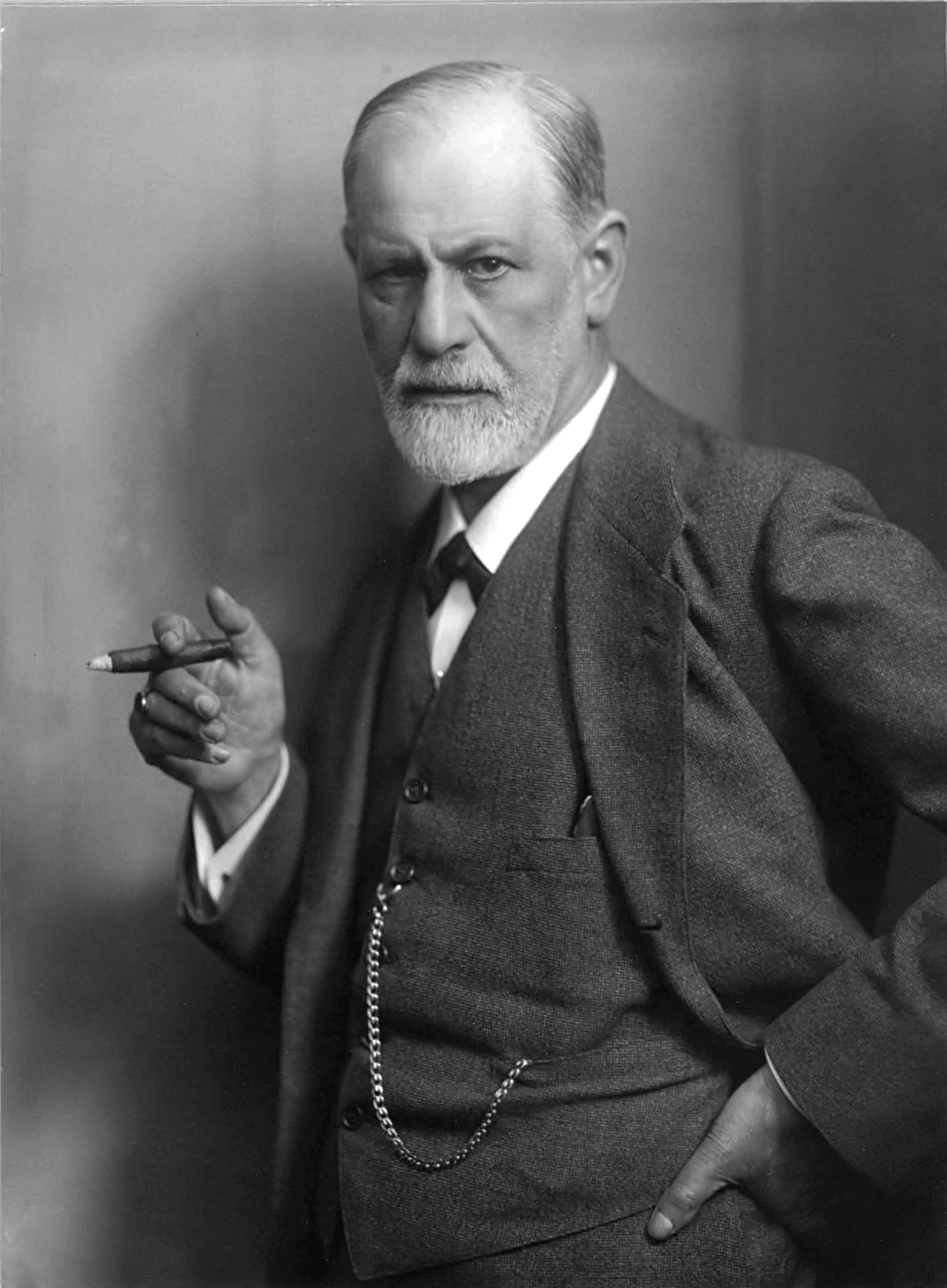
1988 CE
#8066
Disease and representation: Images of Illness from Madness to AIDS.
1778 CE
#1383
Dissertatio inauguralis anatomica de basi encephali et originibus nervorum cranio egredientium libri quinque.
The first accurate enumeration of the 12 cranial nerves, superseding that of Willis (No. 1378). Soemmerring is notable for his accuracy in anatomical illustration. This was his thesis. The same publisher issued an edi…
1910 CE
#6608.1
Eine Kindheitserinnerung des Leonardo da Vinci.
The first psychoanalytic investigation in art.
1830 CE
#13201
Essay on superstition; being an inquiry into the effects of physical influence on the mind, in the production of dreams, visions, ghosts, and other supernatural appearances.
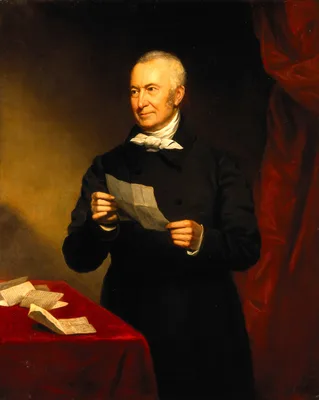
Newnham argued that argued that apparitional experiences, dreams and spiritual visions had a physiological rather than a supernatural basis. Digital facsimile from Google Books at this link.
1875 CE–1888 CE
#4067
Illustrations of clinical surgery. 2 vols.
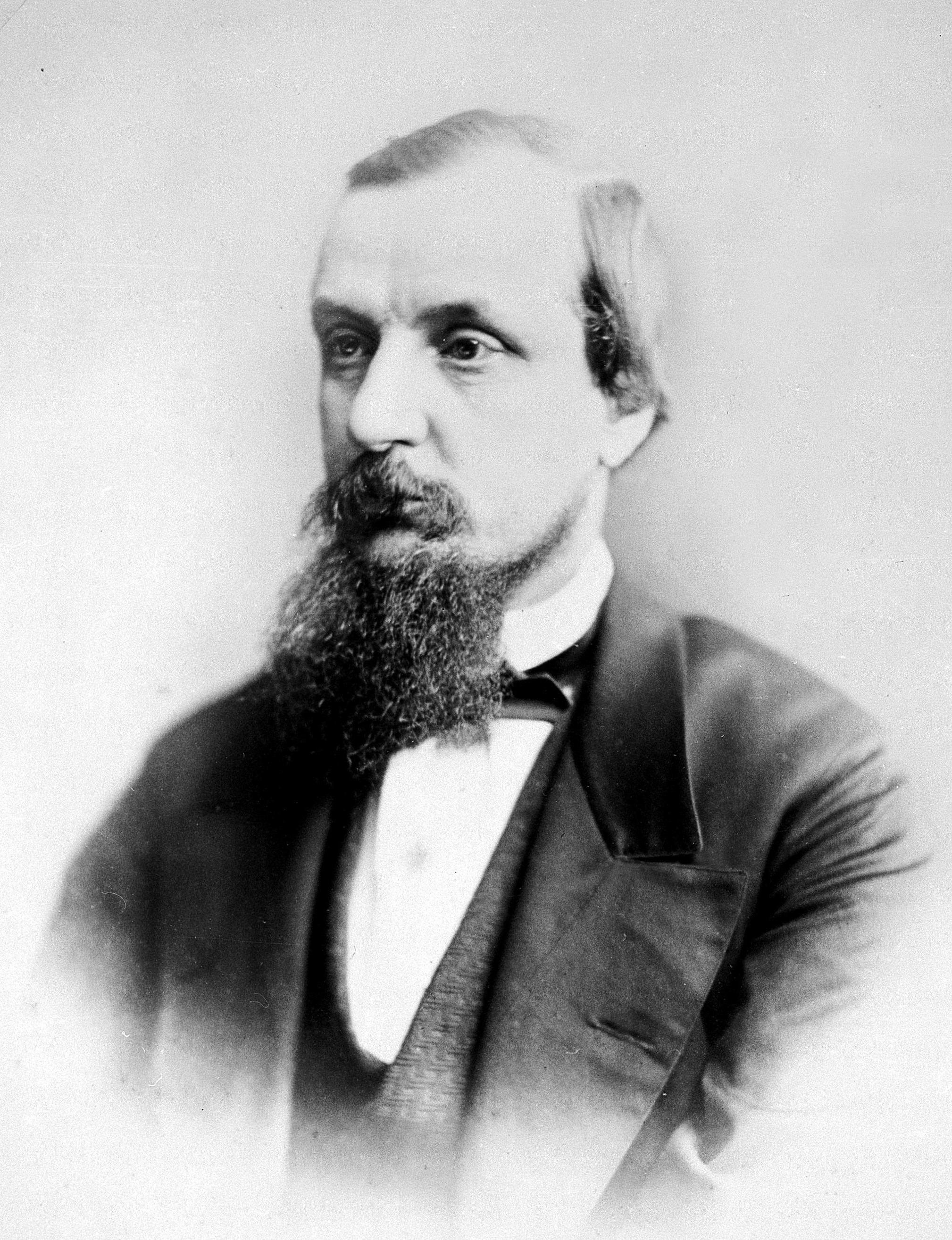
Vol. 1 pp. 49-52: Hutchinson’s classic description of cheiropompholyx, dysidrosis (“Hutchinson’s disease”). The first description and illustration of sarcoidosis is on p. 42.
1838 CE
#2291
Illustrations of the elementary forms of disease.
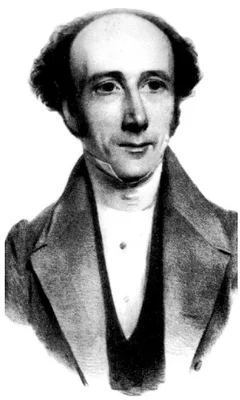
Carswell was Professor of Morbid Anatomy at University College, London, and one of the leading English pathologists of his day. A fine artist, he personally painted 2,000 water-colours of pathological specimens. His g…
2004 CE
#8068
Invention of hysteria: Charcot and the Photographic Iconography of the Salpêtrière.

See No. 4558.1
1522 CE
#368
Isagoge breves perlucide ac uberime in anatomiam humani corporis a communi medicorum academia usitatam.
One year after publishing his Commentary on Mondino, Giacomo Berengario da Carpi issued an abbreviated version or Isagoge, with most of the same woodcuts. This was the book by which Berengario's contributions to anato…
2015 CE
#10424
L'invention de l'hystérie au temps des lumières (1670–1820).
Translated into English as On hysteria: The invention of a medical category between 1670 and 1820 (Chicago: University of Chicago Press, 2015).
1818 CE
#4926
Lehrbuch der Störungen des Seelenlebens.
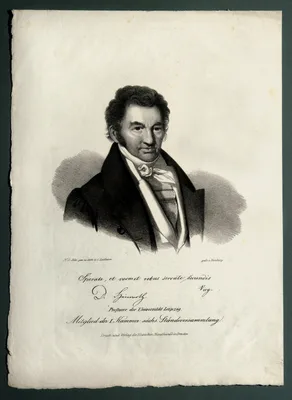
Heinroth drew his psychology from the Bible and maintained that mental health was maintained only by piety and that sin engendered madness; for him treatment was by repentance and a return to the fold. English transla…
1794 CE
#11782
Medicina theologica, ou supplica humilde, feita a todos os senhores confessores e directores, sobre o modo de proceder com seus penitentes na emenda dos peccados, principalmente da lascivia, colera, e bebedice.
The first Portuguese work on psychosomatic medicine. The author was a Brazilian who worked in Portugal. Digital facsimile from Wellcomelibrary.org at this link.
1977 CE
#9378
Music and the brain. Studies in the neurology of music. Edited by MacDonald Critchley and R. A. Henson.
2014 CE
#12783
Music and the nerves 1700-1900. Edited by James Kennway.
2007 CE
#9132
Musicophilia: Tales of music and the brain.
In a review for The Washington Post, Peter D. Kramer wrote, "In Musicophilia, Sacks turns to the intersection of music and neurology -- music as affliction and music as treatment." Kramer wrote, "Lacking the dynamic t…
1981 CE
#13554
Mystical Bedlam: Madness, anxiety, and healing in seventeenth-century England.
"Mystical Bedlam explores the social history of insanity of early seventeenth-century England by means of a detailed analysis of the records of Richard Napier, a clergyman and astrological physician, who treated over …
1684 CE
#1379
Neurographia universalis.
Vieussens, professor at Montpellier, was the first to describe the centrum ovale correctly. The publication of the above work threw new light on the subject of the configuration and structure of the brain, spinal cord…
1888 CE–1918 CE
#4575
NOUVELLE Iconographie de la Salpêtriere. 28 vols.
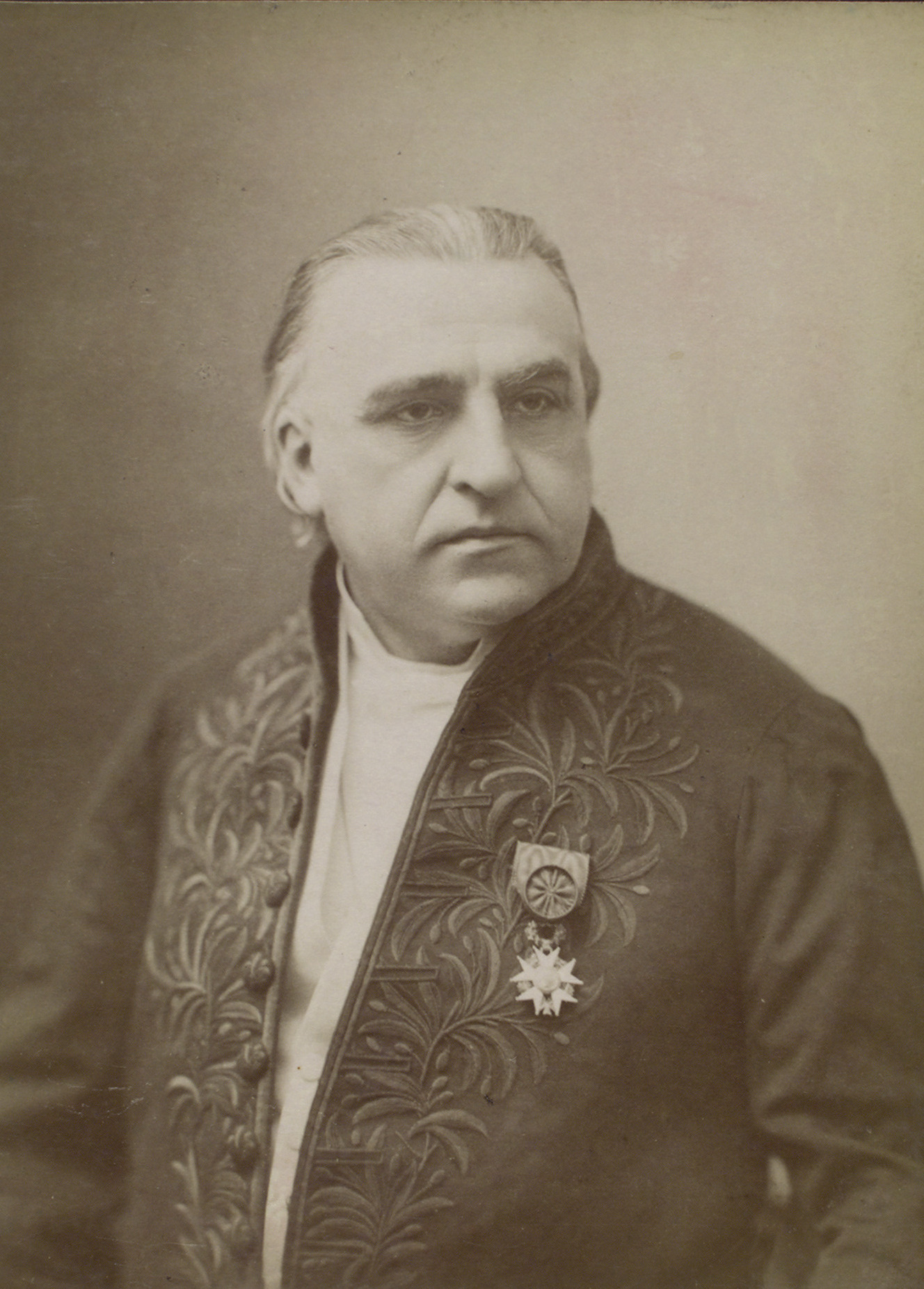
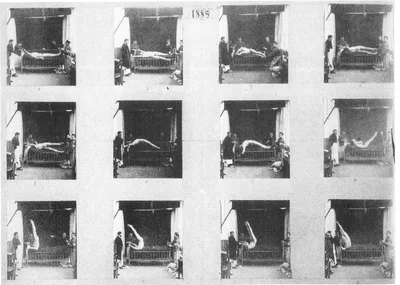
Henry Meige, Richer, and other pupils of Charcot published many valuable studies of the constitutional aspects of nervous diseases in the above work, a series unique in the history of medicine and of great value for t…
1769 CE
#13008
Nouvelle méthode facile et curieuse pour connoitre le pouls par les notes de la musique, par feu M.F.N. Marquet. Seconde édition, augmentée de plusieurs observations et réflexions critiques, & d'une dissertation en forme de thèse sur cette méthode; d'un mémoire sur la manière de guérir la mélancholie par la musique, & de l'éloge historique de M. Marquet. Par Pierre-Joseph Buc'hoz.
Buc'hoz applied his father-in-laws theories of music therapy to the treatment of depression. Digital facsimile from loc.gov at this link.
1825 CE
#10744
Outlines of lectures on mental diseases.
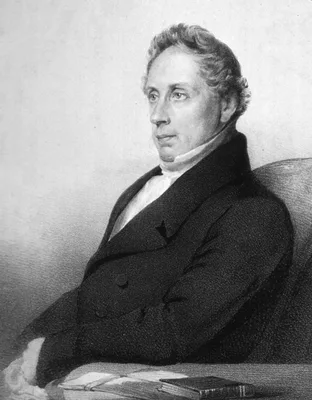
Of particular note for the greatly expanded second edition published in 1826. That edition contained 150 pages compared to 72 pages in the first edition. The second edition also contained 13 plates derived from images…
1499 CE
#363.2
Philosophie naturalis compendium.
The last section of this commentary on Aristotle is an illustrated summary of anatomy, the text of which was derived, with some modifications, from medieval manuscripts. The series of eleven woodcuts has been called &…
1963 CE
#5019.4
Psychoanalysis, psychology and literature: A bibliography.
Contains 4,460 references.
1952 CE
#9738
Psychoanalytic explorations in art.
Kris trained as an art historian before becoming a psychoanalyst.
1827 CE–1831 CE
#2285
Reports of medical cases, selected with a view of illustrating the symptoms and cure of diseases by a reference to morbid anatomy. 2 vols. in 3.
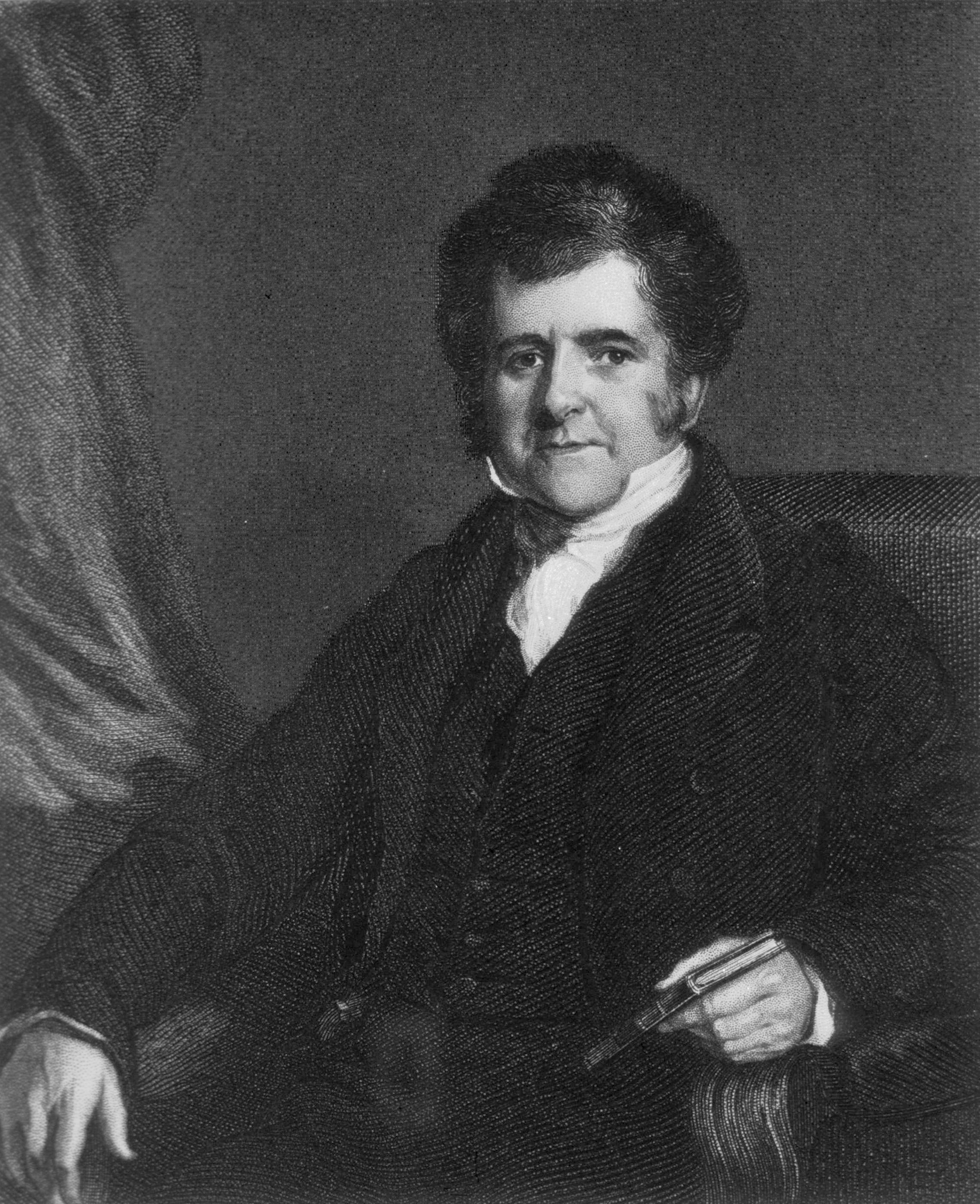
Beside's Bright's classic description of chronic non-suppurative nephritis, known eponymically as “Bright’s disease”, the Reports contain numerous other outstanding contributions to general pathology…
2014 CE
#8067
Seeing the insane: A visually and cultural history of our attitudes toward the mentally ill.
1714 CE
#1312
Tabulae anatomicae.
A romantic history attaches to this fine collection of plates, drawn by Eustachius himself and completed in 1552. They remained unprinted and forgotten in the Vatican Library until discovered in the early 18th century…
2017 CE
#8867
The beautiful brain: The drawings of Santiago Ramón y Cajal. Edited with commentaries by Eric A. Newman, Alfonso Araque, and Janet M. Dubinsky. Essays by Larry W. Swanson, Lyndel King, and Eric Himmel.
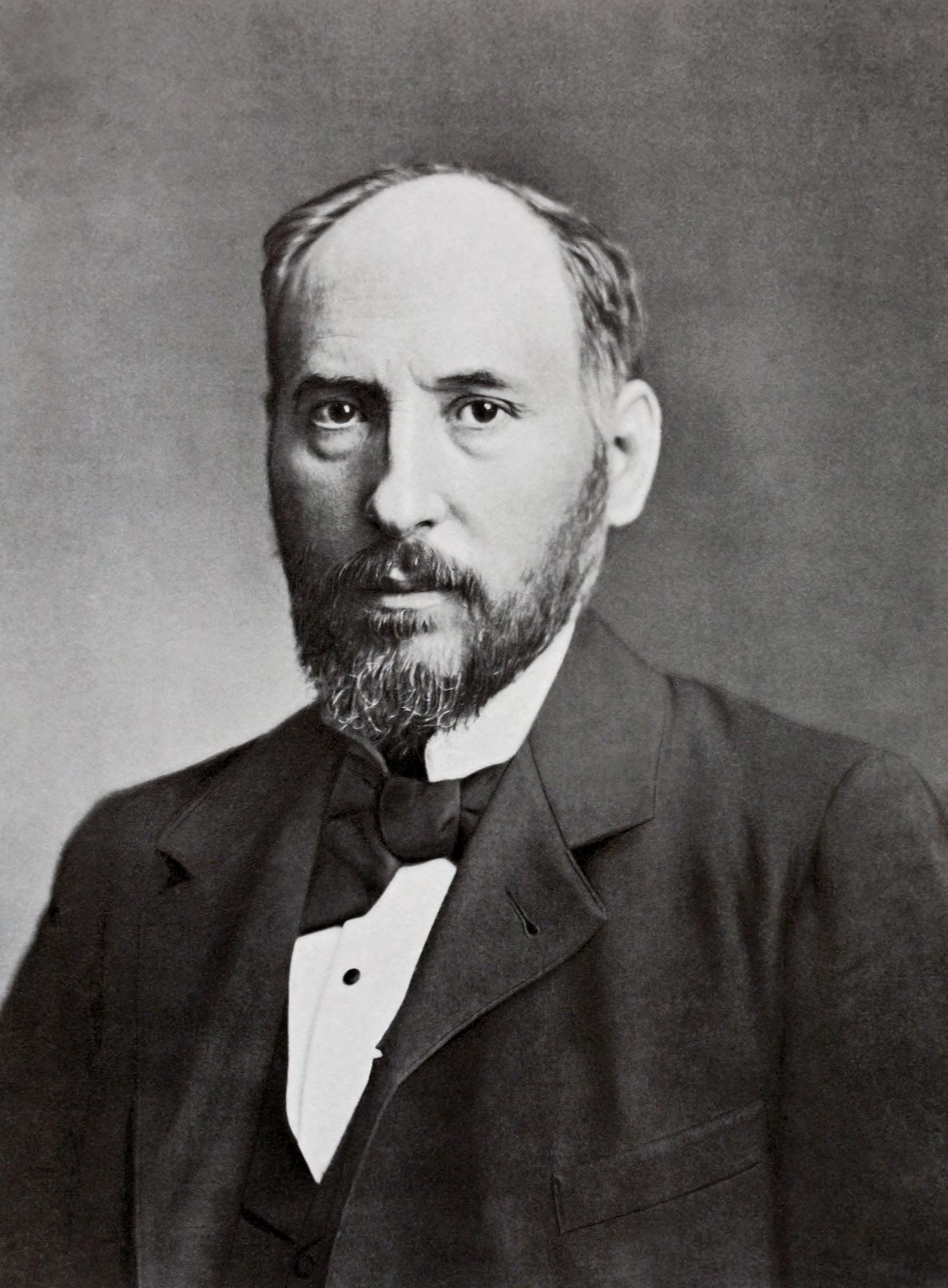

A spectacular volume reproducing Ramón y Cajal's drawings in very high quality, and with significant commentaries.
1981 CE–1986 CE
#8324
The complete works, translated into English by Charles Allison Behr. 2 vols.
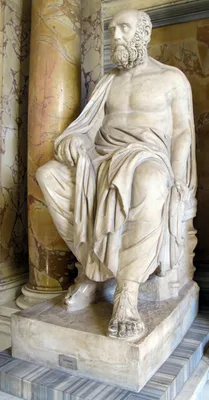
"The six books of Sacred Tales “ are in a class apart. A record of revelations made to Aristides in dreams by the healing god Asclepius…they are of major importance, both as evidence for the practices ass…
1989 CE
#9733
The discovery of the art of the insane.
"This pioneering work, the first history of the art of the insane, scrutinizes changes in attitudes toward the art of the mentally ill from a time when it was either ignored or ridiculed, through the era when major fi…
2010 CE
#9397
The illustrated Interpretation of Dreams by Sigmund Freud. Edited with an introduction and essays by Jeffrey Moussaieff Mason.
Reprints selected portions of the 1913 A. A. Brill translation together essays by Masson and excerpts from Jung, Lacan, and Horney. Includes many full page or double-page color reproductions of works by modernist and …
1919 CE
#10741
The journal of a disappointed man. With an introduction by H. G. Wells.
Published under the pseudonym, Wilhelm Nero Pilate Barbellion. "Cummings' life changed forever when he was called to enlist in the British Army to fight in World War I in November 1915. He had consulted his doctor bef…
1985 CE
#9133
The man who mistook his wife of a hat and other clinical tales.
Describes the case histories of some of Sacks's patients. The title comes from the case study of a man with visual agnosia.[1] The book "became the basis of an opera of the same name by Michael Nyman, which premiered …
1826 CE
#2284.1
The morbid anatomy of the human brain.
Based on over 4000 autopsies performed over 30 years, and illustrated with fine hand-colored plates.