
Facets
Browse across eight MeSH (opens in new tab) facets — era, geography, science, specialty, technology, history, culture, and reference. Select one tag per group; counts update across the others.
Clear filtersFacet filters
Geography
Specialties & Disease
- Anatomy & Pathology 111
- Cardiology & Blood 7
- Neurology & Psychiatry 21
- Obstetrics & Reproductive 15
- Infectious Disease (General) 73
- Surgery & Anesthesia 12
- Public Health 348
- Immunology & Dermatology 21
- General Clinical Medicine 27
- Military Medicine 15
- Psychology 12
- Alternative & Fringe Medicine 14
- Pediatrics 4
- Ophthalmology & Vision 2
- ENT & Hearing 1
- Urology & Nephrology 3
- Gastroenterology & Hepatology 1
- Pulmonary & Respiratory 2
- Rheumatology, Rehab & Pain 5
- Internal, Emergency & Geriatric 8
- Veterinary Medicine 7
- Epidemiology & Demography 38
- Physiology & Embryology 16
- Dentistry 7
- Plagues & Epidemics 73
- Microbiology & Virology 21
Social & Historical Studies
Institutions & Culture
Reference & Scholarly Works
Drugs & Technology
16 entries match Physiology & Embryology [G07 / G02.149] · Historiography & General Works [K01.900]
2020 CE
#12627
Appetite and its discontents: Science, medicine, and the urge to eat, 1750-1850.
1756 CE
#11607
Deux mémoires sur le mouvement du sang, et sur les effets de la saignée, fondés sur des experiences faites sur des animaux.
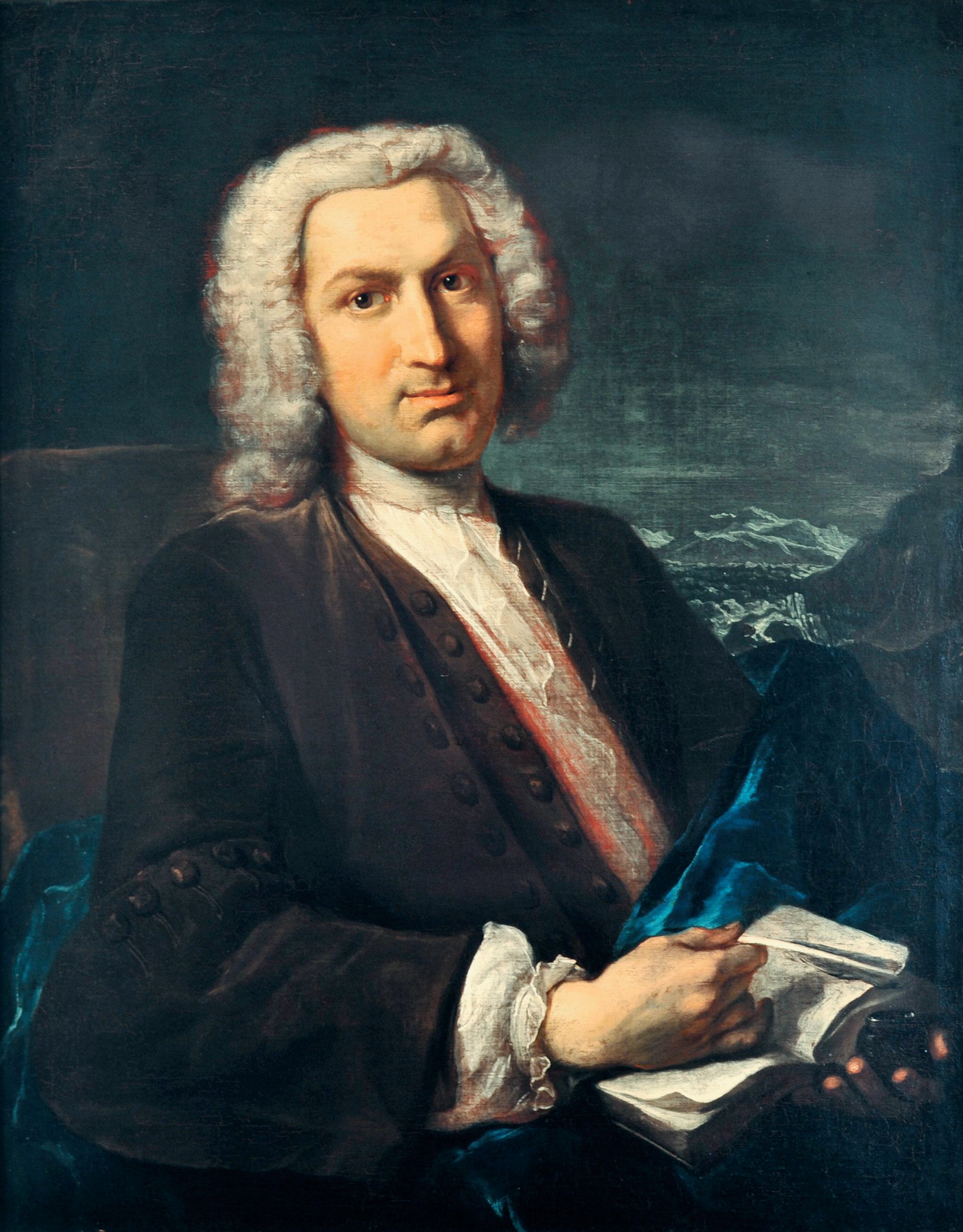
In these memoirs Haller described the results of 235 vivisections. Haller has been called "the founder of modern haemodynamics." "The myogenic theory of the heartbeat can be traced to Haller, who concluded on the basi…
2008 CE
#8308
Embodiments of will: Anatomical and physiological theories of voluntary animal motion from Greek antiquity to the Latin Middle Ages, 400 B.C - A.D.1300.
1897 CE
#12198
Entwickelungslehre, Geburtshülfe und Gynäkologie in der hippokratischen Schriften.
Digital facsimile from the Internet Archive at this link.
1708 CE
#581
Institutiones medicae in usus annuae exercitationis domesticos digestae.
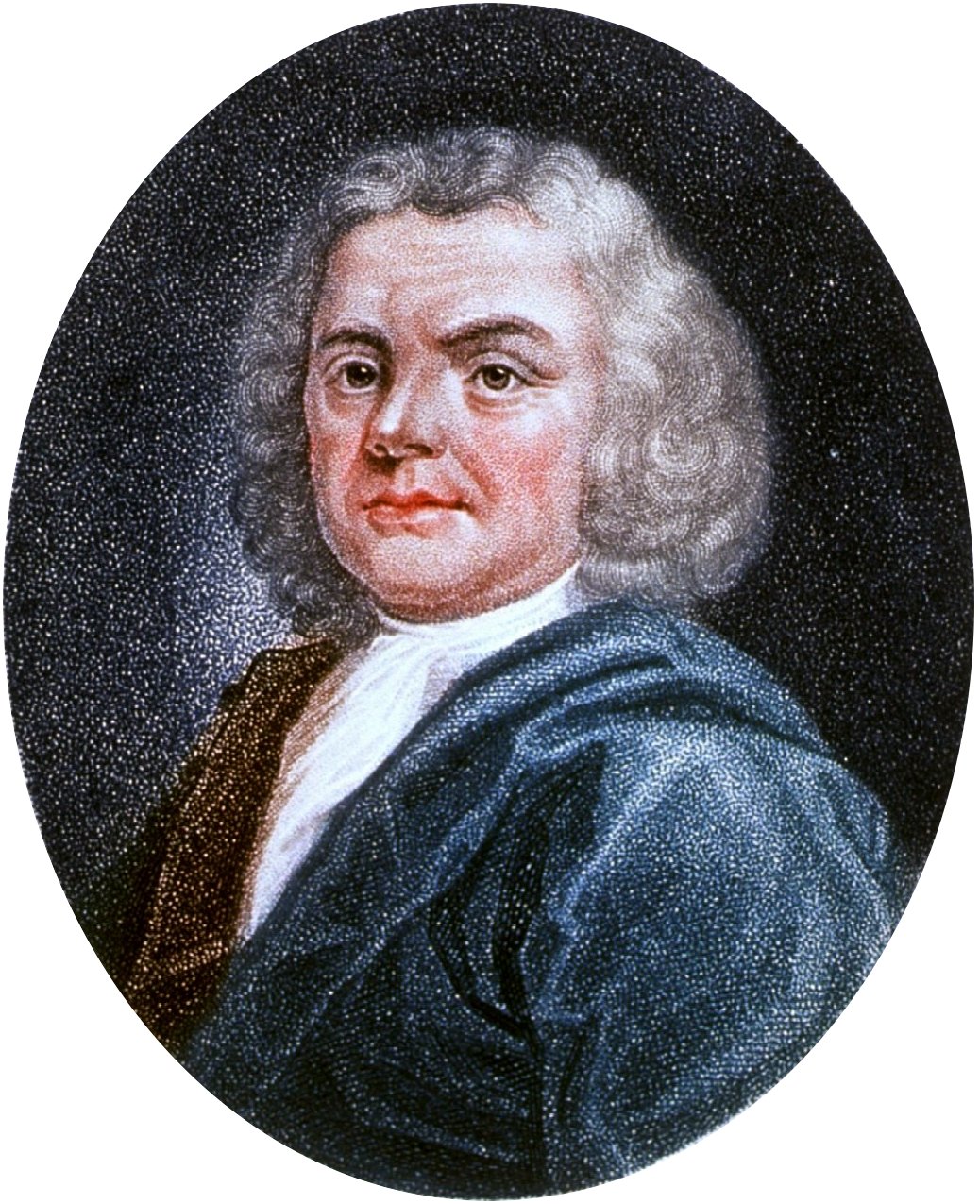
Institutiones medicae, Boerhaave’s first book, represented lectures given by Boerhaave on June 23, 1701; it was soon being used in virtually every medical school in Europe, going though numerous authorized and u…
1836 CE–1838 CE
#2217
Leçons sur les phénomènes physiques de la vie. 4 vols.
Magendie, pioneer experimental physiologist, regarded pathology as only a modification of physiology, “medicine the physiology of the sick man”. By him clinical medicine was reconstructed on physiological …
1876 CE
#11574
Methodik der physiologischen experimente und vivisectionen. 2 vols.
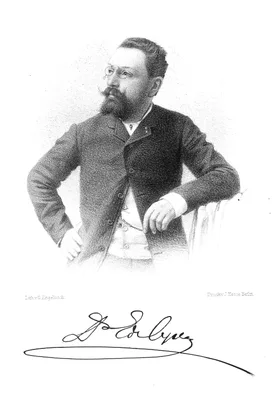
"This textbook and its remarkable atlas [of 54 plates] was used by Europe's leading physiologists as they expanded animal experimentation in an attempt to understand human function in health and disease" (W. Bruce Fye…
2017 CE
#9712
Normality. A critical genealogy.

Perhaps the first study of the history of the "normal" in medicine. Traces the concept of normal to French anatomical and physiological discourse in the 1820s and 1830s, and its dissemination in modern culture through…
1740 CE–1753 CE
#72
Opera omnia physico-medica. (Supplementum, etc) 9 vols.
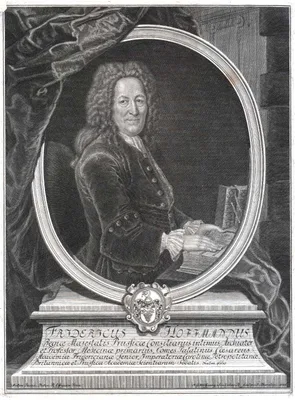
Hoffmann of Halle was the most important of the Iatromechanists. He believed an ether-like “vital fluid” to be present in the nervous system and to act upon the muscles, giving them “tonus”.
1882 CE
#1571
The experimental method in medical science.
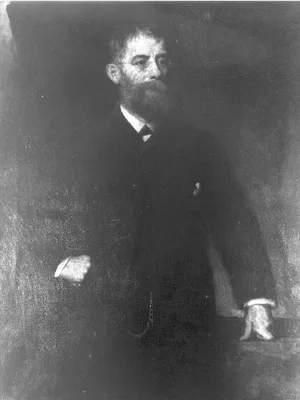
Dalton, Professor of Physiology at the universities of Buffalo and Vermont, and the College of Physicians and Surgeons, New York, was the first American to devote his time exclusively to that subject. He was present a…
2006 CE
#8780
The great starvation experiment: Ancel Keys and the men who starved for science.
1970 CE
#11112
The human placenta.
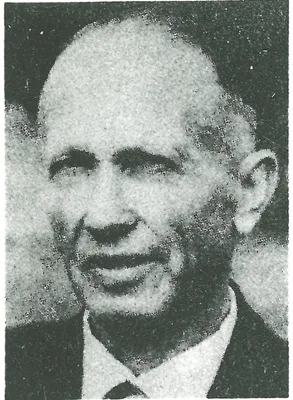
An elegantly published and illustrated monograph with extensive historical material.
2014 CE
#10629
The Pelvis: Structure, gender and society.
"This book offers a critical review of the pelvic sciences—past, present and future—from an anatomical and physiological perspective....The book starts with a “construction plan” of the pelvis …
1950 CE
#2238
The physiology and pathology of exposure to stress.
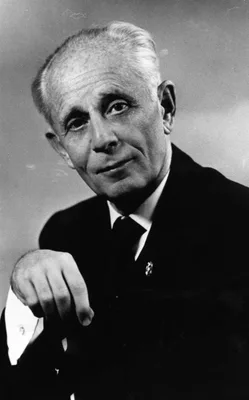
In his study of the etiology of the collagen disease Selye developed the idea that animals react to stress or injury by a certain sequence of physiological reactions – the “general adaptation syndrome”.
1884 CE
#11682
The vivisectors' directory; being a list of the licensed vivisectors in the United Kingdom; together with the leading physiologists in foreign laboratories. Compiled from authentic sources. Edited by Benjamin Bryan, with a preface by Frances Power Cobbe.
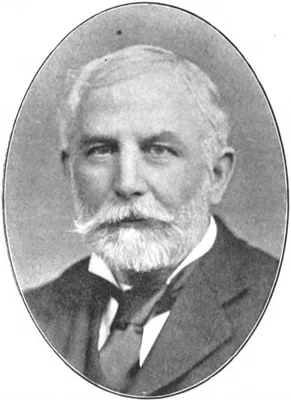
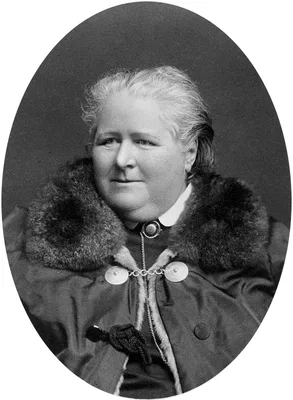
A remarkably detailed listing of scientific and medical researchers conducting research involving vivisection with address information and details of their research. This information was published in order to supply d…
1708 CE
#582
Theoria medica vera.
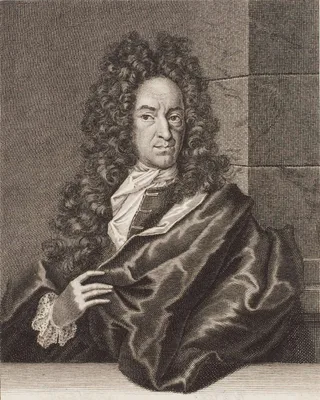
Stahl tried to explain vital phenomena by mystical means. He was the head of the so-called Animistic School which explained disease as caused by misdirected activities on the part of the soul. A three-volume German tr…