
Facets
Browse across eight MeSH (opens in new tab) facets — era, geography, science, specialty, technology, history, culture, and reference. Select one tag per group; counts update across the others.
Clear filtersFacet filters
Geography
Specialties & Disease
- Anatomy & Pathology 6
- Cardiology & Blood 1
- Neurology & Psychiatry 1
- Obstetrics & Reproductive 2
- Infectious Disease (General) 0
- Surgery & Anesthesia 1
- Public Health 6
- Immunology & Dermatology 2
- General Clinical Medicine 14
- Military Medicine 0
- Psychology 0
- Alternative & Fringe Medicine 0
- Pediatrics 0
- Ophthalmology & Vision 0
- ENT & Hearing 0
- Urology & Nephrology 0
- Gastroenterology & Hepatology 0
- Pulmonary & Respiratory 0
- Rheumatology, Rehab & Pain 0
- Internal, Emergency & Geriatric 0
- Veterinary Medicine 0
- Epidemiology & Demography 1
- Physiology & Embryology 8
- Dentistry 0
- Plagues & Epidemics 3
- Microbiology & Virology 4
Social & Historical Studies
Institutions & Culture
Reference & Scholarly Works
Drugs & Technology
8 entries match Physiology & Embryology [G07 / G02.149] · Diagnostics & Imaging [E01] · Zoology & Animal Sciences [K01.900.500.750]
1966 CE
#14064
"Fertile" intestine nuclei.
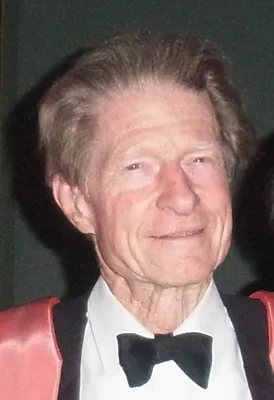
Gurdon and Uehlinger replaced the cell nucleus of frog ova with frog intestinal nuclei to generate tadpoles, some of which became fertile adult male and female frogs. In 2012 the Nobel Prize in Physiology or Medicine …
1895 CE
#8653
An atlas of the fertilization and karyokinesis of the ovum.
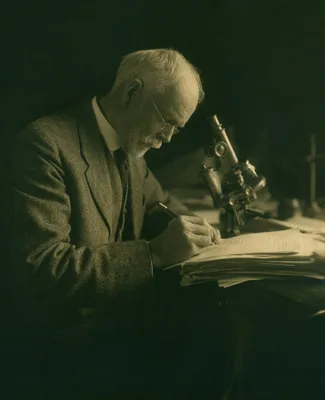
The first atlas of photomicrographs showing fertilization and cellular development during mitosis. The photomicrographs were taken by Leaming. Digital facsimile from the Internet Archive at this link.
1998 CE
#13286
Embryonic stem cell lines derived from human blastocysts.
Thomson and collaborators first isolated embryonic stem cells from human blastocysts. Order of authorship in original publication: Thomson, Itskovitz-Eldor, Shapiro et al. Available online from science.sciencemag.org …
1981 CE
#13285
Establishment in culture of pluripotential cells from mouse embryos.
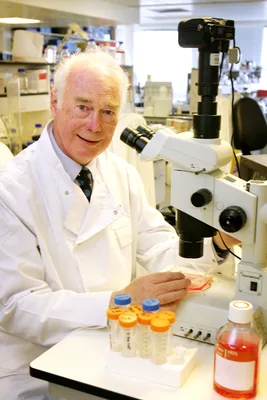
Evans and Kauffman were the first to identify, isolate and successfully culture embryonic stem cells using mouse blastocysts. This discovery opened the doors to the creation of “murine genetic models” -- m…
1953 CE
#256.4
Helical structure of crystalline deoxypentose nucleic acid.
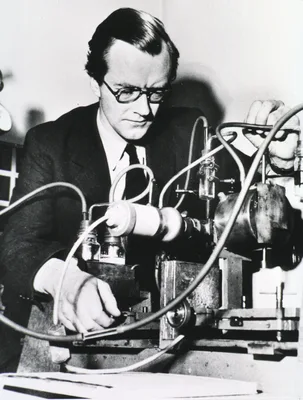
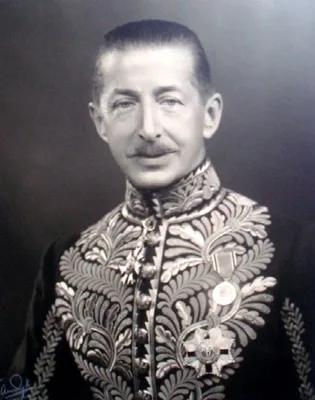
In 1962 Wilkins shared the Nobel Prize in Physiology or Medicine with Crick and Watson "for their discoveries concerning the molecular structure of nucleic acids and its significance for information transfer in living…
2006 CE
#13287
Induction of pluripotent stem cells from mouse embryonic and adult fibroblast cultures by defined factors.

Takahashi and Yamanaka reprogrammed mice fibroblast cells, which can produce only other fibroblast cells, to become pluripotent stem cells, which have the capacity to produce many different types of cells. This they a…
1920 CE
#7000
The growth and shedding of the antlers of the deer. The histological phenomena and their relation to the growth of bone.
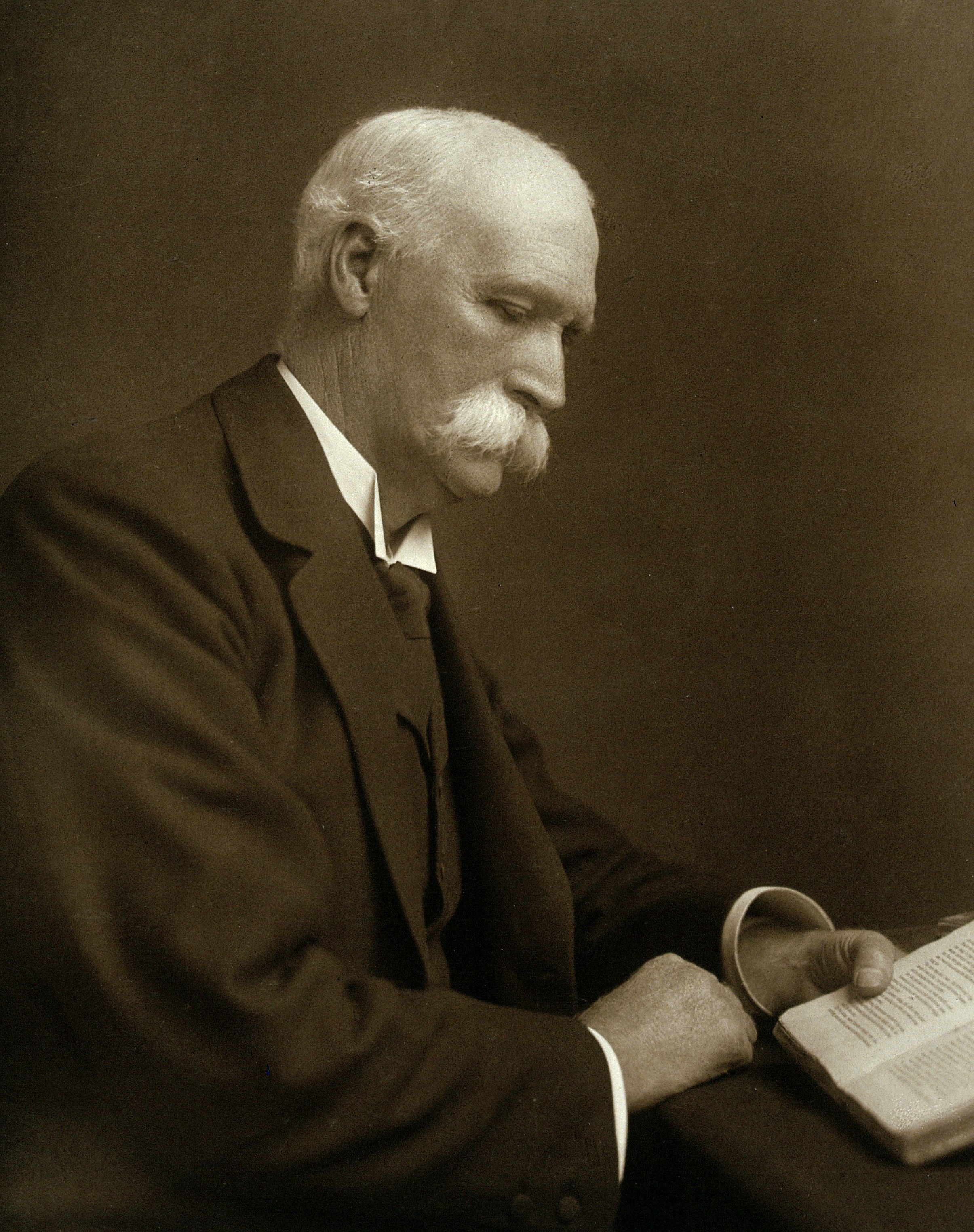
The first study of the unusual and dramatic physiology of the annual growth and shedding of the antlers of deer. "The amount of bony matter annually secreted to form antlers of the larger deer is enormous, antlers of …
1997 CE
#7457
Viable offspring derived from fetal and adult mammalian cells.
Cloning of the lamb Dolly, the first mammal to be cloned from an adult cell. Her birth established that the nuclei of at least some adult cells can be used to produce sheep or other animals that are genetically identi…