
Facets
Browse across eight MeSH (opens in new tab) facets — era, geography, science, specialty, technology, history, culture, and reference. Select one tag per group; counts update across the others.
Clear filtersFacet filters
Geography
Specialties & Disease
- Anatomy & Pathology 3
- Cardiology & Blood 4
- Neurology & Psychiatry 5
- Obstetrics & Reproductive 8
- Infectious Disease (General) 2
- Surgery & Anesthesia 7
- Public Health 16
- Immunology & Dermatology 5
- General Clinical Medicine 7
- Military Medicine 11
- Psychology 1
- Alternative & Fringe Medicine 31
- Pediatrics 2
- Ophthalmology & Vision 0
- ENT & Hearing 1
- Urology & Nephrology 0
- Gastroenterology & Hepatology 1
- Pulmonary & Respiratory 0
- Rheumatology, Rehab & Pain 0
- Internal, Emergency & Geriatric 0
- Veterinary Medicine 1
- Epidemiology & Demography 14
- Physiology & Embryology 2
- Dentistry 6
- Plagues & Epidemics 21
- Microbiology & Virology 1
Social & Historical Studies
Institutions & Culture
Reference & Scholarly Works
Drugs & Technology
309 entries match Race, Ethnicity & Colonial Medicine [K01.900.850]
1936 CE
#9304
The ethnobiology of the Chiricahua and Mescalero Apache: A. the use of plants for food, beverages and narcotics. Ethnobiological studies in the American Southwest, Vol. 3. Biological series (Vol. 4, No. 5); Bulletin, University of New Mexico, whole, (No. 297).
1935 CE
#9303
The ethnobiology of the Papago Indians. Ethnological Studies in the American Southwest II.
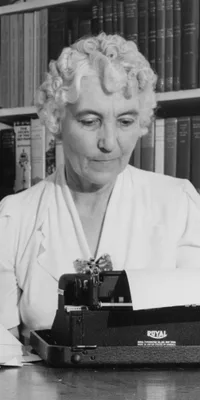
"The Tohono O’odham ... are a Native American people of the Sonoran Desert, residing primarily in the U.S. state of Arizona and the Mexican state of Sonora. Tohono O’odham means "Desert People." The federa…
1932 CE
#9283
The ethnobotany of the Acoma and Laguna Indians. M.A. thesis.
1939 CE
#6594
The first Negro medical society. A history of the Medico-Chirurgical Society of the District of Columbia.
A detailed history of the “first American Negro medical society formed in America and probably in the world”. Cobb was the first black American medical historian of note.
2009 CE
#13038
The good doctors: The Medical Committee for Human Rights and the struggle for social justice in health care.
"... documents the history of the Medical Committee for Human Rights (MCHR), a group of health professionals who delivered health care to wounded protesters and victims of police violence during the Civil Rights Movem…
1906 CE
#7051
The health and physique of the Negro American: report of a social study made under the direction of Atlanta University: together with the Proceedings of the Eleventh Conference for the Study of the Negro Problems, held at Atlanta University, on May the 29th, 1906.
Probably the earliest sociological study of the medical problems of blacks written by a black. Digital facsimile from the Internet Archive at this link.
1994 CE
#10084
The health of Native Americans: Towards a biocultural epidemiology.
1951 CE
#6596.1
The health of slaves on southern plantations.
Chiefly from contemporary MS records.
1793 CE
#13041
The history of Dahomy, an inland kingdom of Africa; compiled from authentic memoirs; with an introduction and notes.
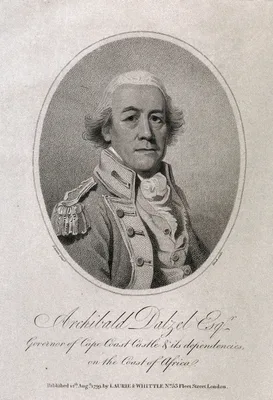
Dalzel studied medicine at Edinburgh, and served in the Royal Navy as a surgeon during the Seven Years’ War (1756–63). Discharged in 1763, he accepted a position as a surgeon in the Company of Merchants Tr…
1775 CE
#7505
The history of the American Indians; particularly those nations adjoining to the Missisippi [sic] East and West Florida, Georgia, South and North Carolina, and Virginia: containing an account of their origin, language, manners, religious and civil customs, laws, form of government, punishments, conduct in war and domestic life, their habits, diet, agriculture, manufactures, diseases and method of cure... With observations on former historians, the conduct of our colony governors, superintendents, missionaries, & c. Also an appendix, containing a description of the Floridas, and the Missisippi [sic] lands, with their productions--the benefits of colonizing Georgiana, and civilizing the Indians--and the way to make all the colonies more valuable to the mother country....
The author characterized himself on the title page as "a Trader with the Indians and a Resident in their Country for Forty Years." Digital facsimile from the Internet Archive at this link.
1967 CE
#7048
The history of the Negro in medicine.
International Library of Negro Life and History. Revised edition, 1968.
1836 CE
#9524
The Indian vegetable family instructer: Containing the names and descriptions of all the most useful herbs and plants that grow in this country, with their medicinal qualities annexed; also, a treatise on many of the lingering diseases to which mankind are subject, ... with a large list of recipes, which have been carefully selected from Indian prescriptions ... Designed for the use of families in the United States.
1967 CE
#6501.1
The Jews and medicine. Jewish luminaries in medical history. 3 vols.
First published 1944-46. Vol. 1 includes a classified bibliography of ancient Hebrew medicine.
2011 CE
#12421
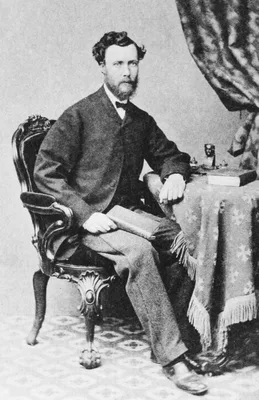
The last slave market: Dr. John Kirk and the struggle to end the East African slave trade.
1963 CE
#8642
The martyrdom of Jewish physicians in Poland: Studies by Dr. Leon Wulman and Dr. Joseph Tenenbaum. Research and Documentation by Dr. Leopold Lazarowitz and Dr. Simon Malowist. Edited by Louis Falstein.
"Of the more than 3 million Jewish Poles that perished during the Holocaust, approximately 3,000 were physicians. It was the goal of the Alliance members to memorialize those physicians who perished during the Holocau…
1989 CE
#8269
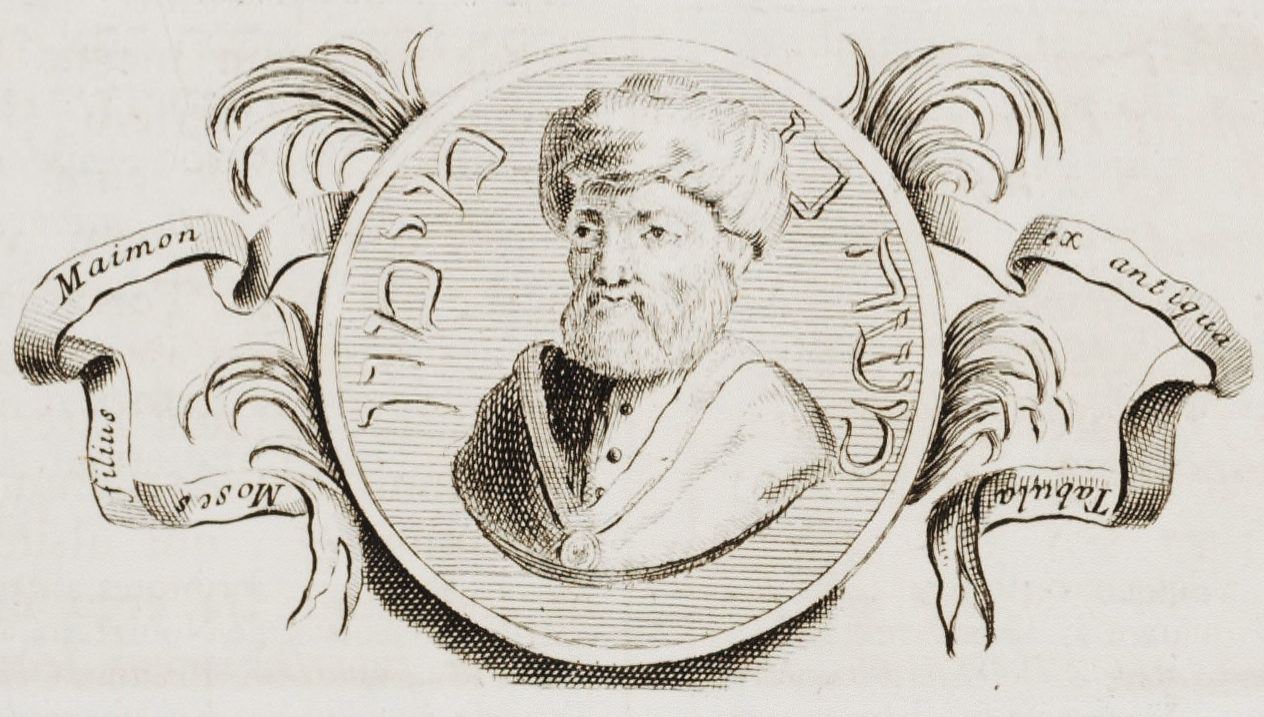
The medical aphorisms of Moses Maimonides translated and annotated by Fred Rosner, with a bibliography by Jacob I. Dienstag.
1801 CE
#9897
The medical assistant, or Jamaica practice of physic: Designed chiefly for the use of families and plantations.
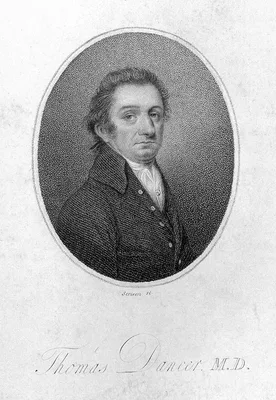
Digital facsimile from the U.S. National Library of Medicine at this link.
1997 CE
#8264
The medical legacy of Moses Maimonides by Fred Rosner.
1963 CE
#6495.8
The medical writings of Moses Maimonides. Treatise on asthma.
1923 CE
#6456
The medicine man: A sociological study of the character and evolution of shamanism.
Digital facsimile from the Internet Archive at this link.
1990 CE
#10874
The medicine men: Oglala Sioux ceremony and healing.
1935 CE
#6461
The medicine-man of the American Indian and his cultural background.
Digital facsimile from the Hathi Trust at this link.
1892 CE
#6452.1
The medicine-men of the Apache.
Bourke, a U.S. Army officer with experience on the American Indian frontier, was a pioneer student of native American medicine and anthropology. Digital facsimile from the Internet Archive at this link.
1977 CE
#7977
The native population of the Americas in 1492. Edited by William M. Devevan.
"The discovery of America was followed by possibly the greatest demographic disaster in the history of the world." Research by some scholars provides population estimates of the pre-contact Americas to be as high as 1…
1737 CE
#12473
The natural history of North Carolina. With an account of the trade, manners and customs of the Christian and Indian inhabitants. Illustrated with copper-plates, whereon are curiously engraved the map of the country, several strange beasts, birds, fishes, snakes, insects, trees, and plants, &c.
Brickell accompanied provincial governor George Burrington to North Carolina in 1724, remaining in the region for six years and becoming one of the first medical doctors in North Carolina. Brickell took the material o…
1912 CE
#7050
The Negro in medicine.
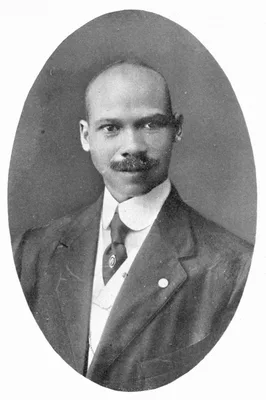
An early publication on the medical problems of blacks written by a black physician. Kenney served as school physician at Tuskegee University, was the first director of the John A. Andrew Memorial Hospital at Tuskegee…
1955 CE
#14343
The Negro in science.
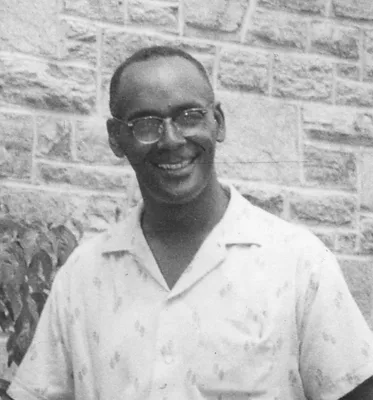
In the forward Martin D. Jenkins pointed out that while African Americans made important contributions to the natural sciences the awareness of the public and even other scientists was rather low. In the first chapter…
1949 CE
#8084
The Negro in the medical profession.
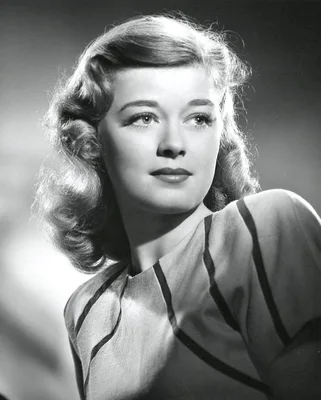
Publications of the University of Virginia, Phelps-Stokes fellowship papers, no. 18.
1934 CE
#11663
The negro professional man and the community with special emphasis on the physician and lawyer.
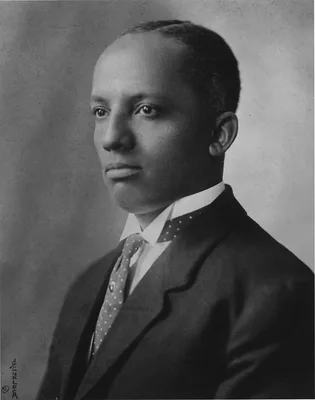
An in-depth social statistical and geographical analysis of America's black doctors including their distribution, economic links, and social activism that varied throughout the South, as well as the North and West.
2012 CE
#9977
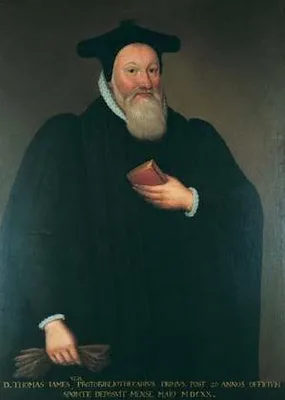
The New Encyclopedia of Southern Culture: Volume 22: Science and medicine. Edited by James G. Thomas, Jr. & Charles Reagan Wilson.
1986 CE
#8088
The path we tread: Blacks in nursing, 1854-1984.
1938 CE
#13291
The peyote cult.
The history of the study of the cult, the various botanical questions surrounding peyote, its physiological action and the various ethnological, psychological and historical questions involved in its diffusion.
1999 CE
#8694
The physician and the slave trade: John Kirk, the Livingstone expeditions, and the crusade against slavery in East Africa.
1807 CE
#7049
The planter's and mariner's medical companion: treating, according to the most successful practice, I. The diseases common to warm climates and on ship board. II. Common cases in surgery, as fractures, dislocations, &c. &c. III. The complaints peculiar to women and children. To which are subjoined a dispensatory, shewing how to prepare and administer family medicines, and a glossary giving an explanation of technical terms.
Ewell, then practicing in Savannah, Georgia, wrote this self-help book for southern residents, directing his book toward plantation owners. It was "the constant friend of a large number of slave-masters. In emergencie…
2017 CE
#13215
The price for their pound of flesh: The value of the enslaved, from womb to grave, in the building of a nation.
"Berry studies the economic history of slavery in the United States, examining how a price was assigned to the bodies of enslaved people in America from before they were born until after they died.[5] Berry proposes f…
1947 CE
#10216
The ranks of death: A medical history of the conquest of America
Digital facsimile from the Hathi Trust at this link.
1951 CE
#6846
The structure of proteins: Two hydrogen-bonded configurations of the polypeptide chain.
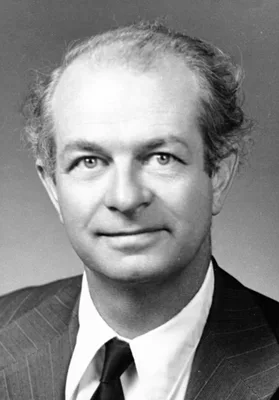
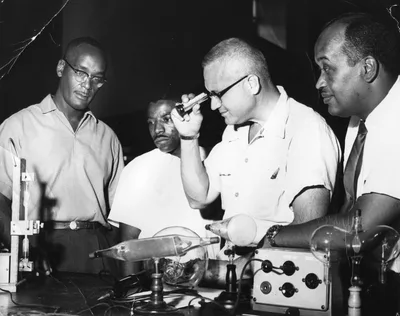
Pauling, his crystallographer R. B. Corey, and African-American physicist and chemist H.R. Branson announced the α-helix, a principal structural feature of proteins. Digital facsimile from the National Academy o…
1896 CE
#13882
The surgical peculiarities of the American negro. A statistical inquiry based upon the records of the Charity Hospital of New Orleans, LA., Decennium 1884-'94.
Digital facsimile from wellcomecollection.org at this link.
1932 CE
#7003
The Swimmer manuscript. Cherokee sacred formulas and medicinal prescriptions, by James Mooney, revised, completed and edited by Frans M. Olbrechts. Smithsonian Institution, Bureau of American Ethnology Bulletin 99.
Digital facsimile from the Internet Archive at this link.
2009 CE
#13711
The tainted gift: The disease method of frontier expansion.
1988 CE
#9291
The use of medicinal plants by the Alaska natives.
1980 CE
#10736
The way of the shaman: A guide to power and healing.
2007 CE
#12584
The works of James McCune Smith: Black intellectual and abolitionist. Edited by John Stauffer. Forward by Henry Louis Gates, Jr.
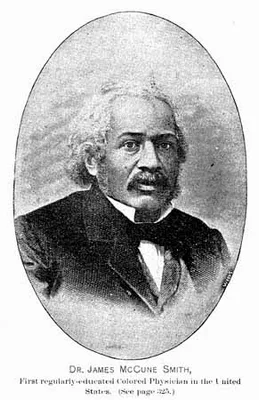
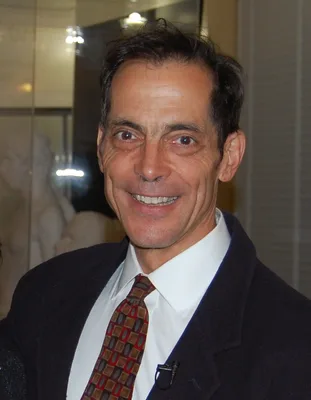
Smith "was the first African American to hold a medical degree and graduated at the top in his class at the University of Glasgow in Scotland. After his return to the United States, he became the first African America…
1830 CE
#13720
Thoughts on the original unity of the human race.
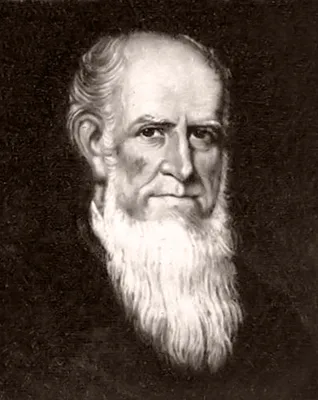
The first important American presentation of the case for polygenesis in support of slavery. Caldwell presented the first important American critique of the monogenist theories of human ancestry promoted by Samuel Sta…
1952 CE
#14100
Tissue culture studies of the proliferative capacity of cervical carcinoma and normal epithelium.
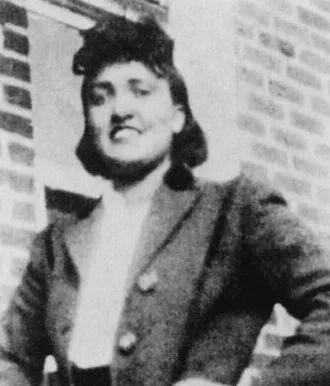
A cell biologist at Johns Hopkins Hospital, Gey propagated the HeLa cell line from Henrietta Lacks' cervical tumor. This cell line, which maintained a continuous growth phase, was the first immortal human cell line to…
2020 CE
#13725
To make the wounded whole: The African American struggle against HIV/AIDS.
2018 CE
#10755
To raise up the man farthest down: Tuskegee University's advancements in human health, 1881-1987.
1976 CE
#3705.05
Tooth mutilations and dentistry in pre-Columbian Mexico.
First edition in English. First edition, in Spanish, 1971.
2000 CE
#12328
Tuskegee's truths: Rethinking the Tuskegee Syphilis Study. Edited by Susan M. Reverby.
2022 CE
#14150
Under the skin: The hidden toll of racism on American lives and on the health of our nation.
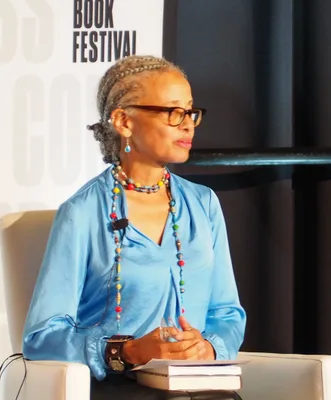
"In 2018, Linda Villarosa's New York Times Magazine article on maternal and infant mortality among black mothers and babies in America caused an awakening. Hundreds of studies had previously established a link between…