
Facets
Browse across eight MeSH (opens in new tab) facets — era, geography, science, specialty, technology, history, culture, and reference. Select one tag per group; counts update across the others.
Clear filtersFacet filters
Geography
Specialties & Disease
- Anatomy & Pathology 0
- Cardiology & Blood 0
- Neurology & Psychiatry 0
- Obstetrics & Reproductive 0
- Infectious Disease (General) 0
- Surgery & Anesthesia 0
- Public Health 0
- Immunology & Dermatology 0
- General Clinical Medicine 0
- Military Medicine 0
- Psychology 0
- Alternative & Fringe Medicine 0
- Pediatrics 0
- Ophthalmology & Vision 0
- ENT & Hearing 0
- Urology & Nephrology 0
- Gastroenterology & Hepatology 0
- Pulmonary & Respiratory 0
- Rheumatology, Rehab & Pain 0
- Internal, Emergency & Geriatric 0
- Veterinary Medicine 0
- Epidemiology & Demography 0
- Physiology & Embryology 1
- Dentistry 0
- Plagues & Epidemics 0
- Microbiology & Virology 0
Social & Historical Studies
Institutions & Culture
Reference & Scholarly Works
Drugs & Technology
7 entries match Asia & Pacific [Z01.586] · Professions & Education [M01 / N02] · Natural History & Evolution [K01.900.500]
2004 CE
#7286
A new small-bodied hominin from the Late Pleistocene of Flores, Indonesia.

In 2003 a joint Indonesian-Australian research team led by Michael Morwood found LB-1—a nearly complete female skeleton of a tiny human that lived about 80,000 years ago—in Liang Bua cave on the island of …
2002 CE
#8706
Darwin Online. The complete works of Charles Darwin, edited by John van Wyhe.
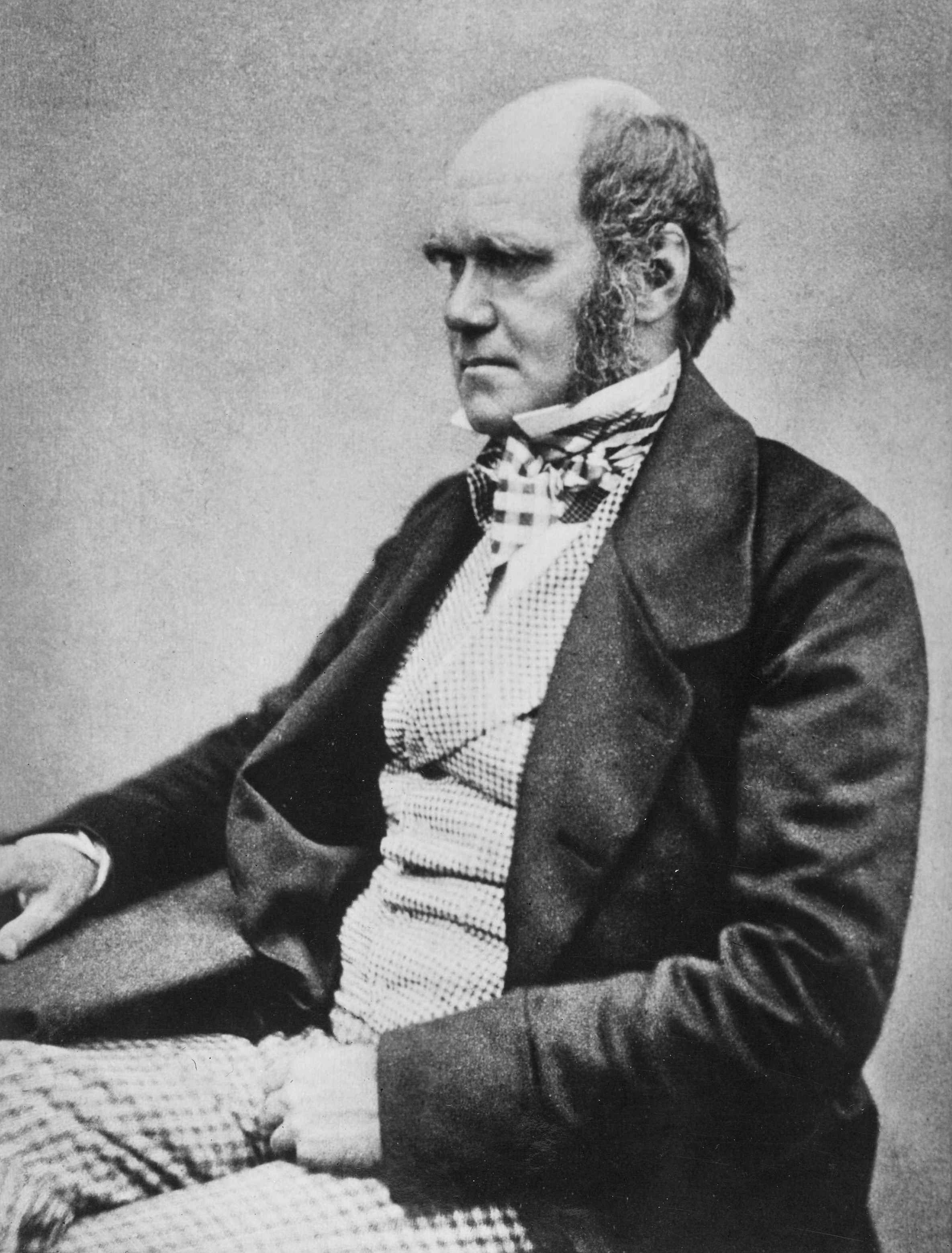
http://darwin-online.org.uk/AboutUs.html Darwin's Complete Publications Books Origin of Species, Voyage of the Beagle, Descent of Man... Articles Volcanic, Darwin-Wallace paper... Published Letters Life and letters, D…
1894 CE
#210
Pithecanthropus erectus. Eine menschenähnliche Uebergangsform aus Java.
Privately issued first report on Homo erectus. In 1891 Dubois discovered remains of what he described as "a species in between humans and apes" at Trinil, Java. He called his finds Pithecanthropus erectus ("ape-human …
1931 CE
#213
Sinanthropus – Peking Man, its discovery and significance.
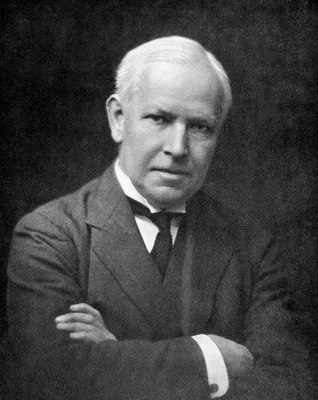
Elliot Smith visited Peking to view the skull of Sinanthropus pekinensis, discovered by W. C. Pei on December 2, 1929. A preliminary description by Pei is to be found in Bull. geol. Soc. China, 1929, 8, 3.
2014 CE
#7289
The complete genome sequence of a Neanderthal from the Altai Mountains.
First complete sequence of a Neanderthal genome. With more than 20 co-authors. In 2022 Pääbo was awarded the Nobel Prize in Physiology or Medicine "for his discoveries concerning the genomes of extinct homin…
1927 CE
#7255
The lower molar hominid tooth from the Chou Kou Tien deposit.
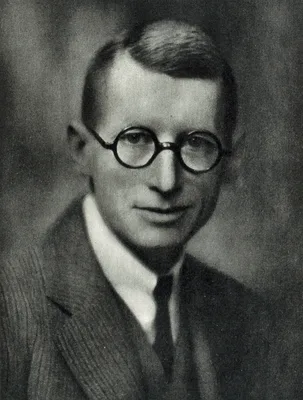
In this report on a single hominid tooth found by Swedish archeologist Birger Bohlin at the Zhoukoudian site in 1927 Black named a new genus and species of hominid, Sinanthropus pekinensis. He characterized the specim…
1943 CE
#214
The skull of Sinanthropus pekinensis: A comparative study on a primitive hominid skull.

Digital facsimile from the Internet Archive at this link.