
Facets
Browse across eight MeSH (opens in new tab) facets — era, geography, science, specialty, technology, history, culture, and reference. Select one tag per group; counts update across the others.
Clear filtersFacet filters
Geography
Specialties & Disease
- Anatomy & Pathology 0
- Cardiology & Blood 0
- Neurology & Psychiatry 1
- Obstetrics & Reproductive 1
- Infectious Disease (General) 0
- Surgery & Anesthesia 0
- Public Health 2
- Immunology & Dermatology 0
- General Clinical Medicine 2
- Military Medicine 1
- Psychology 0
- Alternative & Fringe Medicine 6
- Pediatrics 0
- Ophthalmology & Vision 0
- ENT & Hearing 0
- Urology & Nephrology 0
- Gastroenterology & Hepatology 0
- Pulmonary & Respiratory 0
- Rheumatology, Rehab & Pain 0
- Internal, Emergency & Geriatric 0
- Veterinary Medicine 0
- Epidemiology & Demography 4
- Physiology & Embryology 0
- Dentistry 0
- Plagues & Epidemics 3
- Microbiology & Virology 0
Social & Historical Studies
Institutions & Culture
Reference & Scholarly Works
Drugs & Technology
55 entries match Traditional & Indigenous [G02.403.700] · United States [Z01.058] · Race, Ethnicity & Colonial Medicine [K01.900.850]
2015 CE
#10275
A Cree healer and his medicine bundle: Revelations of indigenous wisdom: Healing plants, practices, and stories.
"With the rise of urban living and the digital age, many North American healers are recognizing that traditional medicinal knowledge must be recorded before being lost with its elders. A Cree Healer and His Medicine B…
2000 CE
#7976
A population history of the United States. Edited by Michael R. Haines and Richard H. Steckel.
From Pre-Columbian times to the present.
1817 CE–1820 CE
#1842
American medical botany, being a collection of the native medicinal plants of the United States, containing their botanical history and chemical analysis, and properties and uses in medicine, diet and the arts. 3 vols.
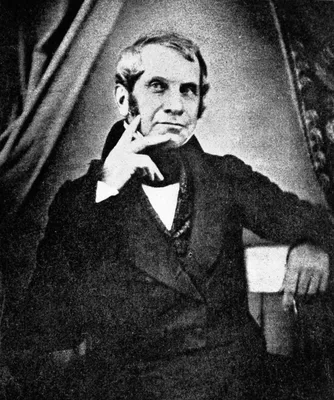
Bigelow was professor of materia medica and botany at Harvard. This work included native American remedies. It was the first book printed in the United States to include color plates printed in color. See R.J. Wolfe, …
2015 CE
#10341
Beyond germs: Native depopulation in North America. Edited by Catherine M. Cameron, Paul Kelton, and Alan C. Swedlund.
This book "challenges the “virgin soil” hypothesis that was used for decades to explain the decimation of the indigenous people of North America. This hypothesis argues that the massive depopulation of the…
1814 CE
#9641
Botanic medicine: A new and complete American medical family herbal: Wherein is displayed the true properties and medical virtues of the plants, indigenous to the United States of America, together with Lewis' secret remedy newly discovered, which has been found infallible in the cure of that dreadful disease hydrophobia, produced by the bite of a mad dog.
Henry wrote that he had been a captive of the Indians during the Creek War and that he incorporated what he learned during his captivity. His work was one of the first illlustrated herbals published in the United Stat…
2015 CE
#7504
Cherokee medicine, colonial germs: An indigenous nation’s fight against smallpox, 1518–1824.
1975 CE
#9270
Cherokee plants their uses - a 400 year history.
1977 CE
#9288
Childbirth in the ghetto: Folk beliefs of negro women in a North Philadelphia hospital ward.
2008 CE
#12097
Creek Indian medicine ways. The enduring power of Muskoke religion.

"Called the Mvskoke in their language, the Creek Indians of Oklahoma continue to practice traditional medicine. In Creek Indian Medicine Ways, David Lewis, a full-blood Mvskoke and practicing medicine man, tells about…
1751 CE
#1832
Descriptions, virtues, and uses of sundry plants of these northern parts of America, and particularly of the newly discovered Indian cure for the venereal disease.
Bartram founded one of the first botanical gardens in America (at Kingsessing). Linnaeus referred to him as the “greatest natural botanist in the world”. A few copies of this 7-page work printed by Benjami…
2007 CE
#7506
Epidemics and enslavement: Biological catastrophe in the native Southeast, 1492-1715,
1933 CE
#9348
Ethnobotany of the Forest Potawatomi Indians.
Digital facsimile from swsbm.com at this link.
1939 CE
#9323
Ethnobotany of the Hopi. Bulletin No. 15.
1923 CE
#9294
Ethnobotany of the Menomini Indians.
Digital facsimile from spiritoftherivers.wikispaces.com at this link.
1928 CE
#9289
Ethnobotany of the Meskwaki Indians.
1944 CE
#9282
Ethnobotany of the Navajo. Monographs of the School of American Research, No. 8.
Digital facsimile from uair.library.arizona.edu at this link.
1932 CE
#9295
Ethnobotany of the Ojibwe Indians.
Digital facsimile from nwic.edu at this link.
1916 CE
#9346
Ethnobotany of the Tewa Indians. Bureau of American Ethnology Bulletin 55.
Digital facsimile from the Internet Archive at this link.
1915 CE
#9293
Ethnobotany of the Zuñi Indians. Thirtieth annual report of the Bureau of American Ethnology.
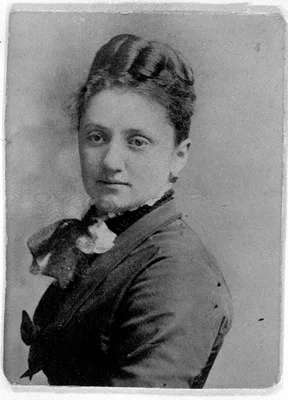
Digital facsimile from swsbm.com at this link.
2019 CE
#12094
Fighting invisible enemies: Health and medical transitions among Southern California Indians.
"Native Americans long resisted Western medicine--but had less power to resist the threat posed by Western diseases. And so, as the Office of Indian Affairs reluctantly entered the business of health and medicine, Nat…
2009 CE
#12095
Forgotten voices: Death records of the Yakama, 1888-1964.
"Despite a recent resurgence in studies of death and disease in native peoples of the Western Hemisphere, little work has been done on death and disease in Native Americans during the reservation period of the late 19…
2001 CE
#9280
Healing plants: Medicine of the Florida Seminole Indians.
1997 CE
#8544
Iroquois medical botany.
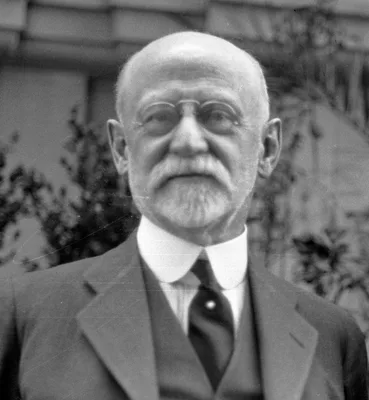
"The first book to provide a guide to understanding the use of herbal medicines in traditional Iroquois culture. The world view of the Iroquois League or Confederacy - the Mohawk, Oneida, Onondaga, Cayuga, Seneca, and…
1823 CE
#8798
Manners and customs of several Indian tribes located west of the Mississippi; including some account of the soil, climate, and vegetable productions, and the Indian materia medica: to which is prefixed the history of the author's life during a residence of several years among them.
Hunter claimed that as a child he had been captured by the Cherokee before they came to Texas. He adopted the name of an English benefactor, John Dunn, and later added the name "Hunter" given by the Indians because of…
1787 CE
#1837
Materia medica Americana, potissimum regni vegetabilis.
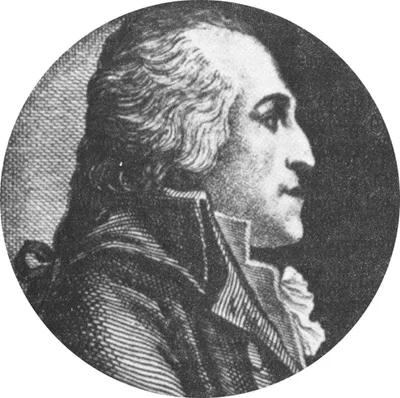
Schoepff came to America in 1777 as a surgeon with the Hessian troops employed by the British Forces. He returned to Germany in 1784 and compiled the first full American materia medica, describing about 400 plants, in…
1828 CE–1830 CE
#1849
Medical flora; or, manual of the medical botany of the United States of North America. Containing a selection of above 100 figures and descriptions of medical plants, with their names, qualities, properties, history &c; and notes or remarks on nearly 500 equivalent substitutes. 2 vols.
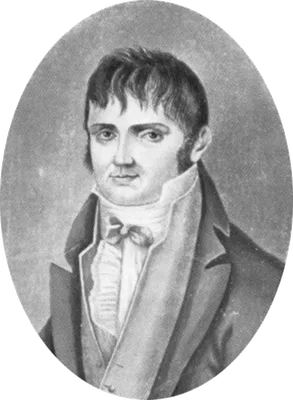
Rafinesque was a great botanist, conchologist, archaeologist, and economist. Born in a suburb of Istanbul, he was also a world citizen and a prolific writer with 939 works to his credit. He died in extreme poverty in …
1999 CE
#9292
Medicinal flora of the Alaska natives. A compilation of knowledge from literary sources of Aleut, Alutiiq, Athabascan, Eyak, Haida, Inupiat, Tlingit, Tsimshian, and Yupik traditional healing methods using plants.
Digital facsimile from uaa.alaska.edu at this link.
1957 CE
#9272
Medicinal uses of plants by Indian tribes of Nevada. Contributions toward a flora of Nevada. No. 45. Revised edition, with summary of pharmacological research by W. Andrew Archer, Nov. 26, 1957.
Digital facsimile from the Internet Archive at this link. (First published in 1941.)
2002 CE
#10410
Native American healing: A Lacota ritual.
Medical rituals of the Lacota people.
1941 CE
#9281
Navajo Indian medical ethnobotany. University of New Mexico Bulletin, Anthropological Series, Vol. 3, No. 5.

Digital facsimile from herbaltherapeutics.net at this link.
1672 CE
#1826.1
New-Englands rarities discovered: in birds, beasts, fishes, serpents, and plants of that country. Together with the physical and chyrurgical remedies wherewith the natives constantly use to cure their distempers, wounds, and sores…
The first detailed account of the natural history and botany of North America, including the first extensive study of native North American medicine.
1862 CE
#2166.1
Notes on arrow wounds.
The definitive work on American Indian arrow wounds suffered by U. S. troops and settlers in frontier warfare during the Western expansion of the United States. Bill eventually developed a "Forceps for the Extraction …
1979 CE
#7190
Only one man died. The medical aspects of the Lewis and Clark expedition.
Appendix 1 contains a listing of the many medical books in the library of Thomas Jefferson.
1908 CE
#6455.1
Physiological and medical observations among the Indians of Southwestern United States and Northern Mexico.
Digital facsimile from the Internet Archive at this link.
2012 CE
#7891
Plague, fear, and politics in San Francisco's Chinatown.
1940 CE
#9278
Plants used as curatives by certain Southeastern tribes.
Digital facsimile from herablstudies.net at this link.
1994 CE
#10090
Secret doctors: Ethnomedicine of African Americans.
"Based on an ethnographic study of the traditional medicine of African Americans in the rural southern United States, this work concentrates on the original Louisiana Territory, with its Native and African American in…
2021 CE
#13271
Strong hearts and healing hands: Southern California Indians and field nurses, 1920-1950.
1972 CE
#9917
Strong medicine: History of healing on the Northwest Coast.
1801 CE
#1838.2
The American herbal, or materia medica.
The first herbal both produced and printed in the United States, as opposed to those which were reprints of European works. Includes information on native American remedies. Digital facsimile from the Medical Heritage…
1672 CE
#7007
The American physician : or, a treatise of the roots, plants, trees, shrubs, fruit, herbs, etc., growing in the English Plantations in America ; ... whereunto is added a discourse of the Cacao-nut-Tree, and the use of its fruit ; with all the ways of making Chocolate
The earliest work in English on the medicinal virtues of North American tropical plants. Based on first-hand observations made in the West Indies, Evidence suggests that Hughes began his career in 1651 with a privatee…
1900 CE
#9475
The ethno-botany of the Coahuilla Indians.
"The ʔívil̃uqaletem (or Ivilyuqaletem) are Native Americans of the inland areas of southern California.[2] Their original territory included an area of about 2,400 square miles (6,200 km2). The traditional Cahu…
1911 CE
#9347
The ethno-botany of the Gosiute Indians of Utah.
Digital facsimile from the Internet Archive at this link.
1936 CE
#9304
The ethnobiology of the Chiricahua and Mescalero Apache: A. the use of plants for food, beverages and narcotics. Ethnobiological studies in the American Southwest, Vol. 3. Biological series (Vol. 4, No. 5); Bulletin, University of New Mexico, whole, (No. 297).
1935 CE
#9303
The ethnobiology of the Papago Indians. Ethnological Studies in the American Southwest II.
"The Tohono O’odham ... are a Native American people of the Sonoran Desert, residing primarily in the U.S. state of Arizona and the Mexican state of Sonora. Tohono O’odham means "Desert People." The federa…
1932 CE
#9283
The ethnobotany of the Acoma and Laguna Indians. M.A. thesis.
1994 CE
#10084
The health of Native Americans: Towards a biocultural epidemiology.
1775 CE
#7505
The history of the American Indians; particularly those nations adjoining to the Missisippi [sic] East and West Florida, Georgia, South and North Carolina, and Virginia: containing an account of their origin, language, manners, religious and civil customs, laws, form of government, punishments, conduct in war and domestic life, their habits, diet, agriculture, manufactures, diseases and method of cure... With observations on former historians, the conduct of our colony governors, superintendents, missionaries, & c. Also an appendix, containing a description of the Floridas, and the Missisippi [sic] lands, with their productions--the benefits of colonizing Georgiana, and civilizing the Indians--and the way to make all the colonies more valuable to the mother country....
The author characterized himself on the title page as "a Trader with the Indians and a Resident in their Country for Forty Years." Digital facsimile from the Internet Archive at this link.
1990 CE
#10874
The medicine men: Oglala Sioux ceremony and healing.
1892 CE
#6452.1
The medicine-men of the Apache.
Bourke, a U.S. Army officer with experience on the American Indian frontier, was a pioneer student of native American medicine and anthropology. Digital facsimile from the Internet Archive at this link.